
Platy Breeding Uncomplicated: Your Guide to a Tank Full of Fry

Welcome to Aquarium Mastery!
Ever wondered how to turn your aquarium into a thriving nursery for Platy breeding? It's easier than you think! Dive in to discover our essential Platy breeding care tips and unlock the secrets to successfully raising a tank full of adorable fry. Get ready to witness the miracle of life unfold right before your eyes!
- Understanding Platy Breeding: An Introduction
- Essential Platy Breeding Care Tips for Success
- The Platy Breeding Process: Step-by-Step
- Caring for Pregnant Platies: Ensuring a Successful Birth
- Platy Fry Care: From Birth to Maturity
- Troubleshooting Common Platy Breeding Problems
- Raising Healthy Platies: Beyond Breeding
- Advanced Platy Breeding Techniques
- Conclusion: Mastering Platy Breeding for a Thriving Aquarium
- Frequently Asked Questions
- Final Reflection: A Symphony of Life in Your Aquarium
- Ignite Your Platy Population!
Understanding Platy Breeding: An Introduction
Why Breed Platies? Benefits and Considerations
Breeding platies offers aquarists a uniquely rewarding experience, providing an opportunity to observe the complete life cycle of a fish from birth to maturity. It's an excellent educational endeavor for both beginners and experienced hobbyists, allowing for a deeper understanding of aquatic biology and ecosystem management. Furthermore, platies are exceptionally prolific livebearers, often yielding 20 to 80 fry per birth, making successful breeding a frequent and exciting event.
Beyond the educational aspect, breeding platies can contribute to the hobby by allowing enthusiasts to selectively breed for specific color patterns, fin shapes, or even hardiness, potentially developing new strains. However, it's crucial to consider the implications of a rapidly expanding population. Responsible platy breeding care tips include planning for the offspring, ensuring adequate space as they grow, and finding suitable homes for the excess fry, whether through local fish stores, other hobbyists, or community rehoming programs.
Platy Reproduction: A Quick Overview of the Process
Platies, like other livebearers such as guppies and mollies, reproduce through internal fertilization. The male platy possesses a modified anal fin called a gonopodium, which is used to transfer sperm to the female. Once fertilized, the female carries the developing embryos internally, nourishing them until they are fully formed miniature versions of the adults, ready to swim and feed independently upon birth.
A fascinating aspect of platy reproduction is the female's ability to store sperm for an extended period, often up to six months, after a single interaction with a male. This means that a female platy can give birth to multiple batches of fry over several months, even if no male is present in the tank. The gestation period typically ranges from 28 to 35 days, influenced by factors such as water temperature and the female's overall health and nutrition.
Essential Platy Breeding Care Tips for Success
Optimizing Water Parameters for Breeding Platies
Maintaining stable and appropriate water parameters is paramount for successful platy breeding. Fluctuations in temperature, pH, or water hardness can stress fish, inhibit breeding, and lead to poor health outcomes for both parents and fry. Consistent monitoring and adjustments are key components of effective platy breeding care tips.
Regular testing of your aquarium water using a reliable kit is highly recommended. Aim for parameters that mimic their natural habitat and support their metabolic needs. Optimal conditions not only encourage breeding but also ensure the vitality of the parents and the healthy development of their offspring.
Ideal Temperature and pH for Platy Reproduction
Platies thrive and breed most readily in tropical water temperatures ranging from 72°F to 78°F (approximately 22°C to 26°C). Maintaining a consistent temperature within this range is crucial, as significant drops or spikes can stress the fish and potentially delay or prevent breeding. Using a reliable aquarium heater with a thermostat is essential to achieve this stability.
Regarding pH, platies prefer slightly alkaline water, with an ideal range of 7.0 to 8.0. They also appreciate moderately hard water, typically between 10 to 25 dGH (degrees of General Hardness). While they are quite adaptable, keeping these parameters stable and within the recommended ranges will significantly enhance breeding success and the overall health of your platies.
Water Changes and Filtration for a Healthy Breeding Environment
Clean water is non-negotiable for healthy platy breeding. Regular weekly water changes of 25-30% are highly recommended to remove accumulated nitrates, phosphates, and other waste products that can stress fish and lead to disease. Always use a dechlorinator to treat tap water, as chlorine and chloramines are toxic to fish.
For filtration, a gentle yet effective system is preferred, especially when fry are present. Sponge filters are an excellent choice for breeding tanks as they provide mechanical and biological filtration without creating strong currents that can exhaust small fry or potentially suck them into the filter intake. Over-filtration or excessively turbulent water should be avoided.
Setting Up a Dedicated Platy Breeding Tank
While platies can breed in a community tank, setting up a dedicated breeding tank significantly increases fry survival rates and reduces stress on the pregnant female. This allows for precise control over water parameters and provides a safe haven for vulnerable fry away from potential predators, including their own parents.
A separate breeding setup also simplifies the process of monitoring pregnant females and managing fry development. It allows the aquarist to implement specific feeding regimes for the fry and maintain the pristine water quality they require without impacting the main display tank. This dedicated approach is a cornerstone of successful platy breeding care tips.
Tank Size Recommendations for Platy Breeding
For a single breeding pair or a trio (one male and two females), a 10-gallon aquarium is typically considered the minimum size for a dedicated platy breeding tank. This provides enough space for the adults to feel comfortable and for the initial batch of fry to grow without becoming immediately overcrowded.
However, if you plan to raise multiple batches of fry or wish to keep several females, a 20-gallon long tank or larger is highly recommended. Larger tanks offer more stable water parameters, more swimming space, and greater room for fry to grow, reducing the risk of stunting and aggression as they mature.
Substrate and Decorations for Platy Fry Safety
When setting up a platy breeding tank, a bare bottom or a very thin layer of fine sand is often preferred for the substrate. This makes cleaning easier and prevents food particles from getting trapped and fouling the water, which is particularly important for delicate fry.
Crucially, the tank should be heavily planted with dense, fine-leaved plants such as Java moss, hornwort, guppy grass, or floating plants like water sprite or frogbit. These plants provide essential hiding spots and cover for the newly born fry, offering them immediate refuge from hungry adult fish. The more hiding places available, the higher the fry survival rate will be.
Identifying Male and Female Platies for Breeding
Accurately distinguishing between male and female platies is a fundamental step in successful platy breeding. While platies are relatively easy to sex, understanding the key visual differences ensures you select appropriate breeding pairs or trios, optimizing your chances of successful reproduction.
Misidentifying sexes can lead to an imbalanced male-to-female ratio, potentially causing undue stress on females from constant male attention or, conversely, a lack of breeding activity if only one sex is present. Observing their behavior and physical traits is a vital part of platy breeding care tips.
Key Differences: Sexing Your Platies
The most definitive difference between male and female platies lies in their anal fin. Males possess a modified, rod-shaped anal fin called a gonopodium, which is slender and pointed. In contrast, female platies have a broad, fan-shaped anal fin that is clearly distinguishable.
Beyond the anal fin, males are typically smaller and more slender than females and often display more vibrant coloration. Females tend to be larger, with a rounder body shape, especially when gravid. As a female becomes pregnant, a dark "gravid spot" may become visible near her anal vent, which is the developing fry showing through her translucent skin.
Selecting Healthy Breeding Stock for Optimal Results
Choosing healthy, robust platies for breeding is crucial for producing strong, viable fry and for maintaining the health of the parent fish. Look for fish that are active, alert, and exhibit vibrant coloration. Their fins should be fully intact and spread, with no signs of clamping, fraying, or disease.
Avoid selecting fish that appear lethargic, have unusual growths, or show any signs of parasitic infections. Ideally, choose platies that are mature but not overly old, as younger, healthy adults tend to have better breeding success and produce more vigorous fry. A common platy breeding care tip is to aim for a ratio of one male to two or three females to minimize stress on individual females from constant male pursuit.
The Platy Breeding Process: Step-by-Step
Introducing Breeding Platies to the Tank
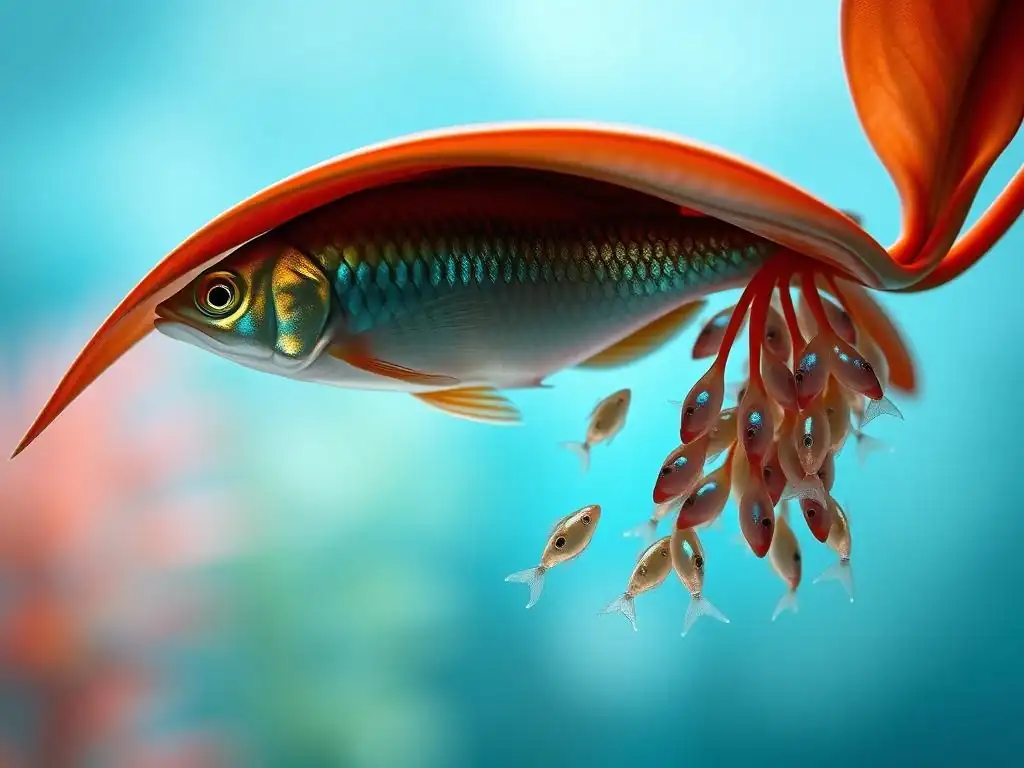
Once your dedicated breeding tank is set up and properly cycled, the next step is to introduce your selected breeding platies. Acclimation is crucial to prevent shock. A drip acclimation method, where water from the breeding tank is slowly added to the fish's transport bag over an hour or more, is highly recommended to gradually equalize water parameters.
It is often beneficial to introduce the female platies to the breeding tank first, allowing them to settle in for a day or two before introducing the male. This can reduce stress on the females and give them a chance to establish territory. Observe their interactions closely after introduction to ensure there is no excessive aggression, and provide plenty of hiding spots if needed.
Observing Platy Behavior During Breeding
Once introduced, male platies will typically begin to pursue females almost immediately. This courtship involves the male swimming vigorously around the female, sometimes displaying his fins. The female may appear receptive or try to evade the male, especially if she is not yet ready to breed or is already gravid.
Monitoring the behavior of your platies can give you early indications of successful breeding. Look for the male constantly attempting to mate with the female, and eventually, the female's body shape will begin to change as the fry develop internally. Understanding these subtle cues is a key aspect of effective platy breeding care tips.
Signs of Pregnancy in Female Platies
The most obvious sign of pregnancy in a female platy is a noticeable swelling of her abdomen, which will become increasingly round and box-like as the gestation progresses. This swelling is best observed from above or by looking at her profile.
Additionally, as the fry develop, the "gravid spot"—a dark, sometimes black, area near the female's anal fin—will become more pronounced and darker. This is particularly visible in lighter-colored platies. Shortly before birth, some females may exhibit behavioral changes such as becoming more reclusive, hiding among plants, or even showing minor tremors.
Gestation Period and What to Expect
The gestation period for platies typically lasts between 28 to 35 days, though this can vary slightly based on water temperature, diet, and the individual fish's health. Warmer temperatures within the ideal range (around 78°F or 26°C) can sometimes slightly shorten the gestation period.
When the female is ready to give birth, she will often seek out a quiet, secluded spot in the tank. The fry are born one at a time, fully formed and capable of swimming immediately. A single female can produce anywhere from 20 to 80 fry in one batch, though a typical number for a healthy, mature female is often in the range of 30-50 fry. The birthing process can take several hours.
Caring for Pregnant Platies: Ensuring a Successful Birth
Providing a Stress-Free Environment for Expectant Mothers
A crucial platy breeding care tip is to ensure that pregnant females experience minimal stress. Stress can lead to premature birth, stillbirths, or even the female reabsorbing the fry. Maintain stable water parameters, consistent lighting cycles, and a peaceful environment. If the female is in a community tank, ensure her tank mates are non-aggressive and that she has ample hiding spots.
Avoid unnecessary disturbances, such as frequent netting or moving the female, especially as her due date approaches. If you plan to move her to a separate breeding box or tank, do so well in advance of her expected delivery to allow her time to acclimate and reduce stress during the critical birthing period.
Feeding Pregnant Platies for Optimal Fry Development
Proper nutrition is vital for pregnant platies to ensure the healthy development of their fry and to maintain the mother's strength during gestation and birth. Feed high-quality flake food as a staple, but supplement their diet with protein-rich live or frozen foods.
Excellent supplementary foods include brine shrimp, daphnia, bloodworms, or high-quality frozen spirulina-enriched brine shrimp. Offer small, frequent meals (two to three times a day) rather than one large feeding. This ensures a consistent supply of nutrients, supporting both the mother's health and the robust growth of the developing fry.
Platy Fry Care: From Birth to Maturity
Protecting Platy Fry from Predation
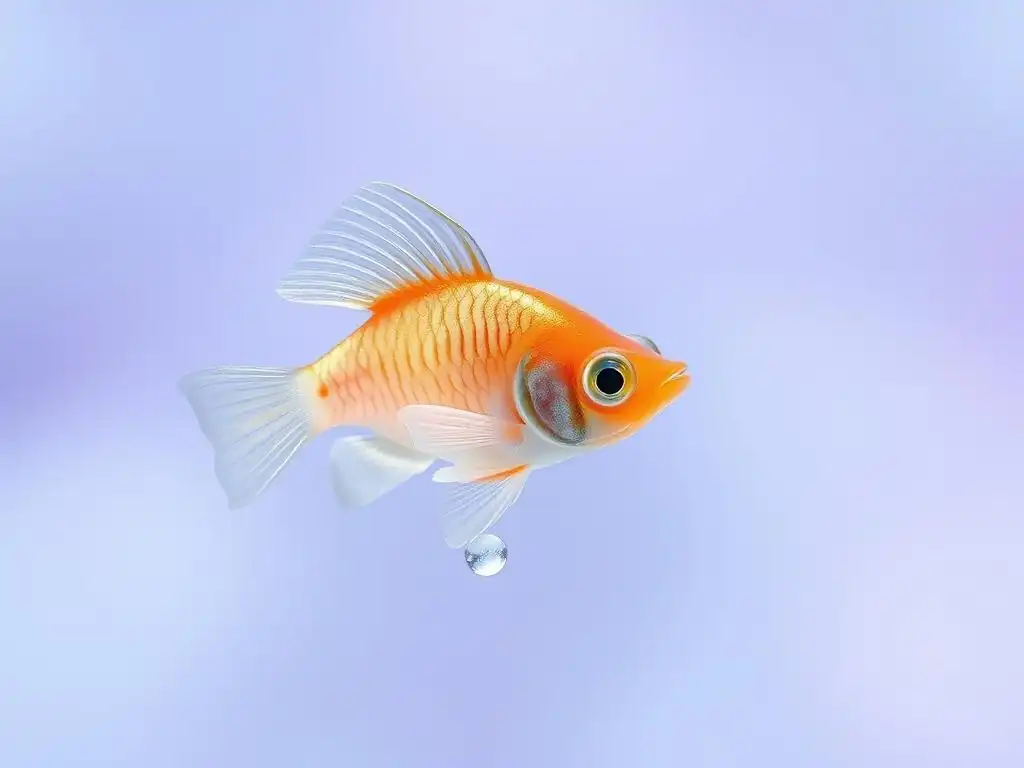
Newly born platy fry are tiny and highly vulnerable to predation. Unfortunately, most adult fish, including the platy parents themselves, will readily eat the fry if given the opportunity. Providing adequate protection is paramount for maximizing the survival rate of your platy fry.
This predatory instinct is natural, so relying solely on the parents to not eat their young is not a viable strategy for successful platy breeding. Implementing protective measures is one of the most critical platy breeding care tips for any aquarist aiming to raise a significant number of fry.
Using Breeding Boxes or Heavily Planted Tanks
One common method for protecting platy fry is to use a breeding box or net breeder. These small containers float inside the main aquarium, separating the pregnant female from the rest of the tank. Once the fry are born, they can swim through a grate at the bottom of the box into the main compartment, while the mother remains separated, preventing her from eating them. However, some aquarists find these boxes stressful for the mother.
Alternatively, a heavily planted tank provides a more natural and less stressful environment. Dense thickets of fine-leaved plants like Java moss, hornwort, or guppy grass offer countless hiding spots where the tiny fry can escape the notice of larger fish. Floating plants also provide excellent cover near the water's surface, where fry often congregate.
Separating Adults from Fry
The most effective and stress-free method for protecting platy fry is to separate the adult female from her offspring immediately after birth. Once you confirm the female has delivered all her fry, gently net her and return her to the main community tank or a separate recovery tank.
This ensures the fry have their dedicated space to grow without any threat of predation. It also allows you to tailor water parameters and feeding schedules specifically for the fry's needs, which are often different from those of adult platies. This dedicated approach significantly boosts the survival rate of the young platies.
Feeding Platy Fry: A Complete Guide
Newly hatched platy fry are very small and require specialized foods that they can easily consume. Their rapid growth rate also demands frequent feeding to ensure they receive sufficient nutrients for proper development. Inadequate feeding is a common cause of high fry mortality.
Providing the right type and amount of food is a crucial part of platy breeding care tips. Their small mouths and high metabolism mean they need finely crushed or microscopic food sources available consistently throughout the day.
The Best Foods for Baby Platies
For the first few weeks, the best food for platy fry is newly hatched brine shrimp. These are highly nutritious, stimulate a strong feeding response, and are small enough for the fry to consume easily. Cultures of brine shrimp can be easily hatched at home.
Other excellent options include microworms, daphnia (if small enough), finely crushed high-quality flake food (powdered to a dust-like consistency), or specialized commercial fry foods. Some aquarists also offer finely crushed spirulina flakes to provide vegetable matter.
Feeding Frequency and Portion Sizes
Platy fry have very high metabolisms and grow rapidly, requiring frequent feeding. It is recommended to feed them small amounts 3 to 5 times a day. Their stomachs are tiny, so small portions are key to prevent overfeeding and water pollution.
Only offer what the fry can consume within a few minutes. Uneaten food will quickly decompose, leading to elevated ammonia and nitrite levels, which are highly toxic to delicate fry. Consistent, small feedings are far superior to one or two large meals.
Maintaining Water Quality for Growing Platy Fry
Maintaining pristine water quality is even more critical for platy fry than for adult fish. Fry are extremely sensitive to fluctuations in water parameters and to the presence of ammonia, nitrite, and even high nitrate levels. Their undeveloped immune systems make them susceptible to disease in poor conditions.
Diligent water management is a non-negotiable aspect of successful platy breeding care tips. Any compromise in water quality can quickly lead to stunting, illness, or mass mortality among the young fish.
Regular Water Changes and Filtration
Due to frequent feeding and the delicate nature of fry, small, regular water changes are essential. Daily or every-other-day water changes of 10-15% are often recommended, rather than larger, less frequent changes. When performing water changes, use a small airline tube to gently siphon water from the bottom, avoiding the fry. Always use dechlorinated water matched to the tank's temperature.
For filtration, sponge filters are the ideal choice for fry tanks. They provide excellent biological and mechanical filtration without creating strong currents that can stress or harm the tiny fish. The sponge material also offers a surface area for beneficial bacteria and can be a source of infusoria for the fry to graze on.
Preventing Common Fry Diseases
The best defense against common fry diseases is maintaining impeccable water quality and providing optimal nutrition. Stable temperatures within the ideal range and avoiding sudden parameter shifts are crucial, as fluctuations can weaken their immune systems.
Overcrowding is a significant stressor and a common cause of disease outbreaks in fry tanks. As the fry grow, be prepared to move them to larger tanks or thin out their numbers to prevent stunting and the spread of illnesses like Ich or fin rot. Quarantining any new fish before adding them to a tank with fry also helps prevent the introduction of pathogens.
Troubleshooting Common Platy Breeding Problems
Addressing Breeding Failures: Possible Causes and Solutions
If your platies are not breeding despite seemingly ideal conditions, several factors could be at play. One common issue is an incorrect sex ratio; an insufficient number of females can lead to excessive stress from a single male, discouraging breeding. Conversely, a tank with too many females and not enough males might not see successful fertilization.
Solutions include ensuring a ratio of at least two, preferably three, females per male to distribute the male's attention. Reviewing water parameters (temperature, pH, hardness) and ensuring they are consistently within the optimal range (72-78°F, pH 7.0-8.0) can also stimulate breeding. Sometimes, a slight drop in temperature followed by a gradual increase can mimic natural seasonal changes, triggering breeding behavior.
Dealing with Aggression During Breeding
While platies are generally peaceful, males can become quite persistent and even aggressive during breeding, constantly chasing and harassing females. This relentless pursuit can stress females, leading to clamped fins, hiding behavior, or even physical injury. This is a common concern in platy breeding care tips.
To mitigate aggression, ensure you have an adequate male-to-female ratio (at least 1 male to 2-3 females) to spread out the male's attention. Providing plenty of dense plant cover and hiding spots allows females to escape and rest from constant pursuit. In extreme cases, if a male is excessively aggressive, it may be necessary to separate him temporarily or permanently if the aggression persists and harms the females.
Preventing Diseases in Breeding Platies and Fry
The health of your breeding stock directly impacts the health of their offspring. To prevent diseases, always quarantine any new fish for at least two to three weeks before introducing them to your breeding tank. This prevents the introduction of pathogens like Ich, fin rot, or bacterial infections.
Maintaining exceptional water quality through regular water changes and efficient filtration is the single most important preventative measure. A balanced, high-quality diet boosts the immune systems of both adults and fry. Avoid overcrowding, which is a major stressor and a common trigger for disease outbreaks. Observe your fish daily for any signs of illness, such as lethargy, loss of appetite, or physical lesions, and address them promptly.
Raising Healthy Platies: Beyond Breeding
Continuing Care for Juvenile and Adult Platies
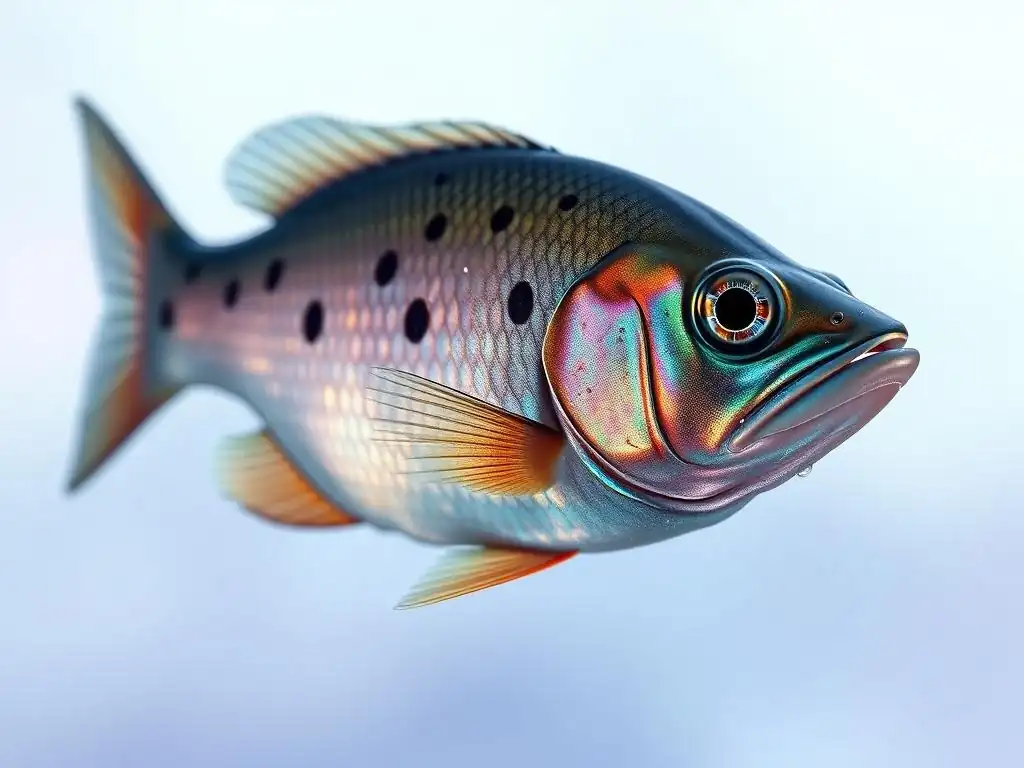
As platy fry grow, their care requirements evolve. Once they reach about 1/2 to 3/4 inch in size, they can gradually transition from specialized fry foods to finely crushed adult flake food. As they mature, their tank size requirements will increase. A 10-gallon tank that was suitable for a small batch of fry will quickly become too small for a dozen growing juveniles.
Regular water changes and a consistent feeding schedule remain paramount. It's essential to monitor their growth and be prepared to move them to larger tanks or rehome them to prevent overcrowding, which can stunt growth, lead to aggression, and increase susceptibility to disease. Continuing to provide a balanced diet and stable water parameters ensures vibrant colors and robust health for your juvenile and adult platies.
Maintaining a Balanced Platy Community Tank
Platies are excellent candidates for a community aquarium due to their peaceful nature and vibrant colors. When integrating them into a community tank, choose tank mates that are also peaceful and have similar water parameter requirements. Good companions include other livebearers like guppies and mollies, as well as peaceful tetras, rasboras, corydoras, and small plecos.
Avoid pairing platies with fin-nipping fish like some barbs or overly aggressive or large predatory species that could view them as food. A well-maintained 20-gallon tank can comfortably house a small group of 5-7 adult platies, along with other appropriately sized fish, provided there is adequate filtration and regular maintenance. Ensure plenty of space and hiding spots to prevent stress and maintain harmony.
Advanced Platy Breeding Techniques
Selective Breeding for Desired Traits
For the more experienced aquarist, platy breeding offers the opportunity for selective breeding to enhance or develop specific traits. This involves carefully choosing parent fish that exhibit the desired characteristics, such as particular color patterns (e.g., Red Wag, Mickey Mouse, Sunset), fin shapes (e.g., high-fin, lyretail), or even increased hardiness.
The process typically involves setting up dedicated breeding pairs or trios, allowing them to reproduce, and then carefully observing the offspring. From the resulting fry, you would select those that most strongly express the desired trait to become the next generation of breeders. This requires meticulous record-keeping, patience, and often multiple generations to achieve consistent results.
Understanding Platy Genetics and Color Variations
A deeper understanding of platy genetics can significantly enhance selective breeding efforts. Platies exhibit a vast array of color morphs and patterns, many of which are controlled by relatively simple Mendelian inheritance patterns or polygenic traits. For example, the "Wagtail" pattern (black fins and tail with a colored body) is typically a dominant trait.
Researching specific genetic crosses and understanding how certain genes are expressed can help predict the outcomes of your breeding efforts. For instance, breeding two "Red Wag" platies will likely yield a high percentage of "Red Wag" offspring. This knowledge allows for more precise control over the traits passed down, making your platy breeding care tips more scientifically informed and targeted.
Conclusion: Mastering Platy Breeding for a Thriving Aquarium
Frequently Asked Questions
How often do Platies typically breed?
Platies are livebearers, meaning they give birth to live young, not eggs. They can breed approximately every 20-30 days under optimal conditions.
What are the key indicators that a Platy is pregnant?
A pregnant Platy will display a dark gravid spot near her anal fin and her abdomen will become noticeably larger and rounder. She may also exhibit behavioral changes like hiding more often.
What are the ideal water parameters for successful Platy breeding?
Maintaining stable and clean water conditions is crucial. Aim for a temperature of 72-78°F (22-26°C), a pH of 7.0-8.0, and regular water changes to minimize stress and disease.
Do I need a separate breeding tank for Platies?
While not strictly necessary, a separate breeding tank (or breeder box) helps protect the fry from being eaten by the adults. This increases the survival rate of the baby Platies.
What do Platy fry eat, and how often should I feed them?
Platy fry need small, frequent feedings. Offer them specialized fry food, crushed flake food, or baby brine shrimp 2-3 times a day.
Final Reflection: A Symphony of Life in Your Aquarium
The journey of understanding Platy breeding, as we've explored, is more than just a technical guide; it's a testament to the remarkable resilience and beauty of life itself. From selecting the perfect pair to nurturing the tiniest fry, the principles we've discussed resonate far beyond the confines of a fish tank, offering a microcosm of the broader cycles of nature and the delicate balance within our ecosystems.
This exploration has underscored the profound impact even small acts of care can have. Witnessing the birth and growth of these vibrant creatures fosters a deeper appreciation for the interconnectedness of life and the responsibility we bear as stewards of our planet. As Jacques Cousteau so eloquently stated, The sea, once it casts its spell, holds one in its net of wonder forever.
This wonder extends to every corner of the aquatic world, reminding us of the intricate beauty that thrives when nurtured with knowledge and compassion.
Now, armed with these insights and practical Platy breeding care tips, I invite you to reflect on the potential for growth and renewal in your own life. Just as a well-maintained aquarium can teem with life, so too can your own endeavors flourish with dedication and mindful attention. Embrace the opportunity to cultivate growth, nurture potential, and create your own vibrant ecosystem, both within your aquarium and beyond.
Ignite Your Platy Population!
Thank you for diving into the world of platy breeding! We hope this guide has empowered you with the knowledge to successfully raise a vibrant community of these colorful fish. Now, let's put that knowledge into action and watch your aquarium flourish!
Here's what you can do next:
- Begin selecting your breeding stock! Focus on vibrant colors and healthy-looking individuals for the best offspring.
- Share your newfound platy breeding wisdom with fellow aquarium enthusiasts. A little advice can go a long way.
- Explore unique platy color variations! Consider adding a new strain to your tank to create a stunning visual display.
Ready to watch your platy population explode with color?