
Aquarium Maintenance & Husbandry (Feeding, Algae Control, Cleaning, General Plant/Coral Care, Pest Control)
Discover smarter aquarium care with expert guidance on feeding, cleaning, algae control, pest prevention, and plant or coral health. Aquarium Mastery helps freshwater and saltwater aquarists build reliable maintenance routines, choose nutritious foods, manage common tank problems, and support thriving aquatic life. Explore practical, SEO-friendly aquarium maintenance tips for clearer water, healthier fish, vibrant plants, and resilient corals.
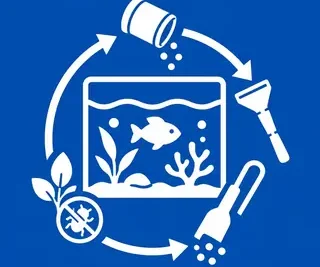 Routine Aquarium Maintenance: Feeding, Cleaning, Algae & Pest Control
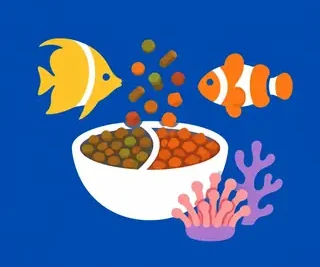 Premium Fish & Coral Foods: Top Picks & Nutritional Reviews
Aquarium Maintenance & Husbandry is the foundation of a healthy, attractive, and stable freshwater or saltwater aquarium. At Aquarium Mastery, this category provides practical, research-informed guidance for feeding fish and invertebrates, controlling algae, cleaning aquarium equipment, caring for aquatic plants and corals, and managing common pests. Whether you are maintaining a planted freshwater tank, reef aquarium, community setup, or species-specific habitat, these resources help you build reliable routines and prevent avoidable problems.
Effective aquarium husbandry involves more than changing water. It requires understanding nutrition, filtration, water chemistry, lighting, stocking levels, disease prevention, and the individual needs of fish, plants, corals, shrimp, and snails. Our detailed articles explain how to create an aquarium maintenance schedule, choose high-quality aquarium food, remove algae safely, clean tanks without disrupting beneficial bacteria, and identify unwanted organisms before they become serious infestations.
Explore expert-friendly aquarium care advice designed for beginners and experienced aquarists alike. You will find feeding guides, algae control methods, aquarium cleaning checklists, plant and coral care tips, pest control strategies, and troubleshooting recommendations for freshwater and marine systems. Use these resources to improve water quality, support healthy growth, reduce stress, and keep your aquarium thriving over the long term.
🐟 Premium Fish & Coral Foods: Top Picks & Nutritional Reviews
This subcategory focuses on selecting the best food for aquarium fish, corals, shrimp, snails, and other aquatic livestock. Readers can expect detailed comparisons of flakes, pellets, granules, frozen foods, freeze-dried foods, gel foods, coral foods, plankton supplements, and specialized diets. Each guide considers ingredient quality, protein content, feeding behavior, portion size, freshness, and suitability for different species.
You will also learn how to create a balanced aquarium feeding routine while avoiding overfeeding, uneaten food, cloudy water, and excess nitrate or phosphate. Articles cover feeding community fish, herbivores, carnivores, marine fish, reef corals, bottom feeders, fry, and picky eaters. Practical recommendations help aquarists choose nutritious foods that support coloration, growth, immune health, and natural behavior.
🧽 Routine Aquarium Maintenance: Feeding, Cleaning, Algae & Pest Control
This subcategory provides step-by-step guidance for everyday and weekly aquarium care. Readers can expect maintenance checklists covering water changes, gravel vacuuming, glass cleaning, filter care, heater inspection, equipment checks, water testing, plant trimming, coral observation, and safe removal of debris. These routines are designed to protect beneficial bacteria while maintaining clear water, stable parameters, healthy livestock, and an attractive aquarium.
Guides also explain how to identify and control common aquarium algae, including green spot algae, hair algae, cyanobacteria, diatoms, and black beard algae. Additional articles address pest snails, hydra, planaria, nuisance anemones, flatworms, and other unwanted organisms. You will find prevention-focused solutions that combine improved husbandry, nutrient control, lighting adjustments, quarantine practices, and carefully selected treatments.
❓ Frequently Asked Questions About Aquarium Maintenance & Husbandry
🗓️ How often should I perform aquarium maintenance?
Most aquariums benefit from a light daily inspection, weekly glass cleaning and water testing, and regular partial water changes based on stocking, filtration, and water quality. Heavily stocked tanks and reef aquariums may require more frequent attention. The best schedule is the one that keeps ammonia and nitrite at zero while maintaining stable nitrate, pH, salinity, and temperature.
🍽️ How much food should I give aquarium fish?
Offer only what fish can consume within a few minutes, adjusting portions for species, age, activity level, and tank conditions. Small, controlled feedings are usually safer than large meals. Remove uneaten food when possible, because decaying food can increase ammonia, nitrate, phosphate, and algae growth.
🌿 What is the safest way to control aquarium algae?
Start by correcting the underlying cause rather than relying only on chemical algae removers. Review lighting duration, nutrient levels, water changes, circulation, plant growth, and feeding habits. Manual removal, consistent maintenance, healthy plants, algae-eating livestock, and balanced lighting often provide effective long-term control.
🧪 How often should aquarium water parameters be tested?
Test ammonia, nitrite, nitrate, pH, and temperature regularly, especially in new or recently changed aquariums. Saltwater and reef systems may also require testing for alkalinity, calcium, magnesium, phosphate, and salinity. Test immediately when fish behave unusually, algae suddenly spreads, water becomes cloudy, or new livestock is introduced.
🦠 How can I prevent pests from entering my aquarium?
Quarantine new fish, plants, corals, rocks, and invertebrates whenever possible. Inspect plants and coral bases, rinse appropriate items using safe methods, avoid adding untreated water from another aquarium, and remove excess food and organic waste. Good quarantine and sanitation practices are among the most effective ways to prevent pest snails, parasites, hydra, planaria, and nuisance organisms.