
Aquarium Equipment (Detailed Guides on all types of gear)
Discover the best aquarium equipment for freshwater and saltwater tanks with expert reviews, setup advice, and practical buying guides. 🐠 From reliable filtration and precise heaters to aquarium lighting, CO₂ systems, pumps, automation, skimmers, and smart controllers, learn how to choose, install, and maintain gear that supports healthy fish, thriving plants, and stable water conditions. Explore trusted recommendations for beginners and advanced aquarists building a high-tech aquarium with confidence.
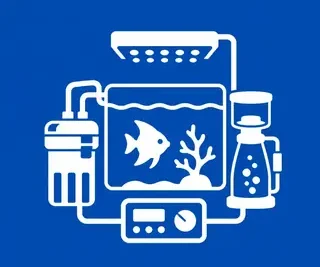 High-Tech Aquarium Gear: Reviews & Buyer's Guides (Lights, Filters, Skimmers, Controllers)
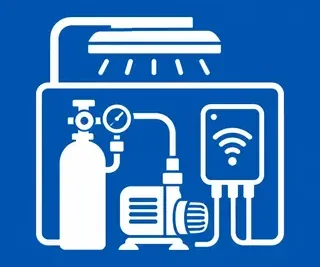 Aquarium Lighting, CO2 Systems, Pumps & Automation Tech
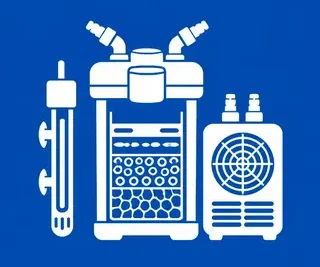 Aquarium Filtration, Heaters & Chillers: Reviews & Setup Guides
🐠 Aquarium Equipment: Complete Gear Guides for Freshwater and Saltwater Tanks
Choosing the right aquarium equipment is essential for maintaining stable water conditions, healthy fish, thriving aquatic plants, and a successful reef aquarium. At Aquarium Mastery, our detailed aquarium equipment guides help beginners and experienced aquarists understand how each piece of gear works, what to look for before buying, and how to install and maintain it correctly.
Explore practical advice on aquarium filters, heaters, chillers, lighting systems, CO2 equipment, water pumps, protein skimmers, aquarium controllers, and automated maintenance technology. Our content covers both freshwater aquarium equipment and saltwater aquarium gear, with clear comparisons, setup instructions, troubleshooting tips, and buyer-focused recommendations.
Whether you are building a planted aquarium, a low-tech community tank, a marine aquarium, or a high-tech reef system, the right equipment can improve water quality, temperature stability, circulation, oxygenation, and overall aquarium performance. Learn how to choose reliable gear that matches your tank size, livestock, budget, and maintenance goals.
🔧 Aquarium Filtration, Heaters & Chillers: Reviews & Setup Guides
This section explains how to select and use essential equipment for aquarium water quality and temperature control. Readers can expect detailed guides to hang-on-back filters, canister filters, internal filters, sponge filters, sump systems, aquarium heaters, cooling fans, and aquarium chillers. Each guide focuses on capacity, flow rate, media options, energy use, safety, and compatibility with freshwater or saltwater setups.
You will also find practical aquarium equipment setup instructions, maintenance schedules, and troubleshooting advice. Learn how to position filters correctly, cycle biological media, prevent overheating, avoid heater failure, clean filter components without harming beneficial bacteria, and choose the right heater or chiller for your aquarium size and room conditions.
💡 Aquarium Lighting, CO2 Systems, Pumps & Automation Tech
Discover how aquarium lighting, CO2 injection, circulation pumps, air pumps, dosing equipment, and automation systems support a healthy and attractive aquatic environment. These guides cover planted aquarium lighting, freshwater CO2 systems, reef lighting, wavemakers, return pumps, oxygenation, timers, smart plugs, and automatic dosing solutions.
Readers can learn how to create suitable lighting schedules, balance light and CO2, reduce algae growth, improve water movement, and automate regular aquarium tasks. Clear setup advice helps aquarists choose equipment based on plant requirements, coral needs, tank dimensions, livestock, flow patterns, and desired maintenance routine.
⚙️ High-Tech Aquarium Gear: Reviews & Buyer’s Guides (Lights, Filters, Skimmers, Controllers)
This subcategory focuses on advanced aquarium technology for aquarists who want greater control, precision, and convenience. Expect in-depth reviews and buyer’s guides covering high-performance aquarium lights, smart filters, protein skimmers, reef controllers, monitoring systems, automatic feeders, dosing pumps, and connected aquarium devices.
Our high-tech aquarium equipment content explains important specifications such as PAR output, filtration capacity, flow control, noise levels, app compatibility, sensor accuracy, automation features, and long-term operating costs. These resources make it easier to compare premium gear and build a dependable system for planted aquariums, marine tanks, reef aquariums, and demanding aquatic environments.
❓ Frequently Asked Questions About Aquarium Equipment
🐟 What aquarium equipment does every beginner need?
Most beginner aquariums need a suitable filter, aquarium heater for tropical fish, thermometer, lighting system, water conditioner, and maintenance tools such as a siphon and algae scraper. Saltwater aquariums may also require a protein skimmer, circulation pump, refractometer, and specialized marine testing equipment.
🌊 How do I choose the right aquarium filter?
Choose a filter rated for your tank size or slightly larger, while considering flow rate, filtration stages, noise, maintenance, and available media space. A good aquarium filter should provide mechanical, biological, and, when needed, chemical filtration without creating excessive current for your fish or plants.
🌡️ What size aquarium heater should I buy?
Aquarium heater wattage depends on tank volume and the temperature difference between the aquarium and the surrounding room. A common guideline is approximately 3 to 5 watts per gallon, but insulation, room temperature, and aquarium shape also matter. Use a reliable thermometer and avoid placing the heater where it can run dry.
💡 Do planted aquariums need CO2 injection?
Not every planted aquarium needs added CO2. Low-light plants can often grow with aquarium lighting and nutrients alone, while demanding carpeting plants and high-light aquascapes usually benefit from pressurized CO2. CO2 should be introduced gradually and monitored carefully to protect fish and invertebrates.
🤖 Is aquarium automation worth the cost?
Aquarium automation can be valuable for larger, delicate, or frequently monitored systems. Automatic top-off units, dosing pumps, lighting timers, temperature controllers, and water-quality monitors can improve consistency and reduce routine work. However, automated equipment still requires regular testing, cleaning, and backup checks.