
Freshwater Fish (Profiles, Care, Tank Mates, Breeding, Health)
Discover freshwater fish mastery with expert profiles, care guides, tank mate advice, breeding tips, and health solutions for every aquarium level. 🐠 Learn how to choose compatible species, create balanced communities, maintain ideal water chemistry, support natural behavior, and prevent common freshwater aquarium problems. Whether you’re building a peaceful community tank, raising vibrant show fish, or exploring advanced breeding, Aquarium Mastery provides practical, SEO-rich guidance to help your fish thrive. 🌿💧
 African Rift Lake Cichlids (Mbuna & Peacock): Species, Diet & Aggression
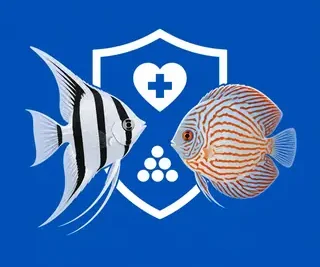 Angelfish & Discus: Show Fish Care, Health & Breeding
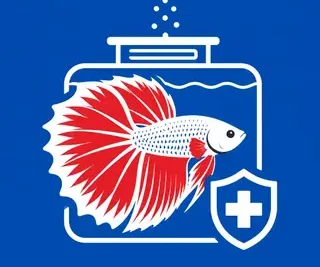 Betta Fish Varieties & Care: Labyrinths, Tanks & Health
 Advanced Tetra Care & Breeding Techniques
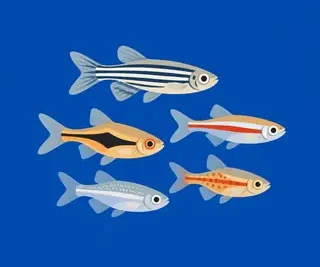 Danios, Rasboras & White Clouds: Small Schooling Cyprinids
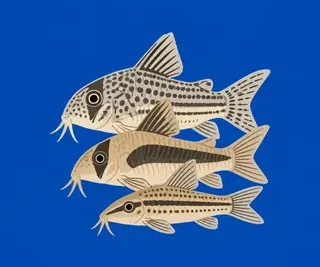 Corydoras, Brochis & Aspidoras: Peaceful Bottom Dwellers
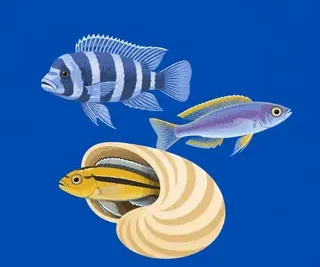 Tanganyikan Cichlids: Shell Dwellers, Featherfins & Cyprichromis
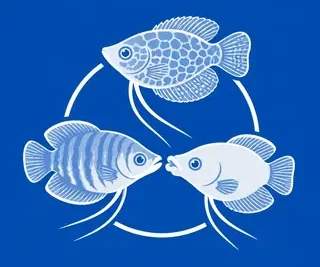 Gouramis (Dwarf, Pearl, Kissing): Anabantoid Behavior & Care
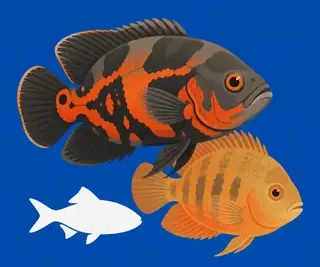 New World Cichlids (Oscars, Severums): Large Cichlid Care & Tank Mates
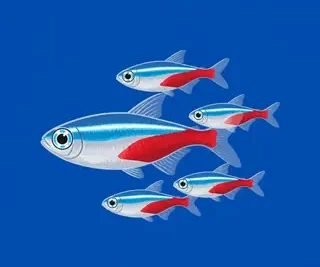 Tetra Species: Profiles, Care & Schooling
 Plecos, Ancistrus & Otocinclus: Algae Control & Catfish Care
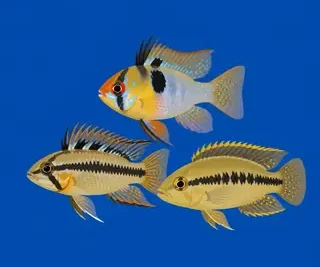 Dwarf Cichlids (Rams, Apistos, Kribensis): Community Tank Cichlids
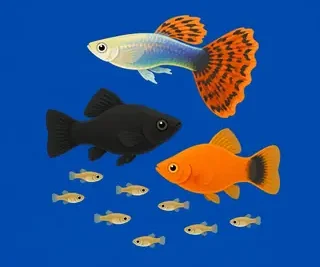 Livebearers (Guppies, Mollies, Platies): Profiles & Prolific Breeding
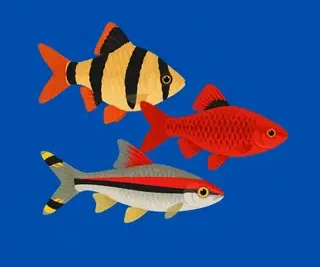 Barbs (Tiger, Cherry, Denison): Active Cyprinid Schools
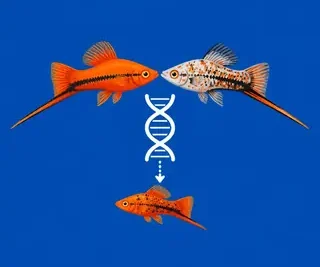 Swordtails & Variatus: Line Breeding & Specific Care
Freshwater Fish Profiles, Care, Tank Mates, Breeding & Health is your complete guide to choosing, keeping, and breeding freshwater aquarium fish. At Aquarium Mastery, you’ll find practical species profiles, beginner-friendly care instructions, water parameter guidance, feeding recommendations, compatibility advice, and proven solutions for common fish health problems.
Whether you are planning a peaceful community aquarium, a planted nano tank, a specialist cichlid setup, or a breeding aquarium, this category helps you make informed decisions. Learn about freshwater fish tank mates, aquarium cycling, water chemistry, fish diets, disease prevention, spawning behavior, filtration, temperature requirements, and long-term maintenance.
Explore detailed freshwater fish care guides covering schooling fish, livebearers, catfish, labyrinth fish, dwarf cichlids, African cichlids, large cichlids, and popular show species. Each subcategory explains what to expect, how to create the correct habitat, and how to support healthy behavior and vibrant coloration.
🐠 Swordtails & Variatus: Line Breeding & Specific Care
Discover detailed swordtail and variatus platy profiles, including recommended tank sizes, temperature ranges, water hardness, feeding routines, and peaceful community tank combinations. These livebearers are ideal for aquarists interested in color development, selective breeding, and active freshwater aquarium fish.
Readers can also learn how to plan line breeding programs, identify males and females, manage fry, and prevent unwanted hybridization. Guidance on filtration, planted aquariums, genetics, and reproductive health helps maintain strong, attractive, and healthy strains.
🟠 Barbs (Tiger, Cherry, Denison): Active Cyprinid Schools
Learn how tiger barbs, cherry barbs, and Denison barbs behave in groups and how schooling numbers influence stress and aggression. These profiles cover barb fish care, aquarium size, water parameters, diet, swimming space, and compatible tank mates.
Expect practical advice for reducing fin-nipping, choosing suitable community fish, and creating a well-structured aquascape. Information on feeding, quarantine, coloration, and species-specific behavior makes it easier to keep active cyprinids successfully.
🐟 Livebearers (Guppies, Mollies, Platies): Profiles & Prolific Breeding
Explore comprehensive guides to guppies, mollies, and platies, including tank setup, temperature, pH, hardness, nutrition, and disease prevention. These popular freshwater fish are known for their bright colors and prolific breeding habits, making them excellent choices for beginners and family aquariums.
Learn how to identify pregnancy, protect fry, manage population growth, and select compatible tank mates. The guides also explain livebearer genetics, fancy varieties, breeding traps, plant cover, and responsible population management.
🧡 Dwarf Cichlids (Rams, Apistos, Kribensis): Community Tank Cichlids
Find expert care information for German blue rams, Bolivian rams, Apistogramma, and kribensis. These smaller cichlids require appropriate water quality, territories, hiding places, and carefully selected companions, with special attention to territorial behavior and breeding conditions.
Readers can expect guidance on aquascaping with caves, driftwood, plants, and visual barriers. Species profiles also cover feeding, pair formation, spawning, fry care, aggression control, and maintaining stable water conditions in a community aquarium.
🧹 Plecos, Ancistrus & Otocinclus: Algae Control & Catfish Care
Learn the differences between bristlenose plecos, common plecos, and otocinclus catfish. These guides explain adult size, tank requirements, filtration, oxygenation, wood and shelter needs, and the importance of a balanced diet beyond naturally occurring algae.
Expect useful recommendations for algae-eating fish, bottom-dweller compatibility, sinking foods, vegetable supplementation, and acclimation. Breeding bristlenose plecos and caring for sensitive otocinclus are also covered, along with common health concerns.
🔴 Tetra Species: Profiles, Care & Schooling
Explore popular tetra species such as neon, cardinal, ember, black skirt, glowlight, and rummy-nose tetras. Each profile addresses schooling behavior, aquarium size, water parameters, feeding, coloration, and suitable community tank mates.
Learn how to create a calm, planted environment that encourages natural schooling. Guidance on group size, quarantine, disease prevention, water quality, and breeding provides a strong foundation for keeping healthy freshwater schooling fish.
🐊 New World Cichlids (Oscars, Severums): Large Cichlid Care & Tank Mates
Get practical advice for keeping Oscars, severums, and other large New World cichlids. These intelligent fish require spacious aquariums, powerful filtration, durable décor, and carefully considered tank mates because of their size, waste production, and territorial behavior.
Articles cover large cichlid aquarium care, feeding, water changes, aggression management, growth, health, and compatible species. You’ll also learn how to design a secure habitat and recognize signs of stress or illness.
🌿 Gouramis (Dwarf, Pearl, Kissing): Anabantoid Behavior & Care
Discover how dwarf, pearl, honey, and kissing gouramis differ in size, temperament, and care requirements. These labyrinth fish benefit from warm, calm water, surface access, planted cover, and peaceful companions.
Learn about bubble-nest behavior, breathing adaptations, territorial displays, breeding, and common health issues. The guides emphasize stable water quality, low-flow filtration, stress reduction, and compatible community fish.
🐚 Tanganyikan Cichlids: Shell Dwellers, Featherfins & Cyprichromis
Explore the specialized requirements of Lake Tanganyika cichlids, including shell dwellers, featherfins, and Cyprichromis. These fish thrive in carefully designed aquariums with suitable rockwork, shells, open swimming zones, and mineral-rich water.
Readers can expect information about hard alkaline water, territory planning, colony behavior, diet, spawning, and species compatibility. Setup advice helps aquarists recreate natural habitats while minimizing aggression and overcrowding.
🐾 Corydoras, Brochis & Aspidoras: Peaceful Bottom Dwellers
Learn how to keep Corydoras, Brochis, and Aspidoras in healthy social groups. These peaceful catfish need soft substrate, clean oxygen-rich water, hiding places, and suitable sinking foods rather than relying on leftover food.
Guides cover species selection, group size, aquarium layout, spawning behavior, egg care, and tank mates. Special attention is given to barbel protection, quarantine, nutrition, and bottom-dweller health.
🌤️ Danios, Rasboras & White Clouds: Small Schooling Cyprinids
Explore care profiles for zebra danios, celestial pearl danios, harlequin rasboras, chili rasboras, and white cloud mountain minnows. These active schooling fish vary in temperature preference, adult size, and swimming behavior.
Learn how to select groups, plan open swimming space, and build peaceful nano or community aquariums. Advice on feeding, planted layouts, water movement, and stress-free schooling behavior helps these cyprinids thrive.
🧪 Advanced Tetra Care & Breeding Techniques
Move beyond basic tetra care with guidance on conditioning adults, preparing breeding tanks, controlling lighting, and protecting eggs and fry. Advanced techniques are useful for aquarists working with delicate or less commonly bred tetra species.
Expect information about spawning triggers, infusoria, fry foods, water chemistry, egg protection, and selective breeding. These methods help improve breeding success while maintaining strong adult fish and healthy offspring.
👑 Betta Fish Varieties & Care: Labyrinths, Tanks & Health
Learn how to care for betta splendens varieties, including veil tail, halfmoon, plakat, crowntail, and other domestic forms. Guides cover tank size, heating, filtration, enrichment, feeding, water quality, and safe community companions.
Readers can also identify common betta diseases such as fin deterioration, ich, bloating, and fungal infections. Information on labyrinth organ care, aggression, planted tanks, enrichment, and recovery routines supports longer, healthier lives.
✨ Angelfish & Discus: Show Fish Care, Health & Breeding
Discover the advanced requirements of angelfish and discus, including aquarium dimensions, temperature, filtration, water quality, diet, and group management. These elegant show fish need stable conditions and thoughtful planning from juveniles through adulthood.
Learn about pairing, spawning surfaces, parental behavior, fry care, quarantine, and disease prevention. The emphasis on high-quality nutrition, pristine water, stress reduction, and breeding preparation helps aquarists achieve better health and coloration.
🌍 African Rift Lake Cichlids (Mbuna & Peacock): Species, Diet & Aggression
Explore the colorful world of Malawi mbuna and peacock cichlids, including species selection, aquarium size, rockwork, filtration, and stocking strategies. These African cichlids require careful planning because of their territorial behavior and specialized water chemistry.
Learn how to manage aggression through appropriate group sizes, décor, female-to-male ratios, and compatible stocking. Guides also explain herbivore-friendly diets, protein management, breeding, mouthbrooding, and disease prevention.
❓ Frequently Asked Questions About Freshwater Fish
🐟 What are the best freshwater fish for beginners?
Beginner-friendly choices include guppies, platies, mollies, zebra danios, white clouds, harlequin rasboras, many tetras, and Corydoras. Choose species that match your aquarium size, temperature, water chemistry, and maintenance routine.
💧 What water parameters do freshwater aquarium fish need?
Requirements vary by species. Most community fish do well in stable temperatures around 22–27°C, with an established biological filter and zero ammonia and nitrite. Always research the specific pH, hardness, and temperature range for each fish.
🏠 How many fish can I keep in a freshwater aquarium?
Stocking depends on adult fish size, swimming activity, filtration, plants, maintenance, and aquarium dimensions. Avoid relying on a simple fish-per-gallon rule; consider adult length, bioload, territory, schooling needs, and compatibility.
🍽️ How often should freshwater fish be fed?
Most adult fish do well with small portions once or twice daily. Feed only what they can consume quickly, vary high-quality flakes, pellets, frozen foods, or vegetables as appropriate, and include fasting or reduced-feeding periods when suitable.
🩺 How can I prevent disease in freshwater fish?
Maintain stable water quality, perform regular partial water changes, avoid overfeeding, quarantine new fish, provide a suitable diet, and prevent overcrowding. Early signs such as rapid breathing, clamped fins, loss of appetite, spots, or unusual behavior should be investigated promptly.