
Dwarf Gourami Demystified: The Ultimate Care Guide for Beginners

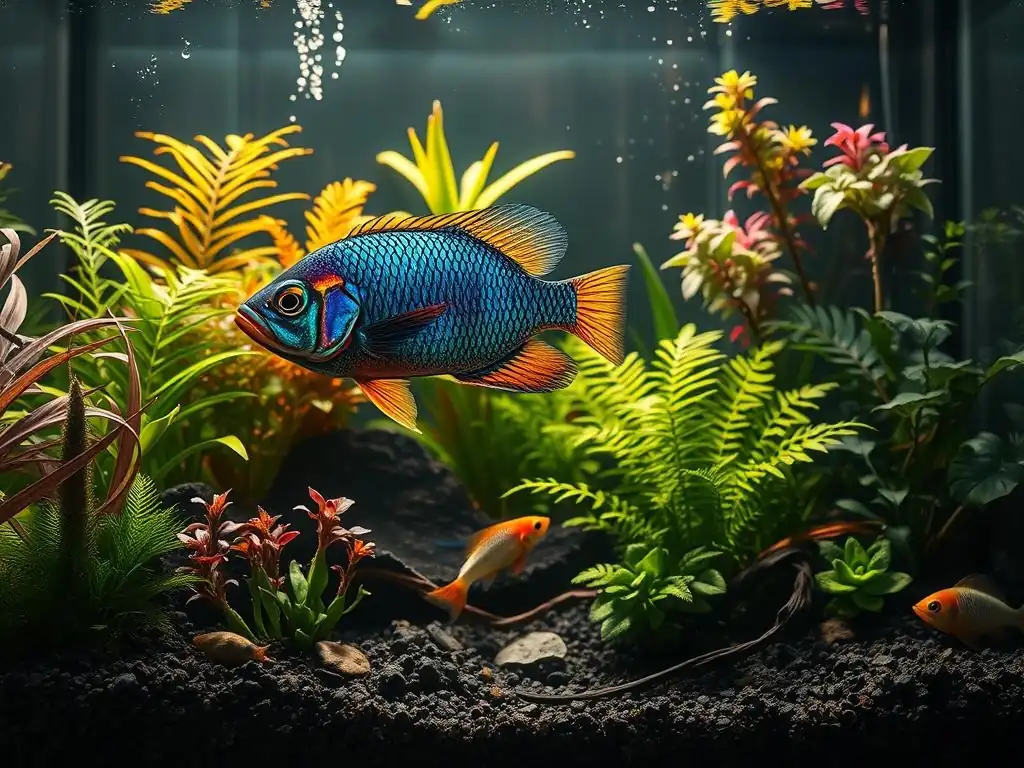
Welcome to Aquarium Mastery! Ever been captivated by the shimmering beauty of a Dwarf Gourami but felt unsure where to start? This is your ultimate guide! We're diving deep into Dwarf Gourami care for beginners, unlocking the secrets to keeping these stunning fish happy and healthy. Get ready to transform your aquarium into a thriving paradise – let's explore!
- Introduction to Dwarf Gourami Care for Beginners
- Setting Up the Ideal Dwarf Gourami Tank
- Dwarf Gourami Water Parameters and Maintenance
- Feeding Your Dwarf Gourami: A Balanced Diet
- Dwarf Gourami Tank Mates: Compatibility and Considerations
- Dwarf Gourami Health and Disease Prevention
- Breeding Dwarf Gouramis: A Beginner's Guide
- Troubleshooting Common Dwarf Gourami Problems
- Conclusion: Mastering Dwarf Gourami Care
-
Frequently Asked Questions
- How difficult is it to care for Dwarf Gouramis as a beginner?
- What is the ideal tank size for a Dwarf Gourami?
- What type of food should I feed my Dwarf Gourami?
- What are some common diseases that affect Dwarf Gouramis?
- Can I keep Dwarf Gouramis with other fish? If so, which ones are suitable tank mates?
- Final Reflection: Embracing the Delicate Beauty
- Unlock the Secrets to a Thriving Dwarf Gourami!
Introduction to Dwarf Gourami Care for Beginners
Why Dwarf Gouramis are Perfect for Beginner Aquarists
Dwarf Gouramis (Trichogaster lalius), with their relatively small size, typically reaching 2 to 3 inches (approximately 5 to 7.5 cm) in length, and generally peaceful temperament, are an excellent choice for novice aquarists. Their hardiness and adaptability to a range of water conditions, within reasonable limits, make them forgiving of minor fluctuations that new hobbyists might encounter. This resilience contributes significantly to making Dwarf Gourami care for beginners a rewarding experience.
Furthermore, unlike some more sensitive tropical fish species, Dwarf Gouramis possess a labyrinth organ, which allows them to breathe atmospheric oxygen directly from the surface. This unique adaptation provides them with an additional survival mechanism, making them less susceptible to low oxygen levels in the water, a common issue in beginner tanks. Their robust nature means they can often tolerate minor environmental stresses better than many other ornamental fish, solidifying their status as an ideal choice for a starter aquarium.
Understanding the Appeal of Dwarf Gouramis: Color and Behavior
The primary appeal of Dwarf Gouramis lies in their stunning array of vibrant colors and fascinating behaviors. Available in varieties such as Powder Blue, Flame (or Red), Neon, and Honey, their iridescent scales and intricate patterns add a captivating splash of color to any freshwater aquarium. Their active yet graceful swimming style, as they often explore all levels of the tank, from the bottom substrate to the water surface, provides continuous visual interest.
Beyond their aesthetic appeal, Dwarf Gouramis exhibit intriguing anabantoid behaviors. Males, in particular, are known for their bubble nest building, even in the absence of a female, a testament to their inherent instinct. They are also quite curious, often observing their surroundings and even interacting with their human caretakers. This combination of beauty and engaging behavior makes Dwarf Gourami care for beginners not just manageable, but truly enjoyable and enriching.
Overview of This Dwarf Gourami Care Guide
This comprehensive guide is meticulously designed to equip beginner aquarists with all the essential knowledge required to successfully keep Dwarf Gouramis. We will delve into every critical aspect, starting from the meticulous planning and setup of their ideal aquatic habitat, covering everything from tank size to essential equipment and decorations.
Subsequently, we will explore the nuances of maintaining optimal water parameters, understanding their specific dietary requirements, and selecting compatible tank mates to foster a harmonious community. Crucially, we will also address common health issues, preventative measures, and even provide a basic introduction to breeding. Our aim is to simplify Dwarf Gourami care for beginners, transforming what might seem daunting into an accessible and fulfilling journey for every new aquarist.
Setting Up the Ideal Dwarf Gourami Tank
Tank Size Considerations for Dwarf Gouramis
For a single Dwarf Gourami, a minimum tank size of 10 gallons (approximately 38 liters) is often cited as adequate. However, to provide ample swimming space, promote better water stability, and allow for potential tank mates, a 20-gallon long (around 75 liters) aquarium is significantly more suitable. A larger tank provides more room for exploration and territorial definition, which can reduce stress and enhance the fish's overall well-being.
If you plan to keep a male Dwarf Gourami with one or two females, or a small group of other peaceful, similarly sized fish, a 20-gallon long or a 29-gallon (approximately 110 liters) tank is highly recommended. While Dwarf Gouramis are generally peaceful, males can display territorial behavior towards other males, especially in confined spaces. Providing adequate room is a crucial step in ensuring peaceful interactions and facilitating successful Dwarf Gourami care for beginners.
Essential Equipment for a Healthy Dwarf Gourami Tank
Choosing the Right Filter for Dwarf Gouramis
When selecting a filter for a Dwarf Gourami tank, the primary consideration should be a gentle flow. Dwarf Gouramis prefer calm water conditions, mirroring their natural habitats. Sponge filters are an excellent choice for their gentle operation and efficient biological filtration. Alternatively, a hang-on-back (HOB) filter with an adjustable flow rate or a baffle to diffuse the outflow can also work well. For a 20-gallon tank, an HOB filter rated for 20-30 gallons, typically providing a flow rate of 100-150 gallons per hour (GPH), is appropriate, provided the flow is not too strong.
The filter's main purpose is to provide mechanical, chemical, and biological filtration. Biological filtration, facilitated by beneficial bacteria colonizing the filter media, is paramount as it breaks down harmful ammonia and nitrites into less toxic nitrates. This process is vital for maintaining pristine water quality, which directly impacts the health and longevity of your fish. Ensuring proper filtration is a cornerstone of responsible Dwarf Gourami care for beginners.
Selecting a Heater and Thermostat for Tropical Temperatures
Dwarf Gouramis are tropical fish and require stable, warm water temperatures to thrive. The ideal temperature range for these fish is between 76-82°F (24-28°C). To maintain this consistency, a submersible aquarium heater equipped with an integrated thermostat is essential. For a standard 20-gallon tank, a 50-watt heater is typically sufficient to maintain the desired temperature. For larger tanks, such as a 29-gallon setup, a 100-watt heater might be more appropriate.
It is crucial to choose a heater from a reputable brand and to monitor the water temperature daily with an accurate aquarium thermometer. Fluctuations in temperature can cause significant stress to Dwarf Gouramis, leading to a weakened immune system and increased susceptibility to diseases. Consistent warmth is not just a comfort factor but a vital environmental parameter for successful Dwarf Gourami care for beginners.
Lighting for Dwarf Gourami Tanks: What You Need to Know
Dwarf Gouramis prefer subdued lighting conditions, mimicking their natural environment where dense vegetation often filters sunlight. Moderate lighting is generally recommended for their tanks. If you plan to incorporate live plants, a standard LED aquarium light providing approximately 1.5 to 2 watts per gallon (for medium-light plants) for 8 to 10 hours a day is usually adequate. For a fish-only tank, even less intense lighting will suffice.
Excessive or overly bright lighting can stress Dwarf Gouramis, causing them to hide more frequently and potentially dulling their vibrant colors. It can also contribute to unwanted algae growth. Utilizing a timer for your lighting system ensures a consistent day-night cycle, which is beneficial for the fish's natural rhythms and overall well-being. Thoughtful lighting choices are a subtle yet impactful aspect of optimal Dwarf Gourami care for beginners.
Substrate and Decorations for Dwarf Gourami Comfort
Best Substrates for a Dwarf Gourami Habitat
The choice of substrate plays a role in the comfort and health of your Dwarf Gouramis. Fine-grained substrates, such as sand or small, smooth gravel (e.g., 2-3 mm diameter), are ideal. These types of substrates are gentle on their delicate pelvic fins, which are modified into long, thread-like feelers used to explore their surroundings and sense their environment. A substrate depth of 1-2 inches (2.5-5 cm) is generally sufficient, especially if you plan on planting live plants.
Avoid using sharp or coarse gravel, as it could potentially injure these sensitive barbels or other parts of the fish. Furthermore, darker-colored substrates can help to enhance the vibrant coloration of Dwarf Gouramis and reduce light reflection, creating a more natural and less stressful environment for them. This attention to detail in substrate selection is a small but significant step in optimizing Dwarf Gourami care for beginners.
Plants and Hiding Places: Creating a Secure Environment
Creating a densely planted aquarium with numerous hiding spots is crucial for the well-being of Dwarf Gouramis. Live plants like Java Fern, Anubias, Amazon Sword, and Cryptocoryne provide excellent cover and help to improve water quality. Floating plants such as Dwarf Water Lettuce, Frogbit, or Salvinia Natans are particularly beneficial as they diffuse overhead light, which Gouramis appreciate, and offer additional shelter.
Incorporating various decorations like driftwood, smooth rocks, and ceramic caves further enhances the tank's structure, providing territories and safe havens. These elements reduce stress, especially if you are keeping more than one Dwarf Gourami or other tank mates, by allowing them to retreat when feeling threatened or simply needing a break. A well-decorated tank that mimics their natural, vegetated habitats significantly contributes to successful Dwarf Gourami care for beginners.
Cycling Your Tank Before Introducing Your Dwarf Gourami
Before any fish, including Dwarf Gouramis, are introduced into a new aquarium, it is absolutely imperative to complete the nitrogen cycle. This biological process establishes colonies of beneficial bacteria that convert highly toxic ammonia (produced from fish waste, uneaten food, and decaying plant matter) into less toxic nitrites, and then convert nitrites into relatively harmless nitrates. A full nitrogen cycle typically takes 4 to 6 weeks to establish in a new setup.
Performing a fishless cycle is the safest and most humane method. This involves adding a pure ammonia source (e.g., household ammonia drops or a small amount of fish food) to the tank and monitoring the levels of ammonia, nitrite, and nitrate daily with a liquid-based test kit. The cycle is complete when both ammonia and nitrite levels consistently read 0 ppm (parts per million), and nitrates are present. This foundational step is critical for providing a stable and healthy environment, making it the most important aspect of initial Dwarf Gourami care for beginners.
Dwarf Gourami Water Parameters and Maintenance
Ideal Water Chemistry for Dwarf Gouramis
Understanding pH, Ammonia, Nitrite, and Nitrate Levels
Maintaining precise water chemistry is fundamental to the health and longevity of Dwarf Gouramis. The ideal water parameters include a pH range of 6.0 to 7.5, leaning towards slightly acidic to neutral conditions, and water hardness (GH) between 5 to 15 dGH (degrees of General Hardness), indicating soft to moderately hard water. Crucially, ammonia and nitrite levels must always be at 0 ppm (parts per million), as even trace amounts are highly toxic to fish. Nitrate levels should be kept below 20 ppm, with an ideal target of under 10 ppm for optimal fish health.
Ammonia and nitrite are direct byproducts of fish waste and decaying organic matter, and their presence, even at low concentrations, can cause severe gill damage, respiratory distress, and ultimately, death. High nitrate levels, while less immediately lethal, indicate accumulated organic waste and can lead to chronic stress, weakened immune systems, and increased susceptibility to disease over time. Regular testing and proactive management of these parameters are non-negotiable for effective Dwarf Gourami care for beginners.
Regular Water Changes: A Key to Dwarf Gourami Health
Regular partial water changes are the single most effective method for maintaining pristine water quality and ensuring the long-term health of your Dwarf Gouramis. It is recommended to perform weekly water changes of 25-30% of the tank's total volume. For instance, in a 20-gallon tank, this translates to replacing approximately 5-6 gallons of water each week. This routine dilutes accumulated nitrates, replenishes essential trace minerals, and removes dissolved organic pollutants that filtration alone cannot fully eliminate.
When conducting water changes, it is vital to use a gravel vacuum to siphon out detritus and uneaten food from the substrate, preventing their decomposition and subsequent contribution to water parameter issues. Always treat new tap water with a high-quality dechlorinator or water conditioner to neutralize harmful chlorine, chloramines, and heavy metals before adding it to the aquarium. Consistent adherence to this schedule is a cornerstone of responsible and effective Dwarf Gourami care for beginners.
Maintaining Water Quality: Testing and Treatment
To accurately monitor water quality, beginner aquarists should invest in a reliable liquid-based master test kit, such as the API Freshwater Master Test Kit, which provides precise readings for pH, ammonia, nitrite, and nitrate. While test strips are available, they often offer less accurate results. Water parameters should be tested at least once a week, and more frequently if any signs of distress or illness are observed in your Dwarf Gouramis.
Should ammonia or nitrite be detected, an immediate partial water change of 30-50% is necessary, followed by a reduction in feeding to minimize waste production. If nitrate levels are consistently high (above 20 ppm), increasing the frequency or volume of water changes is advisable. While beneficial bacteria supplements can offer temporary aid in emergencies, consistent maintenance and proactive monitoring are the most effective long-term strategies for excellent Dwarf Gourami care for beginners.
Preventing Common Water Quality Issues in Dwarf Gourami Tanks
Preventing water quality issues is far more effective than treating them. One of the most common causes of poor water quality is overfeeding. Uneaten food quickly decays, releasing ammonia and nitrites into the water column and contributing to unsightly algae blooms. Always feed your Dwarf Gouramis small amounts that can be entirely consumed within 2-3 minutes to prevent this problem.
Another significant factor is overstocking the aquarium. Too many fish in a limited space lead to excessive waste production, which can quickly overwhelm the biological filtration capacity of the tank. Ensure your tank is appropriately stocked based on the "one inch of fish per gallon" rule, or preferably, a more conservative approach for species like Gouramis. Regular and proper filter maintenance, such as rinsing filter media in old tank water (never tap water, which contains chlorine that kills beneficial bacteria), is also crucial. These preventative measures simplify Dwarf Gourami care for beginners by minimizing potential problems.
Feeding Your Dwarf Gourami: A Balanced Diet
What Do Dwarf Gouramis Eat? Natural Diet & Nutritional Needs
In their natural habitat, Dwarf Gouramis are omnivores, with their diet consisting primarily of small insects, insect larvae, zooplankton, and some plant matter, including algae. To replicate this varied diet in the aquarium, it is essential to provide a balanced nutritional intake that includes both high-quality protein sources and vegetable matter. This diversity ensures they receive all the necessary macronutrients and micronutrients for optimal health and vibrant coloration.
A varied diet is not just about meeting basic nutritional needs; it also stimulates their natural foraging behaviors and can significantly boost their immune system, making them more resilient to diseases. Providing a range of foods prevents nutritional deficiencies that can lead to dull coloration, lethargy, and a shortened lifespan. Understanding their natural dietary preferences is a fundamental aspect of providing excellent Dwarf Gourami care for beginners.
Recommended Foods for Optimal Dwarf Gourami Health
High-Quality Flake Food for Dwarf Gouramis
High-quality flake or small pellet food specifically formulated for tropical fish should form the cornerstone of your Dwarf Gourami's diet. Look for reputable brands that list fish meal, spirulina, and various vitamins (e.g., Vitamin C for immune support) among the primary ingredients. These staple foods are designed to provide a comprehensive nutritional base, ensuring your fish receives a consistent supply of essential vitamins and minerals.
Ensure that the food particles are appropriately sized for your Dwarf Gourami's mouth to facilitate easy consumption and digestion. Rotating between a few different high-quality flake or pellet brands can further diversify their nutrient intake and prevent them from becoming accustomed to just one type of food. A well-chosen staple diet is a simple yet crucial component of effective Dwarf Gourami care for beginners.
Live and Frozen Foods as Supplements
To supplement their staple diet and provide essential proteins and fats, offer live or frozen foods 2-3 times per week. Excellent choices include bloodworms, brine shrimp, daphnia, and mosquito larvae. These foods are highly palatable, provide a rich source of nutrients, and stimulate their natural hunting instincts, promoting more active and engaging behavior. For instance, a small cube of frozen bloodworms, thawed before feeding, can be a highly appreciated treat.
When feeding frozen foods, always thaw them thoroughly in a small amount of tank water before introducing them to the aquarium to prevent digestive issues. If using live foods, ensure they are sourced from a reputable supplier to minimize the risk of introducing pathogens into your tank. The strategic inclusion of these supplemental foods significantly enhances the overall quality of Dwarf Gourami care for beginners.
Feeding Schedule and Portion Control for Dwarf Gouramis
Dwarf Gouramis should be fed 1-2 times per day. The key to proper feeding is portion control: offer only an amount that your fish can completely consume within 2-3 minutes. This timeframe is crucial because any uneaten food will quickly begin to decompose in the water, leading to elevated ammonia and nitrite levels, which are detrimental to water quality and fish health.
Observing your fish during feeding is essential to gauge their appetite and adjust portions accordingly. If you notice food settling on the substrate after a few minutes, you are likely overfeeding. Establishing a consistent feeding schedule can also help regulate your fish's metabolism and reduce stress. Remember that for Dwarf Gourami care for beginners, a slight underfeeding is always preferable to overfeeding, as it helps maintain a cleaner and healthier environment.
Avoiding Overfeeding: Signs and Consequences
Overfeeding is one of the most common mistakes made by beginner aquarists and has immediate and severe consequences for Dwarf Gouramis and the entire aquarium ecosystem. The most direct sign of overfeeding is visible uneaten food accumulating on the substrate or floating at the surface. This quickly leads to cloudy water, an unpleasant odor, and, most critically, dangerous spikes in ammonia and nitrite levels as the food decomposes.
Long-term overfeeding can lead to obesity in Dwarf Gouramis, characterized by a noticeably swollen belly, which can cause internal organ damage and significantly shorten their lifespan. It also contributes to chronic poor water quality, excessive algae growth, and increased susceptibility to various diseases due to a stressed immune system. Understanding and avoiding overfeeding is a fundamental lesson in successful Dwarf Gourami care for beginners.
Dwarf Gourami Tank Mates: Compatibility and Considerations
Suitable Tank Mates for Dwarf Gouramis: Peaceful Companions
When selecting tank mates for Dwarf Gouramis, the primary criteria are peaceful temperament, similar size, and compatibility with their preferred water parameters. Good choices include small, schooling fish such as Neon Tetras, Ember Tetras, Harlequin Rasboras (which grow to about 1.5-2 inches), and peaceful species of Corydoras catfish, which are bottom-dwellers. Otocinclus catfish are also excellent additions, providing algae control without bothering Gouramis.
These fish are suitable because they are not known fin-nippers, they generally occupy different levels of the aquarium, reducing competition for space, and their calm dispositions ensure a harmonious environment. For instance, while Dwarf Gouramis often swim in the mid-to-upper levels, Corydoras catfish remain at the bottom. This strategic selection of companions is vital for maintaining a peaceful community and is a key aspect of successful Dwarf Gourami care for beginners.
Fish to Avoid Keeping with Dwarf Gouramis
Certain fish species are entirely unsuitable as tank mates for Dwarf Gouramis due to their aggressive nature, fin-nipping tendencies, or significantly larger size. Avoid keeping them with known fin-nippers like Tiger Barbs, which can relentlessly harass and damage the delicate fins of Dwarf Gouramis. Large or overly aggressive cichlids, such as Oscar fish or Jack Dempseys, are also completely incompatible as they will view Dwarf Gouramis as prey.
Furthermore, it's generally best to avoid keeping multiple male Dwarf Gouramis in tanks smaller than 20-30 gallons, as they can become territorial and aggressive towards each other, leading to stress, injury, and even death. Other, more aggressive Gourami species, like the Paradise Gourami, should also be avoided. Introducing incompatible tank mates is a common pitfall that can lead to constant stress and illness, making successful Dwarf Gourami care for beginners much more challenging.
Invertebrates as Tank Mates: Shrimp and Snails
Invertebrates can make interesting and beneficial tank mates for Dwarf Gouramis, provided certain considerations are met. Peaceful snail species, such as Nerite snails or Mystery snails, are generally safe and can contribute to algae control and tank cleaning without posing any threat to the Gouramis. Their slow movement and hard shells deter any potential aggression.
When it comes to shrimp, caution is advised. Larger, adult shrimp species like Amano Shrimp (which can reach 2 inches) are typically safe with adult Dwarf Gouramis, as their size makes them less likely to be seen as food. However, smaller shrimp species, such as Cherry Shrimp, especially their fry, might be viewed as a snack by a hungry Dwarf Gourami. While not guaranteed to be eaten, there is always a slight risk. These additions can enhance the tank's ecosystem without significantly complicating Dwarf Gourami care for beginners.
Observing and Managing Tank Mate Interactions
After introducing any new tank mates, it is crucial to closely observe all fish for at least the first few weeks. Pay close attention to signs of aggression, such as chasing, fin-nipping, or excessive hiding from one particular fish. Look for physical signs of stress or injury, like torn fins, faded colors, or rapid breathing. Observing feeding behavior is also important; ensure all fish are getting enough to eat and are not being bullied away from food.
If aggression occurs, there are several management strategies. Rearranging the tank decor can sometimes help by breaking up established territories and creating new visual barriers. Adding more hiding spots, such as caves or dense plant clusters, can provide refuge for less dominant fish. As a last resort, if aggression persists and causes harm, the aggressive fish may need to be rehomed to a separate tank. Proactive observation and management are key to maintaining a peaceful environment and successful Dwarf Gourami care for beginners.
Dwarf Gourami Health and Disease Prevention
Recognizing Signs of a Healthy Dwarf Gourami
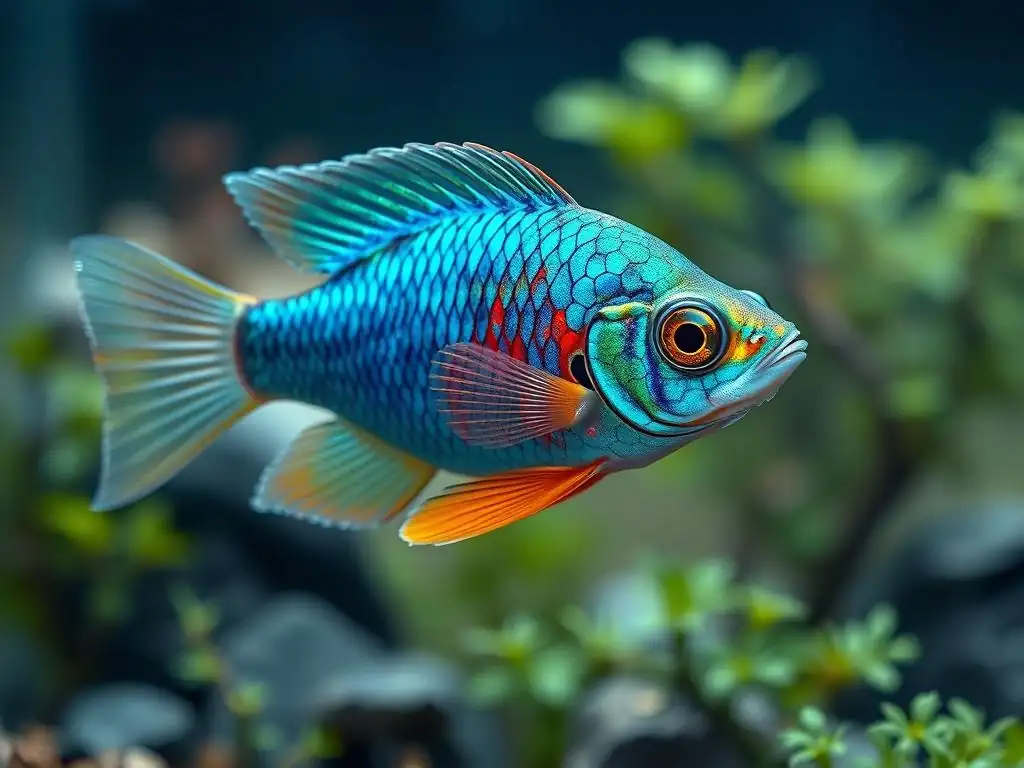
A healthy Dwarf Gourami exhibits several clear indicators of well-being. Their coloration should be vibrant and consistent with their specific variety (e.g., bright red for a Flame Gourami, brilliant blue for a Powder Blue). They should be active and curious, exploring all levels of the tank, occasionally interacting with tank mates, and displaying their characteristic use of their pelvic fins (barbels) to investigate their surroundings.
Their eyes should be clear and bright, and their fins should be intact, without any tears, ragged edges, or white spots. Breathing should be calm and regular, not labored or rapid, and their gills should not be flared. A healthy Dwarf Gourami will also have a robust appetite, readily accepting food during feeding times, and maintaining good buoyancy without any signs of listing or difficulty swimming. Recognizing these positive signs is fundamental to effective Dwarf Gourami care for beginners and early detection of potential issues.
Common Dwarf Gourami Diseases and Treatments
Identifying and Treating Dwarf Gourami Iridovirus (DGIV)
Dwarf Gourami Iridovirus (DGIV) is a highly contagious and often fatal viral disease specifically affecting Dwarf Gouramis and related species. Symptoms typically include lethargy, loss of appetite, darkening of colors, development of skin lesions or sores, bloating, and eventually, organ failure and death. The disease progresses rapidly, and unfortunately, there is currently no known cure for DGIV.
Prevention is the only effective strategy. This involves strictly quarantining all new fish for at least 4-6 weeks before introducing them to your main tank, purchasing fish only from reputable and trusted breeders or pet stores, and maintaining impeccable water quality to minimize stress on the fish. If DGIV is strongly suspected, humane euthanasia of affected fish is often recommended to prevent the spread of the virus to other Gouramis in the tank, highlighting a significant challenge in Dwarf Gourami care for beginners.
Addressing Fin Rot and Other Bacterial Infections
Fin rot is a common bacterial infection characterized by the gradual erosion or fraying of the fins, which may appear white, cloudy, or reddish at the edges. It is typically caused by prolonged exposure to poor water quality, physical injury, or chronic stress that weakens the fish's immune system, making them susceptible to opportunistic bacterial pathogens. Other bacterial infections might manifest as cloudy eyes, open sores on the body, or general lethargy.
Treatment for fin rot and other bacterial infections involves immediate and significant improvements in water quality, typically by performing large daily partial water changes (e.g., 50% for several consecutive days) and thorough gravel vacuuming. In more severe cases, a broad-spectrum antibacterial medication, such as those containing Furan-2 or Erythromycin, may be necessary. Always follow the manufacturer's instructions carefully. Early detection and intervention are crucial for successful treatment in Dwarf Gourami care for beginners.
Managing Parasitic Infections in Dwarf Gouramis
Dwarf Gouramis, like other freshwater fish, can be susceptible to various parasitic infections. Ich (Ichthyophthirius multifiliis), also known as white spot disease, is one of the most common external parasites, characterized by small, white, salt-like spots scattered across the fish's body and fins. Internal parasites, though harder to diagnose, might present as wasting (severe weight loss despite eating), stringy white feces, or a swollen abdomen.
For Ich, a common treatment involves gradually raising the water temperature to 82-86°F (28-30°C) over several days (ensuring this is safe for all tank inhabitants), combined with daily gravel vacuums and partial water changes to remove free-swimming parasites. Specific anti-parasitic medications, such as those containing malachite green or formalin for Ich, or metronidazole for internal parasites, are also available. It's vital to choose treatments safe for labyrinth fish. Effective management of these issues is part of comprehensive Dwarf Gourami care for beginners.
Quarantine Procedures for New Fish: Preventing Disease Spread
Implementing a strict quarantine procedure for all new fish, including Dwarf Gouramis, is perhaps the most critical preventative measure against disease introduction. A separate quarantine tank, ideally 5-10 gallons (19-38 liters), fully cycled and equipped with a heater and filter, should be used for at least 2-4 weeks, or even up to 6 weeks. This isolation period allows you to observe new arrivals for any signs of illness without risking your established main tank inhabitants.
During quarantine, monitor the fish closely for any symptoms of disease, such as lethargy, abnormal swimming, spots, or sores. Treat any detected illnesses in the quarantine tank. This period also allows the fish to de-stress from transport and acclimate to your water parameters. This crucial step prevents the devastating spread of pathogens to your existing fish population, making Dwarf Gourami care for beginners significantly safer and more successful in the long run.
Maintaining a Clean Tank to Prevent Illness
Consistent and diligent tank maintenance is the cornerstone of disease prevention for Dwarf Gouramis. Regular partial water changes (25-30% weekly), thorough gravel vacuuming, and routine filter cleaning (rinsing filter media in old tank water) are essential. These practices prevent the buildup of harmful nitrates and other organic pollutants, which can stress fish and compromise their immune systems.
Promptly removing any uneaten food and decaying plant matter is also vital, as these organic materials quickly break down and degrade water quality. A clean, stable, and well-maintained aquatic environment with optimal water parameters significantly reduces stress on your Dwarf Gouramis, boosting their natural defenses and making them far less susceptible to bacterial, fungal, and parasitic infections. This proactive approach is the best defense in effective Dwarf Gourami care for beginners.
Breeding Dwarf Gouramis: A Beginner's Guide
Creating a Breeding Tank for Dwarf Gouramis
To successfully breed Dwarf Gouramis, setting up a dedicated breeding tank is highly recommended. A 10-20 gallon (38-75 liter) aquarium is usually sufficient, but it should be filled with shallow water, typically only 6-8 inches (15-20 cm) deep. This shallow depth is crucial for the male to build and maintain his bubble nest effectively and for the tiny fry to reach the surface for air later on.
Provide plenty of floating plants, such as Riccia fluitans, Frogbit, or even artificial floating plants, as these serve as anchors for the male's bubble nest. A gentle sponge filter is ideal for filtration, as it provides biological filtration without creating strong currents that could disrupt the nest or harm the delicate fry. Maintain stable water parameters: temperature around 80-82°F (27-28°C), pH 6.5-7.0, and very soft water (2-5 dGH) to encourage spawning. The breeding tank should be kept calm and peaceful, isolated from the main community, making this a focused step in Dwarf Gourami care for beginners.
Identifying Male and Female Dwarf Gouramis
Distinguishing between male and female Dwarf Gouramis is relatively straightforward, especially once they reach maturity. Males are typically much more vibrant and colorful, displaying brighter reds, blues, and oranges depending on the variety. Their dorsal fin is usually longer and more pointed, extending almost to the caudal (tail) fin, and their anal fin is also elongated and pointed.
Females, in contrast, are generally duller in coloration, with more subdued hues. Their body shape tends to be rounder and plumper, particularly when gravid (carrying eggs). Their dorsal and anal fins are shorter and more rounded compared to the males. To ensure you have a breeding pair, it's often recommended to purchase a small group of juvenile Dwarf Gouramis (e.g., 4-6) and allow them to grow together, increasing the chances of having at least one male and one female. This makes identifying a breeding pair more accessible for those new to Dwarf Gourami care for beginners.
The Dwarf Gourami Breeding Process: Bubblenest Building and Spawning
The Dwarf Gourami breeding process begins with the male constructing a bubble nest at the water surface, often incorporating bits of floating plants or other debris to reinforce it. Once the nest is complete and he is ready to spawn, the male will display to the female, attempting to entice her beneath the nest. Spawning involves a fascinating embrace: the male wraps his body around the female, gently squeezing her to encourage the release of eggs.
As the female releases the eggs, the male simultaneously fertilizes them. The buoyant eggs float upwards into the bubble nest, which the male meticulously collects and secures. This embrace and egg-laying process can repeat multiple times over several hours, potentially yielding hundreds of eggs. After spawning is complete, it is crucial to carefully remove the female from the breeding tank, as the male will become highly protective of the nest and may aggressively chase her away. This unique behavior is a highlight of advanced Dwarf Gourami care for beginners.
Caring for Dwarf Gourami Fry: From Hatching to Juvenile
Dwarf Gourami eggs typically hatch within 24-48 hours after spawning. The fry are incredibly tiny and will remain in the bubble nest for another 2-3 days, absorbing nutrients from their yolk sacs. During this period, the male diligently guards the nest, returning any stray fry to safety. Once the fry become free-swimming and leave the nest, typically after their yolk sacs are fully absorbed, the male should also be removed from the breeding tank to prevent him from eating them.
At this stage, the fry are extremely delicate and require pristine water conditions. Gentle aeration, such as from a very small sponge filter, is essential, as their labyrinth organ (which allows them to breathe atmospheric air) does not fully develop until they are a few weeks old. Maintaining consistent temperature and water parameters, along with a stable environment, is paramount for their survival and growth. This phase is the most challenging aspect of successful Dwarf Gourami care for beginners when breeding.
Raising Dwarf Gourami Fry: Food and Water Quality Requirements
Raising Dwarf Gourami fry requires specialized feeding and meticulous water quality management. For the first few days after they become free-swimming, the fry are too small to consume standard fish foods. They require microscopic food sources such as infusoria (microorganisms found in established aquariums or cultured from decaying plant matter) or commercially available liquid fry food. After approximately 3-5 days, they can progress to newly hatched brine shrimp or microworms, which are highly nutritious and appropriately sized. Feed tiny amounts 4-6 times a day to ensure constant availability.
Maintaining pristine water quality is absolutely critical for fry survival. Perform very small daily water changes (10-15%) using a siphon with a fine mesh or cloth over the end to prevent accidentally sucking up the tiny fry. Ensure the new water is dechlorinated and matches the tank's temperature and parameters precisely. As the fry grow, typically after 2-3 weeks, they can be gradually introduced to finely crushed high-quality flake food. Raising Dwarf Gourami fry is the most demanding part of Dwarf Gourami care for beginners in the context of breeding.
Troubleshooting Common Dwarf Gourami Problems
Dwarf Gourami Hiding: Understanding the Causes
While occasional hiding is normal behavior for Dwarf Gouramis, especially when newly introduced to a tank or if the lighting is too bright, prolonged or excessive hiding can be a strong indicator of stress, illness, or fear. Several factors can contribute to this behavior. Potential causes include unsuitable or aggressive tank mates that are intimidating the Gourami, poor water quality (e.g., elevated ammonia or nitrite levels), or a lack of adequate hiding spots and cover within the aquarium.
To address persistent hiding, first, immediately test your water parameters (ammonia, nitrite, nitrate, pH) to rule out water quality issues. Observe interactions with tank mates to identify any aggression. If the tank lacks sufficient cover, add more live plants, driftwood, or caves to provide secure retreats. Additionally, consider if the lighting is too intense and if it needs to be dimmed or supplemented with floating plants. Addressing these underlying causes is key to providing proper Dwarf Gourami care for beginners.
Dwarf Gourami Not Eating: Identifying and Resolving the Issue
A Dwarf Gourami refusing to eat is a significant symptom that should not be ignored, as it often indicates stress or an underlying health problem. Common reasons for a loss of appetite include unsuitable or monotonous food options, poor water quality (e.g., high ammonia, nitrite, or nitrates), incorrect water temperature, or the onset of a disease such as Dwarf Gourami Iridovirus (DGIV) or internal parasites.
The first step in resolving this issue is to perform a full water parameter test and rectify any imbalances immediately with partial water changes. Next, try offering a variety of high-quality foods, including their favorite live or frozen treats like bloodworms or brine shrimp, to stimulate their appetite. If water quality is optimal and the fish still refuses food, observe closely for other symptoms of disease, such as lethargy, color loss, or abnormal swimming. In some cases, a garlic-infused food can also help stimulate appetite. Persistent refusal to eat warrants further investigation for effective Dwarf Gourami care for beginners.
Dwarf Gourami Color Loss: Causes and Solutions
Fading or dulling of a Dwarf Gourami's vibrant coloration is a common sign of stress, poor health, or inadequate environmental conditions. A fish might temporarily lose color during transport, when acclimating to a new tank, or if exposed to very bright lighting without sufficient cover. Long-term color loss often points to more chronic issues such as consistently poor water quality, a diet lacking essential nutrients (especially color-enhancing ingredients like spirulina or astaxanthin), or the presence of aggressive tank mates that cause constant stress.
To help restore your Dwarf Gourami's vibrant hues, ensure optimal water parameters are maintained through regular water changes and testing. Provide a varied and nutritious diet that includes high-quality flakes, pellets, and supplemental live or frozen foods, some of which are specifically formulated for color enhancement. Reduce stressors by ensuring compatible tank mates, providing ample hiding spots, and adjusting lighting to be more subdued. A healthy, low-stress environment and proper nutrition are crucial for maintaining the brilliant colors that make Dwarf Gourami care for beginners so rewarding.
Dwarf Gourami Aggression: Managing Territorial Behavior
While generally considered peaceful, male Dwarf Gouramis can exhibit territorial behavior, particularly towards other male Gouramis or similarly shaped/colored fish. This aggression is significantly more pronounced in smaller tanks, such as those under 20-30 gallons, where adequate space for establishing individual territories is limited. Signs of aggression include chasing, nipping, or flaring fins at other fish.
To manage potential aggression: avoid keeping multiple male Dwarf Gouramis in tanks smaller than 20-30 gallons. If you wish to keep a pair or a male with multiple females, ensure the tank is heavily planted and decorated with driftwood or caves to create visual breaks and provide plenty of hiding spots. Rearranging the tank decor can sometimes disrupt established territories and reduce aggression. If aggression persists and causes harm to other fish, consider separating the aggressive individual into its own tank. Understanding and managing this territorial behavior is vital for harmonious Dwarf Gourami care for beginners.
Conclusion: Mastering Dwarf Gourami Care
Dwarf Gouramis are undeniably captivating and rewarding fish for any aquarist, especially beginners, due to their dazzling colors, distinctive behaviors, and relatively robust nature. Mastering their care involves a commitment to providing an optimal environment, which begins with selecting an appropriately sized tank and equipping it with essential components like a gentle filter, a reliable heater, and subdued lighting.
Crucially, consistent adherence to proper water quality management through regular testing and diligent water changes is paramount. A balanced and varied diet, supplemented with live or frozen foods, ensures their vibrant health and coloration. Careful selection of peaceful tank mates and proactive disease prevention through quarantine and pristine tank maintenance will significantly contribute to their longevity and well-being. By following the detailed guidelines in this ultimate Dwarf Gourami care for beginners guide, you will be well-equipped to provide a thriving and enriching home for these enchanting aquatic jewels.
Frequently Asked Questions
How difficult is it to care for Dwarf Gouramis as a beginner?
Dwarf Gouramis are considered moderately easy to care for, but require stable water parameters and a well-established aquarium. Beginners should be prepared to monitor water quality closely.
What is the ideal tank size for a Dwarf Gourami?
A minimum of a 10-gallon tank is recommended for a single Dwarf Gourami. Larger tanks are always better as they provide more space and stable water conditions.
What type of food should I feed my Dwarf Gourami?
Dwarf Gouramis are omnivores and thrive on a varied diet. Offer them high-quality flake food, supplemented with live or frozen foods like bloodworms and daphnia.
What are some common diseases that affect Dwarf Gouramis?
Dwarf Gouramis are susceptible to Dwarf Gourami Iridovirus (DGIV), which is often fatal. Other common issues include bacterial infections and parasitic infestations, often linked to poor water quality.
Can I keep Dwarf Gouramis with other fish? If so, which ones are suitable tank mates?
Yes, but choose tank mates carefully. Avoid aggressive or fin-nipping species. Good choices include small tetras, corydoras catfish, and peaceful rasboras.
Final Reflection: Embracing the Delicate Beauty
The journey into keeping Dwarf Gouramis, as we've explored, is one that demands patience, understanding, and a commitment to providing the right environment. The delicate nature of these fish, often underestimated by beginners, highlights the broader responsibility we have as aquarists to prioritize the well-being of our aquatic companions. Ignoring their specific needs can lead to preventable suffering, underscoring the importance of thorough research and dedicated care.
This exploration of Dwarf Gourami care has not only provided practical guidance but also served as a reminder of the profound connection we share with the natural world. Witnessing the vibrant colors and graceful movements of a healthy Dwarf Gourami is a reward in itself, a testament to the power of informed and compassionate care. The greatness of a nation and its moral progress can be judged by the way its animals are treated.
- Mahatma Gandhi. This quote resonates deeply when considering the ethical dimensions of aquarium keeping.
Now, armed with this knowledge, I encourage you to approach the world of Dwarf Gouramis, and indeed all aquarium keeping, with renewed dedication. Reflect on the lessons learned, apply the principles of responsible care, and share your experiences with others. By fostering a community of informed and compassionate aquarists, we can ensure that these beautiful creatures thrive, enriching our lives and reminding us of the delicate balance of the aquatic ecosystem.
Unlock the Secrets to a Thriving Dwarf Gourami!
Thank you for diving into the world of Dwarf Gouramis! We hope this guide has equipped you with the knowledge to create a happy and healthy environment for these vibrant fish. Now, let's put that knowledge into action!
- Introduce a Dwarf Gourami to your aquarium! If you're ready to bring one of these beautiful fish home, ensure your tank is properly cycled and meets the specific needs outlined in the guide.
- Share your experience! Comment below with photos of your Dwarf Gourami setup and any unique observations you've made about their behavior.
- Research compatible tank mates. Before introducing other fish, carefully consider which species will thrive alongside your Dwarf Gourami, creating a harmonious aquarium ecosystem.
Ready to transform your aquarium into a paradise for your new Dwarf Gourami?