
The Advanced Aquarist's Guide to Tetra Egg Incubation Devices by Aquarium Mastery

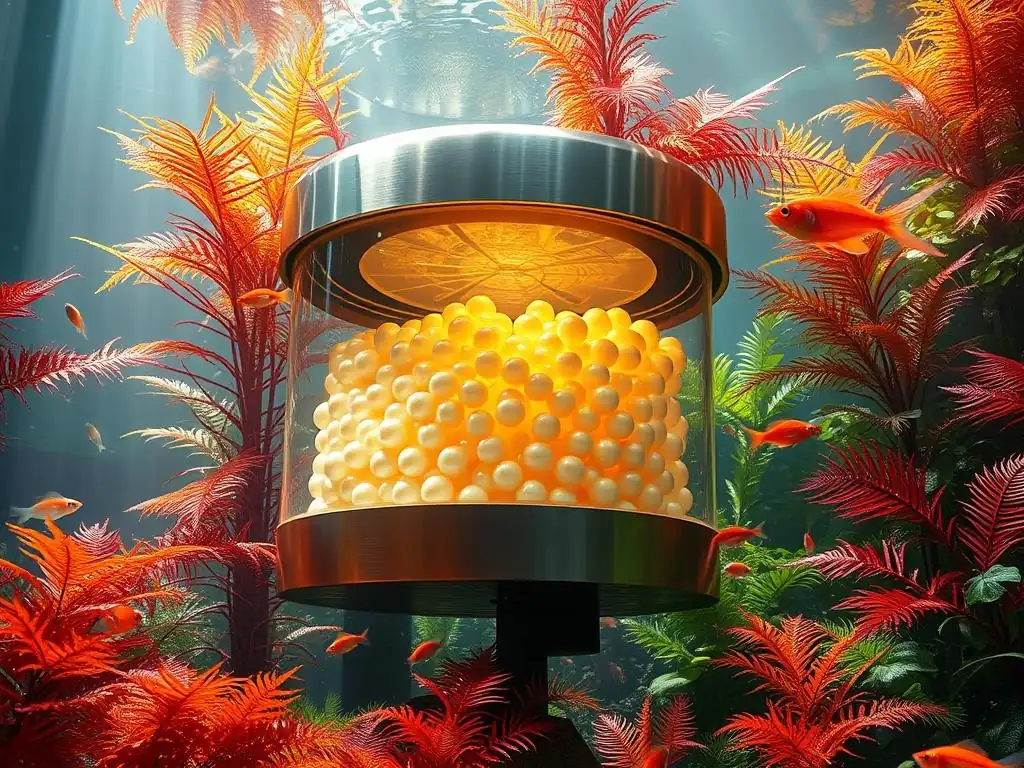
Welcome to Aquarium Mastery!
Ever wondered if you could unlock the secrets to successfully breeding your Tetras? Dive into our comprehensive guide and discover the wonders of the Tetra egg incubation device. More than just a gadget, it's your key to raising healthy, vibrant Tetra fry. Ready to nurture the next generation of your aquatic family? Read on to master the art of Tetra breeding!
- Breeding Cardinal Tetras: A Guide to Egg Incubation Devices by Aquarium Nexus
- Introduction to Cardinal Tetra Egg Incubation: Why Use a Device?
- Types of Cardinal Tetra Egg Incubation Devices: A Detailed Overview
- Selecting the Right Cardinal Tetra Egg Incubation Device for Your Needs
- Setting Up Your Cardinal Tetra Egg Incubation Device: A Step-by-Step Guide
- Transferring Cardinal Tetra Eggs to the Incubation Device: Best Practices
- Monitoring Cardinal Tetra Egg Development and Hatching
- Feeding and Raising Cardinal Tetra Fry After Hatching
- Troubleshooting Common Cardinal Tetra Egg Incubation Issues
- DIY Cardinal Tetra Egg Incubation Device: Building Your Own
- Advanced Techniques for Cardinal Tetra Egg Incubation
- Maintaining a Clean and Efficient Cardinal Tetra Egg Incubation System
- Conclusion: Mastering Cardinal Tetra Egg Incubation for Aquarium Success
-
Frequently Asked Questions
- What is a Tetra egg incubation device and why is it needed?
- How does a Tetra egg incubation device work?
- What features should I look for in a Tetra egg incubation device?
- Are Tetra egg incubation devices only for professional breeders?
- How long does it typically take for Tetra eggs to hatch in an incubation device?
- Final Reflection: Nurturing the Future of Aquatic Life
- Unlock Tetra Breeding Secrets!
Breeding Cardinal Tetras: A Guide to Egg Incubation Devices by Aquarium Nexus
Introduction to Cardinal Tetra Egg Incubation: Why Use a Device?
Understanding the Challenges of Cardinal Tetra Egg Survival in a Community Tank
Cardinal tetra eggs are incredibly delicate and face formidable odds when spawned in a typical community aquarium. Adult fish, including the parents themselves, are notorious egg predators, often consuming entire clutches within minutes of spawning. Beyond predation, invertebrates like snails or even detritus worms can also pose a significant threat to the fragile eggs. This high level of vulnerability means that without intervention, the survival rate of cardinal tetra eggs in a shared environment is often dismal, frequently falling below 5-10%.
Furthermore, the general water conditions in a community tank are rarely optimized for the specific needs of cardinal tetra eggs. Fluctuations in pH, temperature, or hardness, along with the presence of nitrates and other pollutants from fish waste, can be detrimental to embryonic development. Light exposure, which is common in display tanks, can also inhibit proper development and make eggs more susceptible to fungal infections, further reducing their already slim chances of survival.
The Benefits of Controlled Cardinal Tetra Egg Incubation for Maximizing Hatch Rates
Utilizing a dedicated Tetra egg incubation device fundamentally transforms the success rate of cardinal tetra breeding. By isolating the eggs from predators and providing a precisely controlled environment, aquarists can dramatically increase hatch rates, often achieving success rates of 70-90% or even higher with meticulous care. This controlled setting minimizes external threats and allows for optimal conditions to be maintained throughout the critical incubation period.
A specialized Tetra egg incubation device offers unparalleled control over crucial environmental factors. This includes maintaining stable, ideal water parameters such as soft, acidic water (pH 5.0-6.0), consistent temperature (78-82°F or 25.5-27.8°C), and low general hardness (GH 1-3 dGH). Additionally, these devices facilitate conditions of darkness and provide gentle, consistent water movement, both of which are vital for preventing fungal growth and ensuring adequate oxygenation for the developing embryos.
Types of Cardinal Tetra Egg Incubation Devices: A Detailed Overview
Passive Cardinal Tetra Egg Incubation Devices: Mesh Boxes and Breeding Traps
Passive Tetra egg incubation devices typically include simple mesh boxes or breeding traps that are designed to float within the main aquarium. These devices separate eggs from adult fish, preventing immediate predation. They are generally inexpensive, often costing between $5 and $15, and require minimal setup. Water circulation is provided by the main tank's flow, which passes through the mesh, theoretically supplying oxygen to the eggs.
However, the limitations of passive Tetra egg incubation devices are significant, especially for sensitive species like cardinal tetras. They offer no control over specific water parameters, meaning the eggs are still exposed to the main tank's water chemistry, which may not be ideal. Furthermore, the limited water flow within these small confines can lead to stagnant areas, increasing the risk of fungal infections. Light exposure is also uncontrolled, which can be detrimental to cardinal tetra egg development.
Active Cardinal Tetra Egg Incubation Devices: Tumblers and Small Tanks with Filtration
Active Tetra egg incubation devices provide a superior, isolated, and highly controlled environment, making them the preferred choice for delicate eggs like those of cardinal tetras. These systems allow aquarists to precisely manage water parameters, oxygenation, and light conditions, significantly boosting the chances of successful hatching. The primary types of active devices are air-driven egg tumblers and small, dedicated tanks equipped with gentle filtration.
The core principle behind active Tetra egg incubation devices is the creation of a stable, consistent environment that mimics the natural spawning conditions of cardinal tetras while protecting them from external threats. This includes maintaining specific pH and hardness levels, ensuring constant temperature, and providing gentle water movement to prevent fungal colonization and ensure the eggs receive ample oxygen. Such controlled environments are crucial for species with sensitive eggs that are prone to fungal infections.
Air-Driven Cardinal Tetra Egg Tumblers: Construction and Use
Air-driven Tetra egg tumblers are specialized cylindrical devices, typically made of clear acrylic or plastic, with a fine mesh screen at the bottom. An airline tube extends into the cylinder, connected to an air pump. When activated, the air bubbles rise, creating a gentle upward current that keeps the delicate cardinal tetra eggs suspended and gently "tumbling" within the water column. This constant, gentle movement is vital as it prevents eggs from settling and becoming susceptible to fungal growth, while also ensuring uniform oxygenation.
These tumblers are compact and highly efficient, ideal for incubating hundreds of cardinal tetra eggs simultaneously. They require minimal water volume, which makes it easier to maintain specific water parameters like the required pH of 5.0-6.0 and GH of 1-3 dGH. The flow rate from the air pump can be adjusted with a control valve to ensure the eggs are gently agitated, not violently tossed, which could damage them. A typical commercial Tetra egg incubation device of this type might range from $20-$50.
Small Tanks with Sponge Filters: Providing a Safe and Stable Environment
Another highly effective active Tetra egg incubation device setup involves using a small, dedicated aquarium, typically 2.5 to 5 gallons in size. This tank is filled with water specifically conditioned for cardinal tetra eggs (soft, acidic, 78-82°F) and equipped with a small, mature sponge filter. The sponge filter provides gentle mechanical and biological filtration, ensuring pristine water quality without creating strong currents that could harm the eggs or newly hatched fry.
The larger water volume of a dedicated tank offers greater stability for water parameters compared to tumblers, reducing the risk of sudden fluctuations that can stress developing embryos. It also provides ample space for the eggs to hatch and for the newly emerged fry to develop during their initial free-swimming stage. This setup is particularly advantageous as it seamlessly transitions from an incubation chamber to a fry-rearing tank, minimizing stress on the delicate young fish. The initial investment for such a setup, including tank, heater, and sponge filter, might be in the range of $50-$100+.
Selecting the Right Cardinal Tetra Egg Incubation Device for Your Needs
Considering Cardinal Tetra Egg Sensitivity to Light and Fungus
Cardinal tetra eggs are remarkably sensitive to environmental factors, particularly light and fungal infections. Exposure to light, even dim ambient light, can disrupt embryonic development and significantly reduce hatching success. In their natural habitat, these fish often spawn in shaded, dark waters, and replicating this dark environment is crucial for optimal development. Therefore, any chosen Tetra egg incubation device must allow for complete darkness or be easily covered.
Fungal infections pose an equally significant threat. Infertile or damaged eggs quickly succumb to fungus, which then rapidly spreads to healthy eggs, potentially wiping out an entire clutch within hours. A proper Tetra egg incubation device must provide excellent water circulation and hygiene to prevent fungal spores from settling and proliferating. Devices that facilitate the immediate removal of affected eggs, or those that can be treated with mild antifungal agents like methylene blue, are highly recommended.
Factors to Evaluate: Size, Water Flow, and Light Control
When selecting a Tetra egg incubation device, several critical factors must be evaluated to ensure success. Firstly, consider the size of the device relative to the expected clutch size. Cardinal tetras can lay hundreds of eggs in a single spawning event, so the device must be large enough to accommodate them without overcrowding. For instance, a 1-liter egg tumbler can typically hold several hundred eggs comfortably.
Secondly, precise control over water flow is paramount. The flow must be gentle enough not to damage the delicate eggs but consistent enough to ensure constant oxygenation and prevent stagnation, which encourages fungal growth. Tumblers allow for this fine-tuning via an air valve, while small tanks rely on the gentle output of a sponge filter. Lastly, effective light control is non-negotiable. The chosen Tetra egg incubation device should be opaque or easily covered to maintain complete darkness throughout the incubation period, mirroring their natural spawning conditions.
Budget Considerations: Balancing Cost and Functionality
Budget is always a factor, but for cardinal tetra breeding, prioritizing functionality over initial cost often leads to greater long-term success. Simple passive Tetra egg incubation devices like mesh breeders are the cheapest option, typically under $15, but their limitations in terms of environmental control often result in very low hatch rates for sensitive eggs. This can lead to frustration and wasted breeding efforts.
On the other hand, dedicated air-driven Tetra egg incubation devices (tumblers) or setting up a small, dedicated incubation tank represent a higher initial investment, ranging from $20 to over $100 depending on the setup. However, these active systems offer the precise control over water parameters, oxygenation, and light that cardinal tetra eggs demand. This increased control directly translates to significantly higher hatch rates, making the slightly higher initial outlay a worthwhile investment for serious aquarists aiming for consistent breeding success.
Setting Up Your Cardinal Tetra Egg Incubation Device: A Step-by-Step Guide
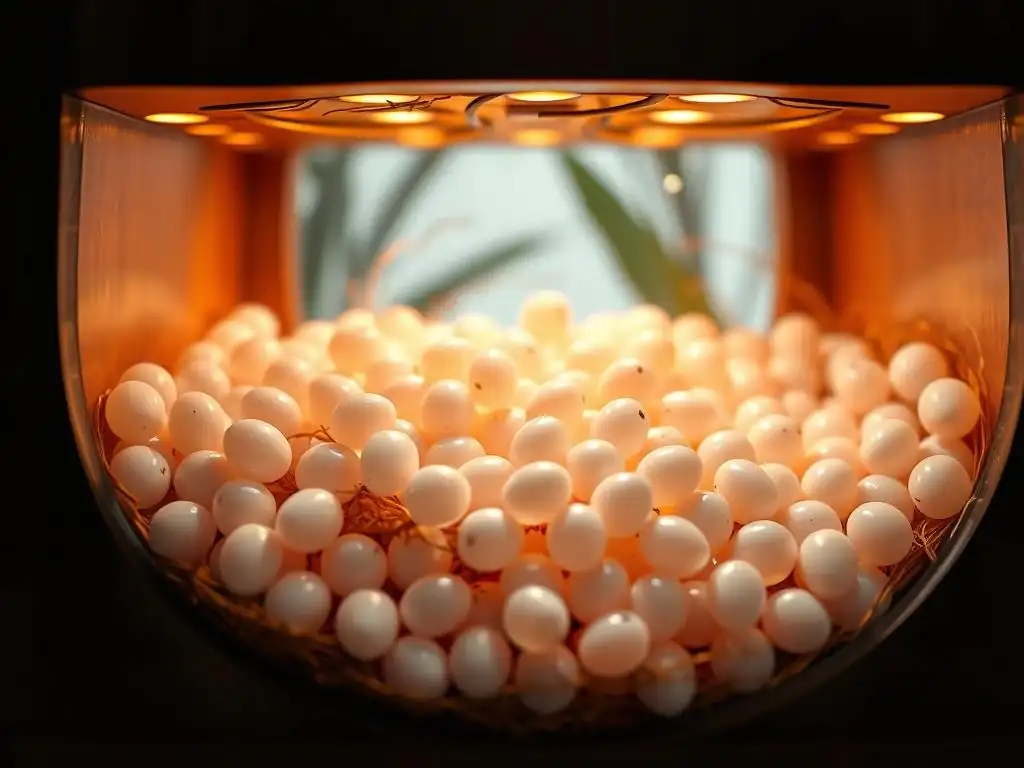
Preparing the Incubation Device with Soft, Acidic Water
The most critical step in setting up any Tetra egg incubation device is preparing the water to precisely match the cardinal tetras' specific requirements. These fish originate from soft, acidic blackwater environments, and their eggs demand similar conditions for successful development. Target parameters should include a very low general hardness (GH) of 1-3 dGH (17.9-53.7 ppm), negligible carbonate hardness (KH) of 0-1 dKH (0-17.9 ppm), and an acidic pH between 5.0 and 6.0.
To achieve these parameters, it is highly recommended to use reverse osmosis (RO) or deionized (DI) water and then remineralize it to the desired GH and KH levels using specialized buffers or mineral additives. Alternatively, aged peat-filtered water can be used, as peat naturally lowers pH and softens water while releasing beneficial humic substances. Ensure the water is completely free of chlorine, chloramines, and heavy metals by treating it with a high-quality water conditioner. Once prepared, slowly fill the Tetra egg incubation device with this conditioned water, ensuring no air bubbles cling to the interior surfaces.
Water Parameter Management: Temperature, pH, and KH
Maintaining stable water parameters throughout the incubation period is paramount for cardinal tetra eggs. The ideal temperature range for rapid and successful hatching is typically between 78-82°F (25.5-27.8°C). A small, reliable aquarium heater with a thermostat should be used to keep the temperature consistent, as even minor fluctuations can stress the developing embryos and lead to poor hatch rates.
Continuous monitoring of pH and KH is also essential. Use accurate liquid test kits or a calibrated pH meter to regularly check these parameters, especially if using a small tank setup. If the pH starts to rise, small water changes with freshly prepared acidic water or the addition of a small amount of peat extract can help stabilize it. For tumblers, the source water's stability is key, so ensure the reservoir water is consistently within the target range.
Maintaining Pristine Water Quality During Incubation
Even though cardinal tetra eggs themselves produce minimal waste, maintaining pristine water quality in the Tetra egg incubation device is non-negotiable. Stagnant or nutrient-rich water promotes the growth of harmful bacteria and fungi, which are the primary threats to egg viability. For small tank setups, perform small daily water changes, typically 10-20% of the volume, using water that exactly matches the incubation parameters in terms of temperature, pH, and hardness.
For egg tumblers, where water is constantly circulating, the quality of the source water from which the tumbler draws its supply is critical. Ensure this source water is stable and pristine. Any infertile eggs, which typically turn opaque white within hours of spawning, must be siphoned out immediately using a fine pipette or turkey baster. These fungused eggs can quickly spread infection to healthy, viable eggs, potentially ruining an entire clutch if not promptly removed.
Transferring Cardinal Tetra Eggs to the Incubation Device: Best Practices
Identifying Viable Cardinal Tetra Eggs for Incubation
Identifying viable cardinal tetra eggs is a crucial first step before transferring them to the Tetra egg incubation device. Healthy, fertile eggs are typically small, clear, and perfectly spherical, often with a slightly adhesive quality that allows them to cling to spawning mops or the substrate. Within a few hours of spawning, any infertile eggs will begin to turn an opaque, milky white color, indicating that they are not viable and are prone to developing fungus.
It is imperative to distinguish and separate viable eggs from non-viable ones as quickly as possible. Discarding the opaque eggs minimizes the risk of fungal outbreaks within the incubation device, as fungus originating from a single bad egg can rapidly spread and contaminate an entire clutch. Careful observation under a magnifying glass can help in this identification process, ensuring only the most promising eggs are selected for incubation.
Gentle Egg Collection Methods Using a Turkey Baster or Pipette
Cardinal tetra eggs are incredibly delicate and require the utmost care during collection and transfer. The best tools for this task are a clean, dedicated turkey baster or a large, soft-tipped pipette. These tools allow for gentle suction, minimizing direct physical contact with the eggs, which could easily damage their fragile membranes. Avoid using nets or fingers, as these can easily crush or rupture the eggs.
When collecting, slowly approach the eggs clinging to spawning mops or the tank bottom, and gently draw them into the baster or pipette with minimal water disturbance. Once collected, carefully release them into the Tetra egg incubation device by slowly depressing the bulb or plunger, ensuring they settle gently into the incubation water. Minimize their exposure to air during this entire process, as even brief periods out of water can cause irreversible damage.
Minimizing Light Exposure During the Transfer Process
Cardinal tetra eggs are highly sensitive to light, and exposure during transfer can be detrimental to their development and increase their susceptibility to fungal infections. It is best to perform the egg collection and transfer process in dim lighting conditions, or with only a minimal, indirect light source. This helps to protect the delicate embryos from light-induced stress.
Immediately after transferring the eggs into the Tetra egg incubation device, ensure that the device is completely covered with an opaque material or placed in a dark, quiet location. This continuous darkness is vital for successful incubation, mimicking the natural, shaded spawning grounds of cardinal tetras and supporting optimal embryonic development. Consistency in darkness until hatching significantly boosts the overall hatch rate.
Monitoring Cardinal Tetra Egg Development and Hatching
Recognizing Signs of Healthy Cardinal Tetra Egg Development: Transparency and Shape
Monitoring the development of cardinal tetra eggs within your Tetra egg incubation device is a fascinating and crucial part of the breeding process. Healthy, developing eggs will remain perfectly transparent throughout their short incubation period. Within 12-18 hours at optimal temperatures (78-82°F), you may be able to observe the initial stages of cell division. By 24 hours, with a magnifying glass, you can often discern the tiny developing embryo, sometimes even with visible eye spots.
The eggs should consistently maintain their spherical shape. Any deviation from this, such as shriveling, collapsing, or turning opaque white (unless it was an infertile egg from the start), indicates a problem. Discoloration or the appearance of fuzzy, cottony growths signals a fungal infection, which requires immediate attention to prevent it from spreading to healthy eggs. Regular, gentle inspection is key to early detection of any issues.
Identifying and Addressing Common Incubation Problems: Fungus and Lack of Circulation
Fungal infections are the most common and devastating problem encountered during cardinal tetra egg incubation. They typically manifest as white, cottony growths on the egg surface. Fungus spreads rapidly, quickly consuming an entire clutch if not addressed. The primary cause is often a combination of infertile eggs (which fungus readily colonizes) and inadequate water circulation. A lack of consistent, gentle flow within the Tetra egg incubation device leads to stagnant areas where fungal spores can settle and proliferate due to insufficient oxygenation.
To address fungus, immediately and gently remove any affected eggs using a fine pipette to prevent further spread. Ensure that the water flow within your Tetra egg incubation device is consistent and sufficient to keep eggs gently agitated and oxygenated. If using a tumbler, adjust the air flow to achieve a gentle "boil." For small tank setups, confirm the sponge filter is providing adequate, gentle circulation without creating strong currents. Proactive prevention through optimal water parameters and circulation is always better than reactive treatment.
Managing Hatching and Fry Care: Removing Unhatched Eggs
Cardinal tetra eggs typically hatch within 24-36 hours at optimal temperatures (78-82°F). Newly hatched fry are incredibly tiny, almost microscopic, and will initially appear as clear, thread-like creatures with a visible yolk sac. They will often cling to the sides of the Tetra egg incubation device or float passively near the bottom for the first few days while they absorb their yolk sac, becoming free-swimming after approximately 3-5 days.
Once hatching is complete, usually within 48 hours of spawning, it is important to remove any remaining unhatched eggs. These are almost certainly infertile or compromised and will quickly succumb to fungus, posing a threat to the delicate newly hatched fry and the water quality within the Tetra egg incubation device. Carefully siphon them out with a pipette, ensuring not to disturb or accidentally remove any fry. Maintaining a clean environment post-hatch is crucial for the survival and health of the burgeoning fry.
Feeding and Raising Cardinal Tetra Fry After Hatching
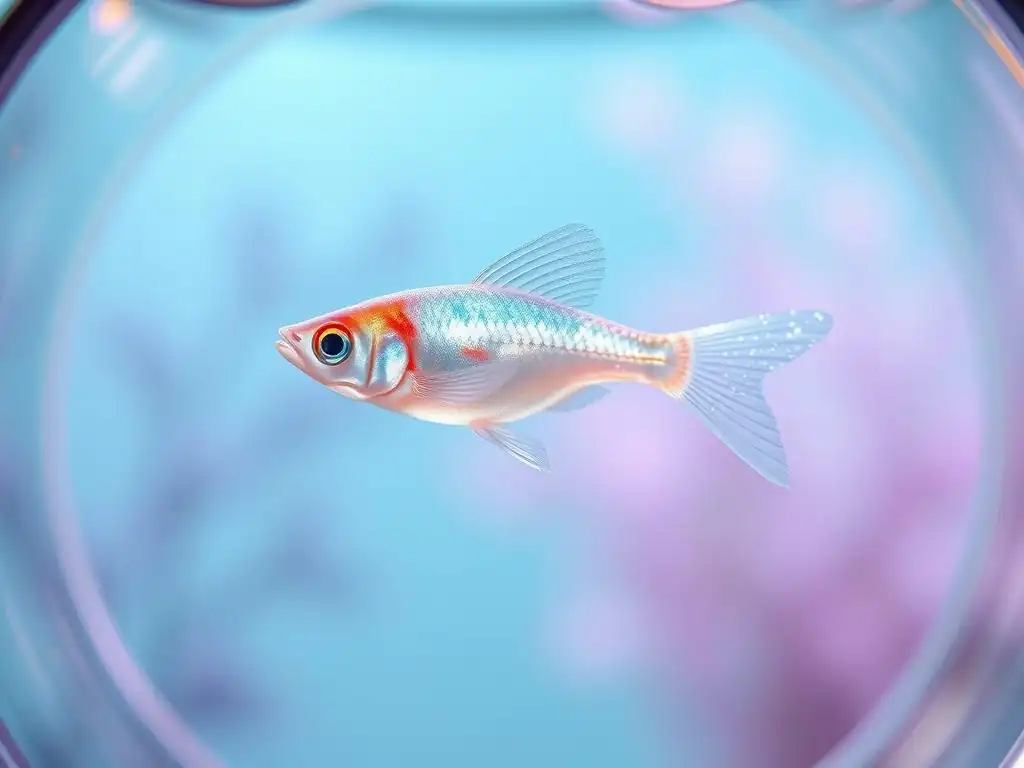
First Foods for Newly Hatched Cardinal Tetra Fry: Infusoria and Liquid Fry Food
Newly hatched cardinal tetra fry are minuscule and possess incredibly small mouths, necessitating microscopic food sources for their first few days. Infusoria, a collective term for various microscopic organisms like paramecia, are the ideal first food. These can be cultured by steeping dried banana leaves or small amounts of hay in water, or by using commercial infusoria cultures. Feed tiny amounts frequently, typically 3-4 times a day, to ensure a constant supply.
As an alternative or supplement, high-quality liquid fry foods specifically formulated for egg-laying fish can be used. These products contain finely ground particles that are small enough for the fry to consume. Regardless of the food choice, it is paramount to avoid overfeeding. Uneaten food quickly decomposes, fouling the water in the Tetra egg incubation device or fry tank and leading to dangerous ammonia spikes that are lethal to delicate fry.
Maintaining Optimal Water Quality for Fry Growth: Frequent Small Water Changes
Maintaining pristine water quality is the single most critical factor for the successful growth and survival of cardinal tetra fry. Their tiny size and underdeveloped organ systems make them highly susceptible to even minute fluctuations in water parameters or the presence of common pollutants like ammonia and nitrite. Therefore, frequent, small water changes are absolutely essential.
Perform daily or every-other-day water changes of 10-15% of the tank volume. Always use aged, temperature-matched water that has been prepared to the exact soft, acidic parameters (pH 5.0-6.0, GH 1-3 dGH) as the incubation water. Use a thin airline tube to gently siphon off any uneaten food, detritus, or waste from the bottom of the Tetra egg incubation device or fry tank. This meticulous attention to water quality significantly reduces the risk of disease and promotes healthy fry development.
Preventing Diseases in Young Cardinal Tetra Fry: Maintaining Clean Water and Avoiding Overfeeding
Young cardinal tetra fry are extremely fragile and highly vulnerable to diseases, which can decimate an entire batch quickly. The most effective defense against disease outbreaks is the rigorous maintenance of pristine water quality and a consistently clean environment. Avoid sudden changes in temperature, pH, or hardness, as these can stress the fry and weaken their immune systems.
Overfeeding is a very common mistake and a leading cause of disease in fry. Excess food decomposes rapidly, leading to dangerous spikes in ammonia and nitrite, which are toxic to the fry. Feed sparingly, offering only what the fry can consume within a few minutes, and remove any uneaten food promptly. By adhering to a strict regimen of clean water and careful feeding, aquarists can significantly improve the survival rates of their young cardinal tetras, ensuring they thrive after emerging from the Tetra egg incubation device.
Troubleshooting Common Cardinal Tetra Egg Incubation Issues
Addressing Fungal Infections in Cardinal Tetra Eggs with Methylene Blue
Fungal infections are a pervasive threat to cardinal tetra eggs, capable of wiping out entire clutches. They appear as white, cottony growths on the egg surface and spread rapidly. A common preventative measure used by advanced aquarists is the application of methylene blue. A very dilute solution (e.g., 1-2 drops of a 2.3% solution per gallon of water) can be added to the Tetra egg incubation device water before the eggs are introduced, or immediately after transfer.
Methylene blue acts as an antifungal agent, inhibiting the growth of fungal spores. While highly effective in prevention, it can stain aquarium equipment blue and may have a mild impact on beneficial bacteria if used in a system with active biological filtration. It is generally preferred as a prophylactic treatment rather than a cure for established, widespread infections, which are best addressed by removing affected eggs immediately.
Resolving Issues with Poor Hatch Rates: Ensuring Proper Water Parameters
If you experience consistently poor hatch rates (e.g., below 70%) despite careful management, the primary culprits are almost always incorrect water parameters or insufficient oxygenation within the Tetra egg incubation device. Cardinal tetra eggs are highly sensitive to pH, general hardness (GH), and temperature. Re-verify all your water parameters using reliable, recently calibrated test kits.
Ensure the water is very soft (GH 1-3 dGH), acidic (pH 5.0-6.0), and maintained at a stable temperature of 78-82°F (25.5-27.8°C). Additionally, check the water flow within the Tetra egg incubation device. If using an egg tumbler, ensure the air pump and airline tubing are providing a consistent, gentle "boil" that keeps eggs suspended without violent churning. Stagnant areas lead to oxygen deprivation and fungal growth, both of which severely reduce hatch rates.
Preventing Water Quality Problems in the Incubation Device: Regular Monitoring
Preventing water quality problems in the Tetra egg incubation device is far more effective than trying to correct them after they occur. This requires diligent and regular monitoring of key water parameters, particularly pH and temperature. Even in small volumes of water, parameters can drift, especially if there's any organic decay or if the initial water preparation was slightly off.
For small tank setups, consider using a very small, mature sponge filter to provide gentle biological filtration, which can help buffer against minor parameter shifts and process any minimal organic load. For egg tumblers, the purity and stability of the source water are paramount, as the eggs are constantly bathed in it. Establish a routine of daily visual checks for clarity and any signs of fungal growth, and perform regular, small water changes with precisely matched water to maintain optimal conditions.
DIY Cardinal Tetra Egg Incubation Device: Building Your Own
Simple DIY Tumbler Design for Cardinal Tetra Eggs Using a Plastic Bottle
For the resourceful aquarist, a simple yet effective Tetra egg incubation device can be constructed from readily available materials. A common design utilizes a small, clean plastic water bottle, typically 500ml or 1 liter in size. Begin by cutting off the bottom of the bottle. Then, using a small drill bit (1-2mm) or a heated needle, create numerous small holes around the cap or near the neck of the bottle, which will serve as the outflow for water.
To complete the tumbler, insert an airline tube through a small hole made in the side of the bottle, ensuring it extends nearly to the bottom. This airline will connect to an air pump. When air is introduced, it creates an upward current, gently suspending and tumbling the eggs. To prevent eggs from escaping through the cut bottom, secure a piece of fine mesh material (e.g., from a net breeder or pantyhose) over the opening with a rubber band or aquarium-safe glue.
Materials and Tools Needed for DIY Construction: Bottle, Air Pump, Airline Tubing
The materials required for a basic DIY Tetra egg incubation device are minimal and inexpensive. You will need:
- A clean plastic water bottle (500ml to 1 liter capacity)
- A small aquarium air pump
- Airline tubing
- An air stone (optional, but recommended for finer bubbles and more consistent flow)
- A piece of fine mesh material (e.g., from a net breeder, a fine-mesh laundry bag, or even a piece of nylon stocking)
- A rubber band or aquarium-safe silicone sealant (optional, for securing the mesh or airline)
The tools required are also straightforward:
- A sharp knife or scissors for cutting the bottle
- A small drill bit (1-2mm) or a heated needle/awl for making holes in the bottle cap/neck and for the airline tubing.
Tips for Optimizing Your DIY Incubation Device: Controlling Water Flow
Optimizing your DIY Tetra egg incubation device primarily revolves around achieving the perfect water flow for the delicate eggs. The goal is a gentle, consistent "boil" that keeps the eggs suspended and prevents them from settling, without violently churning them, which could cause damage. This is best achieved by incorporating an airline control valve (gang valve) between your air pump and the tumbler.
Experiment with the air flow by gradually adjusting the valve until the eggs are just barely tumbling. If the eggs are resting on the bottom or clumping, increase the flow slightly. If they are being thrown around aggressively, reduce it. The number and size of the holes you drill also impact flow; more holes will allow more water to exit, potentially requiring more air pressure to achieve the desired tumble. Ensure the mesh at the bottom is fine enough to retain all eggs but coarse enough not to impede water flow.
Advanced Techniques for Cardinal Tetra Egg Incubation
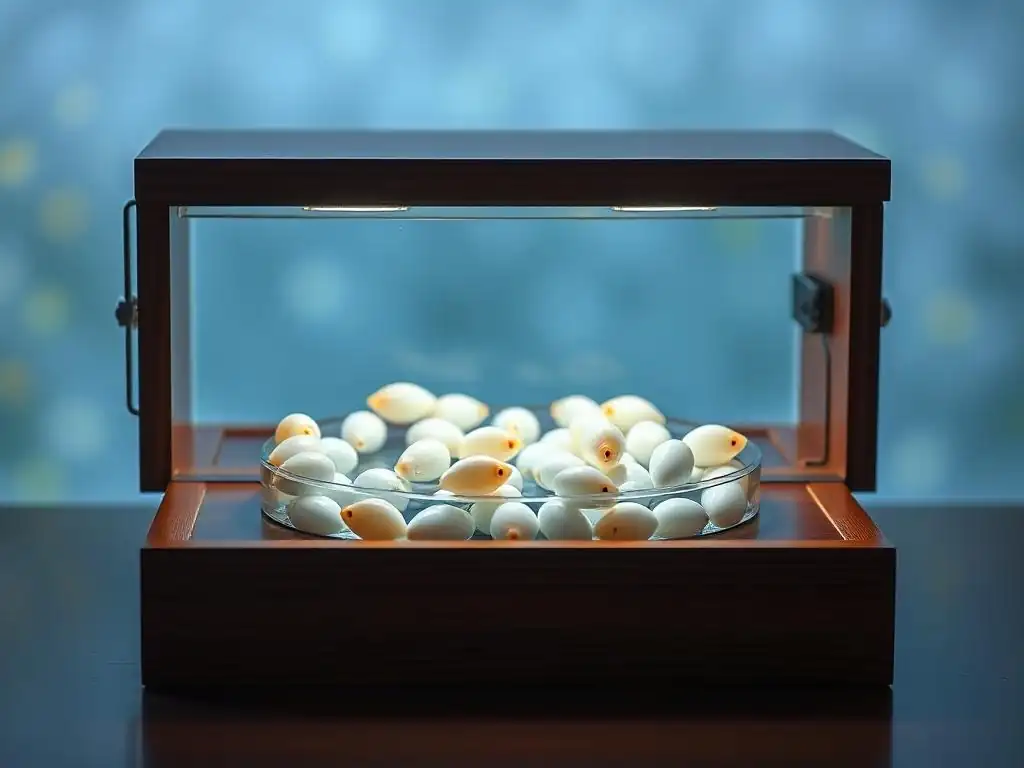
Using Methylene Blue to Prevent Fungal Infections
For advanced aquarists seeking to maximize hatch rates, particularly with large clutches or eggs from less robust spawners, using methylene blue as a prophylactic measure against fungal infections is a valuable technique. A very low, precise concentration (e.g., 0.5-1 ppm) of methylene blue can be added to the water within the Tetra egg incubation device immediately after the eggs are transferred. This creates an environment where fungal spores struggle to germinate and proliferate.
While highly effective, it's crucial to use methylene blue judiciously. Too high a concentration can potentially stress the eggs, and it will stain equipment. It is typically used as a short-term preventative during the initial 24-48 hours of incubation when eggs are most vulnerable to fungal attack, after which water changes can gradually dilute it. This technique significantly reduces the risk of widespread fungal outbreaks that can decimate an entire clutch.
Optimizing Darkness for Improved Hatching Rates
Cardinal tetras originate from heavily shaded, blackwater streams where light penetration is minimal. Their eggs have evolved to develop in these dark conditions. Therefore, replicating complete darkness within the Tetra egg incubation device is an advanced technique that can significantly improve hatching rates and fry viability. Even ambient room light can be detrimental to the developing embryos.
To achieve optimal darkness, completely cover the Tetra egg incubation device with an opaque material, such as thick black plastic, a dark towel, or place the entire setup inside a dark cabinet. Maintain this darkness consistently from the moment eggs are transferred until they hatch. This reduces stress on the embryos, potentially improves developmental pathways, and further inhibits the growth of light-dependent algae and certain fungal strains, leading to healthier and more numerous fry.
Peat Filtration for Maintaining Optimal Water Chemistry
Maintaining the very specific soft, acidic water chemistry required for cardinal tetra eggs can be challenging, especially in smaller incubation setups. An advanced technique involves incorporating a small amount of aquarium-grade peat into the Tetra egg incubation device system. In a small tank setup, a media bag containing peat can be placed in the filter compartment or directly in the water. For tumblers, a small amount of peat extract can be added to the source water.
Peat naturally lowers pH and softens water by releasing humic and fulvic acids, mimicking the natural blackwater conditions of the tetras' native habitat. These humic substances also have mild antiseptic and antifungal properties, providing an additional layer of protection for the delicate eggs. Using peat helps to buffer the water at the desired low pH (5.0-6.0) and maintain the ultra-soft conditions (GH 1-3 dGH) crucial for successful cardinal tetra egg development and hatching.
Maintaining a Clean and Efficient Cardinal Tetra Egg Incubation System
Regular Cleaning and Maintenance Procedures: Removing Debris and Algae
Maintaining a clean and efficient Tetra egg incubation device is paramount for consistent breeding success. Even in a dedicated system, debris such as unhatched eggs, shed egg membranes, or tiny particles can accumulate. Daily visual inspections are essential, and any visible debris should be gently siphoned out using a fine pipette to prevent water quality degradation and potential fungal growth.
For small tank setups utilizing sponge filters, periodically clean the sponge by gently squeezing it in a bucket of old tank water during a water change. Avoid rinsing it under tap water, as this can destroy beneficial bacteria. For egg tumblers, it's advisable to thoroughly dismantle and clean all components (e.g., plastic bottle, airline tubing, air stone) between clutches to prevent the buildup of biofilm and algae, ensuring optimal performance for the next batch of eggs.
Preventing Algae Growth in the Incubation Device: Limiting Light Exposure
Algae growth in a Tetra egg incubation device is undesirable as it can compete for oxygen, obscure visibility of the eggs, and indicate suboptimal conditions. Since cardinal tetra eggs require darkness for optimal development, algae growth should ideally be minimal to non-existent. If algae does appear, it is a strong indicator that the incubation device is receiving too much light exposure.
To prevent algae, ensure the Tetra egg incubation device is consistently kept in complete darkness, either by covering it with an opaque material or by placing it in a dark location. If algae spots are observed, gently wipe them away during a water change. Maintaining strict darkness not only benefits the eggs but also naturally inhibits the growth of photosynthetic organisms like algae, contributing to a cleaner and more stable incubation environment.
Ensuring Long-Term Reliability of Your Incubation System: Regular Equipment Checks
The long-term reliability of your Tetra egg incubation device system is crucial for sustained breeding efforts. Regular checks of all associated equipment can prevent sudden failures that could jeopardize an entire clutch of eggs or a batch of developing fry. This includes systematically inspecting your air pump for consistent pressure and noise levels, checking airline tubing for kinks, blockages, or leaks, and ensuring any heaters are functioning accurately to maintain the precise temperature.
Furthermore, inspect sponge filters for any signs of clogging or reduced flow, and ensure all connections are secure. Proactive maintenance and prompt replacement of worn or damaged parts, such as brittle airline tubing or a failing air stone, are far more effective than reacting to an equipment malfunction during a critical incubation period. By consistently checking and maintaining your system, you ensure it remains efficient and dependable for many breeding cycles to come.
Conclusion: Mastering Cardinal Tetra Egg Incubation for Aquarium Success
The Importance of Patience and Observation in Cardinal Tetra Breeding
Mastering cardinal tetra egg incubation is a journey that underscores the critical importance of patience and meticulous observation in advanced aquarism. These delicate fish and their fragile eggs demand an unwavering commitment to precise environmental control and an acute awareness of subtle changes in their development. Success is rarely immediate; it is often the result of learning from each spawning attempt, making incremental adjustments to water parameters, equipment settings, and handling techniques.
Aquarists who dedicate themselves to the process, observing egg viability, identifying early signs of fungal growth, and monitoring fry behavior, will steadily improve their hatch rates and fry survival. This iterative process of refinement, driven by careful observation and a patient approach, ultimately leads to a deep understanding of cardinal tetra reproduction and the rewarding experience of successfully raising these vibrant fish from microscopic eggs to thriving adults.
Resources for Further Learning About Cardinal Tetra Care and Breeding
For aquarists committed to further enhancing their cardinal tetra breeding expertise, a wealth of resources exists beyond the initial setup of a Tetra egg incubation device. Engaging with online aquatic forums and dedicated fish breeding communities can provide invaluable insights from experienced breeders, offering practical tips and troubleshooting advice. Many scientific papers and academic resources on fish reproductive physiology and water chemistry can also provide a deeper, more technical understanding.
Furthermore, exploring detailed species profiles and specialized breeding guides on reputable aquarium websites like AquariumMastery.com can offer comprehensive information on adult cardinal tetra care, conditioning, and advanced spawning techniques. Continuously researching topics such as optimal fry nutrition, disease prevention in young fish, and even the genetics of color and form, will not only refine your breeding efforts but also contribute to the broader understanding and successful propagation of these beautiful and captivating aquatic inhabitants.
Frequently Asked Questions
What is a Tetra egg incubation device and why is it needed?
A Tetra egg incubation device is a specialized piece of equipment designed to increase the hatching success of Tetra eggs. It's needed because Tetra eggs are often vulnerable to fungal infections and predation in a general aquarium.
How does a Tetra egg incubation device work?
These devices typically provide a gentle water flow to prevent fungal growth and keep the eggs oxygenated. They often isolate the eggs, protecting them from predatory fish and other tank inhabitants.
What features should I look for in a Tetra egg incubation device?
Look for devices with adjustable water flow, a secure egg container to prevent escape, and easy-to-clean components to maintain optimal hygiene. Consider devices with temperature control if your Tetras require specific conditions.
Are Tetra egg incubation devices only for professional breeders?
No, while professional breeders certainly use them, Tetra egg incubation devices are also beneficial for hobbyist aquarists who want to improve their breeding success rates. They make raising fry more manageable.
How long does it typically take for Tetra eggs to hatch in an incubation device?
The incubation period varies depending on the Tetra species and water temperature, but generally, Tetra eggs hatch in approximately 24-72 hours within a properly maintained incubation device. Consistent monitoring is key.
Final Reflection: Nurturing the Future of Aquatic Life
The journey through the intricacies of tetra egg incubation, as detailed in this guide, underscores the profound connection between meticulous care and the preservation of aquatic biodiversity. The advancements in incubation devices, far from being mere technological upgrades, represent a commitment to enhancing the survival rates of these delicate creatures and fostering a deeper understanding of their early life stages. This commitment is more crucial now than ever, as environmental pressures increasingly threaten the natural habitats of these vibrant fish.
This exploration into tetra egg incubation has not only highlighted the technical aspects of the process but also illuminated the dedication and passion required to successfully nurture these tiny lives. It reminds us that even the smallest actions, when guided by knowledge and empathy, can have a significant impact on the delicate balance of our ecosystems. The care of one life is the care of all life.
This quote encapsulates the essence of responsible aquarism and the profound responsibility we bear towards the creatures we choose to keep.
As you consider the information presented in this guide, I invite you to reflect on your own role in the broader ecosystem. How can you, whether as an experienced aquarist or a curious beginner, contribute to a more sustainable and compassionate future for aquatic life? Let the knowledge gained here inspire you to explore new avenues of conservation, to share your expertise with others, and to cultivate a deeper appreciation for the intricate beauty of the underwater world.
Unlock Tetra Breeding Secrets!
Thanks for diving deep into the world of Tetra egg incubation! We hope this guide has equipped you with the knowledge to successfully raise these fascinating fish. Ready to put your newfound expertise into action?
Here are some steps you can take right away:
- Build your own DIY Tetra egg tumbler using the instructions provided and start incubating your first batch!
- Explore Aquarium Mastery's forum to share your experiences and learn from other aquarists.
- Challenge yourself to research a lesser-known Tetra species and document its unique breeding requirements.
What unexpected challenges did you encounter while setting up your incubation device, and how did you overcome them?