
Managing Large Tetra Broods: Aquarium Mastery's Advanced Strategies for Success

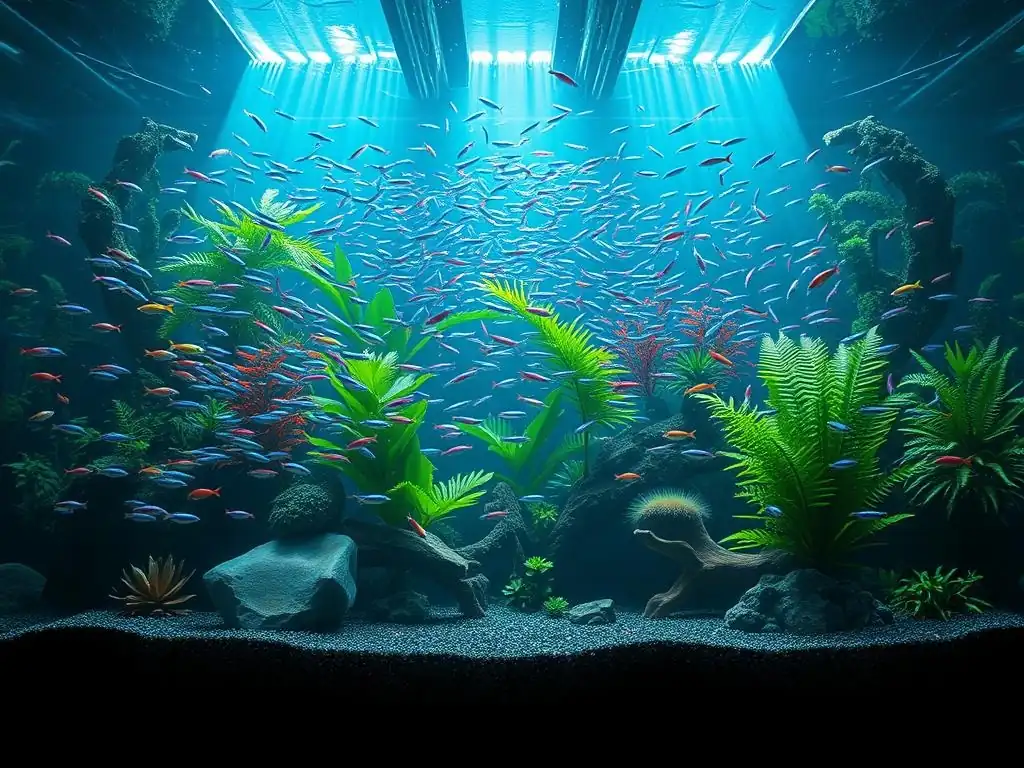
Welcome to Aquarium Mastery, your ultimate resource for all things aquatic!
Ever dreamed of seeing your large tetras thrive and reproduce? Then you're in the right place! Dive into our latest article, " Managing Large Tetra Broods: Aquarium Mastery's Advanced Strategies for Success," and unlock the secrets to large tetra breeding success. Curious about how to maximize your fry survival rates and create the perfect breeding environment? Let's explore together!
- Breeding Cardinal Tetras: A Comprehensive Guide
- Introduction to Cardinal Tetra Breeding
- Water Parameters for Cardinal Tetra Fry Survival
- Feeding Cardinal Tetra Fry for Optimal Growth
- Tank Setup for Cardinal Tetra Fry
- Disease Prevention and Treatment in Cardinal Tetra Fry
- Advanced Techniques for Cardinal Tetra Fry Survival
- Monitoring Cardinal Tetra Fry Development
- Transitioning Fry to Juvenile Stage
- Common Mistakes to Avoid
- Conclusion: Successfully Raising Cardinal Tetra Fry.
-
Frequently Asked Questions
- How crucial is water quality for successful large tetra breeding?
- What specific tank setup considerations are vital for large tetra breeding?
- What feeding strategy maximizes fry survival rates in large tetra broods?
- What are the most common challenges encountered when breeding large tetras, and how can Aquarium Mastery help?
- How can I best manage the sheer size of a large tetra brood to ensure healthy growth?
- Final Reflection: Cultivating Aquatic Abundance
- Cultivate Your Tetra Kingdom!
Breeding Cardinal Tetras: A Comprehensive Guide
Introduction to Cardinal Tetra Breeding
Challenges in Raising Cardinal Tetra Fry
Raising cardinal tetra (Paracheirodon axelrodi) fry presents a unique set of challenges that often deter even experienced aquarists from attempting large tetra breeding success. Unlike some hardier species, cardinal tetra fry are exceptionally small and delicate, measuring only about 1-2 millimeters upon hatching. This minuscule size makes them highly susceptible to even minor fluctuations in water parameters, and their initial food requirements are incredibly specific, demanding microscopic organisms that are not readily available in most home aquariums. Many breeders report high mortality rates in the first week, often exceeding 80% if conditions are not meticulously controlled.
Furthermore, parental care is non-existent in cardinal tetras; in fact, adults will readily predate on their own eggs and fry. This necessitates immediate removal of the parents after spawning or, more commonly, the use of a dedicated breeding tank designed to protect the vulnerable fry. The sensitivity of the fry to light, water hardness, and pH levels adds another layer of complexity, requiring a carefully established and maintained environment to achieve any significant large tetra breeding success. Successfully navigating these early stages is paramount for developing a robust brood.
Preparing a Breeding Tank for Cardinal Tetras
Achieving large tetra breeding success with cardinal tetras begins long before the actual spawning, with the meticulous preparation of a dedicated breeding tank. A 5 to 10-gallon (approximately 19 to 38 liters) tank is generally sufficient, as larger tanks can make it difficult for the tiny fry to locate food.
The tank should be thoroughly cleaned and sterilized, ideally with a dilute bleach solution followed by thorough rinsing and dechlorination, to eliminate any pathogens that could harm the delicate fry. It is crucial to set up this tank weeks in advance to allow for proper cycling and stabilization of water parameters.
The breeding tank setup should prioritize the unique needs of cardinal tetra eggs and fry. This includes providing a dark environment, as their eggs are light-sensitive. Many successful breeders use fine-leaved plants like Java moss or spawning mops made from synthetic fibers to provide a substrate for egg laying and protection for the eggs once they are deposited.
A small, air-driven sponge filter is essential for gentle filtration without creating strong currents that could harm the fry, and it also serves as a colonization site for beneficial bacteria. Ensuring all equipment is pristine and the water is aged, soft, and acidic is key to encouraging spawning and subsequent large tetra breeding success.
Water Parameters for Cardinal Tetra Fry Survival
Water Quality and its Impact on Cardinal Tetra Fry
Maintaining impeccable water quality is the single most critical factor for the survival and robust growth of cardinal tetra fry, directly impacting large tetra breeding success. Unlike adult fish, fry have underdeveloped osmoregulatory systems, making them incredibly sensitive to dissolved pollutants like ammonia, nitrite, and nitrates. Even trace amounts of these compounds, which might be tolerated by adult fish, can be lethal to the fragile fry, causing gill damage, stress, and eventual death. Poor water quality also fosters the growth of harmful bacteria and fungi, leading to disease outbreaks that can decimate an entire brood.
Therefore, a pristine environment, free from even minute contaminants, is non-negotiable. This involves using properly aged and conditioned water for initial setup and subsequent water changes. The absence of strong currents is also part of water quality management, as turbulent water can stress the fry and hinder their ability to feed. Regular, small water changes, performed with extreme care, are vital for diluting waste products and maintaining stable parameters without shocking the sensitive fry, thereby significantly increasing the chances of large tetra breeding success.
Ideal Water Chemistry: pH, GH, and Temperature for Cardinal Tetra Fry
Cardinal tetra fry thrive within very specific water chemistry parameters that mimic their native Amazonian blackwater habitats. The ideal pH range for fry survival is typically between 5.0 and 6.0, with some breeders even aiming for values as low as 4.5. This acidic environment inhibits the growth of harmful bacteria and fungi that can plague eggs and fry. General Hardness (GH) should be kept extremely low, ideally between 0-3 dGH (0-50 ppm), and Carbonate Hardness (KH) should be virtually undetectable, often below 1 dKH (0-18 ppm). Soft water is crucial for successful hatching and preventing issues like egg hardening.
Temperature stability is equally important, with a consistent range of 78-82°F (25.5-27.8°C) being optimal for fry development. Fluctuations of more than a degree or two can stress the fry and lead to developmental issues or death. Precise control over these parameters, often achieved through reverse osmosis (RO) water remineralized with specific salts or using peat filtration, is fundamental to maximizing large tetra breeding success. Consistent monitoring with reliable test kits is essential to ensure these narrow ranges are maintained throughout the fry's early life stages.
Water Change Strategy for Cardinal Tetra Fry
A careful and consistent water change strategy is paramount for ensuring large tetra breeding success and maintaining the delicate balance required for fry survival. Given the extreme sensitivity of cardinal tetra fry to water quality, daily small water changes are often recommended, particularly during the first few weeks when feeding is frequent and waste accumulation is rapid. Rather than large, infrequent changes, which can shock the fry, aim for 10-15% daily water changes using aged, temperature-matched, and parameter-matched water.
When performing water changes, extreme caution is necessary to avoid siphoning out the tiny fry. Using an air line tubing (approximately 1/4 inch diameter) for siphoning, directed carefully along the bottom, can minimize this risk. Some breeders even place a fine mesh or sponge over the siphon end as an added precaution. The replacement water should be dripped back into the tank slowly to prevent sudden shifts in temperature or chemistry. This meticulous approach to water maintenance is a cornerstone of successfully raising large tetra broods.
Feeding Cardinal Tetra Fry for Optimal Growth
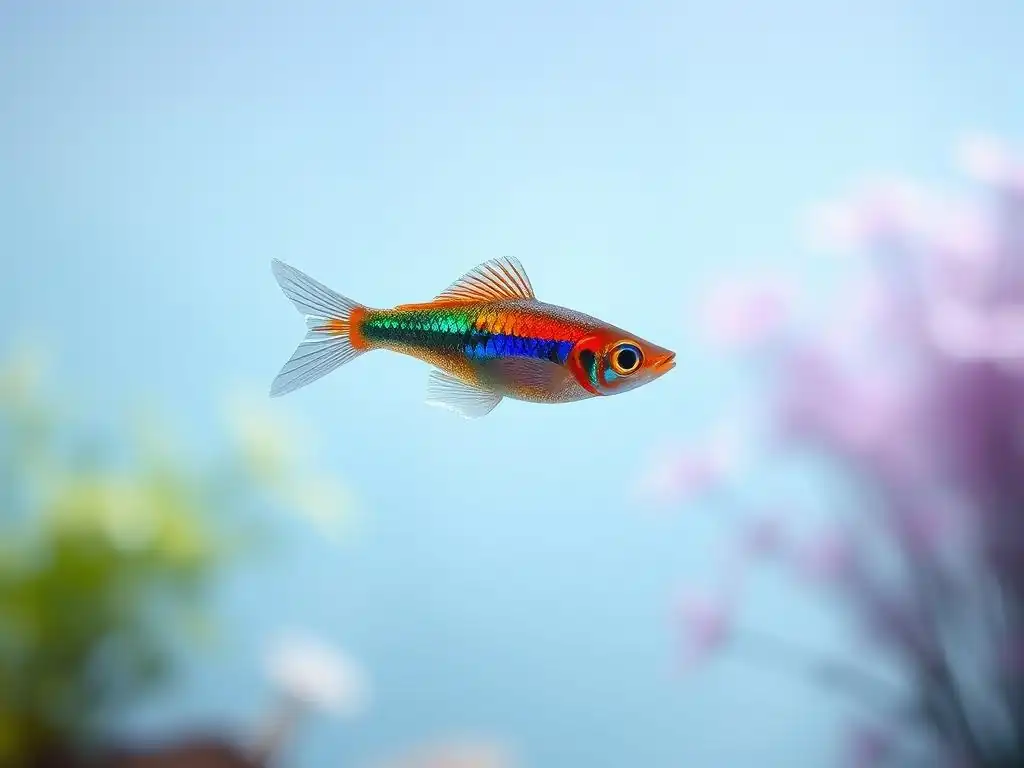
First Foods: Infusoria, Rotifers, and Liquid Fry Food
The initial feeding of cardinal tetra fry is perhaps the most challenging aspect of large tetra breeding success due to their incredibly small mouthparts and immediate need for microscopic food. Upon hatching, and for the first 3-5 days, their primary food source must be infusoria – microscopic single-celled organisms. These are often naturally present in well-established, planted tanks but may need to be cultured separately to ensure a sufficient supply. Without infusoria, starvation is almost certain, as the fry are too small to consume anything larger.
As the fry grow slightly, typically after the first week, they can graduate to slightly larger live foods such as rotifers. Rotifers, like infusoria, are tiny aquatic invertebrates that provide essential nutrients and are small enough for the fry to consume. In addition to live foods, commercial liquid fry foods can be used as a supplement, though they are generally less effective than live options. These liquid foods consist of finely ground particles or suspended nutrients designed to be consumed by very small fry, but they can quickly foul the water if overfed.
Culturing Live Food: Infusoria and Rotifers
Culturing live food is often a prerequisite for achieving significant large tetra breeding success with cardinal tetras. Infusoria can be easily cultured by placing a few pieces of decaying lettuce, banana peel, or even a few grains of rice in a jar of aged aquarium water under good light. Within a few days, a cloudy appearance indicates the proliferation of infusoria. A few drops of this culture can then be added to the fry tank multiple times a day.
Rotifers, while slightly more complex to culture than infusoria, offer a superior nutritional profile for growing fry. They can be cultured using specialized kits or by feeding them microalgae or yeast in a separate container. Maintaining a continuous supply of both infusoria and rotifers ensures that the delicate cardinal tetra fry have a constant source of appropriate-sized, highly nutritious food during their critical early development stages. This dedicated effort in live food culturing is a hallmark of advanced large tetra breeding success.
Supplementing with Commercial Fry Food
While live foods are undeniably superior for cardinal tetra fry, supplementing with high-quality commercial fry food can be a practical strategy, especially during periods when live cultures are less abundant. These commercial products typically come in liquid or finely powdered forms, designed to be digestible by the tiny fry. Look for products specifically formulated for egg-laying fish fry or "first foods" that boast a high protein content and fine particle size.
When using commercial fry food, it is crucial to administer it sparingly. Overfeeding is a common pitfall that can rapidly degrade water quality, leading to ammonia spikes and bacterial blooms that are lethal to fry. A common technique is to dilute liquid foods with a small amount of tank water before adding them, or to sprinkle powdered food very lightly onto the water surface. While not a complete substitute for live food, strategic supplementation can help bridge nutritional gaps and support large tetra breeding success.
Feeding Schedule and Portion Control
A rigorous feeding schedule combined with precise portion control is vital for the survival and growth of cardinal tetra fry, directly influencing large tetra breeding success. Due to their rapid metabolism and small stomach capacity, fry require frequent feedings throughout the day. It is generally recommended to feed them every 2-3 hours, or at least 4-6 times a day, during their first few weeks. This ensures a continuous supply of nutrients for their rapid development.
Portion control is equally critical. Each feeding should consist of only a very small amount of food – just enough for the fry to consume within 10-15 minutes. Any uneaten food will quickly decompose, fouling the water and creating dangerous conditions. Observing the fry's bellies can help gauge if they are adequately fed; a slightly rounded belly indicates sufficient intake. A consistent feeding routine, coupled with careful observation, is key to preventing both starvation and water quality issues, both of which can undermine large tetra breeding success.
Tank Setup for Cardinal Tetra Fry
Tank Size, Substrate, and Filtration for Fry
The optimal tank setup for cardinal tetra fry is meticulously designed to maximize their survival and growth, contributing significantly to large tetra breeding success. A small tank, typically 5-10 gallons (19-38 liters), is ideal for the initial stages. This size makes it easier for the tiny fry to locate food and allows for precise control of water parameters. A bare bottom tank is generally preferred over one with substrate, as it simplifies cleaning and prevents uneaten food from accumulating and decaying within the substrate, which would rapidly degrade water quality.
For filtration, an air-driven sponge filter is the gold standard. Its gentle flow prevents the delicate fry from being sucked in or buffeted by strong currents, while still providing essential biological filtration. The sponge also serves as a colonization site for beneficial bacteria and can even harbor some infusoria. Regular, gentle squeezing of the sponge in old tank water during water changes maintains its effectiveness without destroying the bacterial colony. This minimalist yet effective setup is crucial for supporting large tetra breeding success.
Plants for Cover and Infusoria
While a bare bottom is preferred for cleanliness, incorporating specific types of plants is highly beneficial for cardinal tetra fry, offering both cover and a natural food source. Fine-leaved plants like Java moss ( Taxiphyllum barbieri) or Najas grass ( Najas guadalupensis) are excellent choices. These plants provide safe hiding spots for the vulnerable fry, reducing stress and giving them a sense of security. The intricate structure of these plants also offers a surface for infusoria to grow and thrive, providing a continuous, natural food supply for the newly hatched fry.
Floating plants, such as hornwort ( Ceratophyllum demersum) or even simple plastic spawning mops, can also be utilized. These provide additional cover and can help diffuse light, which is important given the light sensitivity of cardinal tetra eggs and very young fry. Ensuring the plants are healthy and free of pests or algae before introduction is vital. The presence of these specific plants contributes significantly to creating a more natural and supportive environment, which is a key factor in achieving large tetra breeding success.
Lighting for Fry Development
Lighting is a critical, yet often overlooked, aspect of the cardinal tetra fry tank setup that directly impacts large tetra breeding success. Cardinal tetra eggs are highly light-sensitive and can be damaged or fail to hatch if exposed to strong illumination. Therefore, during the egg stage and for the first few days after hatching, the breeding tank should be kept in near darkness or very dim light. Many breeders even cover the tank with a dark cloth or cardboard to achieve this.
Once the fry are free-swimming and actively seeking food, typically around day 3-5, a very dim, diffused light can be introduced. This helps the fry locate their microscopic food sources. However, strong or direct lighting should still be avoided as it can stress the fry and promote unwanted algae growth. A small, low-wattage LED light set on a timer for a short photoperiod (e.g., 6-8 hours) is generally sufficient. Gradual introduction and careful management of lighting are essential for healthy fry development and maximizing large tetra breeding success.
Managing Stocking Density
Managing stocking density is a fundamental aspect of large tetra breeding success, particularly with the prolific nature of cardinal tetras. While it might be tempting to keep all hatched fry in one tank, overcrowding is a primary cause of stress, stunted growth, and disease outbreaks. As the fry grow, their bioload increases, rapidly deteriorating water quality if not managed effectively. Overcrowding also leads to competition for food and space, where smaller or weaker fry may be outcompeted.
A general guideline is to plan for multiple grow-out tanks as the fry mature. For example, a 10-gallon breeding tank might initially house hundreds of fry, but within a few weeks, they will need to be gradually transferred to larger tanks (e.g., 20-gallon or more) to maintain healthy densities. Regularly assessing the number of fry and their growth rate will inform when it's time to distribute them into additional tanks. Proper stocking density allows for optimal growth, reduces stress, and is a key factor in achieving high rates of large tetra breeding success.
Disease Prevention and Treatment in Cardinal Tetra Fry
Common Diseases: Symptoms and Causes
Cardinal tetra fry are highly susceptible to a range of diseases, and understanding common ailments, their symptoms, and causes is crucial for large tetra breeding success. One prevalent issue is Columnaris (Flexibacter columnaris), often appearing as white or grayish patches on the mouth, fins, or body, sometimes resembling a fungal infection. It's typically caused by poor water quality, stress, or high organic loads. Another common problem is Ich (Ichthyophthirius multifiliis), presenting as small white spots resembling salt grains on the body and fins, caused by temperature fluctuations or new fish introduction.
Fungal infections, particularly Saprolegnia, are also common, appearing as cotton-like growths on eggs or newly hatched fry. These often result from unfertilized eggs decaying or poor sanitation in the breeding tank. Bacterial infections, often non-specific, can manifest as lethargy, clamped fins, or fin rot, usually triggered by ammonia/nitrite spikes or overcrowding. Prompt identification of these symptoms and understanding their underlying causes, often related to environmental stressors, is the first step in mitigating losses and securing large tetra breeding success.
Proactive Prevention Methods
Proactive prevention is by far the most effective strategy for ensuring large tetra breeding success and avoiding disease outbreaks in cardinal tetra fry. The cornerstone of prevention is maintaining pristine water quality through consistent, small water changes and gentle filtration, as discussed earlier. Strict adherence to ideal water parameters (low pH, low GH, stable temperature) minimizes stress and inhibits pathogen proliferation. Overfeeding should be rigorously avoided, as uneaten food rapidly fouls the water and provides a breeding ground for harmful bacteria.
Furthermore, proper sanitation of all equipment used in the fry tank is essential. Any nets, siphons, or containers should be sterilized before use. Avoiding sudden temperature swings and providing adequate cover (e.g., fine-leaved plants) also reduces stress, which is a major factor in disease susceptibility. Finally, culturing live foods in clean environments prevents the introduction of pathogens from external sources. These diligent preventative measures significantly reduce the likelihood of disease and bolster large tetra breeding success.
Safe Treatment Options for Fry
Treating diseases in cardinal tetra fry is exceptionally challenging due to their small size and extreme sensitivity to medications, making careful consideration vital for large tetra breeding success. Many common fish medications are too harsh for fry and can cause more harm than good. If a fungal infection like Saprolegnia appears on eggs, a very dilute methylene blue solution (often 1-2 drops per gallon) can be used, but must be removed promptly after hatching. For bacterial issues, a broad-spectrum antibiotic like Furan-2 or Kanaplex might be considered, but at a significantly reduced dosage (e.g., 25-50% of adult dosage) and only as a last resort, under careful observation.
Salt baths, typically using aquarium salt at a concentration of 1-2 teaspoons per gallon for short durations (10-30 minutes), can be a gentler option for external parasites or mild bacterial infections, but even this must be used with extreme caution given the cardinal tetra's preference for soft water. It is often more effective to remove affected individuals if possible, or to focus on improving water conditions rather than medicating the entire tank. Consulting with experienced breeders or aquatic veterinarians is highly recommended before administering any medication to fry to safeguard large tetra breeding success.
Quarantine Procedures
While primarily associated with adult fish, implementing strict quarantine procedures, even at a simplified level, is beneficial for ensuring large tetra breeding success. This primarily applies to any new live food cultures or plant material introduced into the breeding environment.
Before adding newly cultured infusoria or rotifers, ensure their source jar is clean and the culture itself appears healthy and free of any visible contaminants. Similarly, any plants intended for the fry tank should be thoroughly rinsed and ideally dipped in a mild disinfectant solution (e.g., potassium permanganate or very dilute bleach, followed by thorough rinsing and dechlorination) before introduction.
Furthermore, if any adult fish are being used as breeders and then returned to a community tank, they should undergo a brief quarantine period themselves to prevent the transfer of pathogens back to the main display tank or to other breeding setups. Although full-scale quarantine tanks for fry are impractical, the principle of isolating potential sources of contamination is crucial. This meticulous approach minimizes the risk of introducing diseases to the vulnerable fry population, thereby supporting large tetra breeding success.
Advanced Techniques for Cardinal Tetra Fry Survival
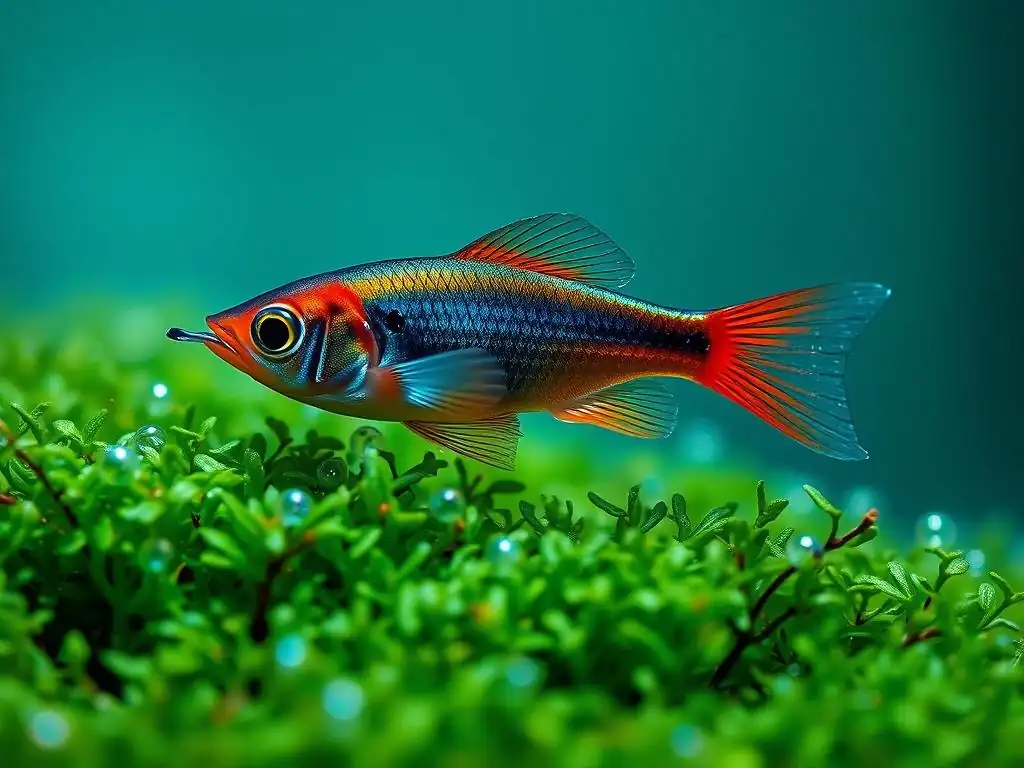
Utilizing a Sponge Filter
The sponge filter is not just a basic piece of equipment for cardinal tetra fry; its strategic utilization is an advanced technique pivotal for large tetra breeding success. Unlike hang-on-back or canister filters, a sponge filter provides biological filtration without creating strong currents that can stress or injure tiny fry. The gentle aeration it provides ensures adequate oxygenation without disturbing the water surface excessively.
Beyond its primary filtration role, the porous structure of the sponge filter serves as an excellent substrate for the growth of beneficial bacteria, which efficiently convert harmful ammonia and nitrite into less toxic nitrates. More importantly for cardinal tetra fry, the sponge also acts as a micro-habitat for infusoria and other microscopic organisms, offering a continuous, natural food source that the fry can graze on between targeted feedings. Regular, gentle cleaning of the sponge in old tank water preserves these beneficial colonies, making the sponge filter an indispensable tool for maximizing large tetra breeding success.
Maintaining a Pristine Environment
Maintaining a truly pristine environment for cardinal tetra fry goes beyond basic water changes; it involves a rigorous, proactive approach that is an advanced technique for large tetra breeding success. This means meticulously removing any uneaten food within minutes of feeding to prevent decomposition, which rapidly fouls the water. Using a small pipette or airline tubing to siphon out detritus and waste daily is crucial, ensuring minimal disturbance to the fry.
Furthermore, regularly wiping down the tank glass to prevent algae buildup and checking for any signs of mold or bacterial film on the water surface are critical. Some breeders even employ a very fine mesh net to skim the surface for oil slicks or debris. The goal is to keep the water crystal clear and free of any visible particulate matter or biofilm. This level of environmental control minimizes pathogen load and stress, directly correlating with higher survival rates and significant large tetra breeding success.
Promoting Natural Food Sources
While culturing specific live foods is essential, promoting natural food sources within the fry tank itself is an advanced technique that significantly contributes to large tetra breeding success. This involves establishing a mature, bio-diverse environment within the breeding tank, even before the fry hatch. Adding well-established, fine-leaved plants like Java moss or Najas grass allows for the natural colonization of infusoria and other microfauna. These plants provide a continuous, accessible grazing ground for the newly hatched fry.
Some breeders will also introduce a small piece of well-aged driftwood or a few dried Indian almond leaves (Catappa leaves) into the breeding tank. As these materials slowly decompose, they release tannins and humic acids that mimic the cardinal tetra's natural blackwater habitat, while also fostering the growth of beneficial microorganisms that serve as supplemental food sources. This bio-enrichment strategy, combined with targeted live feedings, provides a more complete and natural diet, enhancing the overall health and growth of the fry and improving large tetra breeding success.
Monitoring Cardinal Tetra Fry Development
Observation and Regular Check-ups
Consistent observation and regular check-ups are fundamental to ensuring large tetra breeding success, allowing aquarists to proactively identify and address issues in cardinal tetra fry development. Daily, if not twice-daily, visual inspections of the fry tank are essential. Look for signs of distress, such as lethargy, abnormal swimming patterns (e.g., darting or erratic movements), clamped fins, or discolored bodies. Healthy fry should be active, constantly foraging, and have clear, transparent bodies.
Beyond the fry themselves, carefully observe the tank environment. Note any cloudiness in the water, unusual smells, or the presence of uneaten food. Check for any signs of fungal growth on unhatched eggs or detritus. Early detection of any deviation from normal behavior or environmental conditions allows for immediate corrective action, which can be the difference between losing an entire brood and achieving substantial large tetra breeding success.
Tracking Growth and Identifying Issues
Tracking the growth of cardinal tetra fry provides valuable insights into their health and the effectiveness of your care regimen, directly contributing to large tetra breeding success. While precise measurement is difficult due to their size, regular visual assessment can indicate if they are developing at an expected rate. Healthy fry should show a steady increase in size, becoming visibly larger each week, and their bodies should appear plump, not emaciated.
If a significant portion of the fry appears stunted, thin, or shows a high mortality rate, it's a clear indication of underlying issues. These could include insufficient or inappropriate food, poor water quality (e.g., high nitrates, low oxygen), or the presence of disease. Identifying these issues promptly allows for adjustments in feeding, water change routines, or environmental parameters, which are crucial for course correction and achieving optimal large tetra breeding success.
Recording Water Parameters and Feeding Schedules
Meticulous record-keeping of water parameters and feeding schedules is an invaluable advanced technique for large tetra breeding success. Maintaining a logbook where daily pH, GH, KH, temperature, and ammonia/nitrite levels are recorded provides a historical overview of the tank's stability and helps identify trends. For instance, a gradual decline in pH might indicate a need for more frequent water changes or adjustment of buffering agents.
Similarly, documenting the type, amount, and frequency of food offered, along with observations of fry consumption, helps fine-tune the feeding strategy. If fry are consistently leaving uneaten food, portions can be reduced. If they appear hungry, frequency or amount can be increased. These detailed records allow for data-driven decision-making, enabling aquarists to replicate successful breeding conditions and continuously improve their large tetra breeding success rates.
Documenting Fry Development Stages
Documenting the various development stages of cardinal tetra fry provides a comprehensive understanding of their life cycle and helps benchmark progress, enhancing future large tetra breeding success. From the initial hatching (e.g., day 0-3), noting when they become free-swimming (day 3-5), when they start accepting larger foods like rotifers (week 1-2), and when they begin to resemble miniature adults (week 3-4 onwards) is incredibly useful.
This documentation can include notes on their coloration, fin development, and overall activity levels at different stages. For example, knowing that cardinal tetra fry typically develop their iridescent stripe around week 4-6 can help confirm healthy development. Comparing observations across different broods or with established growth curves helps identify if the current conditions are optimal or if adjustments are needed. This systematic approach to documentation is a hallmark of truly advanced large tetra breeding success.
Transitioning Fry to Juvenile Stage
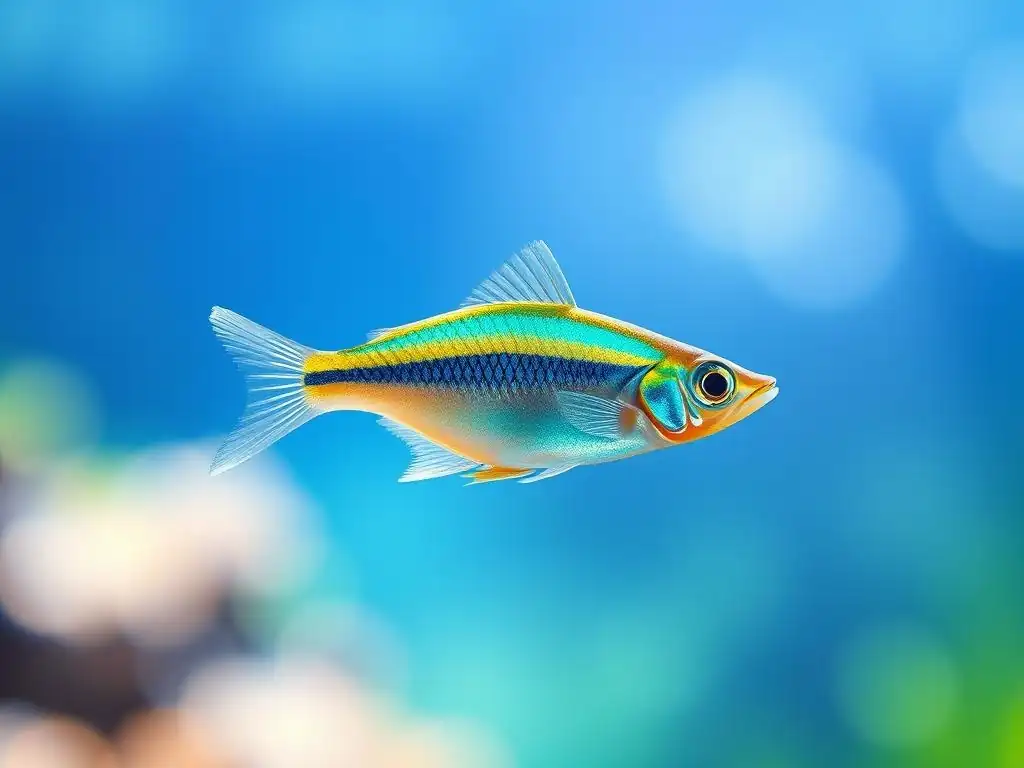
Acclimation to Larger Tanks
The transition of cardinal tetra fry to larger "grow-out" tanks is a critical phase for ensuring continued large tetra breeding success. Once the fry are approximately 1/2 to 3/4 inch (1.2-1.9 cm) long, typically around 4-6 weeks of age, they can be gradually acclimated to larger quarters. This prevents overcrowding, which can stunt growth and increase disease susceptibility. The acclimation process must be slow and gentle to avoid shocking the sensitive juveniles.
A drip acclimation method, where water from the new, larger tank is slowly dripped into the fry's original tank over several hours, is highly recommended. This allows the fry to gradually adjust to any subtle differences in water parameters (pH, temperature, hardness) between the two tanks. Ensuring the new tank has been fully cycled and has stable water parameters identical to, or very close to, the fry tank is paramount for a smooth transition and continued large tetra breeding success.
Introducing Larger Food Items
As cardinal tetra fry grow into juveniles, their mouthparts enlarge, allowing them to consume a wider variety of larger food items, which is essential for continued large tetra breeding success. Around 4-6 weeks of age, they can begin to transition from infusoria and rotifers to newly hatched brine shrimp (Artemia nauplii). Brine shrimp are highly nutritious and eagerly accepted by growing tetras. Feed small amounts multiple times a day to ensure all juveniles get enough.
Gradually, finely crushed flake food or micro-pellets formulated for small tropical fish can be introduced. It's often beneficial to soak dry foods in tank water for a few minutes before feeding to make them softer and more palatable. Live or frozen daphnia and cyclops are also excellent additions to their diet, providing variety and essential nutrients. A diversified diet supports robust growth and vibrant coloration, contributing significantly to overall large tetra breeding success.
As cardinal tetra juveniles grow and are moved into larger tanks, monitoring their social interactions becomes increasingly important for their well-being and continued large tetra breeding success. Cardinal tetras are schooling fish, and even at the juvenile stage, they will benefit from being kept in groups. Observe for any signs of aggression, bullying, or excessive hiding, although these are generally rare with cardinal tetras.
Ensure there are enough hiding spots and visual breaks within the tank to reduce stress, even in a schooling species. A healthy school will swim together, appear active, and readily come out for food. If certain individuals appear stressed or isolated, it might indicate an issue with tank mates, stocking density, or environmental factors. Maintaining a harmonious social environment contributes to lower stress levels, better feeding, and ultimately, greater large tetra breeding success.
Maintaining Optimal Conditions
Even after transitioning to juvenile tanks, maintaining optimal conditions remains crucial for continued large tetra breeding success. While juveniles are slightly hardier than fry, they still require pristine water quality, stable parameters, and a consistent feeding regimen. Regular water changes (e.g., 25-30% once or twice a week) are essential to manage their increasing bioload and maintain low nitrate levels.
The grow-out tanks should continue to feature gentle filtration, such as sponge filters or appropriately sized hang-on-back filters with intake sponges to protect smaller fish. Temperature should remain stable within their ideal range (75-80°F or 24-27°C), and soft, acidic water (pH 5.5-6.5, GH 2-6 dGH) should be maintained. Consistent attention to these environmental factors ensures healthy development into adulthood, solidifying the initial large tetra breeding success.
Common Mistakes to Avoid
Overfeeding and Water Quality
One of the most common and detrimental mistakes in raising cardinal tetra fry, severely hindering large tetra breeding success, is overfeeding. While it's tempting to provide ample food for rapid growth, cardinal tetra fry have tiny stomachs and a high metabolism, meaning they require frequent, small meals. Excess food quickly decomposes, leading to dangerous spikes in ammonia and nitrite, even in a gently filtered tank.
These pollutants are highly toxic to delicate fry, causing gill damage, stress, and widespread mortality. The resulting bacterial blooms can also consume vital oxygen and obscure the fry's environment. To avoid this, feed only what the fry can consume within 10-15 minutes, and be prepared to siphon out any uneaten food immediately. Strict portion control and diligent water parameter monitoring are critical to preventing water quality degradation and ensuring large tetra breeding success.
Neglecting Water Changes
Neglecting regular water changes is another grave error that can derail large tetra breeding success. Despite having a gentle sponge filter, a breeding tank, especially one with a large brood, rapidly accumulates waste products from feeding and fish metabolism. Without consistent water changes, nitrates will build up, pH can fluctuate, and essential trace elements can become depleted.
For cardinal tetra fry, daily small water changes (10-15%) are often necessary, particularly during the first few weeks. Skipping these crucial changes, even for a day or two, can lead to a rapid decline in water quality that the sensitive fry cannot tolerate. Establishing a strict water change schedule and adhering to it meticulously is paramount for maintaining the pristine environment required for high survival rates and ultimately, large tetra breeding success.
Insufficient Cover
A common oversight that impacts the survival and well-being of cardinal tetra fry, hindering large tetra breeding success, is providing insufficient cover. While a bare-bottom tank simplifies cleaning, the absence of hiding spots can stress the fry. Cardinal tetras, even as fry, are naturally skittish and feel more secure when they have places to retreat to.
Without adequate cover, fry are more prone to stress, which can weaken their immune systems and make them more susceptible to disease. They may also struggle to find refuge from stronger currents or bright light if present. Incorporating fine-leaved plants like Java moss, spawning mops, or even plastic plants provides essential visual breaks and safe havens. This simple addition significantly reduces stress levels, encouraging more active feeding and contributing to overall large tetra breeding success.
Disease Introduction
Introducing disease is a catastrophic mistake that can wipe out an entire brood of cardinal tetra fry, reversing any progress towards large tetra breeding success. This often happens inadvertently through contaminated equipment, new live food cultures, or even airborne pathogens. Using unsterilized nets, siphons, or containers that have been used in other tanks without proper disinfection is a major risk.
Similarly, live food cultures that are not meticulously maintained can harbor parasites or bacteria. Even adding unquarantined new plants can introduce pests or diseases. To prevent this, all equipment should be dedicated to the fry tank or thoroughly sterilized between uses. Live food cultures should be sourced from reliable origins or grown in controlled environments. A strict biosecurity protocol is essential to protect the vulnerable fry from external threats and safeguard large tetra breeding success.
Conclusion: Successfully Raising Cardinal Tetra Fry.
Frequently Asked Questions
How crucial is water quality for successful large tetra breeding?
Water quality is absolutely critical for breeding success. Poor water conditions can lead to egg fungus and fry mortality, dramatically reducing your chances of raising a large tetra brood. Aim for stable, pristine water.
What specific tank setup considerations are vital for large tetra breeding?
A dedicated breeding tank with soft, acidic water, plenty of hiding places (like spawning mops or fine-leaved plants), and gentle filtration is essential. This creates a safe and conducive environment for spawning and fry survival.
What feeding strategy maximizes fry survival rates in large tetra broods?
Start with infusoria or liquid fry food, gradually transitioning to newly hatched brine shrimp and microworms. Frequent, small feedings are key for optimal growth and survival in the early stages.
What are the most common challenges encountered when breeding large tetras, and how can Aquarium Mastery help?
Common challenges include egg predation, fungal infections, and water parameter instability. Aquarium Mastery offers detailed guides on identifying and addressing these issues, increasing your chances of success.
How can I best manage the sheer size of a large tetra brood to ensure healthy growth?
Ensure adequate tank space to prevent overcrowding, which can stunt growth and increase disease risk. Also, consistent water changes and efficient filtration will help maintain optimal water quality for the large brood.
Okay, here's a final reflection designed to close your article "Managing Large Tetra Broods: Aquarium Mastery's Advanced Strategies for Success," optimized for the keyword "Large tetra breeding success" and following your specified structure:
Final Reflection: Cultivating Aquatic Abundance
The journey into large tetra breeding success is more than just a technical exercise; it’s a testament to our dedication to understanding and replicating the delicate balance of nature within our own aquariums. The strategies outlined in this article, from meticulous water parameter management to specialized feeding regimes, underscore the commitment required to nurture thriving aquatic ecosystems and witness the miracle of life unfold on a grand scale.
This pursuit of aquarium mastery has profoundly influenced the way we perceive our role in the natural world. It's a constant reminder that even within the confines of glass, we can foster biodiversity and contribute to the preservation of these captivating species. In the end, we will conserve only what we love; we will love only what we understand; and we will understand only what we are taught.
- Baba Dioum. This quote encapsulates the core of our mission: to educate, inspire, and ultimately, cultivate a deeper appreciation for the intricate beauty of aquatic life.
Now, as you embark on your own journey towards achieving large tetra breeding success, remember that patience, observation, and a genuine passion for these creatures are your greatest assets. Let the knowledge shared here serve as a foundation, but never cease to experiment, adapt, and refine your techniques. The rewards of witnessing a flourishing tetra brood are immeasurable, and the lessons learned along the way will enrich your understanding of the natural world in profound and unexpected ways. Embrace the challenge, and let your aquarium become a vibrant testament to the power of informed and dedicated stewardship.
Cultivate Your Tetra Kingdom!
Thank you for diving deep into the art of raising large tetra broods! We hope you’ve found these advanced strategies invaluable for maximizing your success and experiencing the joy of a thriving aquarium. Now, let's put that knowledge into action.
Here's how you can continue your journey:
- Implement one new feeding technique this week from the article to optimize growth and coloration in your tetra fry.
- Explore our forum and share your personal tips and challenges in raising tetra broods with fellow enthusiasts. Your experience can make a difference!
- Consider documenting your progress through a photo or video journal to track your success and inspire others in the Aquarium Mastery community.
What innovative approach are you most excited to try with your tetra brood, and how do you plan to measure its effectiveness?