
Corydoras hastatus: The True Dwarf Darting Cory A Midwater Marvel?

Welcome to Aquarium Mastery!
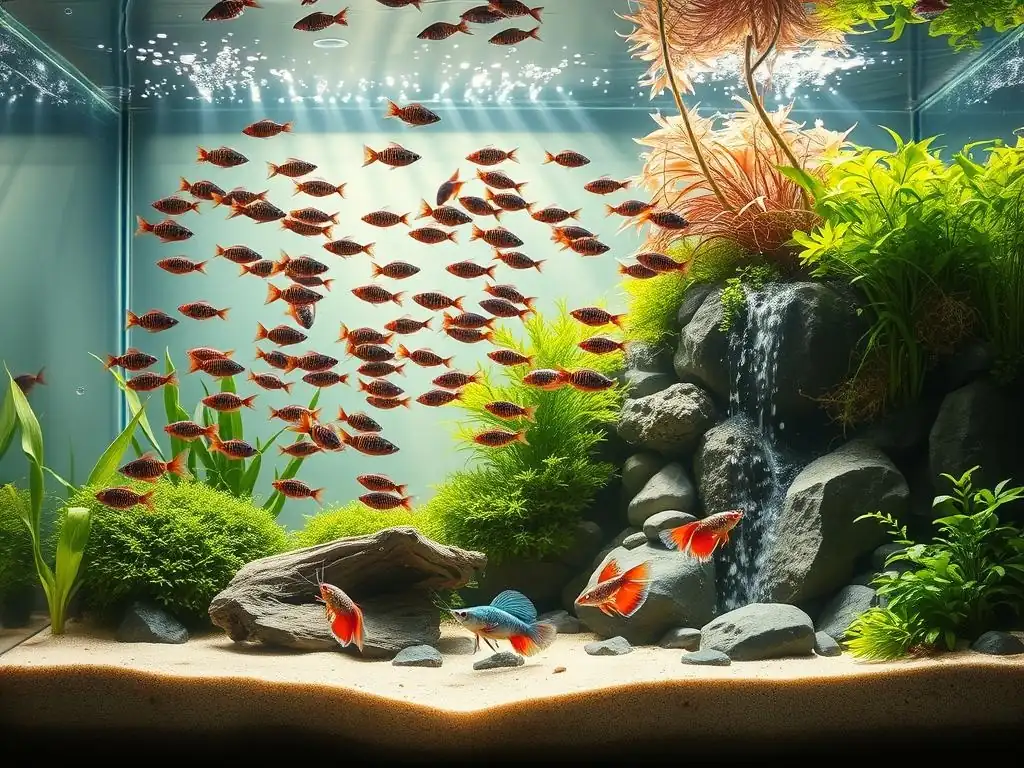
Ever wondered if there's a tiny Corydoras that acts more like a tetra than a bottom-dweller? Dive into our comprehensive guide and unlock the secrets to thriving Dwarf Corydoras care tips. Learn how to create the perfect environment for these captivating little fish and discover why they might just be the perfect addition to your freshwater aquarium. Ready to explore the darting delights of Corydoras hastatus? Let's get started!
- Understanding Corydoras hastatus: The Darting Dwarf Cory
- Setting Up the Ideal Aquarium for Dwarf Darting Corydoras
- Corydoras hastatus Care Tips: Ensuring a Healthy and Happy Life
- Dwarf Corydoras Tank Mates: Choosing Compatible Species
- Breeding Corydoras hastatus: A Guide to Successful Reproduction
- The Unique Behavior of Corydoras hastatus: The Midwater Cory
- Troubleshooting Common Issues with Corydoras hastatus
- Where to Buy Corydoras hastatus: Finding Reputable Sources
- Frequently Asked Questions
- Final Reflection: Embracing the Miniature Marvels
- Ignite Your Aquarium: Welcome the Darting Jewels!
Understanding Corydoras hastatus: The Darting Dwarf Cory
What is Corydoras hastatus? Identifying the True Dwarf Corydoras
Corydoras hastatus, commonly known as the Dwarf Darting Cory or Micro Cory, is a fascinating and truly miniature species of catfish belonging to the family Callichthyidae. Unlike many other Corydoras species that are primarily bottom-dwellers, C. hastatus exhibits a unique behavior of schooling in the midwater column, much like small tetras.
These tiny fish typically reach an adult size of only about 1 inch (approximately 2.5 cm), making them one of the smallest and most charming additions to a nano or community aquarium. Their sleek, torpedo-shaped bodies and distinctive dark spot at the base of their caudal fin help in their identification.
Native to various river systems in South America, particularly the Paraguay, Guaporé, and Mamoré River basins in Brazil and Bolivia, Corydoras hastatus thrives in clear, slow-moving waters with dense vegetation. Their natural habitat often includes areas with sandy or silty substrates, alongside abundant leaf litter and submerged plants, providing both foraging grounds and protective cover. Understanding their origins is key to providing optimal Dwarf Corydoras care tips and replicating a suitable environment in a home aquarium.
Distinguishing Corydoras hastatus from Other Dwarf Cory Species
While often confused with Corydoras pygmaeus (Dwarf Cory) and Corydoras habrosus (Salt and Pepper Cory), Corydoras hastatus possesses distinct characteristics that set it apart. The most notable difference lies in its behavior: C. hastatus spends a significant portion of its time actively schooling in the middle to upper water layers, darting about with swift movements. In contrast, C. pygmaeus will also swim in the water column but tends to spend more time near the bottom, while C. habrosus is predominantly a benthic (bottom-dwelling) species.
Visually, Corydoras hastatus can be identified by its more slender, streamlined body shape and a prominent, often triangular, black spot at the base of its caudal (tail) fin, sometimes accompanied by a smaller spot on the dorsal fin. C. pygmaeus has a continuous dark lateral line running from snout to tail, and a more rounded body profile, while C. habrosus displays a mottled pattern of dark spots and bands over a lighter body, and is generally slightly stockier.
Recognizing these subtle differences is an important aspect of proper Dwarf Corydoras care tips, ensuring you acquire the correct species for your tank.
Setting Up the Ideal Aquarium for Dwarf Darting Corydoras
Tank Size Recommendations for Corydoras hastatus
Despite their diminutive size, Corydoras hastatus are highly social and active fish that thrive in larger groups. For a healthy school of at least 8-10 individuals, a minimum tank size of 10 gallons (approximately 38 liters) is recommended. This provides sufficient horizontal swimming space for their characteristic darting and schooling behavior. While a 10-gallon tank can house a small group, a 20-gallon (around 76 liters) or larger aquarium is ideal, offering greater stability in water parameters and ample room for a thriving colony, which enhances their natural behaviors and overall well-being.
The emphasis on tank size for these micro fish might seem counterintuitive, but it directly relates to their schooling needs and activity levels. A larger footprint, rather than just height, is preferable to accommodate their active swimming patterns. Providing adequate space helps reduce stress, promotes natural social interactions, and allows for more stable environmental conditions, all crucial elements for effective Dwarf Corydoras care tips.
Water Parameters: Achieving Optimal Water Chemistry for Hastatus
Maintaining stable and appropriate water parameters is paramount for the health and longevity of Corydoras hastatus. They prefer soft to moderately hard water with a neutral to slightly acidic pH. Ideal temperature ranges from 72-79°F (22-26°C), with a pH between 6.0 and 7.5, and general hardness (GH) between 2-15 dGH. Consistency in these parameters is more important than hitting exact numbers, as sudden fluctuations can cause significant stress.
Regular monitoring of ammonia, nitrite, and nitrate levels using a reliable liquid test kit is essential. Ammonia and nitrite should always be at zero parts per million (ppm), while nitrates should be kept below 20 ppm through consistent water changes. Providing optimal and stable water chemistry is a foundational aspect of comprehensive Dwarf Corydoras care tips, preventing common ailments and promoting vibrant health.
Substrate and Decoration: Creating a Natural Habitat for Dwarf Corydoras
Choosing the Right Substrate for Corydoras hastatus
The choice of substrate is critical for Corydoras hastatus, as these fish, despite their midwater tendencies, still spend time foraging on the bottom. A fine, soft substrate such as sand or very fine, smooth gravel is absolutely essential. This allows them to sift through the substrate without damaging their delicate barbels, which they use to locate food. Coarse or sharp gravel can easily injure their barbels, leading to infections and feeding difficulties.
Pool filter sand or specialized aquarium sand are excellent choices that mimic their natural riverbed habitats. These substrates are gentle on their barbels and also allow for easy cleaning during maintenance. Avoiding large, abrasive stones or gravel is a key Dwarf Corydoras care tips recommendation to prevent injury and ensure their comfort.
Decorating the Tank: Plants and Hiding Places for Hastatus
A well-decorated aquarium with plenty of live plants and hiding spots will make Corydoras hastatus feel secure and encourage their natural behaviors. Dense planting, particularly with fine-leaved or broad-leaved plants like Java Fern, Anubias, Cryptocoryne species, and various mosses, provides both cover and visual breaks. Floating plants can also offer diffused lighting, which they appreciate.
In addition to plants, incorporating driftwood, smooth river rocks, and small caves offers crucial hiding places and enrichment. While C. hastatus primarily occupies the midwater, they will still retreat to sheltered areas when stressed or resting. A thoughtfully aquascaped environment that balances open swimming space with ample cover is a vital component of excellent Dwarf Corydoras care tips.
Corydoras hastatus Care Tips: Ensuring a Healthy and Happy Life
Diet and Feeding: What to Feed Your Dwarf Darting Cory
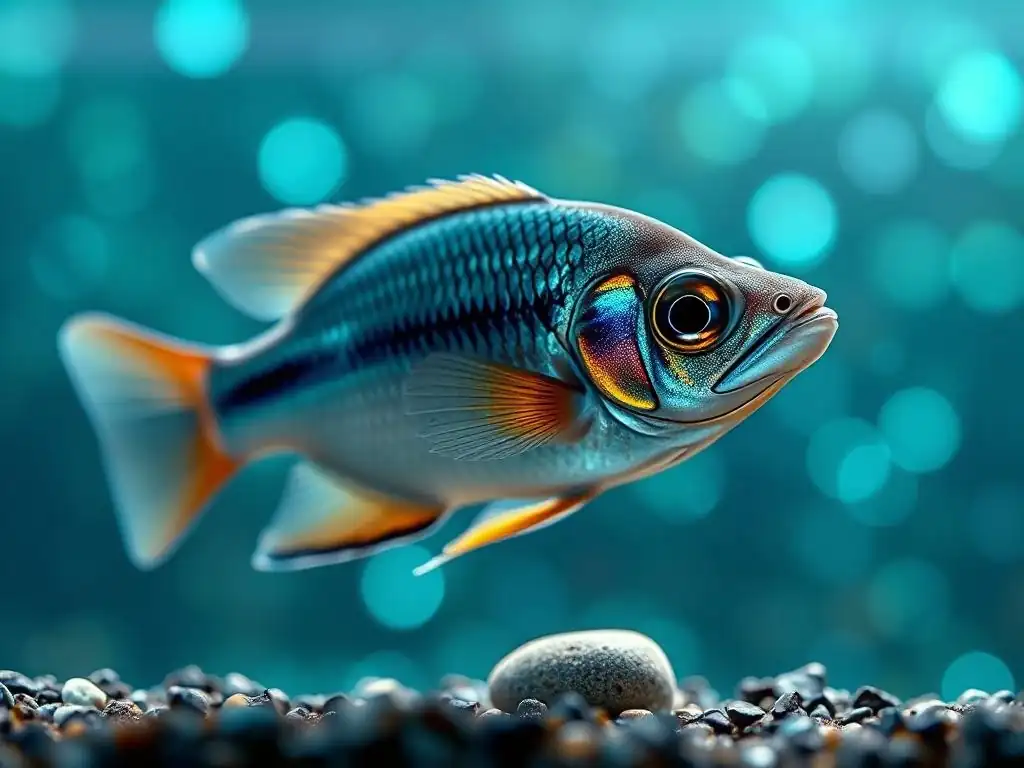
Providing a varied and high-quality diet is fundamental for the health and vitality of Corydoras hastatus. While they will scavenge for leftover food on the substrate, they should not rely solely on this. Offer high-quality sinking pellets or wafers specifically designed for small bottom-dwellers, ensuring the food reaches them. Crushed flake food can also be accepted as they do swim in the water column.
Supplement their diet with frozen foods such as bloodworms, brine shrimp, and daphnia, which provide essential proteins and nutrients. Live foods like microworms or grindal worms are also highly beneficial. Due to their small size, feed them small amounts multiple times a day (e.g., 2-3 times) to ensure all individuals get enough food without overfeeding, which can foul the water. A diverse feeding regimen is a cornerstone of comprehensive Dwarf Corydoras care tips.
Recommended Foods for Corydoras hastatus Fry
Newly hatched Corydoras hastatus fry are incredibly tiny and require microscopic food for their initial growth. Infusoria, a culture of microscopic organisms, is an ideal first food for the first few days after hatching. As they grow slightly, typically within 2-3 days, they can transition to newly hatched brine shrimp nauplii, which are a highly nutritious and readily accepted food source. Microworms and vinegar eels are also excellent alternatives.
It is crucial to feed the fry small quantities multiple times throughout the day, as their metabolic rate is very high. Any uneaten food must be siphoned out promptly to prevent water quality degradation, which is detrimental to delicate fry. As they mature, finely crushed high-quality flake food or specialized fry foods can be introduced, gradually transitioning them to the adult diet.
Maintaining Water Quality for Dwarf Corydoras
Regular Water Changes for Hastatus
Consistent and regular water changes are perhaps the most critical aspect of long-term Dwarf Corydoras care tips. A weekly water change of 20-30% is highly recommended to dilute nitrates, replenish essential minerals, and maintain overall water pristine. Always use a good quality dechlorinator to treat tap water before adding it to the aquarium, and ensure the replacement water is matched as closely as possible in temperature to avoid shocking the fish.
Skipping water changes can lead to a buildup of harmful nitrates and other pollutants, which stress the fish and make them susceptible to disease. A diligent water change schedule is not just about cleanliness; it's about providing a stable, healthy environment that mimics their natural, clean water habitats.
Monitoring Water Parameters: Ammonia, Nitrite, and Nitrate
Beyond regular water changes, consistent monitoring of key water parameters is indispensable. Ammonia (NH3/NH4+) and nitrite (NO2-) should always be undetectable (0 ppm) in a cycled aquarium. Even trace amounts can be highly toxic to Corydoras hastatus, leading to gill damage and respiratory distress. Nitrate (NO3-), the end product of the nitrogen cycle, should be kept below 20 ppm, and ideally closer to 10 ppm, especially for sensitive species like C. hastatus.
Regular testing, ideally weekly, using a reliable liquid test kit, allows aquarists to identify potential issues before they become critical. Elevated levels of any of these compounds are a clear indicator of poor water quality and necessitate immediate corrective action, typically a significant water change. Proactive monitoring is a core element of effective Dwarf Corydoras care tips.
Preventing and Treating Common Corydoras Diseases
Prevention is always the best approach when it comes to fish health. The vast majority of diseases in Corydoras hastatus stem from poor water quality, inadequate diet, or stress. Maintaining pristine water conditions, providing a varied and nutritious diet, and ensuring appropriate tank mates and environment are the primary preventative measures. Common issues include fin rot, fungal infections, and bacterial infections, often exacerbated by a compromised immune system.
If a fish shows signs of illness (e.g., lethargy, clamped fins, spots, abnormal swimming), it should ideally be moved to a quarantine tank for observation and treatment. Avoid using copper-based medications, as Corydoras species are highly sensitive to copper and many other common aquarium medications. Always research medication compatibility thoroughly. For general issues, improving water quality through larger, more frequent water changes can often resolve mild cases without medication.
Dwarf Corydoras Tank Mates: Choosing Compatible Species
Suitable Tank Companions for Corydoras hastatus
Choosing appropriate tank mates is crucial for the well-being of Corydoras hastatus. Given their small size and peaceful nature, they thrive best with other small, non-aggressive, and equally placid fish species. Ideal companions include other small schooling fish that also prefer the mid-to-upper water column, such as Neon Tetras, Ember Tetras, Green Neon Tetras, Chili Rasboras, Harlequin Rasboras, and small species of pencilfish.
Other suitable tank mates include peaceful bottom-dwellers like Otocinclus catfish, which will not compete directly for food or territory. Small, peaceful livebearers like Endler's Livebearers can also be good additions. The key is to select species that will not outcompete C. hastatus for food, nor view them as a food source, and that tolerate similar water parameters. Providing compatible tank mates is an important aspect of excellent Dwarf Corydoras care tips.
Fish to Avoid Keeping with Dwarf Darting Corydoras
To ensure the safety and comfort of Corydoras hastatus, certain fish species should be strictly avoided as tank mates. Any large, aggressive, or predatory fish should not be housed with these tiny Corydoras, as they can easily be seen as food. This includes many cichlid species (even some dwarf cichlids if overly territorial), larger gouramis, and some larger barb species known for fin-nipping.
Additionally, avoid very active or boisterous fish that might stress the peaceful C. hastatus with their constant movement or competition for food. Species that require significantly different water parameters (e.g., very hard, alkaline water) should also be avoided, as compromising on water chemistry for one species will negatively impact the other. Choosing unsuitable tank mates is a common pitfall that can negate even the best Dwarf Corydoras care tips.
Breeding Corydoras hastatus: A Guide to Successful Reproduction
Setting Up a Breeding Tank for Dwarf Corydoras
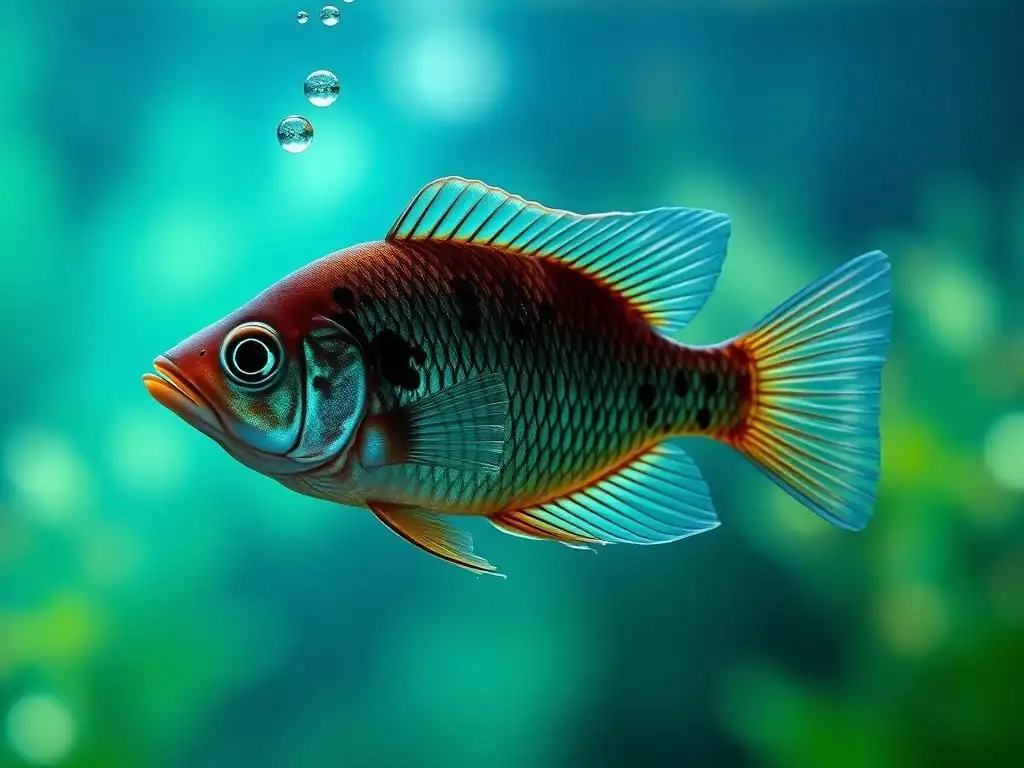
Breeding Corydoras hastatus in a home aquarium is achievable with the right setup and conditions. A dedicated breeding tank, typically 5-10 gallons (19-38 liters), is highly recommended to protect the eggs and fry from being eaten by adult fish or other tank inhabitants. The tank should be equipped with a gentle sponge filter for filtration and aeration, a heater to maintain stable temperatures, and either a bare bottom or a very thin layer of fine sand.
To provide spawning surfaces, include fine-leaved plants like Java Moss or spawning mops (made from synthetic yarn). Clean, soft, and slightly acidic water, mimicking their natural breeding grounds, will encourage spawning. Ensuring the breeding tank is fully cycled and stable is crucial before introducing the prospective parents.
Triggering Spawning in Corydoras hastatus
Triggering spawning in Corydoras hastatus often involves mimicking seasonal changes in their natural habitat. A common method is to condition a group of healthy adults (ideally 2 females to 3 males) with a high-protein diet for several weeks, including live foods like blackworms, frozen bloodworms, and brine shrimp. Once conditioned, perform large (50% or more) cool water changes (e.g., 68-70°F / 20-21°C) with soft, slightly acidic water, simulating rainfall and cooler temperatures.
Repeating these cool water changes every 1-2 days, often accompanied by a slight drop in temperature, can stimulate spawning behavior. The males will typically chase the females vigorously, with the female holding eggs between her pelvic fins before depositing them on plants, tank walls, or decor. Once eggs are laid, the parents can be removed to prevent egg consumption.
Raising Corydoras hastatus Fry: From Hatching to Maturity
Feeding Newly Hatched Hastatus Fry
Corydoras hastatus eggs typically hatch within 3-5 days at a temperature of around 75°F (24°C). The newly hatched fry are extremely small and will initially feed on their yolk sac for a day or two. Once they become free-swimming, their first food should be infusoria, which can be cultured or purchased. Within a few days, they can transition to newly hatched brine shrimp nauplii, microworms, or vinegar eels, which are highly nutritious and appropriately sized.
Feed the fry small amounts frequently, about 4-6 times a day, to ensure consistent growth. Any uneaten food must be siphoned out promptly to maintain pristine water quality, which is paramount for the survival and healthy development of the delicate fry.
Maintaining Optimal Conditions for Fry Growth
Maintaining optimal water conditions is critical for the survival and rapid growth of Corydoras hastatus fry. Small, frequent water changes (e.g., 10-15% daily or every other day) are essential to prevent the buildup of nitrates and other pollutants. Always use dechlorinated water matched in temperature and parameters to avoid shocking the fry.
Keep the temperature stable, ideally around 75-77°F (24-25°C), to promote consistent development. Good aeration, provided by a gentle sponge filter, is also important. As the fry grow, their diet can be gradually diversified to include finely crushed high-quality flake food or specialized fry pellets, leading them towards the adult diet. Consistent attention to these Dwarf Corydoras care tips for fry will significantly increase their survival rate.
The Unique Behavior of Corydoras hastatus: The Midwater Cory
Why Corydoras hastatus Spends Time in the Midwater
The most distinctive characteristic of Corydoras hastatus is its propensity to spend a significant amount of time schooling in the midwater column, a behavior rarely observed in other Corydoras species, which are typically benthic. This unique adaptation is believed to be a survival strategy in their natural habitats, where they might inhabit areas with faster currents or open stretches of water. By schooling in the water column, they can efficiently forage for micro-organisms and detritus that drift by, while also potentially evading bottom-dwelling predators.
Their streamlined, torpedo-like body shape is well-suited for active swimming in open water, allowing them to dart swiftly. While they will still descend to the substrate to forage, their primary domain is the open water. This midwater schooling behavior makes them a fascinating addition to an aquarium, providing a dynamic visual element unlike other Corydoras.
Corydoras hastatus are highly social creatures that thrive in large schools. Observing a group of 10 or more individuals is truly captivating, as they exhibit synchronized swimming patterns, often moving as a cohesive unit. This schooling behavior provides them with a sense of security and reduces stress. Within the school, individuals will communicate through subtle body movements and fin displays.
You will notice them darting together, pausing collectively, and then resuming their synchronized movements. This strong social bond is why it's imperative to keep them in groups of at least eight, and preferably more. A solitary C. hastatus will become stressed, withdrawn, and prone to illness, highlighting the importance of their social needs as a core component of Dwarf Corydoras care tips.
Troubleshooting Common Issues with Corydoras hastatus
Identifying Signs of Illness in Dwarf Darting Corydoras
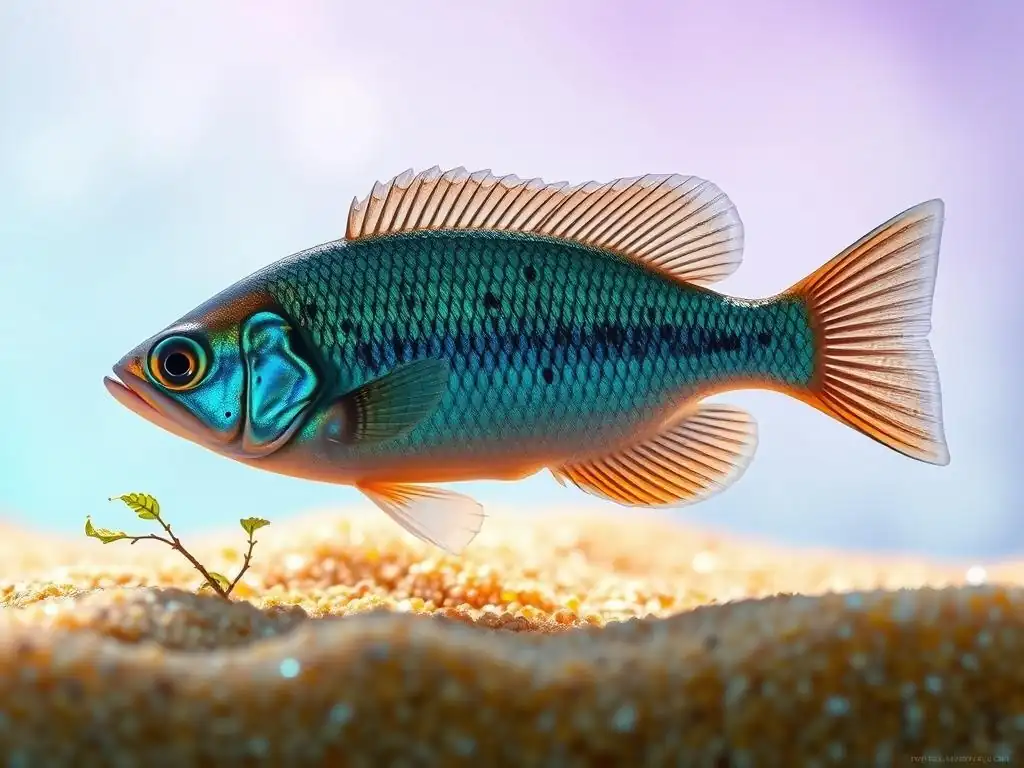
Early detection of illness is crucial for successful treatment in Corydoras hastatus. Common signs of distress or disease include changes in behavior such as lethargy, hiding excessively, loss of appetite, or difficulty swimming (e.g., struggling to maintain buoyancy). Physically, look for clamped fins, frayed or ragged fins, white spots (Ich), fungal growths (cotton-like patches), reddening of the gills or body, or any visible lesions or parasites.
Any deviation from their normal active, schooling behavior warrants immediate investigation. If only one or two fish show symptoms, it's often best to isolate them in a quarantine tank to prevent the spread of potential pathogens and to facilitate targeted treatment. Vigilance is a key Dwarf Corydoras care tips for maintaining a healthy school.
Addressing Common Health Problems in Hastatus
Most health problems in Corydoras hastatus can be traced back to poor water quality or environmental stress. Therefore, the first step in addressing any illness is always to perform a significant water change (e.g., 50%) and thoroughly test all water parameters (ammonia, nitrite, nitrate, pH, temperature). Often, simply improving water quality can help fish recover from mild stress or prevent minor infections from worsening.
For specific ailments like Ich (white spot disease), fin rot, or fungal infections, use appropriate medications in a separate quarantine tank. It is vital to select medications that are safe for scaleless fish like Corydoras, as they are highly sensitive to many common treatments, particularly those containing copper. Always follow dosage instructions carefully and continue to monitor water quality diligently during treatment.
Where to Buy Corydoras hastatus: Finding Reputable Sources
Selecting Healthy Corydoras hastatus at the Store
When purchasing Corydoras hastatus, it is crucial to select healthy, vibrant individuals from a reputable source. Observe the fish closely in their display tank. Look for active, alert individuals that are schooling together and darting around. Their fins should be intact, their bodies free of any spots, growths, or lesions, and their eyes clear. Avoid fish that are lethargic, hiding excessively, gasping at the surface, or showing any signs of physical distress.
Also, examine the overall condition of the tank they are housed in. Avoid tanks with dead fish, excessively cloudy water, or visible signs of disease among other inhabitants. A clean, well-maintained tank suggests that the fish are receiving proper care. Asking store staff about their feeding regimen and the source of the fish can also provide valuable insights into their health.
Acclimating New Dwarf Corydoras to Your Aquarium
Proper acclimation is vital to minimize stress and prevent shock when introducing new Corydoras hastatus to your aquarium. The drip acclimation method is highly recommended for these sensitive fish, as it slowly equalizes the water parameters (temperature, pH, hardness) between the bag water and your tank water over an extended period. This process typically takes 60-90 minutes, allowing the fish to gradually adjust.
Once acclimated, gently net the fish out of the bag and release them into your aquarium, discarding the bag water. Never pour the bag water directly into your tank, as it may contain ammonia or other undesirable substances. Keep the aquarium lights dim for the first few hours after introduction to further reduce stress and allow the new Dwarf Corydoras to explore their new environment calmly.
Frequently Asked Questions
What makes Corydoras hastatus different from other Corydoras species?
Corydoras hastatus, often called the Dwarf Darting Cory, distinguishes itself with its smaller size and unique swimming behavior. Unlike most bottom-dwelling Corydoras, it tends to occupy the mid-water levels of the aquarium.
What are the ideal water parameters for Corydoras hastatus?
These Dwarf Corydoras thrive in soft, slightly acidic water. Aim for a temperature between 72-78°F, a pH of 6.0-7.0, and maintain excellent water quality with regular water changes.
What should I feed my Corydoras hastatus?
While they will scavenge for food, supplement their diet with small, sinking pellets or flakes. Varied diet is key and includes live or frozen foods like daphnia and bloodworms to ensure optimal health and coloration.
How many Corydoras hastatus should I keep together?
These are social fish and should be kept in groups of at least six individuals. Larger groups will display more natural behaviors and reduce stress, leading to a healthier and happier aquarium environment.
What tank mates are suitable for Corydoras hastatus?
Choose peaceful tank mates that won't outcompete them for food or harass them. Small tetras, rasboras, and other nano fish make excellent companions for these gentle Dwarf Corydoras.
Final Reflection: Embracing the Miniature Marvels
The journey into the world of Corydoras hastatus, the true dwarf darting cory, reveals more than just practical care tips for these miniature marvels. It underscores a growing appreciation for the delicate balance within our aquariums and the responsibility we bear as stewards of these tiny ecosystems. Understanding their unique needs, from water parameters to social dynamics, is not just about keeping them alive; it's about fostering an environment where they can truly thrive and showcase their captivating darting behavior.
The allure of these diminutive corydoras extends beyond their aesthetic appeal. Their presence in our aquariums serves as a constant reminder of the interconnectedness of life and the importance of mindful observation. They challenge us to move beyond the superficial and delve into the intricacies of their behavior, prompting a deeper understanding of the natural world. In nature, nothing exists alone.
- Rachel Carson. This quote resonates deeply when considering the delicate balance required to successfully keep Corydoras hastatus, highlighting the need to consider their environment as a whole.
Now, as you embark on your own journey with Corydoras hastatus, remember that providing optimal care is an act of respect and admiration. Let the knowledge gained from these dwarf corydoras care tips inspire you to create a thriving microcosm within your aquarium, a testament to the beauty and resilience of even the smallest creatures. Embrace the challenge, observe with intention, and allow these darting jewels to enrich your aquascaping experience.
Ignite Your Aquarium: Welcome the Darting Jewels!
Thank you for diving into the fascinating world of Corydoras hastatus! We hope this article has sparked your interest in these captivating little fish. Now, let's translate that knowledge into action and bring some unique charm to your aquarium.
Here's how you can get started:
- Introduce a shoal of Corydoras hastatus into your appropriately sized and established aquarium. Observe their darting behavior and enjoy the dynamic activity they bring to the midwater levels.
- Delve deeper! Research compatible tank mates and design a biotope aquarium mimicking their natural environment for optimal happiness and health.
- Surprise others with the wonder of Hastatus! Share this article with fellow aquarium enthusiasts and spread the word about these fantastic fish.
Ready to transform your aquarium into a vibrant, darting paradise?