
Common Challenges in Breeding Corydoras and How to Overcome Them

Welcome to Aquarium Mastery!
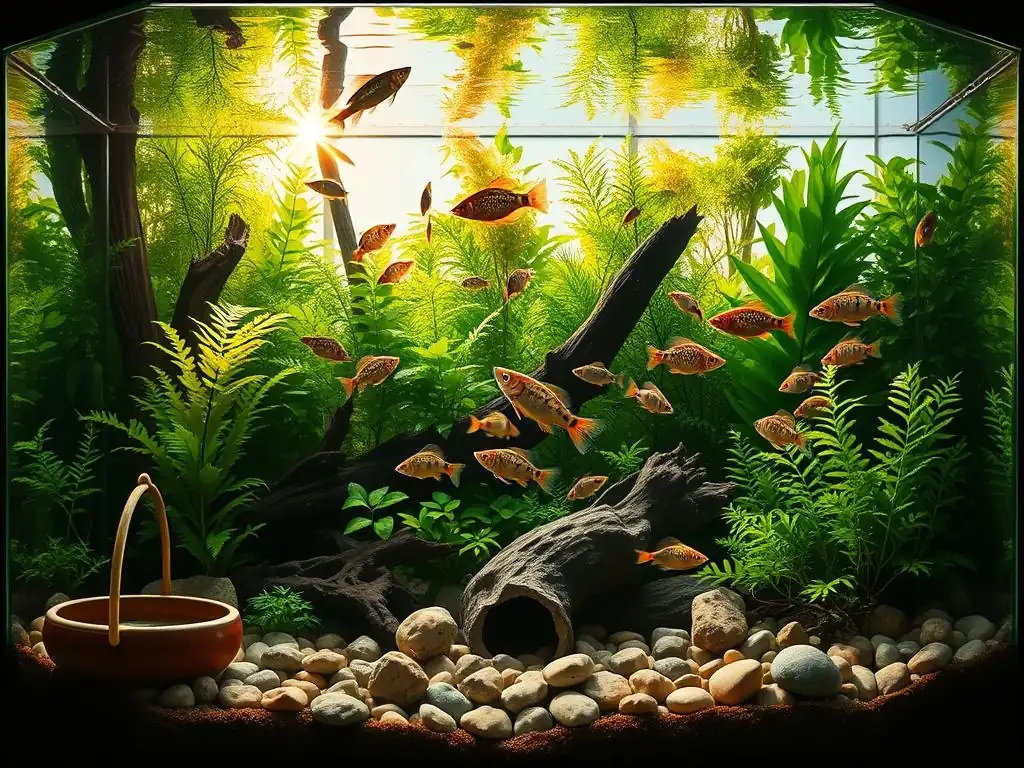
Are you ready to unlock the secrets to successful Corydoras breeding? Many aquarists dream of seeing their Corydoras spawn, but often face frustrating challenges. This article dives deep into common pitfalls and provides actionable troubleshooting tips to help you overcome them. Get ready to transform your breeding efforts and witness the joy of raising your own Corydoras fry! Intrigued? Let's dive in!
- Understanding Corydoras Breeding: A Comprehensive Guide
- Corydoras Breeding Troubleshooting Tips: Addressing Common Issues
- Advanced Corydoras Breeding Techniques for Experienced Aquarists
- Corydoras Breeding Success: Avoiding Common Mistakes
- Resources for Corydoras Breeders: Further Learning
-
Frequently Asked Questions
- ### What are some common reasons why Corydoras eggs might not hatch?
- ### My Corydoras laid eggs, but the parents are eating them. How can I prevent this?
- ### What are the ideal water parameters for successful Corydoras breeding?
- ### How often should I perform water changes during Corydoras breeding?
- ### What should I feed Corydoras fry after they hatch?
- Final Reflection: Nurturing the Future of Corydoras
- Unveil Your Corydoras Breeding Success!
Understanding Corydoras Breeding: A Comprehensive Guide
The Appeal of Breeding Corydoras: A Rewarding Aquarium Hobby
Breeding Corydoras offers a uniquely satisfying experience for any aquarist, transforming a simple fish-keeping endeavor into a fulfilling journey of nurturing life. These peaceful, schooling catfish, encompassing diverse species such as the popular Corydoras aeneus (Bronze Cory), Corydoras paleatus (Peppered Cory), and the charming Corydoras panda, are known for their endearing personalities and relatively straightforward breeding habits once key environmental factors are met. The joy of observing their intricate spawning rituals and the subsequent hatching of tiny fry provides an unparalleled connection to the aquatic world.
Beyond personal satisfaction, breeding Corydoras contributes significantly to the aquarium hobby by providing healthy, captive-bred specimens. This practice reduces the reliance on wild-caught fish, which can be stressed or carry diseases, and helps preserve wild populations. Furthermore, successful Corydoras breeding can lead to the availability of specific color morphs or rarer species that might otherwise be difficult or expensive to acquire, fostering a sustainable and ethical approach to fish keeping.
Key Factors for Successful Corydoras Breeding
Successful Corydoras breeding hinges on replicating their natural environmental cues and providing optimal conditions. A stable water chemistry is paramount, typically within a pH range of 6.5 to 7.5 and a general hardness (GH) of 5 to 15 dGH. While many species are quite adaptable, consistency is key, as fluctuating parameters can induce stress and inhibit spawning. Temperature plays a critical role, with a slight drop often triggering breeding behavior, typically from a regular tank temperature of 24-26°C down to 20-22°C during a water change.
Dietary conditioning is another crucial factor. Adult Corydoras should be fed a varied, high-protein diet for several weeks leading up to breeding attempts. Live foods such as bloodworms, brine shrimp, and microworms, or high-quality frozen alternatives, are excellent for building up their energy reserves and encouraging gonadal development. Additionally, a suitable breeding setup, often a dedicated tank of 10-20 gallons, provides a calm, controlled environment. A proper male-to-female ratio, commonly two to three males per female, increases the likelihood of successful fertilization.
Corydoras Breeding Troubleshooting Tips: Addressing Common Issues
Problem 1: Eggs Not Hatching – Identifying and Resolving the Cause
One of the most disheartening challenges in Corydoras breeding is observing a successful spawn only for the eggs to fail to hatch. This common issue often leads aquarists to seek specific Corydoras breeding troubleshooting tips, as it can stem from several underlying problems, each requiring a distinct approach to resolution. Identifying the exact cause is the first step towards ensuring future breeding success.
The primary culprits behind unhatched Corydoras eggs typically include infertility, suboptimal water quality, and destructive fungal infections. Each of these factors can individually or collectively lead to significant egg loss. Understanding the signs associated with each problem and implementing targeted solutions is essential for any aspiring Corydoras breeder.
Infertility Issues in Corydoras Breeding: Causes and Solutions
Infertility in Corydoras eggs can be a frustrating hurdle in breeding efforts. A common cause is the immaturity or advanced age of the breeding fish; Corydoras generally reach sexual maturity between 8 and 12 months, and very old fish may have reduced fertility. Stress, often induced by aggressive tank mates, inadequate tank size, or unstable water parameters, can also significantly impact a fish's reproductive capacity.
Furthermore, an imbalanced sex ratio, such as too few males for the number of females, can result in a high percentage of unfertilized eggs. For instance, if you have only one male for three females, the male may not be able to fertilize all the eggs effectively.
To address infertility, ensure your breeding group consists of healthy, mature fish within their prime reproductive age. Reduce all potential stressors in the breeding tank by providing ample space and a peaceful environment. A recommended ratio of 2-3 males per female increases the chances of successful fertilization; for example, in a group of five Corydoras, aim for three males and two females. Conditioning fish with a rich, varied diet for several weeks prior to spawning attempts can also significantly boost their fertility and overall breeding vigor.
Water Quality Problems Affecting Corydoras Egg Hatching
Poor or fluctuating water quality is a major impediment to Corydoras egg hatching, a critical point in Corydoras breeding troubleshooting. Eggs are highly sensitive to environmental toxins such as ammonia, nitrite, and high nitrate levels. Even subtle shifts in pH or temperature outside the optimal range can prevent proper embryonic development and lead to egg mortality. For instance, a sudden pH drop below 6.0 or a spike in ammonia above 0.5 ppm can quickly render eggs non-viable.
To ensure optimal water quality for hatching, perform small, frequent water changes in the breeding tank using dechlorinated, aged water that matches the temperature and parameters of the existing tank water as closely as possible. Aim for daily 10-20% water changes after eggs are laid. Maintaining stable parameters within the recommended range (e.g., pH 6.8-7.2, temperature 22-24°C) is crucial. Using a dedicated breeding tank allows for precise control over water conditions, minimizing the risk of pollutants from a community tank affecting the delicate eggs.
Fungal Infections on Corydoras Eggs: Prevention and Treatment
Fungal infections are a common and rapid destroyer of Corydoras eggs, often appearing as a white, fuzzy growth on the egg surface. These infections typically target infertile or damaged eggs first but can quickly spread to viable eggs, leading to widespread loss. This is a crucial area for Corydoras breeding troubleshooting, as prompt action is required. For example, in a batch of 50 eggs, a fungal infection can wipe out 80% within 24-48 hours if left unchecked.
Prevention is the most effective strategy against fungal infections. Ensure adequate water circulation around the eggs, as stagnant water promotes fungal growth. Promptly remove any infertile (opaque or white) eggs using a pipette or small brush as soon as they are identified, usually within 12-24 hours post-spawn, to prevent them from becoming a fungal breeding ground. Some breeders add a very dilute solution of methylene blue to the water, or natural antifungals like Indian almond leaves, which release tannins that inhibit fungal growth. However, use these sparingly and understand their potential to stain water or lower pH.
Problem 2: Corydoras Fry Mortality – Protecting the Next Generation
Even after successful hatching, the survival of Corydoras fry presents another significant challenge for breeders. High fry mortality is a common issue that often frustrates aquarists, highlighting the need for specific Corydoras breeding troubleshooting tips tailored to this delicate life stage. Protecting these tiny, vulnerable fish requires meticulous attention to their unique needs.
The main reasons for high fry mortality include insufficient or inappropriate nutrition, predation by other tank inhabitants, and unstable water parameters. Each of these factors can decimate a batch of fry rapidly, making proactive measures and immediate intervention critical for their survival.
Nutritional Deficiencies in Corydoras Fry: Ensuring Proper Feeding
Newly hatched Corydoras fry are incredibly small, typically measuring only 3-5mm, and possess tiny mouths, requiring microscopic food sources. Nutritional deficiencies are a primary cause of high mortality, as fry will starve if not provided with appropriately sized and nutritious food immediately after their yolk sac is absorbed (usually within 24-48 hours post-hatch). For instance, a batch of 100 fry can be reduced to less than 10 within a week without proper feeding.
To ensure proper nutrition, begin feeding infusoria or high-quality liquid fry food as soon as the fry become free-swimming. After 3-5 days, they can typically transition to slightly larger foods such as newly hatched brine shrimp nauplii or microworms, both of which are highly nutritious and readily accepted. Feed very small amounts frequently, about 3-4 times per day, to ensure a constant food supply without polluting the water. Overfeeding, however, can quickly foul the water, so observe how much they consume within a few minutes.
Predation on Corydoras Fry: Protecting Fry from Tank Mates
Even the most peaceful community tank inhabitants, including adult Corydoras themselves, view their own fry as a food source. Predation is a major cause of fry loss if eggs or fry are left in a community aquarium. A single adult fish can consume dozens of fry in a matter of hours, making isolation a key Corydoras breeding troubleshooting tip.
The most effective solution to prevent predation is to isolate the eggs or newly hatched fry in a dedicated rearing tank. Eggs can be gently rolled off spawning surfaces (like glass or plant leaves) and transferred to a separate 5-10 gallon tank with an established sponge filter. If a dedicated tank isn't immediately feasible, a breeding box or net can offer temporary protection, but these often provide limited space and water circulation, which can stress fry long-term. A bare-bottom tank for fry rearing simplifies cleaning and food distribution, further enhancing survival rates.
Water Parameter Instability and Corydoras Fry Survival
Corydoras fry are significantly more sensitive to fluctuations in water parameters than their adult counterparts. Rapid changes in temperature, pH, or sudden spikes in ammonia or nitrite levels can be lethal. Their undeveloped osmoregulation systems make them highly vulnerable to environmental stressors; for example, a sudden 2°C temperature drop or a pH shift of 0.5 can cause mass die-offs.
To maximize fry survival, maintain pristine and stable water conditions in the rearing tank. This requires daily small water changes, typically 10-20%, using aged, dechlorinated water that is precisely temperature-matched to the fry tank. Utilize a gentle filtration system, such as a mature sponge filter, which provides biological filtration and aeration without creating strong currents that could stress or injure the tiny fry. Regularly test water parameters to catch and correct any deviations promptly.
Problem 3: Inducing Spawning – Encouraging Corydoras to Breed
For many aquarists, the biggest challenge in Corydoras breeding troubleshooting is not dealing with eggs or fry, but simply getting the fish to spawn in the first place. Healthy, well-conditioned Corydoras may still resist breeding if the environmental cues are not precisely met, mimicking their natural triggers. This often requires a deliberate and patient approach.
The key to inducing spawning lies in understanding and replicating the specific environmental triggers that signal to Corydoras that conditions are favorable for reproduction. These primarily include changes in temperature and water chemistry, the availability of suitable spawning substrates, and a high-quality diet for conditioning.
Understanding Corydoras Spawning Triggers: Temperature and Water Changes
The most reliable trigger for Corydoras spawning is a simulated "rainy season" effect. This involves a significant water change, often 50% or more, performed with water that is 2-4°C cooler than the tank's current temperature. For instance, if the tank is at 25°C, adding 21-23°C water can simulate a cool rain event. This change, combined with the introduction of fresh, often softer water, mimics the influx of cooler, oxygenated water during seasonal rains in their natural habitats.
Repeat this process every few days if spawning doesn't occur immediately. The consistent introduction of cooler, fresh water, especially if it's slightly softer than the existing tank water, can often stimulate the fish. Some breeders even perform these large, cool water changes daily for a week to encourage spawning in stubborn groups. The increased water flow from the water change itself can also play a role in stimulating activity.
Providing Suitable Spawning Substrates for Corydoras
Corydoras are substrate spawners, preferring to lay their adhesive eggs on smooth, vertical surfaces within the aquarium. Without appropriate surfaces, they may not spawn, or eggs may be laid haphazardly and be difficult to collect. This is a simple yet crucial aspect of Corydoras breeding troubleshooting.
Ideal spawning substrates include the broad leaves of live plants like Anubias, Amazon swords, or Cryptocorynes. The smooth glass sides of the aquarium are also a common choice for egg deposition. Some breeders introduce artificial spawning mops made from yarn or fine plastic fibers, or even small ceramic tiles or PVC pipes, which can be easily removed with the eggs.
Ensure these surfaces are clean and readily available in the breeding tank. The presence of multiple smooth surfaces increases the chances of the fish finding a preferred spot, and also allows for easier egg collection if you plan to move them to a separate rearing tank.
Conditioning Corydoras for Breeding: Diet and Environment
Optimal conditioning is fundamental to encouraging Corydoras to breed. A high-protein, varied diet for several weeks prior to spawning attempts is crucial for the development of healthy gonads and robust egg production. Live foods such as bloodworms, tubifex worms, daphnia, and newly hatched brine shrimp are particularly effective, as their high nutritional content and natural movement stimulate feeding responses. High-quality frozen equivalents can also be used. Feed these conditioning foods 2-3 times daily in small amounts.
Beyond diet, maintaining a peaceful and stable environment is paramount. Stress can inhibit spawning, so ensure the breeding tank is free from aggressive tank mates and excessive disturbances. A dedicated breeding tank, often with minimal decor and a gentle sponge filter, provides the ideal low-stress environment. Adequate space, typically a 10-20 gallon tank for a group of 5-7 Corydoras, also contributes to their comfort and willingness to reproduce.
Advanced Corydoras Breeding Techniques for Experienced Aquarists
Selective Breeding for Desired Traits in Corydoras
For experienced aquarists, Corydoras breeding can evolve beyond simply producing fry to a more sophisticated practice of selective breeding. This advanced technique involves carefully choosing parent fish based on specific desirable traits, such as vibrant coloration (e.g., the intense orange of a Corydoras sterbai or the distinct patterns of a Corydoras adolfoi), robust health, or even unique fin shapes. This requires meticulous observation of several generations and diligent record-keeping of lineage and characteristics.
The process often involves isolating specific pairs or small groups that best exhibit the desired traits in a dedicated breeding setup. By consistently breeding these selected individuals, breeders can gradually enhance and fix these characteristics in subsequent generations. This not only improves the aesthetic appeal of the fish but can also contribute to developing hardier strains, potentially with increased resistance to common ailments. Success in selective breeding can take many months, often over a year, to see noticeable results across multiple spawns.
Maintaining Genetic Diversity in Your Corydoras Breeding Program
While selective breeding focuses on desirable traits, maintaining genetic diversity is equally crucial for the long-term health and viability of any Corydoras breeding program. Continuous inbreeding, where closely related individuals are repeatedly bred, can lead to inbreeding depression. This manifests as reduced vigor, lower fertility rates, increased susceptibility to diseases, and a higher incidence of deformities in offspring. For example, a colony bred from only a few initial fish without new bloodlines might show a 20-30% reduction in hatch rates within three generations.
To combat inbreeding depression, experienced breeders periodically introduce new bloodlines into their existing stock. This can be achieved by acquiring healthy, unrelated fish from different reputable breeders or by exchanging fish with other hobbyists who maintain distinct genetic lines. Detailed record-keeping of the parentage and lineage of each breeding group is essential to track genetic relationships and plan outcrosses effectively. Aim to introduce new genetic material every 2-3 generations to ensure the robustness and vitality of your Corydoras colony.
Corydoras Breeding Success: Avoiding Common Mistakes
Overcrowding in the Breeding Tank: Risks and Management
Overcrowding is a common pitfall that can severely undermine Corydoras breeding success. Placing too many fish in a limited space leads to increased stress levels among the fish, directly impacting their willingness to spawn. Furthermore, a higher bioload from an overcrowded tank results in a rapid deterioration of water quality, with ammonia and nitrite levels quickly becoming toxic, which can inhibit spawning and even lead to illness. This is a frequent issue addressed in Corydoras breeding troubleshooting discussions.
Effective management of overcrowding involves selecting an appropriately sized breeding tank for the number of fish. For a typical breeding group of 5-7 adult Corydoras, a 10-20 gallon tank is generally recommended. Ensure efficient filtration, such as a mature sponge filter, to handle the bioload. Regular, small water changes (e.g., 20-30% every other day) are also crucial to maintain pristine water conditions and minimize stress, thereby encouraging successful spawning and healthy egg development.
Inadequate Filtration and Water Circulation During Breeding
Inadequate filtration and poor water circulation are critical issues that can derail Corydoras breeding attempts. Without proper filtration, harmful nitrogenous compounds like ammonia and nitrite accumulate rapidly, creating a toxic environment that is detrimental to both adult fish and their highly sensitive eggs and fry. Lack of sufficient water movement can also lead to stagnant areas where fungal infections thrive on deposited eggs, significantly reducing hatching rates.
To ensure optimal conditions, utilize a mature sponge filter in the breeding tank. Sponge filters provide excellent biological filtration, are gentle enough not to harm eggs or fry, and promote good aeration. Ensure the filter is adequately sized for the tank volume. Additionally, position the filter or an air stone to create gentle water currents that circulate throughout the tank, preventing stagnation, especially around the areas where eggs are typically laid. This gentle flow helps deliver oxygen to the eggs and discourages fungal growth, significantly improving the chances of a successful hatch.
Resources for Corydoras Breeders: Further Learning
Recommended Reading on Corydoras Breeding and Care
For those serious about mastering Corydoras breeding, delving into specialized literature is highly recommended. Numerous comprehensive books are available that cover the specifics of Corydoras species, their natural habitats, detailed care requirements, and advanced breeding techniques. Titles such as "Breeding the Corydoras Catfishes" by Ian Fuller and "Corydoras" by Warren E. Burgess offer in-depth insights, often including species-specific breeding parameters and detailed accounts from experienced aquarists.
Beyond dedicated books, reputable aquarium hobby magazines and scientific journals focusing on ichthyology or aquaculture can provide valuable, up-to-date information on new discoveries in Corydoras biology and husbandry. Look for authors with extensive, long-standing experience in fish keeping and academic backgrounds to ensure the accuracy and practical applicability of the advice. These resources can illuminate nuances of Corydoras behavior and physiology that are crucial for advanced Corydoras breeding troubleshooting tips.
Online Communities and Forums for Corydoras Enthusiasts
The internet offers an invaluable resource for Corydoras breeders in the form of vibrant online communities and forums. Websites dedicated to catfish or general aquarium forums, such as Planet Catfish or various Facebook groups focused on Corydoras, provide platforms where hobbyists can connect, share experiences, and seek advice. These communities are particularly useful for real-time Corydoras breeding troubleshooting, as experienced members often provide practical solutions to common and unique challenges.
Participating in these online spaces allows breeders to ask specific questions about their setups, share their successes and failures, and learn from the collective wisdom of hundreds or even thousands of fellow enthusiasts. Many forums host detailed breeding logs, photo galleries of fry development, and discussions on rare species or advanced techniques. The direct interaction with other hobbyists provides a dynamic learning environment and can lead to networking opportunities for sharing genetic material or acquiring hard-to-find species.
Frequently Asked Questions
### What are some common reasons why Corydoras eggs might not hatch?
Several factors can contribute to poor hatch rates. These include infertile eggs, often due to young or stressed breeders, and fungal infections, which can spread rapidly. Poor water quality, specifically high levels of ammonia or nitrites, can also be detrimental.
### My Corydoras laid eggs, but the parents are eating them. How can I prevent this?
Parental egg-eating is a common issue. The best solution is to remove the eggs from the main tank as soon as possible and place them in a separate hatching container. Alternatively, you can provide plenty of hiding places such as dense plants or spawning mops.
### What are the ideal water parameters for successful Corydoras breeding?
Corydoras generally prefer slightly acidic to neutral water. Aim for a pH between 6.0 and 7.0, a temperature around 75-78°F (24-26°C), and maintain pristine water quality with regular water changes.
### How often should I perform water changes during Corydoras breeding?
Frequent water changes are crucial. Perform small, daily water changes (10-20%) or larger water changes (25-50%) every other day. This helps to maintain stable water parameters and remove harmful substances.
### What should I feed Corydoras fry after they hatch?
Newly hatched Corydoras fry require very small food particles. Infusoria is an excellent first food, followed by baby brine shrimp or microworms a few days later. Ensure the food is appropriately sized for the fry's mouths.
Final Reflection: Nurturing the Future of Corydoras
The challenges outlined in this article, from water parameters to fry survival, are not merely theoretical hurdles; they represent the real-world obstacles faced by aquarists dedicated to preserving and propagating these delightful bottom-dwellers. Understanding and addressing these issues is crucial, not just for successful breeding, but for ensuring the long-term health and genetic diversity of Corydoras populations in our aquariums and, by extension, potentially even in the wild.
The journey of breeding Corydoras is a testament to patience, observation, and a deep respect for the delicate balance of life. My own experiences, and those of countless others, underscore the profound satisfaction that comes from successfully nurturing these tiny lives. The best way to learn is by doing; the next best, by watching.
This old adage rings especially true in the realm of fishkeeping, where careful observation and adaptation are key to unlocking the secrets of successful breeding.
Now, armed with these troubleshooting tips, I encourage you to embrace the challenge of breeding Corydoras. Observe, experiment, and share your knowledge with the community. Your dedication and efforts can contribute to a richer, more sustainable future for these charming fish, ensuring that future generations can appreciate their beauty and unique behaviors. Let's work together to overcome these challenges and celebrate the joy of bringing new life into our aquariums.
Unveil Your Corydoras Breeding Success!
Thank you for diving into the world of Corydoras breeding! We hope you've gained valuable insights to enhance your aquarium adventures. Now, let’s turn that knowledge into action and unlock the joys of seeing those tiny Corydoras fry thrive. Here's how to get started:
- Boldly begin a dedicated breeding tank! Set it up with fine gravel or bare bottom and provide plenty of spawning mops or Java moss. This is your primary mission!
- Explore unconventional feeding methods. Supplement their diet with live blackworms or microworms to induce spawning.
- Share your experiences and photos on our forum (Aquarium Mastery) or your favorite online aquarium group. Let's build a thriving community of Corydoras breeders!
What surprising method have you used to induce spawning in your Corydoras?