
Natural Algae Eaters: The Ultimate CleanUp Crew for Your Freshwater Aquarium

Welcome to Aquarium Mastery!
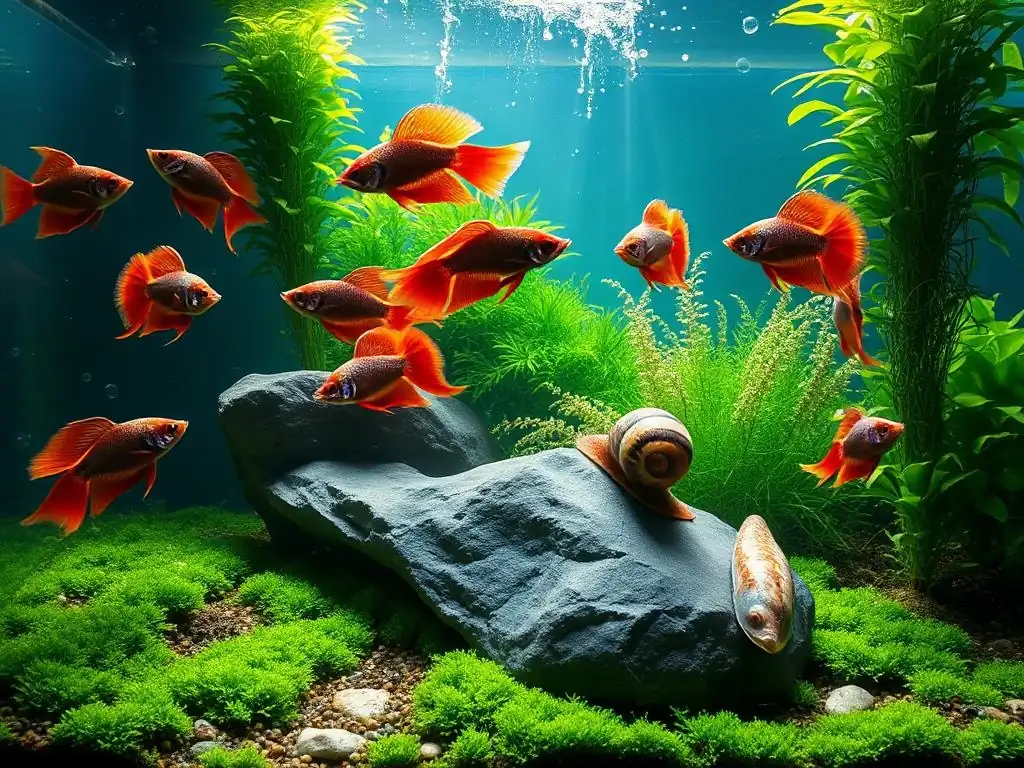
Tired of battling that persistent green fuzz in your freshwater tank? Discover the secrets to a sparkling clean aquarium with our guide to Freshwater Algae Eating Fish. But which species are the best cleanup crew for your specific setup? Dive in and unlock the secrets to natural algae control and a thriving underwater ecosystem!
- Introduction: Maintaining a Pristine Freshwater Aquarium with Algae Eaters
- Why Choose Natural Algae Control for Your Fish Tank?
- Top Freshwater Algae Eating Fish Species for Your Aquarium
- Choosing the Right Algae Eater for Your Specific Aquarium Needs
- Caring for Your Freshwater Algae Eating Fish
- Preventing Algae Blooms in Your Freshwater Aquarium
- Integrating Algae Eaters into Your Aquarium Ecosystem
- Troubleshooting Common Algae Problems in Freshwater Aquariums
- Conclusion: A Balanced Ecosystem is Key to Algae Control in Freshwater Aquariums
-
Frequently Asked Questions
- What are some effective freshwater algae eating fish for a beginner aquarium?
- How many algae eaters should I add to my freshwater aquarium based on its size?
- What type of algae do freshwater algae eating fish typically consume?
- Are freshwater algae eating fish enough to completely eliminate algae from my aquarium?
- What other factors should I consider when choosing freshwater algae eating fish for my aquarium?
- Final Reflection: The Everlasting Ecosystem
- Transform Your Tank: Welcome a Natural Algae Control!
Introduction: Maintaining a Pristine Freshwater Aquarium with Algae Eaters
Algae is a common challenge for many freshwater aquarium enthusiasts, often leading to unsightly green, brown, or black growths on glass, plants, and decorations. While a small amount of algae is natural and even beneficial, unchecked blooms can quickly detract from the beauty of your tank and potentially signal underlying imbalances. Addressing algae effectively is crucial for maintaining a healthy and aesthetically pleasing aquatic environment.
Instead of relying solely on chemical treatments that can sometimes disrupt the delicate ecosystem of a freshwater tank, many aquarists turn to natural solutions. This article explores the world of natural algae eaters – specifically freshwater algae eating fish, snails, and shrimp – that can become an invaluable part of your aquarium's cleanup crew. These living organisms offer a sustainable and often more effective long-term approach to keeping your tank pristine.
Why Choose Natural Algae Control for Your Fish Tank?
The Benefits of Using Freshwater Algae Eating Fish
Employing freshwater algae eating fish and invertebrates offers a multitude of advantages over synthetic methods. These living solutions provide continuous, natural grazing, constantly working to keep algae levels in check. They integrate seamlessly into the aquarium's ecosystem, contributing to biological filtration and nutrient cycling, which helps maintain overall water quality and stability. Unlike chemical algaecides, which can be temporary fixes, a well-chosen cleanup crew offers a proactive and ongoing defense against algae proliferation.
Furthermore, introducing freshwater algae eating fish adds another layer of interest and activity to your tank. Species like Otocinclus catfish or Amano shrimp are not only functional but also captivating to observe, enhancing the overall appeal of your aquatic display. They contribute to a more balanced and robust environment, reducing the need for frequent manual scrubbing and creating a healthier home for all your aquatic inhabitants.
Avoiding Chemical Algae Control Methods
While chemical algaecides promise quick results, their use often comes with significant drawbacks. Many algaecides work by killing algae cells, which can lead to a sudden release of toxins into the water, potentially harming fish and invertebrates or causing oxygen depletion as the dead algae decomposes. Moreover, chemicals do not address the root cause of algae blooms, such as excess light or nutrients, meaning the problem is likely to return once the chemical's effect wears off. This can lead to a cycle of chemical dependency, stressing the tank's inhabitants and disrupting beneficial bacterial colonies.
Relying on natural freshwater algae eating fish, on the other hand, provides a sustainable and eco-friendly alternative. These creatures help manage algae by consuming it, rather than killing it, thus avoiding the negative side effects associated with chemical treatments. By integrating these natural grazers, aquarists can foster a more resilient and self-regulating ecosystem, reducing reliance on potentially harmful artificial interventions and promoting the long-term health of their freshwater aquarium.
Top Freshwater Algae Eating Fish Species for Your Aquarium
Otocinclus Catfish: The Tiny Algae Vacuum
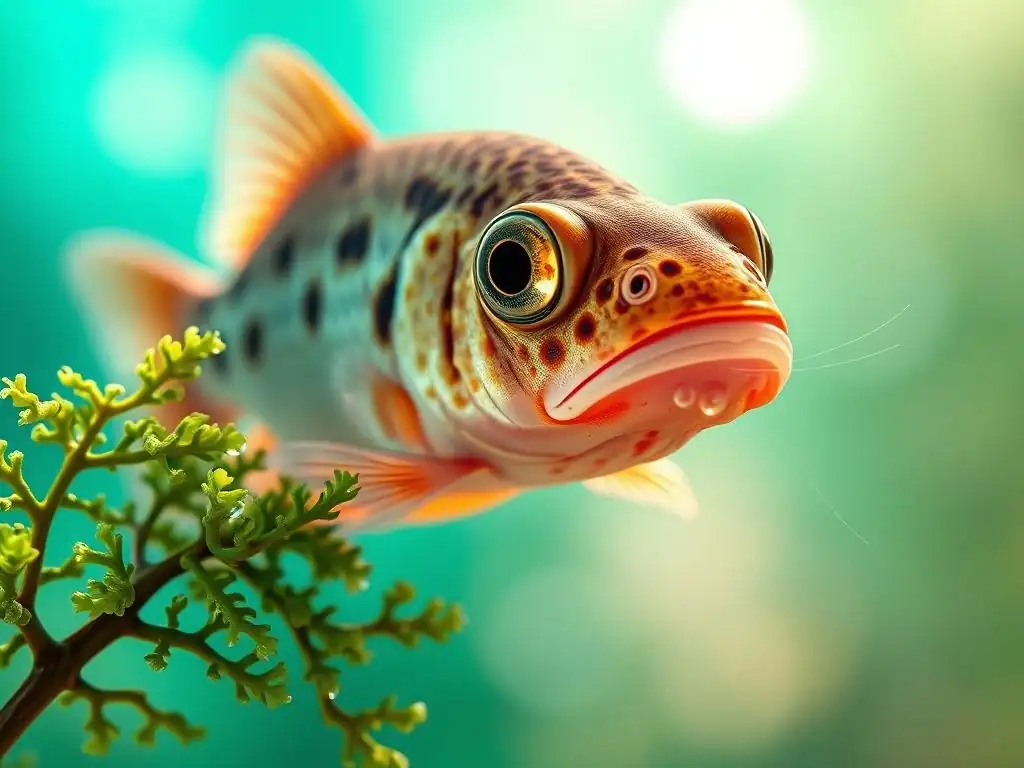
Otocinclus catfish, often affectionately called "Otos," are small, peaceful freshwater algae eating fish that are highly effective at consuming soft green algae, diatoms (brown algae), and biofilm from plant leaves, glass, and decor. Typically reaching a size of 1.5 to 2 inches (approximately 4-5 cm), their diminutive stature makes them ideal for smaller community tanks, generally 10 gallons or more. They are schooling fish and thrive when kept in groups of at least three to six individuals, exhibiting more natural behavior and reducing stress.
These tiny algae vacuums prefer well-oxygenated, mature tanks with plenty of established surfaces for grazing. They are sensitive to poor water quality and sudden parameter changes, making stable conditions crucial for their health. While excellent grazers, they often require supplemental feeding with algae wafers or blanched vegetables once the natural algae supply diminishes, ensuring they receive adequate nutrition.
Siamese Algae Eater (SAE): Effective Filamentous Algae Control
The Siamese Algae Eater (Crossocheilus oblongus, formerly C. siamensis) is renowned for its exceptional ability to consume problematic filamentous algae, including dreaded black beard algae (BBA) and hair algae, which many other freshwater algae eating fish ignore. These active fish can grow quite large, often reaching 5 to 6 inches (around 13-15 cm) in length, making them suitable for larger aquariums, typically 30 gallons or more. They are easily identified by a distinct black stripe running from their snout to their caudal fin, which extends through the tail.
SAEs are generally peaceful but can become territorial as they mature, especially towards similar-looking fish. They are agile swimmers and can sometimes jump, so a secure lid is recommended. While they are excellent algae consumers, they also appreciate supplemental food like flake food or small pellets, and if underfed, they might occasionally nibble on soft-leaved plants. Their effectiveness against stubborn algae types makes them a valuable addition to many freshwater setups.
Bristlenose Pleco: A Popular and Effective Algae Grazer
The Bristlenose Pleco (Ancistrus spp.) is one of the most popular and hardy freshwater algae eating fish, celebrated for its efficiency in cleaning green spot algae and diatoms from hard surfaces like aquarium glass, driftwood, and rocks. Unlike common plecos that can grow to over a foot, Bristlenoses typically remain a manageable size of 4 to 5 inches (10-13 cm), making them suitable for tanks 20 gallons and up. Their distinctive "bristles" or tentacles around their snout are more prominent on males.
These nocturnal bottom-dwellers require driftwood in their tank, as it provides essential lignin for their digestion. While generally peaceful, males can be territorial towards other male Bristlenoses or similar bottom-dwelling fish. Despite their algae-eating prowess, they need supplemental feeding with algae wafers, blanched zucchini, cucumber, or spinach, especially once the primary algae sources in the tank are depleted, to ensure a balanced diet.
Nerite Snails: Hardworking Algae Eaters for Glass and Decorations
Nerite snails are highly efficient and incredibly hardworking freshwater algae eating invertebrates, making them an excellent choice for almost any tank size, even as small as 5 gallons. Species like the Zebra Nerite, Olive Nerite, and Horned Nerite are particularly adept at consuming green spot algae, diatoms, and general green film algae from glass, rocks, driftwood, and plant leaves. A significant advantage of Nerite snails is that they will not reproduce in freshwater, thus preventing population explosions that can occur with other snail species.
These snails typically reach about 1 inch (2.5 cm) in diameter and are very hardy, provided water parameters are stable. They require calcium in the water for healthy shell growth and are sensitive to copper-based medications. Their consistent grazing habits make them an indispensable part of a natural cleanup crew, leaving behind only tiny, easily removed white egg casings (which won't hatch in freshwater) on hard surfaces.
Amano Shrimp: Efficient and Peaceful Algae Consumers
Amano shrimp (Caridina multidentata) are celebrated as one of the most effective freshwater algae eating invertebrates, particularly for their voracious appetite for hair algae, thread algae, and biofilm. These transparent or slightly mottled shrimp can grow up to 2 inches (5 cm) in length, making them a significant presence despite their often camouflaged appearance. They are incredibly peaceful and will not bother fish or plants, making them ideal for community tanks of 10 gallons or more.
Amano shrimp are sensitive to fluctuating water parameters, especially ammonia and nitrite spikes, and thrive in mature, stable aquariums. For optimal algae control and to observe their natural behaviors, it's best to keep them in groups of at least five or more. While highly efficient algae grazers, they also scavenge on leftover food and detritus, contributing to overall tank cleanliness. Supplemental feeding with algae wafers or specialized shrimp pellets is recommended to ensure their nutritional needs are met.
Choosing the Right Algae Eater for Your Specific Aquarium Needs
Aquarium Size and Capacity Considerations
The size and capacity of your freshwater aquarium are paramount when selecting algae eaters. Overstocking, even with beneficial species, can lead to increased bioload, stress, and poor water quality. For instance, a Bristlenose Pleco, while effective, requires a minimum of 20 gallons due to its adult size and waste production. Conversely, Otocinclus catfish, though small, are schooling fish and need space for a group of at least three to six, making a 10-gallon tank the absolute minimum, with 20 gallons or more being ideal for a healthy school.
Smaller tanks, such as 5-gallon nano setups, have limited options and might only comfortably accommodate a few Nerite snails or a small group of Amano shrimp. Carefully researching the adult size and social needs of each freshwater algae eating fish or invertebrate is crucial to ensure they have adequate space and thrive without contributing to overcrowding. A common mistake is adding too many algae eaters, which can quickly lead to an overstocked tank once the initial algae supply is depleted.
Compatibility with Existing Fish and Invertebrates
Ensuring compatibility with your current tank inhabitants is another critical factor. While most freshwater algae eating fish and invertebrates are peaceful, some can be vulnerable to predation by larger, more aggressive species. For example, delicate Otocinclus catfish and Amano shrimp should not be housed with large cichlids, pufferfish, or other predatory fish that might view them as a food source. Similarly, some larger, more boisterous fish might outcompete slower-moving algae eaters for supplemental food.
Conversely, some algae eaters can become territorial or aggressive themselves. Male Bristlenose Plecos might squabble over prime hiding spots, and larger Siamese Algae Eaters can occasionally become nippy towards slow-moving, long-finned fish if underfed or stressed. Always research the temperament of potential additions and consider the overall dynamics of your existing community to prevent conflicts and ensure a harmonious environment for all.
Specific Types of Algae Present in Your Tank
Different freshwater algae eating fish and invertebrates specialize in different types of algae, making it essential to identify the dominant algae in your tank before making a selection. For instance, if your aquarium is plagued by brown diatoms or green film algae on the glass and decor, Nerite snails and Otocinclus catfish are highly effective choices. Their rasping mouths are perfectly suited for scraping these softer, film-like growths.
However, if you're battling stubborn filamentous algae like hair algae or the notoriously difficult black beard algae (BBA), then Siamese Algae Eaters and Amano shrimp are your best bet. These species are known for their ability to consume these tougher, stringy algae types that other grazers might ignore. Understanding the specific algae problem allows you to select the most efficient freshwater algae eating fish or invertebrate for targeted control, optimizing your cleanup crew's effectiveness.
Caring for Your Freshwater Algae Eating Fish
Providing a Balanced Diet Beyond Algae
While their primary role is to consume algae, it's a common misconception that freshwater algae eating fish and invertebrates can subsist solely on the algae naturally present in your tank. In many well-maintained aquariums, the algae supply might be insufficient, especially as your cleanup crew becomes more efficient. Without adequate supplemental feeding, these valuable inhabitants can become malnourished, stunted, or even starve.
It is crucial to offer a balanced diet that complements their natural grazing. This includes high-quality algae wafers, spirulina flakes, blanched vegetables such as zucchini, cucumber, or spinach, and sinking pellets. Ensure that the food reaches the bottom where these species typically feed, especially if you have faster-moving fish that might outcompete them. Regular supplemental feeding ensures your freshwater algae eating fish remain healthy, active, and continue their vital work.
Maintaining Optimal Water Parameters for Algae Eaters
Like all aquarium inhabitants, freshwater algae eating fish and invertebrates thrive in stable and appropriate water conditions. While specific parameters vary slightly by species, most prefer a pH range of 6.5-7.5, soft to moderately hard water, and temperatures between 72-80°F (22-27°C). However, some species, particularly Otocinclus catfish and Amano shrimp, are highly sensitive to fluctuations in water chemistry, especially ammonia and nitrite spikes, which can be lethal.
Regular water testing for ammonia, nitrite, and nitrate is essential to monitor water quality. Consistent weekly or bi-weekly partial water changes (typically 25-30%) help to keep nitrate levels low and replenish essential minerals. Providing a mature, well-cycled tank environment before introducing these sensitive species significantly increases their chances of survival and long-term health, allowing your freshwater algae eating fish to perform their best.
Recognizing and Addressing Health Issues in Algae Eaters
Observing your freshwater algae eating fish and invertebrates for signs of health issues is crucial for their well-being and the overall health of your aquarium. Common indicators of distress include loss of appetite, lethargy, clamped fins, erratic swimming, discolored patches, or visible lesions. For snails, shell erosion or inactivity can signal problems. Shrimp might exhibit unusual molting issues or become opaque.
If you notice any of these symptoms, prompt action is necessary. First, test your water parameters immediately to rule out poor water quality as a cause. If parameters are off, perform a partial water change. Research species-specific diseases and treatments, as some medications can be harmful to invertebrates like snails and shrimp. Isolating sick individuals in a quarantine tank, if possible, can prevent the spread of disease and allow for targeted treatment without affecting the main display tank.
Preventing Algae Blooms in Your Freshwater Aquarium
Proper Lighting and Nutrient Management
Algae blooms in freshwater aquariums are primarily fueled by two factors: excessive light and an abundance of nutrients. To prevent algae from taking over, it's crucial to manage your lighting schedule. Aim for a consistent photoperiod of 8-10 hours per day; anything significantly longer can encourage algae growth, especially if your tank is not heavily planted. The intensity and spectrum of your lights should also be appropriate for your plants, rather than excessively bright, which can promote algae.
Controlling nutrient levels, particularly nitrates and phosphates, is equally vital. These compounds are the primary food source for algae. Regular testing of nitrate and phosphate levels can help identify imbalances. Over-fertilizing planted tanks, even with beneficial plant nutrients, can inadvertently fuel algae if not balanced with plant uptake. Ensuring efficient biological filtration and considering phosphate-removing media can significantly curb nutrient availability for algae.
Regular Water Changes and Substrate Cleaning
Consistent maintenance is the cornerstone of algae prevention in freshwater aquariums. Regular partial water changes are one of the most effective ways to remove dissolved organic compounds, nitrates, and phosphates that accumulate in the water and serve as algae nutrients. A typical routine involves changing 25-30% of the tank water weekly or bi-weekly, depending on the bioload and filtration. This dilutes the concentration of algae-promoting substances, directly starving the unwanted growths.
Complementing water changes with thorough substrate cleaning is equally important. Uneaten food, fish waste, and decaying plant matter settle in the substrate, decomposing and releasing a steady supply of nutrients into the water column. Using an aquarium gravel vacuum to periodically clean the substrate removes these detritus pockets, significantly reducing the nutrient load available for algae. This physical removal of potential food sources is a crucial step in maintaining a pristine tank, even with the help of freshwater algae eating fish.
Avoiding Overfeeding Your Fish
One of the most common causes of algae blooms in freshwater aquariums is overfeeding. When fish are given more food than they can consume within a few minutes, the excess food sinks to the bottom, decomposes, and releases phosphates and nitrates into the water. These dissolved nutrients then become a readily available food source for algae, leading to rapid and often severe outbreaks. Even the most diligent freshwater algae eating fish cannot compensate for a constant influx of excess nutrients from overfeeding.
To prevent this, feed your fish small amounts, two to three times a day, ensuring all food is consumed within 2-3 minutes. Observe your fish during feeding to gauge their appetite and adjust quantities accordingly. If you notice food accumulating on the substrate after feeding, reduce the amount. A simple rule of thumb is that it's better to underfeed slightly than to overfeed, as this directly limits the nutrient availability for algae and contributes to a healthier, cleaner tank environment.
Integrating Algae Eaters into Your Aquarium Ecosystem
Introducing New Algae Eaters to Your Tank
Introducing new freshwater algae eating fish or invertebrates to your aquarium requires careful acclimation to minimize stress and ensure their survival. Drip acclimation is highly recommended for sensitive species like Otocinclus catfish and all shrimp. This method slowly introduces your tank water to the bag water over an hour or more, gradually equalizing temperature and water parameters, which reduces shock from sudden changes. For hardier fish, floating the bag for 15-20 minutes to equalize temperature, followed by slowly adding small amounts of tank water to the bag every few minutes, can suffice.
After acclimation, gently net the new arrivals and release them into the tank, discarding the bag water to avoid introducing any potentially harmful substances. Provide plenty of hiding spots and dim the lights for the first few hours to help them settle in without undue stress. Observe them closely for the first few days to ensure they are adapting well and are not being harassed by existing tank mates.
Monitoring Algae Levels and Adjusting Your Approach
Even with a dedicated cleanup crew of freshwater algae eating fish, regular monitoring of algae levels is essential. Algae eaters are a tool, not a magic bullet, and their effectiveness depends on the overall health and balance of your aquarium. If algae persists or new types appear despite the presence of algae eaters, it indicates an underlying issue that needs addressing, such as excessive lighting, nutrient imbalance, or insufficient water changes.
Continuously observe which types of algae are present and where they are growing. If you notice an increase in a specific algae type that your current cleanup crew isn't targeting effectively (e.g., black beard algae thriving despite Nerite snails), you might consider adding a more specialized freshwater algae eating fish or invertebrate like a Siamese Algae Eater or Amano shrimp. This proactive approach allows you to fine-tune your algae control strategy and maintain a pristine environment.
Creating a Thriving Environment for Your Algae Eating Fish
To ensure your freshwater algae eating fish and invertebrates are happy, healthy, and effective at their job, it's crucial to provide them with an environment tailored to their specific needs. This includes offering appropriate hiding spots, such as caves, driftwood, or dense plant cover, which provide security for shy species like Otocinclus and Bristlenose Plecos. Adequate oxygenation, especially for species sensitive to low oxygen levels, is also vital.
Beyond physical habitat, maintaining stable water parameters, providing a balanced diet (including supplemental foods), and ensuring compatibility with tank mates are fundamental. A healthy, stress-free freshwater algae eating fish will be more active and efficient at grazing. By meeting their specific requirements, you empower your cleanup crew to perform optimally, contributing significantly to the long-term cleanliness and balance of your aquarium ecosystem.
Troubleshooting Common Algae Problems in Freshwater Aquariums
Identifying Different Types of Aquarium Algae
Effective algae control begins with accurate identification. Different types of algae thrive under different conditions and are targeted by specific freshwater algae eating fish or invertebrates.
- Diatoms (Brown Algae): A powdery, brownish film, common in new tanks, often indicates excess silicates or nutrients. Nerite snails and Otocinclus catfish are excellent at consuming this.
- Green Spot Algae: Small, hard green spots on glass and decor, often a sign of low phosphates or CO2, or intense lighting. Nerite snails and Bristlenose Plecos can help scrape these.
- Green Hair Algae: Long, stringy green strands, typically caused by excess light and nutrients. Amano shrimp and Siamese Algae Eaters are effective against this.
- Black Beard Algae (BBA): Dark, fuzzy tufts, often indicating fluctuating CO2 levels, low CO2, or excess organics. Siamese Algae Eaters and Amano shrimp are the primary natural predators for BBA.
Correct identification allows you to choose the most appropriate freshwater algae eating fish and address the root cause of the problem.
Addressing Severe Algae Infestations
While freshwater algae eating fish are excellent for ongoing maintenance, they are generally not a quick fix for severe algae infestations. In cases of massive outbreaks, manual removal is often the first and most effective step. This involves physically scraping algae from glass, scrubbing decor, and siphoning off loose algae from the substrate during a large water change (50% or more). For green algae, a temporary blackout (covering the tank completely for 2-3 days) can significantly reduce its presence by depriving it of light.
Once the bulk of the algae has been removed manually, your cleanup crew of freshwater algae eating fish can then work more effectively to keep new growth at bay. Addressing the underlying cause – whether it's excessive light duration, overfeeding, or insufficient water changes – is paramount to prevent the infestation from recurring. Algae eaters function best as part of a comprehensive prevention and maintenance strategy, rather than as a sole solution for a tank already overrun with algae.
Understanding the Limitations of Algae Eaters
It's important to recognize that even the most diligent freshwater algae eating fish have their limitations. They are biological tools and not a substitute for proper aquarium husbandry. Algae eaters will not solve fundamental issues like chronic overfeeding, insufficient filtration, inadequate water changes, or prolonged excessive lighting. If these underlying problems persist, algae will continue to thrive, overwhelming even a robust cleanup crew.
Furthermore, some algae eaters may develop preferences for certain food sources over algae, especially if they are well-fed with supplemental foods. For example, a Siamese Algae Eater might prefer a sinking pellet over tough black beard algae if it's readily available. Their effectiveness can also diminish if they become stressed, sick, or are housed in unsuitable conditions. Understanding these limitations ensures realistic expectations and encourages a holistic approach to algae control that integrates both natural grazers and diligent maintenance practices.
Conclusion: A Balanced Ecosystem is Key to Algae Control in Freshwater Aquariums
Maintaining a freshwater aquarium free from unsightly algae blooms is a goal for many aquarists, and natural algae eaters offer a sustainable and effective path to achieving it. By carefully selecting the right freshwater algae eating fish, snails, and shrimp that are compatible with your tank's size and inhabitants, you can establish a living cleanup crew that continuously works to keep your aquatic environment pristine. From the tiny Otocinclus to the diligent Amano shrimp, each species contributes uniquely to managing different types of algae.
However, the success of these natural grazers hinges on a balanced approach to aquarium maintenance. This includes diligent water changes, proper feeding habits to prevent excess nutrients, and appropriate lighting management. While freshwater algae eating fish are invaluable allies, they are most effective when integrated into a comprehensive strategy that addresses the root causes of algae growth. Ultimately, fostering a healthy, balanced freshwater aquarium ecosystem is the true key to long-term algae control, ensuring a vibrant and thriving aquatic display for years to come.
Frequently Asked Questions
What are some effective freshwater algae eating fish for a beginner aquarium?
Several options are good for beginners, including Otocinclus Catfish, Siamese Algae Eaters, and certain types of Plecos. These fish are generally peaceful and help control algae growth in a community tank.
How many algae eaters should I add to my freshwater aquarium based on its size?
The number of algae eaters depends on tank size and the amount of algae present. A general rule is 1 Otocinclus Catfish per 5 gallons, but observe your tank and adjust accordingly. Overstocking can lead to other problems.
What type of algae do freshwater algae eating fish typically consume?
Different species consume different types of algae. Otocinclus Catfish primarily eat diatoms and soft green algae, while Siamese Algae Eaters are known for eating black beard algae (BBA).
Are freshwater algae eating fish enough to completely eliminate algae from my aquarium?
While helpful, algae eating fish are not a complete solution. Proper tank maintenance, including regular water changes and appropriate lighting, is still crucial for algae control.
What other factors should I consider when choosing freshwater algae eating fish for my aquarium?
Consider the tank size, water parameters, and compatibility with other fish. Research the specific needs of each species before adding them to your aquarium.
Final Reflection: The Everlasting Ecosystem
The information presented throughout this article underscores the vital role of natural algae eaters in maintaining a healthy and balanced freshwater aquarium. Beyond simply keeping the glass clean, these creatures are integral to the overall ecosystem, preventing algae blooms and contributing to the well-being of other inhabitants. Their importance is even more pronounced today, as hobbyists increasingly seek sustainable and natural solutions for aquarium management.
The impact of understanding and utilizing these natural cleaners extends beyond the glass walls of our tanks. It reminds us of the delicate balance present in all ecosystems and the responsibility we have to maintain them, both in our homes and in the wider world. In nature, nothing exists alone.
- Rachel Carson. This quote perfectly encapsulates the interconnectedness we strive for in our aquariums, mirroring the complex relationships found in nature itself.
Now, consider the lessons learned about balance, sustainability, and the power of natural solutions. How can you apply these principles not only to your aquarium but also to other aspects of your life? Embrace the role of a responsible steward, both within your glass world and beyond, and witness the flourishing ecosystem that results from your mindful actions.
Transform Your Tank: Welcome a Natural Algae Control!
Thanks for diving deep into the world of algae eaters and how they can revolutionize your aquarium! Now that you're equipped with the knowledge to choose the best cleanup crew, it's time to put that plan into action.
Here are a few steps you can take right away:
- Carefully select and introduce one new algae-eating species to your tank, starting with a small group to monitor their impact.
- Share your algae-busting strategy! Post a picture of your aquarium on social media using #AquariumMastery and inspire other hobbyists.
- Explore other natural methods for algae control, like adjusting your lighting schedule or increasing water changes, to complement your algae eaters' efforts.
What's the first step you'll take to welcome your new algae-eating friends and banish that unwanted algae for good?