
Are Gouramis Hardy Fish? Resilience and Care Levels Across Species

Welcome to Aquarium Mastery!
Ever wondered just how resilient a Gourami really is? Diving into the world of these fascinating freshwater fish can be incredibly rewarding, but understanding their care levels is crucial. In this article, we'll explore the Hardy Gourami Care Levels across various species, uncovering what it really takes to keep these beauties thriving. Ready to unlock the secrets to a happy and healthy Gourami tank? Let's dive in!
- Understanding Gourami Resilience: A Comprehensive Guide
- Gourami Hardiness Explained: Factors Influencing Survival
-
Hardy Gourami Care Levels: Species-Specific Guide
- Dwarf Gourami Care: Assessing Hardiness and Needs
- Pearl Gourami Care: Understanding Their Delicate Nature
- Blue Gourami Care: Evaluating Resilience and Tank Requirements
- Three Spot Gourami Hardiness: Considerations for Beginners
- Honey Gourami Care: Balancing Beauty and Hardiness
- Kissing Gourami Care: Assessing Tolerance and Behavior
- Comparing Gourami Hardiness: Which Species are the Toughest?
- Common Mistakes That Affect Gourami Hardiness
- Optimizing Your Tank for Gourami Health and Resilience
- Enhancing Gourami Hardiness Through Proper Care
- Understanding Gourami Disease and Its Impact on Hardiness
- The Impact of Breeding on Gourami Hardiness
- Conclusion: Mastering Hardy Gourami Care for Thriving Fish
-
Frequently Asked Questions
- Are all gourami species considered hardy aquarium fish?
- What makes some gourami species more "hardy" than others?
- What water parameters are most critical for ensuring gourami health and minimizing stress?
- What are some common health issues that can affect gouramis, and how can I prevent them?
- What are the minimum tank size requirements for different hardy gourami species?
- Final Reflection: The Enduring Allure of Gourami Resilience
- Unlock the Secrets to Gourami Thriving!
Understanding Gourami Resilience: A Comprehensive Guide
Gouramis, a diverse group of freshwater fish belonging to the family Osphronemidae, are popular choices for home aquariums due to their striking colors, unique behaviors, and relatively peaceful nature. However, the question of whether gouramis are "hardy" fish is not as straightforward as it might seem. Their resilience varies significantly across different species, ranging from the exceptionally robust Blue Gourami to the more delicate Dwarf Gourami, which can be susceptible to specific diseases.
Understanding the specific "Hardy gourami care levels" required for each species is crucial for any aquarist aiming for a thriving tank. While some gouramis can tolerate a broader range of water parameters and occasional lapses in maintenance, others demand pristine conditions and meticulous attention to detail to ensure their long-term health and well-being. This guide will delve into the factors influencing gourami hardiness and provide species-specific insights to help you make informed decisions.
Gourami Hardiness Explained: Factors Influencing Survival
Water Parameter Tolerance in Gouramis
The ability of a gourami species to tolerate varying water parameters is a primary indicator of its hardiness. While all gouramis prefer stable conditions, their acceptable ranges differ. For instance, the popular Dwarf Gourami (Trichogaster lalius) thrives in slightly acidic to neutral water with a pH range of 6.0-7.5 and temperatures between 74-80°F (23-27°C). They are notably less tolerant of sudden pH swings or fluctuations in temperature, which can quickly lead to stress and compromised immune function.
In contrast, the Blue Gourami (Trichopodus trichopterus), including its Opaline and Platinum variants, is renowned for its adaptability, thriving across a broader pH range of 6.0-8.0 and temperatures of 72-82°F (22-28°C). This wider tolerance makes their "Hardy gourami care levels" more forgiving for beginners or those with slightly less stable tap water chemistry. Despite these differences, consistent water parameters, with ammonia and nitrite at 0 ppm and nitrates below 20 ppm, remain paramount for all gourami species to prevent chronic stress and disease.
Disease Resistance Among Gourami Species
Disease resistance is another critical factor in assessing gourami hardiness, and here, significant disparities exist. Dwarf Gouramis, for example, are unfortunately susceptible to Dwarf Gourami Iridovirus (DGIV), a highly contagious and often fatal systemic viral infection. While not every Dwarf Gourami will contract it, their inherent vulnerability to this specific pathogen significantly impacts their overall perceived hardiness compared to other species. Reports indicate mortality rates approaching 100% in infected individuals.
Conversely, species like the Pearl Gourami (Trichopodus leeri) are generally quite robust against common freshwater ailments such as Ich (Ichthyophthirius multifiliis) and Fin Rot, provided they are kept in well-maintained aquariums with stable, clean water. Their strong immune systems contribute to their relatively high "Hardy gourami care levels" when environmental conditions are met. However, even the most disease-resistant gourami can succumb to illness if subjected to prolonged stress from poor water quality, inadequate diet, or aggressive tank mates.
Adaptability to Different Aquarium Environments
A gourami's hardiness is also reflected in its ability to adapt to various aquarium setups, including tank size, decor, and water flow. Larger species, such as the Kissing Gourami (Helostoma temminckii), which can grow up to 12 inches (30 cm), demand spacious tanks, ideally 50 gallons or more for juveniles and 75-100 gallons for adults. Confining them to smaller spaces severely compromises their hardiness, leading to stunted growth, aggression, and increased susceptibility to stress-related diseases.
In contrast, smaller species like the Honey Gourami (Trichogaster chuna), reaching only about 2 inches (5 cm), are well-suited for more compact setups, thriving in tanks as small as 10-15 gallons, especially when heavily planted. Their ability to flourish in these smaller, often more challenging environments demonstrates a different type of adaptability, contributing to their reputation for manageable "Hardy gourami care levels" in nano or desktop aquariums. Regardless of size, all gouramis benefit from gentle water flow and ample hiding spots provided by live plants or decor, which reduces stress and enhances their overall resilience.
Hardy Gourami Care Levels: Species-Specific Guide
Dwarf Gourami Care: Assessing Hardiness and Needs
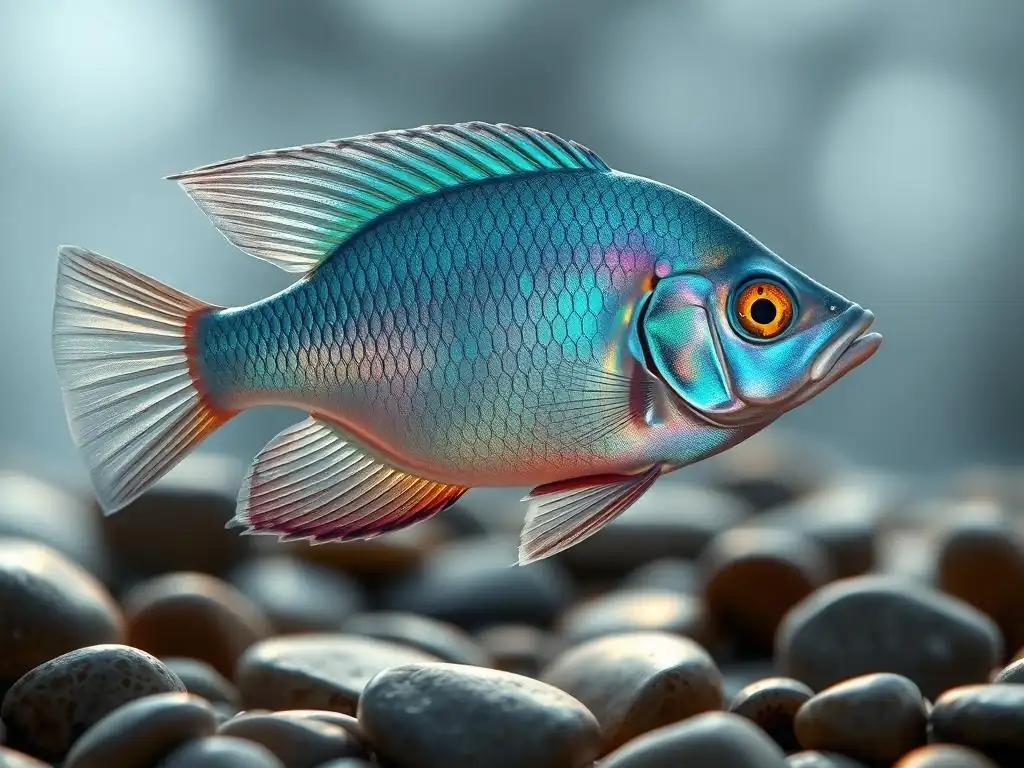
Dwarf Gouramis are incredibly popular due to their vibrant blue and red stripes and compact size, typically reaching 2.5 inches (6 cm). They are suitable for tanks as small as 10-20 gallons. However, despite their widespread availability, their hardiness is notably challenged by their susceptibility to Dwarf Gourami Iridovirus (DGIV). This virus can decimate populations, making careful sourcing from reputable breeders and strict quarantine protocols essential for their "Hardy gourami care levels."
Beyond DGIV, Dwarf Gouramis require stable water parameters: a pH of 6.0-7.5, temperatures between 74-80°F (23-27°C), and soft to moderately hard water (dGH 4-10). They are sensitive to elevated nitrates (above 20 ppm) and are prone to bacterial infections if water quality is not meticulously maintained. Providing a well-planted tank with plenty of hiding spots and gentle filtration is crucial, as they can be shy and easily stressed by overly boisterous tank mates, which impacts their overall resilience and lifespan, typically 2-4 years.
Pearl Gourami Care: Understanding Their Delicate Nature
Pearl Gouramis, with their iridescent, pearl-like spots and long, flowing ventral fins, are among the most beautiful gourami species, growing up to 4.5 inches (11 cm) and requiring tanks of at least 30 gallons. While generally peaceful and graceful, their hardiness can be somewhat delicate, particularly concerning water quality. They thrive in pristine, well-oxygenated water with a pH of 6.5-7.5 and temperatures between 75-82°F (24-28°C). Any significant fluctuations in parameters or the presence of ammonia/nitrite can quickly lead to stress, clamped fins, and susceptibility to diseases like fin rot.
Unlike some hardier gouramis, Pearl Gouramis are easily intimidated by aggressive or very active tank mates, which can severely impact their health and lifespan, often reducing their potential 4-5 year longevity. They greatly benefit from a heavily planted aquarium that provides ample cover and reduces stress. Their specific needs for stable, clean water and a calm environment mean that while they are relatively resistant to common pathogens, their overall resilience hinges on diligent maintenance and careful selection of their community companions, demanding attentive "Hardy gourami care levels."
Blue Gourami Care: Evaluating Resilience and Tank Requirements
Blue Gouramis, encompassing the Three Spot, Opaline, and Platinum varieties, are often considered one of the hardiest and most forgiving gourami species, making them an excellent choice for beginners. Reaching up to 6 inches (15 cm), they require tanks of at least 20-30 gallons for a single specimen, larger for a pair or trio. Their "Hardy gourami care levels" are notably lower due to their impressive tolerance for a wider range of water parameters, including a pH of 6.0-8.0 and temperatures between 72-82°F (22-28°C). This adaptability allows them to thrive in various setups.
Despite their general hardiness, Blue Gouramis can exhibit territorial behavior, especially between males, which necessitates adequate space and plenty of visual barriers or hiding spots to prevent aggression and stress. They are less prone to specific diseases compared to Dwarf Gouramis, often living for 4-6 years in well-maintained aquariums. Their resilience, however, does not negate the need for regular water changes (e.g., 25% weekly) and a balanced, varied diet to ensure their long-term health, vibrant coloration, and continued robust hardiness.
Three Spot Gourami Hardiness: Considerations for Beginners
The Three Spot Gourami (Trichopodus trichopterus), the foundational species for Blue, Opaline, and Platinum variants, stands out as arguably the most resilient gourami species, making it highly recommended for novice aquarists. These fish typically grow to 4-6 inches (10-15 cm) and are comfortable in tanks 20 gallons or larger. Their remarkable tolerance for varying water conditions simplifies "Hardy gourami care levels" for those new to the hobby; they thrive in a broad pH range of 6.0-8.0 and temperatures between 72-82°F (22-28°C).
Their robust nature also extends to disease resistance; Three Spot Gouramis are generally less susceptible to common freshwater ailments than some other gourami types, provided basic tank hygiene is consistently maintained. They are active swimmers and benefit from an aquarium with both open swimming areas and dense planting for cover. While individual temperament can vary, their overall durability and ability to adapt to a range of tank setups make them a top recommendation for beginners seeking a visually appealing yet low-maintenance gourami that will tolerate minor environmental fluctuations.
Honey Gourami Care: Balancing Beauty and Hardiness
Honey Gouramis (Trichogaster chuna), often confused with Dwarf Gouramis due to their size, are smaller, reaching only about 2 inches (5 cm). They are cherished for their peaceful temperament and beautiful honey-gold coloration. They are considered quite hardy for their size, suitable for tanks as small as 10-15 gallons, making them an excellent option for smaller community setups. Their "Hardy gourami care levels" are manageable, as they prefer stable water parameters: pH 6.0-7.5 and temperatures 72-80°F (22-27°C).
A significant advantage of Honey Gouramis regarding hardiness is their lack of known susceptibility to Dwarf Gourami Iridovirus (DGIV), which boosts their overall resilience profile compared to their Dwarf Gourami cousins. They are shy fish that benefit greatly from dense vegetation, floating plants, and gentle water flow. While generally robust, they can be stressed by overly active or aggressive tank mates. With proper care, including a varied diet and consistent water quality (e.g., nitrates below 20 ppm), Honey Gouramis can live for 3-4 years, demonstrating good resilience for a smaller fish.
Kissing Gourami Care: Assessing Tolerance and Behavior
Kissing Gouramis (Helostoma temminckii) are unique for their distinctive mouthparts and "kissing" behavior, which is primarily a territorial or social display rather than affection. They are one of the largest gourami species, capable of reaching up to 12 inches (30 cm) in length and living for 5-10 years or even longer. Their substantial adult size means they require very large aquariums, ideally 50 gallons for juveniles and 75-100 gallons or more for adult specimens, significantly influencing their "Hardy gourami care levels" in terms of necessary tank footprint.
While generally robust and tolerant of a wide range of water parameters (pH 6.0-8.0, temperature 72-82°F or 22-28°C), their hardiness can be severely compromised by inadequate space, which leads to stunted growth, increased aggression, and stress. They are also known to consume soft-leaved plants and can be quite messy eaters, necessitating powerful filtration (e.g., an external canister filter rated for 2-3 times the tank volume) and diligent tank maintenance to prevent water quality issues. Their tendency to scrape algae from surfaces with their specialized mouths means they need smooth decor to avoid injury.
Comparing Gourami Hardiness: Which Species are the Toughest?
Ranking Gourami Species by Hardiness Level
When evaluating "Hardy gourami care levels," a general ranking from most to least hardy often places the Three Spot/Blue Gourami (Trichopodus trichopterus and its color morphs) at the top. This is due to their wide parameter tolerance, adaptability, and general resistance to common diseases. Following closely are the Kissing Gourami (Helostoma temminckii), provided they are given adequate space, and the Honey Gourami (Trichogaster chuna), largely due to their smaller size and lack of susceptibility to DGIV.
Pearl Gouramis (Trichopodus leeri) are typically considered moderately hardy, requiring more stable and pristine water conditions than the Blue Gourami but generally more robust than Dwarf Gouramis. At the lower end of the hardiness spectrum, specifically regarding disease susceptibility and sensitivity to environmental stress, are the Dwarf Gouramis (Trichogaster lalius), primarily due to the prevalent threat of Dwarf Gourami Iridovirus (DGIV). This ranking is based on their general resilience to environmental fluctuations, common diseases, and adaptability to typical aquarium setups, helping aquarists choose species aligned with their experience level.
Hardy Gourami for Beginners: Recommendations and Tips
For beginners seeking "Hardy gourami care levels" that are forgiving and rewarding, the Three Spot Gourami (including Blue, Opaline, and Platinum varieties) is highly recommended. Their broad tolerance for water parameters (pH 6.0-8.0, temperature 72-82°F), general disease resistance, and relatively peaceful nature (when given adequate space, at least 20-30 gallons) make them an excellent first gourami. Honey Gouramis are also superb for smaller tanks (10-15 gallons), offering a peaceful demeanor and good resilience without the specific disease concerns of Dwarf Gouramis.
When selecting a hardy gourami, always observe the fish in the store for signs of health: clear eyes, active swimming, full coloration, and no clamped fins or visible lesions. Inquire about the source and any quarantine procedures the store follows. For beginners, establishing a well-cycled tank (running for at least 4-6 weeks) and performing regular water changes (e.g., 20-25% weekly) are fundamental practices that significantly boost any gourami's hardiness, regardless of species. These consistent habits are more impactful than the perceived hardiness of the fish itself.
Common Mistakes That Affect Gourami Hardiness
Overlooking Water Quality and Its Impact
One of the most common and detrimental mistakes affecting gourami hardiness is neglecting consistent water quality. High levels of metabolic waste products—ammonia (any detectable amount is toxic), nitrite (any detectable amount is toxic), and nitrates (ideally below 20 ppm)—are direct stressors that severely compromise a gourami's immune system. This makes them highly susceptible to bacterial infections, fin rot, and fungal issues. Research on ornamental fish health frequently indicates that poor water quality accounts for over 50% of disease outbreaks in home aquariums.
Furthermore, sudden fluctuations in pH or temperature can cause severe physiological shock, leading to lethargy, loss of appetite, and even death. For example, a rapid pH drop from 7.5 to 6.0 can be lethal to species like Pearl Gouramis that prefer stable conditions. Consistent parameters, maintained through regular testing (e.g., weekly or bi-weekly) with a liquid test kit and appropriate water changes, are paramount to ensuring optimal "Hardy gourami care levels" and preventing the cumulative stress that erodes a gourami's natural resilience.
Incompatible Tank Mates and Stress Levels
Selecting incompatible tank mates is a significant stressor that directly diminishes gourami hardiness. Overly aggressive species, notorious fin-nippers (like some barbs), or hyperactive schooling fish can constantly harass gouramis, leading to chronic stress. This stress manifests as clamped fins, faded colors, refusal to eat, and a dangerously weakened immune system, making them vulnerable to opportunistic pathogens. For instance, attempting to house a male Betta (another anabantoid) with a male Dwarf Gourami can result in severe aggression and injury.
Conversely, keeping shy gourami species, such as Honey Gouramis, with very boisterous tank mates can cause them to hide constantly and fail to thrive due to intimidation. The ideal "Hardy gourami care levels" for a community tank involve thoroughly researching each species' temperament, adult size, and specific needs, ensuring there are no direct threats or overwhelming competition for food and space. Providing ample hiding spots and breaking up lines of sight with plants and decor can also mitigate aggression and significantly reduce stress, thereby preserving the gourami's hardiness.
Poor Diet and Nutritional Deficiencies
A consistent diet lacking in essential nutrients directly impacts gourami hardiness and their ability to fight off disease. Feeding only one type of food, such as generic flakes, can lead to deficiencies in vital vitamins, minerals, and proteins crucial for immune function, vibrant coloration, and overall vitality. Gouramis are omnivores and require a varied diet that includes high-quality flakes or pellets supplemented with live or frozen foods like bloodworms, brine shrimp, and daphnia. For example, a diet deficient in Vitamin A can impair vision and the health of mucous membranes, making fish more vulnerable to infections.
Overfeeding is equally detrimental, as uneaten food decomposes rapidly, contributing to poor water quality and bacterial blooms, which then indirectly affects gourami health by stressing their systems. Feeding small amounts 2-3 times a day that can be consumed within 2-3 minutes is generally recommended. A balanced and varied diet not only enhances their vibrant colors and natural behaviors but also strengthens their immune system, allowing them to better resist common ailments and maintain their "Hardy gourami care levels" throughout their typical lifespan.
Optimizing Your Tank for Gourami Health and Resilience
Maintaining Ideal Water Parameters for Gouramis
Achieving optimal "Hardy gourami care levels" fundamentally begins with maintaining stable and appropriate water parameters. For most common gourami species, this translates to a pH range between 6.5 and 7.5, and stable temperatures between 74-80°F (23-27°C). Regular and accurate testing with a reliable liquid test kit (not just less precise test strips) for ammonia, nitrite, nitrate, and pH is crucial. Ammonia and nitrite should always read 0 ppm, while nitrates should be diligently kept below 20 ppm through consistent water changes.
Hardness (GH and KH) also plays a vital role; most gouramis prefer soft to moderately hard water, with a general hardness (GH) between 4-10 dGH and carbonate hardness (KH) of 3-8 dKH to ensure pH stability and buffer against sudden drops. Using a high-quality dechlorinator that also detoxifies chloramines and heavy metals is essential with every water change. Consistent monitoring and proactive adjustments, rather than reactive fixes after problems arise, are the cornerstone of preventing stress and fortifying a gourami's natural resilience.
Providing a Suitable Habitat and Hiding Places
A well-designed and species-appropriate habitat is fundamental to gourami hardiness, providing security, reducing stress, and encouraging natural behaviors. Gouramis, especially the smaller or shyer species like Honey or Pearl Gouramis, thrive in tanks with ample live or artificial plants, such as Java Fern, Anubias, or floating plants like Water Lettuce and Frogbit. These plants offer crucial visual barriers, breaking up lines of sight, and providing essential hiding spots, which are particularly important for territorial males or when introducing new fish to a community.
Tank size appropriate for the species' adult size is non-negotiable; for example, a 10-gallon tank is severely inadequate for a Blue Gourami, which can reach 6 inches. Substrate choice, such as fine gravel or sand, should be considered as some gouramis may forage along the bottom. Gentle water flow is also preferred, as strong currents can stress these labyrinth fish, making it difficult for them to reach the surface for air.
Providing caves, driftwood, or other decor further enhances their sense of security. A well-structured environment mimics their natural habitat, significantly contributing to their "Hardy gourami care levels" by minimizing stress-related health issues and promoting overall well-being.
Choosing the Right Tank Mates for a Peaceful Environment
Selecting appropriate tank mates is critically important for maintaining high "Hardy gourami care levels" and ensuring a peaceful, thriving community. Compatible tank mates are typically peaceful, similarly sized fish that occupy different levels of the aquarium and do not nip fins or harass other inhabitants. Good choices often include peaceful schooling tetras (e.g., Neon Tetras, Rummy Nose Tetras, Ember Tetras), various rasboras (e.g., Harlequin Rasboras), corydoras catfish, and peaceful plecos (e.g., Bristlenose Plecos). Avoid aggressive species like certain cichlids, or known fin-nippers such as Tiger Barbs, which can severely stress and injure gouramis.
When introducing new fish, observe interactions closely for the first few days to ensure compatibility. Gouramis, especially males, can be territorial towards other anabantoids or similarly shaped fish. For example, housing multiple male gouramis of the same species in a tank under 50 gallons can lead to severe aggression and stress.
Overstocking should always be avoided, as it increases stress, competition for resources, and the rapid accumulation of waste, all of which negatively impact gourami hardiness. A general rule of thumb is 1 inch of fish per gallon for smaller, peaceful fish, though this varies by species and filtration capacity.
Enhancing Gourami Hardiness Through Proper Care
Regular Water Changes and Tank Maintenance
Regular water changes are arguably the single most effective practice for enhancing gourami hardiness and overall health. A weekly water change of 20-30% of the tank volume effectively removes accumulated nitrates, phosphates, and other dissolved organic compounds that can build up and stress fish. For instance, in a 20-gallon tank, this means consistently changing 4-6 gallons weekly. This consistent removal of pollutants directly prevents water quality degradation, which is a primary cause of weakened immune systems and increased disease susceptibility in gouramis.
Beyond water changes, routine tank maintenance includes vacuuming the substrate to remove uneaten food and detritus, cleaning the filter media (rinsing in old tank water to preserve beneficial bacteria), and wiping down tank walls to remove algae. Neglecting these tasks allows harmful bacteria to proliferate and water parameters to destabilize, undermining even the most meticulously planned "Hardy gourami care levels." A clean, stable, and well-maintained environment is the absolute foundation for robust, long-lived gouramis.
Balanced Diet and Nutritional Supplements
A diverse and nutritionally complete diet is paramount for boosting gourami hardiness, enhancing their vibrant colors, and promoting active behaviors. Gouramis are omnivores and thrive on a varied diet consisting of high-quality flake or pellet food as a staple. This should be generously supplemented with protein-rich live or frozen foods such as bloodworms, brine shrimp, and daphnia 2-3 times a week, as these provide essential amino acids, vitamins, and fatty acids crucial for energy and immune function. Vegetable matter, such as blanched spirulina flakes or small pieces of zucchini, can also be beneficial, particularly for species like Kissing Gouramis.
Nutritional supplements, such as vitamin drops added to food or directly to the water, can further enhance their immune system, especially during stressful periods like introduction to a new tank, recovery from illness, or during breeding. Avoid overfeeding at all costs, as this leads to water pollution and can cause digestive issues in the fish. A general guideline is to feed only what the gouramis can consume within 2-3 minutes, once or twice daily. Proper nutrition is a cornerstone of effective "Hardy gourami care levels," ensuring fish have the energy and resources to resist disease and thrive.
Early Disease Detection and Treatment
Proactive disease detection is a critical component of maintaining high "Hardy gourami care levels." Daily observation of your gouramis for any subtle changes in behavior, appearance, or appetite can allow for early intervention, significantly increasing the chances of successful treatment. Symptoms such as clamped fins, labored breathing, white spots (Ich), frayed or deteriorating fins, unusual swimming patterns, or persistent refusal to eat should prompt immediate investigation. A gourami's natural hardiness can be quickly overwhelmed by untreated illness.
Having a basic fish first-aid kit on hand, including a dedicated quarantine tank, broad-spectrum medications, and aquarium salt, is highly advisable. If a fish shows signs of illness, it should be moved to a separate quarantine tank immediately to prevent the spread of disease to other inhabitants and to facilitate targeted treatment without affecting the beneficial bacteria in the main tank. Prompt diagnosis, often aided by reliable online resources or consultation with experienced aquarists, followed by appropriate treatment, is essential to restore a gourami's health and prevent further decline in its hardiness.
Understanding Gourami Disease and Its Impact on Hardiness
Common Gourami Diseases and Their Symptoms
Gouramis, despite varying "Hardy gourami care levels" across species, are susceptible to several common freshwater fish diseases, particularly when stressed or kept in suboptimal conditions. Ich (White Spot Disease), caused by the parasite Ichthyophthirius multifiliis, presents as small white spots resembling salt grains on the body and fins, often accompanied by the fish rubbing or scratching against decor. Fin Rot, a bacterial infection, causes fins to appear frayed, tattered, or develop red streaks at their base. Fungal infections manifest as white, cotton-like growths on the body, fins, or mouth.
More serious conditions include Dropsy, characterized by a swollen body and protruding scales (giving a "pinecone" appearance), which is often a symptom of underlying organ failure or severe bacterial infection. Dwarf Gourami Iridovirus (DGIV) is a specific and highly concerning disease for Dwarf Gouramis, causing lethargy, loss of appetite, dark coloration, and often rapid death, with a reported mortality rate approaching 100% in affected individuals. Understanding these symptoms is crucial for prompt diagnosis and intervention, which directly impacts a gourami's ability to recover and maintain its hardiness.
Preventing Disease Through Proper Tank Management
The cornerstone of preventing disease and maintaining high "Hardy gourami care levels" is rigorous and consistent tank management. This includes performing regular, consistent water changes (e.g., 25% weekly) to keep nitrates low (below 20 ppm) and ammonia and nitrite at absolute zero. Maintaining stable water parameters (temperature, pH, hardness) within the species' preferred range is equally critical, as fluctuations cause physiological stress, which is a major precursor to illness. Overfeeding should be strictly avoided to prevent decaying food from fouling the water, which can lead to harmful bacterial blooms.
Proper quarantine of all new fish for at least 2-4 weeks in a separate tank is an essential preventative measure to avoid introducing pathogens into the main display aquarium. During quarantine, observe fish for any signs of illness and treat if necessary before adding them to the established community. Providing a species-appropriate and varied diet, ample space, and suitable hiding spots minimizes stress, strengthens the fish's immune system, and significantly reduces their susceptibility to common diseases, thereby enhancing their innate hardiness and long-term well-being.
Treating Gourami Diseases Effectively
Effective treatment of gourami diseases relies on accurate diagnosis and prompt action once symptoms are observed. For common external parasites like Ich, elevating the tank temperature slightly (e.g., to 82-84°F or 28-29°C for a few days, if compatible with tank mates) combined with aquarium salt or commercially available Ich medications (e.g., malachite green or formalin-based treatments) is often effective. Bacterial infections like Fin Rot typically require broad-spectrum antibiotics, either administered via medicated food or directly to the water in a quarantine tank. Fungal infections can often be treated with antifungal medications or salt baths.
For internal bacterial infections or more severe conditions like Dropsy, medicated foods are often preferred to ensure internal delivery of the antibiotic. Always follow medication instructions precisely, as overdosing can be harmful and stress the fish further. Post-treatment, continue monitoring the fish, maintain pristine water quality through small, frequent water changes, and provide a balanced diet to aid recovery and help the gourami regain its natural hardiness. Unfortunately, some diseases like DGIV have no known cure, making prevention through careful sourcing and quarantine paramount for Dwarf Gouramis.
The Impact of Breeding on Gourami Hardiness
Breeding Stress and Its Effects on Health
While fascinating to observe, the breeding process can place significant stress on gouramis, potentially impacting their hardiness. For males, the intensive act of bubble nest building and territorial defense requires considerable energy, and prolonged periods of guarding eggs and fry can lead to exhaustion and susceptibility to illness. Females also endure physiological stress during egg production and spawning. This increased physiological demand can temporarily weaken their immune systems, making them more vulnerable to common pathogens if tank conditions are not optimal or if they are not adequately nourished.
The "Hardy gourami care levels" during breeding must explicitly account for this heightened stress. Poor nutrition during this demanding period, or an unstable, unhygienic environment, can exacerbate the negative effects, leading to fin damage, lethargy, or even death. For instance, a male Dwarf Gourami constantly defending a nest in a small, shared tank without adequate cover can become highly stressed, increasing its risk of succumbing to DGIV or other ailments. Providing a nutrient-rich diet, stable water parameters, and a quiet, secure breeding environment can significantly mitigate these stressors.
Post-Breeding Care and Recovery
Proper post-breeding care is crucial for restoring a gourami's hardiness and ensuring their long-term health. After spawning, both male and female gouramis need a period of rest and recovery. The female should ideally be removed from the breeding tank to prevent excessive harassment from the male and to allow her to recuperate and rebuild her energy reserves. Offering a highly nutritious diet, including an increased amount of protein-rich live or frozen foods, is essential to replenish lost nutrients and energy.
Maintaining pristine water quality through small, frequent water changes (e.g., 10-15% every other day for a few days) is also vital to prevent opportunistic infections while the fish's immune system recovers from the breeding strain. Observing the fish for any signs of stress or illness during this recovery phase is important, as their natural defenses may be temporarily lowered. Adequate rest, superior nutrition, and meticulous care following breeding cycles ensure that the gouramis regain their full vitality and maintain their long-term "Hardy gourami care levels," allowing them to potentially breed again in the future.
Conclusion: Mastering Hardy Gourami Care for Thriving Fish
While the term "hardy" gourami can be applied to several species with varying degrees of accuracy, understanding the nuances of "Hardy gourami care levels" across this diverse family is the true secret to their long-term success. Species like the Three Spot/Blue Gourami are indeed robust and forgiving, making them excellent choices for beginners due to their wide parameter tolerance and general disease resistance. However, even the hardiest gourami will inevitably succumb to poor water quality, inadequate diet, or constant stress from incompatible tank mates.
True gourami hardiness is not solely an inherent genetic trait but rather a dynamic product of diligent aquarist care. By consistently providing stable, clean water, a species-appropriate and varied diet, a well-structured and peaceful habitat, and by exercising constant vigilance for early signs of disease, aquarists can ensure their gouramis not only survive but truly thrive. This comprehensive approach allows these beautiful fish to showcase their full colors and natural behaviors for many years to come. Mastering these core care principles is the ultimate secret to a resilient and vibrant gourami aquarium.
Frequently Asked Questions
Are all gourami species considered hardy aquarium fish?
No, not all gourami species are equally hardy. Some, like the dwarf gourami, can be more sensitive, while others such as the blue gourami are generally considered more resilient to less-than-ideal water conditions. It depends on the species and their specific needs.
What makes some gourami species more "hardy" than others?
Hardiness in gouramis often relates to their tolerance of fluctuating water parameters, resistance to common diseases, and adaptability to different tank environments. Species like the three-spot gourami are known for their relatively easy care.
What water parameters are most critical for ensuring gourami health and minimizing stress?
Maintaining stable water temperature, appropriate pH levels, and low levels of ammonia and nitrites are crucial. Regular water changes and proper filtration are essential for all gourami species.
What are some common health issues that can affect gouramis, and how can I prevent them?
Gouramis are susceptible to diseases like dwarf gourami iridovirus (DGIV), bacterial infections, and parasites. Quarantine new fish, maintain excellent water quality, and provide a varied and nutritious diet to boost their immune systems.
What are the minimum tank size requirements for different hardy gourami species?
Tank size requirements vary greatly by species. Smaller gouramis like the honey gourami can thrive in a 10-gallon tank, while larger species like the giant gourami require a tank of 75 gallons or more. Research is crucial.
Final Reflection: The Enduring Allure of Gourami Resilience
The exploration of gourami hardiness, as we've seen, isn't merely an academic exercise; it's a practical guide for responsible fishkeeping in a world increasingly aware of ethical animal care. Understanding the varying resilience levels across gourami species allows aquarists to make informed decisions, ensuring the well-being of these captivating creatures and contributing to a more sustainable hobby.
This journey through the diverse world of gouramis highlights how our understanding of fish care directly impacts their survival and thriving. It's a reminder that even seemingly "hardy" species require specific attention and dedication. The greatness of a nation and its moral progress can be judged by the way its animals are treated.
- Mahatma Gandhi. This quote resonates deeply, urging us to consider the ethical implications of our choices as aquarists and to prioritize the health and happiness of the animals in our care.
Now, armed with this knowledge, consider how you can apply these principles to your own aquarium practices. Whether you're a seasoned aquarist or just beginning your journey, let this exploration of gourami resilience inspire you to delve deeper into the specific needs of each species you keep, fostering a more compassionate and enriching experience for both you and your aquatic companions.
Unlock the Secrets to Gourami Thriving!
Thank you for diving into the world of gouramis with us! We hope you've gained a deeper understanding of the resilience and care requirements across various species. Now, let’s put that knowledge into action!
Here are some ways to continue your gourami journey:
- Assess Your Tank's Suitability: Take a moment to honestly evaluate if your current (or planned) aquarium setup truly meets the specific needs of the gourami species you admire. Consider tank size, water parameters, and suitable tank mates.
- Share Your Gourami Insights: Contribute to the Aquarium Mastery community by sharing your personal experiences, tips, or challenges in keeping gouramis. Your insights can help other enthusiasts succeed!
- Delve Deeper: Research the specific dietary needs of your chosen gourami species. Experiment with offering a variety of high-quality foods to observe their preferences and ensure optimal health.
Ready to create a thriving gourami paradise? What's one small change you'll make this week to better cater to your gouramis' needs?