
Guppy vs. Molly vs. Platy: Which Livebearer is Right for You?

Welcome to Aquarium Mastery!
Curious about adding the vibrant charm of livebearers to your aquarium? Guppies, mollies, and platies are popular choices, but which is truly the best livebearer for beginners? Dive in and discover the unique characteristics of each, and find out which one is perfect for your first aquatic adventure! Let's unlock the secrets to a thriving community tank, starting now!
- Choosing the Best Livebearer for Your First Aquarium
- Guppy Profile: The Popular Choice for New Aquarists
- Molly Profile: Adding Variety and Color to Your Tank
- Platy Profile: A Hardy and Peaceful Livebearer
- Guppy vs. Molly vs. Platy: A Detailed Comparison
- Selecting the Right Livebearer: Factors to Consider
- Tips for Successfully Keeping Livebearing Fish
- Conclusion: Finding the Ideal Livebearer for Your Aquarium
-
Frequently Asked Questions
- What makes a livebearer a good choice for a beginner aquarist?
- What are the key differences between guppies, mollies, and platies?
- Which of these livebearers is the most tolerant of fluctuating water parameters?
- Do guppies, mollies, and platies have different dietary needs?
- What size tank is recommended for keeping guppies, mollies, or platies?
- Final Reflection: Navigating the Livebearer Landscape
- Dive Deeper: Transform Your Tank Today!
Choosing the Best Livebearer for Your First Aquarium
Understanding the Appeal of Livebearing Fish
Livebearing fish, as their name suggests, give birth to live, free-swimming fry rather than laying eggs. This unique reproductive strategy offers a fascinating insight into the life cycle of aquatic creatures and is a major draw for many new aquarists. Unlike egg-laying species where eggs may be hidden or eaten, observing the birth of live fry can be a truly rewarding experience, often occurring without direct intervention from the hobbyist. Their generally peaceful nature and vibrant colorations also contribute to their widespread appeal in community aquariums.
Furthermore, the relatively straightforward breeding process of livebearers means that a single pair can quickly populate a tank, providing a dynamic and ever-evolving display. This rapid reproduction, combined with their active swimming patterns and often social behavior, makes them engaging subjects for observation. Many livebearer species are also known for their hardiness, making them more forgiving of minor fluctuations in water parameters or occasional beginner errors compared to more delicate fish, thus building confidence in novice fish keepers.
Why Guppies, Mollies, and Platies are Ideal for Beginners
Guppies, mollies, and platies stand out as excellent choices for individuals venturing into the world of fishkeeping, primarily due to their widespread availability and robust nature. These species can be found in nearly every pet store, often at very affordable prices, making them accessible entry points for establishing a new aquarium. Their diverse appearances, from the flowing fins of a fancy guppy to the striking black of a black molly or the vibrant red of a platy, ensure there's a visual appeal for every taste, helping to create an aesthetically pleasing tank from the outset.
Their adaptability to a range of water conditions, particularly guppies and platies, contributes significantly to their beginner-friendly status. While specific parameters are always ideal, these fish can often tolerate slight deviations without immediate distress, a crucial factor for someone still learning about water chemistry. Typically living for 2 to 3 years with proper care, their relatively long lifespan allows new aquarists ample time to learn and grow alongside their fish. This combination of accessibility, hardiness, and visual appeal firmly establishes them as the best livebearer for beginners, providing a solid foundation for successful aquarium keeping.
Guppy Profile: The Popular Choice for New Aquarists
Guppy Appearance and Varieties
Guppies (Poecilia reticulata) are renowned for their stunning diversity in appearance, particularly the males, which boast an incredible array of colors, patterns, and fin shapes. Male guppies typically reach lengths of 1 to 1.5 inches (2.5 to 3.8 cm), displaying elaborate caudal (tail) fins such as fan tails, delta tails, swordtails, and lyre tails, alongside equally ornate dorsal fins.
Their bodies exhibit iridescent hues of red, blue, green, yellow, and black, often combined in intricate patterns like mosaics, cobras, or tuxedos. Female guppies, while larger at up to 2.5 inches (6.3 cm), are generally less colorful, with a more subdued grey or yellowish body and shorter, clearer fins, though some strains exhibit subtle colorations.
The extensive selective breeding over decades has led to hundreds of distinct guppy varieties, catering to virtually any aesthetic preference. Popular examples include the "Fancy Guppy" strains like the Cobra Guppy, characterized by snake-like patterns; the Mosaic Guppy, with its irregular, net-like patterns; and the Tuxedo Guppy, featuring a dark rear half contrasting with a lighter front.
Beyond these, specific fin types like the "Delta Tail Guppy" or "Ribbon Guppy" (with elongated fins) are also highly sought after. This vast genetic diversity not only makes guppies visually captivating but also ensures they remain a top contender for the best livebearer for beginners seeking vibrant aquarium inhabitants.
Guppy Care Requirements: Tank Size, Water Parameters, and Diet
Guppies are relatively undemanding, making them an excellent best livebearer for beginners, but specific care parameters optimize their health and vibrancy. A minimum tank size of 10 gallons (38 liters) is recommended for a small group of 3-5 guppies, allowing adequate swimming space and helping to maintain stable water quality. They thrive in tropical freshwater conditions with a temperature range of 72-82°F (22-28°C), a pH between 6.8 and 7.8, and moderate hardness (8-18 dGH). Consistent water parameters are crucial, necessitating regular weekly water changes of 25-30% to prevent the buildup of nitrates and other harmful compounds.
As omnivores, guppies have a varied diet, which contributes to their robust health. Their primary diet should consist of high-quality flake food specifically formulated for small tropical fish, fed once or twice daily in small amounts that they can consume within 2-3 minutes. Supplementing their diet with live or frozen foods such as brine shrimp, daphnia, or bloodworms 2-3 times a week provides essential proteins and nutrients, enhancing their color and promoting breeding. Finely crushed vegetable flakes or blanched spirulina can also be offered periodically to ensure they receive adequate plant matter.
Guppy Temperament and Compatibility with Other Fish
Guppies are known for their peaceful and active temperament, making them ideal inhabitants for a community aquarium. They are highly social fish and prefer to be kept in groups, typically thriving when maintained in a ratio of at least two or three females for every male. This male-to-female ratio is critical; a disproportionate number of males can lead to excessive chasing and harassment of females, causing stress and potential health issues. Their constant activity and vibrant colors add significant life and movement to any tank.
When selecting tank mates for guppies, it's essential to choose species that are equally peaceful and won't nip at their long, flowing fins. Good companions include other small, docile community fish such as Corydoras catfish, Otocinclus catfish, small rasboras (e.g., Harlequin Rasboras), Neon Tetras, and other peaceful livebearers like platies or mollies (though mollies can sometimes be more boisterous).
Avoid aggressive or fin-nipping species such as Tiger Barbs or certain cichlids, as they can cause significant stress or injury to guppies. Their generally agreeable nature further solidifies their status as the best livebearer for beginners looking to establish a harmonious community tank.
Pros and Cons of Keeping Guppies
Keeping guppies offers numerous advantages, particularly for those new to the hobby, cementing their reputation as a best livebearer for beginners. Their most prominent pros include their stunning array of vibrant colors and fin types, which add immediate visual appeal to any aquarium. They are exceptionally easy to breed, providing new aquarists with the rewarding experience of observing the full life cycle of their fish.
Guppies are also relatively hardy and adaptable to a range of water conditions, making them forgiving of minor fluctuations that beginners might encounter. Their active and peaceful nature allows them to integrate well into most community tanks with appropriate tank mates, and their wide availability and low cost make them an accessible starting point.
However, guppies do come with a few considerations. Their prolific breeding habits, while fascinating, can quickly lead to an overpopulated tank, requiring careful management of fry or a plan for population control. Males can sometimes relentlessly pursue females, necessitating a higher female-to-male ratio (e.g., 1 male to 2-3 females) to reduce stress on the females.
Additionally, the elaborate fins of fancy guppy males can be targets for fin-nipping by incompatible tank mates, and they can be more susceptible to certain diseases if water quality is not consistently maintained. Despite these minor drawbacks, their overall benefits often outweigh the challenges for the aspiring aquarist.
Molly Profile: Adding Variety and Color to Your Tank
Molly Appearance and Different Breeds
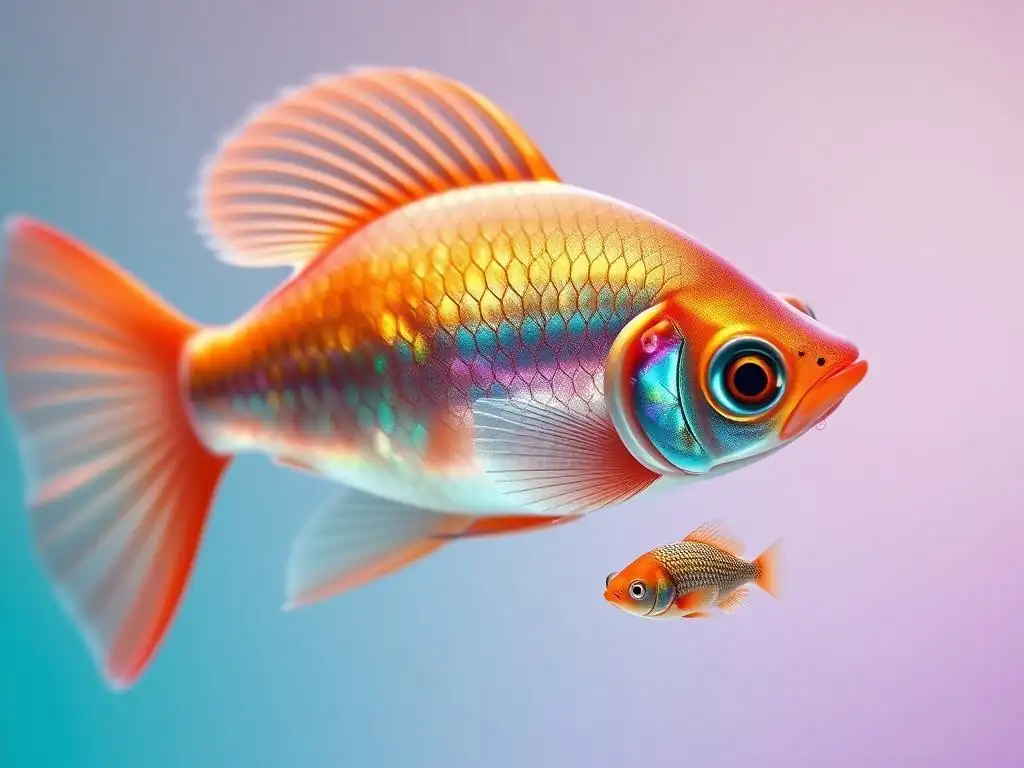
Mollies (Poecilia sphenops, P. latipinna, P. velifera, etc.) are another popular livebearer, celebrated for their robust bodies and diverse range of colors and fin shapes. They typically grow larger than guppies, with most common varieties reaching 2 to 4 inches (5 to 10 cm) in length, though the Sailfin Molly (P. velifera) can grow up to 6 inches (15 cm).
Their bodies are generally more stout and less streamlined than guppies, and they come in an impressive array of solid colors and patterns. Common colorations include black (the popular Black Molly), silver, gold, white, and spotted variations like Dalmatian Mollies.
Beyond color, mollies also exhibit various fin and body mutations. The Lyretail Molly features elongated, lyre-shaped caudal fins, similar to some guppy varieties. The Balloon Molly is a distinct, selectively bred form characterized by a shortened, rounded body, which gives them a unique, almost spherical appearance.
Sailfin Mollies, particularly the P. latipinna and P. velifera species, are distinguished by their exceptionally large, sail-like dorsal fins, especially pronounced in males, which they display during courtship. This wide selection of forms and colors ensures that mollies offer significant visual interest, making them a strong contender for the best livebearer for beginners seeking diversity.
Molly Care Requirements: Brackish Water Considerations
Molly care requirements share similarities with other livebearers but have a notable distinction: their preference for slightly harder, often alkaline, and even mildly brackish water. While many common molly varieties can adapt to pure freshwater, they generally thrive and are more resistant to disease in water with a pH of 7.5-8.5 and a hardness (GH) of 15-30 dGH.
A temperature range of 75-82°F (24-28°C) is ideal. For optimal health, particularly for species like Sailfin Mollies, adding aquarium salt (approximately 1 teaspoon per 5 gallons or 19 liters) can mimic their natural brackish habitats and significantly improve their well-being, though this limits compatible tank mates.
Regarding tank size, a minimum of 20 gallons (75 liters) is recommended for a small group of mollies, as they are more active and generally larger than guppies. For Sailfin Mollies, a 30-gallon (114 liters) tank or larger is preferable. Like guppies, mollies are omnivores. A high-quality flake food should form the staple of their diet, supplemented with live or frozen foods such as brine shrimp, bloodworms, and daphnia. They also benefit significantly from plant matter; spirulina flakes, blanched zucchini, or algae wafers should be offered regularly, as their natural diet includes algae and plant detritus.
Mollies are generally peaceful and active fish, making them suitable for many community aquariums, though their temperament can sometimes be a bit more boisterous than guppies or platies. They are schooling fish and thrive when kept in groups of at least 3-5 individuals. Similar to guppies, it is advisable to maintain a ratio of one male to two or three females to prevent excessive male harassment of females, which can lead to stress and fin nipping among males competing for mates. Their constant activity and playful chasing add a lively dynamic to the tank.
When selecting tank mates, choose species that can tolerate similar water parameters, especially if you opt for slightly brackish conditions. Good freshwater companions include other hardy livebearers like guppies and platies, larger tetras (e.g., Black Skirt Tetras), peaceful barbs (e.g., Cherry Barbs), Corydoras catfish, and larger rasboras. Avoid very small or delicate fish that might be intimidated by their size or activity level, as well as aggressive species. If keeping mollies in brackish water, compatible tank mates might include certain gobies, bumblebee fish, or specific types of larger shrimp that can tolerate the salinity.
Pros and Cons of Keeping Mollies
Mollies present several advantages, making them a viable option as a best livebearer for beginners, especially for those interested in slightly larger, more robust fish. Their diverse range of colors and unique body shapes, such as the striking Black Molly or the distinct Balloon Molly, offer significant aesthetic appeal. They are generally hardy and active, bringing a lively presence to the aquarium. Mollies are also prolific breeders, allowing aquarists to observe the fascinating reproductive cycle, similar to guppies. Their adaptability to a range of water conditions, including slightly brackish water, offers flexibility for different tank setups.
However, there are a few considerations when keeping mollies. Their preference for harder, more alkaline water, and sometimes brackish conditions, means they might not be compatible with all freshwater community fish that prefer softer, more acidic water. Sailfin mollies, in particular, require larger tanks due to their potential adult size of up to 6 inches (15 cm).
Like other livebearers, their rapid breeding can quickly lead to overpopulation if not managed. Additionally, some mollies, especially males, can be prone to fin nipping among themselves or towards other long-finned fish if not kept in appropriate group sizes or if space is limited.
Platy Profile: A Hardy and Peaceful Livebearer
Platy Appearance and Color Variations
Platies (Xiphophorus maculatus) are small, colorful livebearers highly prized for their peaceful nature and wide array of vibrant color variations. They typically grow to a size of 1.5 to 2.5 inches (3.8 to 6.3 cm), making them slightly larger than guppies but generally smaller than most mollies. Their body shape is somewhat stockier than a guppy, with a slightly flattened profile. What truly sets platies apart is their incredible spectrum of colors, which range from solid reds, oranges, yellows, and blues to patterns like spots, stripes, and blotches.
Common platy varieties include the Red Platy, Sunset Platy (red and yellow), Wagtail Platy (solid body color with black fins), Mickey Mouse Platy (named for the black pattern near the caudal fin resembling Mickey Mouse's head), and the Comet Platy (with elongated caudal fin rays). Many varieties also feature iridescent scales or metallic sheens, adding further visual interest. This extensive genetic diversity, combined with their generally robust health, makes the platy a strong contender for the best livebearer for beginners who prioritize a kaleidoscope of color and a tranquil tank environment.
Platy Care Requirements: Adaptability and Ease of Care
Platies are among the most adaptable and easy-to-care-for freshwater fish, making them an excellent choice for new aquarists. They thrive in a minimum tank size of 10 gallons (38 liters) for a small group, though a 20-gallon (75 liters) tank is preferable for a more stable environment and a larger group.
They are quite tolerant of varying water parameters, ideally preferring a temperature range of 72-78°F (22-26°C), a pH of 6.8-8.0, and moderate to hard water (10-25 dGH). Their wide tolerance range contributes significantly to their status as a best livebearer for beginners, as it reduces the stress of precise water chemistry management.
Their diet is omnivorous, with a strong inclination towards plant matter, making them beneficial for controlling algae growth in the aquarium. A high-quality flake food designed for tropical fish should be their staple, supplemented with spirulina flakes, blanched vegetables (like zucchini or peas), and occasional live or frozen foods such as brine shrimp, daphnia, or bloodworms. Feeding small amounts two to three times a day is recommended, ensuring they consume the food within a few minutes to prevent overfeeding and water pollution. Regular weekly water changes of 25% are crucial for maintaining optimal water quality and preventing disease.
Platy Temperament and Community Tank Suitability
Platies are widely regarded as one of the most peaceful and docile livebearer species, making them exceptionally well-suited for virtually any community aquarium. They are social fish and do best when kept in groups of at least five or six individuals, allowing them to feel secure and display their natural behaviors.
While a male-to-female ratio of 1:2 or 1:3 is recommended to prevent excessive attention on a single female, platies are generally less prone to the aggressive chasing behaviors sometimes seen in guppies or mollies. Their calm demeanor and constant, yet gentle, activity add a pleasant vibrancy to the tank without causing disruption.
Their peaceful nature makes them compatible with a vast array of other non-aggressive community fish. Ideal tank mates include other small livebearers like guppies and mollies, various tetra species (e.g., Neon Tetras, Rummy Nose Tetras), Rasboras, Corydoras catfish, Otocinclus catfish, and peaceful dwarf cichlids. They also coexist well with most freshwater snails and peaceful shrimp species like Amano shrimp or Cherry shrimp. Avoid keeping platies with large, aggressive, or fin-nipping fish that could stress or injure them. Their amiable temperament further solidifies their position as an excellent best livebearer for beginners aiming for a harmonious multi-species tank.
Pros and Cons of Keeping Platies
Platies offer a compelling list of advantages that position them as an ideal and best livebearer for beginners. Their primary benefits include their exceptionally peaceful temperament, making them perfect for diverse community tanks without causing stress to other inhabitants. They boast an impressive range of vibrant colors and patterns, providing significant visual appeal.
Platies are remarkably hardy and adaptable, tolerating a wide range of water conditions, which reduces the learning curve for new aquarists. They are also relatively easy to breed, allowing for the rewarding experience of raising fry, and their omnivorous diet, which includes a penchant for algae, can aid in tank maintenance.
However, like all fish, platies do have a few minor considerations. While less prolific than guppies, their breeding can still lead to rapid population growth if not managed, potentially overstocking a smaller tank. They are generally smaller than mollies, so they might be less suitable for aquarists seeking larger, more imposing fish. While hardy, they can be susceptible to common fish diseases if water quality is neglected. Overall, the cons are relatively minor compared to the extensive benefits, making platies a consistently strong recommendation for a best livebearer for beginners.
Guppy vs. Molly vs. Platy: A Detailed Comparison
Size and Appearance Comparison
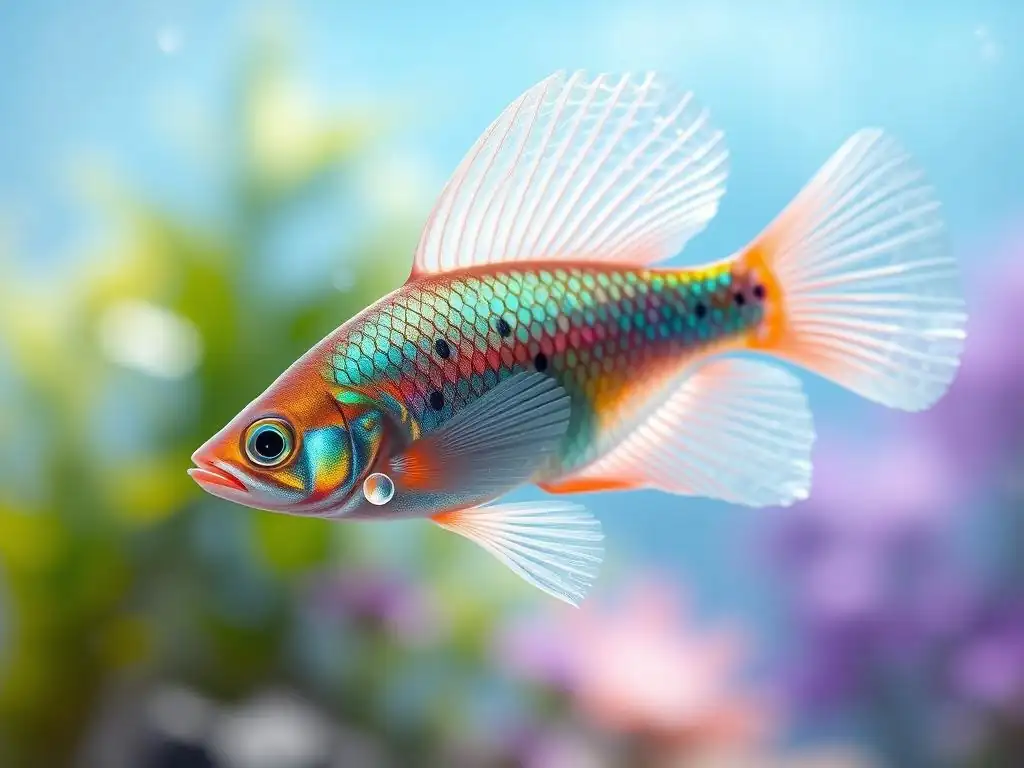
When comparing guppies, mollies, and platies, their size and appearance are often the first distinguishing factors. Guppies are typically the smallest, with males reaching 1-1.5 inches (2.5-3.8 cm) and females up to 2.5 inches (6.3 cm). They are renowned for their slender bodies and the males' flamboyant, flowing fins and dazzling array of colors and patterns, such as the intricate mosaic or cobra designs.
Platies are slightly larger and more robust than guppies, generally growing to 1.5-2.5 inches (3.8-6.3 cm) for both sexes. They have a stockier body shape and are celebrated for their solid, vibrant colors like red, orange, and yellow, often with distinct patterns like the "Mickey Mouse" marking.
Mollies are generally the largest of the three, with common varieties ranging from 2-4 inches (5-10 cm), and Sailfin Mollies potentially reaching up to 6 inches (15 cm). Their bodies are stout and often more elongated than platies. Mollies come in a wide range of solid colors, including the iconic Black Molly, silver, and spotted variations like the Dalmatian.
They also feature unique body forms like the "Balloon Molly" and impressive dorsal fins in Sailfin varieties. While all three offer a spectrum of colors, guppies excel in intricate finnage, platies in solid, bright body colors, and mollies in larger size and unique body/fin forms, offering a distinct visual choice for the best livebearer for beginners.
Water Parameter Requirements: Which is the Most Forgiving?
Understanding the water parameter requirements is crucial for selecting the best livebearer for beginners, as it directly impacts their health and longevity. Platies are arguably the most forgiving and adaptable. They thrive in a broad range of freshwater conditions, ideally with a temperature of 72-78°F (22-26°C), a pH of 6.8-8.0, and moderate to hard water (10-25 dGH). This wide tolerance makes them highly resilient to minor fluctuations, a significant advantage for new aquarists still learning about water chemistry.
Guppies also exhibit good adaptability, preferring temperatures of 72-82°F (22-28°C), a pH of 6.8-7.8, and moderate to hard water (8-18 dGH). While generally hardy, fancy guppy strains can be slightly more sensitive to poor water quality due to their elaborate finnage. Mollies, while adaptable, have a distinct preference for harder, more alkaline water, with an ideal pH of 7.5-8.5 and very hard water (15-30 dGH).
Many molly varieties, especially Sailfin Mollies, benefit from the addition of aquarium salt to mimic their natural brackish habitats, tolerating temperatures from 75-82°F (24-28°C). This specific preference makes mollies less universally compatible with all freshwater community fish compared to guppies and platies.
Temperament and Compatibility: Creating a Peaceful Community Tank
The temperament of livebearers plays a key role in creating a harmonious community tank. Platies are widely considered the most peaceful and docile of the three. They exhibit very little aggression and rarely bother other fish, making them an excellent choice for a serene multi-species aquarium. They are social and thrive in groups, interacting calmly with their tank mates. Their gentle nature ensures they are a top contender for the best livebearer for beginners focused on community setups.
Guppies are also generally peaceful and active, but male guppies can sometimes be persistent in chasing females, especially if the male-to-female ratio is imbalanced (ideally 1 male to 2-3 females). While they don't typically bother other species, their long, flowing fins can be tempting targets for fin-nippers if housed with incompatible tank mates. Mollies, while largely peaceful, can occasionally be more boisterous or assertive than guppies or platies, especially larger individuals or males competing for females.
Fin-nipping among mollies themselves can occur if space is limited or if male-to-female ratios are not maintained. Therefore, while all three can fit into community tanks, platies offer the most consistently calm demeanor.
Breeding Habits and Population Control: Managing Livebearer Prolificacy
All three livebearer species are renowned for their prolific breeding habits, a fascinating aspect for new aquarists but also a significant factor in population management. Guppies are arguably the most prolific, with females capable of giving birth every 20-30 days to anywhere from 20 to over 100 fry. Their gestation period is typically around 21-30 days. This rapid reproduction means a tank can quickly become overpopulated, necessitating strategies for fry management.
Platies are also prolific breeders, with females capable of producing fry every 28-30 days, usually yielding 10-40 fry per brood. While still frequent, their fry count per brood is often lower than guppies, making population control slightly more manageable. Mollies have a gestation period of approximately 30-40 days, and females can give birth to 20-100+ fry.
Their slightly longer gestation and sometimes larger fry can make them seem less "overwhelming" than guppies, but they still require careful population management. For any of these species, introducing natural predators (like certain larger, peaceful fish) or having a plan for rehoming fry is essential to prevent overcrowding, a critical consideration for the best livebearer for beginners.
Disease Susceptibility: Which Livebearer is the Hardiest?
When considering the best livebearer for beginners, disease susceptibility is an important factor. Platies are widely considered one of the hardiest and most disease-resistant freshwater fish available. Their broad tolerance for water parameters and generally robust immune systems make them less prone to common ailments like Ich (white spot disease) or fin rot, provided proper tank maintenance and water quality are maintained. This resilience makes them very forgiving for new aquarists who might experience initial fluctuations in tank conditions.
Guppies are generally hardy, but fancy strains with elaborate fins can be more susceptible to fin rot or fungal infections if water quality deteriorates, or if their fins are damaged by nipping. They can also be prone to Ich, especially if stressed. Mollies, while robust, are particularly sensitive to poor water quality, especially low pH or soft water.
They are more prone to fungal infections and "shimmies" (a nervous twitching) if kept in unsuitable conditions, often benefiting from the addition of aquarium salt to prevent such issues. Therefore, while all can thrive with good care, platies generally present the lowest risk of disease for the novice aquarist.
Selecting the Right Livebearer: Factors to Consider
Your Tank Size and Setup
The size of your aquarium is a fundamental factor in determining the best livebearer for beginners. For smaller tanks, specifically 10-gallon (38-liter) setups, guppies and platies are excellent choices. A 10-gallon can comfortably house a small group of 3-5 guppies or platies, allowing them sufficient space to swim and establish territories without becoming overcrowded. Their relatively small adult size ensures they won't quickly outgrow the tank, provided their population is managed.
For larger tanks, such as 20 gallons (75 liters) or more, all three species become viable options. Mollies, being larger and more active, particularly Sailfin varieties that can reach 6 inches (15 cm), truly thrive in tanks of 20 gallons (75 liters) or more. A 20-gallon tank can comfortably house a larger community of guppies or platies, or a small group of mollies.
Consider the tank's filtration system as well; a robust filter is crucial for livebearers due to their active metabolism and prolific breeding, which contribute to higher bioloads. Adequate plant cover and hiding spots are also essential, regardless of the species, to provide security and break up lines of sight.
Your Experience Level as an Aquarist
Your current experience level as an aquarist plays a significant role in selecting the best livebearer for beginners. For absolute novices taking their first plunge into fishkeeping, platies are often the top recommendation. Their exceptional hardiness, broad tolerance for water parameters, and consistently peaceful temperament make them incredibly forgiving of initial learning curves and minor mistakes. They are robust and less prone to stress, allowing new aquarists to build confidence in maintaining water quality and general fish care.
Guppies are also highly suitable for beginners, particularly those fascinated by vibrant colors and easy breeding. While slightly less resilient than platies to extreme water fluctuations, their general hardiness and availability make them a popular choice.
Mollies, on the other hand, are best suited for beginners who have perhaps managed a successful 10-gallon tank or are willing to commit to slightly more specific water parameters, especially if considering adding aquarium salt to mimic their preferred brackish conditions. Their larger size and potential for specific water needs mean they require a bit more attention to detail than platies or guppies, though they are still far more beginner-friendly than many other fish species.
Your Preferred Fish Appearance and Temperament
When choosing the best livebearer for beginners, personal preference for fish appearance and temperament is a key deciding factor. If you're drawn to dazzling, intricate finnage and a kaleidoscope of colors, especially in smaller, active fish, guppies are likely your ideal match. Their male's elaborate tails and vibrant patterns make them living jewels in the aquarium, and their constant movement adds dynamic energy. However, be mindful of their potential for incessant male chasing.
If you prefer a slightly larger, stockier fish with bold, solid colors or unique body shapes, mollies could be the perfect fit. The striking Black Molly, the unique Balloon Molly, or the impressive Sailfin Molly offer distinct visual appeals. Their temperament is generally peaceful, but they can be a bit more assertive than guppies or platies, so they suit an aquarist who enjoys a lively, active tank.
If a consistently calm, peaceful fish with bright, cheerful colors is your priority, platies are an excellent choice. Their amiable nature makes them fantastic community members, and their wide range of solid reds, oranges, and yellows ensures a vibrant display without the potential for boisterous behavior.
Available Tank Mates and Compatibility
Considering your existing or planned tank mates is crucial for selecting the best livebearer for beginners to ensure a harmonious environment. If your aquarium already houses small, peaceful fish like Neon Tetras, Corydoras catfish, or small rasboras, then platies are an almost universally compatible choice. Their exceptionally peaceful temperament means they will rarely cause issues with other docile species and are unlikely to be bothered themselves, provided the tank mates are not aggressive.
Guppies also integrate well with many peaceful community fish. However, due to the males' long, flowing fins, it's vital to avoid any known fin-nippers such as Tiger Barbs or certain types of larger Danios, which could stress or injure the guppies. Mollies, while generally peaceful, can be slightly more assertive due to their larger size and activity level.
If you plan to keep mollies, ensure their tank mates are robust enough not to be intimidated and can tolerate similar water parameters, especially if you opt to add aquarium salt to the molly tank. Avoid very small or delicate fish with mollies. Ultimately, all three can be excellent community fish, but platies offer the broadest compatibility with the widest range of peaceful species.
Tips for Successfully Keeping Livebearing Fish
Maintaining Optimal Water Quality
Maintaining optimal water quality is paramount for the health and longevity of any livebearing fish, making it a critical tip for the best livebearer for beginners. These fish, especially due to their active metabolism and prolific breeding, contribute significantly to the bioload of an aquarium. Regular weekly water changes of 25-30% are essential to remove nitrates, phosphates, and other accumulated waste products, preventing their buildup to toxic levels.
Using a reliable water testing kit to monitor key parameters like ammonia, nitrite, and nitrate levels is highly recommended. Ammonia and nitrite should always read zero, while nitrates should be kept below 20 ppm.
Beyond water changes, effective filtration is crucial. A good quality hang-on-back (HOB) filter or internal filter with mechanical, chemical, and biological media will help keep the water clear and free of toxins. Ensure the filter is appropriately sized for your tank volume and bioload. Additionally, avoid overfeeding, as uneaten food quickly decomposes and pollutes the water. Establishing a consistent maintenance routine, including gravel vacuuming to remove debris from the substrate, will significantly contribute to a stable and healthy environment for your guppies, mollies, and platies.
Providing a Balanced Diet
Providing a balanced and varied diet is fundamental to the health, vibrant coloration, and breeding success of livebearing fish, a key aspect for the best livebearer for beginners to master. While high-quality flake food should form the staple of their diet, it's crucial to supplement it with a range of other foods to ensure they receive all necessary nutrients. For guppies and platies, an omnivorous diet is ideal, meaning a mix of protein and vegetable matter. High-protein foods like live or frozen brine shrimp, daphnia, and bloodworms should be offered 2-3 times a week.
Mollies, while also omnivorous, have a stronger inclination towards plant matter. They benefit significantly from spirulina flakes, blanched vegetables such as zucchini or shelled peas, and algae wafers. Offering these vegetable-based foods regularly can aid their digestion and prevent common issues. Regardless of the species, feed small amounts that your fish can consume within 2-3 minutes, two to three times a day. Overfeeding is a common mistake that leads to water quality issues and potential health problems for the fish. A varied diet not only keeps your livebearers healthy but also enhances their natural colors and behaviors.
Preventing and Treating Common Diseases
Preventing common diseases is far easier than treating them, a vital lesson for any best livebearer for beginners. The primary preventive measure is maintaining consistently high water quality through regular water changes and efficient filtration. Poor water conditions are the leading cause of stress and disease in aquarium fish. Ensuring stable water parameters (temperature, pH, hardness) and avoiding sudden fluctuations also minimizes stress on their immune systems. A balanced diet, as previously mentioned, boosts their natural resilience.
Despite best efforts, livebearers can occasionally fall ill. Common ailments include Ich (white spot disease), fin rot, and fungal infections. Ich, identifiable by small white spots resembling salt grains, is often treated by gradually raising the tank temperature to 82-86°F (28-30°C) for several days (if compatible with tank mates) and/or using over-the-counter Ich medications. Fin rot and fungal infections, often appearing as frayed fins or cotton-like growths, are typically a sign of poor water quality and are treated with partial water changes and appropriate antibacterial or antifungal medications.
Always isolate sick fish in a separate quarantine tank if possible to prevent spread and facilitate treatment. Early detection and prompt action are key to successful recovery.
Managing Breeding and Population Growth
Managing breeding and population growth is a unique and often challenging aspect of keeping livebearing fish, particularly for the best livebearer for beginners. Guppies, mollies, and platies are all incredibly prolific, and a single female can produce dozens of fry every month. Without intervention, a tank can quickly become overpopulated, leading to increased bioload, stunted growth, and stressed fish. One common strategy is to keep only males if you wish to avoid breeding entirely, though this limits natural behavior.
If breeding is desired, a male-to-female ratio of 1:2 or 1:3 is recommended to reduce stress on the females. To control population, you can introduce natural predators such as dwarf cichlids (e.g., German Blue Rams) or larger tetras (e.g., Serpae Tetras) that will naturally consume some of the fry, provided they are compatible with the adult livebearers and the tank size. Alternatively, you can regularly remove excess fry and rehome them to other aquarists or local fish stores.
Providing ample hiding spots (dense planting, floating plants, caves) for fry can increase their survival rates if you wish to raise them, but this also contributes to faster population growth. Having a clear plan for fry management is essential for long-term success with these prolific breeders.
Conclusion: Finding the Ideal Livebearer for Your Aquarium
Recap of Guppy, Molly, and Platy Characteristics
Choosing the best livebearer for beginners involves understanding the distinct characteristics of guppies, mollies, and platies. Guppies are the smallest and most visually flamboyant, with males showcasing an astonishing variety of colors and elaborate finnage. They are incredibly prolific breeders and generally peaceful, though males can be persistent.
Platies are slightly larger, stockier, and known for their vibrant, solid colors and consistently peaceful temperament, making them highly adaptable and arguably the hardiest of the three. Mollies are the largest, offering unique body shapes like the Balloon Molly and impressive Sailfin fins, often preferring harder, more alkaline, and sometimes brackish water conditions.
All three species are livebearers, meaning they give birth to live fry, and are generally hardy, making them accessible to new aquarists. Guppies offer unparalleled visual diversity and rapid breeding. Platies provide robust health and a truly peaceful demeanor for community tanks. Mollies offer size, unique forms, and a preference for specific water parameters that can be explored. Each has its charm and specific care nuances, but all share the common trait of being excellent entry points into the fascinating world of aquarium keeping.
Making an Informed Decision Based on Your Needs and Preferences
Ultimately, the decision of which livebearer is right for you, or which is the best livebearer for beginners, hinges on your specific aquarium setup, personal preferences, and commitment level. If you have a smaller tank (10 gallons) and are captivated by a dazzling display of color and intricate fins, with an interest in prolific breeding, guppies are an excellent choice. Be prepared for rapid population growth and consider a higher female-to-male ratio.
If you prioritize a consistently peaceful temperament, exceptional hardiness, and bright, cheerful colors for a community tank, platies are likely your ideal match. They are highly forgiving and adaptable, making them a worry-free option for new aquarists. If you have a larger tank (20 gallons+) and are interested in slightly larger fish with unique forms, or are willing to explore the nuances of harder, alkaline, or even mildly brackish water, mollies can be a rewarding choice.
Consider their potential for being more assertive and their specific water preferences. By aligning these fish profiles with your resources and interests, you can confidently select the ideal livebearer to begin your aquatic journey.
Further Resources for Livebearer Care from Aquarium Mastery
Aquarium Mastery is dedicated to providing comprehensive guidance for aquarists of all levels. To further enhance your success in keeping livebearing fish, we recommend exploring our extensive library of resources. Our "Freshwater Fish" category offers detailed profiles on various species, care guides, and compatible tank mate suggestions. Specifically, within the "Livebearers (Guppies, Mollies, Platies): Profiles & Prolific Breeding" subcategory, you will find in-depth articles on managing livebearer populations, advanced breeding techniques, and troubleshooting common health issues specific to these prolific fish.
We also offer detailed guides on "Water Chemistry Basics" and "Aquarium Setup and Cycling" to ensure you establish and maintain optimal conditions for your chosen livebearers. For more specific concerns, our "Troubleshooting Common Tank Issues" section addresses everything from algae control to disease identification and treatment. By utilizing these resources, you can ensure your guppies, mollies, or platies thrive, making your journey as an aquarist both enjoyable and successful.
Frequently Asked Questions
What makes a livebearer a good choice for a beginner aquarist?
Livebearers are often recommended for beginners due to their ease of breeding and relatively hardy nature. They also exhibit interesting behaviors that are fun to observe.
What are the key differences between guppies, mollies, and platies?
Guppies are known for their vibrant colors and elaborate tails, while mollies are larger and come in a wider variety of body shapes and fin types. Platies are generally smaller and more peaceful, with a simpler color palette.
Which of these livebearers is the most tolerant of fluctuating water parameters?
Platies are generally considered the most forgiving of the three when it comes to minor fluctuations in water parameters. Guppies and especially mollies require more stable conditions to thrive.
Do guppies, mollies, and platies have different dietary needs?
While all three are omnivores, mollies benefit from a diet with more vegetable matter. Guppies and platies do well with a balanced flake food supplemented with occasional treats.
What size tank is recommended for keeping guppies, mollies, or platies?
A 10-gallon tank can comfortably house a small group of guppies or platies. Mollies, due to their larger size, require a minimum of 20 gallons, and ideally larger, especially if keeping multiple.
The vibrant world of livebearing fish offers a captivating entry point into aquarium keeping, and as we've explored the unique characteristics of guppies, mollies, and platies, it becomes clear that choosing the best livebearer for beginners is a deeply personal decision. The information presented here, from their individual needs to their distinct personalities, serves as a roadmap for navigating this aquatic landscape and setting up a thriving ecosystem.
This journey into the world of livebearers has underscored the importance of responsible pet ownership and the profound impact even small creatures can have on our lives. The joy of witnessing new life flourish in your own aquarium, the satisfaction of providing a healthy environment, and the simple beauty of these colorful fish are experiences that resonate deeply. In the end, we will conserve only what we love; we will love only what we understand; and we will understand only what we are taught.
- Baba Dioum. This quote reminds us that understanding and appreciating these creatures is the first step towards responsible care and conservation.
Now, armed with this knowledge, I invite you to reflect on your own aspirations as an aquarist. Consider your available space, your commitment to maintenance, and the aesthetic you wish to create. Choose wisely, care diligently, and allow the captivating world of livebearers to enrich your life with beauty, wonder, and the quiet satisfaction of nurturing a thriving aquatic community.
Dive Deeper: Transform Your Tank Today!
Thanks for exploring the fascinating world of livebearers with us! We hope you've gained the knowledge to make the best choice for your aquarium. Now, let's put that knowledge into action.
- Embark on Your Livebearer Journey: Visit your local fish store this week and observe guppies, mollies, and platies firsthand. Talk to the staff, ask questions, and envision which species would thrive in your tank.
- Document your findings: Keep a record of water parameters of potential fish, that way you have a clear idea of what type of fish will be more suitable to your aquarium.
- Share Your Dream Tank Vision: Post a photo of your current aquarium setup on social media, tagging us @AquariumMastery and describing which livebearer you’re considering and why!
Ready to bring the vibrant world of livebearers into your home aquarium?