
Specialized Diets: What to Feed Your Pickiest Aquarium Fish for Optimal Health


Welcome to Aquarium Mastery!
Ever feel like you're running a five-star restaurant for a bunch of tiny, demanding food critics? We get it! Figuring out what to feed your picky fish can be a real puzzle. Dive into our latest article, " Specialized Diets: What to Feed Your Pickiest Aquarium Fish for Optimal Health," and unlock the secrets to satisfying even the fussiest eaters in your freshwater or saltwater aquarium. Are they getting the nutrients they need? Let's find out together and keep those scales sparkling!
- Understanding Picky Eating Habits in Aquarium Fish
- Picky Fish Diet Solutions: Tailoring Nutrition to Specific Needs
-
Addressing Specific Dietary Needs of Common Picky Fish Species
- Discus Dietary Needs: Meeting the Demands of a Delicate Eater
- Marine Fish Dietary Needs: Nutritional Considerations for Saltwater Picky Eaters
- Freshwater Fish Dietary Needs: Nutritional Considerations for Freshwater Picky Eaters
- Seahorse Dietary Needs: Specialized Feeding for Syngnathidae
- Mandarin Dragonet Dietary Needs: Encouraging Feeding in a Challenging Species
- Optimizing Aquarium Conditions to Encourage Feeding
- Supplementing Your Picky Fish's Diet for Optimal Health
- Preventing Picky Eating Habits: Establishing Healthy Feeding Practices
- Troubleshooting Common Feeding Problems with Picky Fish
- Long-Term Dietary Management for Picky Aquarium Fish
-
Frequently Asked Questions
- What are some common signs that my aquarium fish is being picky with its food?
- What factors could contribute to a fish becoming a picky eater in an aquarium?
- What are some practical strategies for getting a picky fish to accept a wider variety of foods?
- How important is water quality in addressing picky eating habits in fish?
- Besides food, what other environmental factors should I consider if my fish is a picky eater?
- Final Reflection: Cultivating a Thriving Underwater World
- Unlock Your Fish's Full Potential!
Understanding Picky Eating Habits in Aquarium Fish
Identifying Picky Eaters: Recognizing Feeding Challenges
Recognizing a picky eater in your aquarium is the first step towards resolving nutritional deficiencies. Observable signs include a fish consistently refusing to eat offered food, spitting out food after taking it into its mouth, or simply ignoring it as it drifts by.
You might also notice a fish becoming emaciated despite ample food being available in the tank, or exhibiting stunted growth compared to tank mates of the same age. For instance, a healthy adult Betta fish typically consumes its food within a few minutes, but a picky one might let flakes float by for over 15 minutes before showing any interest, or only pick at one specific type of pellet while leaving others untouched.
Beyond direct food refusal, observing feeding dynamics can reveal subtle picky eating behaviors. Some fish might be slow eaters who get outcompeted by more aggressive tank mates, effectively becoming picky because they don't get enough opportunity to feed.
If you notice a fish consistently appearing with a sunken belly or a 'razorback' appearance over a period of 1-2 weeks, despite regular feeding attempts, it's a strong indicator of an insufficient diet, whether due to pickiness or competition. For example, a group of neon tetras might rush to food, but one individual consistently hangs back, only occasionally nibbling at the smallest crumbs.
Common Reasons for Finicky Feeding Behavior in Fish
Finicky feeding behavior in aquarium fish can stem from a variety of factors, often related to their environment or internal health. Environmental stress is a primary culprit; poor water quality, such as elevated ammonia levels (even above 0.1 ppm), high nitrites, or rapid pH swings (e.g., a drop of 0.5 pH units in 24 hours), can significantly suppress a fish's appetite.
Overcrowding, aggressive tank mates, or a lack of suitable hiding spots can also induce chronic stress, leading to a reluctant feeder. Consider a shy dwarf cichlid that might refuse to eat if constantly harassed by a dominant angelfish, even if food is available.
Another significant reason for pickiness is illness, including internal parasites, bacterial infections, or even viral conditions. A fish that suddenly stops eating or becomes unusually picky might be showing early signs of disease. Furthermore, a new environment, such as a recently acquired wild-caught fish, can cause a temporary feeding strike as the fish adjusts to its new surroundings and unfamiliar foods.
Natural dietary preferences also play a crucial role; a strict herbivore like an Otocinclus catfish will ignore meaty foods, just as a carnivore like a Betta might refuse algae wafers. A fish's previous diet history, especially if it was fed a monotonous diet, can also lead to pickiness when new foods are introduced.
The Impact of Poor Diet on Fish Health and Longevity
A consistent poor or insufficient diet has severe long-term consequences for aquarium fish, significantly impacting their health and lifespan. Nutritional deficiencies weaken the immune system, making fish highly susceptible to a range of diseases. For instance, a lack of essential vitamins like Vitamin C can lead to skeletal deformities such as scoliosis, while Vitamin A deficiency can impair vision and cause poor growth. Fish fed a diet lacking in necessary fatty acids often display dull coloration, lethargy, and a general lack of vigor, making them prime targets for opportunistic infections like fin rot or Ich.
Beyond immediate health issues, a prolonged inadequate diet can lead to organ damage, reproductive failure, and a drastically reduced lifespan. Research indicates that fish fed a consistently balanced and varied diet can live 20-30% longer than those receiving a nutritionally deficient one. For example, a healthy adult guppy fed a diverse diet might live for 2-3 years, whereas one consistently fed only low-quality flakes might only survive for 6-12 months due to a compromised immune system and organ stress. Addressing these issues with appropriate picky fish diet solutions is paramount for their well-being.
Picky Fish Diet Solutions: Tailoring Nutrition to Specific Needs
Assessing Your Fish's Dietary Requirements: A Step-by-Step Guide
To effectively implement picky fish diet solutions, a thorough assessment of your fish's specific dietary requirements is crucial. Begin by researching the natural diet of your fish species. Is it primarily a herbivore, feeding on plant matter and algae, like a Bristlenose Pleco? Is it a carnivore, relying on insects and small invertebrates, such as a Betta or an Oscar?
Or is it an omnivore, consuming a mix of both, like many common community fish such as Tetras? Understanding their natural feeding habits provides a foundation for selecting appropriate foods. Also, consider their mouth structure and natural feeding zone—surface feeders have upturned mouths, mid-water feeders have terminal mouths, and bottom feeders have downturned mouths.
Once you understand their natural inclinations, observe their feeding behavior within your specific tank environment. Pay close attention to which fish eat what, how quickly they consume food, and where they tend to feed. For instance, if you drop sinking pellets and only the larger, more aggressive fish reach them, while smaller or shyer fish miss out, it indicates a competition issue rather than inherent pickiness.
Check the stomach condition of your fish; a healthy, well-fed fish should have a slightly rounded belly after eating, not a sunken or concave appearance. Consistent observation over several feeding sessions (e.g., 5-10 minutes each time) will provide valuable insights into their preferences and any potential underlying issues.
Specialized Food Types for Picky Eaters: A Comprehensive Overview
Live Foods: Tempting Options for Reluctant Feeders
Live foods are often the most effective solution for enticing reluctant or extremely picky eaters. Their natural movement and scent are highly palatable and can trigger a strong feeding response that prepared foods cannot. Common examples include live brine shrimp, bloodworms, daphnia, and blackworms. These options are excellent for conditioning breeding fish or for encouraging newly acquired or wild-caught fish to eat. For instance, many marine fish, such as Mandarinfish, will readily accept live copepods when they refuse all other food types, due to their natural hunting instincts.
While highly effective, live foods do carry some risks, primarily the potential for introducing parasites or diseases into your aquarium if not sourced from reputable, clean suppliers. For example, some live bloodworm batches have been found to carry harmful bacteria if not properly quarantined. They also require a consistent supply and can be more expensive than other food types. Despite these considerations, for a truly finicky fish facing malnutrition, the immediate benefit of improved feeding often outweighs these risks, making them a vital tool in picky fish diet solutions.
Frozen Foods: Mimicking Natural Diets
Frozen foods offer an excellent compromise between the palatability of live foods and the convenience and safety of prepared options. They retain much of their nutritional value and are generally free of parasites once properly frozen. Popular choices include frozen bloodworms, mysis shrimp, brine shrimp, spirulina, and various specialized blends containing krill or fish eggs. Many aquarists find that frozen mysis shrimp, due to their high protein content and natural appearance, are particularly effective for enticing a wide range of marine and freshwater picky eaters, from seahorses to discus.
Proper preparation of frozen foods is essential to maximize their benefit and minimize tank pollution. Always thaw frozen foods in a small amount of tank water before feeding; never drop frozen cubes directly into the tank, as this can cause temperature fluctuations and is less digestible. Only offer small portions that your fish can consume within 2-3 minutes to prevent uneaten food from decaying and fouling the water. A typical small cube of frozen food might contain enough for 5-10 small fish for one meal. This method offers a safe and nutritious component of many picky fish diet solutions.
Prepared Foods: Finding the Right Formula for Picky Fish
Prepared foods, encompassing high-quality flakes, pellets (sinking or floating), wafers, and sticks, form the backbone of most aquarium diets due to their convenience and fortified nutritional profiles. For picky eaters, the key is to find the right formula. Look for brands known for their palatability and specific ingredients tailored to your fish's dietary needs. For example, Hikari Cichlid Bio-Gold is designed for larger cichlids, while Omega One Super Color Flakes contain higher levels of natural pigments for vibrant fish coloration. Consider smaller pellet sizes for fish with smaller mouths, such as 0.5mm micro-pellets for nano fish.
Many prepared foods incorporate palatability enhancers to encourage consumption. Some contain natural attractants like garlic extract (e.g., Seachem GarlicGuard can be soaked onto dry foods) or krill meal, which has a strong, appealing scent. Others are infused with probiotics to support digestive health. When selecting prepared foods for picky fish, it's often a process of trial and error. Offering a variety of high-quality brands and formulations is crucial, as a fish might refuse one brand's flake but readily accept another's pellet, even if the primary ingredients are similar. This strategic selection is vital for successful picky fish diet solutions.
Introducing New Foods: Transitioning Strategies for Picky Fish
Gradual Introduction Techniques
Introducing new foods to picky fish requires patience and a gradual approach to avoid overwhelming them. Begin by offering a very small amount of the new food mixed with a much larger portion of their currently accepted, familiar food. For instance, start with a ratio of 90% familiar food to 10% new food. Over several days or even weeks, slowly increase the proportion of the new food. This slow transition allows the fish to become accustomed to the new taste, texture, and scent without feeling threatened or refusing the entire meal.
Consistency is paramount during this process. Offer the mixed food at the same time each day, and be prepared for some initial refusal. Some particularly finicky species, like wild-caught Discus, might take 1-2 months to fully accept a new prepared food. Offering the new food first when the fish are hungriest, typically at the start of their daily feeding cycle, can also be effective. This strategy leverages their natural hunger drive to encourage sampling the unfamiliar item, making it a critical aspect of picky fish diet solutions.
Mixing New Foods with Familiar Favorites
A highly effective strategy for introducing new foods is to physically mix them with the fish's familiar favorites. This technique helps mask the new food's unfamiliar aspects with the appealing scent and taste of something they already love. For example, you can crumble new flakes into a small amount of thawed frozen bloodworms or mysis shrimp, or gently combine new pellets with a preferred live food like brine shrimp. The familiar scent and texture can encourage the fish to ingest the new food almost inadvertently.
This method also works well with liquid supplements or appetite stimulants. A few drops of a vitamin supplement like Selcon, which often has a strong, appealing odor, can be added to a portion of new dry food before offering it. This not only boosts the nutritional content but also makes the new food more attractive. For very small fish, crushing new pellets into a fine powder and mixing it with a favorite, slightly moist food can also be successful. This creative approach significantly increases the chances of acceptance and contributes to effective picky fish diet solutions.
Using Feeding Cues and Training Techniques
Fish are intelligent creatures capable of learning associations, and establishing feeding cues can be an effective technique for encouraging picky eaters. Consistently feeding your fish at the same time each day, in the same spot, creates a predictable routine. Some aquarists even use a specific light cue (e.g., turning on a dim light briefly before feeding) or a gentle tap on the tank to signal that food is coming. Over time, fish will associate these cues with mealtime, making them more eager and less hesitant to feed.
For extremely shy or particularly picky individuals, hand-feeding or using a feeding stick can build trust and encourage direct food consumption. This method is particularly useful for larger, more intelligent species like Oscars, some marine puffers, or even some types of seahorses, which can be trained to take food directly from fingers or tongs. While time-consuming, this direct interaction can overcome reluctance and ensure that the specific picky fish receives adequate nutrition, providing a targeted approach in the realm of picky fish diet solutions.
Addressing Specific Dietary Needs of Common Picky Fish Species
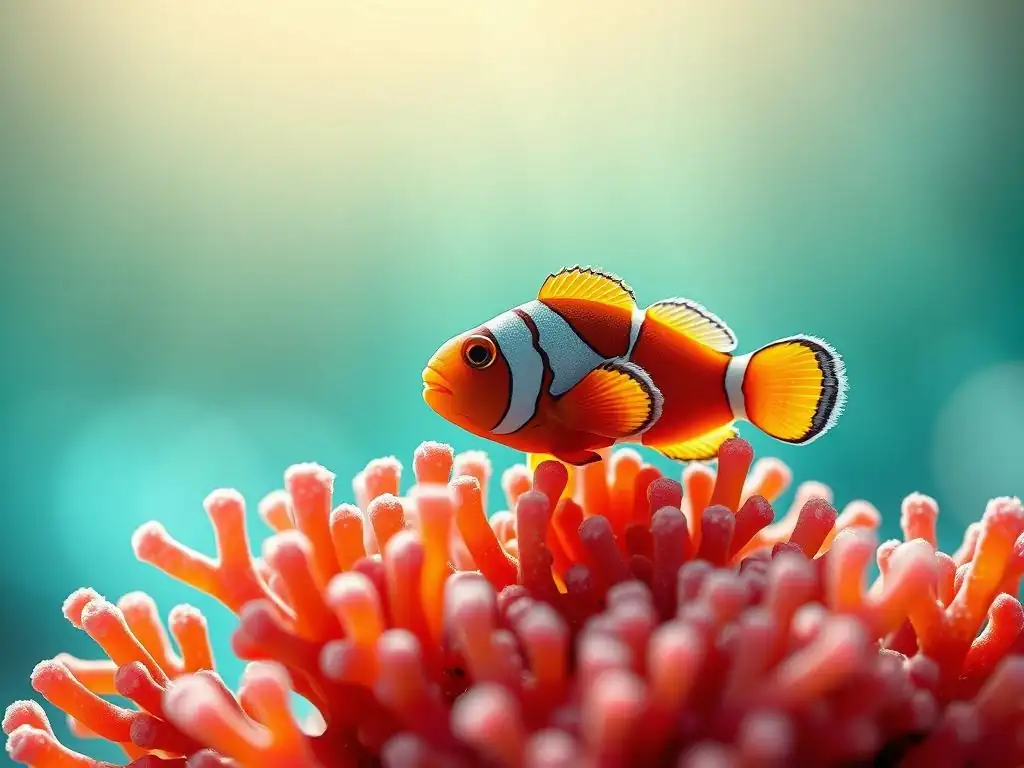
Discus Dietary Needs: Meeting the Demands of a Delicate Eater
Discus (Symphysodon species) are renowned for their beauty but also for their notoriously delicate and often picky eating habits. They are primarily carnivorous, requiring a high-protein diet. In the wild, they consume small invertebrates and insect larvae. In captivity, they often prefer frozen or live foods such as bloodworms, blackworms, and specialized beef heart mixes. Many commercial discus foods exist, but acceptance varies widely among individual fish. A survey of experienced discus keepers in 2021 revealed that over 70% relied heavily on a combination of frozen beef heart and bloodworms as primary food sources.
Discus are also slow eaters and can be easily outcompeted for food by faster, more aggressive tank mates. To ensure they receive adequate nutrition, multiple small feedings (3-5 times a day) are often necessary. Water quality is paramount for discus; even slight fluctuations in parameters or ammonia levels above 0 ppm can cause them to go off their food. Their sensitive nature and specific nutritional requirements mean that finding the right picky fish diet solutions for discus often involves significant trial and error and a commitment to high-quality, specialized foods.
Marine Fish Dietary Needs: Nutritional Considerations for Saltwater Picky Eaters
Many marine fish, especially those that are wild-caught or have highly specialized natural diets, can be incredibly picky eaters. Species like Mandarinfish (Synchiropus splendidus), Copperband Butterflyfish (Chelmon rostratus), and certain types of Angelfish often pose significant feeding challenges. For example, Copperband Butterflyfish naturally graze on aptasia anemones and small worms found on live rock, making them reluctant to accept prepared foods initially. Mandarinfish are micro-predators that rely almost exclusively on a constant supply of live copepods.
Common staples for marine fish include frozen mysis shrimp, enriched brine shrimp, and high-quality marine pellets. However, acceptance varies greatly. Some species, like certain Tangs (e.g., Yellow Tangs), require significant vegetable matter in their diet, such as dried nori seaweed or spirulina flakes, which can be clipped to the tank glass. For particularly challenging species, target feeding using a pipette or turkey baster to deliver food directly to the fish can be effective. Developing a diverse feeding regimen with a variety of marine-specific frozen foods is often key to successfully implementing picky fish diet solutions for saltwater aquariums.
Freshwater Fish Dietary Needs: Nutritional Considerations for Freshwater Picky Eaters
While often perceived as less challenging than marine species, many freshwater fish can also exhibit picky eating habits, particularly wild-caught specimens or those with very specific natural diets. Examples include some wild-caught characins that prefer small live insects, certain labyrinth fish that are finicky about flakes, or bottom dwellers like some types of Loaches that might only accept live blackworms over sinking pellets. Dwarf cichlids, such as Apistogramma species, often prefer small live foods like newly hatched brine shrimp or microworms, especially when breeding.
The key to meeting the nutritional needs of picky freshwater fish lies in matching the food size and type to their natural feeding habits and mouth structure. A small surface feeder like a Hatchetfish will require tiny, floating foods, while a robust bottom feeder like a Pleco needs sinking algae wafers or fresh blanched vegetables (e.g., zucchini, spinach).
For species that are primarily insectivores, offering occasional live or frozen bloodworms, daphnia, or mosquito larvae can significantly improve their appetite and overall health. Trial and error, coupled with research into their specific species requirements, is crucial for finding effective picky fish diet solutions.
Seahorse Dietary Needs: Specialized Feeding for Syngnathidae
Seahorses (family Syngnathidae) are among the most specialized and challenging fish to feed in captivity, making them a prime candidate for tailored picky fish diet solutions. They are ambush predators with a unique feeding mechanism, using their elongated snouts to suction up small crustaceans. Their primary diet in captivity consists almost exclusively of live or frozen mysis shrimp. Seahorses are notoriously slow eaters and require food to be presented directly to them, often in an environment with minimal water flow and no fast-moving tank mates that might outcompete them.
A typical adult seahorse might consume 30-50 individual mysis shrimp per day, spread across multiple small feedings (e.g., 2-3 times daily). Crucially, the mysis shrimp must be enriched with nutritional supplements like Selcon or spirulina before feeding to ensure the seahorse receives all necessary vitamins and fatty acids. Due to their slow feeding speed and unique physiology, seahorses can quickly starve if their food sources are inadequate or if they face competition. Dedicated feeding stations or target feeding with a pipette are often necessary to ensure each seahorse receives its full portion.
Mandarin Dragonet Dietary Needs: Encouraging Feeding in a Challenging Species
The Mandarin Dragonet (Synchiropus splendidus) is perhaps one of the most beautiful and simultaneously challenging marine fish to keep due to its highly specialized and often picky diet. These micro-predators primarily graze on copepods and small amphipods found on live rock and sand beds. They rarely, if ever, accept prepared foods like flakes or pellets. Their success in a home aquarium is almost entirely dependent on a thriving, mature refugium or a large, established live rock system that can continuously produce a sufficient population of copepods.
For a Mandarin Dragonet to survive long-term, a constant supply of live copepod cultures is vital. Aquarists often need to regularly dose their tanks with commercially available live copepods (e.g., Tisbe, Tigriopus, or Apocyclops species) to supplement the natural population. While some individuals can, with immense patience and effort, be trained to accept frozen copepods or enriched brine shrimp, success rates are generally low, often below 10-20%. This species represents one of the most demanding examples of requiring highly specific picky fish diet solutions to thrive in captivity.
Optimizing Aquarium Conditions to Encourage Feeding
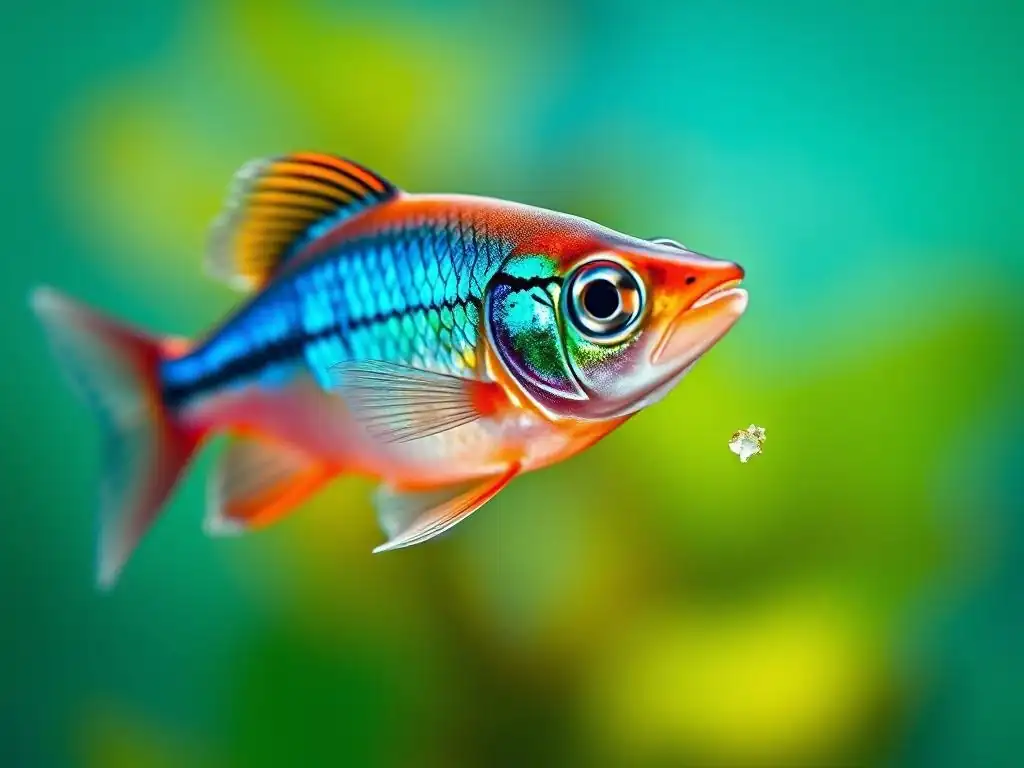
Water Quality and Its Impact on Appetite
Optimal water quality is arguably the most critical factor in encouraging a healthy appetite in aquarium fish, especially picky eaters. Poor water conditions act as a significant stressor, directly suppressing a fish's desire to eat. Elevated levels of ammonia and nitrite (both should always be 0 ppm), or high nitrates (above 20-40 ppm for sensitive species), can cause lethargy, gill irritation, and a complete loss of appetite. Incorrect pH or temperature outside a fish's ideal range can also lead to stress and food refusal.
Regular water changes (e.g., 25-30% weekly for most tanks) and robust filtration are essential for maintaining pristine water parameters. Consistent monitoring with reliable test kits (e.g., API Freshwater Master Test Kit) allows aquarists to identify and correct issues before they impact fish health. For example, a Discus fish kept in water with a pH fluctuation of more than 0.2 units per day is likely to become stressed and refuse food. Maintaining stable parameters within the fish's natural habitat range significantly reduces stress, thereby promoting a healthy appetite and making other picky fish diet solutions more effective.
Tank Environment and Stress Reduction
Beyond water quality, the overall tank environment plays a crucial role in a fish's willingness to feed. A stressful environment can make even a normally voracious eater become finicky. Providing adequate hiding spots, such as caves, dense planting, or rockwork, allows shy or bullied fish to feel secure and reduces overall stress. Appropriate lighting, mimicking their natural habitat (e.g., subdued lighting for nocturnal species), also contributes to their comfort. Overly bright lighting or a lack of shaded areas can make some fish feel exposed and reluctant to feed openly.
Compatible tank mates are also vital. Aggressive or overly boisterous fish can intimidate shyer species, leading to chronic stress and food refusal. For instance, a small, peaceful schooling fish like a Cardinal Tetra needs at least 6-8 tank mates of its own kind to feel secure enough to feed confidently; kept alone or with aggressive species, it might hide and refuse food. Minimizing sudden disturbances, such as loud noises, rapid movements near the tank, or sudden changes in room lighting, further contributes to a stable and secure environment, encouraging fish to feel safe enough to eat.
Competition for Food: Ensuring All Fish Get Enough
In a community aquarium, competition for food is a common reason why some fish become "picky" or malnourished. Faster, bolder, or more aggressive fish can quickly monopolize food, leaving slower, shyer, or smaller individuals underfed. This often leads to the mistaken assumption that a fish is finicky when, in reality, it simply isn't getting enough opportunity to eat. For example, a group of Danios might devour all the flakes at the surface before a slower-moving Corydoras catfish has a chance to find the sinking pellets.
To address this, observe the feeding dynamics closely. If certain fish are consistently missing out, consider implementing strategies such as multiple feeding spots or target feeding. You can drop flakes at one end of the tank and sinking pellets at the other, or use a feeding ring to contain floating foods.
For individual picky fish, a turkey baster or pipette can be used to deliver food directly to them. Feeding smaller portions more frequently (e.g., 2-3 times a day instead of one large feeding) can also help ensure more even distribution and give all fish a better chance to eat, making your picky fish diet solutions more effective for the entire community.
Supplementing Your Picky Fish's Diet for Optimal Health
Vitamin Supplements: Boosting Nutritional Intake
For picky aquarium fish, even if they are eating, they might not be receiving a complete nutritional profile from their limited food choices. Vitamin supplements are an excellent way to boost their intake of essential nutrients. Liquid vitamin supplements, such as Selcon, Vita-Chem, or similar fish-specific products, can be soaked into frozen or dry foods before feeding.
This method ensures that the vitamins are directly ingested by the fish, making it particularly effective for those refusing fortified prepared foods. For instance, a few drops of Selcon added to thawed mysis shrimp can significantly enhance the intake of essential fatty acids and fat-soluble vitamins.
When using vitamin supplements, it's crucial to ensure they are formulated for aquatic use and to follow the manufacturer's guidelines carefully. Over-supplementation can be harmful, just as deficiencies are. Typically, a few drops mixed with a day's worth of food, 2-3 times a week, is sufficient for most applications. Regularly using these supplements can improve a picky fish's overall vitality, enhance coloration, and bolster its immune system, providing a crucial component of comprehensive picky fish diet solutions.
Mineral Supplements: Addressing Deficiencies
While vitamins are often discussed, trace mineral deficiencies can also contribute to poor health and a lack of appetite in picky fish. Minerals like iodine, strontium, calcium, and magnesium are vital for various physiological processes, including bone development, enzyme function, and osmoregulation. In tanks using reverse osmosis (RO) or deionized (DI) water, which strips out all minerals, or in heavily planted tanks that rapidly consume minerals, supplementation becomes particularly important.
For marine tanks, specific mineral supplements for iodine, strontium, and other trace elements are widely available and often necessary. For freshwater tanks, products like Seachem Equilibrium can replenish essential minerals that are often deficient in RO/DI water or soft tap water, indirectly supporting overall fish health and encouraging a robust appetite. Ensuring a balanced mineral profile in the water column helps maintain the fish's internal equilibrium, reducing stress and making them more receptive to food, thereby supporting the effectiveness of picky fish diet solutions.
Probiotics: Supporting Digestive Health in Picky Eaters
Probiotics, which are beneficial bacteria, play a significant role in supporting digestive health and nutrient absorption in fish. For picky eaters, especially those that have been on a limited or poor diet, their gut flora might be compromised, leading to inefficient digestion. Introducing probiotics can help re-establish a healthy gut microbiome, improving the fish's ability to extract nutrients from the food they consume. This can lead to better growth, improved immune response, and a more robust appetite.
Probiotics are available in various forms: some specialized fish foods are infused with beneficial bacterial strains, while others come as liquid additives that can be dosed into the water or soaked into food. For example, feeding a picky fish a food containing Bacillus subtilis or Lactobacillus strains can enhance their digestive efficiency. A healthy gut flora can make a significant difference in the overall well-being of a finicky fish, helping them thrive even if their diet is still somewhat limited, making probiotics an increasingly recognized component of effective picky fish diet solutions.
Preventing Picky Eating Habits: Establishing Healthy Feeding Practices
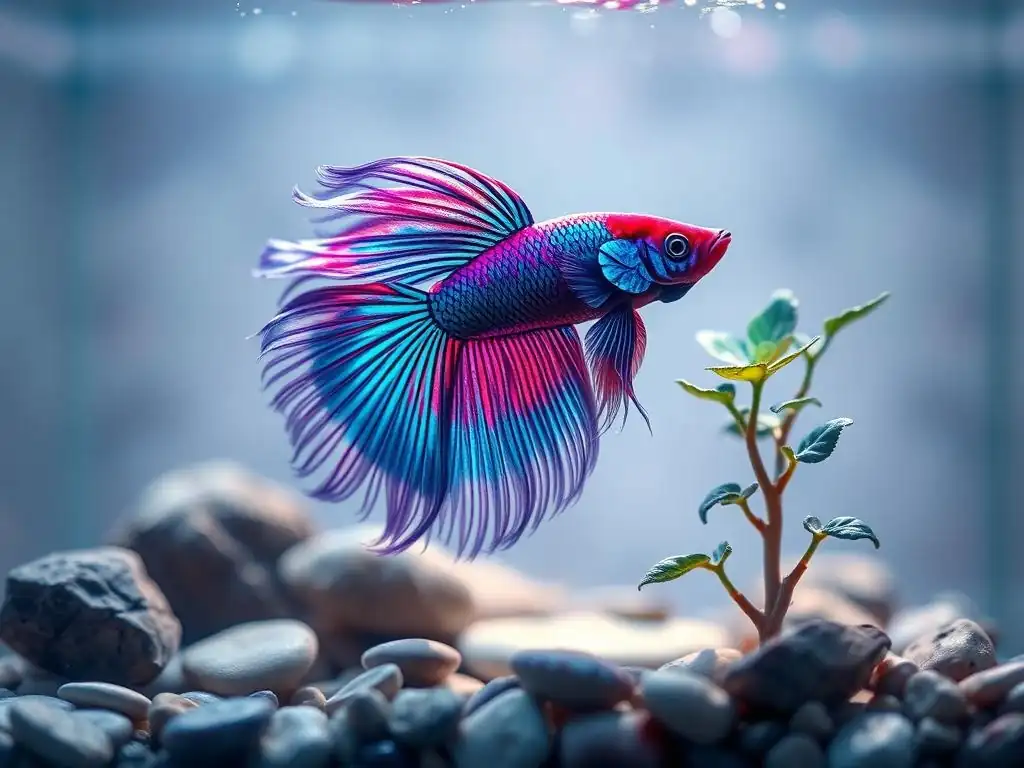
Variety is Key: Offering a Diverse Range of Foods
The most effective way to prevent picky eating habits from developing in aquarium fish is to offer a diverse range of high-quality foods from a young age. Just like humans, fish can become accustomed to and even addicted to a single food type if that's all they're ever offered. This makes them highly resistant to new foods later on, leading to nutritional deficiencies. Instead, consistently rotate between different types of prepared foods (flakes, pellets, wafers), various frozen options (bloodworms, mysis shrimp, brine shrimp), and occasional live treats (daphnia, blackworms).
A varied diet ensures that your fish receive a complete nutritional profile, covering all essential vitamins, minerals, proteins, and fats. For instance, a recommended practice is to have at least 3-4 different high-quality prepared foods and 2-3 different frozen food types in your weekly rotation. This not only provides comprehensive nutrition but also keeps the fish interested and engaged in feeding. A fish accustomed to a wide array of flavors and textures is far less likely to become a picky eater, making proactive variety a cornerstone of picky fish diet solutions.
Regular Feeding Schedules: Maintaining Consistency
Establishing and adhering to a regular feeding schedule is crucial for maintaining healthy eating habits and preventing pickiness. Fish thrive on routine; feeding them at consistent times each day helps regulate their metabolism and digestive system, and allows them to anticipate meals. This predictability reduces stress and encourages a strong feeding response when food is offered. For most adult aquarium fish, 1-2 feedings per day are sufficient, while juveniles or breeding fish might benefit from 3-4 smaller meals.
Consistency in feeding times also helps fish learn when to expect food, making them more eager to eat and less likely to refuse. For example, feeding your fish every morning at 7:00 AM and every evening at 6:00 PM will condition them to be ready for food at those specific times. This routine minimizes the chances of food refusal due to lack of hunger or stress from unpredictable feeding times. A well-maintained schedule is a fundamental aspect of effective picky fish diet solutions.
Avoiding Overfeeding: Preventing Food Refusal
Overfeeding is a common mistake that can directly contribute to picky eating habits and severe water quality issues. When fish are consistently given more food than they can consume in a few minutes, they learn that food is always available, reducing their urgency to eat. This can lead to them becoming choosy, only picking at their absolute favorite bits, or simply refusing to eat because they are never truly hungry. Furthermore, uneaten food quickly decays, polluting the water and leading to dangerous spikes in ammonia and nitrite.
A general rule of thumb is to only offer what your fish can consume entirely within 2-3 minutes. For a typical 20-gallon community tank, this might be just a small pinch of flakes or a single small cube of frozen food once or twice a day. Observe your fish during feeding; if food remains after 3 minutes, you are likely overfeeding. Reducing portion sizes and ensuring all food is consumed not only prevents water quality degradation but also maintains a healthy appetite, making fish less likely to become picky and more receptive to your picky fish diet solutions.
Troubleshooting Common Feeding Problems with Picky Fish
Recognizing Signs of Malnutrition
Recognizing the signs of malnutrition in your picky fish is critical for early intervention and preventing long-term health issues. The most common indicators include a sunken belly or a 'razorback' appearance, where the spine becomes visibly prominent. Other signs often include faded or dull coloration, which signifies a lack of essential nutrients for pigment production. Lethargy, reduced activity levels, and abnormal swimming patterns can also point to a lack of energy from insufficient food intake.
Beyond physical signs, observe their behavior. A malnourished fish might exhibit stunted growth compared to tank mates of the same age and species. They may also have frayed fins, a weaker immune response leading to frequent illnesses (like fin rot or Ich), or even develop skeletal deformities. Regular, daily observation of your fish during feeding times and general activity is crucial for detecting these subtle signs early, allowing you to adjust their picky fish diet solutions before severe health problems arise.
Diagnosing Underlying Health Issues
Picky eating can often be a primary symptom of an underlying health issue rather than just a behavioral quirk. If dietary changes and environmental optimizations do not improve your fish's appetite, it's essential to consider potential diseases. Observe for other accompanying symptoms such as clamped fins, rapid breathing, unusual spots (white spots for Ich, velvet for Oodinium), cloudy eyes, bloating, or unusual growths. Internal parasites, bacterial infections, or even viral diseases can severely suppress appetite.
If you suspect an underlying health issue, consider moving the affected fish to a separate quarantine tank for closer observation and potential treatment. This allows you to treat the individual without exposing the entire main tank to medication. If a fish continues to refuse food for more than 3-5 days despite ideal water parameters and varied food offerings, it is highly likely that an illness is present. Consulting reliable fish health guides or online forums can provide initial diagnostic help, but severe cases may require professional intervention.
Seeking Expert Advice: When to Consult a Veterinarian or Experienced Aquarist
While many feeding problems can be resolved with careful observation and dietary adjustments, there are times when seeking expert advice becomes necessary. If your picky fish continues to show signs of malnutrition, severe lethargy, or other concerning symptoms despite your best efforts, it's time to consult an aquatic veterinarian. These specialists can perform diagnostics, such as fin clips or fecal analysis, to identify specific pathogens or nutritional deficiencies, and prescribe targeted medications or specialized picky fish diet solutions.
For less severe but persistent issues, or if an aquatic veterinarian is not accessible, an experienced aquarist or the owner of a reputable local fish store can offer invaluable insights. They often have extensive hands-on experience with a wide range of species and common problems, and can provide practical advice based on your specific situation. Many online forums and aquatic communities also host experienced hobbyists who can provide guidance. Don't hesitate to reach out for help when you've exhausted your own troubleshooting efforts; early intervention can often save a fish's life.
Long-Term Dietary Management for Picky Aquarium Fish
Monitoring Your Fish's Weight and Condition
Long-term success with picky aquarium fish hinges on continuous monitoring of their weight and overall body condition. A healthy fish should maintain a slightly rounded, robust appearance, reflecting adequate nutrition. Conversely, a sunken belly, a visible spine (often referred to as 'razorback' in species like Angelfish or Discus), or a general emaciated look indicates insufficient food intake or poor nutrient absorption. This is especially critical for fish that have a history of pickiness.
Regularly observe your fish during feeding times and throughout the day. Keep a simple mental or written log of their appetite, how much they eat, and any changes in their physical appearance. For instance, notice if a fish that was previously thin is starting to fill out, or if one that was doing well suddenly looks gaunt. Consistent monitoring allows you to quickly identify any regressions or new issues, enabling timely adjustments to their picky fish diet solutions.
Adjusting the Diet as Needed
A fish's dietary needs are not static; they can change with age, size, reproductive status, or even seasonal variations if they are wild-caught. What worked perfectly for a juvenile fish might not be sufficient for an adult, or a fish preparing to breed will require a higher protein and fat content in its diet. For example, a young guppy might thrive on micro-pellets, but as it matures, it might need larger flakes or small frozen foods. Similarly, an older fish's metabolism may slow, requiring slightly less food to maintain condition.
Be prepared to experiment and adjust your picky fish diet solutions over time. If a previously accepted food is suddenly refused, consider whether the fish's needs have changed, or if a new food option might be more appealing. The goal is to maintain a flexible and responsive feeding plan that adapts to your fish's evolving requirements, ensuring their long-term health and vitality.
Creating a Sustainable Feeding Plan
The ultimate goal of managing picky aquarium fish is to create a sustainable feeding plan that is both effective for the fish and manageable for the aquarist. This plan should incorporate a consistent feeding schedule, a diverse range of high-quality foods tailored to your fish's specific needs, and strategies to minimize competition and stress within the tank. A well-thought-out plan ensures that all your tank inhabitants receive adequate nutrition without leading to overfeeding or water quality issues.
Your sustainable plan might involve rotating between 3-4 different types of prepared foods, offering frozen foods 3-4 times a week, and providing occasional live treats. It should also include regular water quality testing and environmental checks to ensure optimal conditions that encourage feeding. By establishing a comprehensive and adaptable feeding routine, you provide your picky aquarium fish with the best possible chance to thrive, leading to healthier, more vibrant fish and a more enjoyable aquarium experience.
Frequently Asked Questions
What are some common signs that my aquarium fish is being picky with its food?
A picky fish might ignore food, spit it out, or only consume certain types of food offered. This behavior can lead to malnutrition and health problems.
What factors could contribute to a fish becoming a picky eater in an aquarium?
Several factors can influence a fish's eating habits, including stress, poor water quality, competition from other fish, and simply natural preferences based on its species.
What are some practical strategies for getting a picky fish to accept a wider variety of foods?
Try offering a varied diet that includes live, frozen, and flake foods. You can also try soaking the food in garlic juice or using flavor enhancers to make it more appealing.
How important is water quality in addressing picky eating habits in fish?
Optimal water quality is crucial for a fish's overall health and appetite. Poor water conditions can cause stress and suppress their appetite, leading to picky eating. Regular water changes are key.
Besides food, what other environmental factors should I consider if my fish is a picky eater?
Ensure the tank has appropriate hiding places and a suitable temperature and lighting for the species. Also, check that the fish is not being bullied by tank mates, as stress can significantly impact feeding behavior.
Final Reflection: Cultivating a Thriving Underwater World
The intricate dance of life within our aquariums hinges on more than just water and light; it demands a nuanced understanding of dietary needs. The health and vibrancy of our aquatic companions are inextricably linked to the food we provide, and as we've explored, catering to the specific preferences of picky eaters is paramount to ensuring their well-being and longevity. Ignoring these specialized needs can lead to stress, disease, and ultimately, a diminished aquarium experience for both fish and keeper.
This journey into the world of specialized diets has underscored the profound responsibility we undertake when we bring these creatures into our care. It's not merely about providing sustenance, but about understanding their unique biological requirements and striving to replicate, as closely as possible, the nutritional richness of their natural habitats. The greatest service we can do for our aquatic friends is to provide them with an environment that allows them to thrive, not just survive.
This commitment to informed care transforms a simple hobby into a deeply rewarding endeavor, fostering a connection with the natural world and a greater appreciation for the diversity of life.
As you consider the information presented, remember that the quest for optimal fish health is an ongoing process of learning and adaptation. Take the insights gleaned from this exploration of picky fish diet solutions and apply them to your own aquarium practices. Observe your fish closely, experiment with different food options, and never cease to seek out new knowledge. By embracing this proactive approach, you can cultivate a thriving underwater world, where even the pickiest eaters can flourish and bring joy to your life for years to come.
Unlock Your Fish's Full Potential!
Thank you for exploring the world of specialized diets with us! Now that you’re armed with the knowledge to cater to even the pickiest eaters, it’s time to put that expertise into action and ensure your fish thrive.
Here are a few things you can do right away:
- Start creating a customized feeding plan for each of your fish, incorporating their specific dietary needs. This is the most impactful way to see tangible results.
- Share this article with fellow aquarium enthusiasts to spread the knowledge and spark engaging discussions about fish nutrition.
- Experiment with homemade fish food recipes using natural ingredients to provide a truly unique and beneficial diet.
What innovative feeding strategies are you excited to try with your finicky fish?