
Is Your Aquarium Overdue for a Deep Clean? 7 Telltale Signs to Watch For

Welcome to Aquarium Mastery!
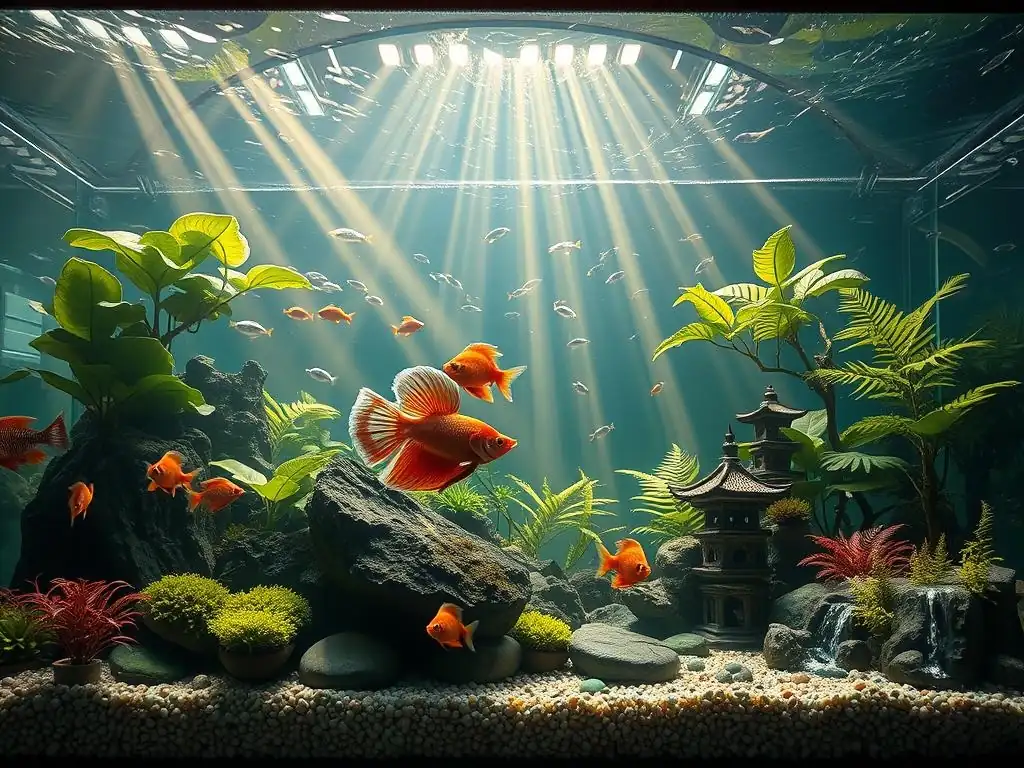
Ever wondered if your shimmering underwater world needs more than just a quick polish? In this guide, we'll dive deep into the telltale signs indicating it's time to tackle that aquarium deep clean schedule. Discover 7 crucial indicators that will help you maintain a healthy and thriving aquatic ecosystem. Intrigued? Let's explore how to keep your aquarium sparkling and your fish flourishing!
- Knowing When Your Aquarium Needs a Deep Cleaning: An Aquarium Mastery Guide
-
7 Signs Your Fish Tank Needs a Thorough Deep Clean
- 1. Excessive Algae Growth: A Clear Indicator of Imbalance
- 2. Murky or Cloudy Water: Visibility Issues Demand Attention
- 3. Foul Odor Emanating from the Tank: A Sign of Decay
- 4. Excessive Detritus Accumulation: A Build-Up of Organic Waste
- 5. Unexplained Fish Illness or Death: A Potential Water Quality Problem
- 6. Stagnant Plant Growth or Dying Plants: Impact on the Ecosystem
- 7. Reduced Water Flow from Filters and Equipment: Inefficient Filtration
- Creating an Aquarium Deep Clean Schedule for Optimal Fish Health
- Step-by-Step Guide to Performing an Aquarium Deep Clean
- Post-Cleaning Aquarium Care: Ensuring a Stable Environment
- Frequently Asked Questions
- Final Reflection: The Clarity of a Clean Slate
- Deepen Your Knowledge: Transform Your Aquarium Today!
Knowing When Your Aquarium Needs a Deep Cleaning: An Aquarium Mastery Guide
Maintaining a thriving aquatic ecosystem goes beyond just feeding your fish and admiring their beauty. A truly healthy aquarium environment hinges on consistent and effective cleaning practices. While routine weekly or bi-weekly water changes and quick surface scrubs are essential, they often don't address the deeper issues that accumulate over time, such as compacted substrate waste, hidden detritus, or severely clogged filtration components. Neglecting these deeper aspects can lead to a gradual decline in water quality, stressing your aquatic inhabitants and making them more susceptible to disease.
The concept of an aquarium deep clean schedule is crucial for long-term tank stability. Unlike superficial maintenance, a deep clean meticulously removes accumulated organic pollutants from the substrate, thoroughly cleans filter media, and addresses areas often overlooked. This proactive approach prevents the buildup of harmful nitrates and phosphates, which can fuel rampant algae growth and compromise water parameters, ultimately ensuring a more balanced and robust environment for your fish and plants.
7 Signs Your Fish Tank Needs a Thorough Deep Clean
1. Excessive Algae Growth: A Clear Indicator of Imbalance
When green, brown, or even black slimy patches begin to dominate your aquarium glass, decorations, and plants, it's a telling sign that your tank is experiencing a nutrient imbalance. While a small amount of algae is natural and even beneficial, an explosion that covers more than 25-30% of your tank's surfaces indicates an excess of light, nutrients (like nitrates and phosphates), or both. This overgrowth isn't just an aesthetic problem; it competes with beneficial plants for resources and can consume significant amounts of oxygen at night, potentially stressing your fish.
Persistent and pervasive algae, particularly the stubborn varieties like Black Beard Algae (BBA) or Green Spot Algae, often points to a chronic issue that routine water changes alone cannot resolve. These blooms signify that the underlying organic load in your substrate or filter media is too high, providing a constant food source for the algae. Addressing this requires a comprehensive approach, often necessitating a thorough aquarium deep clean schedule to remove the accumulated waste feeding the problem.
Types of Algae and Their Impact on Aquarium Health
Aquariums can host various types of algae, each with its own characteristics and implications. Green spot algae, appearing as small, hard, dark green spots, often signifies low phosphates or old light bulbs. Green hair algae, long and stringy, typically indicates excess nutrients like nitrates and phosphates. Brown diatom algae, a brownish film, is common in new tanks due to silicates in the water, while the notoriously difficult black beard algae (BBA) can signal fluctuating CO2 levels or high organic waste.
Each type impacts the aquarium differently. Diatoms and green spot algae are primarily aesthetic nuisances, though severe cases can reduce light penetration. Green hair algae can quickly smother plants and decorations, competing for vital nutrients. BBA is particularly problematic as it's hard to remove and can outcompete even healthy plants. Severe algae blooms, regardless of type, contribute to oxygen depletion, especially overnight, which can stress fish and invertebrates, making it crucial to implement an effective aquarium deep clean schedule to control nutrient sources.
Preventing Algae Blooms: Lighting, Nutrients, and Water Chemistry
Effective algae prevention hinges on managing the three pillars of growth: light, nutrients, and water chemistry. For lighting, aim for a consistent photoperiod of 8-10 hours daily, using bulbs with an appropriate spectrum (e.g., 6500K for planted tanks). Nutrient control involves diligent feeding to avoid uneaten food and regular water changes (e.g., 25-30% weekly) to dilute nitrates and phosphates, which are primary algae fuels. Overfeeding is a common culprit, so ensure all food is consumed within a few minutes.
Maintaining stable water chemistry, including appropriate pH and hardness for your specific inhabitants, also contributes to a healthy balance that discourages algae. However, even with diligent routine care, organic waste can accumulate deep within the substrate or filter. This is where an aquarium deep clean schedule becomes invaluable. By physically removing these nutrient sinks, you significantly reduce the fuel available for algae, creating a clearer, healthier environment.
2. Murky or Cloudy Water: Visibility Issues Demand Attention
Clear, sparkling water is a hallmark of a healthy aquarium. If your tank water appears persistently murky, hazy, or cloudy, obscuring your view of the fish and decorations, it's a strong indicator of an underlying issue that needs immediate attention. Unlike the green tint of an algae bloom, murky water often presents as a milky white, brownish, or even greyish haze, signalling an abundance of suspended particles or a significant bacterial proliferation within the water column.
This persistent cloudiness, especially if it doesn't clear after a standard 20-30% water change, suggests that your filtration system is overwhelmed or that there's an excessive organic load decomposing within the tank. Such conditions not only detract from the aesthetic appeal but also reduce oxygen levels and can irritate fish gills. A deep clean is often necessary to address the root cause, providing a fresh start for improved water clarity and overall tank health, making it an important part of any proactive aquarium deep clean schedule.
Common Causes of Cloudy Aquarium Water: Bacteria, Particles, and Algae
Cloudy aquarium water can stem from several common sources. A bacterial bloom, often appearing as a milky white or grey haze, typically occurs in new tanks as the nitrogen cycle establishes, or in established tanks after large water changes, adding new fish, or filter media replacement, due to an abundance of food for heterotrophic bacteria. Suspended particles, on the other hand, usually result from disturbed substrate, decaying plant matter, or overfeeding, appearing as brownish or greenish cloudiness that might settle over time.
While less common to cause true murkiness, a severe green water algae bloom can also make the water appear uniformly green and opaque. Each cause demands a slightly different approach, but a thorough aquarium deep clean schedule is often beneficial as it directly removes the organic load that fuels bacterial growth and provides the substrate for suspended particles. For example, excessive detritus in the gravel can feed a bacterial bloom, which a deep clean can mitigate.
Identifying the Cause: Bacterial Bloom vs. Suspended Solids
Distinguishing between a bacterial bloom and suspended solids is key to effective treatment. A bacterial bloom presents as a uniform, milky white or grey cloudiness that affects the entire water column and usually does not settle, even after several hours. It often appears suddenly, sometimes overnight, and is a sign of an imbalance in the beneficial bacteria population, often triggered by excess organic waste.
In contrast, suspended solids typically appear as a brownish or greenish cloudiness, and if you take a sample in a clear glass, the particles may slowly settle to the bottom over 30-60 minutes. These particles are often stirred up from the substrate during maintenance, or they can be fine decaying matter. While filter floss can help with suspended solids, a deep clean is often required to remove the source of the decaying material, which is a fundamental component of a comprehensive aquarium deep clean schedule.
3. Foul Odor Emanating from the Tank: A Sign of Decay
A healthy aquarium should have a fresh, earthy smell, or ideally, no discernible odor at all. If you detect a strong, unpleasant smell emanating from your tank – be it a rotten egg smell, a musty odor, or a stale, fishy stench – it is an undeniable red flag indicating significant organic decomposition within your aquatic system. Such odors are not merely unpleasant; they signify the presence of toxic compounds that are detrimental, if not lethal, to your fish.
The most notorious of these smells, the "rotten egg" odor, is caused by hydrogen sulfide, a highly toxic gas produced in anaerobic (oxygen-deprived) pockets within the substrate. This occurs when organic waste accumulates deep in the gravel and decomposes without sufficient oxygen. A persistent foul odor is a critical warning sign that your tank is overdue for a serious intervention and necessitates an immediate, comprehensive aquarium deep clean schedule to remove the decaying matter and restore proper conditions.
Identifying Sources of Unpleasant Aquarium Smells: Ammonia, Hydrogen Sulfide, and Rotting Food
Unpleasant aquarium smells can pinpoint specific issues. A sharp, pungent odor, often described as similar to urine or cleaning chemicals, typically indicates high ammonia levels, a product of protein breakdown from fish waste or uneaten food. The distinctive "rotten egg" smell is the hallmark of hydrogen sulfide, which forms in anaerobic zones within deep, undisturbed substrate layers where organic matter decomposes without oxygen. This gas is extremely toxic to fish.
Other putrid, stale, or musty smells usually originate from significant amounts of rotting organic material, such as uneaten fish food accumulating in the gravel, large quantities of decaying plant matter, or even a deceased fish that has gone unnoticed. These smells are not just a nuisance; they are a direct consequence of a high biological load and insufficient breakdown of waste, demanding prompt action as part of an emergency aquarium deep clean schedule.
Immediate Actions: Water Change, Substrate Cleaning, and Source Removal
When a foul odor is detected, immediate action is paramount to prevent further harm to your aquatic inhabitants. Start by performing a significant water change, ideally 50% or more, to rapidly dilute any dissolved toxins. Concurrently, use a gravel vacuum to thoroughly clean the substrate, paying extra attention to areas where food might accumulate or where the smell seems strongest. This will remove much of the decomposing organic matter responsible for the odor.
Inspect the tank meticulously for any visible sources of decay, such as dead fish, dying plants, or clumps of uneaten food, and remove them immediately. Also, check your filter media; if it's heavily clogged with sludge, gently rinse it in old tank water to restore flow and efficiency. These immediate steps are crucial for mitigating the acute danger and form the initial phase of an urgent aquarium deep clean schedule to restore a healthy and odor-free environment.
4. Excessive Detritus Accumulation: A Build-Up of Organic Waste
Detritus refers to the visible accumulation of organic waste within your aquarium, appearing as dark, sludgy particles settled on the substrate, decorations, or even on plant leaves. This waste primarily consists of fish excretions, uneaten fish food, and decaying plant matter. While some level of detritus is inevitable, an excessive and widespread accumulation, particularly in low-flow areas or deep within the gravel bed, is a clear indicator that your tank's waste management system (filtration and routine cleaning) is struggling to keep up.
A significant layer of detritus, especially if it's dark and sludgy when disturbed, signals that your routine maintenance is insufficient and a more intensive cleaning is required. This build-up acts as a constant source of pollutants, gradually degrading water quality and creating an unhealthy environment. Addressing this requires a comprehensive aquarium deep clean schedule that goes beyond simple surface vacuuming to truly purge the tank of this harmful organic load.
Sources of Detritus: Fish Waste, Uneaten Food, and Plant Debris
The primary sources of detritus in an aquarium are directly related to the life within it. Fish excretions, the most obvious contributor, are a continuous source of solid waste. Uneaten fish food, especially flakes or pellets that sink and are not consumed, quickly break down and add to the organic load. Overfeeding is a major accelerator of this problem. Lastly, decaying leaves or stems from live plants, particularly if they are not thriving or are not pruned regularly, also contribute significantly to the detritus layer.
These organic materials, once settled, begin to decompose, consuming dissolved oxygen and releasing harmful compounds into the water column. The breakdown process releases ammonia, which is then converted to nitrite and finally nitrate through the nitrogen cycle. A continuous influx of detritus means a constant supply of these pollutants, directly impacting water quality and requiring a robust aquarium deep clean schedule to manage effectively.
Detritus and Water Parameters: Ammonia, Nitrites, and Nitrates
The accumulation of excessive detritus has a direct and detrimental impact on critical water parameters, particularly ammonia, nitrites, and nitrates. As organic waste decomposes, it first releases ammonia, which is highly toxic to fish even at low concentrations (e.g., above 0.25 ppm). Beneficial bacteria in the filter and substrate then convert this ammonia into nitrites, which are also very toxic. Finally, nitrites are converted into nitrates, which are less toxic but still harmful in high concentrations (e.g., consistently above 40-80 ppm).
A thick layer of detritus acts as a continuous factory for these compounds, constantly elevating their levels in the water. High nitrates, in particular, lead to chronic stress in fish, suppressing their immune systems and making them vulnerable to disease. They also fuel rampant algae growth. A deep clean directly addresses this by physically removing the primary source of these compounds, leading to a significant and lasting improvement in water parameters and overall tank health.
5. Unexplained Fish Illness or Death: A Potential Water Quality Problem
While a single fish illness or death can sometimes be attributed to individual factors, a pattern of recurring sickness, lethargy, or unexplained deaths among multiple fish species in your aquarium is a severe warning sign. Often, the root cause is not a specific pathogen introduced from outside, but rather deteriorating water quality that stresses the fish, weakens their immune systems, and makes them highly susceptible to diseases they might otherwise resist.
When fish exhibit symptoms like clamped fins, rapid breathing, gasping at the surface, unusual swimming patterns, or develop fungal/bacterial infections without any recent additions to the tank, it's imperative to investigate your water parameters and consider an emergency aquarium deep clean schedule. These signs indicate that the environment itself is compromised, and without intervention, more fish are likely to suffer or perish.
Early Warning Signs: Changes in Behavior, Appearance, and Appetite
Observing subtle changes in your fish's behavior, appearance, and appetite can provide crucial early warnings of declining water quality, often before visible diseases manifest. Look for fish hiding more than usual, becoming lethargic, or showing signs of stress like clamped fins (held close to the body). Rapid gill movement, even when at rest, can indicate oxygen deprivation or gill irritation from toxins.
Changes in appearance, such as dulling colors, frayed fins without obvious nipping, or a film over their bodies, are also indicative. A sudden refusal to eat or spitting out food is another significant red flag. These subtle signs, even without visible lesions, indicate that your fish are struggling in their environment. Prompt action, including thorough water testing and potentially a deep clean, can prevent further deterioration and save your tank inhabitants.
Water Quality Parameters and Fish Health: Ammonia, Nitrite, Nitrate, and pH
The health of your fish is inextricably linked to the stability and quality of your water parameters. Ammonia and nitrite are acutely toxic, and even trace amounts (above 0 ppm) can cause gill damage, stress, and death. High nitrate levels, while less immediately lethal, cause chronic stress, suppress fish immune systems, and can lead to stunted growth and increased susceptibility to disease if consistently above 40-80 ppm.
Fluctuations or incorrect pH levels for your specific fish species can also cause severe stress and health problems. For instance, a sudden drop in pH can cause "pH shock." A deep clean plays a vital role in stabilizing these parameters by removing accumulated organic waste, which is a major contributor to parameter instability. By physically eliminating these sources of pollution, a well-executed aquarium deep clean schedule significantly improves water quality, directly benefiting fish health and longevity.
6. Stagnant Plant Growth or Dying Plants: Impact on the Ecosystem
In a planted aquarium, healthy, vibrant plant growth is not just aesthetically pleasing; it's a critical component of a balanced ecosystem. Plants absorb excess nutrients, produce oxygen, and provide shelter for fish. If your aquatic plants are exhibiting signs of distress—such as yellowing leaves, stunted growth, melting, developing holes, or a general failure to thrive—it often signals an issue with nutrient availability, light, or, critically, an accumulation of harmful substances in the substrate.
A common culprit in planted tanks is the build-up of excessive detritus and organic waste within the substrate. This can lead to the formation of anaerobic pockets, where oxygen is depleted, releasing toxins that can damage plant roots and inhibit nutrient uptake. These conditions indicate a need to thoroughly assess and potentially adjust your aquarium deep clean schedule, focusing on substrate health to restore vitality to your aquatic flora.
Signs of Nutrient Imbalance: Deficiencies and Excesses
Plant health is a sensitive indicator of nutrient balance. Signs of nutrient deficiency include widespread yellowing of older leaves (nitrogen), stunted overall growth (nitrogen/potassium), holes in leaves (potassium), or paleness/translucency (potassium). Iron deficiency often manifests as yellowing between the veins of new leaves. Conversely, nutrient excesses, particularly nitrates and phosphates from decomposing organic waste, primarily fuel aggressive algae blooms, which then compete with plants for other vital nutrients and light.
While specific nutrient dosing might be necessary for certain planted setups, often the underlying problem is rooted in poor substrate health or an overwhelming amount of organic waste. For instance, too much detritus can lead to phosphate buildup, encouraging algae, while simultaneously making other essential micronutrients less available to plant roots, highlighting the importance of a well-maintained aquarium deep clean schedule for substrate health.
Deep Cleaning and Plant Health: Removing Waste and Improving Circulation
A deep clean, particularly one that involves thorough gravel vacuuming, is immensely beneficial for plant health. By systematically removing the accumulated organic waste from the substrate, you prevent the formation of anaerobic zones that release toxins harmful to plant roots. This also liberates nutrients that were previously locked up in the decaying detritus, making them available for plant uptake.
Furthermore, improved water circulation, a direct result of cleaning filters and removing any obstructions, ensures that essential nutrients, carbon dioxide, and oxygen are distributed more effectively throughout the tank, reaching all plant surfaces. This enhanced flow promotes healthier plant growth, strengthens their ability to outcompete algae, and contributes significantly to the overall ecological balance of the aquarium, making it an integral part of a comprehensive aquarium deep clean schedule.
7. Reduced Water Flow from Filters and Equipment: Inefficient Filtration
One of the most tangible signs that your aquarium is due for a deep clean is a noticeable reduction in water flow from your filter outlet or a weaker current throughout the tank. This indicates that your filtration system, the lifeblood of your aquarium, is no longer operating at optimal efficiency. The culprit is typically a build-up of detritus, algae, biofilm, or even small snails clogging the filter media, impellers, or intake tubes.
When your filter's flow is compromised, its ability to remove waste, provide crucial oxygenation, and maintain water clarity is severely diminished. This inefficiency can rapidly lead to a decline in water quality, stressing fish and promoting algae growth. A reduced flow signals an urgent need for filter maintenance as a critical component of a comprehensive aquarium deep clean schedule to restore proper water circulation and filtration capacity.
Filter Maintenance: Cleaning Media and Impellers
Proper filter maintenance is paramount for maintaining water quality. Mechanical filter media, such as sponges, filter floss, or pads, should be regularly rinsed in old tank water (never tap water, as chlorine can kill beneficial bacteria) to remove trapped detritus. Chemical media, like activated carbon, typically needs to be replaced every 3-4 weeks as it becomes exhausted. Biological media, such as ceramic rings or bio-balls, should only be gently swished in old tank water if absolutely necessary, as they house the majority of your beneficial bacteria.
Crucially, always check and clean the filter's impeller and its housing. Hair, plant debris, or even small snails can become lodged around the impeller, significantly reducing the filter's output. A clean and efficiently running filter is the cornerstone of maintaining stable water parameters and is a fundamental part of any effective aquarium deep clean schedule.
The Importance of Water Circulation: Oxygenation and Waste Removal
Optimal water circulation is vital for a healthy aquarium ecosystem. It ensures that dissolved oxygen, essential for fish respiration and beneficial bacteria, is distributed evenly throughout the tank. Good flow also prevents the formation of stagnant areas where detritus can accumulate and decompose anaerobically, releasing toxic gases. Moreover, efficient circulation ensures that fish waste and uneaten food are effectively directed towards the filter intake for removal.
Poor circulation, often a consequence of a clogged filter, leads to oxygen depletion, particularly near the substrate, and allows localized buildup of toxins. This increases the risk of anaerobic conditions, stress for fish, and uncontrolled algae growth. Maintaining optimal water flow through regular and thorough filter cleaning is therefore key to a vibrant and stable aquatic environment, emphasizing its importance within an aquarium deep clean schedule.
Creating an Aquarium Deep Clean Schedule for Optimal Fish Health
Establishing a Routine Deep Cleaning Protocol
Moving beyond reactive cleaning, establishing a proactive aquarium deep clean schedule is fundamental for long-term tank health and stability. Instead of waiting for obvious signs of distress, integrating deep cleaning into your routine prevents problems before they escalate. For most established freshwater aquariums, a general guideline suggests a deep clean every 3 to 6 months. However, heavily stocked tanks, those with large fish, or densely planted setups might benefit from a more frequent deep clean, perhaps monthly or bi-monthly, to manage increased organic loads.
Consistency is key. A well-defined deep cleaning protocol not only ensures a stable and less stressful environment for your fish but also simplifies the process for the aquarist. By proactively addressing potential issues like substrate compaction and filter efficiency, you minimize the chances of sudden water quality crashes, leading to a more resilient and thriving aquatic ecosystem than simply relying on weekly water changes alone.
Factors Affecting Deep Clean Frequency: Tank Size, Fish Load, and Feeding Habits
The ideal frequency for your aquarium deep clean schedule is not one-size-fits-all; it depends on several critical factors. Smaller tanks, generally those under 20 gallons, tend to experience faster shifts in water parameters and accumulate waste more quickly due to their limited water volume, often requiring more frequent deep cleans, perhaps quarterly. Heavily stocked tanks, regardless of size, produce significantly more waste, necessitating a more aggressive cleaning regimen.
Feeding habits also play a crucial role. Overfeeding is a primary contributor to excess detritus and nutrient buildup, directly increasing the need for more frequent deep cleans. Planted tanks, while beneficial for nutrient absorption, can also accumulate detritus within their dense foliage, sometimes requiring specialized substrate vacuuming techniques. Bare-bottom tanks, conversely, require less substrate cleaning but may need more frequent surface siphoning. Each of these factors must be considered when tailoring your specific deep clean frequency.
Step-by-Step Guide to Performing an Aquarium Deep Clean
Preparing for the Deep Clean: Supplies and Equipment Checklist
Before embarking on an aquarium deep clean schedule, gather all necessary supplies to ensure a smooth and efficient process, minimizing stress on your fish. You will need several large, clean buckets (dedicated solely for aquarium use to avoid chemical contamination), a reliable gravel vacuum and siphon hose, an algae scraper or magnetic cleaner, a filter brush kit for internal filter components, and plenty of clean towels. Crucially, have your dechlorinator ready, and a water test kit to monitor parameters before and after.
It is also advisable to prepare your new water in advance, ensuring it is dechlorinated and matched to the aquarium's temperature to prevent temperature shock during the water change. Having everything organized and within reach before you begin will streamline the deep cleaning process, allowing you to complete the task efficiently and with minimal disruption to your aquatic inhabitants.
The Deep Clean Process: Water Change, Gravel Vacuuming, and Decoration Cleaning
The deep clean process is systematic. Begin by performing a significant water change, typically 50-75% depending on your tank's stability and the severity of the issue. As the water drains, use your gravel vacuum to thoroughly clean the entire substrate bed. Move decorations and plants carefully to access hidden areas where detritus accumulates. For planted tanks, employ a gentler vacuuming technique to avoid disturbing roots excessively.
Next, remove decorations and scrub them (using old tank water or plain water, never soap) to remove any built-up algae or biofilm. Simultaneously, address your filter: gently rinse mechanical media (sponges, floss) in old tank water. Only lightly rinse biological media if absolutely necessary, again in old tank water, to preserve beneficial bacteria. Finally, reassemble your filter, refill the tank with temperature-matched, dechlorinated water, and ensure all equipment is functioning correctly.
Post-Cleaning Aquarium Care: Ensuring a Stable Environment
Reintroducing Fish and Monitoring Water Parameters
After completing your aquarium deep clean schedule, the immediate post-cleaning phase is crucial for ensuring a stable environment. Once the tank is refilled with fresh, dechlorinated, and temperature-matched water, gently reintroduce your fish. Observe their behavior closely for any signs of stress, such as rapid breathing, hiding, or unusual swimming. It is imperative to immediately test your water parameters—ammonia, nitrite, nitrate, and pH—to confirm that the deep clean has effectively lowered pollutants and that the nitrogen cycle remains stable.
The beneficial bacteria responsible for the nitrogen cycle reside primarily in your filter and substrate. While a deep clean aims to preserve these, there can be a temporary disruption. Therefore, daily monitoring of ammonia and nitrite levels for the first few days following a deep clean is highly recommended. Be prepared to perform small, targeted water changes (e.g., 10-20%) if you detect any spikes in these toxic compounds, to prevent harm to your fish.
Tips for Long-Term Aquarium Maintenance: Regular Water Changes and Filter Cleaning
A thorough deep clean is an essential component of comprehensive aquarium care, but it supplements, rather than replaces, consistent routine maintenance. To maintain a pristine and healthy environment long-term, continue with your regular weekly or bi-weekly water changes (e.g., 20-30% of the tank volume). These frequent, smaller changes are crucial for diluting accumulating nitrates and replenishing essential minerals without causing significant stress to your fish.
Furthermore, make regular filter cleaning, specifically rinsing mechanical media, a part of your routine. This prevents the filter from becoming a detritus trap and ensures continuous, efficient filtration. By establishing a consistent aquarium deep clean schedule (e.g., quarterly for most tanks) and combining it with diligent routine maintenance, you create a stable, thriving aquatic ecosystem that minimizes stress for both your fish and yourself, ensuring years of enjoyment from your aquarium.
Frequently Asked Questions
How often should I perform an aquarium deep clean?
A deep clean isn't a frequent task. Generally, aim for a deep clean every 6-12 months, depending on your tank's bio-load and maintenance routine. Regular water changes and filter cleaning are crucial to minimizing the need for frequent deep cleans.
What are the key indicators that my aquarium needs a deep clean?
Look for signs like excessive algae growth, accumulated detritus on the substrate, or a persistent unpleasant odor. These indicate a build-up of organic waste that routine maintenance can't handle.
What does an aquarium deep clean actually involve?
A deep clean involves more than just a water change. It includes gravel vacuuming, algae scrubbing, filter maintenance, and potentially removing decorations for cleaning. Be cautious not to disrupt the beneficial bacteria colony too much!
Can a deep clean harm my aquarium's ecosystem?
Yes, if not done carefully. Avoid over-cleaning and replacing all the water at once. This can significantly disrupt the beneficial bacteria and cause a nitrogen cycle crash.
What precautions should I take during an aquarium deep clean?
Always use aquarium-safe cleaners and dechlorinated water. Avoid harsh chemicals or soaps. It's also wise to monitor water parameters closely after a deep clean to ensure stability.
Final Reflection: The Clarity of a Clean Slate
The insights shared within this article highlight more than just the practicalities of aquarium maintenance; they underscore the importance of proactive care and mindful observation in maintaining a thriving ecosystem. Just as a neglected aquarium can become murky and unbalanced, so too can other aspects of our lives suffer from a lack of attention and regular renewal. Recognizing the "telltale signs" of neglect, whether in our tanks or in our routines, is the first step towards restoring clarity and balance.
This understanding extends beyond the glass walls of an aquarium, influencing how we approach responsibility and cultivate healthy environments. The commitment to a regular "aquarium deep clean schedule" mirrors our dedication to fostering growth and well-being in all areas of our lives. The best time to plant a tree was 20 years ago. The second best time is now.
This ancient proverb resonates deeply, reminding us that it's never too late to begin anew, to clear away the debris, and to cultivate a space where life can flourish.
So, let us take a moment to reflect not only on the health of our aquariums but also on the health of our own lives. Are there areas that feel murky, overgrown, or unbalanced? Perhaps it's time for a deep clean – a conscious effort to remove the stagnation, introduce fresh perspectives, and create the conditions for renewed growth and vitality. Embrace the opportunity to cultivate clarity, both within your aquarium and within yourself, and watch as new life and beauty emerge.
Deepen Your Knowledge: Transform Your Aquarium Today!
Thank you for exploring the signs that indicate your aquarium needs a thorough cleaning. We hope this information has inspired you to maintain a healthy and vibrant underwater environment. Now is the perfect time to take action and provide your fish with the clean, pristine habitat they deserve.
Here's how:
- Schedule a Deep Clean Now: Don't delay! Set aside time this weekend to carefully clean your aquarium. Your fish will thank you for your effort!
- Discover Effective Cleaning Tools: Browse our selection of top-rated cleaning tools to find the best options for maintaining your aquarium.
- Share Your Progress: Post a before-and-after photo of your aquarium transformation on social media using #AquariumMastery to inspire fellow enthusiasts!
What is one small change you can make today to improve the water quality in your aquarium?