
Advanced Nutrient Supplementation for Tetra Fry: An Aquarium Mastery Guide

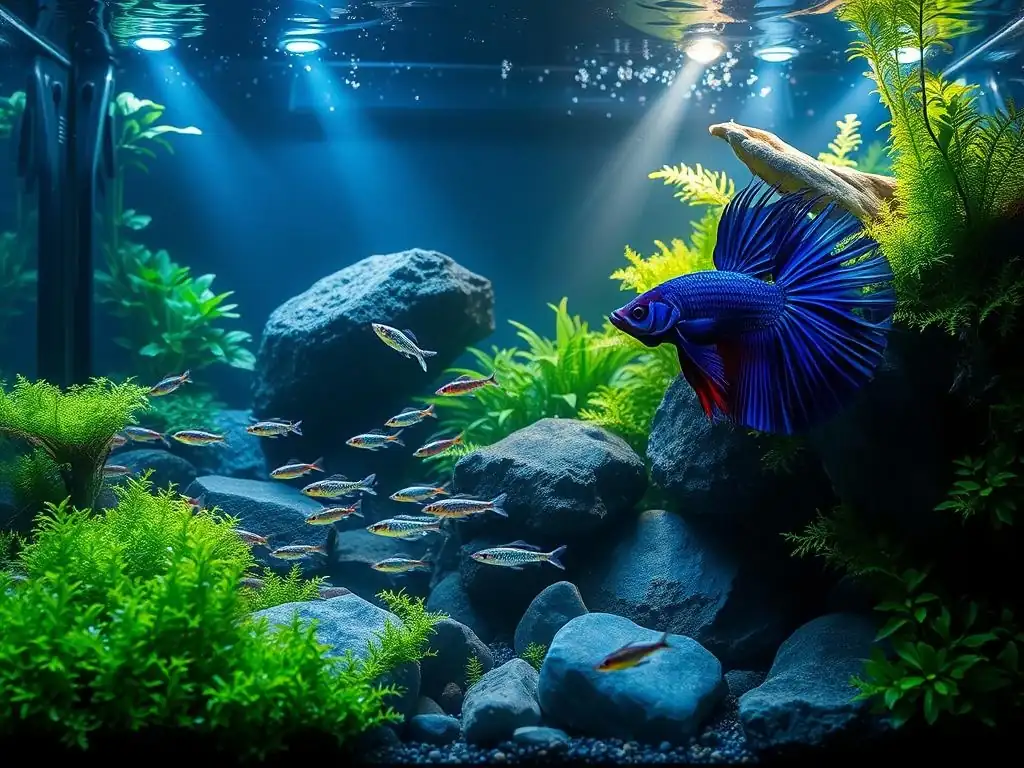
Welcome to Aquarium Mastery!
Ever wondered how to give your Tetra fry the absolute best start in life, ensuring vibrant colors and robust health? This comprehensive guide dives deep into the world of Tetra fry nutrient supplements, revealing the secrets to successful rearing. Prepare to unlock the full potential of your breeding efforts and witness the thriving aquarium you've always dreamed of. Intrigued? Let's get started!
- Advanced Nutrient Supplementation for Neon Tetra Fry: An Aquarium Mastery Guide
- Introduction: Optimizing Neon Tetra Fry Growth with Advanced Nutrition
- Understanding the Nutritional Needs of Neon Tetra Fry
- The Role of Live Foods in Neon Tetra Fry Nutrition
- Exploring Commercial Neon Tetra Fry Nutrient Supplements
- Advanced Supplementation Techniques for Neon Tetra Fry
- Creating a Feeding Schedule for Neon Tetra Fry
- Addressing Common Problems in Neon Tetra Fry Nutrition
- Maintaining Water Quality for Healthy Neon Tetra Fry Growth
- Case Studies: Successful Neon Tetra Fry Rearing with Advanced Nutrition
- Conclusion: Mastering Neon Tetra Fry Nutrition for Aquarium Success
-
Frequently Asked Questions
- What are Tetra fry nutrient supplements and why are they important?
- When should I start using Tetra fry nutrient supplements for my Tetra fry?
- How often should I feed Tetra fry nutrient supplements to my Tetra fry?
- What are some signs that my Tetra fry are not getting enough nutrients, even with supplements?
- Are there any risks associated with overfeeding Tetra fry nutrient supplements?
- Final Reflection: Nurturing the Future, One Fry at a Time
- Ignite Your Tetra Fry's Growth Potential!
Advanced Nutrient Supplementation for Neon Tetra Fry: An Aquarium Mastery Guide
Introduction: Optimizing Neon Tetra Fry Growth with Advanced Nutrition
Rearing Neon Tetra fry is a delicate and rewarding endeavor that demands meticulous attention to detail, particularly concerning their nutritional intake. Unlike their adult counterparts, Neon Tetra fry possess incredibly high metabolic rates and rapid growth requirements, making their early diet a critical factor in their survival and long-term health. Standard feeding protocols often fall short of providing the precise balance of nutrients needed for optimal development, leading to stunted growth, deformities, and increased mortality rates.
This comprehensive guide from Aquarium Mastery delves into advanced nutrient supplementation for Neon Tetra fry, moving beyond basic feeding to explore specialized live foods, commercial supplements, and refined feeding techniques. By understanding the specific dietary demands of these tiny fish and implementing targeted nutritional strategies, aquarists can significantly enhance growth rates, boost vitality, and achieve higher survival rates, ultimately leading to a thriving population of healthy Neon Tetras.
Understanding the Nutritional Needs of Neon Tetra Fry
The nutritional demands of Neon Tetra fry are remarkably distinct from those of adult fish, primarily driven by their explosive growth phase. In their initial weeks, fry can increase their body mass exponentially, requiring a constant and highly concentrated supply of energy and building blocks for cellular development. Their digestive systems are also immature, necessitating easily digestible and appropriately sized food particles.
A deficiency in any essential nutrient during this critical period can have irreversible consequences, impacting not only immediate survival but also the long-term health, coloration, and reproductive capabilities of the fish. Therefore, a deep understanding of their specific requirements for macronutrients, vitamins, and minerals is paramount for any aquarist aiming for successful Neon Tetra fry rearing.
Essential Nutrients for Healthy Neon Tetra Fry Development
The foundational need for a balanced diet for Neon Tetra fry cannot be overstated, as their rapid growth demands higher concentrations of specific nutrients compared to adult fish. Deficiencies in early stages can lead to severe issues such as stunted growth, skeletal deformities, and significantly increased mortality rates. For instance, a lack of essential amino acids, the building blocks of protein, can severely impede muscle development and overall body mass gain, preventing fry from reaching their full genetic potential.
Elaborating on the synergistic effects of these nutrients, it's crucial to understand that their presence alone is insufficient; precise ratios are often more important. For example, calcium and phosphorus are indispensable for robust bone development, while various vitamins act as coenzymes in metabolic pathways, facilitating the efficient utilization of other nutrients. Imbalances, such as an excess of certain minerals, can paradoxically lead to absorption issues for others, resulting in conditions like skeletal deformities or a weakened immune system, even when overall Tetra fry nutrient supplements appear comprehensive.
The Importance of Protein in Neon Tetra Fry Diets
Protein is the cornerstone of growth for any rapidly developing organism, and Neon Tetra fry are no exception. Their initial weeks are characterized by explosive cell division and tissue formation, demanding a diet exceptionally rich in high-quality protein, typically ranging from 45% to 55% of their dry weight intake. This protein provides the essential amino acids necessary for building muscle, organs, and enzymes critical for all metabolic processes, from digestion to immune response.
Insufficient protein intake can lead to severe issues such as stunted growth, commonly known as "runting," where fry fail to reach their full genetic potential size and remain significantly smaller than their well-fed siblings. Optimal protein sources for Neon Tetra fry include animal-derived proteins found in live foods like newly hatched brine shrimp or microworms, which offer a complete amino acid profile essential for robust development, strong skeletal structures, and vibrant coloration. These high-biological-value proteins are readily assimilated by the fry's delicate digestive system.
Lipid Requirements for Optimal Growth in Neon Tetra Fry
Lipids, or fats, are crucial energy sources for the highly metabolic Neon Tetra fry, providing more than twice the energy per gram compared to proteins or carbohydrates. Beyond their role as a concentrated energy reserve, specific fatty acids, particularly Omega-3 and Omega-6 polyunsaturated fatty acids (PUFAs), are indispensable for cell membrane integrity, nervous system development, and proper vision. These essential fatty acids, such as Docosahexaenoic Acid (DHA) and Eicosapentaenoic Acid (EPA), cannot be synthesized by the fry and must be obtained directly from their diet.
A deficiency in essential fatty acids can result in poor growth rates, reduced stress resistance, and even increased susceptibility to disease. For instance, DHA, abundant in marine-derived foods, is vital for neurological development and overall vigor, directly impacting swimming ability and foraging behavior. Ensuring that Tetra fry nutrient supplements contain adequate levels of these lipids, often derived from fish oils or high-quality algal sources, is paramount for their long-term health and vitality, contributing to strong, active fry.
Vitamin and Mineral Needs for Neon Tetra Fry Health
Vitamins and minerals, though required in smaller quantities than macronutrients, are critical cofactors in nearly all metabolic processes within Neon Tetra fry. Vitamin A is vital for eye development and epithelial tissue health, crucial for their delicate skin and gill membranes, while Vitamin C acts as a powerful antioxidant and is essential for collagen synthesis, supporting robust skeletal and fin development. The B-complex vitamins are indispensable for energy metabolism and nerve function, playing a direct role in the fry's ability to process other nutrients efficiently and maintain overall physiological balance.
Minerals like calcium and phosphorus are fundamental for bone formation and preventing skeletal deformities, especially during periods of rapid growth when their tiny bones are rapidly calcifying. Trace minerals such as zinc, iron, and selenium are necessary for enzyme activity, immune system function, and overall cellular health, protecting the fry from environmental stressors and pathogens. Ensuring that Tetra fry nutrient supplements provide a comprehensive profile of these micronutrients is key to preventing deficiency-related issues and promoting robust, disease-resistant fry that can thrive into adulthood.
The Role of Live Foods in Neon Tetra Fry Nutrition
Live foods play an unparalleled role in the successful rearing of Neon Tetra fry, often serving as the primary and most beneficial component of their diet during the critical early stages. Their natural swimming motion triggers the fry's feeding instincts, leading to higher consumption rates compared to inert foods. Furthermore, live foods are highly digestible and offer a superior nutritional profile, including essential enzymes, beneficial bacteria, and a complete amino acid spectrum that is often more bioavailable than in processed commercial foods.
The cultivation of live foods at home provides aquarists with complete control over the quality and quantity of food, ensuring a fresh and pathogen-free supply tailored to the specific needs of the delicate fry. This hands-on approach, while requiring some effort, directly translates into significantly improved growth rates, enhanced vitality, and dramatically higher survival rates for Neon Tetra fry.
Culturing Live Foods for Neon Tetra Fry: A Step-by-Step Guide
Culturing live foods at home provides Neon Tetra fry with the most natural and highly nutritious diet, often surpassing the bioavailability of commercial alternatives. This process typically involves setting up dedicated cultures for specific organisms like brine shrimp (Artemia salina), microworms (Panagrellus redivivus), or infusoria. For instance, a simple brine shrimp hatchery, often a cone-shaped container with aeration, can yield thousands of nauplii within 24-36 hours, providing a continuous supply. Maintaining optimal conditions, such as temperature (28-30°C) and salinity (1.020-1.025 specific gravity) for brine shrimp, is crucial for consistent and high yields.
Successful live food culture demands strict hygiene to prevent contamination that could harm delicate fry. Regular cleaning of culture vessels, proper aeration, and using sterile water sources are essential. For example, when culturing microworms on an oat-based medium, ensuring the medium doesn't become moldy or overly acidic is vital; using a small amount of yeast as a food source for the worms helps control the culture. The effort invested in cultivating these living Tetra fry nutrient supplements directly translates into higher survival rates and more vigorous growth in your fry, providing a dynamic and stimulating food source.
Brine Shrimp Nauplii: A Staple Food for Neon Tetra Fry
Newly hatched brine shrimp nauplii are widely considered the gold standard live food for many fish fry, including Neon Tetras, due to their ideal size (around 400-500 microns), high protein content (approximately 50-60% dry weight), and excellent digestibility. Their jerky swimming motion also acts as a strong feeding stimulant for the fry, encouraging active pursuit. A typical hatching setup involves a cone-shaped container, saltwater (around 1.020-1.025 specific gravity), and continuous aeration to keep the eggs suspended and oxygenated.
While highly nutritious immediately after hatching, the nutritional profile of brine shrimp nauplii degrades rapidly if not consumed or enriched, particularly their essential fatty acid content. They are rich in crucial fatty acids, but their value can be significantly enhanced by "gut-loading" them with specific algal concentrates (e.g., spirulina or Chlorella) for a few hours before feeding.
This process boosts their lipid and vitamin content, further enhancing their value as a Tetra fry nutrient supplement. For optimal results, only feed nauplii that have hatched within the last 12-24 hours to ensure maximum nutritional benefit and avoid introducing less nutritious, older nauplii.
Microworms: An Excellent First Food for Tiny Neon Tetra Fry
Microworms (Panagrellus redivivus) are an exceptional first food for newly hatched Neon Tetra fry, particularly those too small to immediately consume brine shrimp nauplii. These tiny nematodes, typically ranging from 50 to 150 microns in length, provide a continuous wriggling motion that irresistibly attracts fry and are rich in protein (around 48%) and fats (around 21%). They are easily cultured on a simple oat-based medium, such as cooked oatmeal mixed with a small amount of yeast, making them highly accessible for home aquarists.
The culture of microworms is remarkably straightforward: a starter culture is introduced to the prepared medium in a shallow container, and within a few days, worms will begin to migrate up the sides of the container, allowing for easy collection by scraping them off with a cotton swab or finger. This continuous supply of living, nutritious food makes them an invaluable component of a comprehensive Tetra fry nutrient supplements regimen, especially during the critical first few days post-hatch when fry are most vulnerable and require the smallest, most digestible food particles.
Infusoria: Providing Essential Micro-Nutrients for Newly Hatched Neon Tetra Fry
Infusoria, a collective term for microscopic aquatic organisms like paramecia, ciliates, and rotifers, are often the only suitable food source for the smallest, newly hatched Neon Tetra fry, especially in the first 24-48 hours before their mouths are large enough to consume larger prey like microworms or brine shrimp nauplii. These organisms are typically less than 50 microns in size, making them perfectly digestible for the most delicate fry. They provide a range of micro-nutrients and are crucial for kickstarting the fry's digestive system.
Culturing infusoria can be done simply by adding decaying organic matter, such as dried banana peels, a few dried lettuce leaves, or a few grains of rice, to a jar of aged aquarium water. Within a few days, a cloudy film indicates the proliferation of these microscopic organisms. While their nutritional density is generally lower than that of brine shrimp or microworms, their minute size and constant availability make them an indispensable initial Tetra fry nutrient supplement, bridging the gap until fry are large enough for more substantial and nutrient-dense live foods.
Exploring Commercial Neon Tetra Fry Nutrient Supplements
While live foods are highly beneficial, commercial Neon Tetra fry nutrient supplements offer convenience, consistent nutrient profiles, and can serve as excellent primary or supplementary food sources. These products are formulated to meet the specific dietary needs of growing fry, often incorporating a blend of high-quality proteins, fats, vitamins, and minerals in a highly digestible form. They can be particularly useful for aquarists who may not have the time or resources to consistently culture live foods.
The market offers various forms of commercial fry food, including finely ground powders, liquid suspensions, and even gel-based options. Understanding the nuances of these products, from their ingredient lists to their particle sizes, is crucial for selecting the best option to support the rapid development and health of your Neon Tetra fry.
Choosing the Right Commercial Fry Food for Neon Tetras
Selecting the appropriate commercial Tetra fry nutrient supplements requires careful consideration of particle size, ingredient quality, and the product's reputation within the aquarist community. For Neon Tetra fry, which are notably small, the food must be incredibly finely ground or suspended to ensure it can be consumed. Many reputable brands offer specialized fry foods with particle sizes explicitly designed for tiny mouths, often measured in microns (e.g., <50 microns for first foods, up to 200 microns as they grow larger).
Beyond size, it is imperative to examine the ingredient list for high-quality protein sources (e.g., fish meal, spirulina, krill, insect meal) and essential fatty acids (e.g., fish oil). Avoid products with excessive fillers like wheat flour or cornmeal as primary ingredients, as these offer limited nutritional value and can contribute to water quality issues.
Brands like Hikari First Bites, Sera Micron, or New Life Spectrum Fry Starter are often well-regarded for their balanced nutritional profiles and suitability for delicate fry. It's often beneficial to have a variety of commercial options on hand to rotate or blend, ensuring a broad spectrum of nutrients.
Comparing Different Brands of Fry Supplements
When comparing different brands of Tetra fry nutrient supplements, aquarists should prioritize the guaranteed analysis, particularly the crude protein content, which ideally should be above 45-50% for optimal growth. Look for brands that clearly list specific beneficial ingredients like spirulina for immune support, or added vitamins (e.g., stabilized Vitamin C for stress reduction, Vitamin E for reproductive health). Some premium brands might also include prebiotics or probiotics for enhanced digestion and gut health, which can be highly beneficial for sensitive fry.
Beyond the nutritional label, consider the food's form (powder, liquid, gel) and its stability in water. Powders can foul water quickly if overfed, while liquids might disperse more evenly, staying in the water column longer for tiny fry. Reading user reviews and consulting experienced breeders can provide valuable insights into palatability, water clouding issues, and actual growth results observed with various products. For example, some brands are praised for their extremely fine grind, making them ideal for the smallest fry, while others might be better suited for slightly larger, growing fry due to slightly larger particle sizes.
Understanding the Ingredients in Commercial Fry Food
High-quality commercial Tetra fry nutrient supplements typically feature a blend of highly digestible proteins, healthy fats, and a comprehensive vitamin and mineral premix. Common protein sources include fish meal (preferably whole fish meal, not just by-products), spirulina, krill, and sometimes insect meals (e.g., black soldier fly larvae meal). These ingredients provide a complete amino acid profile essential for rapid development and vibrant coloration. Fats often come from fish oil or other marine lipids, ensuring adequate levels of essential fatty acids like DHA and EPA, crucial for neurological development.
When scrutinizing ingredients, be wary of excessive fillers like wheat flour, cornmeal, or soy products as primary components, as these offer limited nutritional value for carnivorous or omnivorous fish fry and can contribute to water quality issues if not fully consumed. Artificial colors and preservatives should also be minimized or avoided, as they offer no nutritional benefit and can sometimes be detrimental. A transparent ingredient list that clearly states the source and quantity of key nutrients is a good indicator of a reputable product, allowing aquarists to make informed choices about their Tetra fry nutrient supplements.
Advanced Supplementation Techniques for Neon Tetra Fry
Beyond simply providing food, advanced supplementation techniques focus on maximizing nutrient uptake and promoting overall health in Neon Tetra fry. These methods involve precise application of foods, incorporating gut health aids, and ensuring adequate micronutrient availability. Implementing these techniques can significantly improve the efficacy of your feeding regimen, leading to more robust and resilient fry.
These strategies acknowledge the delicate nature of fry and their unique physiological needs, addressing common challenges such as nutrient deficiencies, digestive issues, and the impact of feeding on water quality. By mastering these advanced approaches, aquarists can elevate their fry rearing success rates to new levels.
Supplementing with Liquid Fry Food: Dosage and Frequency
Liquid Tetra fry nutrient supplements are typically finely suspended particles or emulsions designed to remain distributed in the water column for longer periods, increasing the chances of tiny fry encountering and consuming them. These products are particularly useful for newly hatched fry that are too small for even the finest powdered foods, often serving as a bridge before introducing larger particles. Dosage is critical: typically, only a few drops are needed per feeding for a small tank, often administered with a pipette directly into the fry's swimming area to ensure even dispersion.
The frequency of liquid food supplementation is also crucial, often requiring multiple small feedings throughout the day, perhaps every 2-3 hours during daylight hours, for a total of 6-8 small feedings. This high frequency matches the fry's high metabolic rate and small stomach capacity, ensuring a continuous supply of nutrients. Overdosing can quickly foul the water, leading to bacterial blooms, oxygen depletion, and ammonia spikes, all of which are lethal to delicate fry. It's always better to underfeed slightly and feed more often than to overfeed in a single instance, maintaining pristine water conditions.
Using Powdered Fry Food Effectively
Powdered Tetra fry nutrient supplements offer a concentrated form of nutrition and are suitable for Neon Tetra fry once they've grown slightly beyond the infusoria stage, typically within a few days to a week post-hatch. To use effectively, a tiny pinch of powder should be gently sprinkled onto the water surface or, for better dispersion and reduced surface scum, pre-mixed with a small amount of tank water to create a slurry. This slurry can then be pipetted into the tank, ensuring the particles are immediately available to the fry.
The primary challenge with powdered foods is preventing water fouling. Due to their fine particulate nature, uneaten powder can quickly degrade, leading to rapid ammonia spikes and bacterial growth. Therefore, feeding very small amounts multiple times a day (e.g., 4-6 times) is paramount. Observing the fry's bellies for a slightly rounded appearance after feeding indicates successful consumption without excessive waste. Any uneaten food visible after 15-20 minutes should ideally be siphoned out using a small airline tubing to maintain pristine water quality.
Incorporating Probiotics for Enhanced Neon Tetra Fry Gut Health
Incorporating probiotics into the diet of Neon Tetra fry can significantly enhance their gut health, leading to improved digestion, nutrient absorption, and a stronger immune response. Probiotics are beneficial microorganisms that colonize the digestive tract, outcompeting pathogenic bacteria and aiding in the breakdown of complex food particles, making nutrients more accessible to the fry. Studies in aquaculture, particularly with sensitive fish species, have shown that fry fed probiotic-enriched diets exhibit faster growth rates and increased resistance to common bacterial infections like Aeromonas and Pseudomonas.
Probiotics can be administered by mixing a small amount of a fish-specific probiotic supplement (often in powder form) with the fry's regular food, such as rehydrated powdered food or live foods like brine shrimp. For example, a common method involves adding a minute amount, perhaps 0.1 gram per feeding for a typical 10-gallon fry tank, to a slurry of powdered fry food just before feeding. This ensures the beneficial bacteria are ingested directly. This advanced Tetra fry nutrient supplement technique can dramatically reduce instances of digestive upset, promote overall vitality, and improve survival rates during critical developmental stages.
Adding Vitamins and Minerals to Neon Tetra Fry Diets
While high-quality commercial fry foods and live foods provide a baseline of vitamins and minerals, supplementary fortification can be highly beneficial, especially for fry that appear less robust, are undergoing stress, or are recovering from environmental challenges. Liquid vitamin supplements specifically formulated for aquarium fish can be added to the water column in minute doses or, more effectively, used to soak live or prepared foods. For instance, soaking newly hatched brine shrimp in a vitamin solution for 30-60 minutes before feeding ensures the fry receive a concentrated dose of essential micronutrients, which are then passed directly to the fry.
Particular attention should be paid to fat-soluble vitamins like Vitamin D, crucial for calcium absorption and skeletal development, and Vitamin E, a powerful antioxidant that supports cell integrity and immune function. Water-soluble B vitamins are also vital for metabolic processes and nerve function. When using such Tetra fry nutrient supplements, precise dosing is critical; over-supplementation can be as detrimental as deficiency. For example, a common recommendation might be 1 drop per 5 gallons of water every few days, but always follow product-specific instructions meticulously to avoid adverse effects.
Creating a Feeding Schedule for Neon Tetra Fry
Establishing a precise and consistent feeding schedule is fundamental to the successful rearing of Neon Tetra fry. Due to their rapid growth and high metabolism, fry require frequent, small meals to ensure a continuous supply of energy and nutrients. A well-structured feeding schedule not only optimizes growth but also helps in maintaining water quality by minimizing the amount of uneaten food.
This section will guide you through determining the optimal feeding frequency, monitoring fry growth to adjust strategies, and implementing practices that prevent the common pitfalls of overfeeding and subsequent water quality degradation. Adhering to a disciplined feeding regimen is as crucial as the quality of the Tetra fry nutrient supplements themselves.
Determining the Optimal Feeding Frequency for Neon Tetra Fry
The optimal feeding frequency for Neon Tetra fry is significantly higher than for adult fish, primarily due to their rapid metabolism and small stomach capacity. Newly hatched fry require almost continuous access to food, ideally being fed every 2-3 hours during daylight hours, for a total of 6-8 small feedings per day. This ensures a steady supply of energy and nutrients for their explosive growth, preventing periods of starvation that can lead to stunted development.
As the fry grow, typically after 2-3 weeks, the feeding frequency can be gradually reduced to 4-5 times a day, and then to 3 times a day by the time they are approaching juvenile size (around 6-8 weeks). The key is to provide very small amounts of Tetra fry nutrient supplements that can be consumed within 5-10 minutes, preventing uneaten food from fouling the water. Consistent timing also helps establish a routine, which can reduce stress in the fry and encourage more vigorous feeding behavior.
Monitoring Neon Tetra Fry Growth and Adjusting Feeding Strategies
Regularly monitoring the growth of Neon Tetra fry is essential for adjusting their feeding strategy and ensuring optimal development. Healthy fry should exhibit steady, visible growth, with their bodies becoming more robust and their characteristic coloration gradually developing. Observing their bellies after feeding is a simple yet effective indicator: a slightly rounded belly suggests adequate consumption, while a concave belly indicates underfeeding. Keeping a log of their size progression, perhaps by periodically measuring a few representative individuals against a ruler, can provide valuable data.
If growth appears stunted, or if there's a significant size disparity among the fry (beyond natural variations), it may indicate insufficient feeding, inadequate Tetra fry nutrient supplements, or underlying water quality issues. In such cases, consider increasing feeding frequency, enriching the diet with more potent live foods, or evaluating the nutrient profile of commercial foods. Conversely, if water quality rapidly deteriorates despite regular water changes, it might suggest overfeeding, necessitating a reduction in food quantity per feeding to prevent the accumulation of harmful waste products.
Preventing Overfeeding and Water Quality Issues
Overfeeding is one of the most common and detrimental mistakes in Neon Tetra fry rearing, leading directly to rapid deterioration of water quality. Uneaten food quickly decomposes, releasing ammonia and nitrites, which are highly toxic to delicate fry. Even small amounts of excess food can cause bacterial blooms, leading to cloudy water, oxygen depletion, and increased susceptibility to disease, often resulting in mass mortalities. The small volume of fry tanks makes them particularly vulnerable to these rapid shifts in water parameters.
To prevent overfeeding, always feed minute quantities of Tetra fry nutrient supplements. It's often recommended to feed only what the fry can consume within 5-10 minutes. Implement a strict routine of siphoning out any uneaten food within 15-20 minutes of feeding, using a small airline tubing to gently remove debris from the bottom without disturbing the fry. Regular, small water changes are also critical to dilute any accumulating waste products, maintaining pristine conditions vital for fry survival and growth.
Addressing Common Problems in Neon Tetra Fry Nutrition
Even with the best intentions and high-quality Neon Tetra fry nutrient supplements, aquarists may encounter challenges related to fry nutrition. Recognizing the signs of malnutrition and troubleshooting common feeding issues are crucial skills for successful rearing. Prompt identification and correction of these problems can significantly impact the survival rate and overall health of your fry.
This section will guide you through identifying symptoms of nutritional deficiencies, resolving feeding challenges in the tank, and understanding how proper nutrition can prevent common ailments like swim bladder disease, ensuring your fry develop into strong, healthy adults.
Recognizing Signs of Malnutrition in Neon Tetra Fry
Recognizing signs of malnutrition in Neon Tetra fry early is crucial for timely intervention. The most prominent symptom is stunted growth, where fry remain significantly smaller than their siblings despite being of the same age and genetic lineage. Other critical indicators include skeletal deformities (e.g., bent spines or curved bodies), faded or dull coloration that fails to develop normally, and a general lack of vigor or lethargy, where fry appear listless and show reduced swimming activity. Fry suffering from malnutrition may also exhibit a concave belly, indicating insufficient food intake.
Beyond physical symptoms, increased susceptibility to disease, such as fin rot, fungal infections, or bacterial outbreaks, can also be a secondary sign of a compromised immune system due to poor nutrition. If multiple fry display these signs, it's imperative to reassess the quality and quantity of the Tetra fry nutrient supplements being provided, considering both the type of food and the feeding frequency. Addressing these issues promptly can often reverse the adverse effects and significantly improve the fry's chances of survival and healthy development.
Troubleshooting Feeding Issues in the Neon Tetra Fry Tank
Several issues can arise when feeding Neon Tetra fry, even with the best Tetra fry nutrient supplements. If fry are not eating, the food might be too large for their mouths, or they may not recognize it as food. This is common with newly hatched fry; switching to smaller live foods like infusoria or the finest liquid/powdered foods can often resolve this. Alternatively, poor water quality (e.g., elevated ammonia) can stress fry, making them refuse food, so immediate water parameter checks are necessary.
Another common problem is food sinking too quickly, especially with powdered foods, before the fry have a chance to consume it from the water column. Pre-mixing powdered food with a small amount of tank water into a slurry before pipetting it in can help it disperse more evenly and remain suspended longer. Competition among fry can also lead to some individuals being underfed; ensuring adequate feeding stations or dispersing food widely across the tank can help. Observing the fry's feeding behavior closely will help pinpoint specific issues and allow for rapid adjustments to your feeding strategy.
Preventing Swim Bladder Disease Through Proper Nutrition
Swim bladder disease in fry, while sometimes attributed to genetic factors or bacterial infections, can often be prevented through proper nutrition and meticulous feeding practices. Overfeeding, particularly with foods that expand excessively in the gut or are difficult to digest, can lead to impaction or gas accumulation in the digestive tract, which then presses on the swim bladder. This pressure can cause the fry to float uncontrollably at the surface, sink to the bottom, or swim on their sides, indicating distress and potential long-term issues.
To minimize the risk of swim bladder disease, ensure that Tetra fry nutrient supplements are highly digestible and of appropriate size, never feeding particles too large for their mouths. Avoid foods that swell excessively upon contact with water. Feeding a varied diet, including live foods with their natural enzymes, can aid digestion and gut motility. Furthermore, maintaining pristine water quality prevents bacterial issues that might exacerbate swim bladder problems. For instance, feeding very small amounts multiple times a day reduces the digestive load at any one time, helping prevent constipation and subsequent swim bladder compression.
Maintaining Water Quality for Healthy Neon Tetra Fry Growth
Maintaining pristine water quality is unequivocally the most critical factor for the successful rearing of Neon Tetra fry, often surpassing even the importance of the food itself. Fry are extraordinarily sensitive to changes in their environment and to the accumulation of metabolic waste products. Their small size and high metabolic rate mean that toxins can rapidly build up in the confined space of a fry tank, leading to stress, disease, and high mortality rates.
This section highlights the essential strategies for preserving optimal water conditions, from regular water changes to appropriate filtration and diligent monitoring of key parameters. A clean, stable aquatic environment allows the fry to fully benefit from the advanced Tetra fry nutrient supplements provided, promoting robust growth and overall vitality.
The Importance of Regular Water Changes for Neon Tetra Fry
Regular water changes are unequivocally the most critical aspect of maintaining a healthy environment for Neon Tetra fry, even more so than for adult fish. Fry are highly sensitive to metabolic waste products like ammonia and nitrite, which accumulate rapidly due to frequent feedings and their high metabolic rate. These toxins can quickly stunt growth, suppress the immune system, or lead to mass mortalities. Daily, small water changes, typically 10-20% of the tank volume, are often necessary during the first few weeks to dilute these harmful compounds.
When performing water changes, it's crucial to use dechlorinated water that matches the temperature and pH of the existing tank water as closely as possible to prevent thermal or osmotic shock to the delicate fry. A small airline tubing can be used to gently siphon out debris from the bottom while simultaneously removing old water, and then to slowly drip in new water. This consistent dilution of accumulated nitrates and replenishment of essential trace elements, along with the provision of high-quality Tetra fry nutrient supplements, creates the optimal conditions for robust fry development and significantly boosts their survival rates.
Filtration Strategies for Neon Tetra Fry Tanks
Filtration in a Neon Tetra fry tank must be gentle yet highly effective to avoid harming the delicate fry while maintaining water clarity and biological stability. Sponge filters are the preferred choice for fry tanks because they provide excellent biological filtration without creating strong currents that could exhaust or injure the tiny fish. The fine pores of a sponge filter also prevent fry from being sucked into the filter media. These filters are typically air-driven, offering adjustable airflow to control the current, making them ideal for sensitive fry.
Other filtration methods, such as hang-on-back (HOB) or internal power filters, are generally unsuitable due to their strong intake currents and potential to trap fry. If absolutely necessary, their intakes must be heavily pre-filtered with a fine sponge or mesh to prevent fry from being drawn in. Regular cleaning of the sponge filter, by gently rinsing it in old tank water during water changes, prevents the buildup of detritus and maintains its efficiency, ensuring that the water remains pristine for fry to thrive alongside their specialized Tetra fry nutrient supplements.
Monitoring Water Parameters: Ammonia, Nitrite, and Nitrate Levels
Diligent monitoring of water parameters, specifically ammonia, nitrite, and nitrate levels, is non-negotiable for successful Neon Tetra fry rearing. Ammonia and nitrite are highly toxic to fish, particularly sensitive fry, and should always be at zero parts per million (ppm). Even slight elevations can cause irreversible damage to gills, stunt growth, or lead to rapid death. Nitrate, while less toxic, should be kept below 20 ppm, ideally below 10 ppm, as high levels can stress fry, inhibit growth, and reduce overall vitality.
Regular testing with a reliable liquid test kit (not test strips, which are less accurate) is essential, ideally daily during the first few weeks when the biological filter is still maturing and waste production is high. If ammonia or nitrite are detected, immediate corrective action, such as a larger water change (e.g., 50%) and a critical review of feeding practices, is required. Consistent monitoring ensures that the environment supports the delicate fry, allowing them to fully benefit from the specialized Tetra fry nutrient supplements provided and develop without the burden of toxic compounds.
Case Studies: Successful Neon Tetra Fry Rearing with Advanced Nutrition
Real-world applications of advanced nutrient supplementation highlight the profound impact these strategies can have on Neon Tetra fry rearing outcomes. These case studies demonstrate how targeted nutritional interventions can overcome common challenges, leading to healthier, more robust fry populations. They provide tangible examples of how specific Tetra fry nutrient supplements can be utilized effectively.
These examples, based on common scenarios encountered by aquarists, illustrate the benefits of moving beyond basic feeding to embrace a more nuanced and responsive approach to fry nutrition, ultimately contributing to higher survival rates and superior development.
Case Study 1: Optimizing Growth of Neon Tetra Fry Using Rotifers
In a controlled breeding setup aiming to maximize Neon Tetra fry growth, an initial batch of fry exhibited slower than expected development during their first week, despite being fed fine commercial powdered food. Their average length at 7 days post-hatch was approximately 2.5 mm, with noticeable size variations among individuals. Upon analysis, it was determined that while the powdered food was nutritionally complete, its particle size, even at its finest grind, was still slightly challenging for the newly hatched fry to consistently consume, leading to intermittent feeding and insufficient nutrient intake.
To address this, the feeding regimen was immediately supplemented with a daily culture of Brachionus plicatilis rotifers, a highly digestible live food ranging from 100-300 microns, perfectly suited for the fry's mouth size. The rotifers were fed 3-4 times daily in addition to reduced amounts of the powdered food.
Within 10 days of implementing this advanced Tetra fry nutrient supplement approach, the average fry length increased to 4.0 mm, representing a remarkable 60% improvement in growth rate during that period. Furthermore, the size variation among the fry significantly narrowed, indicating more uniform consumption and better overall nutritional uptake due to the highly palatable and appropriately sized live food.
Case Study 2: Improving Survival Rates in Neon Tetra Fry with Supplemental Vitamin D
A breeder observed unusually high mortality rates, approximately 40% within the first two weeks, among several batches of Neon Tetra fry, coupled with an increased incidence of skeletal deformities such as curved spines. Water parameters were pristine, and a standard diet of newly hatched brine shrimp and a reputable commercial fry food was being provided, leading to suspicion of a potential micronutrient deficiency despite the seemingly adequate feeding. A detailed review of the diet and environmental factors was undertaken.
It was hypothesized that a lack of adequate Vitamin D, crucial for calcium absorption and bone development, might be contributing to the deformities and general fragility. As an advanced Tetra fry nutrient supplement strategy, a liquid fish vitamin supplement, specifically rich in Vitamin D3, was added to the fry tank water at a rate of 1 drop per 10 gallons every other day for two weeks.
Additionally, the liquid vitamin was used to soak brine shrimp nauplii for 30 minutes prior to feeding, ensuring direct ingestion. Over the next month, the mortality rate in subsequent batches dropped dramatically to under 15%, and the occurrence of skeletal deformities was almost eliminated, indicating a direct positive impact of the targeted vitamin supplementation on fry survival and structural health.
Conclusion: Mastering Neon Tetra Fry Nutrition for Aquarium Success
Mastering the art of Neon Tetra fry nutrition is a cornerstone of successful aquarium breeding, transforming the challenging endeavor of raising these delicate fish into a rewarding experience. This guide has underscored the critical importance of a multi-faceted approach, emphasizing not only the quantity but, more importantly, the quality and type of Tetra fry nutrient supplements provided during their rapid developmental stages. From understanding their specific needs for high protein and essential fatty acids to leveraging the benefits of live foods like brine shrimp and microworms, every nutritional choice directly impacts their growth, vitality, and survival.
Beyond the food itself, advanced techniques such as precise liquid and powdered food application, the strategic incorporation of probiotics for gut health, and targeted vitamin and mineral supplementation further refine the feeding regimen. Ultimately, success hinges on a holistic approach that integrates superior nutrition with impeccable water quality management through diligent water changes, appropriate filtration, and continuous parameter monitoring. By embracing these advanced strategies, aquarists can confidently raise robust, vibrant Neon Tetra fry, ensuring the continuation of healthy generations within their aquatic ecosystems.
Frequently Asked Questions
What are Tetra fry nutrient supplements and why are they important?
Tetra fry nutrient supplements are specialized food sources designed to provide essential vitamins, minerals, and proteins for newly hatched Tetra fry. They're crucial because fry have specific dietary needs for optimal growth and survival.
When should I start using Tetra fry nutrient supplements for my Tetra fry?
Start using these supplements as soon as your Tetra fry have consumed their yolk sac and begin actively swimming and searching for food. This is generally 3-5 days after hatching.
How often should I feed Tetra fry nutrient supplements to my Tetra fry?
Feed your Tetra fry small amounts of nutrient supplements 2-3 times per day. Ensure the food is finely ground or in liquid form for easy consumption.
What are some signs that my Tetra fry are not getting enough nutrients, even with supplements?
Signs include slow growth, a lack of vibrant coloration, and increased mortality rates. These can indicate a need to adjust the dosage or type of supplement.
Are there any risks associated with overfeeding Tetra fry nutrient supplements?
Yes, overfeeding can lead to poor water quality due to uneaten food decaying. This can harm the fry and the aquarium's ecosystem. Always monitor and remove any excess food.
Final Reflection: Nurturing the Future, One Fry at a Time
The journey of raising Tetra fry, as we've explored, is a delicate dance between science and art. Mastering advanced nutrient supplementation is not just about survival rates; it's about unlocking the full potential of these tiny lives. The principles discussed, from understanding the specific needs of fry to carefully selecting and administering supplements, are more relevant than ever in a world increasingly focused on sustainable and ethical aquarium practices.
This pursuit of optimal nutrition extends beyond the confines of our tanks, mirroring our own societal quest for health and well-being. The dedication required to meticulously care for these vulnerable creatures reflects a deeper commitment to nurturing life in all its forms. The greatness of a nation and its moral progress can be judged by the way its animals are treated.
- Mahatma Gandhi. This quote, though often applied to larger animals, resonates deeply when considering the responsibility we undertake in caring for even the smallest inhabitants of our aquariums.
Now, armed with this knowledge, I invite you to reflect on your own approach to aquarium keeping. Consider how you can apply these principles of advanced nutrient supplementation to not only improve the health and vibrancy of your Tetra fry, but also to cultivate a deeper appreciation for the intricate ecosystems we strive to recreate. Let us all strive to be more conscious and compassionate stewards of these miniature worlds, ensuring a brighter future for every fry that swims.
Ignite Your Tetra Fry's Growth Potential!
Thank you for diving into the world of advanced tetra fry nutrition! We hope this guide has equipped you with the knowledge to nurture thriving, vibrant fish. Now, let's put that knowledge into action!
Here's how you can take your tetra fry rearing to the next level:
- Implement a carefully planned supplementation schedule using the guidelines we've explored, adjusting for individual fry development stages. This is the key to unlocking their full potential.
- Share your newfound knowledge! Post a picture of your thriving tetra fry in our Aquarium Mastery community forum, along with a brief description of the supplementation strategies you've found most effective.
- Experiment with culturing your own live food cultures like infusoria or microworms to provide the freshest possible meals for your fry, enriching them with targeted supplements for maximized impact.
What surprising results have you observed after implementing a new nutritional strategy for your tetra fry, and how did it impact their color development or growth rate?