
Shell Dwellers Demystified: Your First Guide to Tanganyikan Tiny Architects

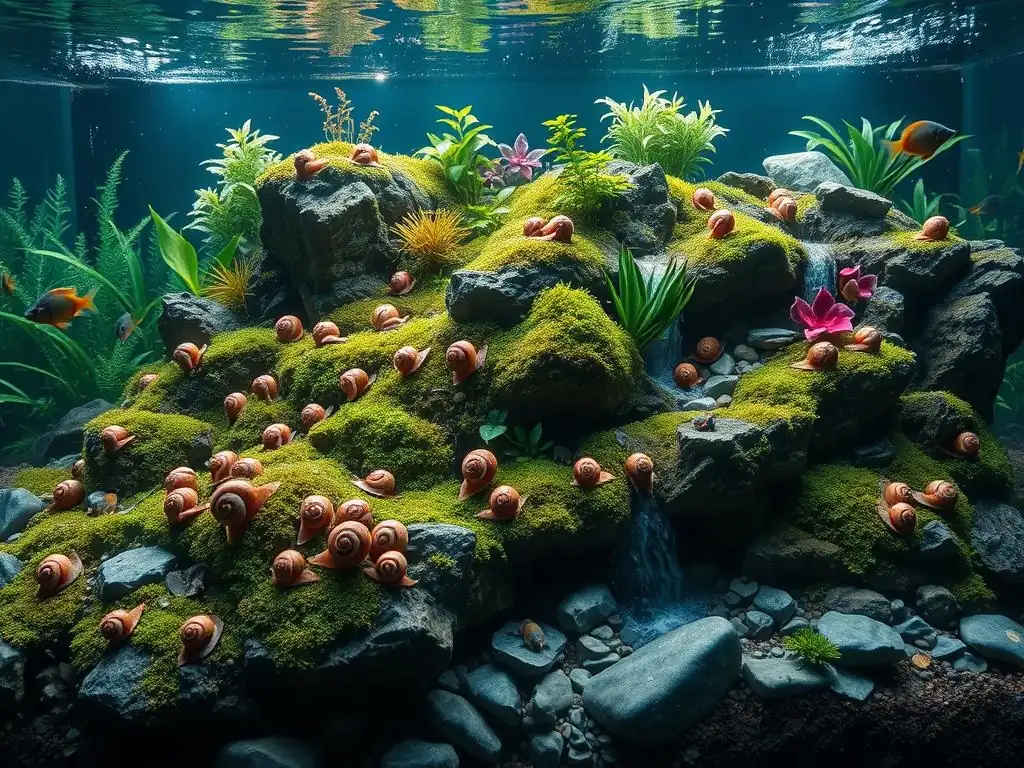
Welcome to Aquarium Mastery!
Dive into the fascinating world of freshwater aquariums, where even the smallest inhabitants hold incredible secrets. Are you ready to uncover the mysteries of the shell dwellers? This article is your gateway to understanding Tanganyika dwarf snail care, offering a comprehensive guide to these tiny architects and their unique needs. Prepare to be amazed by their behavior and learn how to create the perfect habitat for these captivating creatures. Let's begin building a thriving ecosystem, one shell at a time!
- Introduction to Tanganyikan Shell Dwellers: A Microcosm of Lake Tanganyika
- Understanding Tanganyikan Shell Dweller Care: A Beginner's Guide
- Choosing the Right Shells for Your Tanganyikan Cichlids
- Popular Shell Dweller Species: Profiles and Care Tips
- Setting Up Your Shell Dweller Aquarium: A Step-by-Step Guide
- Feeding Your Tanganyikan Shell Dwellers: A Balanced Diet
- Breeding Shell Dwellers: Encouraging Reproduction in Your Tank
- Common Health Issues in Shell Dwellers and How to Address Them
- Maintaining a Healthy Shell Dweller Tank: Routine Care and Maintenance
- Choosing Tank Mates for Shell Dwellers: Compatibility Considerations
- Troubleshooting Common Problems with Shell Dwellers
- Advanced Shell Dweller Keeping: Taking Your Aquarium to the Next Level
- Conclusion: The Rewarding World of Tanganyikan Shell Dwellers
- Frequently Asked Questions
- Final Reflection: The Tiny Architects' Enduring Legacy
- Unleash the Secrets of Shell Dweller Success!
Introduction to Tanganyikan Shell Dwellers: A Microcosm of Lake Tanganyika
Unveiling the Charm of Miniature Cichlids
Tanganyikan shell dwellers are truly captivating inhabitants of the freshwater aquarium, offering a unique glimpse into the intricate ecosystems of Africa's Lake Tanganyika. These miniature cichlids, typically ranging from a mere 1 to 3 inches (2.5 to 7.5 cm) in length, derive their common name from their fascinating behavior of utilizing empty snail shells for shelter, breeding, and territorial defense. Unlike many larger, more aggressive cichlid species, their diminutive size and specific habitat requirements make them suitable for aquarists seeking a species-specific tank or a carefully curated community setup.
Observing these tiny architects is a constant source of fascination. Species like Neolamprologus multifasciatus are known for their diligent excavation efforts, constantly rearranging sand around their chosen shells to create intricate burrow systems. This unique interaction with their environment, combined with their surprisingly complex social structures—ranging from large, bustling colonies to fiercely territorial pairs—sets them apart as some of the most engaging freshwater fish available to hobbyists. Their small stature belies a world of rich behaviors, making them a rewarding subject for dedicated Tanganyika dwarf snail care.
Why Choose Shell Dwellers for Your Aquarium?
Choosing Tanganyikan shell dwellers for your aquarium opens up a world of unique behaviors and relatively manageable care requirements, especially when compared to their larger cichlid cousins. Their primary appeal lies in their specialized adaptations to life within and around discarded snail shells, offering a dynamic display of natural instincts. For instance, a small colony of Neolamprologus multifasciatus can thrive in a 15-gallon aquarium, showcasing their social hierarchy and continuous digging activities, which is a stark contrast to the much larger tanks required for most other cichlid species.
Furthermore, shell dwellers are generally quite hardy once acclimated to stable water conditions, making them an excellent choice for intermediate aquarists looking to delve into the fascinating world of cichlids without the extensive space commitment. Their breeding habits are particularly rewarding; many species are prolific and exhibit strong parental care, allowing hobbyists to observe the full life cycle from egg to fry. This ease of reproduction, combined with their distinctive personalities and the specific needs for successful Tanganyika dwarf snail care, makes them a highly sought-after group for those establishing a biotope or a specialized display tank.
Understanding Tanganyikan Shell Dweller Care: A Beginner's Guide
Key Considerations for Shell Dweller Tank Setup
Setting up a tank for Tanganyikan shell dwellers requires attention to detail, focusing on replicating their natural environment to ensure their well-being. A minimum tank size of 10 gallons (approximately 38 liters) is generally recommended for a single pair of species like Lamprologus ocellatus, while a 20-gallon (76-liter) tank or larger is ideal for a small colony of Neolamprologus multifasciatus.
The substrate is paramount: fine sand, such as pool filter sand or play sand, should be used to a depth of at least 2-3 inches (5-7.5 cm). This allows the shell dwellers to indulge in their natural digging behaviors, creating burrows and burying their shells for security.
Beyond the substrate, appropriate filtration is essential to maintain pristine water quality without creating excessive current, which can stress these fish. Sponge filters or hang-on-back (HOB) filters with adjustable flow rates are excellent choices. Heating is also critical, as Lake Tanganyika maintains a consistent temperature; a reliable heater should keep the water between 75-80°F (24-27°C). Providing ample empty snail shells, which are central to their habitat and behavior, completes the basic setup for effective Tanganyika dwarf snail care.
Essential Water Parameters for Thriving Shell Dwellers
Maintaining precise and stable water parameters is crucial for the long-term health and vitality of Tanganyikan shell dwellers. These cichlids originate from Lake Tanganyika, which is known for its unique and highly stable water chemistry. The ideal pH range for most shell dwellers is between 7.8 and 9.0, with an optimal target around 8.2-8.6. The water should also be hard and alkaline, with a general hardness (GH) typically between 10-15 dGH (170-250 ppm) and a carbonate hardness (KH) of 160-200 ppm (9-11 dKH).
Temperature stability is equally important, ideally maintained consistently between 75°F and 80°F (24°C and 27°C). Fluctuations outside this range can cause significant stress, weakening their immune systems and making them susceptible to disease. Regular testing with a reliable liquid test kit for pH, ammonia, nitrite, nitrate, GH, and KH is highly recommended, at least weekly for ammonia, nitrite, and nitrate, and monthly for GH and KH. Consistent water changes, using dechlorinated water matched to the tank's parameters, are vital for managing nitrates and ensuring the ongoing success of Tanganyika dwarf snail care.
Choosing the Right Shells for Your Tanganyikan Cichlids
Shell Material and Size: What Works Best?
The selection of appropriate shells is a critical aspect of providing optimal Tanganyika dwarf snail care, as these are not just decorations but essential components of the cichlids' habitat, serving as homes, breeding sites, and territorial markers. The best shells are typically empty escargot shells (from edible snails), turbo snail shells, or even small, smooth conch shells.
It is crucial to ensure that any natural shells are thoroughly cleaned and sterilized by boiling them for at least 15-20 minutes to eliminate any organic matter or pathogens. Artificial ceramic shells are also available and can be a good alternative, as they are inert and consistent in quality.
When it comes to size, the shells should be proportionate to the adult size of the specific shell dweller species you intend to keep. For smaller species like Neolamprologus multifasciatus or Lamprologus ocellatus (which typically reach 1.5-2.5 inches), shells with an opening diameter of approximately 0.75-1.5 inches (2-4 cm) are generally suitable. The opening should be large enough for the fish to comfortably enter and exit, but snug enough to provide a sense of security. Providing a variety of sizes can accommodate different individuals and growth stages within a colony.
Where to Source Suitable Shells for Your Aquarium
Sourcing suitable shells for your Tanganyikan shell dweller aquarium can be done through several reliable channels, ensuring the safety and well-being of your fish. One of the most common and convenient places is local pet stores or aquarium specialty shops, which often carry pre-cleaned and aquarium-safe shells specifically for cichlids. Online retailers, such as large e-commerce platforms or specialized aquatic supply websites, also offer a wide selection of shells, including bulk options for larger setups.
Another excellent source, particularly for escargot shells, is culinary suppliers or gourmet food stores. These shells are usually clean, uniform in size, and readily available in quantity. When purchasing shells from any source, always prioritize those labeled as food-grade or aquarium-safe. If you collect shells from natural environments, such as beaches, it is absolutely imperative to clean them meticulously and boil them for an extended period (e.g., 30 minutes) to remove any salt, bacteria, or other contaminants before introducing them into your freshwater aquarium. This diligent preparation is a key part of responsible Tanganyika dwarf snail care.
Popular Shell Dweller Species: Profiles and Care Tips
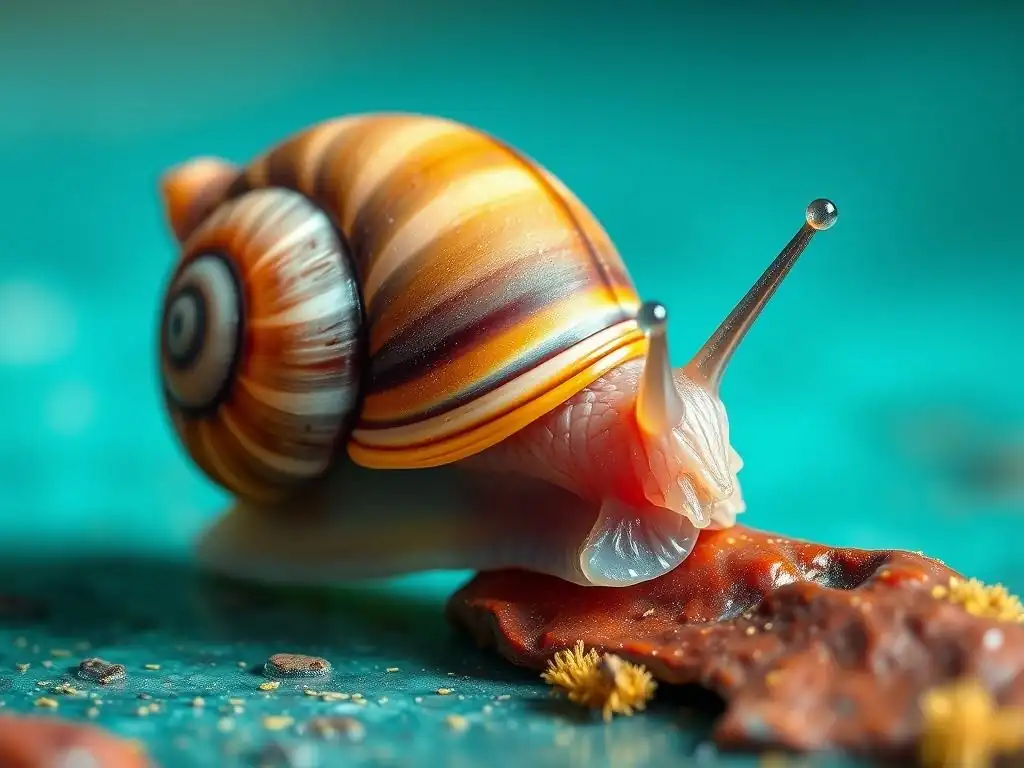
Neolamprologus multifasciatus: The Colony Builder
Neolamprologus multifasciatus, often affectionately called "Multies," are perhaps the most popular and widely recognized shell-dwelling cichlids from Lake Tanganyika. These charming fish are characterized by their small size, typically reaching only 1.5-2 inches (3.8-5 cm) in length, and their distinctive vertical stripes that run along their bodies. What truly sets them apart is their social structure: unlike many cichlids, N. multifasciatus are colonial, thriving in large groups where they establish intricate communities centered around extensive shell beds.
Their behavior is perpetually active and engaging. Multies are prolific diggers, constantly rearranging the fine sand substrate to create elaborate burrow systems around their chosen shells. This constant re-sculpting of their environment is fascinating to observe and is a hallmark of their presence. Their relatively peaceful nature within their own species, combined with their hardiness and high breeding potential, makes them an excellent choice for beginners interested in Tanganyika dwarf snail care and establishing a vibrant, self-sustaining cichlid colony.
Neolamprologus multifasciatus Tank Requirements
Establishing the correct tank environment is fundamental for the successful Tanganyika dwarf snail care of Neolamprologus multifasciatus. While a single pair can technically survive in a 10-gallon tank, a minimum of a 15-20 gallon (57-76 liter) aquarium is highly recommended for a small colony to allow for their natural social dynamics and digging behaviors. A larger tank, such as a 40-gallon breeder, is even better for a thriving, expansive colony. The substrate must be fine sand, ideally at least 3-4 inches (7.5-10 cm) deep, to facilitate their extensive burrowing activities.
The most crucial decor element is an abundance of empty snail shells. For a colony, provide at least 2-3 shells per fish, scattered across a significant portion of the tank bottom. Escargot shells or similar-sized shells are perfect. Water parameters should be consistently maintained within the Lake Tanganyika range: pH 7.8-9.0, GH 10-15 dGH, KH 160-200 ppm, and temperature 75-80°F (24-27°C). Filtration should be gentle but efficient, such as a sponge filter or a baffled hang-on-back filter, to maintain pristine water quality without strong currents.
Neolamprologus multifasciatus Breeding Behavior
Neolamprologus multifasciatus are renowned for being one of the most prolific and easily bred cichlids in the aquarium hobby, making their reproduction a highlight of Tanganyika dwarf snail care. They are substrate spawners, with the female typically laying her eggs inside a chosen snail shell. The male then fertilizes the eggs, and the female takes on the primary role of guarding the eggs and subsequent fry within the confines of the shell. In a healthy, established colony, multiple females may be spawning simultaneously, leading to a continuous cycle of new fry.
The eggs typically hatch within 3-5 days, and the tiny fry emerge from the shell approximately 7-10 days after spawning. They are surprisingly self-sufficient from a very young age, often venturing out of the shell to forage for micro-foods within a few days of emerging. Both parents, and sometimes even older juveniles in the colony, will participate in guarding the fry, herding them back into shells if danger approaches. Fry grow relatively quickly and can reach sexual maturity in as little as 4-6 months, often leading to a rapidly expanding population if not managed.
Lamprologus ocellatus: The Territorial Guardian
Lamprologus ocellatus, often simply called "Ocellatus," is another highly charismatic and popular Tanganyikan shell dweller, recognized for its striking personality and unique appearance. These small cichlids typically grow to about 1.5-2.5 inches (3.8-6.3 cm) in length, with males being slightly larger and more colorful than females. They are characterized by their robust, somewhat stocky bodies, expressive eyes, and often vibrant coloration, with some variants displaying iridescent blues, yellows, or oranges, particularly around their fins and the distinctive "ocellated" spot on their dorsal fin.
Unlike the colonial N. multifasciatus, L. ocellatus are fiercely territorial and typically kept as a single pair or a solitary specimen. They will claim a single shell as their home and defend it vigorously from any perceived intruders, regardless of size. This bold and confident behavior, despite their small stature, makes them a captivating fish to observe. Their distinct individual personalities and strong defensive instincts require specific considerations for their Tanganyika dwarf snail care, particularly regarding tank setup and potential tank mates.
Lamprologus ocellatus Tank Setup Recommendations
For Lamprologus ocellatus, focused Tanganyika dwarf snail care begins with a tank setup that caters to their highly territorial nature. A minimum of a 10-gallon (38-liter) aquarium is sufficient for a single specimen or a breeding pair.
Unlike colonial shell dwellers, L. ocellatus do not require a vast bed of shells; instead, they prefer one or two prominent, appropriately sized shells (e.g., escargot or turbo shells with an opening of 1-1.5 inches) that they can claim as their primary dwelling. These shells should be placed on a fine sand substrate, at least 2-3 inches (5-7.5 cm) deep, to allow for their characteristic digging and shell-burying behaviors.
While they are adept at moving sand, the depth ensures they can create a secure burrow. If attempting to keep multiple pairs in a larger tank (e.g., 30 gallons or more), it is crucial to provide numerous visual barriers using rocks or other decor to break up lines of sight and minimize direct confrontations between territories. Water parameters should consistently align with Lake Tanganyika's conditions: pH 7.8-9.0, GH 10-15 dGH, KH 160-200 ppm, and a stable temperature of 75-80°F (24-27°C). Gentle but effective filtration, such as a sponge filter, is also recommended.
Lamprologus ocellatus Diet and Feeding Habits
The diet of Lamprologus ocellatus in the wild consists primarily of small invertebrates found within the sandy substrate or water column, such as copepods, ostracods, and insect larvae. This carnivorous predisposition must be reflected in their captive diet for optimal Tanganyika dwarf snail care. Providing a varied and high-quality diet is crucial for their health, coloration, and breeding readiness.
In the aquarium, a staple diet should consist of high-quality, small-granule cichlid pellets or flakes that are rich in protein. These should be supplemented regularly with frozen foods such as brine shrimp, daphnia, and cyclops. Small, finely chopped bloodworms can also be offered as an occasional treat, but sparingly due to their high fat content.
Live foods, such as newly hatched brine shrimp or microworms, are excellent for conditioning breeding pairs and providing essential nutrition to growing fry. Feed small amounts 2-3 times a day, only what they can consume within a few minutes, to prevent overfeeding and maintain water quality.
Telmatochromis vittatus: The Elegant Shell Dweller
Telmatochromis vittatus stands out among shell dwellers for its more elongated body shape and often subtle, yet elegant, striped patterns. Reaching a maximum size of about 3-4 inches (7.5-10 cm), they are generally larger than Neolamprologus multifasciatus or Lamprologus ocellatus. While they utilize shells for shelter and breeding, they are often found in areas of Lake Tanganyika that feature a mix of rocky outcrops and sandy shell beds, giving them a slightly different behavioral repertoire compared to their purely shell-dwelling cousins.
These cichlids are typically more cryptic and shy than Multies or Ocellatus, preferring to dart between shells and rock crevices. They are generally peaceful towards other fish that do not compete for their specific shell territory, making them suitable for a species-only tank or a carefully selected Tanganyikan community setup. Their unique blend of shell-dwelling and rock-dwelling behaviors adds an interesting dimension to Tanganyika dwarf snail care, requiring a setup that integrates both elements effectively to provide a truly natural habitat.
Setting Up Your Shell Dweller Aquarium: A Step-by-Step Guide
Tank Size and Substrate Selection for Shell Dwellers
The foundation of a thriving shell dweller aquarium begins with appropriate tank size and substrate choice. For a breeding pair of Lamprologus ocellatus or a small species like Neolamprologus brevis, a 10-gallon (38-liter) tank can suffice. However, for a colony of Neolamprologus multifasciatus or larger species like Telmatochromis vittatus, a 20-gallon (76-liter) long tank is a much better starting point, allowing for more territories and social interaction. For expansive colonies, a 40-gallon breeder or larger is ideal.
The substrate is critically important for Tanganyika dwarf snail care. Fine sand, such as pool filter sand, play sand, or specialized aquarium sand, is absolutely essential. Avoid coarse gravel, as shell dwellers are avid diggers and require fine substrate to construct their burrows and move shells. The sand should be at least 2-3 inches (5-7.5 cm) deep, providing ample material for their natural sifting and digging behaviors, which are integral to their well-being and expression of natural instincts.
Filtration and Water Chemistry for Optimal Health
Effective filtration is paramount for maintaining the pristine water quality essential for Tanganyikan shell dwellers, yet it must be gentle to prevent strong currents that can stress these fish. Sponge filters are an excellent choice as they provide both mechanical and biological filtration with minimal water movement. Hang-on-back (HOB) filters can also be used, but their outflow should be baffled or directed towards the tank wall to dissipate strong currents. Cannister filters, if used, should have their spray bars positioned to create gentle flow.
Beyond filtration, rigorous attention to water chemistry is non-negotiable for successful Tanganyika dwarf snail care. The water must mimic the stable, hard, and alkaline conditions of Lake Tanganyika: a pH range of 7.8-9.0, a general hardness (GH) of 10-15 dGH, and a carbonate hardness (KH) of 160-200 ppm. Consistent temperature between 75-80°F (24-27°C) is also vital. Regular water testing with reliable liquid test kits for ammonia, nitrite, nitrate, pH, GH, and KH is crucial to monitor stability and detect any deviations promptly, allowing for corrective action before fish health is compromised.
Decorating Your Shell Dweller Tank: Creating a Natural Habitat
Decorating a shell dweller tank is about creating a functional, natural habitat that caters to their unique behaviors, rather than merely aesthetic appeal. The primary decor element, indispensable for Tanganyika dwarf snail care, is a generous supply of empty snail shells. For colonial species like Neolamprologus multifasciatus, arrange shells in dense clusters or scattered across a significant portion of the sand bed, providing more shells than there are fish to reduce competition. For territorial species like Lamprologus ocellatus, a few larger, prominent shells strategically placed will suffice.
Beyond shells, the use of other decor should be minimal and purposeful. Smooth, inert rocks can be used to create visual barriers and break up lines of sight, particularly in tanks housing multiple territorial pairs or mixed species.
While not strictly biotope-accurate for all shell dweller habitats, hardy live plants such as Anubias or Java Fern can be attached to rocks or driftwood, provided they are not planted directly in the sand where they would be uprooted by digging. The overall aim is to provide ample shell-dwelling opportunities and open sand areas for foraging, replicating the sparse, yet rich, environment of Lake Tanganyika's shell beds.
Feeding Your Tanganyikan Shell Dwellers: A Balanced Diet
What Do Shell Dwellers Eat in the Wild?
In their natural habitat within Lake Tanganyika, shell dwellers are primarily micro-predators, foraging for a variety of small invertebrates. Their diet largely consists of tiny crustaceans, such as copepods and ostracods, as well as various insect larvae and small worms that inhabit the sandy substrate or water column. Species like Neolamprologus multifasciatus are constantly sifting through the sand, demonstrating their natural inclination to seek out these minute food sources.
Some shell dwellers may also graze on biofilm or algae, but their primary nutritional requirements are met by animal protein. This natural diet emphasizes the importance of providing a protein-rich, varied feeding regimen in captivity to ensure their health, vibrant coloration, and successful breeding. Understanding their wild feeding habits is a cornerstone of effective Tanganyika dwarf snail care, guiding aquarists toward appropriate food choices that mimic their natural foraging behaviors.
Recommended Foods for Shell Dwellers in Captivity
For optimal Tanganyika dwarf snail care, a balanced and varied diet is crucial to meet the carnivorous needs of Tanganyikan shell dwellers in captivity. High-quality dry foods should form the staple of their diet. This includes small-granule cichlid pellets or flakes that are specifically formulated for small, carnivorous fish and boast a high protein content. Ensure the food particles are small enough for their mouths.
Supplementing their dry food with frozen options significantly enhances their nutritional intake and promotes natural foraging behaviors. Excellent choices include frozen brine shrimp, daphnia, cyclops, and mysis shrimp. Frozen bloodworms can be offered sparingly as a treat, perhaps once or twice a week, due to their higher fat content. For conditioning breeding pairs and nourishing fast-growing fry, live foods such as newly hatched brine shrimp, microworms, or grindal worms are highly beneficial, stimulating their predatory instincts and providing essential nutrients for development.
Feeding Frequency and Avoiding Overfeeding
Proper feeding frequency and diligent avoidance of overfeeding are critical components of successful Tanganyika dwarf snail care, directly impacting water quality and fish health. Due to their small size and active metabolism, Tanganyikan shell dwellers benefit from being fed small amounts multiple times a day, rather than one large meal. A schedule of 2-3 small feedings per day is generally ideal. This approach ensures they receive consistent nutrition without overwhelming their digestive systems or excessively polluting the tank water.
It is paramount to feed only what your fish can consume within 2-3 minutes. Any uneaten food that settles on the substrate will quickly decompose, leading to elevated ammonia and nitrite levels, and subsequently, nitrate accumulation. Overfeeding is a common cause of poor water quality, which in turn can lead to stress, weakened immune systems, and susceptibility to diseases like bloat. Regularly observe your fish during feeding to gauge their appetite and adjust quantities accordingly, ensuring no food is left to decay.
Breeding Shell Dwellers: Encouraging Reproduction in Your Tank
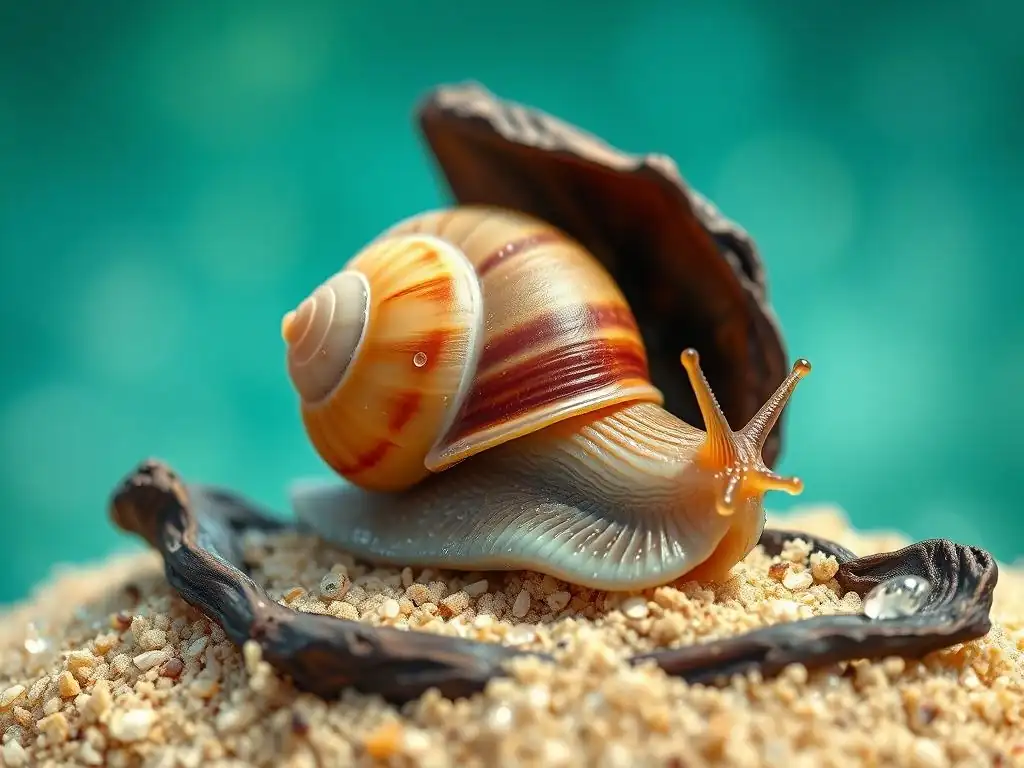
Creating the Ideal Breeding Environment
Encouraging reproduction in your Tanganyikan shell dweller tank hinges on providing an environment that closely mimics their natural breeding grounds in Lake Tanganyika. The most critical factors are stable, pristine water parameters within their optimal range (pH 7.8-9.0, GH 10-15 dGH, KH 160-200 ppm, temperature 75-80°F), and an abundance of suitable empty snail shells. For colonial breeders like Neolamprologus multifasciatus, having many shells (e.g., 2-3 shells per fish) allows females to select their preferred spawning sites and provides ample hiding spots for fry.
A fine sand substrate, at least 2-3 inches deep, is also essential, enabling the fish to dig and rearrange shells as part of their courtship and parental care. A species-only tank often yields the highest breeding success rates, as it minimizes stress from incompatible tank mates and reduces predation on fry. Increasing the temperature slightly to the upper end of their preferred range (e.g., 78-80°F) and offering a varied diet rich in live or frozen foods can further stimulate spawning, making for a rewarding experience in Tanganyika dwarf snail care.
Identifying Breeding Pairs and Observing Courtship
Identifying breeding pairs and observing courtship rituals are fascinating aspects of Tanganyika dwarf snail care. In colonial species like Neolamprologus multifasciatus, a dominant male will typically oversee a territory containing multiple females, each with her own shell. Courtship involves the male displaying his fins and wiggling to entice a female into a shell. For pair-bonding species such as Lamprologus ocellatus, the male and female will typically choose a single shell that they will fiercely defend together.
Prior to spawning, the female will often meticulously clean the inside of her chosen shell, removing any sand or debris. During the actual spawning, the female enters the shell to lay her eggs, often in batches, and the male follows to fertilize them. After fertilization, the female takes on the primary responsibility of guarding the eggs and, subsequently, the newly hatched fry within the safety of the shell. Observing these intricate behaviors provides deep insight into their social structure and reproductive strategies.
Raising Shell Dweller Fry: From Egg to Juvenile
Raising shell dweller fry is a rewarding part of Tanganyika dwarf snail care, as many species are prolific breeders and exhibit strong parental care, making the process relatively straightforward. After the eggs hatch inside the shell (typically 3-5 days post-spawn), the tiny fry emerge from the shell within another 7-10 days, depending on the species and temperature. At this stage, they are incredibly small but are free-swimming and self-sufficient, ready to forage for micro-foods.
The initial diet for shell dweller fry is crucial for their rapid growth. Newly hatched brine shrimp nauplii are an ideal first food, providing essential protein and small enough for their mouths. Micro-worms or finely crushed high-quality fry food can also be offered.
Parents will continue to guard the fry for several weeks, often herding them back into the shells at night or if perceived danger approaches. To maximize fry survival, especially in community tanks, small, gentle water changes are necessary, ensuring no fry are accidentally siphoned out. Fry grow quickly and can reach sexual maturity in as little as 4-6 months, continuing the cycle.
Common Health Issues in Shell Dwellers and How to Address Them
Recognizing Signs of Illness in Your Cichlids
Early recognition of illness is paramount for effective Tanganyika dwarf snail care, as prompt intervention can often prevent minor issues from becoming severe. Healthy shell dwellers are typically active, display vibrant coloration, have clear eyes, and exhibit a strong appetite. Any deviation from these norms should raise a red flag. Common signs of illness include lethargy or listlessness, often characterized by hiding more than usual or remaining motionless near the bottom.
Other indicators include clamped fins (fins held close to the body), rapid or labored breathing, loss of appetite, or refusing food. Physical changes such to the fish's appearance, such as faded coloration, white spots (a sign of Ich), fuzzy growths (fungus), bloating, ragged fins, or visible lesions, are also clear signs of distress. Observing your fish closely during feeding times is an excellent way to monitor their behavior and identify any potential health problems early on, allowing for timely treatment.
Common Diseases Affecting Shell Dwellers
Despite their general hardiness, Tanganyikan shell dwellers can be susceptible to several common aquarium diseases, particularly if water quality is poor or stress levels are high. One of the most prevalent is Ich (White Spot Disease), caused by the parasite Ichthyophthirius multifiliis, which manifests as small white spots resembling salt grains on the body and fins. This is often triggered by temperature fluctuations or stress from new introductions.
Another serious concern is Bloat, often associated with internal bacterial infections, poor diet, or compromised water quality. Symptoms include a swollen abdomen, loss of appetite, and white, stringy feces. Fin Rot, typically bacterial, causes fins to appear frayed, ragged, or develop white edges. Columnaris (Cottonmouth Disease), caused by Flexibacter columnaris, can appear as white or gray patches on the mouth, body, or fins, resembling cotton. Adhering to strict Tanganyika dwarf snail care protocols, including stable parameters and a balanced diet, significantly reduces the risk of these common ailments.
Quarantine Procedures and Treatment Options
Implementing robust quarantine procedures is arguably the most effective preventative measure in Tanganyika dwarf snail care, safeguarding your established aquarium from new diseases. All new fish, regardless of their apparent health, should be quarantined in a separate tank for a minimum of 2-4 weeks. This allows time for any latent diseases to manifest and be treated without exposing your main display tank. The quarantine tank should be fully cycled and maintain the same water parameters as the main tank.
When treating common diseases, it's crucial to correctly identify the ailment before administering medication. For Ich, increasing tank temperature gradually to 82-84°F (28-29°C) for several days (if compatible with tank mates) and using an Ich-specific medication is often effective. For bacterial infections like Fin Rot or Bloat, broad-spectrum antibacterial treatments are typically required. Always remove activated carbon from the filter during treatment, as it will absorb the medication. Follow dosage instructions precisely, and ensure excellent water quality throughout the treatment period, often by performing small, frequent water changes.
Maintaining a Healthy Shell Dweller Tank: Routine Care and Maintenance
Water Changes and Tank Cleaning Schedule
Consistent water changes are the cornerstone of maintaining a healthy shell dweller tank and are critical for successful Tanganyika dwarf snail care. A weekly water change of 25-30% of the tank volume is highly recommended. This routine helps to dilute nitrates, replenish essential minerals, and maintain overall water quality. When performing water changes, use a fine-gravel vacuum (or a dedicated sand vacuum) to gently siphon detritus and uneaten food from the top layer of the sand substrate. Avoid deep vacuuming that might disturb the beneficial bacteria living within the sand bed.
Beyond weekly water changes, routine cleaning of the tank glass to remove algae is important for aesthetic appeal and light penetration. Filter media should be cleaned or replaced as needed, typically every 2-4 weeks for mechanical media (like sponges or floss) and every 2-3 months for biological media. Always rinse filter media in old tank water removed during a water change to preserve the beneficial bacterial colonies. Avoid cleaning all filter media simultaneously, as this can crash the nitrogen cycle and lead to ammonia or nitrite spikes.
Monitoring Water Parameters Regularly
Regular monitoring of water parameters is an indispensable aspect of proactive Tanganyika dwarf snail care, providing crucial insights into the stability and health of your aquarium environment. It is highly recommended to test your tank water at least once a week for ammonia, nitrite, and nitrate, especially in newer setups or if any signs of fish distress are observed. Ammonia and nitrite should always read zero. Nitrate levels should ideally be kept below 20 ppm through consistent water changes.
In addition to the nitrogen cycle parameters, regularly testing pH, general hardness (GH), and carbonate hardness (KH) is vital for Tanganyikan cichlids. While pH can be checked weekly, GH and KH can be monitored monthly unless issues arise. Keeping a log of your test results allows you to track trends and identify any gradual shifts in parameters before they become problematic. Consistency in these parameters is often more important than hitting exact numbers, as sudden fluctuations can be more detrimental to fish health than slightly off-target but stable readings.
Preventing Algae Growth in Your Shell Dweller Aquarium
Preventing excessive algae growth is an important part of maintaining a visually appealing and healthy shell dweller aquarium, which contributes to overall Tanganyika dwarf snail care. While some algae is natural and can even be a food source for certain tank inhabitants, uncontrolled blooms can indicate underlying issues and detract from the tank's aesthetics. The primary strategy for prevention involves managing light exposure: limit your aquarium lighting to 8-10 hours per day, and avoid placing the tank in direct sunlight, which can fuel rapid algae proliferation.
Maintaining excellent water quality is another key preventative measure. Regular water changes help to reduce excess nutrients, particularly nitrates and phosphates, which are primary food sources for algae. Overfeeding should be avoided, as uneaten food breaks down into these very nutrients. If algae does become an issue, manual removal (e.g., scraping glass, scrubbing decor) is often effective. While some algae-eating snails (like Nerite snails) can be introduced, ensure they are compatible with your shell dwellers, as some cichlids may harass or consume them.
Choosing Tank Mates for Shell Dwellers: Compatibility Considerations
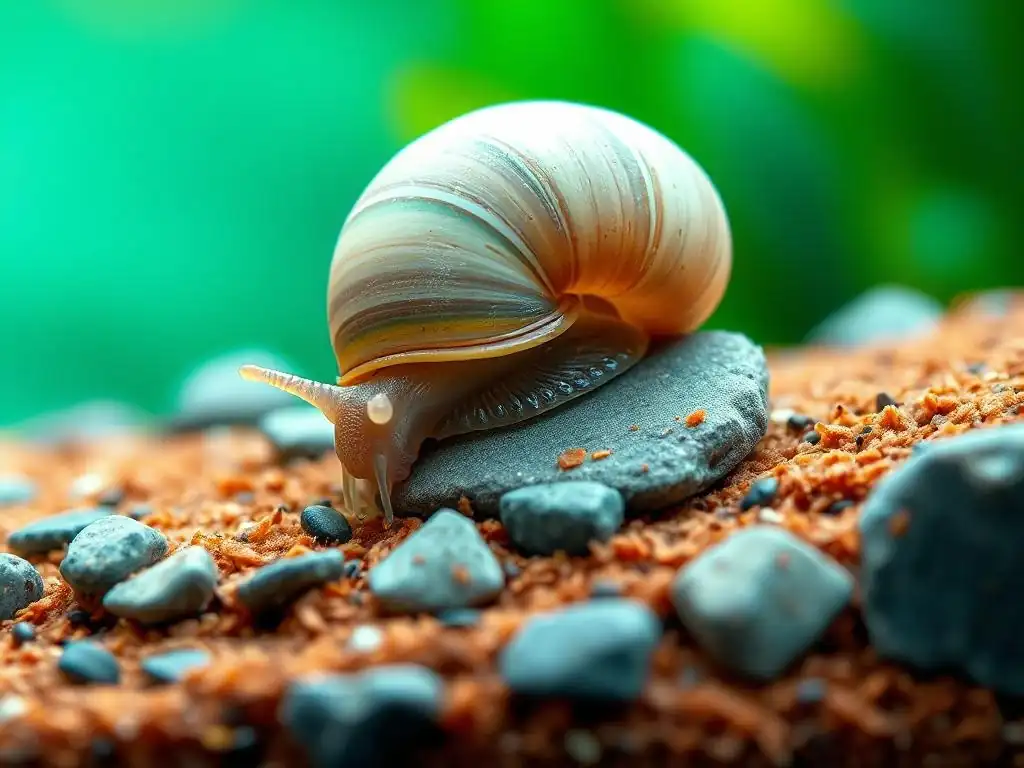
Suitable Tank Mates for a Peaceful Community
Choosing appropriate tank mates is a crucial consideration for harmonious Tanganyika dwarf snail care, especially given the territorial nature of many shell dwellers. The best tank mates are typically other small, peaceful Tanganyikan cichlids that occupy different levels of the water column, minimizing direct competition for space and shells. Good choices include small species of Julidochromis (e.g., J. transcriptus or J. regani), which are rock dwellers and prefer crevices, or dwarf Altolamprologus compressiceps (e.g., "Sumbu" or "Kigoma" variants), which are slow-moving and prefer rocky areas.
Small, open-water dwelling Tanganyikan cichlids like certain Cyprichromis species (e.g., Cyprichromis leptosoma "Utinta") can also be excellent additions, as they spend their time schooling in the upper water column, far from the shell dweller territories. Bottom-dwelling catfish, such as dwarf Synodontis petricola (if the tank is sufficiently large, e.g., 30 gallons+), can also coexist peacefully, provided they do not directly compete for shells. The key is to select fish with similar water parameter requirements and distinct habitat preferences.
Fish to Avoid: Aggression and Competition
When planning your Tanganyika dwarf snail care, it is equally important to know which fish to avoid as tank mates to prevent aggression, stress, and potential fatalities. Any large, highly aggressive, or boisterous cichlid species from Lake Tanganyika (e.g., larger Tropheus species, most Neolamprologus brichardi if not carefully managed) or from other African lakes (e.g., most Malawian Mbunas) are generally unsuitable. Their aggressive nature and vastly different behavioral needs will quickly overwhelm and stress out the smaller, more specialized shell dwellers.
Furthermore, avoid any fish that directly compete for shells or bottom territory. This includes other shell-dwelling species if the tank is too small to accommodate multiple territories, or larger bottom-dwelling catfish that might inadvertently disturb shell dweller homes. Very small, slow-moving, or long-finned fish should also be avoided, as they might be perceived as food or targets for aggression by the territorial cichlids. Fish requiring vastly different water parameters (e.g., soft, acidic water) are, of course, also incompatible.
Invertebrates That Complement Your Shell Dweller Tank
The inclusion of invertebrates in a Tanganyikan shell dweller tank requires careful consideration, as many shell dwellers are opportunistic predators or highly territorial. For successful Tanganyika dwarf snail care, it is generally recommended to stick to a few specific types of snails that are known to be compatible. Nerite snails ( Neritina natalensis) are often considered the best choice. They are excellent algae eaters, have very hard shells that shell dwellers typically cannot break, and are generally ignored by most shell dweller species due to their robust nature and lack of direct competition for shells.
Other types of snails, such as Mystery snails ( Pomacea diffusa) or Ramshorn snails ( Planorbella spp.), are often not recommended. Their softer shells or smaller size can make them targets for predation or harassment by larger or more aggressive shell dwellers. Freshwater shrimp, such as Amano shrimp ( Caridina multidentata) or various dwarf shrimp species, are almost universally seen as food by shell dwellers, regardless of the cichlid's size, and will quickly be consumed. Therefore, it's best to limit invertebrates to hardy, non-competitive snail species if any are desired.
Troubleshooting Common Problems with Shell Dwellers
Shell Dweller Aggression and Territorial Disputes
Aggression and territorial disputes are common challenges in Tanganyika dwarf snail care, particularly with these cichlids, and usually stem from underlying issues in the tank setup or population. Insufficient shells are a primary culprit; if there aren't enough shells for every fish to claim a home, or if the shells are too close together without visual barriers, conflicts will inevitably arise. Providing more shells, ideally 2-3 per fish for colonial species, and arranging them strategically with some open space or rock barriers can significantly reduce aggression.
Tank size is another critical factor. Overcrowding in an undersized aquarium will intensify territorial disputes, as fish simply do not have enough personal space. Upgrading to a larger tank can often resolve persistent aggression. Finally, incompatible tank mates that compete for the same bottom space or are simply too large or aggressive for the shell dwellers can cause stress and lead to defensive aggression. Carefully reviewing tank mate compatibility and removing problematic fish may be necessary to restore peace.
Shell Dweller Fry Survival Rates
While many Tanganyikan shell dwellers are prolific breeders and excellent parents, achieving high fry survival rates can sometimes be a challenge in a community setting, requiring specific attention in Tanganyika dwarf snail care. The primary threat to fry survival is predation, often from other tank inhabitants, including larger tank mates or even hungry adult shell dwellers, especially in overcrowded conditions. Fry are tiny upon emergence, making them vulnerable.
To maximize fry survival, particularly if you aim to raise a large number, consider moving a breeding pair or the spawning shell (with eggs or newly hatched fry inside) to a dedicated fry-raising tank. This separate tank should be fully cycled and have very gentle filtration, such as an air-driven sponge filter, to prevent fry from being sucked in. Providing ample micro-foods, such as newly hatched brine shrimp or microworms, immediately upon their emergence ensures they have a constant food supply, promoting rapid growth and higher survival rates.
Maintaining Stable Water Parameters for Sensitive Species
Maintaining stable water parameters is paramount for the long-term health of Tanganyikan shell dwellers, especially for more sensitive species, and is a cornerstone of effective Tanganyika dwarf snail care. While Lake Tanganyika itself is incredibly stable, home aquariums can experience fluctuations due to various factors. If your tap water parameters are significantly different from the ideal (pH 7.8-9.0, GH 10-15 dGH, KH 160-200 ppm), using reverse osmosis (RO) or deionized (DI) water remineralized with specific Tanganyika cichlid salts is often the best solution. This allows for precise control over your water chemistry.
Beyond initial setup, consistent and regular water changes are vital to prevent gradual parameter drifts. Avoid large, infrequent water changes that can cause sudden shifts in chemistry, which are far more stressful to fish than stable, even if slightly suboptimal, conditions. Drip acclimation for any new fish introductions is also highly recommended to minimize shock from differing water parameters. Regular testing with reliable liquid test kits provides an early warning system, allowing you to address any parameter imbalances before they negatively impact your sensitive shell dwellers.
Advanced Shell Dweller Keeping: Taking Your Aquarium to the Next Level
Creating a Biotope Aquarium for Tanganyikan Cichlids
Taking your Tanganyika dwarf snail care to an advanced level often involves creating a biotope aquarium, a setup designed to accurately replicate a specific natural habitat from Lake Tanganyika. For shell dwellers, this means focusing on the sandy shell beds found in various parts of the lake. The foundation is a deep bed of fine, inert sand (at least 4-6 inches), allowing for extensive digging and burrow construction. The primary decor will be a generous scattering of empty snail shells, such as those from Neothauma tanganyicense (often simulated with escargot or turbo shells), arranged to mimic natural shell middens.
Minimal other decor is typically used, perhaps a few smooth, rounded rocks to create visual breaks or additional hiding spots, reflecting the sparse yet functional nature of their environment. Lighting should be moderate, mimicking the penetration of sunlight through the lake's clear waters. A biotope emphasizes realism, providing an immersive experience for both the fish and the observer, showcasing the fish's natural behaviors in an authentic context, and deepening the understanding of their specific needs.
Using Live Plants in a Shell Dweller Tank
While many natural shell dweller habitats in Lake Tanganyika are relatively barren, incorporating live plants into a shell dweller tank can be achieved with careful selection, taking your Tanganyika dwarf snail care to a new dimension. The primary challenge is the shell dwellers' avid digging behavior, which can easily uproot traditional rooted plants. Therefore, plants that can be attached to rocks or driftwood, or those that are extremely hardy and tolerant of disturbance, are the best choices.
Excellent options include various species of Anubias (e.g., Anubias barteri, A. nana), Java Fern ( Microsorum pteropus), and Bolbitis ( Bolbitis heudelotii). These plants derive nutrients from the water column rather than the substrate and can be secured with fishing line or super glue. Floating plants, such as Dwarf Water Lettuce or Red Root Floaters, can also be used to provide shade and reduce light intensity, which some shell dwellers appreciate. Cryptocoryne species can sometimes work if their rhizomes are well-established and protected, but they are still vulnerable to being uprooted by persistent digging.
Delving into the social dynamics of Tanganyikan shell dwellers is a fascinating aspect of advanced Tanganyika dwarf snail care, revealing the complex interactions within their miniature societies. Different species exhibit distinct social structures. Neolamprologus multifasciatus, for example, are true colonial cichlids, forming bustling communities where a dominant male oversees multiple females and their respective shell territories. Observing the intricate pecking order, the cooperative defense of the colony, and the nuanced communication between individuals is a continuous learning experience.
In contrast, species like Lamprologus ocellatus are typically kept as solitary individuals or in bonded pairs, fiercely defending their chosen shell from all intruders. Understanding these inherent social structures is critical for successful long-term keeping. It influences tank size requirements, the number of shells needed, and the compatibility of tank mates. Spending time observing their territorial disputes, courtship rituals, and parental care behaviors allows the aquarist to truly appreciate the depth and complexity of these tiny cichlids' social lives.
Conclusion: The Rewarding World of Tanganyikan Shell Dwellers
Enjoying the Unique Behaviors and Beauty of These Miniature Cichlids
The world of Tanganyikan shell dwellers offers an incredibly rewarding experience for aquarists, combining the allure of African cichlids with the manageable size suitable for many home setups. From the tireless digging of Neolamprologus multifasciatus to the bold territorial displays of Lamprologus ocellatus, these miniature cichlids exhibit a spectrum of unique behaviors that are captivating to observe. Their intricate social structures, diligent parental care, and fascinating interactions with their shell-based homes provide endless opportunities for discovery and enjoyment.
Beyond their captivating antics, their often vibrant, albeit sometimes subtle, coloration adds a quiet beauty to any aquarium. Successfully establishing and maintaining a thriving shell dweller tank is a testament to dedicated Tanganyika dwarf snail care, showcasing a microcosm of Lake Tanganyika's unique ecosystem right in your home. The satisfaction of witnessing a healthy colony or a pair raising fry is unparalleled, making them a truly special addition to the freshwater hobby.
Resources for Further Learning about Shell Dweller Care
To truly master Tanganyika dwarf snail care and delve deeper into the fascinating world of shell dwellers, continuous learning is key. The internet offers a wealth of information; specialized online forums and communities dedicated to African cichlids or Lake Tanganyika biotopes are invaluable resources. Here, you can connect with experienced hobbyists, ask specific questions, and share your own observations and successes.
Beyond online communities, several comprehensive books on Lake Tanganyika cichlids provide in-depth scientific and practical information on species identification, natural habitats, breeding, and advanced care techniques. Reputable aquarium clubs, both local and national, often host meetings, workshops, and guest speakers who are experts in Tanganyikan cichlids. Engaging with these resources will not only expand your knowledge but also connect you with a passionate community of aquarists dedicated to the responsible and rewarding keeping of these tiny architects.
Frequently Asked Questions
How difficult is Tanganyika dwarf snail care for a beginner?
Tanganyika dwarf snail care is generally considered easy to moderate. They are relatively hardy but require stable water parameters and specific substrate conditions for optimal health.
What type of aquarium setup is best for Tanganyika dwarf snails?
They thrive in small aquariums (10 gallons or larger) with plenty of shells for shelter and breeding. A sandy substrate is essential to allow them to burrow and move freely.
What do Tanganyika dwarf snails eat?
They are primarily scavengers, feeding on algae and detritus. Supplement their diet with small amounts of fish food or algae wafers to ensure they get enough nutrition.
What are the ideal water parameters for a Tanganyika dwarf snail tank?
They need hard, alkaline water with a pH between 7.5 and 9.0, and a temperature of 72-78°F (22-26°C). Maintaining stable water conditions is crucial for their well-being.
How do I breed Tanganyika dwarf snails?
They are relatively easy to breed in a suitable environment. Provide them with plenty of shells, stable water parameters, and adequate food. They will naturally lay their eggs within the shells.
Final Reflection: The Tiny Architects' Enduring Legacy
The intricate world of Tanganyika dwarf snails, once a niche interest, is now gaining traction as more aquarists discover the joy of these miniature architects. This growing popularity underscores a deeper appreciation for biodiversity and the delicate balance of aquatic ecosystems. The information shared in this guide, from optimal tank conditions to breeding tips, is not just about keeping snails alive; it's about fostering a thriving microcosm that reflects the beauty and complexity of Lake Tanganyika itself.
This journey into the world of shell dwellers has been more than just a practical guide; it's a reminder of the profound impact even the smallest creatures can have on our understanding of the natural world. Their unique behaviors and specialized adaptations offer a window into the evolutionary forces that shape life on Earth. In nature, nothing exists alone.
- Rachel Carson. This quote perfectly encapsulates the interconnectedness highlighted by these tiny snails and their environment, urging us to consider the broader implications of our actions on the delicate web of life.
Now, as you embark on your own journey with Tanganyika dwarf snails, remember that you are not just a keeper, but a steward of a small piece of this incredible ecosystem. Let the lessons learned from these tiny architects inspire you to cultivate a deeper respect for the natural world and to contribute, in your own way, to its preservation. Consider the ripple effect of your choices and strive to create a sustainable and thriving environment, not just for your snails, but for all living things.
Unleash the Secrets of Shell Dweller Success!
Thank you for diving deep into the fascinating world of shell dwellers! We hope you've gained a new appreciation for these tiny architects and their unique behaviors. Now, it's time to take action and bring a piece of Lake Tanganyika into your home!
Here are a few ways to get started:
- Start planning your shell dweller tank! Research compatible tank mates and begin cycling your aquarium to create the perfect environment.
- Share this article with fellow aquarium enthusiasts and spark a conversation about the captivating world of shell dwellers!
- Explore additional resources on Aquarium Mastery to learn advanced techniques for breeding and caring for these incredible fish, like our deep dive into feeding habits!
What unique tank decoration idea will you use to make your shell dweller aquarium stand out?