
Keeping *Cyprichromis* with Shell Dwellers: A Symbiotic Relationship?

Welcome to Aquarium Mastery!
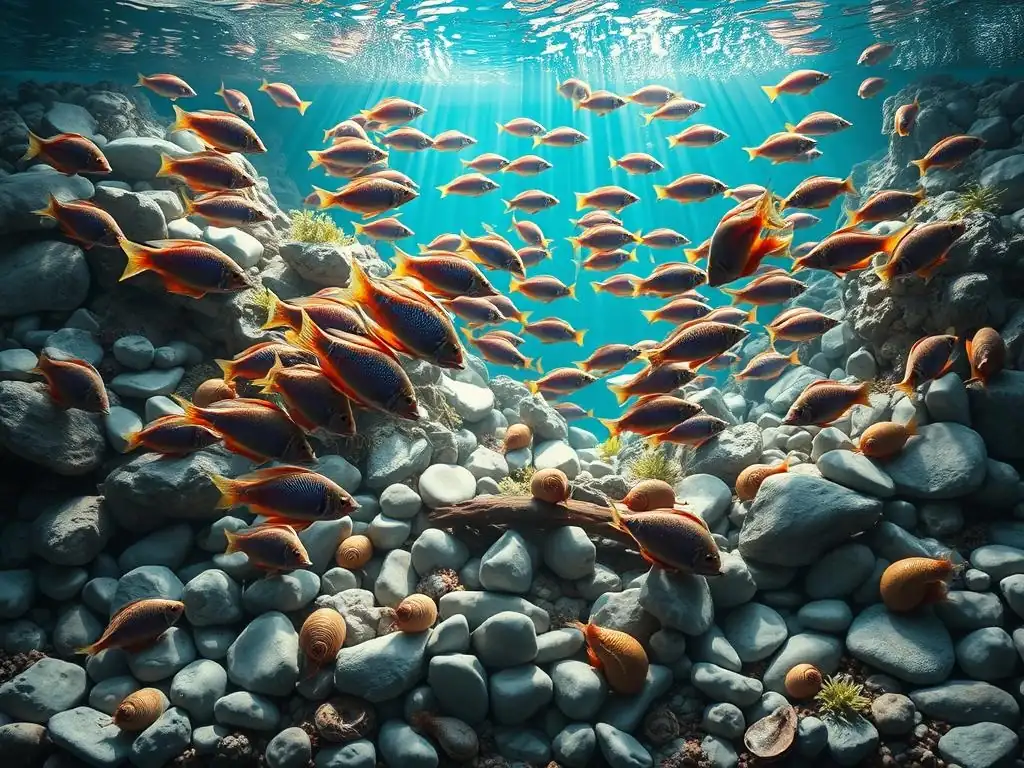
Ever wondered if the elegant Cyprichromis could share a tank harmoniously with the quirky shell dwellers? Dive into our comprehensive guide on Cyprichromis shell dweller compatibility and uncover the secrets to creating a vibrant, thriving freshwater community. Discover the do's and don'ts of mixing these fascinating species, and learn how to foster a balanced ecosystem that will have your aquarium flourishing. Ready to unlock the potential of your tank? Let's explore!
- Understanding Cyprichromis and Shell Dwellers in the Tanganyikan Aquarium
- Advantages of Combining Cyprichromis and Shell Dwellers in a Tanganyikan Tank
- Selecting the Right Cyprichromis and Shell Dweller Species for Coexistence
- Setting Up the Ideal Tanganyikan Aquarium for Cyprichromis and Shell Dwellers
- Feeding Cyprichromis and Shell Dwellers in a Shared Tank
- Potential Challenges and How to Overcome Them
- Maintaining a Healthy and Thriving Cyprichromis and Shell Dweller Aquarium
- Troubleshooting Common Issues in Mixed Cyprichromis and Shell Dweller Tanks
- Conclusion: The Rewards of a Harmonious Tanganyikan Community Tank
-
Frequently Asked Questions
- How compatible are Cyprichromis and shell dwellers in an aquarium setting?
- What tank size is recommended when keeping Cyprichromis and shell dwellers together?
- What water parameters are ideal for both Cyprichromis and shell dweller species?
- What should I feed Cyprichromis and shell dwellers when keeping them together?
- What are some potential issues to watch out for when keeping Cyprichromis and shell dwellers together?
- Final Reflection: Harmony in the Aquarium
- Uncover the Secret to a Thriving Cyprichromis Tank!
Understanding Cyprichromis and Shell Dwellers in the Tanganyikan Aquarium
Introduction to Cyprichromis and Their Unique Behavior
Cyprichromis, often referred to as "featherfins," are among the most graceful and visually striking cichlids from Lake Tanganyika. These pelagic species are renowned for their elegant, almost balletic movements as they school in the open water column, typically in the upper and middle sections of the lake. Males exhibit vibrant coloration, especially during breeding, displaying to attract females. Their unique spawning behavior involves the male attracting a female to an open-water location, where she lays eggs and immediately picks them up for mouthbrooding.
Unlike many other cichlids, Cyprichromis species are primarily planktivores, feeding on microscopic organisms suspended in the water. This dietary preference, coupled with their schooling nature, makes them distinct inhabitants of the Tanganyikan biotope. Their calm demeanor and preference for open swimming areas contribute to a peaceful tank environment, provided they have ample space and are kept in appropriate group sizes to reduce individual stress and promote natural schooling behaviors.
Shell Dwellers: The Tiny Titans of Lake Tanganyika
Shell dwellers, primarily species from the Neolamprologus and Lamprologus genera, are a fascinating group of miniature cichlids native to Lake Tanganyika. These fish, typically ranging from 1 to 3 inches (2.5 to 7.5 cm) in length, derive their name from their unique reliance on empty snail shells for shelter, breeding, and protection. They are highly territorial, fiercely defending their chosen shell and the immediate surrounding area, often digging elaborate burrows beneath or around their homes.
These "tiny titans" occupy the very bottom stratum of the lake, rarely venturing far from their shells. Their social structures vary by species, with some forming large, bustling colonies (e.g., Neolamprologus multifasciatus) and others preferring a more solitary or pair-bonded existence (e.g., Lamprologus ocellatus). Their intriguing behaviors, from aggressive territorial displays to intricate shell maintenance, make them captivating subjects for observation within the aquarium, firmly anchoring the activity to the tank's substrate.
The Potential for Symbiosis: Cyprichromis and Shell Dweller Compatibility
The concept of Cyprichromis shell dweller compatibility stems from the distinct ecological niches these two groups occupy in Lake Tanganyika, which can be effectively replicated in a home aquarium. Cyprichromis primarily inhabit the upper and middle water columns, feeding on plankton and schooling openly. In stark contrast, shell dwellers are substrate-bound, relying on shells for refuge and sustenance from the bottom. This natural vertical separation minimizes direct competition for space and resources.
This spatial segregation is the cornerstone of their successful cohabitation. Cyprichromis are largely indifferent to the activities of shell dwellers, as the bottom-dwelling cichlids do not pose a threat or compete for their swimming space. Conversely, shell dwellers generally ignore the fish above them, focusing their aggression and territoriality on other bottom-dwellers or perceived threats to their shells. This inherent lack of direct interaction fosters a peaceful environment, making Cyprichromis shell dweller compatibility a highly sought-after setup for Tanganyikan enthusiasts.
Advantages of Combining Cyprichromis and Shell Dwellers in a Tanganyikan Tank
Enhanced Tank Dynamics: Creating a More Natural Ecosystem
Combining Cyprichromis and shell dwellers allows aquarists to create a truly dynamic and biologically diverse Tanganyikan biotope within a single tank. This setup beautifully showcases the distinct ecological roles played by different cichlid groups from Lake Tanganyika, providing a more comprehensive and natural representation of the lake's rich biodiversity. The graceful, schooling Cyprichromis in the mid-to-upper water column provide constant movement and visual interest, mimicking the open-water environment.
Simultaneously, the bustling activity of the shell dwellers on the substrate, with their intricate burrowing, territorial disputes, and parental care, brings the bottom of the tank to life. This vertical stratification not only maximizes the visual appeal but also allows for a higher bioload efficiency, as different species utilize different parts of the tank without direct competition. The result is an aquarium that feels more alive and offers continuous opportunities for observing natural behaviors, embodying the ideal of Cyprichromis shell dweller compatibility.
Reduced Aggression: How Cyprichromis Can Diffuse Shell Dweller Conflicts
While shell dwellers are known for their territorial nature, the presence of active, schooling Cyprichromis in the upper water column can surprisingly contribute to a reduction in aggression among the bottom dwellers. The constant movement of the Cyprichromis can act as a natural distraction or even a perceived, albeit harmless, "threat" from above, keeping the shell dwellers more focused on their immediate shell territories rather than expanding their aggression outward.
This indirect interaction means that shell dwellers are less likely to engage in prolonged or severe conflicts with their own kind or other bottom-dwelling species, as their attention is periodically drawn upwards. Furthermore, since Cyprichromis do not compete for territory or food at the substrate level, they do not trigger the primary aggressive responses of shell dwellers. This passive diffusion of tension is a significant advantage, fostering a more stable and less stressful environment for all inhabitants, and highlighting the positive aspects of Cyprichromis shell dweller compatibility.
Utilizing Different Tank Zones: Optimizing Space and Resources
One of the most compelling advantages of housing Cyprichromis with shell dwellers is the efficient utilization of the entire aquarium volume. Cyprichromis are pelagic fish that require ample open swimming space in the upper two-thirds of the tank. They are rarely seen near the substrate unless feeding. In contrast, shell dwellers are strictly benthic, occupying the bottom third of the tank, where they establish their territories around shells and engage in burrowing activities.
This natural partitioning means that the two groups effectively use different "floors" of the aquarium, minimizing spatial competition and allowing for a greater number of fish to be housed comfortably than if only one type of cichlid were kept. This optimization extends to resource allocation, particularly feeding, as Cyprichromis primarily feed from the water column, while shell dwellers consume food that settles to the bottom. This distinct vertical distribution is key to successful Cyprichromis shell dweller compatibility, maximizing the potential of the tank's dimensions.
Selecting the Right Cyprichromis and Shell Dweller Species for Coexistence
Choosing Peaceful Cyprichromis Varieties
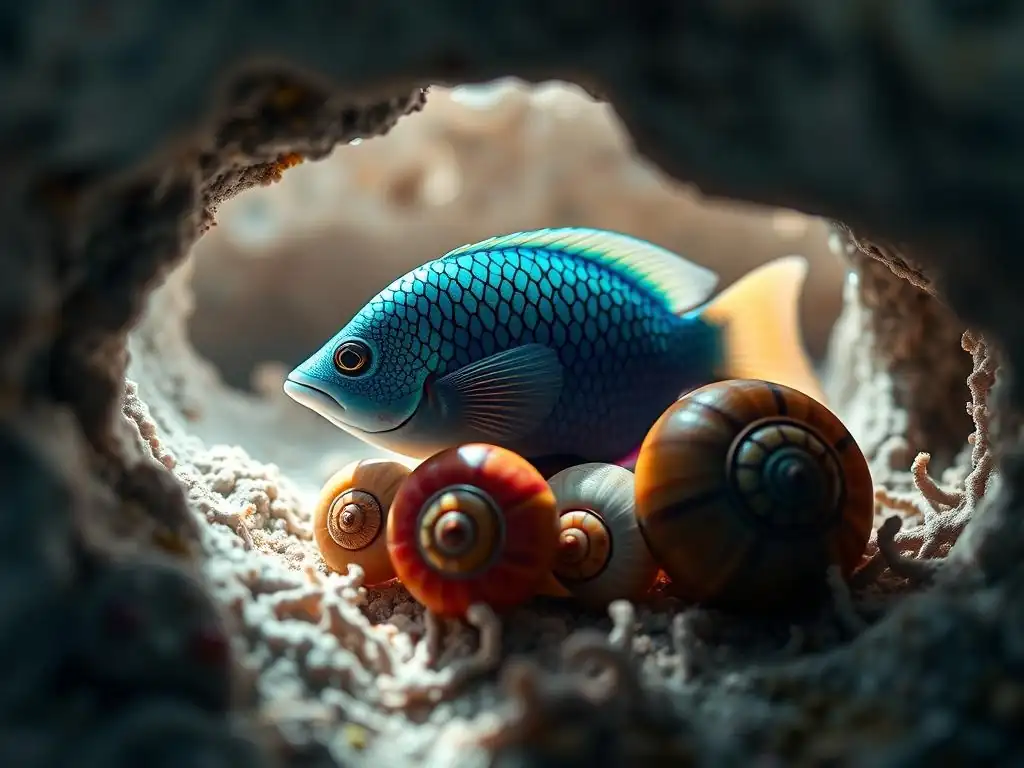
When selecting Cyprichromis species for a mixed tank, prioritizing peaceful and smaller varieties is crucial to ensure harmonious Cyprichromis shell dweller compatibility. While most Cyprichromis are generally non-aggressive towards other species, their schooling nature means a larger group will disperse any internal aggression and reduce stress. Aim for a minimum school of 6-8 individuals, preferably with a higher female-to-male ratio, such as two females for every male, to minimize male-on-male aggression during breeding displays.
It is also important to consider the adult size of the Cyprichromis species. Larger species might inadvertently stress smaller shell dwellers by their sheer presence, although direct aggression is rare. Focusing on the more commonly available and well-documented peaceful types will significantly increase the chances of a successful community setup.
Cyprichromis leptosoma and Their Suitability for Community Tanks
Cyprichromis leptosoma is arguably the most popular and widely available species of featherfin cichlid, making it an excellent choice for a community tank with shell dwellers. These elegant fish typically reach an adult size of about 4-5 inches (10-12.5 cm) for males and slightly smaller for females. Their relatively moderate size and calm temperament make them ideal candidates for Cyprichromis shell dweller compatibility, as they thrive in open water and do not interfere with the bottom-dwelling activities.
C. leptosoma exhibit beautiful schooling behavior and come in various color morphs, such as "Blue Flash" or "Utinta," adding vibrant splashes of color to the upper tank regions. Keeping a group of at least 8-10 individuals in a tank of 55 gallons (approx. 208 liters) or more allows them ample space to school and display their natural behaviors, contributing to their overall health and reducing any potential stress that might arise from insufficient numbers.
Cyprichromis microlepidotus: A Less Aggressive Option
Cyprichromis microlepidotus is another excellent choice for a mixed Tanganyikan setup, often considered even more peaceful and slightly smaller than C. leptosoma. Males typically grow to about 3.5-4 inches (9-10 cm), with females being smaller. Their more subdued coloration and generally less boisterous behavior make them particularly suitable for tanks where minimizing any potential stress on other inhabitants is a priority.
These fish also thrive in groups and will occupy the mid-to-upper water column, gracefully sifting plankton. Their smaller size and calm disposition make them highly compatible with various shell dweller species, further enhancing the prospects of successful Cyprichromis shell dweller compatibility. As with all Cyprichromis, providing a spacious environment with plenty of open swimming room is paramount to their well-being.
Selecting Compatible Shell Dweller Species
When choosing shell dweller species, the primary consideration is their adult size, territorial intensity, and whether they form colonies or prefer individual territories. Smaller, less aggressive colonial species are generally the best bet for optimal Cyprichromis shell dweller compatibility, as they are less likely to cause stress to other inhabitants, including their own kind, within their designated zones.
It's also important to provide an abundance of shells, at least 1.5 times the number of shell dwellers, to ensure every fish has multiple options for shelter and to reduce competition over prime real estate. This helps mitigate aggression and promotes a more stable environment for the shell dweller colony, which in turn contributes to the overall tranquility of the mixed tank.
Neolamprologus multifasciatus: A Popular and Relatively Peaceful Choice
Neolamprologus multifasciatus, commonly known as "multies," are perhaps the most popular and widely recommended shell dweller for community tanks, and they exhibit excellent Cyprichromis shell dweller compatibility. These are the smallest of the shell dwellers, typically reaching only about 1.5-2 inches (3.8-5 cm) in length. They are renowned for their propensity to form large, bustling colonies, creating a highly active and fascinating display at the tank's bottom.
Multies are relatively peaceful towards other species that do not infringe upon their shell territory. Their aggression is primarily directed towards conspecifics vying for shells or breeding rights, but this is usually contained within their colony. Their constant burrowing and shell-collecting activities provide endless entertainment, making them a cornerstone of many Tanganyikan setups.
Lamprologus ocellatus: Considerations for Keeping with Cyprichromis
Lamprologus ocellatus, or "ocellatus" shell dwellers, are another viable option for Cyprichromis shell dweller compatibility, though with slightly different considerations than multies. These fish are a bit larger, typically growing to about 2-2.5 inches (5-6.3 cm), and are known for their striking appearance and unique behavior of burying their shells, often leaving only the opening visible. They are more individualistic or pair-bonded than colonial species like multies.
While L. ocellatus are highly territorial, their aggression is usually confined to their immediate shell area and is primarily directed at other bottom dwellers. They generally ignore fish in the upper water column. Providing ample space and numerous shells is crucial to prevent excessive territorial disputes, especially if housing multiple pairs. Their bold personalities and fascinating shell-burying antics add another layer of interest to the Tanganyikan biotope.
Setting Up the Ideal Tanganyikan Aquarium for Cyprichromis and Shell Dwellers
Tank Size and Dimensions: Providing Adequate Space
For successful Cyprichromis shell dweller compatibility, tank size and dimensions are paramount. A minimum tank size of 40 gallons (approximately 150 liters) is recommended, but a 55-gallon (approx. 208 liters) or larger tank is ideal for a stable community. The length of the tank is more important than its height, as Cyprichromis require ample horizontal swimming space. A 48-inch (122 cm) long tank, typical of a 55-gallon breeder, provides sufficient room for a Cyprichromis school to thrive and for shell dwellers to establish their territories.
For colonial shell dwellers like Neolamprologus multifasciatus, a wider footprint is also beneficial, allowing them to spread out their shell colonies without excessive territorial overlap. While Cyprichromis will utilize the upper two-thirds, the shell dwellers will inhabit the entire floor area. Therefore, a tank that is both long and reasonably wide will best accommodate the needs of both species, reducing stress and promoting natural behaviors.
Substrate and Aquascaping: Replicating the Natural Habitat
The substrate is a critical element in a tank designed for Cyprichromis and shell dwellers. Fine, soft sand, such as play sand or aragonite sand, is essential for shell dwellers to engage in their natural burrowing behaviors and to move shells. A depth of at least 2-3 inches (5-7.5 cm) of sand across the entire bottom is recommended to facilitate their digging and to allow them to bury shells partially or completely. Avoid coarse gravel, which can injure their delicate mouths and gills.
For aquascaping, the focus should be on providing ample empty snail shells for the shell dwellers. Escargot shells, turbo snail shells, or even small conch shells are suitable. Arrange them in clusters or scattered piles, ensuring more shells than shell dwellers to minimize territorial disputes. The upper water column should be kept open and clear for Cyprichromis to school freely. While rocks can be used to create visual breaks or define territories for shell dwellers, ensure they are stable and do not impede swimming space for the Cyprichromis.
Water Parameters: Maintaining Optimal Conditions for Tanganyikan Cichlids
Maintaining stable and appropriate water parameters is crucial for the health and longevity of both Cyprichromis and shell dwellers, ensuring optimal Cyprichromis shell dweller compatibility. Lake Tanganyika's water is characterized by its alkalinity and hardness. The ideal temperature range for these species is typically between 76-80°F (24-27°C). A stable pH level between 7.8 and 9.0 is essential, with a target of 8.2-8.6 often considered ideal.
Water hardness, specifically carbonate hardness (dKH), should be maintained between 10-20 dKH. This high buffering capacity prevents drastic pH swings, which can be detrimental to cichlids. If your tap water is soft, consider using aragonite sand as a substrate, adding crushed coral, or utilizing commercial cichlid salts or buffers to achieve and maintain these specific parameters. Regular testing of pH, kH, gH, ammonia, nitrite, and nitrate levels is vital to ensure water quality remains consistently within the optimal range.
Nutritional Needs of Cyprichromis
Cyprichromis are primarily planktivores, meaning their natural diet consists of small organisms suspended in the water column. In the aquarium, their diet should reflect this, focusing on high-quality, small-particle foods that float or slowly sink. Excellent choices include premium flake foods, small pellets designed for cichlids, and frozen foods such as cyclops, daphnia, and enriched brine shrimp. Spirulina flakes or pellets are also beneficial for their digestive health and color enhancement.
It is best to feed Cyprichromis small amounts multiple times a day (e.g., 2-3 times) rather than one large meal. This mimics their natural grazing behavior and reduces the amount of uneaten food sinking to the bottom, which could foul the water. Ensuring the food stays in the water column for a sufficient period allows the Cyprichromis to feed actively and reduces competition with the bottom-dwelling shell dwellers.
Ensuring Shell Dwellers Get Enough Food
While Cyprichromis feed from the upper and middle water, shell dwellers require food that sinks to the bottom. They are generally omnivores with a carnivorous preference, consuming small invertebrates and detritus in their natural habitat. In the aquarium, suitable foods include small sinking pellets, high-quality crushed flakes, frozen brine shrimp, mysis shrimp, and bloodworms (in moderation). It is crucial to ensure that enough food reaches the substrate for them.
One strategy is to target-feed them by placing food directly into their area or by feeding the Cyprichromis first, then dropping sinking foods for the shell dwellers. This prevents the more active Cyprichromis from consuming all the food before it reaches the bottom. Observing their feeding behavior will help determine if they are receiving adequate nutrition. If they appear thin or reluctant to come out, adjust feeding quantities or methods.
Avoiding Overfeeding and Maintaining Water Quality
Overfeeding is one of the most common pitfalls in any aquarium, and it is particularly critical to avoid in a mixed Cyprichromis and shell dweller tank to maintain excellent Cyprichromis shell dweller compatibility. Excess food quickly decomposes, leading to elevated ammonia, nitrite, and nitrate levels, which are toxic to fish and can trigger algae blooms. This directly compromises water quality, increasing the risk of disease and stress for both species.
To prevent overfeeding, only offer what your fish can consume within 2-3 minutes. If food remains after this period, you are feeding too much. Regularly siphon the substrate during water changes to remove any uneaten food and fish waste that settles. A robust filtration system, including mechanical, chemical, and biological filtration, is also essential to process waste and maintain pristine water conditions, which are vital for the health of these sensitive Tanganyikan cichlids.
Potential Challenges and How to Overcome Them
Aggression and Competition for Resources
Even with ideal Cyprichromis shell dweller compatibility, minor challenges can arise, primarily related to aggression or resource competition. While Cyprichromis rarely show aggression towards shell dwellers, intra-species aggression can occur, particularly among male Cyprichromis during breeding or within shell dweller colonies if space or shells are insufficient. Shell dwellers, especially species like Lamprologus ocellatus, can be intensely territorial towards other bottom dwellers.
To mitigate this, ensure the tank is generously sized (55 gallons or more) and provides ample shells (at least 1.5 times the number of shell dwellers). For Cyprichromis, maintaining a large school (10+ individuals) helps disperse aggression. If persistent aggression occurs, re-arranging the aquascape to break lines of sight or, in extreme cases, removing an overly aggressive individual may be necessary. Monitoring fish behavior closely is key to early intervention.
Monitoring Water Quality and Preventing Disease
Maintaining pristine water quality is paramount for the health of Tanganyikan cichlids. Fluctuations in pH, elevated nitrates, or the presence of ammonia and nitrite are significant stressors that can lead to disease. Despite the natural Cyprichromis shell dweller compatibility, poor water conditions will affect both groups equally.
Regular and consistent water testing (at least weekly for ammonia, nitrite, nitrate, and pH) is essential. Perform weekly water changes of 25-30% to replenish minerals and dilute nitrates. Ensure your filtration system is adequately sized for the tank's bioload and is regularly maintained without over-cleaning, which can disrupt beneficial bacteria. Any signs of cloudy water, unusual odors, or fish exhibiting stress (clamped fins, rapid breathing) should prompt immediate water testing and corrective action.
Breeding Considerations: Managing Fry in a Community Tank
Both Cyprichromis and shell dwellers will breed in a well-maintained community tank, but managing the fry presents a unique challenge. Cyprichromis are mouthbrooders, with the female holding eggs and then fry in her mouth for several weeks. Shell dwellers lay their eggs inside shells, and the fry emerge after a few days, remaining in and around the shell for protection. In a mixed tank, fry survival rates are typically low due to predation by tank mates.
If the goal is to raise fry, specific interventions may be necessary. For Cyprichromis, a gravid female can be carefully moved to a separate, smaller "fry-growing" tank once she is clearly holding eggs. For shell dwellers, if a significant number of fry are desired, a dedicated breeding tank might be set up, or the parent shell can be moved to a grow-out tank. Otherwise, allow nature to take its course, understanding that only a few, if any, fry will reach maturity in a community setting.
Maintaining a Healthy and Thriving Cyprichromis and Shell Dweller Aquarium
Regular Water Changes and Filtration
Consistent water changes are the single most important maintenance activity for a healthy Tanganyikan cichlid aquarium, especially for ensuring continued Cyprichromis shell dweller compatibility. A weekly water change of 25-30% is highly recommended to remove accumulated nitrates, replenish essential minerals, and maintain stable pH and hardness levels. Always use a dechlorinator and ensure the new water matches the tank's temperature and parameters as closely as possible to avoid shocking the fish.
In addition to water changes, a robust filtration system is crucial. A high-quality canister filter or a combination of hang-on-back filters with sufficient flow rate will provide excellent mechanical, biological, and chemical filtration. Regularly clean filter media according to manufacturer instructions, but avoid cleaning all media at once to preserve beneficial bacterial colonies. A well-maintained filter contributes significantly to water clarity and overall fish health.
Observing Fish Behavior for Early Signs of Stress or Illness
Proactive observation of your fish's behavior is vital for early detection of stress or illness, allowing for prompt intervention and maintaining Cyprichromis shell dweller compatibility. Healthy Cyprichromis will actively school in the open water, exhibit vibrant coloration, and readily accept food. Shell dwellers will be busy around their shells, engaging in digging, defending territories, and responding to food.
Look for deviations from normal behavior: clamped fins, labored breathing, loss of color, lethargy, hiding excessively, refusing to eat, or unusual swimming patterns. Any of these signs could indicate poor water quality, aggression, or the onset of disease. Addressing issues quickly, often by first checking water parameters, can prevent minor problems from escalating into serious health crises that could impact the entire tank.
Quarantine Procedures for New Fish
Implementing a strict quarantine procedure for all new fish before introducing them to your main Cyprichromis and shell dweller tank is a non-negotiable step for disease prevention. Even seemingly healthy fish can carry parasites, bacteria, or viruses that could devastate an established community. A separate, smaller quarantine tank (10-20 gallons/38-75 liters) with basic filtration and heating is sufficient.
New fish should be quarantined for at least 2-4 weeks. During this period, observe them closely for any signs of illness, treat proactively if necessary (e.g., for common parasites), and ensure they are eating well. This practice significantly reduces the risk of introducing pathogens into your main display tank, protecting your existing fish and preserving the delicate balance of your harmonious Cyprichromis shell dweller compatibility.
Troubleshooting Common Issues in Mixed Cyprichromis and Shell Dweller Tanks
Dealing with Aggression
Despite careful planning for Cyprichromis shell dweller compatibility, aggression can occasionally flare up. If Cyprichromis show excessive chasing, it might indicate insufficient numbers (leading to concentrated aggression) or too small a tank. Increase the school size or consider a larger tank. For shell dweller aggression, which is more common, ensure there are abundant shells (more than fish) and consider re-arranging the shells or adding rocks to break lines of sight and create more distinct territories.
If a specific shell dweller is overly aggressive and causing stress or injury to others, it may need to be removed to a separate tank or rehomed. Sometimes, introducing a larger, peaceful dither fish (not suitable with shell dwellers due to their small size and bottom-dwelling nature, but relevant for Cyprichromis if they are the problem) or slightly overstocking the Cyprichromis can diffuse aggression among them by spreading it out.
Addressing Water Quality Problems
Water quality issues are a primary cause of stress and disease. If you experience high nitrates, increase the frequency and volume of your water changes, reduce feeding, and ensure your filtration is adequate and clean. Ammonia and nitrite spikes typically indicate an uncycled tank or filter malfunction; address this immediately with daily small water changes and a bacterial supplement.
pH swings can be dangerous for Tanganyikan cichlids. Ensure your buffering capacity (kH) is high enough (10-20 dKH) using aragonite substrate or buffers. Avoid large, infrequent water changes with vastly different pH water. Cloudy water can be a bacterial bloom (often new tank syndrome or overfeeding) or suspended particles; check filtration, reduce feeding, and ensure proper water change practices.
Identifying and Treating Diseases
Early and accurate identification is crucial for treating diseases. Common issues include Ich (white spots resembling salt grains), bloat (swollen abdomen, often accompanied by lethargy and refusal to eat), and fin rot (frayed or decaying fins). Stress from poor water quality, improper diet, or aggression often predisposes fish to illness.
Always quarantine sick fish in a separate hospital tank if possible to avoid medicating the main display and to provide focused treatment. Research the specific disease and use appropriate medications according to manufacturer instructions. Remove activated carbon from the filter during medication, as it will absorb the treatment. Addressing the underlying cause of the disease, such as poor water quality or stress, is just as important as the medication itself for long-term health.
Conclusion: The Rewards of a Harmonious Tanganyikan Community Tank
The Beauty and Fascination of Cyprichromis and Shell Dweller Symbiosis
The successful establishment of a Tanganyikan community tank featuring Cyprichromis and shell dwellers offers a truly captivating and rewarding experience for any aquarist. This unique combination showcases the incredible biodiversity and intricate ecological relationships found within Lake Tanganyika, all within the confines of your home aquarium. The graceful, shimmering schools of Cyprichromis gracefully navigating the open water column provide a stunning visual spectacle, their vibrant colors contrasting beautifully with the serene blue backdrop.
Below them, the busy, bustling world of the shell dwellers unfolds, with their intricate burrowing, territorial displays, and fascinating social dynamics. This distinct vertical stratification creates a constantly active and engaging display, where every level of the tank is utilized and alive with activity. The inherent Cyprichromis shell dweller compatibility, driven by their non-overlapping niches, results in a peaceful and harmonious environment, allowing both groups to thrive and exhibit their natural behaviors without conflict.
Further Research and Resources for Keeping Tanganyikan Cichlids
Achieving and maintaining a thriving Cyprichromis and shell dweller aquarium is a testament to the aquarist's dedication and understanding of these unique fish. While this article provides a comprehensive guide, the world of Tanganyikan cichlids is vast and full of further discoveries. Continuous learning and research are key to deepening your knowledge and enhancing your success. Exploring detailed species profiles, understanding the nuances of water chemistry specific to Lake Tanganyika, and staying updated on best practices for disease prevention will further enrich your aquarist journey.
Embracing the principles of Cyprichromis shell dweller compatibility not only results in a visually stunning aquarium but also fosters a deeper appreciation for the delicate balance of aquatic ecosystems. The rewards of observing these fascinating creatures in a well-maintained, harmonious environment are immeasurable, offering endless opportunities for enjoyment and discovery.
Frequently Asked Questions
How compatible are Cyprichromis and shell dwellers in an aquarium setting?
Cyprichromis and shell dwellers can be compatible with careful planning. Success depends on tank size and providing enough territory for both species. It's crucial to avoid overcrowding.
What tank size is recommended when keeping Cyprichromis and shell dwellers together?
A larger tank, typically 48 inches or longer, is recommended. This allows Cyprichromis to school freely in the upper water column, while shell dwellers establish territories on the substrate below.
What water parameters are ideal for both Cyprichromis and shell dweller species?
Both require hard, alkaline water with a pH around 8.0-9.0. Maintaining stable water parameters is essential for their health and well-being. Regular testing is crucial.
What should I feed Cyprichromis and shell dwellers when keeping them together?
Provide a varied diet of high-quality flake food, small pellets, and occasional frozen or live foods. Ensure food reaches both the Cyprichromis in the upper levels and the shell dwellers on the bottom of the tank.
What are some potential issues to watch out for when keeping Cyprichromis and shell dwellers together?
Potential issues include aggression from shell dwellers towards smaller or less dominant Cyprichromis, and inadequate food reaching the shell dwellers. Careful observation and proper tank setup are vital.
Final Reflection: Harmony in the Aquarium
The exploration of Cyprichromis shell dweller compatibility reveals more than just practical advice for aquarists; it highlights the potential for creating miniature ecosystems within our homes. Understanding the nuances of their interactions allows us to move beyond simply keeping fish, and instead, cultivate thriving, balanced environments that mimic the complexity and beauty of Lake Tanganyika itself. This careful consideration of species relationships is crucial for responsible fishkeeping in the modern era.
This journey into the world of Cyprichromis and shell dwellers has underscored the importance of observation and understanding in our interactions with the natural world. It reminds us that even within the confines of an aquarium, we are stewards of a delicate balance, and our choices have profound consequences. In the end, we will conserve only what we love; we will love only what we understand; and we will understand only what we are taught.
- Baba Dioum. This quote perfectly encapsulates the responsibility we bear to educate ourselves and others about the interconnectedness of life, even within the glass walls of our aquariums.
As you consider the possibilities of a Cyprichromis and shell dweller community, remember that success lies not just in following guidelines, but in fostering a deep appreciation for the unique needs and behaviors of each species. Let this knowledge inspire you to create not just an aquarium, but a vibrant testament to the beauty and interconnectedness of the natural world, a microcosm of harmony that reflects your own commitment to responsible and informed fishkeeping.
Uncover the Secret to a Thriving Cyprichromis Tank!
Thank you for diving into the fascinating world of Cyprichromis and shell dwellers! We hope you've gained valuable insights into creating a harmonious aquarium ecosystem. Now, let’s turn that knowledge into action.
Here are a few steps you can take to further enhance your understanding and success:
- Plan your own Cyprichromis and shell dweller setup, focusing on species selection and optimal tank parameters.
- Delve deeper into the specific needs of your chosen shell dweller species; experiment with different shell arrangements to observe their preferences.
- Share your own experiences or questions about keeping Cyprichromis with shell dwellers in the comments below! What challenges have you faced, and what successes have you celebrated?