
Your Essential Guide to Keeping *Cyprichromis* Species Healthy and Vibrant

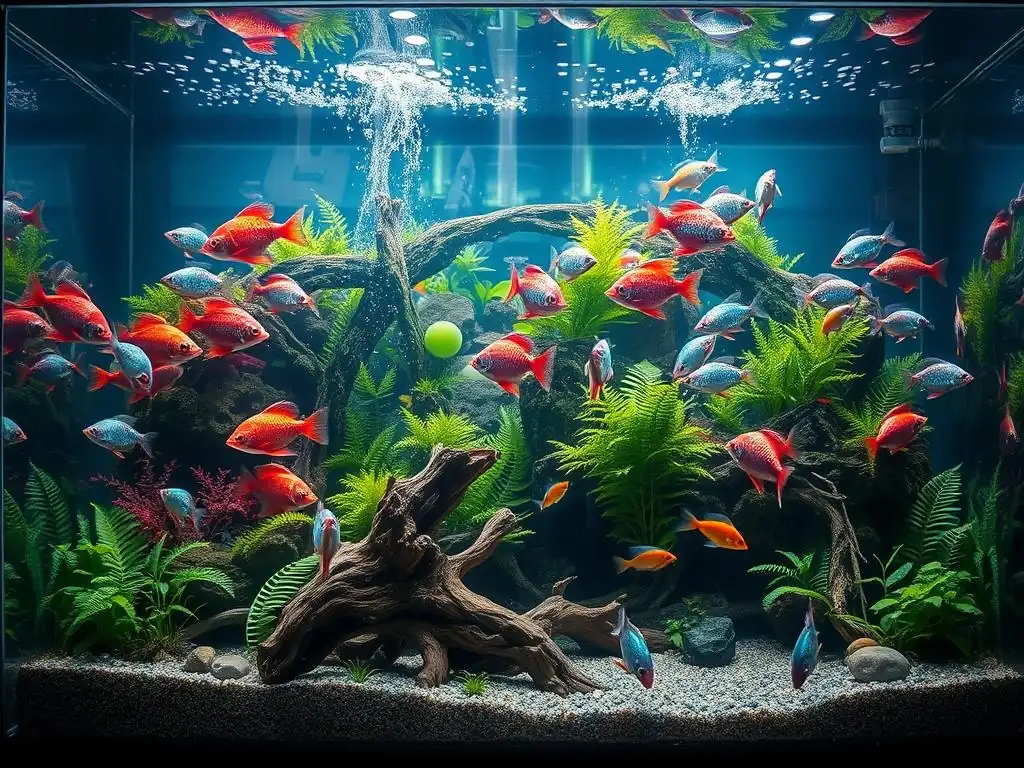
Welcome to Aquarium Mastery!
Ever been captivated by the shimmering beauty of Cyprichromis? These elegant fish can bring a touch of the exotic to your freshwater aquarium. But are you ready to provide them with the perfect environment to truly thrive? Delve into our essential guide and unlock the secrets to Cyprichromis fish care tips and discover how to keep these captivating species healthy and vibrant. Intrigued? Let's dive in!
- Understanding Cyprichromis Fish: An Introduction to Featherfin Cichlids
- Essential Cyprichromis Fish Care Tips for Beginners
- Cyprichromis Health and Disease Prevention
- Breeding Cyprichromis: A Rewarding Challenge
- Advanced Cyprichromis Care Techniques
- Cyprichromis Species Profiles: A Closer Look
- Conclusion: Enjoying Your Healthy and Vibrant Cyprichromis
- Frequently Asked Questions
- Final Reflection: The Enduring Allure of Cyprichromis
- Ignite Your *Cyprichromis* Passion!
Understanding Cyprichromis Fish: An Introduction to Featherfin Cichlids
What are Cyprichromis? Exploring the Featherfin Family
Cyprichromis refers to a captivating genus of cichlids endemic to Lake Tanganyika in East Africa. Commonly known as "Featherfin Cichlids," this moniker stems from the elongated, flowing fins of the males, particularly the dorsal and pelvic fins, which become magnificently extended during display. These fish are characterized by their unique, torpedo-like and laterally compressed body shape, perfectly adapted for their open-water, pelagic lifestyle within the vast depths of Lake Tanganyika.
Their striking appearance is further enhanced by a diverse palette of vibrant colors, which varies significantly between species and even among geographical variants within the same species. For instance, Cyprichromis leptosoma can be found in a stunning array of color morphs, such as the "Utinta" variant with its bright yellow dorsal fin, or the "Mpulungu" variant known for its iridescent blue body. All Cyprichromis species are maternal mouthbrooders, a fascinating reproductive strategy where the female carries and protects the eggs and fry in her mouth until they are ready to be released.
Natural Habitat and Behavior of Cyprichromis Species
Lake Tanganyika, the natural home of Cyprichromis, is one of the world's oldest, deepest, and largest freshwater lakes by volume. This ancient rift lake is renowned for its remarkably stable water parameters, a characteristic that Cyprichromis fish care tips often emphasize replicating in the home aquarium. Within this vast ecosystem, Cyprichromis species inhabit the open water column, typically forming immense shoals near rocky drop-offs or sandy slopes, at depths ranging from 5 to 30 meters.
Their social structure in the wild is primarily characterized by large, cohesive schools, which offer a collective defense against predators. Within these schools, males will temporarily establish small territories, usually near a prominent rock or overhang, to attract females for breeding. Their diet in their natural environment consists predominantly of zooplankton, which they filter from the water column. Observing their graceful, often synchronized swimming patterns and occasional "upside-down" orientation in the aquarium provides a captivating glimpse into their natural behavior.
Why Choose Cyprichromis for Your Tanganyikan Aquarium?
Choosing Cyprichromis for your Tanganyikan aquarium offers a multitude of rewards, blending aesthetic appeal with intriguing behavior. Their vibrant colors and the graceful, almost ethereal movement of their elongated fins make them a visual spectacle. A well-established school of Cyprichromis brings dynamic life to the mid and upper water levels of an aquarium, areas often underutilized in setups focused on rock-dwelling cichlids.
Beyond their beauty, their unique schooling behavior and the elaborate courtship displays of the males provide continuous fascination. They are generally peaceful fish, making them excellent candidates for a community Tanganyikan cichlid tank, provided their tank mates are chosen carefully to avoid aggression or competition. Once established, Cyprichromis are relatively hardy, offering a unique and rewarding challenge for aquarists seeking to expand their experience beyond more common freshwater species, while offering a prime opportunity to apply advanced Cyprichromis fish care tips.
Essential Cyprichromis Fish Care Tips for Beginners
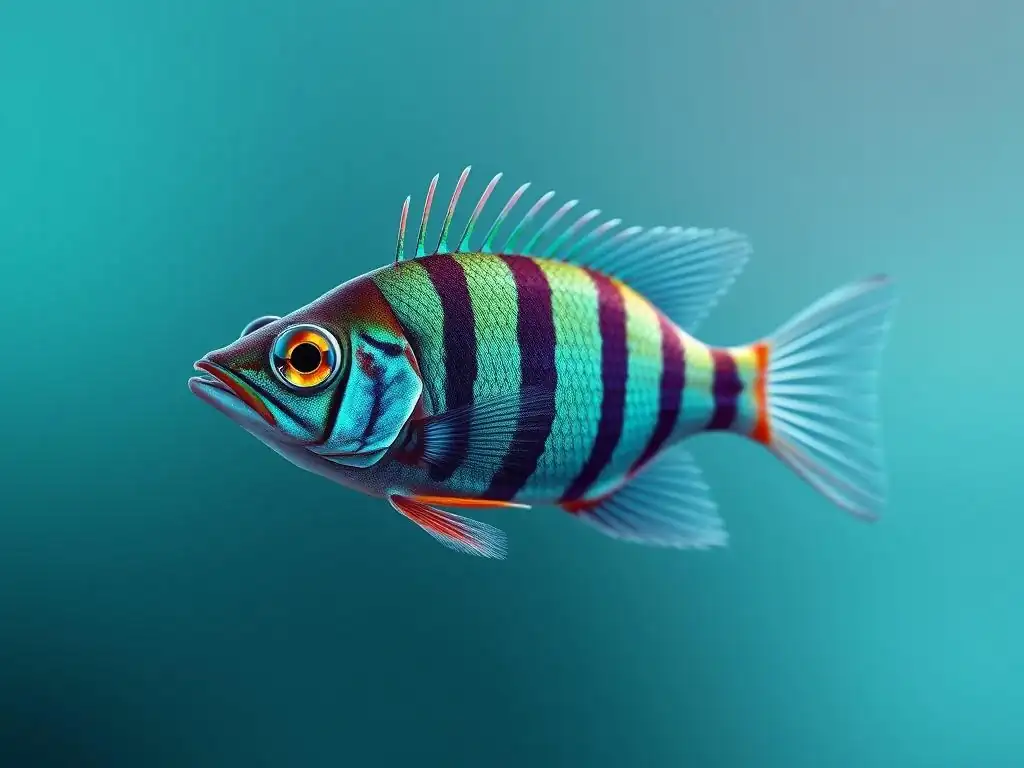
Setting Up the Ideal Cyprichromis Tank Environment
Tank Size Recommendations for a Cyprichromis School
When considering Cyprichromis fish care tips, tank size is paramount. For a small group of 6-8 individuals, a minimum tank size of 55 gallons (approximately 200 liters) is advisable. This provides adequate swimming space and helps to diffuse potential aggression among males. However, to truly observe their natural schooling behavior and allow for a more robust population, a 75-gallon (280 liters) or larger aquarium is highly recommended. Tanks of this size can comfortably house 10-15 or more Cyprichromis, promoting healthier social dynamics and reducing stress.
It is crucial to prioritize tank length over height. A longer tank, such as a 48-inch long 75-gallon, offers significantly more horizontal swimming space than a taller, narrower tank of the same volume. This horizontal dimension is vital for Cyprichromis as they are active, open-water swimmers who require ample room to school and perform their elaborate courtship rituals without feeling confined.
Substrate and Aquascaping for Cyprichromis Well-being
While Cyprichromis are pelagic and do not typically interact with the substrate, a fine sand substrate, such as aragonite or silica sand, is ideal for a Tanganyikan setup. This type of substrate benefits other potential tank mates, such as shell dwellers or rock dwellers, and contributes to buffering the water's pH, helping to maintain the high alkalinity preferred by Lake Tanganyika cichlids. Though not directly critical for the Cyprichromis themselves, it contributes to the overall stability of the aquatic environment.
Aquascaping for Cyprichromis should prioritize open swimming space in the mid to upper water column. Tall rock structures, slate arrangements, or even strategically placed PVC pipes can be incorporated at the back or sides of the tank. These provide essential visual breaks and offer refuge for females seeking a respite from enthusiastic males, or for mouthbrooding females needing a secure, quiet spot. While live plants like Anubias or Java Fern can be attached to rocks, they are not essential for Cyprichromis and are primarily for aesthetic enhancement or to benefit other tank inhabitants.
Water Parameters: Achieving Optimal Water Chemistry for Cyprichromis
Maintaining precise and stable water parameters is a cornerstone of effective Cyprichromis fish care tips. These fish thrive in conditions that closely mimic their natural Lake Tanganyika habitat. The ideal temperature range is between 76-80°F (24-27°C), with stability being more important than the exact temperature within this range. Fluctuations can cause significant stress.
The pH level should be alkaline, ranging from 7.8 to 8.5. Lake Tanganyika water is naturally hard, so the general hardness (GH) should be between 10-20 dGH (180-360 ppm), and the carbonate hardness (KH) should be high, ideally between 160-240 ppm, to provide strong buffering capacity against pH swings. Crucially, ammonia and nitrite levels must always be zero, and nitrates should be kept as low as possible, ideally below 20 ppm. Regular and accurate water testing is indispensable for monitoring these parameters and ensuring the long-term health and vibrancy of your Cyprichromis.
Cyprichromis Diet and Feeding: Ensuring Proper Nutrition
Best Food Choices for Vibrant Color and Health
A balanced and nutritious diet is vital for maintaining the vibrant coloration and overall health of your Cyprichromis. As primarily zooplankton feeders in the wild, their aquarium diet should reflect this carnivorous preference. High-quality flake or small pellet foods specifically formulated for cichlids, rich in protein and spirulina, should form the staple of their diet. Spirulina, in particular, is excellent for enhancing natural coloration.
To truly bring out their best colors and ensure comprehensive nutrition, supplement their staple diet with a variety of frozen foods. Excellent choices include brine shrimp, Mysis shrimp, cyclops, and daphnia. These frozen options closely mimic their natural prey and are highly palatable. Avoid foods that are high in fat or contain excessive vegetable matter that Cyprichromis may find difficult to digest, as this can lead to digestive issues and health problems like bloat.
Feeding Frequency and Quantity: Avoiding Overfeeding
Proper feeding frequency and quantity are critical Cyprichromis fish care tips to prevent common health issues and maintain water quality. It is generally better to feed smaller portions 2-3 times per day rather than one large meal. This approach more closely mimics their natural grazing behavior in the wild and helps to prevent digestive upset.
When feeding, offer only what your Cyprichromis can consume within 1-2 minutes. Any uneaten food will quickly decompose, leading to a build-up of nitrates and other undesirable compounds, which can compromise water quality and stress the fish. Overfeeding is a common cause of poor water conditions, excessive waste production, and can contribute to serious health problems such as bloat, a particularly dangerous condition for cichlids. Observing your fish during feeding will help you fine-tune the appropriate amount.
Maintaining Pristine Water Quality for Cyprichromis Health
Regular Water Changes: Schedule and Importance
Regular water changes are arguably the most critical aspect of Cyprichromis fish care tips. Given their sensitivity to fluctuating water parameters and their preference for pristine conditions, weekly water changes of 25-30% are highly recommended. This consistent maintenance schedule is not merely about removing nitrates; it's a multi-faceted approach to sustaining a healthy environment.
Water changes dilute accumulated waste products, replenish essential trace minerals and buffering capacity that get depleted over time, and help maintain the stable chemical environment Cyprichromis require. Always use a high-quality water conditioner to neutralize chlorine and chloramines present in tap water, which are toxic to fish. Neglecting regular water changes is a direct path to stressed fish, disease outbreaks, and a diminished lifespan for your Cyprichromis.
Filtration: Choosing the Right Filter for a Cyprichromis Tank
Effective filtration is paramount for maintaining the pristine water quality essential for Cyprichromis health. Over-filtration is generally beneficial for these fish, as it ensures excellent water clarity and chemical stability. Canister filters are an excellent choice due to their large media capacity, allowing for robust mechanical, biological, and chemical filtration. Large hang-on-back (HOB) filters can also be suitable for smaller setups, provided they offer sufficient flow and media volume.
A comprehensive filtration system should include: mechanical filtration (e.g., filter floss, sponges) to remove particulate matter; biological filtration (e.g., ceramic rings, bio-balls) to host beneficial nitrifying bacteria that convert ammonia and nitrite into less harmful nitrate; and chemical filtration (e.g., activated carbon, Purigen) to remove dissolved organic compounds and maintain water purity. Additionally, incorporating a powerhead can provide beneficial water movement and oxygenation, mimicking the strong currents found in parts of Lake Tanganyika and appreciated by active swimmers like Cyprichromis.
Cyprichromis Tank Mates: Selecting Compatible Species
Ideal Tank Mates for Peaceful Coexistence
Selecting appropriate tank mates is a crucial aspect of Cyprichromis fish care tips, ensuring a harmonious and stress-free environment. Ideal companions are other peaceful Tanganyikan cichlids that occupy different zones of the aquarium, minimizing direct competition for space. Excellent choices include various Neolamprologus species, such as the graceful Neolamprologus brichardi (Fairy Cichlid), which typically inhabit rocky areas without directly competing with Cyprichromis in the open water.
Other suitable rock-dwelling cichlids like Julidochromis species (e.g., J. marlieri, J. transcriptus) also make good companions, as do the fascinating shell dwellers like Lamprologus ocellatus or Neolamprologus multifasciatus, which reside primarily on the tank bottom. These species share similar water parameter requirements and generally exhibit peaceful dispositions towards Cyprichromis. While some aquarists successfully keep Cyprichromis with certain Tropheus species, this pairing requires careful consideration of diet (as Tropheus are herbivorous) and tank setup due to Tropheus' more aggressive nature and specific dietary needs.
Fish to Avoid: Preventing Aggression and Stress
To prevent aggression and undue stress within your Cyprichromis community, there are several types of fish to avoid as tank mates. First and foremost, steer clear of highly aggressive cichlids, particularly those from Lake Malawi, such as Mbuna species. These fish have drastically different water parameter preferences, are far more territorial, and their aggressive nature would quickly overwhelm and stress Cyprichromis.
Large, predatory cichlids from any region should also be avoided, as they may view the slender Cyprichromis as potential prey. Furthermore, any fish that might directly outcompete Cyprichromis for food or territory, especially those that occupy the same mid to upper water column, should be excluded. Lastly, avoid any species that prefer soft, acidic water conditions, as their environmental requirements are fundamentally incompatible with the hard, alkaline water necessary for Cyprichromis health. Mixing such species inevitably leads to chronic stress and poor health for one or both groups.
Cyprichromis Health and Disease Prevention
Common Cyprichromis Diseases and Symptoms
Identifying Early Signs of Illness
Early detection of illness is a critical component of successful Cyprichromis fish care tips, as prompt intervention can significantly improve outcomes. Pay close attention to any changes in your fish's behavior or appearance. Behavioral signs of illness often include lethargy, hiding more than usual, clamped fins (held close to the body), rapid or labored breathing, and flashing (rubbing against tank decorations or substrate). A sudden refusal to eat or a significant loss of vibrant coloration are also strong indicators that something is amiss.
Physical symptoms can manifest in various ways. White spots on the body and fins typically indicate Ich (Ichthyophthirius multifiliis). Fuzzy, cotton-like growths are characteristic of fungal infections. Other signs might include red streaks on the body or fins, a bloated abdomen, a sunken belly, ragged or decaying fins (fin rot), and cloudy eyes. Any deviation from their normal, active, and brightly colored state warrants immediate investigation.
Treating Common Diseases Effectively
Effective treatment of common Cyprichromis diseases often depends on accurate diagnosis and timely action. For Ich, a common parasitic infection, treatment typically involves gradually increasing the tank temperature (if compatible with all tank inhabitants) to accelerate the parasite's life cycle, coupled with the addition of aquarium salt or a commercial Ich treatment. Always follow product instructions carefully.
Bacterial infections, which can manifest as fin rot, body sores, or internal issues like bloat, often require specific antibiotics. For external bacterial infections, medications like Furan-2 can be effective. For internal bacterial issues such as bloat, which is often linked to diet or stress, Metronidazole is frequently used, sometimes combined with Epsom salts to aid digestion.
Fungal infections are typically treated with antifungal medications. Before administering any medication, it's crucial to remove activated carbon from your filter, as it will absorb the medication, rendering it ineffective. After treatment, perform a significant water change to remove residual medication and replenish fresh, clean water.
Quarantine Procedures for New Cyprichromis
Implementing a strict quarantine procedure for all new Cyprichromis is one of the most proactive and essential Cyprichromis fish care tips for preventing the introduction of diseases into your established display tank. Set up a separate quarantine tank, ideally 10-20 gallons, equipped with a heater, a simple sponge filter or small hang-on-back filter, and minimal decor to allow for easy observation and cleaning.
All new fish, regardless of their apparent health, should be quarantined for a minimum of 2-4 weeks. During this period, observe them closely for any signs of disease, parasites, or unusual behavior. If any symptoms appear, treat them in the quarantine tank. This isolation period allows potential illnesses to manifest and be treated without risking the health of your existing Cyprichromis community. It's a small investment of time and effort that can save significant heartache and expense in the long run.
Preventing Disease Through Proper Tank Management
The most effective strategy for preventing disease in Cyprichromis is through diligent and proper tank management. A healthy environment significantly boosts their natural immunity, making them more resilient to pathogens. This begins with maintaining stable and pristine water parameters; sudden fluctuations in temperature, pH, or hardness can severely stress fish and compromise their immune systems.
Avoiding overfeeding is crucial, as excess food decomposes, leading to poor water quality and an increased risk of bacterial infections and bloat. Providing adequate space and selecting compatible tank mates minimizes stress from overcrowding or aggression. Consistent tank maintenance, including regular water changes, gravel vacuuming to remove detritus, and routine filter cleaning, ensures a clean and stable environment. Finally, a balanced and varied diet, rich in high-quality proteins and spirulina, directly contributes to a robust immune system, making your Cyprichromis less susceptible to illness. These fundamental Cyprichromis fish care tips create the foundation for a thriving aquarium.
Breeding Cyprichromis: A Rewarding Challenge
Creating the Optimal Breeding Environment
Breeding Cyprichromis can be a highly rewarding experience, and creating the optimal environment significantly increases your chances of success. A larger tank, preferably 75 gallons (280 liters) or more, is ideal for a breeding group. This allows for ample swimming space and helps to diffuse aggression among males, particularly during spawning. A good male-to-female ratio, such as one male to three or four females, is recommended to ensure that no single female is overly harassed and to maximize breeding opportunities.
While Cyprichromis are open-water spawners, providing some vertical structures, such as tall rocks, stacks of slate, or even PVC pipes, can offer females a sense of security and a place to retreat to after spawning or during their mouthbrooding period. Crucially, the water parameters must be stable and within the optimal range previously discussed (pH 7.8-8.5, high hardness, stable temperature of 76-80°F). Pristine water quality is paramount for encouraging spawning and ensuring the health of both parents and future fry.
Identifying Male and Female Cyprichromis
Distinguishing between male and female Cyprichromis is essential for successful breeding and proper group management. Males are generally larger and exhibit far more intense and vibrant coloration than females. Their most defining characteristic is their elongated fins, particularly the dorsal and pelvic fins, which develop into magnificent "feathers" that are prominently displayed during courtship. Mature males often develop a slight nuchal hump on their forehead.
Females, in contrast, are typically smaller, less colorful, and possess shorter, less elaborate fins. Their body shape tends to be more rounded, especially when they are gravid (carrying eggs). While sexing juvenile Cyprichromis can be challenging, these differences become increasingly apparent as the fish mature, usually by the time they reach 3-4 inches in length. Careful observation of their behavior and physical traits will help in identifying the sexes for optimal Cyprichromis fish care and breeding.
Cyprichromis Breeding Behavior and Fry Care
The breeding behavior of Cyprichromis is a fascinating spectacle. Males initiate courtship by performing elaborate dances, fanning their impressive fins, and showcasing their vibrant colors to attract receptive females. Spawning typically occurs in the open water column, often near a vertical surface or a piece of decor. The female lays a small number of eggs, which the male immediately fertilizes. As soon as the eggs are fertilized, the female swiftly gathers them into her mouth, commencing the mouthbrooding process.
The brooding period usually lasts for about 3-4 weeks, depending on the water temperature. During this time, the female will often hide in a secluded spot, such as behind rocks or in a quiet corner of the tank, and will typically refuse food. Once the fry are fully developed and released from her mouth, they are relatively large and free-swimming. These newly released fry are capable of immediately consuming finely crushed flake food, cyclops, or newly hatched brine shrimp.
Raising Cyprichromis Fry: From Egg to Juvenile
Raising Cyprichromis fry to juvenile size can be achieved in a couple of ways, each with varying success rates. One option is to allow the female to release the fry naturally within the main display tank. While some fry may survive, especially if there are ample hiding spots among rocks or dense decor, many will likely be preyed upon by other tank inhabitants, including the adult Cyprichromis.
For significantly higher survival rates, aquarists often opt to "strip" the eggs or fry from the female's mouth after approximately 2-3 weeks of brooding. The female is gently caught, and the fry are carefully released into a separate grow-out tank. This dedicated grow-out tank, typically 10-20 gallons, should have gentle filtration (a sponge filter is ideal) and require frequent small water changes to maintain pristine conditions.
Fry should be fed small, frequent meals of high-protein foods like newly hatched brine shrimp, which are excellent for rapid growth. As they grow, they can transition to finely crushed flakes and then small pellets.
Advanced Cyprichromis Care Techniques
Enhancing Cyprichromis Coloration Through Diet and Lighting
For aquarists seeking to truly maximize the stunning coloration of their Cyprichromis, advanced Cyprichromis fish care tips focus on diet and lighting. Continuously providing a diet rich in natural pigments is paramount. This means regularly feeding high-quality cichlid flakes or pellets that are specifically fortified with astaxanthin and spirulina. Astaxanthin, a powerful antioxidant, is particularly effective at enhancing red, orange, and yellow hues, while spirulina promotes vibrant blues and greens. Supplementing with frozen Mysis shrimp, which is naturally rich in astaxanthin, can significantly boost color intensity.
While diet directly influences pigment production, lighting plays a crucial role in how those colors are perceived. Full-spectrum LED lighting is highly recommended. Although lighting doesn't produce pigments, good quality LEDs can make existing colors "pop" and appear more vibrant. Experimenting with different color temperature LEDs (e.g., those with a higher Kelvin rating for blues, or those with more red spectrum for warmer tones) can further accentuate specific hues in your Cyprichromis, creating a truly spectacular display.
Managing Aggression in a Cyprichromis Community Tank
Even though Cyprichromis are generally peaceful, managing aggression, particularly among males, is an advanced Cyprichromis fish care tip. The most effective strategy is to maintain a large school, ideally 15 or more individuals. This "dilution effect" spreads out male aggression, preventing any single individual from being overly targeted. A healthy male-to-female ratio, such as 1 male to 3-4 females, is also crucial to prevent females from being constantly harassed during breeding attempts.
Ensure your tank provides ample vertical rockwork or tall decor that creates visual breaks and offers numerous hiding spots. This allows submissive males or stressed females to retreat and feel secure, reducing overall stress levels. Overcrowding exacerbates aggression, so always adhere to appropriate stocking densities. When introducing new fish, it's often best to add them in larger groups or simultaneously with existing inhabitants to prevent established residents from bullying newcomers. Rearranging tank decor can also help reset territories if aggression becomes an issue.
Troubleshooting Common Cyprichromis Keeping Challenges
Even with diligent Cyprichromis fish care, challenges can arise. Fin nipping among Cyprichromis is usually a sign of insufficient space, too few individuals (leading to concentrated aggression), or incompatible tank mates. The solution often involves increasing the school size, providing more swimming space, or re-evaluating the compatibility of other species. Lack of breeding despite mature fish is frequently due to stress from poor water quality, an inadequate diet, or an imbalanced male-to-female ratio. Ensuring optimal, stable conditions and providing a varied, nutritious diet often resolves this.
Bloat, a serious and often fatal condition, is almost always diet-related (too much fat, poor quality food, or overfeeding) or stress-related (poor water quality). Reviewing the diet and ensuring pristine water conditions are the primary preventative and initial treatment steps. Sudden deaths in an otherwise healthy tank typically point to rapid fluctuations in water parameters, sudden spikes in ammonia or nitrite, or highly aggressive tank mates. Immediate water testing and close observation of remaining fish are critical. Consistent and proactive Cyprichromis fish care is the best defense against these common challenges.
Cyprichromis Species Profiles: A Closer Look
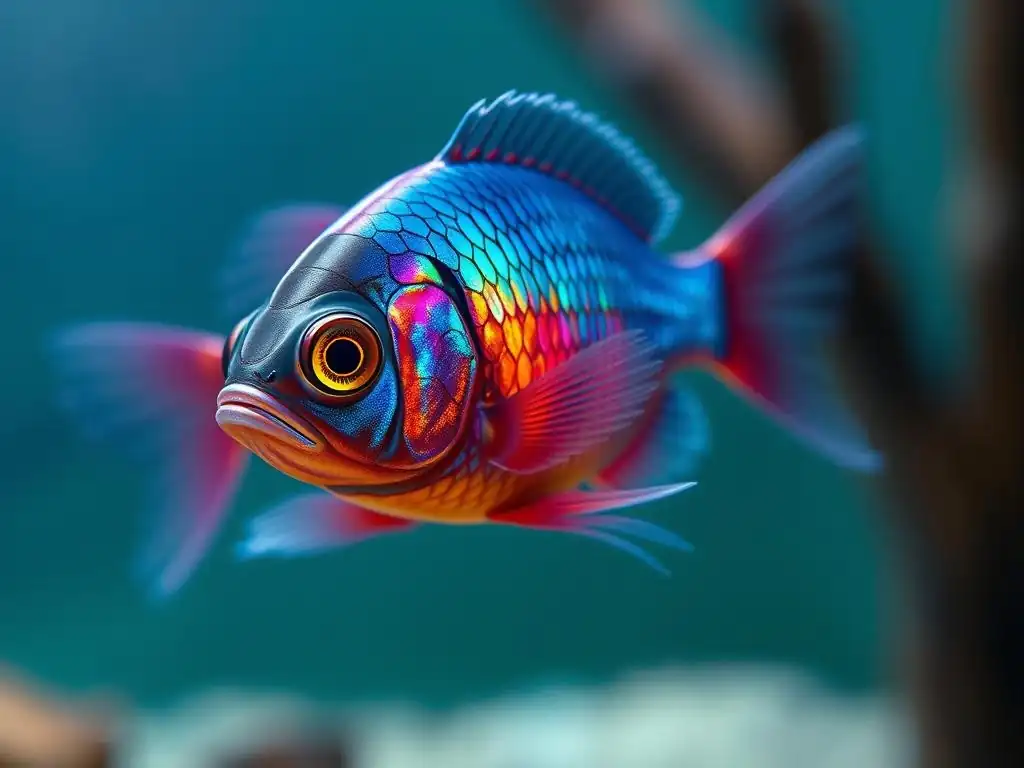
Cyprichromis leptosoma Care and Characteristics
Cyprichromis leptosoma is arguably the most common and widely available species within the genus, making it an excellent choice for those new to Cyprichromis fish care. This species is characterized by its slender, elongated body, which typically reaches about 4-5 inches in length. Males display an astonishing array of iridescent blues, vibrant yellows, and fiery oranges, with coloration varying significantly across its many regional variants. Popular examples include the "Mpulungu," known for its deep blue body and yellow fins, and the "Utinta," famous for its bright yellow dorsal fin and blue body.
Care for C. leptosoma generally adheres to the standard Cyprichromis care guidelines, emphasizing stable, pristine, hard, and alkaline water. They are known for their graceful schooling behavior and are considered one of the more peaceful Cyprichromis species, making them suitable for mixed Tanganyikan community tanks. Their captivating movements and diverse color forms ensure they remain a popular choice among aquarists.
Cyprichromis zonatus Care and Characteristics
Cyprichromis zonatus stands out from its relatives due to its distinctive appearance, featuring prominent vertical bars or "zones" on its body, which can vary in intensity depending on the individual's mood and specific variant. These bars typically contrast with a base coloration that often includes shades of blue, yellow, and black. C. zonatus tends to have a slightly more robust body shape compared to the more slender C. leptosoma and can reach a larger size, typically around 5-6 inches.
While the fundamental Cyprichromis fish care tips apply to C. zonatus, their slightly larger size and potentially more assertive nature may necessitate slightly larger groups to effectively disperse aggression among males. They, too, appreciate ample open swimming space within the mid-water column. Their unique banding pattern adds a different visual dynamic to a Cyprichromis school, making them a fascinating addition for those looking to diversify their collection.
Cyprichromis microlepidotus Care and Characteristics
Cyprichromis microlepidotus, often referred to as the "Small-scaled Cyprichromis," is another captivating species, though generally less common in the aquarium hobby than C. leptosoma. This species is characterized by an even more elongated, torpedo-like body compared to other Cyprichromis, giving it a sleek and streamlined appearance. C. microlepidotus can also reach larger sizes, with males potentially growing up to 6-7 inches.
Males of this species typically display impressive finnage and vibrant, often metallic, blue and yellow hues, making them a truly striking sight. Due to their potential size and active swimming nature, C. microlepidotus requires larger tanks, ideally 90 gallons or more, to accommodate their needs adequately. They thrive in very stable, pristine water conditions, similar to other Cyprichromis. Their larger size means they can be housed with slightly larger, yet still peaceful, Tanganyikan cichlids, expanding the possibilities for a diverse community tank.
Conclusion: Enjoying Your Healthy and Vibrant Cyprichromis
The Rewards of Proper Cyprichromis Fish Care.
Embarking on the journey of keeping Cyprichromis species is a deeply rewarding experience, transforming your aquarium into a dynamic, living showcase of Lake Tanganyika's unparalleled beauty. The key to unlocking this potential lies in consistent and meticulous adherence to proper Cyprichromis fish care tips. This comprehensive guide has underscored the critical importance of maintaining stable and pristine water parameters, providing a varied and nutritious diet, selecting compatible tank mates, and implementing proactive disease prevention strategies.
By dedicating yourself to these fundamental principles, you will be rewarded with a thriving school of Cyprichromis that exhibits vibrant coloration, natural schooling behaviors, and fascinating breeding rituals. The unique beauty and captivating movements of these featherfin cichlids are unparalleled in the freshwater aquarium hobby. With diligent attention to their specific needs, your Cyprichromis will not only survive but truly flourish, bringing immense joy and a continuous spectacle to your home for years to come. Enjoy the intricate world you've created and the living art that is your healthy and vibrant Cyprichromis community.
Frequently Asked Questions
What are the key water parameters for Cyprichromis fish?
Cyprichromis require pristine water conditions to thrive. Aim for a pH between 7.8-9.0, a temperature of 76-82°F, and very low levels of ammonia and nitrites. Regular water changes are crucial.
What type of aquarium setup is best for Cyprichromis?
These fish need a spacious tank, ideally at least 75 gallons. Provide plenty of open swimming space and a rock structure to simulate their natural habitat in Lake Tanganyika.
What should I feed my Cyprichromis fish?
Offer a high-quality flake food supplemented with small, live or frozen foods like daphnia or brine shrimp. Feed small amounts multiple times a day to mimic their natural feeding habits.
Are Cyprichromis fish compatible with other fish species?
Cyprichromis are generally peaceful and can be kept with other similarly sized, non-aggressive Tanganyikan cichlids. Avoid housing them with overly aggressive or boisterous species.
What are some common health issues affecting Cyprichromis and how can I prevent them?
Common issues include bloat and parasitic infections. Prevent these by maintaining excellent water quality, providing a varied diet, and quarantining new fish before introducing them to the main aquarium.
Final Reflection: The Enduring Allure of Cyprichromis
The vibrant tapestry of Lake Tanganyika, brought to life within our aquariums through species like Cyprichromis, serves as a potent reminder of the delicate balance and profound beauty of the natural world. As we've explored the nuances of Cyprichromis fish care, it becomes clear that responsible aquarism is not merely about keeping fish alive, but about fostering an environment where they can truly thrive, mirroring their wild counterparts as closely as possible.
The journey of understanding and caring for these stunning fish has undoubtedly enriched our appreciation for biodiversity and the interconnectedness of ecosystems. My own experiences with Cyprichromis have instilled in me a deep respect for their complex social structures and the subtle cues they use to communicate. In the end, we will conserve only what we love; we will love only what we understand; and we will understand only what we are taught.
- Baba Dioum. This quote perfectly encapsulates the importance of sharing knowledge and fostering a sense of responsibility towards these captivating creatures.
Now, armed with these Cyprichromis fish care tips, I invite you to reflect on your own role in preserving the beauty of our planet. Consider how your choices, both within your aquarium and beyond, can contribute to a more sustainable future for these magnificent fish and their natural habitat. Let us strive to be not just keepers, but true stewards of the aquatic realm, ensuring that the vibrant dance of Cyprichromis continues to captivate generations to come.
Ignite Your *Cyprichromis* Passion!
Thanks for diving into the fascinating world of Cyprichromis! We hope you found valuable insights into keeping these stunning fish thriving. Ready to take the next step?
- Start today and meticulously plan your first Cyprichromis setup: Research appropriate tank mates and decorations, ensuring a stress-free and natural-like environment for your future fish.
- Join our Cyprichromis community forum on Aquarium Mastery to share your experiences and learn from other dedicated enthusiasts.
- Consider documenting your Cyprichromis journey through video – it's a great way to track progress and inspire others!
What specific aspect of Cyprichromis care are you most eager to implement in your aquarium?