
Beyond the Hype: How Effective Are Plecos & Otos for True Algae Control?

Welcome to Aquarium Mastery!
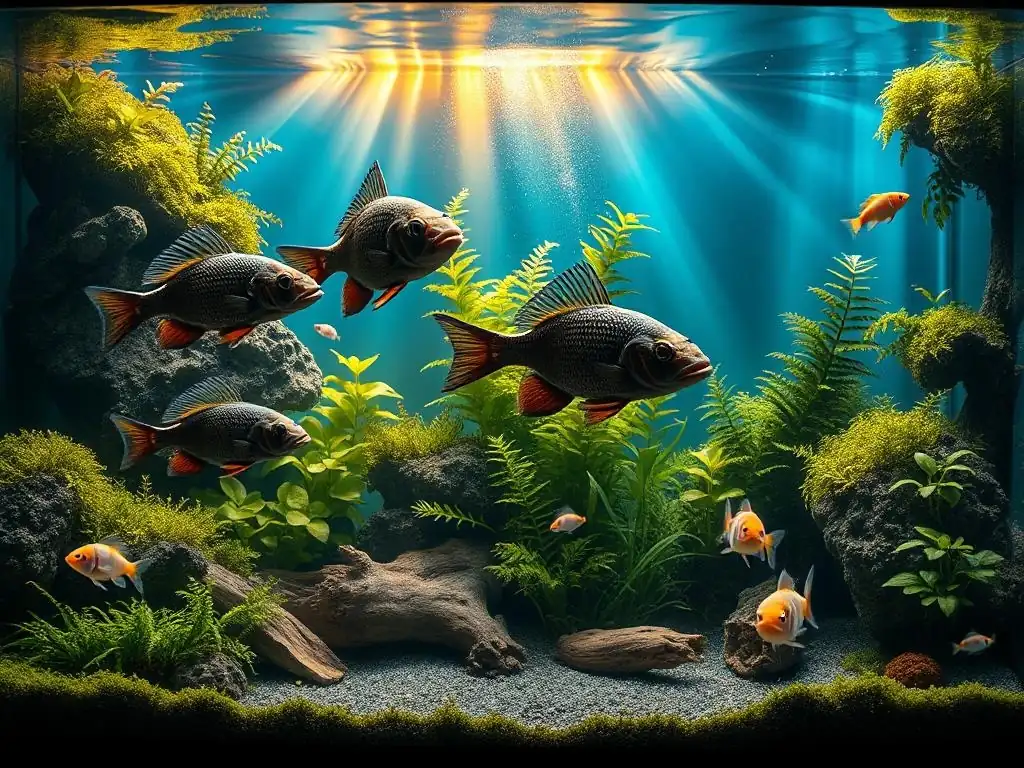
Ever wondered if a Pleco is really the answer to your algae woes? We dive deep into the truth about Pleco algae control effectiveness (and Otos too! ), separating fact from fiction. Discover the surprising realities and effective strategies you need to maintain a sparkling clean freshwater aquarium. Ready to unlock the secrets? Let's explore!
- Understanding Algae Control in Freshwater Aquariums
- Pleco Algae Control Effectiveness: Separating Fact from Fiction
- Otocinclus Algae Control: The Tiny Tank Cleaners
- Comparing Pleco vs. Otocinclus for Algae Eating Capabilities
- Maximizing Algae Control: Strategies Beyond Just Algae Eaters
- Supplementing Algae Eaters' Diet: Ensuring Optimal Health
- Troubleshooting: When Your Algae Eaters Aren't Eating Algae
- Conclusion: Achieving True Algae Control in Your Aquarium
-
Frequently Asked Questions
- How effective are Plecos at controlling all types of algae in an aquarium?
- What are the main differences between Plecos and Otocinclus Catfish ( Otos) in terms of algae consumption and aquarium suitability?
- What are the potential downsides of relying solely on Plecos for algae control in my aquarium?
- Which Pleco species are considered the most effective algae eaters for a typical freshwater aquarium?
- Besides Plecos and Otos, what other methods can I use to effectively control algae growth in my aquarium?
- Final Reflection: Rethinking Algae Eaters
- Transform Your Tank: Start Your Algae-Free Journey Today!
Understanding Algae Control in Freshwater Aquariums
The Algae Problem: A Common Aquarist Challenge
Algae is an almost universal challenge for freshwater aquarists, emerging as a persistent green, brown, or black film that can quickly cover tank surfaces, plants, and decor. While often seen as merely an aesthetic nuisance, an algae bloom is typically a clear indicator of an imbalance within the aquarium's delicate ecosystem. Common culprits include excessive light exposure, overfeeding, and high levels of dissolved nutrients such as nitrates and phosphates, which act as primary fuel for algal growth.
For instance, green spot algae often points to high light intensity or low phosphate levels, whereas brown diatoms are common in new tanks with high silicates. Black beard algae, notoriously difficult to eradicate, often thrives in tanks with fluctuating CO2 levels or inconsistent water parameters. Over 70% of new aquarists report encountering significant algae issues within their first six months, highlighting the prevalence of this problem and the need for effective, sustainable solutions.
Biological Algae Control: A Natural Approach to Tank Maintenance
Biological algae control harnesses the power of living organisms to manage algae growth, offering a natural and sustainable alternative to chemical treatments or constant manual scrubbing. This method focuses on establishing a balanced ecosystem where various inhabitants contribute to maintaining water quality and keeping algae in check. Unlike chemical algaecides, which can be harsh and potentially harmful to fish and invertebrates, biological methods work synergistically with the aquarium's natural processes.
This approach includes the strategic use of live plants, which compete with algae for essential nutrients like nitrates and phosphates, effectively starving the unwanted growth. It also involves cultivating beneficial bacteria that break down organic waste, further reducing nutrient availability. Most importantly, biological control incorporates specialized algae-eating fish and invertebrates, such as Plecos and Otocinclus, which graze on algae directly, turning it into a natural food source within the tank.
The Role of Algae Eaters: Plecos, Otos, and Other Candidates
Algae eaters are a popular choice for aquarists seeking a natural solution to algae problems, often envisioned as diligent, round-the-clock tank cleaners. These aquatic inhabitants, which include a diverse range of fish, snails, and shrimp, consume various types of algae and biofilm, helping to maintain a cleaner and healthier environment. Among the most commonly considered fish for this role are Plecos (specifically certain species) and Otocinclus catfish, both known for their grazing habits.
However, the effectiveness of these "algae eaters" can vary significantly depending on the species, their size, dietary preferences, and the specific type of algae present in the aquarium. While some, like the tiny Otocinclus, are dedicated grazers, others, such as many larger Pleco species, may only consume algae when young or when preferred food sources are scarce. Understanding these nuances is crucial for aquarists to manage expectations and select the most appropriate biological controls for their unique tank setup.
Pleco Algae Control Effectiveness: Separating Fact from Fiction
What Types of Algae Do Plecos Actually Eat?
The common perception of Plecos as universal algae-eating machines is often an oversimplification. While many species of Plecos, particularly when juvenile, do consume algae, their effectiveness is highly specific to certain types and their life stage. Most Plecos are excellent at consuming diatoms (brown algae) and soft green film algae that coat tank surfaces, glass, and decor. They use their specialized sucker mouths to scrape these softer growths efficiently.
However, their Pleco algae control effectiveness significantly diminishes when it comes to tougher, more resilient algae types like Black Beard Algae (BBA), Green Hair Algae (GHA), or tough green spot algae. Once these algae mature and form dense, fibrous mats, Plecos generally find them unpalatable or too difficult to dislodge. Juvenile Plecos are observed to consume up to 60-70% of their diet from biofilm and soft algae in their early stages, but this percentage significantly drops as they mature and develop a preference for other food sources.
Common Pleco Species and Their Algae-Eating Habits: A Comparative Look
The term "Pleco" encompasses a vast family of Loricariidae, and their algae-eating habits vary widely by species. The Common Pleco (Hypostomus plecostomus) is perhaps the most well-known but often misjudged. While juveniles readily graze on soft algae, they quickly grow very large (up to 18-24 inches) and their diet shifts towards detritus, protein, and supplemental foods, making them poor long-term algae solutions for most home aquariums.
In contrast, the Bristlenose Pleco (Ancistrus spp.) is generally considered a far more effective and appropriate algae eater for community tanks. Reaching a manageable size of 4-6 inches, Bristlenose Plecos maintain a strong preference for diatoms and soft green algae throughout their lives. Other species like the Rubber Lip Pleco (Chaetostoma formosae) are also decent grazers of soft green algae. However, species like the Clown Pleco (Panaque maccus) are primarily wood eaters and offer minimal Pleco algae control effectiveness.
The Limitations of Plecos as Primary Algae Consumers
Despite their reputation, Plecos often fall short as the sole solution for comprehensive algae control. A significant limitation stems from their dietary shift as they mature. As they grow larger, most Pleco species naturally transition from primarily consuming algae and biofilm to a diet rich in detritus, decaying plant matter, and protein-based foods. This means that a large Common Pleco, for example, will likely prefer a sinking pellet or a blanched vegetable over the algae coating your tank glass, diminishing its role as a dedicated cleaner.
Furthermore, the sheer size that many Pleco species attain presents a considerable challenge for the average home aquarium. A Common Pleco reaching 18 inches in a 55-gallon tank is not only cramped but also produces a substantial bioload, ironically contributing to the very nutrient excess that fuels algae growth. This makes them unsuitable for tanks under 100 gallons in the long term, limiting their practicality as a widespread algae solution.
Pleco Size and Waste Production: Considerations for Tank Health
The growth of Plecos, particularly the larger species, directly correlates with a significant increase in waste production, which can have counterproductive effects on tank health and algae management. A fully grown Common Pleco, for instance, can produce as much waste as a small cichlid, contributing substantially to the nitrate and phosphate levels in an aquarium. This elevated bioload necessitates robust filtration and more frequent, larger water changes to prevent these excess nutrients from fueling new algae blooms.
Ignoring the bioload of a large Pleco can lead to a vicious cycle where the "algae eater" inadvertently becomes a contributor to the algae problem. For example, a 12-inch Common Pleco in a 55-gallon tank can lead to nitrate levels increasing by 10-20 ppm per week without adequate water changes, making it challenging for even the most diligent aquarist to maintain low nutrient levels. This highlights that while they may consume some algae, their overall impact on water chemistry must be carefully considered.
Otocinclus Algae Control: The Tiny Tank Cleaners
Otocinclus Affinis: The Ideal Algae-Eating Fish?
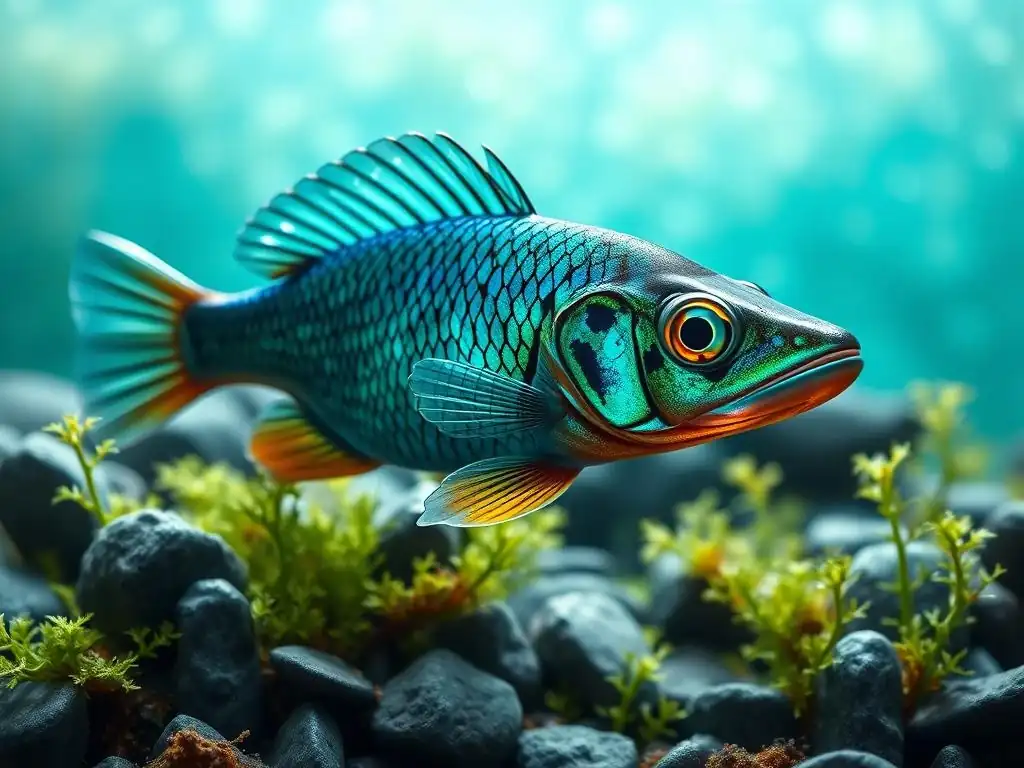
Otocinclus catfish, particularly Otocinclus affinis (often simply referred to as "Otos"), are widely regarded as one of the most effective and dedicated algae-eating fish for freshwater aquariums. Unlike many Pleco species, Otos remain small, typically reaching only 1.5 to 2 inches in length, making them suitable for a wide range of tank sizes, including smaller community setups. Their small size and constant grazing behavior make them highly efficient at keeping surfaces clear.
Otos excel at consuming soft green algae, diatoms (brown algae), and biofilm from plants, glass, and decor. They are known for their meticulous grazing, often seen tirelessly scraping surfaces for hours on end. Otocinclus are known to graze for up to 10-12 hours a day, making them highly efficient for constant algae removal on surfaces, especially in planted tanks where they can navigate through dense foliage. Their gentle nature ensures they won't damage delicate plant leaves while cleaning.
Otocinclus Dietary Needs: Beyond Algae Consumption
While Otocinclus are celebrated for their impressive algae-eating capabilities, it's a common misconception that algae alone can sustain them indefinitely. In fact, Otos require a varied diet that extends beyond just the algae found in an aquarium, especially in tanks with minimal algae growth or once the existing algae has been significantly reduced. Failing to provide supplemental food can lead to starvation and health issues for these diligent little fish.
Their diet should be supplemented with blanched vegetables such as zucchini, cucumber, spinach, and even shelled peas. High-quality spirulina-based algae wafers or sinking pellets are also excellent additions to their diet. Studies show that Otocinclus thrive when their diet is supplemented with blanched vegetables at least 2-3 times per week, even in tanks with moderate algae, ensuring they receive all necessary nutrients for long-term health and continued activity.
Optimizing Otocinclus Environment for Effective Algae Removal
To maximize the Otocinclus algae control effectiveness, it is crucial to provide an environment that caters to their specific needs. Otos are shoaling fish and feel most secure and active when kept in groups of at least six individuals. A larger group not only reduces stress but also enhances their collective grazing efficiency, as they are more likely to explore and clean larger areas of the tank together. A group of six Otocinclus can effectively maintain algae levels in a well-planted 20-gallon tank.
They thrive in mature, well-established aquariums with stable water parameters, preferring temperatures between 72-79°F (22-26°C) and a slightly acidic to neutral pH (6.0-7.5). Providing plenty of surfaces for grazing, such as live plants, driftwood, and smooth rocks, will encourage their natural behavior. Furthermore, Otos are peaceful and shy, so they should only be housed with similarly peaceful tank mates; aggressive or boisterous fish can stress them, leading to reduced activity and potential health problems.
Comparing Pleco vs. Otocinclus for Algae Eating Capabilities
Algae Preference: Which Algae Do They Prefer to Consume?
When evaluating Pleco algae control effectiveness versus that of Otocinclus, their specific algae preferences are a key differentiator. Both species are highly effective against diatoms (brown algae) and soft green film algae. These are the most common types of algae found in new or imbalanced tanks, and both Plecos (especially smaller species like Bristlenoses) and Otocinclus will readily consume them. Their scraping mouthparts are well-suited for these softer growths.
However, their capabilities diverge when faced with tougher algae. While Otocinclus are known for their persistent grazing on green spot algae on glass and plant leaves, Plecos are generally less effective against it, especially as they mature. Neither species offers a reliable solution for fibrous or tenacious algae like Black Beard Algae (BBA) or mature Green Hair Algae (GHA). While both species consume diatoms, Otocinclus are generally more thorough in their grazing patterns across tank surfaces compared to larger Plecos, often getting into smaller crevices.
Tank Size Suitability: Matching Algae Eaters to Your Aquarium
Matching the algae eater to the appropriate tank size is paramount for both the fish's well-being and its effectiveness. Otocinclus, with their diminutive size (1.5-2 inches), are perfectly suited for smaller aquariums, including tanks as modest as 10 gallons when kept in a group of six. Their minimal bioload makes them an excellent choice for nano tanks or heavily planted setups where larger fish would be problematic.
Plecos, on the other hand, vary significantly in size. The common Hypostomus plecostomus can reach 18-24 inches, requiring tanks of 100 gallons or more, making them unsuitable for most home aquarists. Even more manageable species like the Bristlenose Pleco (Ancistrus spp.) need at least 20-30 gallons for proper long-term care, while Rubber Lip Plecos typically require 30 gallons or more. For tanks under 30 gallons, Otocinclus offer superior algae control effectiveness without the bioload concerns of even a small Pleco species.
Temperament and Compatibility: Coexistence with Other Tank Mates
The temperament and compatibility of algae eaters with other tank inhabitants are crucial considerations for a harmonious aquarium. Otocinclus are exceptionally peaceful and shy fish. They thrive in community tanks with other small, non-aggressive species like tetras, rasboras, and dwarf gouramis. Their timid nature means they can easily be stressed or outcompeted for food by boisterous or aggressive tank mates. Otocinclus are known to be highly sensitive to stress, with reported mortality rates of up to 30% in the first few weeks if housed with boisterous or aggressive fish.
Plecos generally have a more varied temperament. Many species, including Bristlenose Plecos, are largely peaceful towards other fish, though they can be territorial with other bottom-dwellers or rival Plecos, especially if space or food is limited. Larger Pleco species can inadvertently harm smaller, slower fish due to their sheer size and powerful movements, particularly during feeding frenzies. It is important to research the specific Pleco species' temperament to ensure it aligns with your existing fish community.
Maximizing Algae Control: Strategies Beyond Just Algae Eaters
Balancing Lighting and Nutrients to Minimize Algae Growth
Effective algae control extends far beyond simply adding algae-eating fish; it fundamentally relies on addressing the root causes of algae proliferation: excessive light and abundant nutrients. Aquarium lighting should typically be on for no more than 8-10 hours per day for most setups. Prolonged or overly intense lighting provides algae with the energy it needs to photosynthesize and multiply rapidly. Reducing daily aquarium lighting from 12 hours to 8 hours can decrease algae growth by up to 40% in many setups.
Equally important is managing nutrient levels. Overfeeding fish, decaying plant matter, and insufficient water changes all contribute to an accumulation of nitrates, phosphates, and other organic compounds that serve as algae fuel. Regular testing of water parameters is essential to identify elevated nutrient levels. Maintaining nitrate levels below 20 ppm and phosphate levels below 0.1 ppm significantly inhibits most common algae species, starving them of their primary food source.
Regular Water Changes: A Cornerstone of Algae Prevention
Regular water changes are arguably the most critical and effective practice for preventing and controlling algae in a freshwater aquarium. This simple yet powerful maintenance task directly removes dissolved organic compounds, nitrates, and phosphates from the water column, thereby depriving algae of the nutrients it needs to thrive. Without consistent water changes, these waste products can accumulate to levels that trigger significant algae blooms, even in tanks with algae-eating inhabitants.
A standard recommendation for most aquariums is a 25-30% water change weekly. This routine helps to dilute pollutants and refresh the water, maintaining a healthy chemical balance that discourages algae growth. Consistent weekly water changes of 25% can lower dissolved nitrate levels by 5-10 ppm in a typical 50-gallon tank, directly impacting algae nutrient availability and contributing to a clearer, healthier environment.
Manual Algae Removal: Scraping, Scrubbing, and Siphoning
While biological controls like Plecos and Otos can help, manual algae removal remains an indispensable tool for maintaining a pristine aquarium. Mechanical removal directly eliminates existing algae, especially stubborn types that algae eaters may ignore. This immediate reduction of algae biomass improves the tank's appearance and prevents the algae from releasing spores that could lead to new growth.
Tools such as magnetic glass cleaners, razor blade scrapers for glass aquariums, and dedicated aquarium brushes can effectively remove algae from tank walls and decor. A toothbrush is excellent for scrubbing algae from intricate ornaments or plant leaves. During water changes, siphoning the gravel or substrate helps remove trapped detritus and uneaten food, which are significant sources of nutrients for algae. Manual removal, such as scraping glass or scrubbing decor, can immediately reduce visible algae biomass by 80-90% in affected areas, providing immediate relief from an unsightly bloom.
Introducing Algae-Eating Invertebrates: Shrimp and Snails
Beyond fish, several species of invertebrates are exceptional algae eaters and can be valuable allies in the battle against unwanted growths. Amano Shrimp (Caridina multidentata) are renowned for their voracious appetites, particularly for hair algae and biofilm. They are tireless grazers and can reach up to 2 inches, making them visible and active members of the cleaning crew. A small colony of 5-10 Amano shrimp can effectively manage mild hair algae outbreaks in a 20-gallon tank.
Nerite Snails (Neritina natalensis) are another top-tier choice, especially for cleaning algae off glass and hard surfaces. They are highly efficient at consuming diatoms and green spot algae and have the added benefit of not reproducing in freshwater, preventing overpopulation. Mystery Snails (Pomacea bridgesii) and Ramshorn Snails are also good for soft algae and detritus, though they can reproduce quickly. Introducing a diverse team of algae-eating invertebrates can significantly enhance overall algae control. Nerite snails are capable of cleaning several square inches of glass per hour, making them highly efficient at keeping surfaces clear.
Supplementing Algae Eaters' Diet: Ensuring Optimal Health
The Importance of a Varied Diet for Plecos and Otos
A common misconception among aquarists is that fish labeled "algae eaters" can subsist entirely on the algae naturally growing in their tank. This is far from the truth for most species, including Plecos and Otocinclus. While they do graze on algae, it often does not provide a complete nutritional profile, especially in a well-maintained tank where algae might be scarce. A varied and balanced diet is crucial for their long-term health, proper growth, vibrant coloration, and even their continued effectiveness as algae consumers.
Without adequate supplemental feeding, algae eaters can become malnourished, leading to weakened immune systems, stunted growth, and a general lack of energy that reduces their grazing activity. Even in tanks with visible algae, a significant portion of a Pleco's or Oto's nutritional needs comes from supplemental food, often exceeding 50% of their daily intake. A well-fed fish is a healthy fish, and a healthy fish is a more active and effective cleaner.
Recommended Food Sources for Algae Eaters: Vegetables and Algae Wafers
To ensure your Plecos and Otocinclus receive a comprehensive diet, a combination of fresh vegetables and high-quality prepared foods is recommended. For Plecos, blanched vegetables such as zucchini, cucumber, spinach, and even peas are excellent sources of fiber and essential nutrients. Offering blanched zucchini slices 2-3 times a week can provide essential fiber and nutrients for many Pleco species, reducing their reliance on tank algae. Wood-eating Plecos (e.g., Panaque species) also require driftwood in their tanks for proper digestion.
For both Plecos and Otocinclus, spirulina-based algae wafers or sinking pellets designed for bottom feeders are vital. These foods are formulated to provide the necessary vitamins, minerals, and proteins that algae alone might lack. Ensure the wafers are high-quality and sink quickly so they can be accessed by these bottom-dwelling fish. Offering a small piece of blanched vegetable or a single algae wafer a few times a week, especially in tanks with minimal algae, will keep your algae eaters healthy and active.
Avoiding Overfeeding: Preventing Algae Blooms and Maintaining Water Quality
While supplementing the diet of your algae eaters is important, it is equally crucial to avoid overfeeding. Overfeeding is one of the most common mistakes in aquarium husbandry and a primary driver of algae blooms. When too much food is introduced into the tank, uneaten portions quickly decay, releasing ammonia, nitrites, nitrates, and phosphates directly into the water column. These excess nutrients act as potent fertilizers for algae, negating any benefits gained from the algae eaters.
To prevent this, feed only what your fish can consume within a few minutes, and remove any uneaten food promptly. Overfeeding by just 10-15% can increase dissolved organic compounds and lead to nitrate spikes of 5 ppm or more in a 30-gallon tank within days, creating a perfect environment for algae to flourish. Monitoring the amount of food given and observing your fish's consumption habits will help maintain optimal water quality and keep algae at bay.
Troubleshooting: When Your Algae Eaters Aren't Eating Algae
Identifying the Root Cause of Algae Overgrowth
If you have algae eaters in your tank and are still experiencing significant algae overgrowth, it's a clear sign that the problem extends beyond the capabilities of your fish. The root cause is almost always an imbalance in the aquarium's ecosystem, rather than a failure of the algae eaters themselves. Persistent algae issues, despite the presence of algae eaters, often indicate an imbalance in lighting duration (e.g., over 10 hours daily) or nutrient levels (e.g., nitrates consistently above 30 ppm).
Begin by systematically evaluating your tank's parameters and maintenance routine. Are you overfeeding? Is your lighting on for too long or too intensely? Are you performing regular water changes? Is your filtration adequate? The algae is merely a symptom, and until the underlying cause of excess nutrients or light is addressed, no amount of algae-eating fish will provide a lasting solution. Consider the type of algae present, as some types are simply not palatable to most algae-eating fish.
Adjusting Tank Parameters: Ammonia, Nitrite, and Nitrate Levels
Water parameters play a critical role in algae proliferation, and imbalances can quickly overwhelm any biological control efforts. High levels of ammonia, nitrite, and especially nitrate are direct fertilizers for algae. While ammonia and nitrite should always be zero in a cycled tank, nitrates can accumulate over time from fish waste and decaying organic matter. Elevated nitrate levels above 40 ppm can significantly accelerate algae growth, making it challenging for even dedicated algae eaters to keep up.
Regularly testing your water for these parameters using a reliable liquid test kit is essential. If nitrate levels are consistently high (above 20 ppm is often considered problematic for algae control), increase the frequency or volume of your water changes. Reducing feeding, ensuring proper filtration, and adding live plants can also help absorb excess nitrates. Addressing these core chemical imbalances will create an environment less conducive to algae growth, allowing any existing algae eaters to be more effective.
Addressing Common Health Issues Affecting Algae-Eating Fish
A fish that isn't eating algae might not be a picky eater, but rather a sick or stressed one. Just like any other aquarium inhabitant, Plecos and Otocinclus are susceptible to various health issues that can reduce their appetite and activity levels. Poor water quality is a common stressor that can weaken their immune systems, making them vulnerable to diseases like Ich (white spot disease) or bacterial infections. Studies indicate that fish under chronic stress, often due to poor water quality or aggressive tank mates, show a 50-70% reduction in feeding activity, including algae consumption.
Observe your algae eaters for signs of illness such as clamped fins, lethargy, labored breathing, discoloration, or visible lesions. Ensure they are housed in appropriate tank conditions with compatible tank mates and that their specific dietary needs are being met. A healthy, unstressed fish is far more likely to actively graze and contribute to algae control. If health issues are suspected, prompt diagnosis and treatment are crucial to restore their well-being and effectiveness.
Conclusion: Achieving True Algae Control in Your Aquarium
The Importance of a Holistic Approach to Algae Management
Achieving true and lasting algae control in a freshwater aquarium is not a matter of simply adding a few algae-eating fish and hoping for the best. Instead, it requires a comprehensive, holistic approach that addresses the underlying causes of algae growth. Relying solely on biological cleaners, while beneficial, often leads to disappointment if environmental factors are not also managed. Effective Pleco algae control effectiveness and overall algae management hinges on a holistic strategy, recognizing that biological inhabitants are just one component of a healthy ecosystem.
This means understanding that algae is a symptom of an imbalance – typically excess nutrients and/or light. By focusing on preventative measures and consistent maintenance, aquarists can create an environment where algae struggles to thrive, making the job of any algae-eating fish far more manageable and their presence truly effective. A well-balanced aquarium is naturally more resistant to severe algae outbreaks.
Combining Biological, Chemical, and Mechanical Methods for Optimal Results
The most successful algae management strategies integrate a combination of biological, chemical (in a limited sense), and mechanical methods. Biological control, through the careful selection of algae-eating fish like Otocinclus and specific Pleco species, along with beneficial plants and bacteria, forms a natural line of defense. These living organisms continuously graze and compete for resources, contributing to ongoing maintenance.
Mechanical methods, such as regular manual scrubbing of glass and decor, gravel vacuuming, and filter maintenance, provide immediate and direct removal of existing algae and detritus. Chemical methods should be approached with caution and are typically a last resort; however, maintaining good water chemistry through regular water changes (which remove chemical pollutants) and ensuring proper filtration (e.g., activated carbon to remove dissolved organics) are crucial. Integrating weekly manual algae removal with consistent water changes and appropriate lighting schedules can reduce algae outbreaks by over 75% compared to relying solely on algae-eating fish.
Long-Term Strategies for a Pristine and Balanced Aquarium Ecosystem
Maintaining a pristine and balanced aquarium ecosystem free from persistent algae blooms is an ongoing commitment, not a one-time fix. Long-term success hinges on consistency in maintenance routines and a proactive approach to tank health. Regular water changes (e.g., 25-30% weekly), consistent monitoring of water parameters (ammonia, nitrite, nitrate, phosphate), and appropriate feeding practices are foundational.
Furthermore, ensuring adequate filtration, providing suitable lighting duration and intensity, and maintaining a healthy population of live plants (if applicable) are all critical elements. By understanding the intricate balance of the aquarium environment and consistently applying these strategies, aquarists can minimize algae issues, allowing their algae-eating fish to truly shine as part of a thriving, visually appealing aquatic habitat. Maintaining a balanced aquarium ecosystem, characterized by stable parameters and robust plant growth, can lead to a sustained reduction in algae by up to 90% over several months.
Frequently Asked Questions
How effective are Plecos at controlling all types of algae in an aquarium?
Plecos are not a silver bullet for algae control. While some species consume certain algae types, they often prefer biofilm and leftover food as they mature, becoming less effective against tougher algae like hair algae.
What are the main differences between Plecos and Otocinclus Catfish ( Otos) in terms of algae consumption and aquarium suitability?
Otos are generally more dedicated algae eaters than Plecos, focusing primarily on soft algae and diatoms. Plecos, especially larger species, produce more waste and can become too large for smaller tanks.
What are the potential downsides of relying solely on Plecos for algae control in my aquarium?
Over-reliance can lead to starvation for the Pleco if algae is scarce, or excessive waste production if overfed. It's crucial to address the underlying cause of algae growth rather than solely relying on algae eaters.
Which Pleco species are considered the most effective algae eaters for a typical freshwater aquarium?
Smaller species like the Bristlenose Pleco (Ancistrus sp.) are generally more effective and manageable for most home aquariums. They tend to stay smaller and consume algae more consistently throughout their lives.
Besides Plecos and Otos, what other methods can I use to effectively control algae growth in my aquarium?
Effective algae control requires a multifaceted approach. This includes proper lighting, balanced nutrient levels, regular water changes, and manual removal of algae, combined with a suitable cleanup crew.
Okay, here's a final reflection designed to close your article "Beyond the Hype: How Effective Are Plecos & Otos for True Algae Control?" and resonate with readers interested in the effectiveness of Plecos and Otos for algae control.
Final Reflection: Rethinking Algae Eaters
The journey through the world of Plecos and Otos, as we've explored, reveals a truth often obscured by marketing hype: true algae control is a nuanced science, not a simple solution. While these fascinating creatures can play a role in a balanced aquarium ecosystem, relying solely on them for algae eradication is often a recipe for disappointment. Understanding their limitations and the broader context of aquarium health is crucial for responsible fishkeeping.
This exploration into the efficacy of Plecos and Otos underscores the importance of informed decision-making in our aquariums. The realization that sustainable algae control hinges on understanding the root causes, rather than just introducing a "clean-up crew," has profoundly shifted my own approach to aquarium maintenance. The best way to deal with algae is to prevent it in the first place.
This simple truth, often overlooked, highlights the need for proactive measures and a holistic understanding of our aquatic environments.
Now, armed with a clearer understanding of the capabilities and limitations of Plecos and Otos, I invite you to reflect on your own aquarium practices. Are you relying solely on these creatures for algae control, or are you addressing the underlying causes? Consider the lessons learned here, and strive to create a balanced and thriving ecosystem where algae is managed through responsible husbandry, not just consumed by a hungry fish. Let's move beyond the hype and embrace a more informed and sustainable approach to aquarium keeping.
Transform Your Tank: Start Your Algae-Free Journey Today!
Thanks for diving into the world of algae control with us! We hope you've found some actionable insights to keep your aquarium sparkling. Now, let's put that knowledge to work.
Here's how you can take control of your algae woes:
- Commit to a consistent tank maintenance schedule. Small, regular water changes and substrate vacuuming can work wonders!
- Surprise your tank with a temporary blackout! Cut off the lights for a few days and observe the impact on your algae growth.
- Share your algae-fighting secrets! Tell a fellow aquarist about what you've learned from this article and help them create a pristine aquarium.
Ready to test these methods and share your results? Let us know in the comments: Which algae control strategy will you implement first, and what are you hoping to achieve?