
The Impact of Water Flow on Gourami Health and Behavior

Welcome to Aquarium Mastery!
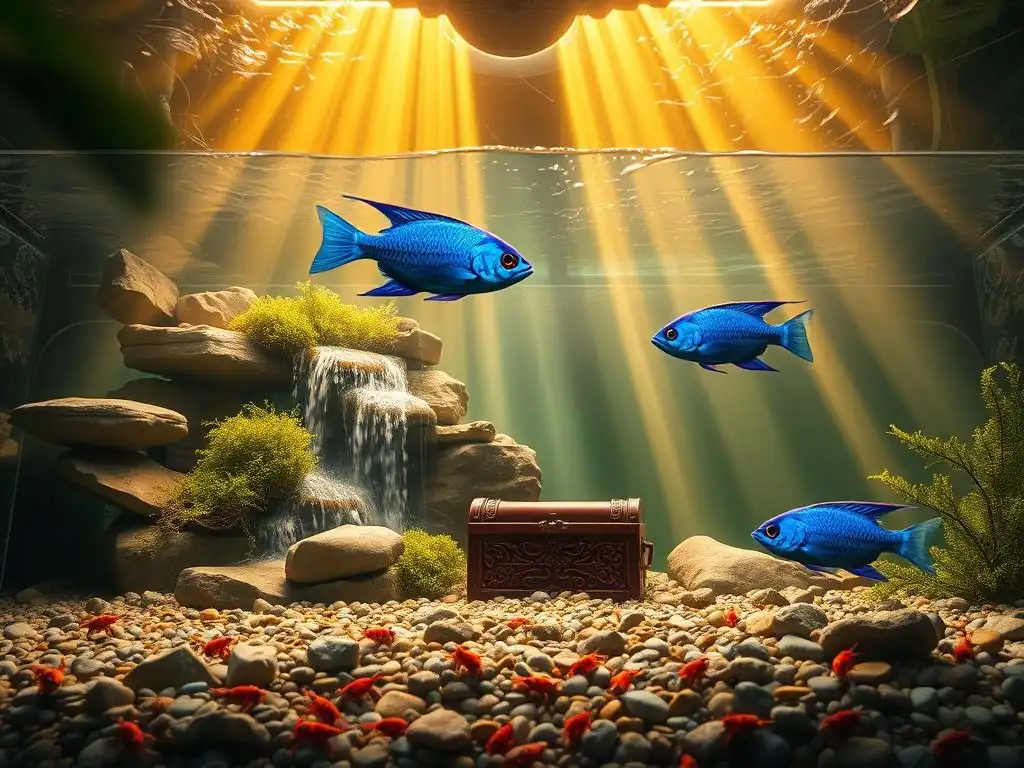
Ever wondered if your Gourami is truly thriving in your current setup? It's more than just aesthetics; understanding their water flow preferences is key to unlocking their full potential. Dive in to uncover how optimizing water movement can dramatically impact their health, behavior, and overall well-being in your freshwater aquarium. Read on to discover the secrets to a happier, healthier Gourami!
- Understanding Gourami Water Flow Preferences for a Thriving Aquarium
- Why Water Flow Matters for Gouramis: A Delicate Balance
- Identifying the Ideal Water Flow Rate for Your Gourami Species
- Signs of Stress in Gouramis Due to Improper Water Flow
- Achieving Optimal Water Flow in Your Gourami Aquarium
- The Role of Plants and Decorations in Managing Water Flow
- Water Flow and Gourami Breeding: Considerations for Spawning
- Maintaining Water Quality and Flow for Long-Term Gourami Health
- Troubleshooting Water Flow Issues in Your Gourami Tank
- Conclusion: Creating the Perfect Water Flow Environment for Happy Gouramis
-
Frequently Asked Questions
- How much water flow do Gouramis generally prefer?
- What are the signs that the water flow is too strong for my Gourami?
- Why is appropriate water flow important for Gourami health?
- How can I adjust the water flow in my aquarium to suit my Gouramis?
- Does the ideal water flow change depending on the specific Gourami species?
- Final Reflection: Navigating the Currents of Gourami Well-being
- Dive Deeper: Transform Your Gourami's Life Today!
Understanding Gourami Water Flow Preferences for a Thriving Aquarium
Gouramis, with their graceful movements and vibrant colors, are a popular choice for freshwater aquariums. However, ensuring their long-term health and well-being hinges significantly on understanding their specific environmental needs, particularly their Gourami water flow preferences. Unlike some robust fish that thrive in turbulent conditions, Gouramis are labyrinth fish, adapted to more tranquil waters, making the delicate balance of water movement in their tank a critical factor for their survival and display of natural behaviors.
An optimal water flow rate prevents stress, promotes healthy growth, and allows Gouramis to exhibit their unique traits, such as bubble nest building. Conversely, an unsuitable flow can lead to exhaustion, illness, and a diminished quality of life. This article will delve into the nuances of Gourami water flow preferences, offering practical advice to create an aquarium environment where these fascinating fish can truly flourish.
Why Water Flow Matters for Gouramis: A Delicate Balance
Gouramis' Natural Habitat and Water Movement
Gouramis originate from slow-moving or stagnant bodies of water across Southeast Asia, including rice paddies, marshes, ponds, and heavily vegetated ditches. These natural environments are characterized by minimal water current, dense plant growth, and often low oxygen levels. Their unique labyrinth organ, an accessory breathing apparatus, allows them to gulp atmospheric air, a crucial adaptation for surviving in oxygen-poor conditions where strong currents are absent.
For instance, Dwarf Gouramis (Trichogaster lalius) are predominantly found in the calmer waters of India and Bangladesh, while Pearl Gouramis (Trichopodus leerii) inhabit the placid, often blackwater environments of Thailand, Malaysia, and Indonesia. This ancestral background dictates their innate Gourami water flow preferences, making them highly sensitive to turbulent conditions that are far removed from their evolutionary comfort zone.
The Importance of Gentle Currents in Gourami Tanks
While Gouramis prefer calm conditions, a complete absence of water movement can lead to stagnation, which is detrimental to water quality. Gentle currents are essential for proper gas exchange at the water's surface, ensuring adequate oxygenation for the fish (even with their labyrinth organ) and beneficial bacteria. This subtle movement also helps distribute nutrients for live plants and prevents the accumulation of waste in "dead spots" within the aquarium.
However, the key lies in the word "gentle." Strong or constant currents force Gouramis to expend excessive energy swimming, leading to chronic stress, weakened immune systems, and susceptibility to diseases. It can also disrupt their feeding, breeding behaviors, and overall comfort, directly impacting their lifespan and vibrancy. The ideal is a softly circulating environment that mimics the placid waters of their natural homes, respecting their intrinsic Gourami water flow preferences.
Identifying the Ideal Water Flow Rate for Your Gourami Species
Dwarf Gourami Water Flow Needs: A Closer Look
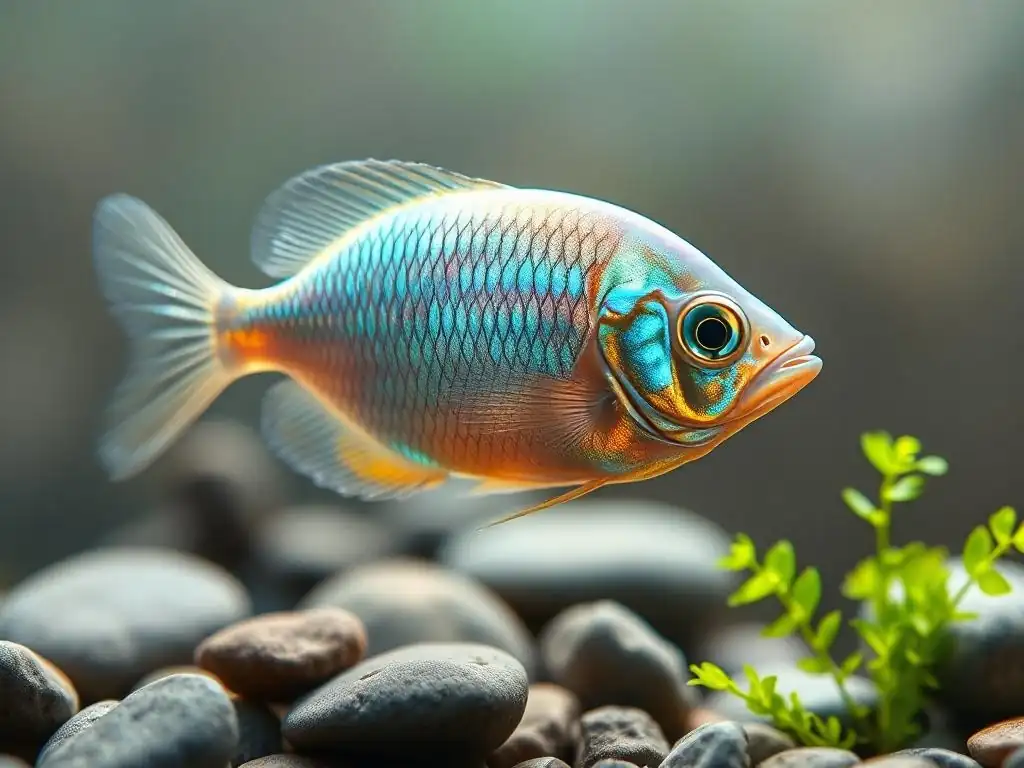
Dwarf Gouramis (Trichogaster lalius), typically growing to about 2 inches (5 cm), are among the most sensitive Gourami species when it comes to water flow. Their small size and delicate fins make them particularly susceptible to being buffeted by strong currents. An ideal environment for Dwarf Gouramis involves very low water movement, just enough to ensure water circulation without creating a noticeable current.
For a Dwarf Gourami tank, filters with adjustable flow rates are highly recommended, often set to their lowest possible output. Sponge filters, driven by an air pump, are an excellent choice for their gentle filtration and minimal current. If using a hang-on-back (HOB) or internal power filter, consider adding a baffle or directing the outflow towards a tank wall or dense planting to diffuse the current significantly.
Pearl Gourami Water Current Preferences: Creating a Calm Environment
Pearl Gouramis (Trichopodus leerii) are larger, reaching 4-5 inches (10-12 cm), and possess flowing, filamentous pelvic fins. While slightly more robust than Dwarf Gouramis, they still strongly prefer calm, placid water. Strong currents can exhaust them and damage their delicate fins, leading to stress and susceptibility to fin rot.
To cater to Pearl Gourami water current preferences, aim for a tank with large, undisturbed zones. Canister filters or HOB filters can be used effectively if equipped with a spray bar directed along the back wall or downwards to diffuse the flow across a wider area. The goal is to achieve a turnover rate of approximately 3-5 times the tank volume per hour, but with the flow spread out and gentle, ensuring no single area experiences strong current.
Honey Gourami and Water Movement: Maintaining a Peaceful Tank
Honey Gouramis (Trichogaster chuna), often mistaken for Dwarf Gouramis due to their similar size (1.5-2 inches or 4-5 cm), share very similar, if not even more pronounced, Gourami water flow preferences for extremely calm water. Their timid nature and small stature make them highly vulnerable to stress from excessive water movement.
For Honey Gouramis, sponge filters or very low-flow internal filters are often the best choice for smaller setups (e.g., 10-20 gallons). If a hang-on-back filter is used, ensure it has a robust flow adjustment feature and consider adding a pre-filter sponge to the intake to further reduce the current. Heavily planted tanks naturally help to break up any residual flow, creating the peaceful environment these shy fish require.
Avoiding Strong Currents: Risks to Gourami Health
Exposing Gouramis to strong currents poses several significant risks to their health and well-being. Physically, constant swimming against a current leads to chronic exhaustion, depleting their energy reserves and weakening their immune system. This makes them highly susceptible to common fish diseases, including fin rot and fungal infections. Furthermore, their delicate fins can be frayed or damaged by continuous exposure to turbulent water.
Behaviorally, Gouramis in strong currents often become withdrawn, spending most of their time hiding behind decorations or clinging to the tank walls in an effort to escape the flow. This stress can also suppress their appetite, leading to malnutrition, and inhibit natural behaviors like exploring, interacting with tank mates, or engaging in breeding activities. In severe cases, prolonged exposure to unsuitable Gourami water flow preferences can lead to premature death.
Signs of Stress in Gouramis Due to Improper Water Flow
Gouramis Hiding or Staying at the Top: A Sign of Distress?
One of the most common indicators of stress in Gouramis due to improper water flow is a sudden change in their typical behavior, particularly excessive hiding. If your Gourami is constantly tucked away behind plants, inside caves, or in a corner, especially during times when they would normally be active (like feeding), it could be a sign that the current is too strong. They are seeking refuge from the relentless flow.
Conversely, some Gouramis might resort to staying perpetually at the water's surface, often in a corner or near the heater. While Gouramis do gulp air, constant surface dwelling accompanied by rapid gill movement can indicate exhaustion from fighting current or even a lack of oxygen deeper in the tank because the strong flow is preventing proper gas exchange at lower levels. Observing these patterns closely helps pinpoint if Gourami water flow preferences are being met.
Labored Breathing and Difficulty Swimming in Gouramis
Labored breathing, characterized by rapid and exaggerated gill movements, is a clear physiological sign of stress or oxygen deprivation. If your Gourami is constantly "panting" and struggling to breathe, it might be expending too much energy trying to maintain its position against an overpowering current. This continuous exertion leaves them with little energy for other vital functions.
Difficulty swimming is another direct physical manifestation of unsuitable water flow. Gouramis in strong currents may appear to be struggling to move forward, being pushed backward or sideways, or unable to maintain a stable position. They might repeatedly try to swim against the flow only to be swept back, or simply give up and drift. This inability to navigate their environment comfortably is a strong indicator that the water movement is too intense for their Gourami water flow preferences.
Changes in Gourami Behavior: Stress Indicators
Beyond hiding and swimming difficulties, several other behavioral changes can signal stress in Gouramis related to water flow. A healthy Gourami is typically curious, explores its territory, and exhibits vibrant coloration. A stressed Gourami, however, may become lethargic, showing reduced activity and a general lack of interest in its surroundings. Their colors might also appear dull or faded, a common stress response in many fish.
Loss of appetite is another critical indicator. If your Gourami is refusing food or struggling to catch it as it's swept away by the current, it's a significant cause for concern. Additionally, fin clamping (holding fins tightly against the body) and erratic, darting movements can signify discomfort. Any deviation from their usual calm and graceful demeanor should prompt an immediate assessment of the tank's water flow and overall conditions to ensure their Gourami water flow preferences are satisfied.
Achieving Optimal Water Flow in Your Gourami Aquarium
Choosing the Right Filter for Gouramis: Balancing Filtration and Flow
Selecting the appropriate filter is paramount for maintaining ideal Gourami water flow preferences. For smaller Gourami tanks (e.g., 5-20 gallons), air-driven sponge filters are often the best choice. They provide excellent biological filtration with extremely gentle water movement, which is perfect for delicate species like Honey or Dwarf Gouramis. For larger tanks (20+ gallons), hang-on-back (HOB) or canister filters can be used, but with careful consideration of their flow rates.
When choosing a filter, look for models that offer adjustable flow control. Many modern HOB filters, for instance, come with a dial or lever to reduce the output, allowing you to fine-tune the current. Canister filters, while powerful, can be equipped with spray bars that diffuse the flow widely across the tank, preventing a concentrated jet of water and creating the gentle circulation Gouramis prefer.
Using Adjustable Filters and Powerheads for Water Current Control
Adjustable filters are invaluable tools for customizing water flow to meet specific Gourami water flow preferences. For example, an AquaClear HOB filter allows users to easily decrease the flow rate, making it suitable for Gourami setups. Similarly, many internal power filters offer a range of settings. It's crucial to select a filter with a maximum GPH (gallons per hour) rating appropriate for your tank size, and then reduce it to a Gourami-friendly level.
While powerheads are generally used to increase circulation in high-flow tanks, they are rarely necessary for Gourami aquariums. If used at all (perhaps in a heavily planted tank requiring specific nutrient distribution), they must be extremely low-GPH models (e.g., 50 GPH) and directed towards tank walls or through dense plant thickets to diffuse the current completely. Direct flow from a powerhead is almost always too strong for Gouramis.
Baffles and Decorations: Modifying Water Flow for Gourami Comfort
When a filter's flow is still too strong even at its lowest setting, simple modifications can make a significant difference. Baffles are effective tools for diffusing filter output. A common method involves cutting a plastic bottle or a piece of filter sponge and attaching it to the filter's outflow, which disperses the water flow over a wider area and reduces its intensity. Even a piece of filter floss or a small, porous rock placed directly under the outflow can help break up the current.
Strategic placement of aquarium decorations and hardscaping also plays a crucial role in managing water flow and creating comfortable zones for Gouramis. Large pieces of driftwood, tall rock formations, and artificial caves can act as natural barriers, diverting or breaking up strong currents. Position these elements near filter outputs to create sheltered, calm areas where Gouramis can rest and feel secure, respecting their natural Gourami water flow preferences.
Filter Recommendations for Gourami Tanks
For a 20-gallon Gourami tank, an air-driven sponge filter like the XY-2831 or a low-flow hang-on-back filter such as the Fluval C2 on its lowest setting would be suitable. These filters typically offer a gentle flow rate, often around 50-80 GPH when diffused, which aligns well with Gourami water flow preferences. For larger tanks, such as a 40-gallon setup, a canister filter like an Eheim Classic 2213 or a Fluval 207, equipped with a spray bar directed along the back wall, can provide excellent filtration without creating excessive current.
The key is to aim for an effective flow rate that turns over the tank volume approximately 2-4 times per hour, but delivered in a very diffused and gentle manner. For example, in a 30-gallon tank, an effective flow of 60-120 GPH that is spread out and gentle would be ideal. Always observe your Gouramis' behavior after any filter adjustment to ensure they are comfortable and not struggling against the current.
The Role of Plants and Decorations in Managing Water Flow
Live Plants as Natural Current Breaks for Gouramis
Live plants are not only aesthetically pleasing and beneficial for water quality but also serve as excellent natural current breaks in a Gourami aquarium. Densely planted tanks naturally slow down water movement, creating a more tranquil environment that closely mimics Gouramis' natural habitats. Tall, broad-leafed plants such as Amazon Swords (Echinodorus amazonicus), Anubias species, and Vallisneria are particularly effective when positioned in the path of filter outflow.
Floating plants like Frogbit (Limnobium laevigatum), Dwarf Water Lettuce (Pistia stratiotes), or Red Root Floaters (Phyllanthus fluitans) also play a crucial role. They diffuse light, provide natural shade, and, importantly, break the surface tension of the water. This helps to further calm any residual surface agitation from the filter, creating an even more serene environment that perfectly caters to Gourami water flow preferences.
Aquarium Decorations to Create Calm Zones
Beyond live plants, strategic placement of various aquarium decorations can significantly contribute to managing water flow and establishing comfortable, low-current zones for Gouramis. Large pieces of driftwood, smooth river rocks, and ceramic caves or tunnels act as physical barriers that can divert or block strong currents. Consider multi-chambered caves or crevices where Gouramis can retreat and feel secure.
When arranging these decorations, think about the path of your filter's outflow. By placing larger, solid decorations directly in the path of the current, you can force the water to spread out and lose intensity before it reaches the main swimming areas. This creates pockets of still or very gently moving water, providing essential resting spots for your Gouramis and ensuring their Gourami water flow preferences are met throughout the tank.
Avoiding Overcrowding: Maintaining Water Flow Efficiency
While not directly a water flow modification technique, avoiding overcrowding is crucial for maintaining effective and gentle water circulation in a Gourami tank. Too many fish can not only lead to increased bioload and stress but also physically obstruct the flow of water. When the tank is overly dense with fish or excessive decorations, it can create unintended "dead spots" where water movement is minimal or non-existent, leading to waste accumulation and poor water quality.
A general guideline for Gouramis is to allow at least 5 gallons (19 liters) of water per Dwarf or Honey Gourami and 10-15 gallons (38-57 liters) per Pearl Gourami. This ensures ample swimming space and allows the gentle current provided by your filter system to circulate freely and efficiently throughout the entire aquarium, preventing stagnant areas and promoting overall water health, which in turn supports their delicate Gourami water flow preferences.
Water Flow and Gourami Breeding: Considerations for Spawning
Creating a Calm Area for Bubble Nest Building
Gouramis are known for their fascinating bubble-nest breeding behavior, where the male constructs a delicate nest of bubbles at the water's surface to house the eggs. Any significant surface agitation or strong current will inevitably destroy these fragile nests, making successful breeding impossible. Therefore, providing an exceptionally calm area for nest building is paramount for Gourami spawning.
In a breeding tank, the filter output should be drastically reduced or even temporarily turned off during the active nest-building and spawning period. A small, air-driven sponge filter operating at a very low setting is often the only acceptable form of filtration during this sensitive phase. Floating plants, such as Water Lettuce or Riccia fluitans, offer excellent anchor points for the bubble nest and further help to diffuse any minimal surface movement, catering precisely to their Gourami water flow preferences for reproduction.
Gentle Water Movement During Breeding and Fry Development
Once the eggs are laid and subsequently hatch, the Gourami fry are incredibly tiny and delicate. They possess very little swimming ability and are highly susceptible to being swept away or exhausted by even moderate currents. For the first few weeks of their life, the fry require an environment with virtually no water movement to survive and develop properly.
During this critical period, maintaining an extremely gentle water flow is essential. A simple, air-driven sponge filter is usually the only safe option for filtration, as it provides biological filtration with minimal disturbance. The water level in the breeding tank can also be slightly lowered to reduce the distance of any water fall from the filter output, further ensuring that the environment remains calm and conducive to the fragile fry's development, aligning perfectly with their early Gourami water flow preferences.
Techniques for Managing Flow in a Breeding Tank
To effectively manage water flow in a Gourami breeding tank, consider several techniques. Firstly, if using a standard filter, temporarily remove or redirect its outflow during the crucial nest-building and spawning phases. For continuous filtration, switch to or supplement with a dedicated air-driven sponge filter, as its gentle flow is ideal.
Secondly, incorporate a generous amount of floating plants. These not only provide anchor points for the bubble nest but also act as natural current breaks at the surface, ensuring the male's efforts are not wasted. Finally, maintaining a slightly lower water level (e.g., 6-8 inches) in the breeding tank can also reduce the impact of any residual water movement, providing a supremely calm and secure environment for both the parents and the developing fry, honoring their specialized Gourami water flow preferences during this vital life stage.
Maintaining Water Quality and Flow for Long-Term Gourami Health
Regular Water Changes and Their Impact on Water Flow
Regular partial water changes are fundamental to maintaining pristine water quality, which directly supports Gourami health and their sensitivity to environmental conditions. A routine schedule, such as a 25% water change weekly, helps remove accumulated nitrates and replenish essential minerals. While performing these changes, it's important to be mindful of how they affect water flow. Avoid vigorous stirring of the substrate, which can release trapped detritus and temporarily create turbidity or disrupt established gentle flow patterns.
When refilling the tank, pour the fresh water slowly and gently, preferably onto a clean plate, a piece of driftwood, or a large decoration. This diffuses the incoming water, preventing sudden strong currents or temperature fluctuations that could stress your Gouramis. By performing water changes thoughtfully, you ensure that the delicate balance of water flow and quality, crucial for Gourami water flow preferences, is maintained consistently.
Avoiding Dead Spots and Promoting Circulation
Even in tanks designed for low water flow, it's crucial to prevent "dead spots" – areas where water circulation is minimal or non-existent. These stagnant zones can accumulate uneaten food, fish waste, and decaying plant matter, leading to localized areas of poor water quality, including anaerobic conditions and a buildup of harmful compounds like ammonia and nitrites. While Gouramis prefer calm water, complete stagnation in parts of the tank is detrimental.
Regularly observe the movement of small particles or detritus in your aquarium to identify any dead spots. If found, you may need to slightly adjust the direction of your filter's outflow, reposition decorations, or, in rare cases, add a very small, diffused air stone in the stagnant area. The goal is to achieve a gentle, overall circulation throughout the entire tank without creating any noticeable current for the Gouramis, ensuring their Gourami water flow preferences are met while preventing harmful stagnation.
Water Testing and Adjustments for Optimal Gourami Health
Consistent water parameter testing is paramount for the long-term health of your Gouramis. While directly related to water quality rather than flow, poor water parameters can significantly exacerbate stress caused by unsuitable water flow. Regularly test for ammonia (should be 0 ppm), nitrite (should be 0 ppm), and nitrate (ideally below 20 ppm). pH levels should be maintained within the range of 6.0-7.5, depending on the specific Gourami species.
Beyond chemical parameters, consistent water temperature is also vital. Gouramis thrive in tropical temperatures, typically between 24-28°C (75-82°F). Stable water parameters, combined with an environment that respects their Gourami water flow preferences, create a robust and resilient habitat. This holistic approach helps Gouramis maintain strong immune systems, making them less susceptible to diseases and ensuring they live long, healthy lives.
Troubleshooting Water Flow Issues in Your Gourami Tank
Addressing Excessive Water Flow: Solutions and Adjustments
If you observe your Gouramis struggling against the current, constantly hiding, or showing signs of exhaustion, the first step is to address excessive water flow. Begin by checking if your filter has an adjustable flow rate and reduce it to its lowest setting. If the flow is still too strong, consider adding a pre-filter sponge to the intake tube; this not only provides additional mechanical filtration but also slightly reduces the water intake rate.
For the filter output, implement baffles. You can use a simple piece of plastic cut from a water bottle, a section of filter sponge, or even a small, porous rock placed directly under the outflow to diffuse the current. Alternatively, direct the filter's output towards a tank wall or through a dense thicket of tall, broad-leafed plants. If all else fails, consider replacing your current filter with a model known for very gentle flow, such as a large air-driven sponge filter, to align with specific Gourami water flow preferences.
Resolving Insufficient Water Flow: Identifying and Correcting Dead Spots
While excessive flow is more common with Gouramis, insufficient water flow can also pose problems, primarily by leading to "dead spots" where detritus accumulates and water quality deteriorates. If you notice areas with persistent debris, cloudy water localized in one spot, or a build-up of algae in specific regions, you might have inadequate circulation. Start by checking your filter media; clogged media can significantly reduce efficiency. Clean or replace filter sponges and ensure the impeller is free of debris.
If the filter is operating optimally but circulation remains poor, consider how your decorations are arranged. Large, solid decorations might be blocking flow. Rearrange them to allow for better water movement. In some rare cases, for very large tanks with Gouramis, a very small, low-GPH powerhead (e.g., 20-30 GPH) can be added to break up a specific dead spot, but it must be heavily diffused and aimed away from direct swimming paths to avoid creating strong currents that contradict Gourami water flow preferences.
Problem: Gouramis are constantly hiding, clamped fins, or struggling to swim. Solution: This is a strong indication of excessive water flow. Immediately reduce the filter's flow rate if adjustable. Install a baffle on the filter output to diffuse the current. Add more live plants or large decorations to create sheltered, calm zones. For example, if a 300 GPH filter is on a 20-gallon tank, even on low, it's likely too much; consider a filter with a much lower maximum GPH or a sponge filter.
Problem: Accumulation of detritus in specific tank corners, or localized cloudy water/algae growth. Solution: This suggests insufficient water flow and dead spots. Ensure your filter is clean and functioning efficiently. Reposition decorations to allow for better water movement. If necessary, gently adjust the filter's output direction to ensure overall, gentle circulation throughout the tank. Regularly observe your tank for areas of stagnation to ensure the overall Gourami water flow preferences for gentle movement are met across the entire habitat.
Conclusion: Creating the Perfect Water Flow Environment for Happy Gouramis
Understanding and meticulously managing water flow is a cornerstone of successful Gourami keeping. These captivating fish, hailing from the calm, vegetated waters of Southeast Asia, possess specific Gourami water flow preferences that demand a gentle, diffused current within the aquarium. Providing an environment that mimics their natural habitat—one free from strong, relentless currents—is not merely about comfort; it's fundamental to their health, longevity, and the exhibition of their natural behaviors, including their mesmerizing bubble-nest building.
By carefully selecting appropriate filtration systems, utilizing flow-diffusing techniques like baffles and spray bars, and strategically incorporating live plants and decorations, aquarists can create a serene and thriving habitat. Regular observation of your Gouramis' behavior and swift troubleshooting of any flow-related issues will ensure they remain vibrant, active, and stress-free. Ultimately, a well-managed water flow is a testament to the dedicated aquarist's commitment to providing an ideal home for these elegant aquatic companions.
Frequently Asked Questions
How much water flow do Gouramis generally prefer?
Gouramis typically prefer gentle to moderate water flow. Strong currents can stress them and make it difficult to feed or swim comfortably. Excessive turbulence should be avoided.
What are the signs that the water flow is too strong for my Gourami?
Signs can include hiding frequently, struggling to swim, and decreased appetite. You might also observe them staying near the bottom or in areas with less current.
Why is appropriate water flow important for Gourami health?
Proper flow helps maintain oxygen levels and removes waste products, contributing to a healthy environment. Inadequate flow can lead to poor water quality and disease.
How can I adjust the water flow in my aquarium to suit my Gouramis?
You can use adjustable filters or powerheads to control the flow rate. Aim the output towards the tank walls or use decorations to diffuse the current.
Does the ideal water flow change depending on the specific Gourami species?
Yes, while most prefer gentle flow, some larger species might tolerate slightly stronger currents. Research the specific needs of your Gourami species for optimal care.
The research presented highlights the critical, yet often overlooked, connection between water flow and the holistic health of Gourami. Understanding their specific needs, as we've explored, isn't just about optimizing tank parameters; it's about fostering an environment where these fascinating fish can truly thrive, exhibiting their natural behaviors and vibrant personalities.
This exploration into Gourami water flow preferences underscores the broader responsibility we have as aquarists to create environments that mimic, as closely as possible, the natural habitats of our aquatic companions. My own experiences observing Gourami in varying flow conditions have solidified the belief that attentive observation and a willingness to adapt are paramount to their well-being. The best way to observe a fish is to become the water.
- Jacques Cousteau. This quote reminds us that true understanding comes from immersing ourselves in the perspective of the creature we seek to care for.
Now, armed with this knowledge, I encourage you to reflect on your own aquariums. Are you truly catering to the specific needs of your Gourami, or are you simply providing a generic environment? Take the time to observe, to experiment, and to fine-tune the water flow in your tank. By doing so, you're not just improving the lives of your fish; you're deepening your connection with the natural world and becoming a more responsible and compassionate aquarist. Let's all strive to create aquatic havens where Gourami can flourish, showcasing their beauty and enriching our lives in return.
Dive Deeper: Transform Your Gourami's Life Today!
Thanks for exploring the fascinating world of gourami behavior with us! Now that you understand the crucial impact of water flow, it’s time to put that knowledge into action and create an even better environment for your scaled friends.
Here are a few things you can do right now:
- Measure the water flow in your gourami tank using a simple floating object to confirm it's appropriate, paying close attention to their behavior near the outflow. Adjust as needed.
- Share your findings and any challenges you encounter with the vibrant Aquarium Mastery community on our forum. Help others learn from your experience!
- Experiment with creating small, localized current breaks using plants or décor to observe how your gouramis utilize these calmer zones.
What innovative solutions will you implement to enhance your gourami's watery paradise and observe the changes in their behavior? Share your ideas below!