
Tetra Breeding Unveiled: A General Guide to Spawning These Dazzling Fish

Welcome to Aquarium Mastery, where your aquatic ambitions take flight!
Ever been captivated by the shimmering beauty of Tetras and dreamed of witnessing their fascinating life cycle firsthand? Unlock the secrets to successful spawning with our comprehensive Tetra breeding spawning guide. Dive in and discover the key to creating the perfect environment and nurturing these dazzling fish from egg to adult. Ready to embark on this rewarding journey?
- Tetra Breeding Unveiled: A Comprehensive Guide to Spawning These Dazzling Fish
- Understanding Tetra Breeding: An Introduction to Spawning
- Selecting the Right Tetras for Breeding
- Setting Up a Dedicated Tetra Breeding Tank
- The Tetra Spawning Process: Step-by-Step Guide
- Hatching Tetra Eggs and Raising Fry
- Troubleshooting Common Tetra Breeding Problems
- Advanced Tetra Breeding Techniques
- Conclusion: Mastering Tetra Breeding and Spawning
- Frequently Asked Questions
- Final Reflection: The Spark of New Life
- Ignite Your Tetra Breeding Journey!
Tetra Breeding Unveiled: A Comprehensive Guide to Spawning These Dazzling Fish
Understanding Tetra Breeding: An Introduction to Spawning
Why Breed Tetras? The Rewards of Observing Life's Beginnings
Engaging in tetra breeding offers a uniquely rewarding experience for any aquarist, moving beyond simple tank maintenance to observing the intricate life cycle of these fascinating fish. Witnessing the delicate eggs hatch into microscopic fry, and then grow into miniature versions of their parents, provides an unparalleled sense of accomplishment and deepens one's understanding of aquatic ecosystems. This process also contributes to the hobby by making more tank-bred fish available, potentially reducing the demand for wild-caught specimens and supporting sustainable practices.
Beyond the personal satisfaction, successful breeding tetras allows aquarists to refine their skills in water chemistry, nutrition, and environmental control. It challenges one to pay meticulous attention to detail, learning the subtle cues that indicate readiness to spawn or the specific needs of newly hatched fry. The educational value is immense, transforming a passive observer into an active participant in the propagation of aquatic life, and offering a profound insight into the natural world within the confines of an aquarium.
Challenges in Tetra Spawning: Patience and Attention to Detail
While incredibly rewarding, tetra breeding presents its own set of challenges that require significant patience and meticulous attention to detail. Many tetra species, particularly the more delicate ones like Cardinal Tetras, demand very specific water parameters that often differ significantly from typical community tank conditions. Failure to precisely replicate their natural spawning environment, including factors like water hardness, pH, and temperature, can result in infertile eggs or a complete lack of spawning activity.
Furthermore, the delicate nature of tetra eggs and newly hatched fry makes them highly susceptible to predation by parents, fungal infections, and rapid changes in water quality. Successfully raising a batch of fry requires constant vigilance, precise feeding schedules, and an understanding of their unique vulnerabilities. This demanding process underscores why a detailed tetra breeding spawning guide is essential for anyone aspiring to propagate these dazzling fish.
Selecting the Right Tetras for Breeding
Choosing Healthy Breeding Stock: Identifying Prime Breeding Candidates
The foundation of any successful tetra breeding endeavor lies in selecting healthy, mature breeding stock. Look for fish that exhibit vibrant coloration, active swimming behavior, and fully intact fins without any signs of nipping or disease. A healthy female will often appear plumper, especially in the abdominal region, indicating the presence of eggs, while males may display more intense colors or slightly more pointed fins depending on the species.
Age is also a critical factor; most tetras reach sexual maturity between 6 to 12 months, though this can vary. Selecting individuals that are robust and well-conditioned ensures they have the energy reserves necessary for spawning and producing viable eggs. Quarantining new fish for several weeks before introducing them to your main or breeding tank is a crucial step to prevent the introduction of pathogens that could jeopardize your entire breeding project.
Species-Specific Considerations: Understanding Individual Needs
While this is a general tetra breeding spawning guide, it's vital to recognize that the specific needs for spawning can vary significantly between different tetra species. For instance, the popular Neon Tetra (Paracheirodon innesi) and Cardinal Tetra (Paracheirodon axelrodi) require extremely soft, acidic water (often with a pH of 5.0-6.0 and GH of 0-2 dKH) to trigger spawning and ensure egg viability. These conditions mimic their native blackwater habitats in the Amazon.
In contrast, more robust species like the Black Skirt Tetra (Gymnocorymbus ternetzi) or Serpae Tetra (Hyphessobrycon eques) are generally more forgiving, spawning readily in moderately soft to medium-hard water with a pH range of 6.0-7.5. Understanding these species-specific nuances is paramount. Researching the exact requirements for your chosen tetra species will significantly increase your chances of success and is a cornerstone of any effective tetra breeding spawning guide.
Setting Up a Dedicated Tetra Breeding Tank
Water Parameters for Tetra Spawning: Replicating Natural Conditions
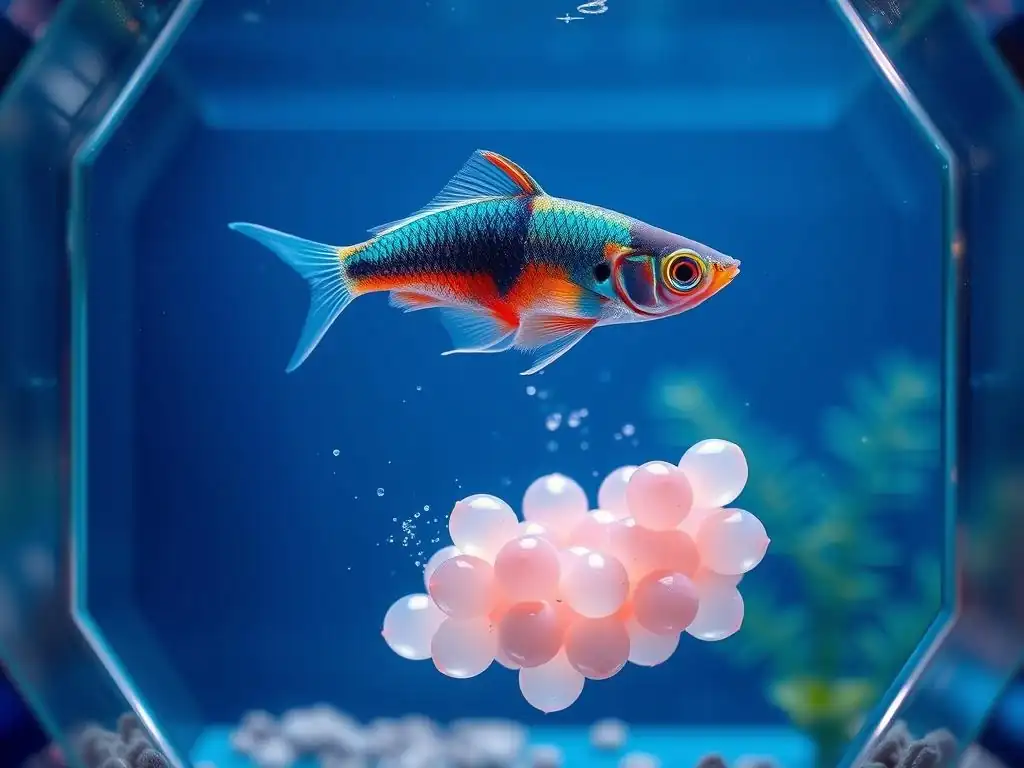
To successfully trigger and sustain tetra breeding, replicating their natural spawning water parameters is paramount. For many popular species like Neon and Cardinal Tetras, this means very soft and acidic water. A general target range for these species is a pH of 5.0-6.5 and a General Hardness (GH) of 1-5 dKH (17.9-89.5 ppm). Using reverse osmosis (RO) water remineralized to the desired parameters or heavily diluted tap water is often necessary to achieve such low hardness.
Temperature also plays a crucial role in inducing spawning. While community tanks often sit around 75°F (24°C), a slightly elevated temperature of 78-82°F (25.5-28°C) often encourages breeding tetras. Consistency in these parameters is more vital than hitting an exact number; sudden fluctuations can stress the fish and inhibit spawning. Regular testing with reliable kits is essential to maintain these precise conditions throughout the tetra breeding spawning guide process.
Substrate and Plants: Creating a Suitable Spawning Environment
The choice of substrate and plants in a tetra breeding tank is critical for protecting the delicate eggs from predation by the parents. Many tetra species are egg scatterers, meaning they release their adhesive or non-adhesive eggs randomly into the water column, where they fall to the bottom or stick to plants. A bare-bottom tank with a layer of marbles or a mesh screen placed above the bottom can allow eggs to fall through, out of reach of hungry adults.
Alternatively, dense clumps of fine-leaved plants like Java Moss (Taxiphyllum barbieri), Hornwort (Ceratophyllum demersum), or Anacharis (Egeria densa) provide excellent spawning mops and hiding places for eggs. Synthetic spawning mops made from yarn can also be effective. These plants not only offer surfaces for egg deposition but can also contribute to the water quality by absorbing nitrates and providing initial infusoria for newly hatched fry, making them invaluable for a successful tetra breeding spawning guide.
Lighting and Filtration: Optimizing the Breeding Tank Setup
Optimizing lighting and filtration in a tetra breeding tank is crucial for the delicate process of spawning and egg development. For many tetra species, a dim, subdued lighting environment is preferred, as bright lights can deter spawning and even harm sensitive eggs. Often, a breeding tank is kept in near darkness or with very low ambient light for the first 24-48 hours after introducing the breeding pair, mimicking the shaded conditions of their natural habitats. After spawning, a gentle 10-12 hour light cycle is generally sufficient.
Filtration should be minimal and gentle to avoid sucking up tiny eggs or newly hatched fry. A mature, air-driven sponge filter is the ideal choice for a tetra breeding spawning guide setup. It provides effective biological filtration without creating strong currents, and its porous surface offers additional beneficial bacteria colonization. An air stone can be added for extra oxygenation, ensuring the water remains well-aerated without disturbing the delicate environment. Chemical filtration media like activated carbon should be avoided as they can remove beneficial tannins or other compounds important for spawning.
The Tetra Spawning Process: Step-by-Step Guide
Conditioning Tetras for Spawning: Diet and Water Changes
Effective conditioning is the cornerstone of successful tetra breeding. For 1-2 weeks prior to introducing them to the breeding tank, feed your chosen tetras a high-quality, varied diet rich in live and frozen foods. Excellent choices include live or frozen bloodworms, brine shrimp, daphnia, and microworms. This protein-rich diet boosts their health, encourages egg development in females, and enhances male vitality, preparing them for the rigors of spawning.
Alongside a nutritious diet, small, frequent water changes are crucial for conditioning. Performing 10-20% water changes daily or every other day using slightly cooler, soft water can simulate the onset of a rainy season, a natural trigger for spawning in many tropical fish. This consistent influx of fresh, clean water also helps to flush out nitrates and other pollutants, ensuring the fish are in peak condition for the tetra breeding spawning guide process.
Introducing Tetras to the Breeding Tank: Timing is Key
Once your chosen tetras are thoroughly conditioned, the timing of their introduction to the dedicated breeding tank is paramount. It is generally recommended to introduce the breeding pair or group (often a ratio of 1 female to 2 males, or a single pair depending on the species) in the late evening. This allows them to acclimate to the new environment overnight, and many tetra species prefer to spawn in the early morning hours, often at dawn.
Observe the fish closely for the next few days. If spawning does not occur within 2-3 days, consider removing the fish, re-conditioning them for another week, or slightly adjusting the water parameters or temperature. Patience is a virtue in tetra breeding, as some pairs may take longer to feel comfortable enough to spawn. Avoid disturbing the tank unnecessarily once the fish are introduced.
Recognizing Spawning Behavior: Identifying Mating Rituals
Recognizing the distinct spawning behavior of tetras is a crucial step in the tetra breeding spawning guide. Typically, the male will begin to chase the female, often nudging her side or fins. This chasing can sometimes appear vigorous but is usually part of their courtship. The male may also display more vibrant colors and engage in fin-flaring to attract the female. The pair will then often swim side-by-side or in a shimmering, circular motion, particularly within dense plant thickets or over spawning mops.
Eggs are usually scattered in small batches during these encounters. They are often tiny, clear, and adhesive, sticking to plants, substrate, or the tank walls. Spawning generally occurs in the early morning, often coinciding with the first light of day. Once you observe eggs, it's a clear sign that spawning has concluded, and the next critical step for successful breeding tetras can begin.
Post-Spawning Care: Removing Parents and Protecting Eggs
Immediately after spawning is complete, the most critical step in protecting the delicate eggs is to carefully remove the adult tetras from the breeding tank. Most tetra species are notorious egg eaters and will consume their own progeny if given the opportunity. Use a fine-meshed net to gently transfer the parents back to their conditioning or community tank, minimizing disturbance to the breeding tank.
Once the parents are removed, consider adding a very small amount of a fungicidal agent, such as methylene blue, to the water. This helps prevent fungal growth on infertile or unfertilized eggs, which can quickly spread and contaminate healthy, viable eggs. Maintain stable water parameters and temperature, and keep the tank lighting subdued for the incubation period to ensure the highest possible hatch rate for your tetra breeding spawning guide efforts.
Hatching Tetra Eggs and Raising Fry
Incubation Period: Monitoring Tetra Eggs
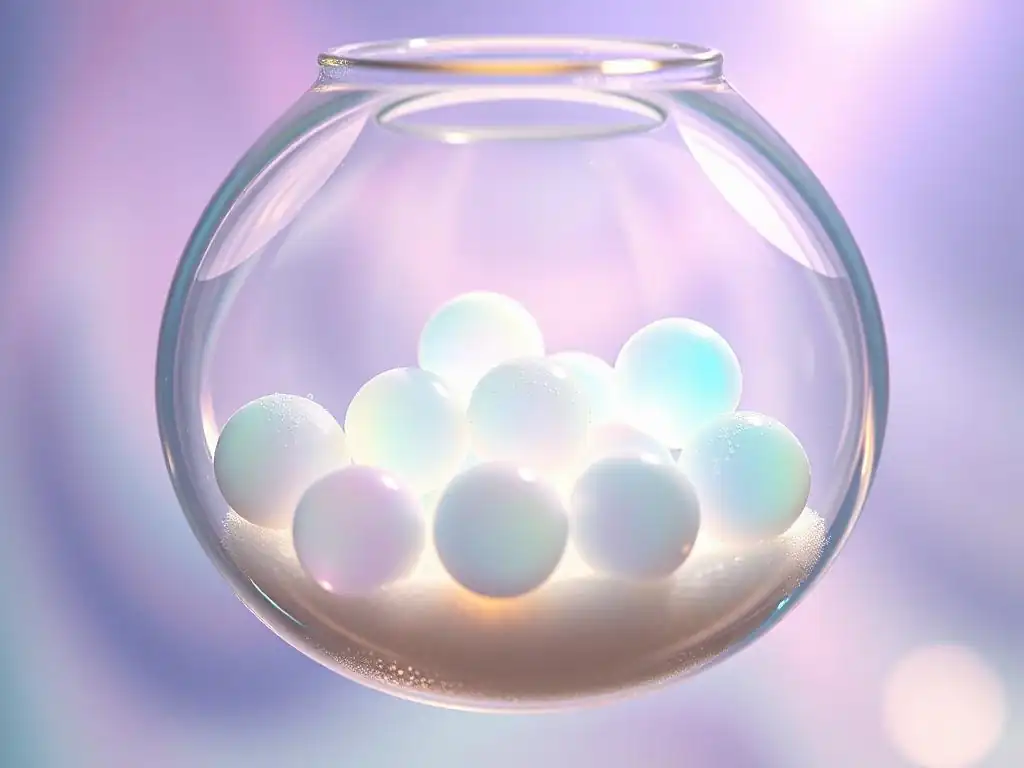
After the eggs have been laid and the parents removed, the incubation period begins, a critical phase in the tetra breeding spawning guide. The time it takes for tetra eggs to hatch varies depending on the species and, significantly, the water temperature. For many common tetra species, like Neons and Cardinals, eggs typically hatch within 24 to 72 hours (1 to 3 days) when kept at a consistent temperature range of 78-80°F (25.5-26.5°C).
During this period, carefully monitor the eggs. Healthy, fertile eggs will remain clear and translucent, gradually darkening as the embryo develops inside. Any eggs that turn opaque white or develop a fuzzy, mold-like growth are infertile or have succumbed to fungus. These should be promptly removed using a pipette or small baster to prevent the fungal infection from spreading to viable eggs, which is vital for maximizing the yield of breeding tetras.
Newly Hatched Fry: First Foods and Feeding Schedule
Once tetra eggs hatch, the newly emerged fry are incredibly tiny and delicate. For the first 1-3 days, they will primarily subsist on their yolk sac, appearing as tiny slivers attached to the tank bottom or clinging to plants. Once their yolk sac is absorbed and they become free-swimming, typically after 2-3 days post-hatch, they require their first external food source. Their mouths are microscopic, necessitating very small food particles.
The ideal first foods for tetra breeding fry are infusoria (microscopic organisms found in aged aquarium water or cultured with banana peels/hay) or high-quality liquid fry food. Feed small amounts multiple times a day, typically 4-6 times, to ensure a constant supply of food. After another 3-5 days, as they grow slightly, they can transition to newly hatched brine shrimp nauplii or microworms, which are highly nutritious and stimulate rapid growth, crucial for raising healthy tetra breeding spawning guide fry.
Maintaining Water Quality for Tetra Fry: Avoiding Common Pitfalls
Maintaining pristine water quality is arguably the most critical factor for the survival and healthy growth of newly hatched tetra fry. They are extremely sensitive to ammonia, nitrite, and nitrate spikes, which can quickly lead to high mortality rates. Due to their small size and frequent feeding, pollutants can accumulate rapidly.
Therefore, small, frequent water changes are essential – typically 5-10% daily using aged, temperature-matched water. A simple airline tubing can be used to gently siphon detritus and uneaten food from the tank bottom without disturbing the fry. A mature sponge filter, already established with beneficial bacteria, is vital for biological filtration, breaking down harmful waste products. Avoid any sudden changes in water parameters, as these can shock and kill the delicate fry, making water stability a cornerstone of any successful tetra breeding spawning guide.
Growing Out Tetra Fry: Transitioning to Larger Tanks
As tetra fry continue to grow, typically after 2-4 weeks, their dietary needs and space requirements will evolve. At this stage, they can usually transition from live foods like brine shrimp nauplii to larger, finely crushed flake food or finely chopped frozen foods such as bloodworms or daphnia. Continue to feed small amounts multiple times a day to support their rapid growth and metabolism.
Depending on the growth rate of the specific tetra species and the size of your breeding tank, the fry may become too crowded after 4-8 weeks. Overcrowding can lead to stunted growth, increased aggression, and higher susceptibility to disease. At this point, it's advisable to move the growing fry to a larger "grow-out" tank with similar water parameters. This provides them with ample space to mature into healthy, vibrant adult fish, marking a successful outcome in your tetra breeding spawning guide journey.
Troubleshooting Common Tetra Breeding Problems
Infertile Eggs: Causes and Prevention
One of the most common frustrations in tetra breeding is encountering a batch of infertile eggs, which typically appear opaque white and fuzzy within 24-48 hours of spawning. Several factors can contribute to infertility. Unripe or overripe parents, meaning they are either too young or too old to produce viable gametes, is a frequent cause. Poor conditioning, where the fish haven't received adequate nutrition to develop healthy eggs and sperm, also plays a significant role.
To prevent infertile eggs, ensure your breeding stock is of optimal age (typically 6-12 months for most tetras) and has been conditioned for at least 1-2 weeks with a high-protein, varied diet. Maintaining the correct male-to-female ratio (often 1:1 or 2 males to 1 female, depending on species) can also improve fertilization rates. Lastly, precise water parameters (pH, GH, temperature) are crucial, as deviations can hinder the fertilization process. Sometimes, simply trying a different pair or adjusting parameters slightly can resolve the issue in your tetra breeding spawning guide.
Fry Mortality: Minimizing Losses
High fry mortality rates are a disheartening but common problem in tetra breeding. The primary causes are typically poor water quality, insufficient or inappropriate food, and sudden environmental changes. Fry are extremely sensitive to ammonia and nitrite spikes, which can occur rapidly in a small tank with frequent feedings if water changes are neglected. Underfeeding or feeding food that is too large for their tiny mouths will lead to starvation, while overfeeding can quickly foul the water.
To minimize losses, meticulous attention to water quality is paramount: perform small, daily water changes (5-10%) using aged, temperature-matched water. Ensure a constant supply of appropriately sized food, starting with infusoria or liquid fry food and transitioning to newly hatched brine shrimp nauplii as they grow. Maintain stable temperatures and avoid sudden shifts in pH or hardness. A mature sponge filter provides gentle yet effective biological filtration, crucial for a successful tetra breeding spawning guide outcome.
Disease Prevention in Tetra Fry: Maintaining a Healthy Environment
Tetra fry, with their undeveloped immune systems, are highly susceptible to diseases. Stress from poor water quality, overcrowding, or inadequate nutrition significantly weakens their defenses, making them prime targets for bacterial, fungal, or parasitic infections. Common issues can include "shimmies" (stress-induced erratic swimming), fungal infections on fins, or bacterial infections leading to rapid death.
Prevention is the best approach, as treating diseases in tiny fry is exceptionally challenging and often fatal. Maintain pristine water conditions through diligent daily water changes and a well-cycled sponge filter. Avoid overcrowding the grow-out tank; move fry to larger tanks as they grow. Provide a varied and nutritious diet to boost their immune systems. Never introduce new fish or plants into the fry tank without proper quarantine, as they can carry pathogens. A clean, stable, and well-fed environment is the strongest defense against disease in your tetra breeding spawning guide efforts.
Advanced Tetra Breeding Techniques
Species-Specific Breeding Challenges: Breeding the Cardinal Tetra
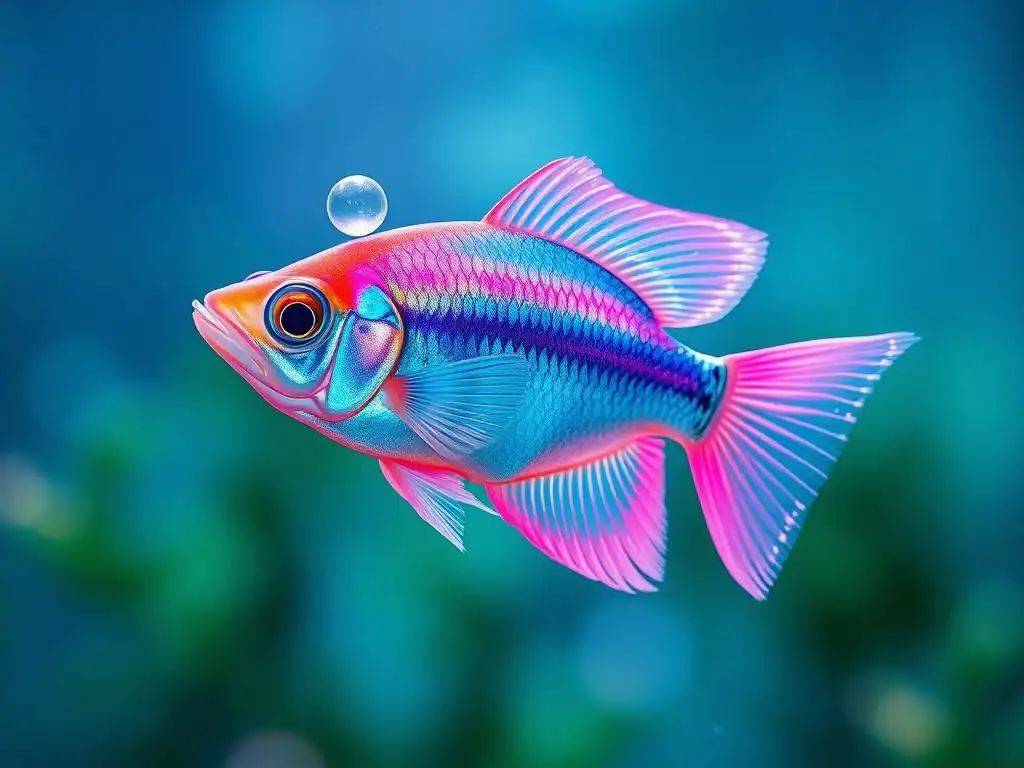
Breeding the Cardinal Tetra (Paracheirodon axelrodi) is widely considered one of the most challenging feats in tetra breeding, even for experienced aquarists. Their extreme sensitivity to water parameters is the primary hurdle; they require incredibly soft water (often less than 50 ppm Total Dissolved Solids, or TDS), highly acidic conditions (pH 4.5-5.5), and often specific tannins from peat or botanicals. Furthermore, they are light-sensitive spawners, preferring very dim conditions or complete darkness for their courtship and egg laying.
Success typically involves using pure reverse osmosis (RO) water, carefully remineralized to achieve the precise, ultra-soft and acidic parameters. Peat filtration or the addition of Indian almond leaves can help lower pH and provide beneficial humic substances. The breeding tank must be kept in a quiet, undisturbed location, often with blacked-out sides, and lighting should be minimal.
Their eggs are particularly delicate and prone to fungal infections, necessitating the removal of parents immediately after spawning and sometimes the use of a mild anti-fungal agent in the water. Mastering this aspect of tetra breeding spawning guide is a true testament to an aquarist's skill.
Optimizing Spawning Rates: Fine-Tuning the Environment
To consistently achieve high spawning rates in tetra breeding, aquarists can employ several advanced techniques to fine-tune the breeding environment. Mimicking natural triggers is key. For example, some breeders experiment with slight temperature fluctuations, dropping the water temperature by a few degrees Fahrenheit overnight and then slowly raising it back, simulating a tropical rain shower which often precedes spawning in the wild.
The strategic use of botanicals like alder cones, dried oak leaves, or Indian almond leaves can further optimize spawning conditions. These release beneficial tannins and humic acids into the water, naturally lowering the pH and softening the water, which is particularly effective for blackwater tetra species. These compounds also possess mild anti-fungal and antibacterial properties, creating a healthier environment for eggs and fry. Experimentation with subtle changes in light cycles, water flow, and diet can often unlock the secrets to consistent breeding tetras.
Conclusion: Mastering Tetra Breeding and Spawning
Contributing to Tetra Conservation: Responsible Breeding Practices
Mastering tetra breeding is not merely a personal achievement but also a valuable contribution to aquatic conservation. By successfully spawning and raising these dazzling fish in captivity, aquarists help to reduce the demand for wild-caught specimens. This is particularly significant for species like the Cardinal Tetra, which are often collected in large numbers from their natural habitats in the Amazon, sometimes impacting wild populations.
Responsible tetra breeding also involves maintaining genetic diversity within your lines, avoiding excessive inbreeding that can lead to weaker, less resilient fish. Sharing your knowledge and successful breeding techniques with the wider aquarist community further propagates best practices and encourages more hobbyists to engage in sustainable fishkeeping. Ultimately, a comprehensive tetra breeding spawning guide empowers aquarists to become stewards of these beautiful species, ensuring their availability and health for generations to come.
Frequently Asked Questions
How do I know when my Tetras are ready to breed?
Look for signs like plump abdomens in females and increased chasing behavior among males. Water parameters are also crucial; softer, slightly acidic water often triggers spawning.
What kind of tank setup is best for Tetra breeding?
A separate breeding tank is highly recommended. Use a fine-leaved plant or spawning mop to provide a safe place for eggs and prevent adults from eating them.
What are the ideal water parameters for Tetra spawning?
Generally, aim for a temperature between 78-82°F (25-28°C), a pH of 6.0-7.0, and very soft water. Using reverse osmosis water can help achieve the desired softness.
How do I feed Tetra fry after they hatch?
Tetra fry are tiny and require infusoria or commercially available liquid fry food for the first few days. Gradually introduce baby brine shrimp as they grow.
How can I prevent adult Tetras from eating the eggs?
Remove the parent fish immediately after spawning is complete. The breeding tank should have plenty of hiding places like marbles or mesh at the bottom to protect eggs that fall.
Final Reflection: The Spark of New Life
The journey of understanding and replicating the natural spawning process of tetras, as explored in this guide, is more than just a technical exercise; it's a testament to our enduring fascination with the delicate balance of life within our aquariums. The ability to witness and facilitate the creation of new life, especially within the controlled environment of our homes, underscores the profound connection we share with the natural world and the responsibility we bear as stewards of these miniature ecosystems.
This exploration into tetra breeding not only provides practical knowledge but also fosters a deeper appreciation for the intricate dance of nature. The act of successfully spawning tetras, witnessing those tiny eggs hatch and grow into vibrant, shimmering fish, is a deeply rewarding experience that connects us to the very essence of life's cycle. The best way to observe a fish is to become a fish.
- Jacques Cousteau. This quote encapsulates the spirit of this guide, urging us to understand tetras not just as objects of beauty, but as living beings with complex needs and behaviors.
Now, armed with this knowledge and understanding, consider how you can apply this dedication to nurturing life beyond the confines of your aquarium. Reflect on the patience, observation, and commitment required to successfully breed tetras, and ask yourself: how can these qualities be channeled into fostering growth and development in other areas of your life, whether it be in your relationships, your career, or your personal pursuits? Let the spark of new life you witness in your aquarium inspire you to cultivate growth and beauty in the world around you.
Ignite Your Tetra Breeding Journey!
Thanks for diving into the world of tetra breeding! We hope this guide has illuminated the path to successfully spawning these vibrant fish and enriching your aquarium experience. Now, let's turn that knowledge into action!
- Dive In: Carefully select a compatible tetra pair and prepare a dedicated breeding tank.
- Share the Spark: Share this guide with fellow aquarium enthusiasts and ignite their tetra breeding passion!
- Explore the Depths: Research different tetra species and their unique breeding requirements to expand your knowledge.
What specific tetra species are you most excited to breed, and what challenges do you anticipate facing?