
Detritus Worms vs. Planaria: Telling the Difference and Taking Appropriate Action

Welcome to Aquarium Mastery!
Ever peered into your freshwater aquarium and wondered, "Are those detritus worms or something more sinister?" You're not alone! This article dives deep into differentiating those wiggly inhabitants and, more importantly, provides proven methods for Planaria control freshwater aquarium. Curious to learn how to identify and handle these common aquarium pests? Let's get started!
- Detritus Worms vs. Planaria: Telling the Difference and Taking Appropriate Action in Your Freshwater Aquarium
- Identifying Common Aquarium Worms: Detritus Worms and Planaria
- Why are These Worms in My Aquarium? Understanding the Causes
- Are They Harmful? Assessing the Threat to Your Aquarium Ecosystem
- Planaria Control in Freshwater Aquarium: Effective Strategies
- Managing Detritus Worm Populations: Maintaining a Healthy Balance
- Preventing Future Infestations: Long-Term Aquarium Management
- Advanced Planaria Control Techniques for Severe Infestations
- Conclusion: Maintaining a Worm-Free and Healthy Freshwater Aquarium
-
Frequently Asked Questions
- What are planaria, and why are they a problem in my freshwater aquarium?
- How can I differentiate between planaria and detritus worms in my freshwater aquarium?
- What are some non-chemical methods for planaria control in a freshwater aquarium?
- What water parameters should I monitor during planaria control in my freshwater aquarium?
- If non-chemical methods fail, what chemical treatments are safe and effective for planaria control in a freshwater aquarium?
- Final Reflection: Embracing Balance in the Freshwater Ecosystem
- Unveil a Thriving Aquarium Ecosystem!
Detritus Worms vs. Planaria: Telling the Difference and Taking Appropriate Action in Your Freshwater Aquarium
Identifying Common Aquarium Worms: Detritus Worms and Planaria
Understanding the Differences: Appearance and Behavior of Detritus Worms
Detritus worms, scientifically classified as oligochaetes, are common inhabitants of freshwater aquariums. They typically appear as thin, white or reddish-brown threads, often measuring between 0.5 to 3 centimeters in length. Unlike some other worm species, their bodies are cylindrical and unsegmented to the naked eye, giving them a smooth, uniform appearance as they wiggle through the water or substrate.
These worms are generally found burrowed within the aquarium substrate, such as gravel or sand, where they feed on decaying organic matter. When disturbed, during a water change, or if oxygen levels in the substrate become low, they may emerge and be seen wiggling rapidly in the water column or along the glass. While their presence might be alarming to a new aquarist, their sporadic appearance and distinct wiggling motion are key indicators that differentiate them from the more problematic planaria.
Recognizing Planaria: Physical Characteristics and Movement Patterns
Planaria are flatworms (Platyhelminthes) easily distinguished by their characteristic flat, broad body and a triangular or arrow-shaped head, often featuring two prominent eye-spots that resemble crossed eyes. They come in various colors, including white, brown, or black, and typically range from 0.5 to 2 centimeters in length. Their flattened body distinguishes them immediately from the rounder detritus worms.
A crucial differentiator for planaria is their unique gliding movement. Unlike detritus worms, which wiggle, planaria exhibit a smooth, almost effortless gliding motion across surfaces such as the aquarium glass, substrate, or decorations. They rarely swim freely in the water column but rather stick to surfaces. They are also often more active after the aquarium lights are turned off, making nighttime observations essential for confirming their presence and initiating effective Planaria control freshwater aquarium strategies.
Why are These Worms in My Aquarium? Understanding the Causes
Detritus Worms: Beneficial Roles and Population Booms in Freshwater Tanks
Detritus worms play a beneficial role in the aquarium ecosystem as detritivores. In small, balanced populations, they help break down organic waste, such as uneaten food, fish waste, and decaying plant matter, contributing to the natural nitrogen cycle. They are a natural part of most healthy freshwater tanks and are often consumed by fish, serving as a supplementary food source.
However, a sudden and significant increase in their population is a strong indicator of an underlying issue, primarily an abundance of organic waste. Common causes for a detritus worm population boom include overfeeding, insufficient gravel vacuuming, excessive decaying plant material (e.g., dead leaves), or an overloaded filtration system struggling to process the bioload. Addressing these husbandry issues is key to managing their numbers and maintaining overall tank health.
Planaria Infestations: Causes, Risks, and Indicators in Your Aquarium
Planaria are typically introduced into an aquarium from external sources, rather than spontaneously appearing. Common pathways include new live plants that haven't been properly disinfected, unquarantined fish, snails, or even contaminated substrate from another tank. Their eggs can be incredibly resilient and often go unnoticed during the introduction of new aquarium inhabitants, leading to a surprise infestation weeks later.
Indicators of a planaria infestation often include their distinctive flat bodies gliding on the glass, substrate, or decorations, especially noticeable an hour or two after the aquarium lights have been turned off. Unlike detritus worms, a visible increase in planaria is rarely a sign of a healthy ecosystem but rather a warning sign of a potential threat, especially in tanks with sensitive invertebrates. Identifying them early is crucial for effective Planaria control freshwater aquarium measures.
Are They Harmful? Assessing the Threat to Your Aquarium Ecosystem
Detritus Worms: Are They a Threat to Fish or Invertebrates?
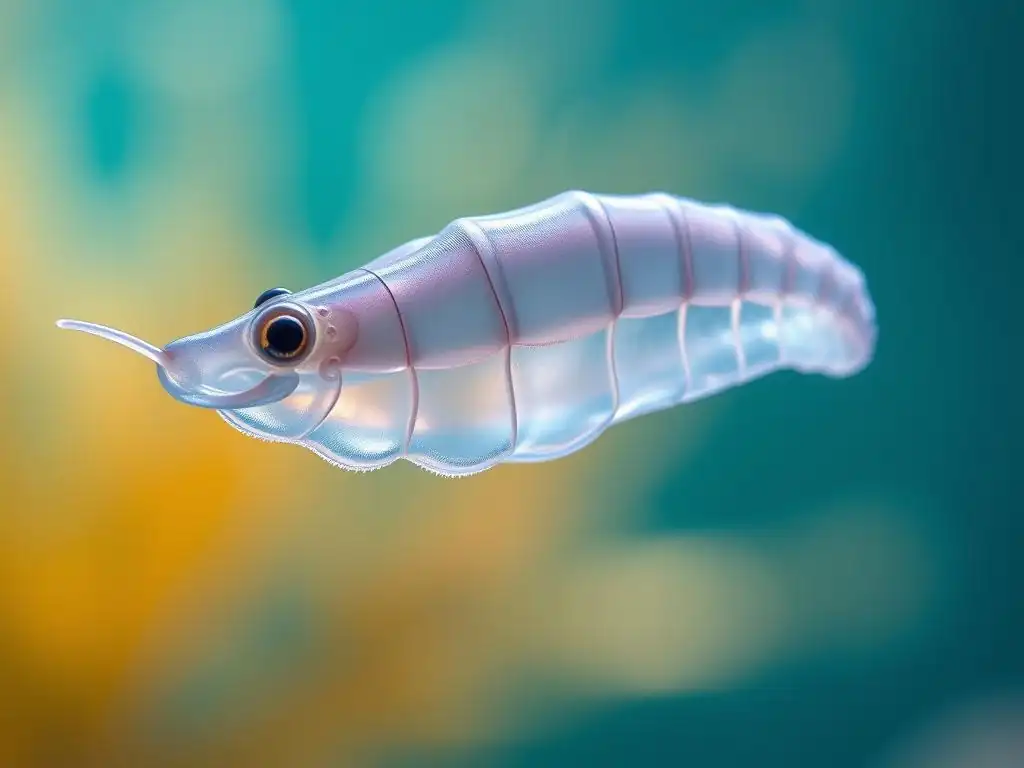
In most cases, detritus worms are entirely harmless to fish, shrimp, and snails. They are not parasitic and do not actively prey on aquarium inhabitants. In fact, many fish species, particularly bottom feeders and smaller community fish, will readily consume detritus worms, viewing them as a natural and nutritious snack. Their presence in small numbers is a sign of a healthy, functioning ecosystem.
While the worms themselves pose no direct threat, an excessive population of detritus worms signals an underlying problem: an accumulation of organic waste. This high organic load can lead to poor water quality, elevated ammonia and nitrite levels, and depleted oxygen, all of which are detrimental and potentially fatal to fish and invertebrates. Therefore, while the worms aren't directly harmful, their overpopulation points to conditions that are dangerous for the aquarium inhabitants.
Planaria: Potential Dangers to Fish, Shrimp, and Snails
Unlike detritus worms, planaria can pose a significant threat to certain aquarium inhabitants, especially in breeding setups. They are opportunistic predators and scavengers. While they rarely attack healthy adult fish, they are notorious for preying on vulnerable individuals such as fish eggs, newly hatched fry, and molting or weak shrimp. A single planarian can decimate a clutch of fish eggs overnight.
Planaria also secrete a slime layer that can be irritating to fish gills or even trap tiny invertebrates. They are a particular menace in shrimp tanks, where they can consume shrimplets and even attack adult shrimp, especially during their vulnerable molting phase. Snails, particularly smaller species or those weakened by stress, can also fall victim to planaria. Given these risks, effective Planaria control freshwater aquarium strategies are essential to protect your aquatic livestock.
Planaria Control in Freshwater Aquarium: Effective Strategies
Non-Chemical Methods for Planaria Removal: Manual Removal and Tank Adjustments
For mild planaria infestations, non-chemical methods can be effective. Manual removal involves siphoning the worms directly from the substrate or scraping them off the glass. This can be tedious but helps reduce their numbers. Another effective strategy is to starve them out by significantly reducing feeding for a period, perhaps skipping a day or two of feeding per week, and ensuring all uneaten food is removed promptly after feeding.
Tank adjustments are crucial for long-term Planaria control freshwater aquarium efforts. Thorough and regular gravel vacuuming removes the organic detritus that planaria feed on, thereby limiting their food source. Improving overall tank hygiene, such as cleaning filters regularly and removing decaying plant matter, also contributes to a less hospitable environment for these pests. Specialized planaria traps, available commercially or DIY, can also be used to lure and capture worms overnight.
Chemical Treatments for Planaria Control: Fenbendazole, Flubendazole, and Praziquantel Usage Guidelines
For moderate to severe planaria infestations, chemical treatments are often the most reliable solution for Planaria control freshwater aquarium environments. Fenbendazole, commonly found in deworming medications like Panacur C, is highly effective. A typical dosage is around 0.1 to 0.2 milligrams per liter of water. It is generally safe for fish and plants but can be lethal to snails and shrimp, particularly nerite snails and certain shrimp species, so exercise extreme caution.
Flubendazole, another anthelmintic, works similarly to Fenbendazole and is also highly effective against planaria at dosages around 0.15 milligrams per liter. Like Fenbendazole, it can be toxic to snails and shrimp. Praziquantel, while primarily used for tapeworms and flukes, has some efficacy against planaria at higher doses (e.g., 2.5 mg per liter), but it is generally less effective than Fenbendazole or Flubendazole for widespread infestations. Always remove activated carbon from filters during treatment, and perform significant water changes after the treatment period to remove residual medication and dead worms.
Natural Predators for Planaria Control: Introducing Gourami or Certain Loach Species
Introducing natural predators can be a supplementary strategy for Planaria control freshwater aquarium setups, particularly for minor outbreaks or as a preventative measure. Certain fish species, such as Dwarf Gouramis (e.g., Colisa lalia) or Honey Gouramis (Trichogaster chuna), may occasionally predate on smaller planaria, especially if other food sources are scarce. However, their effectiveness is often limited, and they are unlikely to eradicate a severe infestation.
Loach species, such as Clown Loaches (Chromobotia macracanthus) or YoYo Loaches (Botia almorhae), are well-known for their appetite for snails, and some individuals may also consume planaria. It's important to note that loaches grow quite large and have specific social and tank size requirements, making them unsuitable for many smaller or community aquariums. Pea Puffers (Carinotetraodon travancoricus) are exceptionally effective planaria predators but require a species-specific tank due to their aggressive nature and specialized dietary needs.
Managing Detritus Worm Populations: Maintaining a Healthy Balance
Reducing Food Waste to Control Detritus Worms
The most significant factor contributing to a detritus worm population boom is overfeeding. Fish food that goes uneaten quickly settles into the substrate, decomposing and providing an abundant food source for these worms. To control detritus worm populations, it is crucial to feed your fish only what they can consume within two to three minutes, once or twice a day.
Regularly observing your fish during feeding will help you gauge the appropriate amount of food. If you consistently see food reaching the substrate after your fish have finished eating, you are likely overfeeding. Removing any uneaten food promptly after feeding also significantly limits the organic material available for detritus worms, thereby naturally keeping their numbers in check without the need for chemical intervention.
Optimizing Water Parameters to Prevent Detritus Worm Overpopulation
Maintaining optimal water parameters and overall tank hygiene is vital for preventing detritus worm overpopulation. Regular partial water changes, typically 20-30% weekly, help dilute dissolved organic compounds and nitrates, which contribute to the overall organic load. Efficient mechanical and biological filtration is also key to breaking down waste products and keeping the water clean.
Furthermore, ensuring adequate oxygenation throughout the aquarium, particularly within the substrate, can deter detritus worm proliferation. These worms thrive in low-oxygen, high-organic environments. Proper water circulation, good surface agitation from filters or air stones, and regular gravel vacuuming to aerate the substrate prevent the stagnant, anoxic conditions that favor detritus worm booms.
Preventing Future Infestations: Long-Term Aquarium Management
Quarantine New Additions: Preventing the Introduction of Planaria
One of the most effective long-term strategies for Planaria control freshwater aquarium systems is to rigorously quarantine all new fish, plants, and invertebrates before introducing them into your main display tank. A dedicated quarantine tank, even a simple 10-gallon setup, allows you to observe new additions for any signs of disease, parasites, or pests like planaria for at least two to four weeks.
Planaria eggs can be microscopic and cling tenaciously to plant leaves, snail shells, or even the fins of new fish. During quarantine, you can treat new plants with a mild bleach dip (e.g., 1 part bleach to 19 parts water for 1-2 minutes, followed by thorough rinsing and dechlorination) or a potassium permanganate dip to kill any hitchhiking eggs. This proactive measure drastically reduces the risk of introducing these unwanted flatworms into your established ecosystem.
Regular Gravel Vacuuming: Removing Organic Waste and Preventing Overpopulation of Both Worms
Regular gravel vacuuming is a cornerstone of effective aquarium maintenance and serves as a dual-purpose strategy for managing both detritus worms and planaria. By siphoning out accumulated detritus from the substrate, you directly remove uneaten food, fish waste, and decaying plant matter, which are primary food sources for both worm types. This practice effectively starves them out and prevents population explosions.
For most freshwater aquariums, a weekly or bi-weekly gravel vacuuming session, targeting about one-third to one-half of the substrate area each time, is recommended. This not only keeps the worm populations in check but also contributes to overall water quality by reducing the organic load that can lead to high nitrates and other water quality issues. Consistent gravel vacuuming is a simple yet powerful tool in your Planaria control freshwater aquarium and general pest management arsenal.
Advanced Planaria Control Techniques for Severe Infestations
Using Specialized Traps for Planaria Removal
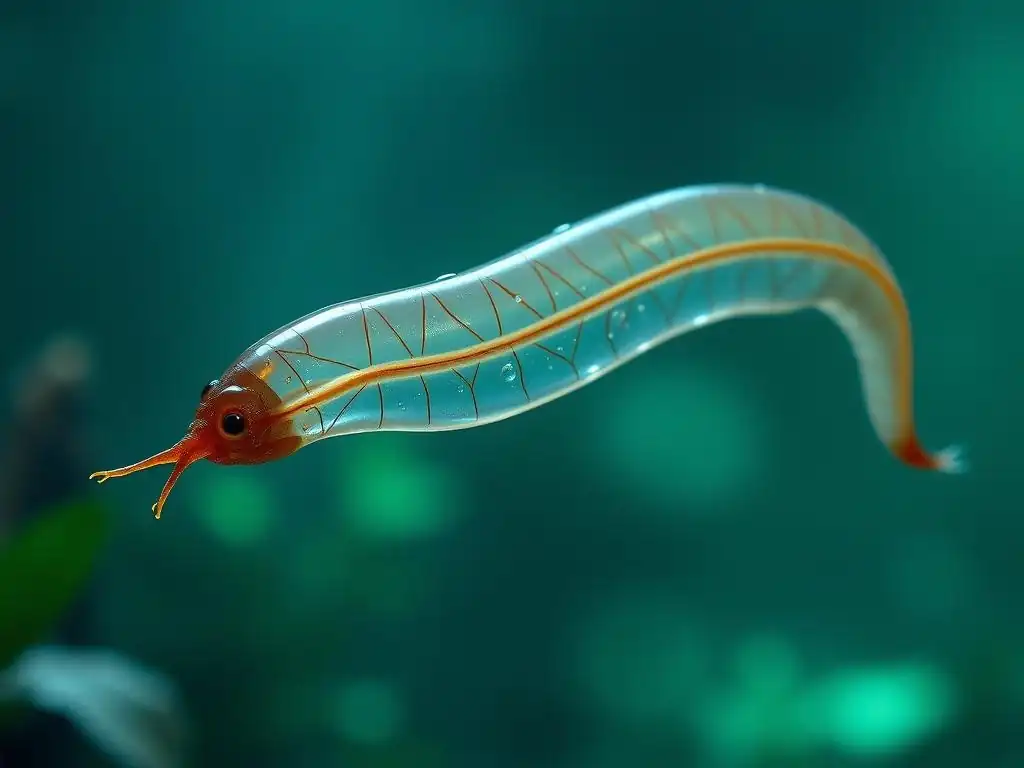
When dealing with persistent or severe planaria infestations, specialized planaria traps can be a valuable supplementary tool for Planaria control freshwater aquarium environments. These traps are typically small, enclosed containers designed with specific entry points that allow worms to crawl in but make it difficult for them to escape. They are usually baited with a small amount of protein-rich food, such as a piece of raw meat or fish, which attracts the nocturnal planaria.
For optimal results, place the baited trap in the aquarium after the lights have been turned off for the night, as planaria are most active then. The following morning, carefully remove the trap, empty it of the trapped worms, and clean it thoroughly before re-baiting and reusing. While traps alone may not eliminate a massive infestation, they are effective at significantly reducing numbers and can be particularly useful in tanks where chemical treatments are not an option due to sensitive inhabitants.
Detailed Water Change Strategies for Planaria Control
In cases of severe planaria infestations, a more aggressive water change strategy can complement other Planaria control freshwater aquarium methods. While standard weekly water changes are beneficial, a series of larger and more frequent water changes can help dilute the worm population and remove a substantial amount of their food source. For example, performing 50% water changes every other day for a week, combined with thorough gravel vacuuming, can make a noticeable impact.
This intensive water change regimen not only physically removes a portion of the worms and their eggs but also reduces the organic load in the water, making the environment less hospitable for planaria. If chemical treatments are being used, these larger water changes are crucial after the treatment period to remove residual medication and prevent potential ammonia spikes from decaying worm bodies, ensuring the overall health and stability of the aquarium ecosystem.
Conclusion: Maintaining a Worm-Free and Healthy Freshwater Aquarium
Frequently Asked Questions
What are planaria, and why are they a problem in my freshwater aquarium?
Planaria are flatworms that can infest a freshwater aquarium. They are problematic because they can prey on small invertebrates and even fish eggs, potentially harming your aquarium's ecosystem.
How can I differentiate between planaria and detritus worms in my freshwater aquarium?
Planaria typically have a triangular head and cross-eyed appearance, while detritus worms are thin and thread-like. Planaria also move differently, sliding along surfaces, while detritus worms wriggle in the substrate.
What are some non-chemical methods for planaria control in a freshwater aquarium?
Non-chemical methods include reducing feeding, manually removing planaria with a siphon or trap, and introducing planaria predators like certain fish species (with caution).
What water parameters should I monitor during planaria control in my freshwater aquarium?
It's important to monitor ammonia, nitrite, and nitrate levels, as changes in these parameters can stress your fish during treatment. Aim to maintain stable and optimal water conditions.
If non-chemical methods fail, what chemical treatments are safe and effective for planaria control in a freshwater aquarium?
Fenbendazole is often recommended, but it's crucial to research its safety for all inhabitants of your tank, especially snails and shrimp. Always follow dosage instructions carefully.
Final Reflection: Embracing Balance in the Freshwater Ecosystem
The delicate balance within a freshwater aquarium, as we've explored, hinges on understanding the nuances of its inhabitants, even the seemingly insignificant ones. Distinguishing between harmless detritus worms and potentially harmful planaria is not merely about identification; it's about responsible stewardship of a miniature ecosystem. The health and well-being of our aquatic pets depend on our ability to recognize threats and act accordingly, ensuring a thriving environment for all.
This journey into the microscopic world of aquarium inhabitants has profoundly shaped our understanding of interconnectedness. It reminds us that even the smallest creatures play a vital role in the overall health of our aquatic environments, and that our actions, however small, can have significant consequences. The greatness of a nation and its moral progress can be judged by the way its animals are treated.
- Mahatma Gandhi. This quote, though often applied to larger animals, resonates deeply here, urging us to extend our compassion and responsibility to the tiny ecosystems we create within our homes.
Now, armed with the knowledge to differentiate between detritus worms and planaria, and equipped with strategies for effective planaria control, I invite you to reflect on your own role in maintaining the delicate balance of your freshwater aquarium. Observe closely, act responsibly, and remember that a healthy aquarium is a testament to your dedication and care. Let's strive to create thriving aquatic environments, not just for the beauty they bring, but for the profound connection they foster with the natural world.
Unveil a Thriving Aquarium Ecosystem!
Thank you for diving into the world of aquarium inhabitants with us. We hope this guide has empowered you to identify and manage detritus worms and planaria effectively. Now, let's put that knowledge into action and create an even healthier environment for your aquatic friends.
Here are a few ways to get started:
- Prioritize a thorough substrate cleaning to significantly reduce the organic matter feeding these worms. A clean substrate goes a long way!
- Explore introducing natural predators like certain fish species or invertebrates, but research carefully to ensure they are compatible with your existing aquarium inhabitants.
- Share your personal experiences and photos of your aquarium's ecosystem on our forum. Let's learn and grow together!
What's the first step you'll take to balance your aquarium's ecosystem after reading this guide?