
The Science of Soft Water: Aquarium Mastery on Creating Ideal Tetra Breeding Conditions

Welcome to Aquarium Mastery, where we unlock the secrets of thriving aquatic ecosystems!
Ever wondered how to coax those vibrant tetras into breeding? Dive into our latest article and discover the science behind soft water tetra breeding. We'll reveal the key parameters and techniques you need to create the perfect environment for successful spawning. Get ready to witness the miracle of life unfold in your own aquarium! Curious to learn more? Let's get started!
- The Science of Soft Water: Aquarium Mastery for Tetra Breeding
- Understanding Soft Water for Tetra Breeding
- The Chemistry of Soft Water
- Methods for Softening Aquarium Water
- Preparing a Tetra Breeding Tank with Soft Water
- Monitoring and Maintaining Soft Water Parameters
- Tetra Species-Specific Breeding Requirements
- Feeding and Care of Tetra Fry in Soft Water
- Troubleshooting Tetra Breeding Challenges
- Advanced Techniques for Optimizing Tetra Breeding
- Conclusion: Mastering Soft Water for Tetra Breeding
-
Frequently Asked Questions
- What exactly makes water "soft" and why is it important for tetra breeding?
- How can I accurately measure the water hardness in my aquarium?
- What are the best methods for softening aquarium water for tetra breeding?
- What are some specific tetra species that benefit significantly from soft water breeding conditions?
- Besides water hardness, what other water parameters are important to consider when breeding tetras in soft water?
- Final Reflection: The Delicate Dance of Life
- Dive Deeper: Unlock Tetra Breeding Secrets!
The Science of Soft Water: Aquarium Mastery for Tetra Breeding
Understanding Soft Water for Tetra Breeding
Why Soft Water is Essential for Tetra Reproduction
The success of soft water tetra breeding hinges significantly on replicating the specific aquatic conditions of their natural habitats. Tetras, particularly popular species like Neon Tetras ( Paracheirodon innesi) and Cardinal Tetras ( Paracheirodon axelrodi), originate from soft, acidic blackwater environments found predominantly in the Amazon and Orinoco River basins. In these conditions, the low mineral content of the water is not merely a preference but a biological imperative for their reproductive processes. Hard water, rich in calcium and magnesium ions, can severely impede the delicate stages of egg development and fertilization.
Excessive mineral concentration in water can cause the chorion, or outer membrane, of tetra eggs to harden prematurely. This hardening can prevent the necessary penetration of sperm during fertilization, leading to a high percentage of unfertilized eggs.
Furthermore, even if fertilized, the hardened membrane can hinder the vital osmotic exchange of water and gases required for proper embryonic development. Observations by experienced aquarists and scientific studies have shown that in water with a General Hardness (GH) exceeding 8 degrees of hardness (dGH), the hatch rate for sensitive tetra species can plummet to less than 10%, compared to over 80% in ideal soft water conditions.
Natural Tetra Habitats and Soft Water Parameters
To truly master soft water tetra breeding, understanding the natural parameters of their native environments is crucial. Many tetra species, including the iconic Cardinal and Neon Tetras, are indigenous to the vast river systems of South America, such as the Rio Negro, a major tributary of the Amazon. This region is characterized by "blackwater" — water stained dark by tannins and humic acids released from decaying vegetation, resulting in very soft and acidic conditions.
Typical water parameters in these natural habitats are remarkably consistent and distinct from many domestic tap water sources. For instance, the Rio Negro often exhibits a pH between 4.5 and 6.0, with a General Hardness (GH) ranging from 0 to 3 dGH (equivalent to 0-50 ppm CaCO3) and Carbonate Hardness (KH) often undetectable or below 1 dKH (0-17 ppm CaCO3).
The Total Dissolved Solids (TDS) in such environments usually fall within 20-100 ppm. These extremely low mineral levels are critical for the osmoregulation of these fish and directly influence the viability of their eggs and the survival of their delicate fry, making precise soft water conditions non-negotiable for successful reproduction.
The Chemistry of Soft Water
Defining Soft Water: GH, KH, and TDS
Understanding the key chemical indicators of water hardness is fundamental for soft water tetra breeding. These include General Hardness (GH), Carbonate Hardness (KH), and Total Dissolved Solids (TDS). GH primarily measures the concentration of dissolved bivalent metallic ions, predominantly calcium (Ca²⁺) and magnesium (Mg²⁺), which are the main culprits behind "hard" water. It is typically expressed in degrees of General Hardness ( dGH) or parts per million ( ppm). For soft water, a GH reading of less than 6 dGH (or approximately 100 ppm) is generally considered desirable, with ideal breeding conditions for many tetras requiring 1-3 dGH.
KH, also known as alkalinity, measures the concentration of carbonate and bicarbonate ions. These ions act as buffers, resisting changes in pH. While higher KH provides pH stability, it also prevents the water from becoming acidic, which is often crucial for tetra breeding. Soft water for tetras typically has a very low KH, often below 4 dKH (or 70 ppm), and sometimes as low as 0-1 dKH for the most sensitive species. Lastly, TDS represents the total concentration of all dissolved inorganic and organic substances in water, measured in ppm. In soft water environments, especially the blackwater habitats of many tetras, TDS levels are characteristically low, typically ranging from 20 to 150 ppm, reflecting the minimal mineral content.
Water Hardness and its Impact on Tetra Eggs and Fry
The precise levels of water hardness have a profound and direct impact on the delicate life cycle of tetra eggs and fry. During spawning, tetra eggs absorb water to swell and develop. In hard water, the high concentration of calcium and magnesium ions can cause the egg chorion to become excessively rigid and less permeable.
This rigidity impedes the vital process of water absorption, leading to eggs that fail to swell properly or even collapse, significantly reducing their viability. Moreover, the presence of these excess minerals can interfere with the delicate biochemical processes within the egg, hindering the proper development of the embryo.
Beyond the initial egg stage, water hardness continues to pose challenges for newly hatched tetra fry. These tiny, vulnerable organisms are highly susceptible to osmotic stress. In hard water, their undeveloped osmoregulatory systems struggle to cope with the high mineral content, expending valuable energy to maintain internal fluid balance.
This constant struggle can lead to weakened fry, increased susceptibility to disease, and ultimately, higher mortality rates. Research and extensive aquarist experience demonstrate a clear correlation between elevated GH levels (above 5 dGH) and dramatically reduced survival rates for tetra fry in their first few critical weeks of life, underscoring the necessity of maintaining consistently soft water for successful soft water tetra breeding.
Achieving and Maintaining Ideal Soft Water Chemistry
Achieving and consistently maintaining the precise soft water chemistry is paramount for successful soft water tetra breeding. For most sensitive tetra species like Cardinals and Neons, the target parameters for a breeding tank are quite specific: a pH range of 5.5 to 6.5, a General Hardness (GH) between 1 and 3 dGH (approximately 17-50 ppm), and a Carbonate Hardness (KH) of 0 to 1 dKH (0-17 ppm).
The Total Dissolved Solids (TDS) should ideally be maintained between 50 and 100 ppm. These parameters closely mimic their natural blackwater habitats and significantly reduce stress, encouraging spawning and improving egg and fry viability.
Maintaining these parameters requires diligent monitoring and proactive management. Fluctuations in water chemistry, especially sudden shifts in pH or hardness, can be far more detrimental to breeding tetras than slightly off but stable conditions. Therefore, regular testing with reliable liquid test kits or electronic meters is essential. When performing water changes, it is critical to use water that has been pre-softened and conditioned to match the tank's parameters precisely. This consistency minimizes shock to the delicate breeding pair and their offspring, laying the groundwork for a successful soft water tetra breeding project.
Methods for Softening Aquarium Water
Reverse Osmosis (RO) Water
Reverse Osmosis (RO) water is widely considered the most effective and precise method for achieving the ultra-soft water conditions required for soft water tetra breeding. An RO unit works by forcing tap water through a semi-permeable membrane that effectively removes up to 95-99% of dissolved solids, including minerals like calcium and magnesium, as well as chlorine, chloramines, and heavy metals. The result is almost pure water, often with a TDS reading as low as 0-5 ppm.
This purity offers aquarists unparalleled control over water parameters. Since RO water is essentially stripped of minerals, it provides a blank slate that can be precisely remineralized to the exact GH, KH, and TDS levels desired for specific tetra species using specialized mineral additives. While RO units do produce a significant amount of wastewater (a typical home unit might have a 1:3 or 1:4 pure-to-waste water ratio), the consistent and reliable soft water it provides makes it an indispensable tool for serious soft water tetra breeding enthusiasts, ensuring optimal conditions for egg and fry development.
Using Peat Moss
Peat moss is a natural and effective method for both softening water and introducing beneficial humic substances, mimicking the blackwater conditions favored by many tetra species for breeding. When added to aquarium water, peat moss slowly releases humic acids and tannins. These organic acids naturally lower the pH and can bind with some mineral ions, contributing to a reduction in both General Hardness (GH) and Carbonate Hardness (KH). The tannins also impart a characteristic amber or tea-like stain to the water, which many tetras find comforting and which can even exhibit mild antimicrobial properties.
To use peat moss, it is typically placed in a mesh bag within the filter (e.g., a canister filter or sump) or, for a more immediate effect, boiled briefly and the cooled "tea" added directly to the tank during water changes. Its effectiveness in reducing hardness is moderate; it is best suited for slight adjustments or maintaining already soft water, rather than drastically lowering very hard water.
A typical application might involve placing 100-200 grams of aquarium-grade peat moss in a filter bag for a 20-gallon breeding tank, which can gradually reduce pH by 0.5 to 1.0 unit over several days, while also contributing to the ideal soft water environment for soft water tetra breeding.
Cation-Exchange Resins
Cation-exchange resins offer another targeted approach to reducing water hardness, particularly the General Hardness (GH), which is crucial for soft water tetra breeding. These synthetic resins contain beads that are chemically designed to exchange calcium (Ca²⁺) and magnesium (Mg²⁺) ions—the primary components of GH—for other ions, most commonly sodium (Na⁺) or hydrogen (H⁺). Resins that exchange for hydrogen ions are generally preferred for breeding tanks as they do not increase the sodium content of the water, which can be detrimental to some sensitive fish and fry.
These resins are typically available in small mesh bags that can be placed directly into the aquarium filter. Their effectiveness is significant, capable of reducing GH levels substantially.
A key advantage of many cation-exchange resins is their regenerability; once exhausted (meaning they have absorbed their maximum capacity of hardness ions), they can be recharged by soaking them in a strong salt solution (for sodium-based resins) or an acid solution (for hydrogen-based resins), making them a reusable and cost-effective option for long-term soft water tetra breeding efforts. A single pack of resin can often treat several hundred gallons of water before regeneration is required.
Water Softening Pillows
Water softening pillows are a convenient, albeit often temporary, solution for aquarists seeking to reduce water hardness in smaller volumes or for minor adjustments, making them a viable option for those exploring soft water tetra breeding without investing in a full RO system. These pillows are essentially small, pre-packaged bags containing specialized ion-exchange resins, similar to those used in larger resin products. They are designed for ease of use, typically placed directly into the aquarium or within the filter compartment.
The mechanism of action is identical to bulk cation-exchange resins: they absorb calcium and magnesium ions from the water, releasing other ions in exchange. While effective for initial softening or maintaining already soft conditions, their capacity is limited due to their small size. A typical softening pillow might effectively treat 10-20 gallons of water for 1-2 weeks before its softening capacity is exhausted.
At this point, the pillow needs to be regenerated by soaking it in a saltwater solution (usually household salt), allowing it to release the absorbed hardness ions and become ready for reuse. This makes them a practical choice for intermittent soft water tetra breeding attempts or for hobbyists with limited space.
Preparing a Tetra Breeding Tank with Soft Water
Tank Size and Setup
The selection of an appropriate tank size and its meticulous setup are crucial steps in creating an optimal environment for soft water tetra breeding. For most common tetra species like Neons, Cardinals, or Ember Tetras, a dedicated breeding tank ranging from 10 to 20 gallons (approximately 38 to 76 liters) is generally sufficient for a breeding pair or a small group of conditioned adults. A tank of this size allows for adequate swimming space while making it easier to maintain precise water parameters and monitor the spawning process.
The tank setup should prioritize the protection of delicate eggs and ease of maintenance. Many experienced breeders opt for a bare-bottom tank or one with a very thin layer of dark, fine-grained substrate. A bare bottom allows for easy visibility of eggs and simplifies their removal or the removal of parents after spawning.
If a substrate is used, a layer of marbles or a breeding mesh placed above the substrate can provide crevices for eggs to fall into, protecting them from being eaten by the parents. Dim lighting is also preferred, as many tetra eggs, particularly those of Neon and Cardinal Tetras, are highly light-sensitive and can be damaged by intense illumination.
Substrate and Decorations
The choice of substrate and decorations plays a significant role in creating a conducive environment for soft water tetra breeding, influencing both water chemistry and spawning behavior. For breeding tanks, a bare bottom is often preferred by many aquarists as it facilitates easy egg collection and prevents eggs from being lost or decaying in a thick substrate. However, if a substrate is desired, a thin layer of fine, dark sand is a good option. Dark substrates can help reduce light reflection, which is beneficial for light-sensitive eggs, and can also encourage the fish to display more vibrant colors.
Decorations should primarily serve as spawning sites and provide a sense of security for the breeding pair. Fine-leaved plants, such as Java moss ( Taxiphyllum barbieri), Anacharis ( Egeria densa), or Cabomba ( Cabomba caroliniana), are excellent choices as they provide ample surface area for egg scattering.
Alternatively, artificial spawning mops made from nylon yarn are highly effective and easier to sanitize. The addition of genuine driftwood or Indian Almond leaves ( Terminalia catappa) can further enhance the breeding environment by releasing beneficial tannins and humic acids, which naturally lower pH and contribute to the "blackwater" conditions ideal for soft water tetra breeding.
Filtration and Water Circulation
Careful consideration of filtration and water circulation is paramount in a soft water tetra breeding tank, as strong currents or inadequate filtration can be detrimental to delicate eggs and fry. The primary goal is to provide gentle biological filtration without creating turbulent water movement. An air-driven sponge filter is widely regarded as the ideal choice for a breeding setup.
These filters offer excellent biological filtration by cultivating beneficial bacteria, while producing a very gentle flow of water that will not harm tiny eggs or newly hatched fry. Their simple design also prevents fry from being sucked into the filter mechanism, a common problem with power filters.
Water circulation should be minimal, yet sufficient to prevent stagnation. Excessive current can dislodge eggs from spawning sites, stress the breeding pair, and even physically harm the fragile fry. A small air stone placed away from the spawning area can provide gentle aeration and circulation if the sponge filter alone doesn't create enough movement. Additionally, maintaining a stable water temperature, typically between 75-80°F (24-27°C) for most breeding tetras, is essential and requires a reliable heater placed in a location where it does not create localized hot spots or strong currents.
Monitoring and Maintaining Soft Water Parameters
Regular Water Testing
Regular and accurate water testing is the cornerstone of successful soft water tetra breeding. The delicate nature of tetra eggs and fry, coupled with their specific habitat requirements, means that even minor fluctuations in water chemistry can severely impact breeding success. Therefore, daily or every-other-day testing is highly recommended, particularly during the critical spawning and fry development phases. The key parameters to monitor are pH, General Hardness (GH), Carbonate Hardness (KH), and temperature. Additionally, a Total Dissolved Solids (TDS) meter provides a quick and reliable overall assessment of mineral content.
While test strips offer convenience, liquid test kits generally provide greater accuracy for these critical parameters, which is vital when aiming for precise conditions. An electronic pH meter and TDS meter can offer rapid and precise readings, making daily checks more efficient.
Consistent monitoring allows aquarists to identify any deviations from the target soft water parameters promptly and take corrective action before conditions become detrimental. For example, if the pH begins to creep up, a small, controlled adjustment using a blackwater extract or a partial water change with softer water can be implemented immediately, preventing stress to the breeding fish.
Water Change Strategies
Effective water change strategies are crucial for maintaining the pristine soft water conditions necessary for soft water tetra breeding and for the health of both parents and fry. Unlike general community tanks, breeding setups require more frequent, smaller water changes to minimize stress and maintain stability. It is generally recommended to perform small, gentle water changes of approximately 10-15% of the tank volume every 2-3 days, rather than larger, less frequent changes. This approach helps to keep waste products like nitrates at bay without causing significant shifts in water chemistry or temperature.
Crucially, the water used for changes must be pre-softened and conditioned to precisely match the existing tank parameters. This often involves using Reverse Osmosis (RO) water that has been remineralized to the target GH, KH, and TDS levels, or carefully treated tap water that has been softened.
When performing the water change, use a thin air line tubing or a small siphon to gently remove detritus from the tank bottom, taking extreme care not to disturb any eggs or fry. This meticulous approach to water changes ensures that the delicate soft water environment remains stable and conducive to successful soft water tetra breeding and the healthy development of fry.
Addressing Common Soft Water Problems
While soft water tetra breeding offers immense rewards, maintaining these specific conditions can present unique challenges. One common problem in very soft water with low KH is the potential for rapid pH swings.
Since KH acts as a pH buffer, its absence means that even minor additions of acids (e.g., from fish waste or decaying organic matter) can cause the pH to drop dramatically, leading to dangerous pH crashes. To counteract this, it's crucial to maintain impeccable tank hygiene by promptly removing uneaten food and detritus, and to use gentle buffering agents like peat filtration which can help stabilize pH at lower, acidic levels without causing large fluctuations.
Another issue, especially when using pure Reverse Osmosis (RO) water without proper remineralization, is the depletion of essential minerals. While RO water is ideal for achieving low hardness, it lacks all beneficial minerals necessary for fish health and fry development. Over time, this mineral deficiency can lead to health issues and developmental problems in fry.
To mitigate this, always remineralize RO water with specific aquarium salts designed for soft water fish, ensuring that trace elements and essential minerals are present, even if in very small quantities (e.g., aiming for a TDS of 50-100 ppm from mineral additives, not just water impurities). This ensures the water is not only soft but also nutritionally complete for your breeding tetras.
Tetra Species-Specific Breeding Requirements
Cardinal Tetra Breeding
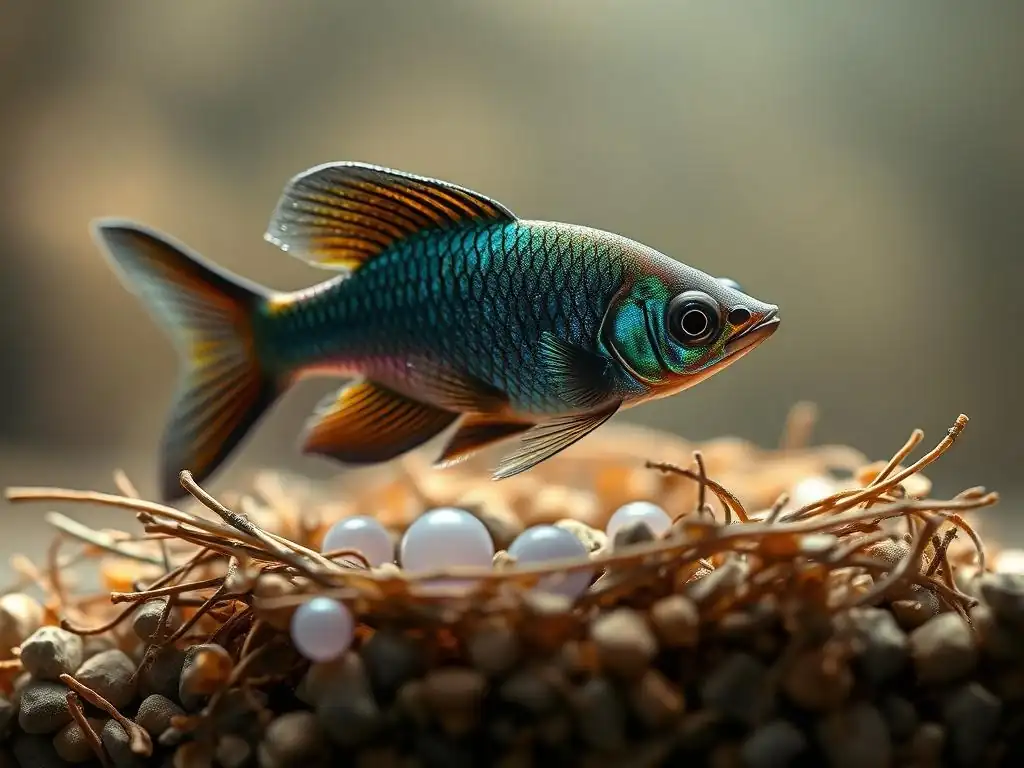
Cardinal Tetras ( Paracheirodon axelrodi) are among the most sought-after species for soft water tetra breeding, renowned for their vibrant colors but also for their exacting breeding requirements. Originating from the incredibly soft and acidic blackwaters of the Rio Negro basin, they demand conditions that closely mimic their natural habitat for successful spawning. Key water parameters for breeding include an ultra-low pH of 4.5-5.5, a General Hardness (GH) of 0-1 dGH, and Carbonate Hardness (KH) often undetectable (0 dKH), with a Total Dissolved Solids (TDS) typically below 50 ppm. The temperature should be maintained stably between 78-82°F (25.5-28°C).
Cardinal Tetra eggs are extremely light-sensitive, necessitating a dark breeding tank or one with very dim lighting. Spawning usually occurs during the early morning hours, with the pair scattering adhesive eggs on fine-leaved plants like Java moss or on spawning mops. It is critical to remove the parents immediately after spawning, as they will readily consume their own eggs.
The eggs typically hatch within 24-36 hours, and the fry are incredibly tiny and delicate, requiring infusoria as their first food. Successfully breeding Cardinal Tetras is a significant achievement, highlighting the importance of precise environmental control in soft water tetra breeding.
Neon Tetra Breeding
Neon Tetras ( Paracheirodon innesi) are perhaps the most iconic freshwater aquarium fish, and while slightly more forgiving than their Cardinal cousins, successful soft water tetra breeding still demands specific attention to water chemistry. These tetras hail from both clearwater and blackwater streams in South America, making them adaptable to a slightly wider, though still soft, range of parameters.
For breeding, target water parameters include a pH of 5.0-6.5, a General Hardness (GH) of 1-4 dGH (17-70 ppm), and a Carbonate Hardness (KH) of 0-2 dKH (0-35 ppm), with a Total Dissolved Solids (TDS) between 50-100 ppm. A stable temperature of 75-78°F (24-25.5°C) is generally ideal.
Like Cardinals, Neon Tetras are scatter spawners, depositing their adhesive eggs on fine-leaved plants or spawning mops. Their eggs are also light-sensitive, so the breeding tank should be kept dimly lit or dark. The parents are known egg-eaters and must be removed promptly after spawning to prevent predation.
Neon Tetra eggs typically hatch within 24-30 hours, producing extremely small fry that initially require microscopic foods like infusoria. The consistent maintenance of pristine, soft, and slightly acidic water conditions is paramount for maximizing hatch rates and ensuring the survival of these delicate fry, marking a true accomplishment in soft water tetra breeding.
Ember Tetra Breeding
Ember Tetras ( Hyphessobrycon amandae) are a smaller, vibrant tetra species that, while still requiring soft water, are generally considered more adaptable and thus a good starting point for those new to soft water tetra breeding. Native to the Araguaia River basin in Brazil, their natural habitats also feature soft, acidic waters, but they can tolerate a slightly broader range of parameters than Neons or Cardinals.
For breeding, ideal conditions include a pH of 5.5-7.0, a General Hardness (GH) of 2-6 dGH (35-100 ppm), and a Carbonate Hardness (KH) of 1-3 dKH (17-50 ppm). A stable temperature between 73-79°F (23-26°C) promotes spawning activity.
Ember Tetras are also scatter spawners and will lay their adhesive eggs on fine-leaved plants or spawning mops. Unlike their more sensitive cousins, Ember Tetras can sometimes be bred in groups, though a dedicated breeding tank for a single pair or trio often yields better control and higher fry survival. Their eggs are less light-sensitive than Neon or Cardinal eggs, making the setup slightly less demanding.
Eggs typically hatch within 2-3 days, and the fry are slightly larger than Neon or Cardinal fry, making the transition to initial foods like microworms or newly hatched brine shrimp somewhat easier. Their relative hardiness makes them an excellent species for gaining experience in soft water tetra breeding techniques.
Feeding and Care of Tetra Fry in Soft Water
First Foods for Tetra Fry
The initial days of a tetra fry's life are the most critical, and providing appropriately sized and nutritious first foods is paramount for their survival and growth, especially in a soft water tetra breeding setup. Most tetra fry, particularly species like Neons and Cardinals, are incredibly tiny upon hatching and require microscopic food sources for their first 3-7 days.
Infusoria, which are microscopic protozoa, are the ideal first food. These can be cultured by adding decaying plant matter (like banana peels or lettuce leaves) to a jar of aquarium water a few days in advance, or by purchasing commercial infusoria cultures.
As the fry grow, typically after the first week, they will transition to slightly larger live foods. Microworms and vinegar eels are excellent second-stage foods; they are easy to culture at home and provide a vital protein boost.
After about 7-10 days for smaller species or sooner for larger ones like Ember Tetras, newly hatched brine shrimp nauplii (Artemia) become an indispensable food source due to their high nutritional value and ideal size. It is crucial to feed tetra fry multiple small meals throughout the day (4-6 times) to ensure a constant supply of food, as their tiny stomachs require frequent replenishment for rapid development in their soft water environment.
Maintaining Water Quality
Maintaining impeccable water quality is even more critical for tetra fry than for adult fish, especially within the delicate parameters of a soft water tetra breeding tank. Fry are incredibly sensitive to fluctuations in water chemistry and the accumulation of waste products. Parameters like ammonia and nitrite, which are highly toxic, must remain at absolute zero. Even low levels of nitrates can be detrimental to their development. Therefore, continuous monitoring of pH, GH, KH, and nitrogenous compounds is essential.
To keep the water pristine without causing stress, extremely small and gentle water changes are recommended daily or every other day. Using a thin air line tubing or a syringe, siphon out a mere 5-10% of the tank volume, taking extreme care not to suck up any fry. The replacement water must be pre-softened and conditioned to exactly match the tank's parameters, preventing any osmotic shock.
A gentle air-driven sponge filter should be the only filtration used, providing biological filtration without creating strong currents or posing a risk of sucking in the tiny fry. Consistent, gentle care of water quality is the cornerstone of successful soft water tetra breeding and fry rearing.
Preventing Diseases and Promoting Healthy Growth
Preventing diseases and promoting healthy growth in tetra fry within a soft water tetra breeding setup requires meticulous attention to hygiene, nutrition, and environmental stability. Fry are highly susceptible to pathogens due to their undeveloped immune systems. The most effective disease prevention strategy is maintaining pristine water quality through regular, gentle water changes and prompt removal of any uneaten food or detritus. Uneaten food quickly breaks down, leading to ammonia spikes and bacterial blooms that can decimate a fry batch.
Beyond cleanliness, consistent temperature and stable soft water parameters are vital. Fluctuations can stress fry, making them more vulnerable to illness. A varied and nutritious diet, progressing from infusoria to microworms and then newly hatched brine shrimp, ensures they receive all necessary nutrients for robust development and a strong immune system.
Avoid introducing any new fish or live plants into the fry tank without proper quarantine, as they can carry pathogens. While medications are generally avoided in fry tanks due to their sensitivity, knowing common fry ailments like egg fungus (which can be prevented with very dilute methylene blue) and addressing underlying water quality issues can significantly increase survival rates and ensure the healthy growth of your soft water tetra breeding offspring.
Troubleshooting Tetra Breeding Challenges
Egg Fungus: Causes and Prevention
Egg fungus is a common and frustrating challenge in soft water tetra breeding, capable of wiping out an entire batch of eggs if not addressed promptly. It appears as a white, fuzzy growth on the eggs. The primary causes include unfertilized eggs, which are prone to fungal growth as they lack the protective mechanisms of viable embryos, and poor water quality.
Lack of adequate water circulation around the eggs can also contribute, as stagnant water allows fungal spores to settle and proliferate. Once established on an unfertilized egg, the fungus can rapidly spread to healthy, developing eggs, suffocating the embryos.
Prevention is key. Firstly, ensure optimal water parameters and conditioning of parents to maximize fertilization rates. Healthy, viable eggs are less susceptible. Secondly, provide gentle water circulation over the spawning site, perhaps from a very gentle air stone or the outflow of a sponge filter, to prevent stagnation.
Thirdly, some aquarists use a very dilute solution of methylene blue (e.g., 1-2 drops per gallon) in the breeding tank during the incubation period as a prophylactic measure against fungus. This should be removed with water changes once the eggs hatch. Finally, diligently remove any fungused (opaque white) eggs immediately using a pipette or tweezers to prevent the spread to healthy eggs, a critical step in successful soft water tetra breeding.
Low Hatch Rates: Identifying and Addressing Issues
Experiencing low hatch rates after a seemingly successful spawning event is a disheartening challenge in soft water tetra breeding, indicating that underlying issues may be preventing embryonic development or successful emergence. The most common causes include unfertilized eggs, which can result from poorly conditioned parents, an imbalanced male-to-female ratio, or water parameters that inhibit sperm viability. Improper water chemistry is also a significant culprit; if the water is too hard, the pH is incorrect, or there are sudden temperature fluctuations, the delicate egg chorion can fail to develop properly, or the embryo may not survive.
To address low hatch rates, a systematic approach is necessary. First, meticulously re-verify all water parameters (pH, GH, KH, TDS, and temperature) to ensure they precisely match the species-specific requirements for soft water tetra breeding. Ensure parents are conditioned with a high-quality, varied diet of live and frozen foods for several weeks prior to spawning.
Optimize the tank setup, paying close attention to dim lighting for light-sensitive species and appropriate spawning media. In some cases, genetic factors from inbred or weak stock can contribute to low viability, though this is less common. By systematically ruling out and correcting these factors, you can significantly improve future hatch rates.
Fry Mortality: Understanding and Mitigating Risks
High fry mortality after hatching is a common and frustrating setback for aquarists engaged in soft water tetra breeding. Even if eggs hatch successfully, the fry are incredibly fragile and susceptible to various stressors. The leading cause of fry mortality is often starvation due to a lack of appropriately sized first foods; if infusoria or other microscopic organisms are not available immediately after the yolk sac is absorbed, fry will quickly perish. Poor water quality, including spikes in ammonia or nitrite from uneaten food or overfeeding, or sudden pH/temperature swings, can also be devastating.
Mitigating these risks requires meticulous attention to detail. Ensure a constant supply of the correct first foods, transitioning to larger foods as the fry grow. Maintain pristine water quality through daily, minute water changes (e.g., 5% with an airline tube) using pre-softened, conditioned water. Only use gentle sponge filtration to prevent fry from being sucked into filter intakes.
Keep the temperature stable and within the optimal range for the species. Avoid any medications unless absolutely necessary and specifically designed for fry. By addressing these critical factors, aquarists can significantly increase the survival rate of their delicate offspring, leading to more successful outcomes in soft water tetra breeding.
Advanced Techniques for Optimizing Tetra Breeding
Using CO2 Injection
For the advanced aquarist seeking to precisely control and maintain the highly specific pH levels crucial for sensitive soft water tetra breeding, CO2 injection can be a powerful tool. While primarily used in planted aquariums to promote plant growth, CO2 (carbon dioxide) dissolves in water to form carbonic acid, thereby naturally lowering the pH. This allows for fine-tuning of the pH within the desired acidic range (e.g., 5.5-6.0) that many blackwater tetras require for optimal spawning and egg viability. It also helps to stabilize pH in very low KH water, preventing wild fluctuations.
Implementing CO2 injection requires a dedicated system, including a CO2 cylinder, regulator, solenoid, and diffuser. It is imperative to use a pH controller or a reliable drop checker to continuously monitor CO2 levels and pH, as over-dosing CO2 can rapidly lower pH to dangerous levels and even suffocate fish. For soft water tetra breeding, the CO2 should be introduced very slowly and carefully, aiming for a consistent, low pH rather than rapid drops. This technique is best suited for experienced hobbyists who understand the nuances of pH and CO2 interaction in an aquarium environment.
Leaf Litter and Blackwater Extracts
Recreating the natural blackwater environments of many tetra species through the use of leaf litter and commercial blackwater extracts is an advanced yet highly beneficial technique for optimizing soft water tetra breeding. Indian Almond Leaves ( Terminalia catappa), Oak leaves, and Alder cones are popular choices. As these organic materials slowly decompose in the aquarium, they release a rich cocktail of humic acids, tannins, and other organic compounds. These substances naturally lower the pH, subtly reduce water hardness, and impart a characteristic amber or tea-like stain to the water.
Beyond their chemical effects, these compounds offer several advantages: they mimic the low-light, tannin-rich conditions that many tetras prefer for spawning, act as natural anti-fungal and anti-bacterial agents, and may even reduce stress in the fish. Commercial blackwater extracts offer a convenient alternative, providing concentrated tannins and humic acids without the decaying plant matter. For soft water tetra breeding, a typical dose might involve adding 1-2 Indian Almond leaves per 10-15 gallons every 2-3 weeks, or dosing extracts according to product instructions, while carefully monitoring pH and water coloration to achieve the desired effect.
UV Sterilization
UV (Ultraviolet) sterilization is an advanced technique that can contribute to a healthier environment for soft water tetra breeding by reducing the pathogen load in the water column. A UV sterilizer works by passing aquarium water through a chamber containing a UV-C light bulb. As water flows past the bulb, the intense UV radiation damages the DNA of free-floating microorganisms such as bacteria, viruses, algae, and some parasites, preventing them from reproducing and spreading.
While not directly impacting water hardness, a UV sterilizer improves overall water clarity and significantly reduces the risk of common diseases that can devastate delicate tetra eggs and fry. This is particularly beneficial in a breeding setup where fry are highly susceptible to infections. It helps maintain a cleaner, more sterile environment without the use of chemicals, which is crucial for the sensitive conditions required for soft water tetra breeding.
However, it's important to note that UV sterilizers only affect organisms floating in the water column and do not eliminate beneficial bacteria residing in the filter media or on tank surfaces. They are an added layer of protection, often incorporated into the filtration system for comprehensive water management.
Conclusion: Mastering Soft Water for Tetra Breeding
Mastering soft water tetra breeding is a rewarding endeavor that requires a deep understanding of their natural habitat and a commitment to precise aquarium husbandry. The journey begins with recognizing the paramount importance of soft, acidic water chemistry, replicating the low GH, KH, and specific pH ranges found in their native Amazonian blackwater environments. This involves meticulous preparation of the breeding tank, from selecting the appropriate size and substrate to implementing gentle filtration, ensuring every element supports the delicate reproductive cycle.
Success hinges on diligent monitoring and maintenance of these critical parameters. Regular, accurate water testing and consistent, small water changes with pre-softened water are non-negotiable to prevent stress and ensure egg and fry viability. Furthermore, understanding the species-specific requirements for different tetras, from the highly sensitive Cardinals to the more adaptable Embers, allows for tailored approaches.
Finally, providing appropriate first foods and maintaining pristine conditions for the fry are essential for their healthy growth and survival. While challenges like egg fungus or low hatch rates may arise, armed with knowledge and patience, aquarists can navigate these obstacles, ultimately experiencing the profound satisfaction of successfully breeding these captivating fish in their ideal soft water conditions.
Frequently Asked Questions
What exactly makes water "soft" and why is it important for tetra breeding?
Soft water refers to water with a low concentration of dissolved minerals, specifically calcium and magnesium. This is crucial for tetra breeding because many species originate from acidic, low-mineral environments in the wild, and their eggs and fry are sensitive to harder water conditions.
How can I accurately measure the water hardness in my aquarium?
You can measure water hardness using readily available test kits, either liquid-based or test strips, that measure General Hardness (GH). These kits provide readings in parts per million (ppm) or degrees of hardness (dGH), indicating the mineral content of your water.
What are the best methods for softening aquarium water for tetra breeding?
Common methods include using reverse osmosis (RO) water, which is virtually free of minerals, or using peat moss filtration. Carefully mixing RO water with tap water allows you to achieve the desired hardness level.
What are some specific tetra species that benefit significantly from soft water breeding conditions?
Many popular tetra species, such as Cardinal Tetras, Neon Tetras, and Ember Tetras, thrive and breed more readily in soft, acidic water conditions. These species are known to be sensitive to harder water.
Besides water hardness, what other water parameters are important to consider when breeding tetras in soft water?
Maintaining stable pH levels (typically between 6.0 and 7.0) is crucial, as is ensuring excellent water quality through regular water changes and efficient filtration. Temperature stability is also a key factor.
Final Reflection: The Delicate Dance of Life
The journey into understanding the science of soft water and its impact on tetra breeding reveals more than just chemical parameters; it unveils a profound connection between environment and life. The meticulous control we exert over aquarium conditions directly translates into the health and vitality of these delicate creatures, highlighting the responsibility we bear as custodians of their well-being. This isn't merely about achieving breeding success; it's about fostering an environment where life can flourish in its truest form.
This exploration has not only deepened our understanding of the specific needs of tetras but also illuminated the broader principles of ecological balance. Witnessing the vibrant colors and intricate behaviors of these fish thriving in a carefully crafted environment underscores the power of informed intervention. In nature, nothing exists alone.
- Rachel Carson. This quote resonates deeply, reminding us that every element, from water hardness to pH levels, plays a crucial role in the delicate tapestry of life within our aquariums and, indeed, the world around us.
Now, armed with this knowledge, I invite you to reflect on your own connection to the natural world. Consider how even seemingly small actions, like maintaining a balanced aquarium, can contribute to a greater understanding and appreciation of life's intricate dependencies. Embrace the challenge of creating optimal conditions, not just for tetras, but for fostering a more harmonious relationship with the environment around you. Let the science of soft water inspire you to cultivate a deeper respect for the delicate dance of life, both within and beyond the glass.
Dive Deeper: Unlock Tetra Breeding Secrets!
Thank you for exploring the science of soft water and its impact on successful Tetra breeding. Now that you understand the principles, it's time to translate knowledge into action and witness the magic unfold in your own aquarium.
Here are a few next steps you can take:
- Implement a Reverse Osmosis (RO) system: Begin adjusting your water parameters by investing in a reliable RO unit. This will provide the soft, pristine water crucial for stimulating spawning behavior in your Tetras.
- Explore unique Tetra diets: Research and experiment with live foods like newly hatched brine shrimp or daphnia to naturally enhance fertility and breeding readiness.
- Share your breeding journey: Join our Aquarium Mastery community forum to document your progress, exchange insights, and inspire other Tetra enthusiasts with your experiences.
What's one small adjustment you'll make this week to move closer to breeding success with your Tetras?