
Common Diseases in Swordtail Breeding Colonies & How to Combat Them

Welcome to Aquarium Mastery!
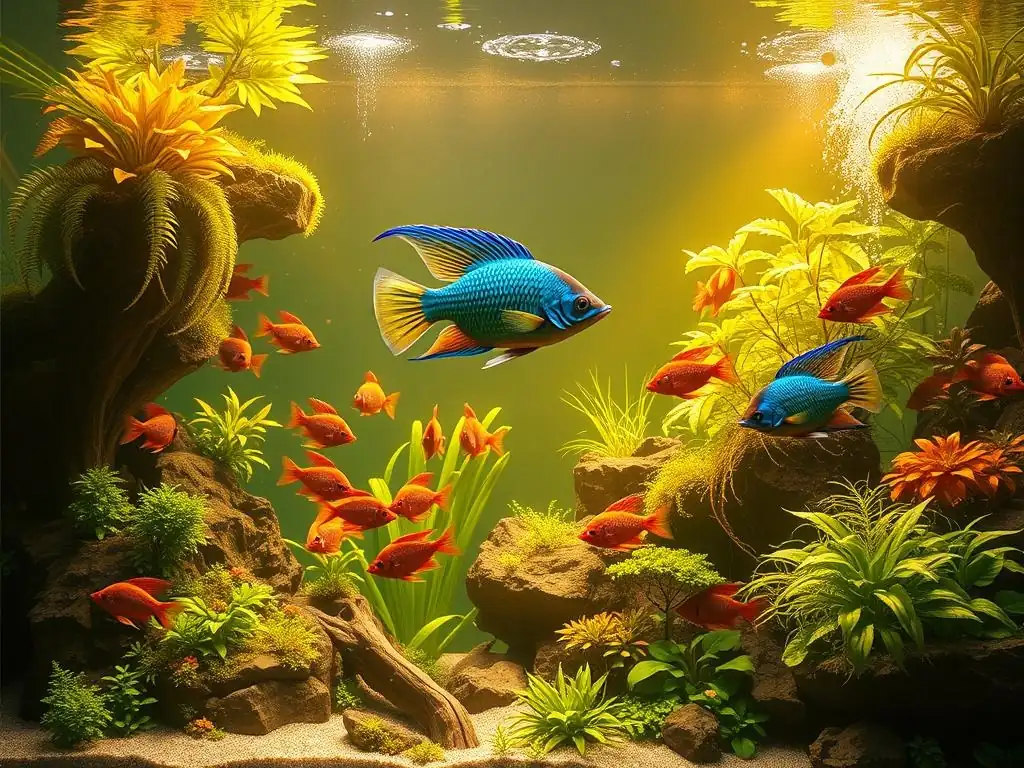
Ever wondered why your swordtail breeding efforts are being hampered by disease? Dive in! This article unveils the secrets to identifying and treating common ailments affecting your swordtail colonies. Discover practical solutions and expert advice to ensure a thriving and healthy aquarium. Let's conquer those breeding challenges together!
- Understanding Disease Risks in Swordtail Breeding
- Common Swordtail Breeding Diseases and Treatments
- Preventing Disease Outbreaks in Swordtail Breeding Colonies
- Swordtail Fry Disease Prevention and Treatment
- Advanced Disease Management Strategies for Swordtail Breeders
-
Frequently Asked Questions
- What are some of the most common diseases that affect Swordtail breeding colonies?
- How can I prevent diseases from spreading within my Swordtail breeding colony?
- What are the first signs I should look for to identify a disease in my Swordtail breeding colony?
- What is the best way to treat Ich (white spot disease) in my Swordtail breeding colony?
- What are some natural remedies that can help prevent diseases in my Swordtail breeding colony?
- Final Reflection: Safeguarding the Future of Swordtail Breeding
- Ignite Your Swordtail Success: Take Action Now!
Understanding Disease Risks in Swordtail Breeding
Why Swordtail Breeding Colonies Are Susceptible to Disease
Swordtail breeding colonies, while rewarding, inherently face higher disease risks than typical display tanks. The continuous reproductive cycle places significant physiological stress on the adult fish, diverting energy from their immune systems towards reproduction. This constant strain, coupled with the increased population density that naturally occurs as fry mature, creates an environment where even minor pathogens can quickly become a major health crisis. Furthermore, the genetic makeup of some line-bred swordtails might inadvertently carry predispositions to certain conditions, making them more vulnerable to common ailments.
The elevated bioload from a dense population of actively feeding and reproducing fish significantly contributes to water quality degradation. Even with diligent maintenance, the sheer volume of waste produced can lead to fluctuating water parameters, which further compromises the fish's immune response. The close proximity of fish in a breeding setup also facilitates the rapid transmission of disease-causing organisms. A single sick fish can quickly infect an entire colony, including the delicate and highly susceptible swordtail fry, making proactive Swordtail breeding disease treatment and prevention paramount.
Identifying Early Signs of Illness in Swordtails
Early detection is crucial for effective Swordtail breeding disease treatment and preventing widespread outbreaks. Daily observation of your swordtail colony for behavioral changes is the first line of defense. Healthy swordtails are typically active, curious, and display vibrant coloration. Signs of illness often include lethargy, hiding more than usual, clamped fins (held close to the body), erratic or jerky swimming, or rubbing/flashing against tank decor or substrate. A sudden loss of appetite or refusal to eat also signals a potential problem.
Beyond behavior, physical changes provide critical clues. Look for any discoloration, such as pale patches or darkening of the body. Inspect fins for fraying, tearing, or white/cottony growths. The presence of white spots resembling salt grains (Ich), fuzzy patches (fungus), red streaks, or open sores are clear indicators of disease. Bloating, bulging eyes (exophthalmia), or scales sticking out like a pinecone are severe symptoms requiring immediate attention. Prompt identification allows for targeted Swordtail breeding disease treatment, significantly improving the chances of recovery.
Common Swordtail Breeding Diseases and Treatments
Ich (White Spot Disease) in Swordtail Breeding Tanks
Symptoms of Ich in Swordtails
Ichthyophthirius multifiliis, commonly known as Ich or White Spot Disease, is one of the most prevalent and recognizable parasitic infections in freshwater aquariums, including swordtail breeding tanks. The most distinctive symptom is the appearance of small, white, salt-grain-like spots scattered across the fish's body, fins, and sometimes gills. These spots are encapsulated parasites under the fish's skin. Initially, you might notice swordtails "flashing" or scratching themselves against tank objects, gravel, or plants, attempting to dislodge the irritating parasites.
As the infection progresses, swordtails may become lethargic, lose their appetite, and show signs of labored breathing if the gills are heavily infected. The white spots can increase in number and merge, covering larger areas of the fish. Without timely Swordtail breeding disease treatment, severe gill damage can occur, leading to respiratory distress and ultimately, death, especially in fry and weaker adults. The parasite has a complex life cycle, with free-swimming stages that can rapidly infect an entire colony.
Swordtail Ich Treatment Options: A Comprehensive Guide
Effective Swordtail Ich treatment often involves a combination of environmental adjustments and medication. A common approach is the heat and salt method: gradually raise the tank temperature to 82-86°F (28-30°C) over 24-48 hours. This accelerates the Ich parasite's life cycle, forcing it off the fish and into its vulnerable free-swimming stage more quickly, making it susceptible to treatment. Concurrently, add aquarium salt at a concentration of 1 tablespoon per 5 gallons of water. Ensure good aeration, as higher temperatures reduce dissolved oxygen.
For more severe cases or stubborn strains, commercial Ich medications containing malachite green, formalin, or a combination (e.g., Seachem ParaGuard, API Super Ick Cure) are highly effective. Always remove activated carbon from the filter before adding medication, as it will absorb the active ingredients. Follow the manufacturer's dosage instructions precisely, typically involving daily or every-other-day treatments for a specified period (e.g., 3-7 days) even if symptoms disappear, to ensure all stages of the parasite are eradicated. Consistent application is key to successful Swordtail breeding disease treatment for Ich.
Fin Rot in Swordtail Breeding Colonies
Recognizing Fin Rot in Swordtail Fry and Adults
Fin rot is a common bacterial infection that manifests as a gradual deterioration of a fish's fins and tail. In swordtail breeding colonies, both adult fish and delicate fry can be affected. The initial signs often include the edges of the fins appearing cloudy, white, or reddish, followed by fraying or raggedness. The fin tissue gradually erodes, giving the fins a tattered or "melted" appearance. In more advanced stages, the fin rays may become exposed, and the infection can spread to the body, leading to open sores or lesions.
This condition is primarily caused by opportunistic bacteria (e.g., Aeromonas, Pseudomonas) that thrive in poor water quality, especially in tanks with high organic waste or excessive nitrates. Stress due to overcrowding, aggression, or sudden temperature fluctuations can also weaken a swordtail's immune system, making it susceptible. Recognizing fin rot early, especially in vulnerable swordtail fry whose fins are still developing, is crucial for timely Swordtail breeding disease treatment before the damage becomes irreversible or secondary infections set in.
Treating Fin Rot in Swordtails: Effective Medications and Methods
The primary step in treating fin rot in swordtails is to address the underlying cause, which is almost always suboptimal water quality. Perform immediate, significant water changes (e.g., 50%) and thoroughly gravel vacuum to remove accumulated waste. Continue with daily small water changes (e.g., 20-30%) for several days to maintain pristine conditions. Ensure the tank temperature is stable and within the optimal range for swordtails (72-78°F / 22-26°C), as stress can impede recovery.
For bacterial fin rot, a broad-spectrum antibiotic is often required. Medications containing active ingredients such as erythromycin, minocycline, furan-2, or a combination of sulfa drugs (e.g., API Fin & Body Cure, Seachem KanaPlex) are generally effective. Administer the medication according to the manufacturer's instructions, ensuring activated carbon is removed from the filter.
It's vital to complete the full course of treatment, even if symptoms improve, to prevent recurrence and ensure complete eradication of the bacteria. Maintaining excellent water parameters post-treatment is essential for the fins to regenerate fully and to prevent future outbreaks, making this a critical aspect of Swordtail breeding disease treatment.
Columnaris (Cottonmouth Disease) and Swordtail Breeding
Identifying Columnaris in Your Swordtail Colony
Columnaris, caused by the bacterium Flavobacterium columnare, is a highly contagious and often rapidly fatal disease, particularly in stressed or overcrowded swordtail breeding colonies. It is frequently mistaken for a fungal infection due to its characteristic "cotton-like" growths. These growths typically appear around the mouth, resembling a white or grayish lesion, hence the common name "Cottonmouth Disease." However, Columnaris can also affect the gills, fins, and body, appearing as white or yellow patches, often with a fuzzy texture.
Other symptoms include rapid breathing, lethargy, loss of appetite, and a general deterioration of the fish's condition. As the disease progresses, the affected areas may begin to erode, leading to severe tissue damage, especially on the mouth and fins. Unlike fungus, Columnaris tends to advance very quickly, sometimes killing fish within 24-48 hours. It thrives in warmer water and can spread rapidly through a breeding tank, making swift identification and Swordtail breeding disease treatment critical for colony survival.
Columnaris Treatment for Swordtails: A Step-by-Step Approach
Treating Columnaris requires immediate and aggressive action due to its rapid progression. The first step is to perform a large water change (50-70%) and ensure excellent aeration, as Columnaris often flourishes in low-oxygen environments. If possible, lower the tank temperature slightly (e.g., by 2-3°F) to slow the bacterial growth, although this must be done carefully to avoid stressing the fish further. Isolate severely affected swordtails to a hospital tank if practical, to prevent further spread.
Effective Swordtail breeding disease treatment for Columnaris typically involves strong antibiotics. Kanamycin (e.g., Seachem KanaPlex), Furan-2, or a combination of antibiotics like Triple Sulfa are often recommended. Administer the medication directly to the water, ensuring carbon filtration is removed. Follow the dosage instructions carefully, and be prepared for multiple doses over several days. Due to its highly contagious nature, it is often advisable to treat the entire breeding tank even if only a few fish show symptoms. Maintaining pristine water quality throughout and after treatment is essential for recovery and preventing recurrence.
Dropsy in Swordtail Breeding: Causes and Management
Recognizing Dropsy Symptoms in Swordtails
Dropsy is not a disease itself but rather a symptom of an underlying internal issue, most commonly kidney failure or a severe internal bacterial infection. The most recognizable symptom of dropsy in swordtails is the "pinecone" appearance of the scales, where they protrude outwards from the body due to severe internal fluid retention. This fluid buildup causes the fish's abdomen to swell dramatically.
Other signs often accompany the classic pinecone look, including extreme bloating, lethargy, loss of appetite, difficulty swimming, pale gills, and sometimes bulging eyes (exophthalmia). By the time dropsy symptoms become apparent, the underlying condition is often very advanced, making successful Swordtail breeding disease treatment challenging. It is crucial to understand that dropsy is a sign of a severe systemic problem, not a simple external infection.
Treating Dropsy in Swordtail Breeding Populations: A Difficult Challenge
Treating dropsy in swordtail breeding populations is notoriously difficult, and unfortunately, the prognosis is often poor, especially once the "pinecone" scaling is evident. The key to any potential success lies in addressing the underlying cause. Begin by isolating the affected swordtail in a hospital tank with pristine water conditions. Perform daily small water changes (e.g., 25%) to maintain water quality.
Epsom salt (magnesium sulfate), not aquarium salt, can be added to the water at a concentration of 1 teaspoon per 5 gallons. Epsom salt acts as a muscle relaxant and can help draw out some of the excess fluid, temporarily relieving the swelling.
If an internal bacterial infection is suspected as the cause, medicated food containing antibiotics like Metronidazole or Kanamycin (if the fish is still eating) can be attempted. However, the success rate for Swordtail breeding disease treatment for dropsy is generally low, and humane euthanasia may be the most compassionate option for severely afflicted fish to prevent prolonged suffering and potential spread of an underlying infection.
Parasitic Infections Affecting Swordtail Breeders
Common Parasites in Swordtail Tanks: Gill Flukes, Camallanus Worms
Beyond Ich, swordtail breeding colonies can be susceptible to other parasitic infections that are less visible but equally devastating. Gill flukes (monogenean trematodes like Dactylogyrus) are microscopic flatworms that attach to the gills, causing irritation and damage. Symptoms include rapid gill movement, gasping at the surface, scratching gill covers against tank objects, lethargy, and clamped fins. Swordtails may also show a loss of color and appetite. Heavy infestations can lead to severe respiratory distress and secondary bacterial infections.
Camallanus worms are internal nematodes that can plague livebearer breeding colonies. These red, thread-like worms are often visible protruding from the anus of infected swordtails. Symptoms include emaciation despite the fish eating regularly, lethargy, loss of color, and sometimes a distended abdomen. Camallanus worms can be difficult to eradicate due to their life cycle, which may involve intermediate hosts, though they often spread directly in the tank. Both parasites can significantly weaken a swordtail's immune system, making them more vulnerable to other diseases.
Swordtail Parasite Treatment Protocols
Treating gill flukes typically involves medications containing praziquantel (e.g., PraziPro). This is a broad-spectrum dewormer that is generally safe for fish and plants. Follow the manufacturer's instructions for dosage and duration, which usually involves multiple treatments to target parasites at different stages of their life cycle. Potassium permanganate dips can also be effective but require careful dosing and monitoring due to their potency. Ensuring excellent water quality throughout the treatment period is crucial for the swordtail's recovery.
For Camallanus worms, effective Swordtail parasite treatment protocols utilize medications containing fenbendazole (e.g., Panacur, often available as a dewormer for other animals, requiring careful dosing for fish) or levamisole. These medications are anthelmintics that paralyze the worms, allowing the fish to expel them. It's often necessary to treat the entire tank, as eggs and larvae may be present in the substrate. Multiple treatments, spaced out over a few weeks, are usually required to break the parasite's life cycle. Always remove activated carbon during treatment and perform thorough water changes afterward to remove expelled worms and medication residue.
Preventing Disease Outbreaks in Swordtail Breeding Colonies
Maintaining Optimal Water Quality for Swordtail Health
The Importance of Regular Water Changes in Swordtail Tanks
Regular water changes are the cornerstone of disease prevention and overall health in any aquarium, especially a busy swordtail breeding colony. As fish eat and excrete, and as excess food decays, harmful compounds like nitrates, phosphates, and other organic pollutants accumulate in the water. These substances, even at seemingly low levels, can stress fish, suppress their immune systems, and make them highly susceptible to disease.
Performing weekly water changes of 25-30% of the tank volume effectively dilutes these toxins, replenishes essential trace minerals, and removes dissolved organic compounds that contribute to poor water quality. This consistent renewal of the aquatic environment significantly reduces the stress on swordtails, ensuring their immune systems remain robust and capable of fighting off potential pathogens. Clean, stable water is arguably the most effective form of Swordtail breeding disease treatment and prevention.
Monitoring Water Parameters: Ammonia, Nitrite, Nitrate Levels
Consistent monitoring of key water parameters is indispensable for maintaining a healthy swordtail breeding colony. Ammonia (NH3) and nitrite (NO2) are highly toxic compounds produced during the initial stages of the nitrogen cycle from fish waste and decaying organic matter. Even minute concentrations can cause severe gill damage, stress, and death. Ideally, both ammonia and nitrite levels should always read 0 parts per million (ppm) in a cycled tank.
Nitrate (NO3), the end product of the nitrogen cycle, is less toxic than ammonia or nitrite but can still be harmful in high concentrations. For swordtail breeding tanks, it is advisable to keep nitrate levels below 20 ppm, and ideally closer to 10 ppm, to minimize stress and prevent weakened immune systems. Regular testing with a reliable liquid test kit (not test strips, which can be less accurate) allows breeders to identify potential issues early and take corrective action, such as increased water changes or reduced feeding, before Swordtail breeding disease treatment becomes necessary.
Proper Nutrition for Swordtail Breeding Stock
Selecting High-Quality Fish Food for Swordtails
A well-balanced, high-quality diet is fundamental to the health and reproductive success of swordtail breeding stock. Feeding superior fish food provides the essential vitamins, minerals, and proteins necessary for strong immune systems, vibrant coloration, and robust fry development. Opt for reputable brands that offer flakes, pellets, and granules specifically formulated for livebearers, often enriched with spirulina or other plant matter, as swordtails are omnivores.
Supplementing dry foods with live or frozen options like brine shrimp, bloodworms, daphnia, or blackworms a few times a week provides additional protein, essential fatty acids, and natural digestive enzymes. This varied diet not only boosts the swordtail's overall vitality and disease resistance but also encourages more prolific breeding and healthier offspring. Investing in premium nutrition is a proactive measure that significantly reduces the likelihood of needing intensive Swordtail breeding disease treatment.
Avoiding Overfeeding in Swordtail Breeding Tanks
While proper nutrition is vital, overfeeding is a common mistake that can quickly lead to deteriorated water quality and increased disease susceptibility in swordtail breeding tanks. Uneaten food settles on the substrate and decomposes, rapidly elevating ammonia and nitrite levels. This not only directly poisons fish but also provides a breeding ground for harmful bacteria and fungi, making the colony vulnerable to various infections.
To avoid overfeeding, offer small amounts of food two to three times a day, only what your swordtails can consume entirely within 2-3 minutes. Observe your fish during feeding to ensure all food is eaten. If you see food accumulating on the bottom, reduce the portion size immediately. A clean tank environment, maintained by sensible feeding practices, is a primary defense against disease outbreaks and reduces the need for reactive Swordtail breeding disease treatment.
Quarantine Procedures for New Swordtails
The Importance of Quarantine Before Introducing New Fish
Implementing a strict quarantine procedure for any new swordtails or other fish before introducing them to your established breeding colony is one of the most critical steps in disease prevention. Even seemingly healthy fish from a pet store or another breeder can carry dormant pathogens, parasites, or bacteria that could devastate an entire existing tank. These new arrivals are often stressed from transport and acclimation, making them more susceptible to expressing latent diseases.
A quarantine period, typically lasting 2-4 weeks, allows you to observe new fish for any signs of illness without risking your main breeding stock. During this time, any potential diseases can manifest and be treated in isolation, preventing the spread to your valuable and often extensive swordtail colony. This proactive measure is far more effective and less stressful than having to perform widespread Swordtail breeding disease treatment on an entire tank.
Setting Up a Quarantine Tank for Swordtails
A quarantine tank doesn't need to be elaborate. A simple 10-20 gallon aquarium is often sufficient for a few new swordtails. It should be equipped with a reliable heater to maintain a stable temperature (75-78°F / 24-26°C), a sponge filter or small hang-on-back filter for biological filtration (seeded with beneficial bacteria from an established tank if possible), and an air stone for aeration. Avoid substrate, complex decorations, or live plants, as these can harbor pathogens and make cleaning difficult.
During the quarantine period, perform daily observations for any behavioral or physical signs of illness. Small, daily water changes (10-20%) are beneficial. Some breeders opt for prophylactic treatments with a broad-spectrum anti-parasitic or antibacterial medication during the quarantine period, even if no symptoms are present, as a preventative measure. After the quarantine period, if the fish show no signs of illness, they can be slowly acclimated to the main breeding tank, significantly reducing the risk of introducing diseases and the need for future Swordtail breeding disease treatment.
Tank Hygiene and Disease Prevention
Regular Gravel Vacuuming and Algae Control
Beyond water changes, meticulous tank hygiene plays a vital role in preventing disease outbreaks in swordtail breeding colonies. Regular gravel vacuuming is essential to remove uneaten food, fish waste, and other decaying organic matter that accumulate in the substrate. This detritus breaks down into harmful ammonia and nitrites, pollutes the water, and provides a breeding ground for pathogenic bacteria. Aim to vacuum at least 25-50% of the substrate surface weekly, ensuring you don't disturb the beneficial bacterial colonies too much.
While a small amount of algae is natural, excessive algae growth can indicate nutrient imbalances (high nitrates, phosphates) and contribute to overall poor water quality. It can also smother plants and reduce oxygen levels at night. Controlling algae through proper lighting schedules, appropriate feeding, and regular cleaning (scraping algae off glass) helps maintain a cleaner, healthier environment that is less conducive to disease development. A clean tank is a fundamental aspect of Swordtail breeding disease treatment and prevention.
Disinfecting Equipment to Prevent Cross-Contamination
Cross-contamination of equipment is a common, yet often overlooked, pathway for disease transmission between tanks, especially in a breeding setup with multiple aquariums. Using the same net, siphon hose, or bucket for different tanks without proper disinfection can spread pathogens from an infected tank to a healthy one. This risk is particularly high if you have a hospital tank or a quarantine tank.
To prevent cross-contamination, it's ideal to have separate sets of equipment for each tank. If this isn't feasible, thoroughly disinfect all shared equipment after each use. A common method is to soak nets, siphons, and other non-electrical items in a dilute bleach solution (e.g., 1 part bleach to 9 parts water) for at least 10-15 minutes, followed by extremely thorough rinsing with dechlorinated water and air drying. Alternatively, dedicated aquarium disinfectants are available. This simple practice significantly reduces the chances of spreading disease and undermining your Swordtail breeding disease treatment efforts.
Swordtail Fry Disease Prevention and Treatment
Disease Vulnerabilities in Swordtail Fry
Swordtail fry are significantly more vulnerable to diseases than adult fish, primarily due to their underdeveloped immune systems. Their tiny bodies are highly susceptible to even minor fluctuations in water parameters, which can cause immense stress and suppress their limited defenses. High levels of ammonia, nitrite, or nitrate, which an adult might tolerate for a short period, can be rapidly fatal to fry.
Overcrowding, insufficient feeding, or abrupt changes in temperature also place immense stress on fry, making them prime targets for opportunistic pathogens. Common fry ailments include swim bladder issues, fungal infections, and various bacterial diseases. Because of their small size and delicate physiology, many medications that are safe for adult swordtails can be lethal to fry, making prevention the absolute best approach to managing health in young swordtails.
Treating Common Fry Diseases: Swim Bladder Disorder, Fungal Infections
Treating diseases in swordtail fry requires extreme caution due to their sensitivity to medications. Swim bladder disorder in fry is often caused by overfeeding, especially with dry, expanding foods, or poor water quality. Treatment involves immediate, pristine water conditions, a 24-hour fast, and then feeding very small amounts of easily digestible foods like blanched, deshelled peas or specialized fry powder. Ensure gentle aeration and stable temperatures.
Fungal infections, appearing as white, cottony growths, are common in fry, often due to poor water quality or injury. Mild antifungal treatments, such as very diluted methylene blue dips, can be used, but extreme care must be taken with dosage. Alternatively, frequent small water changes and adding a very small amount of aquarium salt (e.g., 1 teaspoon per 10 gallons) can sometimes help. The key to Swordtail breeding disease treatment for fry is to use the lowest effective dose and prioritize optimal water conditions.
Preventing Disease in Swordtail Fry: A Proactive Approach
The most effective way to manage disease in swordtail fry is through proactive prevention rather than reactive Swordtail breeding disease treatment. Maintaining impeccable water quality in the fry tank is paramount. This means performing frequent, small water changes (e.g., 10-20% daily or every other day) using temperature-matched, dechlorinated water. Gentle filtration, such as a sponge filter, is essential to avoid strong currents that can stress fry while still providing biological filtration.
Proper nutrition is equally vital. Feed fry small, frequent meals (4-6 times a day) of high-quality, fry-specific foods like powdered flake food, crushed spirulina flakes, infusoria, or newly hatched brine shrimp. Avoid overfeeding to prevent water pollution. Maintaining stable water temperatures within the optimal range for swordtails (75-78°F / 24-26°C) and providing adequate space will minimize stress, allowing the fry to grow strong and develop robust immune systems, significantly reducing their susceptibility to illness.
Advanced Disease Management Strategies for Swordtail Breeders
Using Medications Responsibly in Swordtail Tanks
Responsible use of medications is critical for successful Swordtail breeding disease treatment and for the long-term health of your colony. Before administering any medication, strive for an accurate diagnosis. Misdiagnosing a disease can lead to using the wrong medication, which is not only ineffective but can also stress the fish further and harm the beneficial bacteria in your filter, leading to a new set of problems. Always read and precisely follow the manufacturer's instructions regarding dosage, duration of treatment, and any warnings. Overdosing can be fatal, while underdosing can lead to resistant strains of pathogens.
During treatment, it is almost always necessary to remove activated carbon from your filter, as it will absorb the medication, rendering it ineffective. Ensure adequate aeration, as some medications can reduce oxygen levels. After the treatment course is complete, perform a large water change (e.g., 50%) and replace the activated carbon to remove any residual medication from the water. Responsible application ensures the medication works as intended without causing undue harm to your swordtails or their environment.
When to Consult a Veterinarian for Swordtail Diseases
While many common swordtail ailments can be managed by experienced aquarists, there are times when consulting an aquatic veterinarian is the most prudent course of action. If you've exhausted common Swordtail breeding disease treatment options without success, if an unknown disease is rapidly spreading through your valuable breeding colony, or if you encounter unusual symptoms that defy diagnosis, professional help is invaluable.
Aquatic veterinarians have access to diagnostic tools such as microscopic analysis of skin scrapes, fin clips, or gill biopsies, and even necropsies, to accurately identify the pathogen. They can prescribe stronger, more targeted medications that are not available over-the-counter and offer tailored treatment plans based on a precise diagnosis. For serious, persistent, or economically significant disease outbreaks in your swordtail breeding operation, a veterinarian's expertise can be the difference between losing a few fish and losing your entire breeding line.
Maintaining a Disease Log for Your Swordtail Breeding Colony
Maintaining a detailed disease log for your swordtail breeding colony is an advanced yet incredibly valuable practice for long-term health management. This log serves as a historical record, allowing you to track patterns, identify recurring issues, and refine your Swordtail breeding disease treatment and prevention strategies. For each incident, record the date, the specific tank affected, the symptoms observed (with as much detail as possible), the number of fish affected, and any mortalities.
Crucially, document the water parameters at the time of the outbreak, the specific medication or treatment protocol used (including dosage and duration), and the outcome. Over time, this data can reveal correlations between specific water parameters and disease outbreaks, highlight disease susceptibility in certain genetic lines, or indicate the effectiveness of particular treatments. This systematic approach transforms reactive problem-solving into proactive, data-driven health management, strengthening the resilience of your swordtail breeding colony.
Frequently Asked Questions
What are some of the most common diseases that affect Swordtail breeding colonies?
Swordtails are susceptible to diseases like Ich (white spot disease), fin rot, and fungal infections. Maintaining good water quality is crucial for disease prevention.
How can I prevent diseases from spreading within my Swordtail breeding colony?
Quarantine new fish before introducing them to the main tank. Regularly monitor your fish for any signs of illness, and maintain excellent water parameters.
What are the first signs I should look for to identify a disease in my Swordtail breeding colony?
Look for changes in behavior, such as lethargy or loss of appetite. Also, check for physical symptoms like white spots, clamped fins, or fungal growth.
What is the best way to treat Ich (white spot disease) in my Swordtail breeding colony?
Ich can be treated with medications containing malachite green or copper. Raise the water temperature gradually to accelerate the parasite's life cycle and improve treatment effectiveness.
What are some natural remedies that can help prevent diseases in my Swordtail breeding colony?
Adding Indian Almond Leaves to your tank can release tannins with antimicrobial properties. Maintaining a healthy and balanced diet also boosts their immune system.
Final Reflection: Safeguarding the Future of Swordtail Breeding
The information presented throughout this article highlights the crucial need for proactive disease management in swordtail breeding colonies. Maintaining healthy breeding stock is not merely about preventing mortality; it's about ensuring the long-term viability and genetic diversity of these beautiful fish. Ignoring common diseases can lead to devastating losses, impacting both hobbyist breeders and commercial operations alike.
The challenges outlined in this article, from ich to columnaris, underscore the delicate balance within aquatic ecosystems and the importance of responsible fishkeeping. My own experiences with swordtail breeding have taught me that vigilance and preventative measures are far more effective than reactive treatments. An ounce of prevention is worth a pound of cure,
a sentiment that rings especially true when dealing with the rapid spread of disease in a confined environment. This understanding is not just about fish; it's about respecting the life we choose to nurture.
As you navigate the rewarding, yet sometimes challenging, world of swordtail breeding, remember the lessons shared here. Take the time to observe your fish, understand their needs, and implement preventative strategies. The health and vitality of your swordtails, and indeed the future of the species in your care, depend on your commitment to responsible breeding practices. Let's work together to ensure a thriving future for these vibrant creatures.
Ignite Your Swordtail Success: Take Action Now!
Thank you for diving into the world of swordtail health with us! Now that you’re equipped with the knowledge to identify and combat common diseases, it’s time to put that expertise into action. Don’t let your finned friends suffer – their well-being is in your hands!
- Implement a weekly observation routine: Closely examine your swordtails for early signs of disease. Document your observations – a simple log can be invaluable!
- Share your insights and concerns on the Aquarium Mastery forum. Let's build a stronger, healthier swordtail community together!
- Experiment with natural remedies. Research and test how herbs or specific water conditions may help naturally prevent diseases.
What's the first small change you'll make in your swordtail care routine to prioritize their health and prevent disease outbreaks?