
How to Encourage Guppies to Breed: Tips from Aquarium Mastery

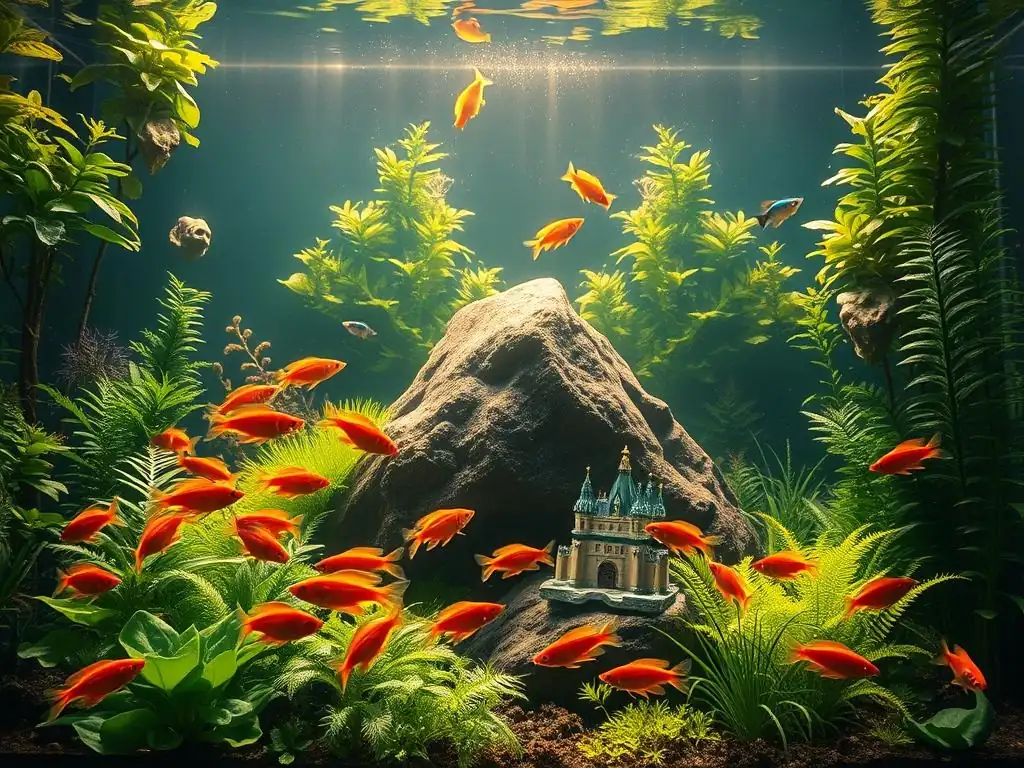
Welcome to Aquarium Mastery!
Ever wondered how to transform your aquarium into a thriving guppy paradise? You've come to the right place! Unlock the secrets to successful guppy breeding and watch your tank flourish. Discover expert guppy breeding tips aquarium enthusiasts swear by – and get ready to witness the miracle of life unfold before your eyes! Curious to learn more? Let's dive in!
- Understanding Guppy Breeding: A Comprehensive Guide
- Setting Up the Ideal Guppy Breeding Tank
- Key Factors for Successful Guppy Breeding
- Proven Guppy Breeding Tips for Aquarium Success
- Raising Guppy Fry: From Birth to Maturity
- Troubleshooting Common Guppy Breeding Problems
- Advanced Guppy Breeding Techniques
- Conclusion: Mastering Guppy Breeding in Your Aquarium
- Frequently Asked Questions
- Final Reflection: Cultivating Life, Nurturing Futures
- Unleash a Guppy Galaxy in Your Aquarium!
Understanding Guppy Breeding: A Comprehensive Guide
The Basics of Guppy Reproduction
Guppies are renowned livebearers, meaning they give birth to fully formed, free-swimming fry rather than laying eggs. This characteristic makes them a popular choice for aquarists interested in breeding. Fertilization occurs internally, with the male transferring sperm to the female using his modified anal fin, known as a gonopodium. A single mating can result in several batches of fry over a period of months, as females can store sperm for future use, making them incredibly prolific.
A female guppy can produce a new batch of fry approximately every 21 to 30 days, with the average being around 28 days. The number of fry per batch can vary significantly, ranging from as few as 5 in young or stressed females to over 100 in mature, well-conditioned females. This rapid and continuous breeding cycle is a primary reason why guppy breeding tips aquarium enthusiasts seek detailed guidance to manage their populations effectively.
Identifying Male and Female Guppies for Breeding
Accurately identifying the sex of your guppies is fundamental for successful guppy breeding. Male guppies are typically smaller, reaching about 1 to 1.5 inches in length, and are far more colorful and ornate, boasting larger, flowing dorsal and caudal fins. Their most distinctive feature is the gonopodium, a rod-like modification of the anal fin used for internal fertilization.
Female guppies, in contrast, are larger, growing up to 2 to 2.5 inches, and generally possess duller coloration with shorter, rounded fins. Their anal fin retains its fan-like shape, distinguishing them from males. Mature females will also develop a dark "gravid spot" near their anal fin, which becomes more pronounced as pregnancy progresses, providing a clear visual cue for guppy breeding tips aquarium keepers.
Guppy Gestation Period and Signs of Pregnancy
The gestation period for guppies typically ranges from 21 to 30 days, with an average of about 28 days under optimal conditions. Water temperature plays a significant role; warmer temperatures (e.g., 80°F or 26.5°C) can slightly shorten this period, while cooler temperatures may prolong it. Observing this period closely is key for effective guppy breeding tips aquarium management.
As a female guppy approaches birth, several physical signs become evident. Her abdomen will become noticeably enlarged and appear more "boxy" or squared-off, particularly in the days leading up to delivery. The gravid spot, located near the anal fin, will darken significantly due to the developing fry's eyes. Additionally, a pregnant female may exhibit reclusive behavior, seeking out hiding spots, or display labored breathing and "shivering" movements just before giving birth.
Setting Up the Ideal Guppy Breeding Tank
Choosing the Right Tank Size for Guppy Breeding
Selecting an appropriate tank size is crucial for successful guppy breeding and the health of both adults and fry. For a small breeding trio (one male and two females), a 10-gallon (approximately 38-liter) aquarium can suffice. This size provides enough space for the adults to feel comfortable and for a initial batch of fry to grow without immediate stunting.
However, for more prolific guppy breeding tips aquarium operations or if you plan to raise a larger number of fry to maturity, a 20-gallon long (approximately 76-liter) or even a 30-gallon (approximately 114-liter) tank is highly recommended. Larger tanks offer more stable water parameters, reduce the risk of overcrowding as fry grow, and provide ample space for both adults and young to thrive, minimizing stress and aggression.
Essential Equipment for a Guppy Breeding Setup
Heater and Thermostat for Guppy Breeding
Maintaining a stable and optimal water temperature is paramount for encouraging guppy breeding and ensuring the healthy development of fry. Guppies thrive and breed most effectively in temperatures ranging from 75-82°F (24-28°C). A reliable aquarium heater equipped with an accurate thermostat is therefore an essential piece of equipment.
For a 10-gallon breeding tank, a 50-watt heater is generally sufficient, while a 100-watt heater would be appropriate for a 20-gallon or larger setup. The thermostat ensures that the water temperature remains consistent, preventing fluctuations that can stress the fish, reduce fertility, or even lead to premature births or weakened fry, all critical considerations for guppy breeding tips aquarium success.
Filtration System for a Guppy Breeding Tank
When setting up a guppy breeding tank, the choice of filtration system is critical, especially to protect delicate fry. Sponge filters are highly recommended for this purpose due to their gentle water flow and their inability to suck in tiny fry. These filters provide excellent biological filtration, which is vital for breaking down harmful ammonia and nitrite, while also offering a large surface area for beneficial bacteria to colonize.
Unlike powerful hang-on-back (HOB) or canister filters, sponge filters do not create strong currents that can stress adult guppies or overwhelm newborn fry. They are also easy to clean and maintain, making them an ideal choice for a dedicated guppy breeding tips aquarium setup where water quality needs to be pristine without compromising the safety of the young.
Lighting Considerations for Breeding Guppies
While specific lighting intensity is not a direct factor in stimulating guppy breeding, providing a consistent and appropriate light cycle is beneficial for the overall health and well-being of the fish. A standard aquarium light set to run for 10-12 hours per day mimics natural daylight cycles, promoting a regular rhythm for the fish. This consistent light exposure also supports the growth of live plants, if used, which are highly advantageous in a breeding setup.
Excessive or prolonged lighting, however, should be avoided as it can contribute to excessive algae growth and potentially stress the fish by not allowing them a proper rest period. A timer can be a valuable tool to ensure a stable lighting schedule, contributing indirectly to a less stressful environment that encourages successful guppy breeding tips aquarium efforts.
Creating a Safe Environment for Guppy Fry
Live Plants for Shelter and Oxygenation
Live plants are indispensable in a guppy breeding tank, serving multiple vital functions. Dense plantings of fine-leaved species such as Java Moss, Guppy Grass, Hornwort, and Water Sprite provide invaluable hiding spots and refuge for newborn fry from predatory adult guppies, who are known to cannibalize their offspring. Without adequate cover, fry survival rates can be drastically low.
Beyond shelter, live plants contribute significantly to water quality by absorbing nitrates and other harmful compounds, and by oxygenating the water through photosynthesis. This helps maintain stable and healthy water parameters, which are crucial for the delicate fry. The presence of plants also promotes the growth of infusoria, microscopic organisms that serve as an excellent first food source for newborn guppy fry, making them a cornerstone of effective guppy breeding tips aquarium strategies.
Breeding Traps and Fry Protection
Breeding traps, also known as breeder boxes or nets, are often used by aquarists to isolate pregnant female guppies just before they give birth. This allows the fry to drop into a separate, protected compartment, preventing them from being eaten by the mother or other tank inhabitants. They are a direct method for maximizing fry survival rates, especially in a community tank setting.
While effective, breeding traps can be stressful for the female if she is left in them for too long, potentially leading to premature births or even death. A more natural alternative for guppy breeding tips aquarium enthusiasts is to heavily plant the main tank with dense vegetation, offering ample hiding spots for the fry. If a large number of fry are desired, a dedicated "fry grow-out" tank where the young can develop without predation is the most ideal solution.
Key Factors for Successful Guppy Breeding
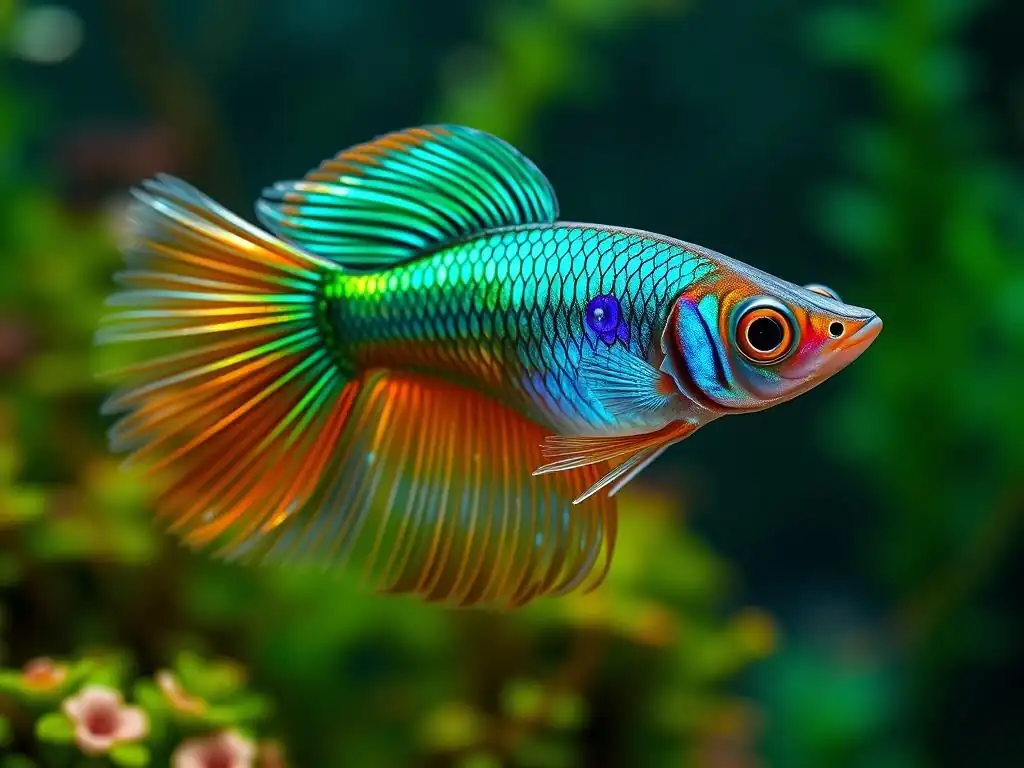
Maintaining Optimal Water Parameters for Guppy Reproduction
Water Temperature for Guppy Breeding
Maintaining a consistent and optimal water temperature is paramount for encouraging guppy breeding and ensuring the health of both adults and their offspring. Guppies breed most readily and successfully when the water temperature is kept within the range of 76-80°F (24.5-26.5°C). Temperatures within this range stimulate their metabolism, promoting faster growth and more frequent breeding cycles.
While guppies can survive in a wider temperature range, deviating significantly from this optimal zone can lead to reduced fertility, increased stress, or even delayed development of fry. Consistent temperature is more important than hitting an exact number, as sudden fluctuations can be detrimental. A reliable heater with a thermostat is indispensable for achieving this stability, which is a core component of effective guppy breeding tips aquarium management.
pH Levels for Guppy Breeding
Guppies are relatively adaptable fish when it comes to pH levels, but for optimal breeding and overall health, a stable pH range of 6.8 to 7.8 is generally recommended. They tend to prefer slightly alkaline conditions, which are common in many tap water sources. While they can tolerate minor fluctuations, extreme or rapid changes in pH can cause significant stress, leading to a decline in breeding activity, weakened immune systems, and potential health issues.
It's more crucial to maintain a consistent pH level rather than striving for a specific number if your water naturally falls within their tolerant range. Regular water testing with a reliable kit will help monitor pH, ensuring it remains stable. Drastic adjustments to pH should be avoided, as they can do more harm than good, underscoring the importance of stability in guppy breeding tips aquarium care.
Water Hardness and Guppy Breeding Success
Water hardness, specifically general hardness (GH) and carbonate hardness (KH), plays a significant role in guppy health and breeding success. Guppies thrive in moderately hard to hard water, with a recommended general hardness (GH) range of 8-18 dGH (degrees of general hardness), which translates to approximately 140-320 ppm. This hardness provides essential minerals like calcium and magnesium, which are vital for the development of strong bones and healthy scales in both adult guppies and their rapidly growing fry.
Soft water, conversely, can lead to issues such as poor egg development within the female and weakened fry. If your tap water is naturally soft, you may consider using products like crushed coral, specialized mineral supplements, or even small amounts of Epsom salts (magnesium sulfate) to gradually increase and stabilize the water hardness. Ensuring appropriate water hardness is a frequently overlooked but critical element in successful guppy breeding tips aquarium endeavors.
Guppy Diet and Nutrition for Breeding
High-Quality Flake Food for Breeding Guppies
A foundational element of successful guppy breeding tips aquarium care is providing a high-quality, protein-rich diet. Premium flake foods specifically formulated for tropical fish should form the bulk of their daily intake. Look for flake foods that list fish meal, shrimp meal, or spirulina as primary ingredients, indicating a protein content typically ranging from 40-50%.
Feeding small amounts several times a day (2-3 times) is more beneficial than one large feeding, as it aids digestion and ensures a steady supply of nutrients. Consistent feeding of a high-quality flake food provides the baseline nutrition necessary for healthy adult guppies and supports the energy demands of reproduction, preparing females for frequent breeding cycles and robust fry production.
Live and Frozen Foods to Enhance Breeding
To truly condition guppies for optimal breeding, supplementing their diet with live and frozen foods is essential. These foods provide a significant protein boost and a wider array of nutrients that mimic their natural diet, stimulating their breeding instincts. Excellent choices include newly hatched brine shrimp, daphnia, bloodworms, and mosquito larvae.
Offering these nutrient-dense foods 2-3 times per week can dramatically improve fertility rates, increase the number of fry per batch, and enhance the overall vitality of the breeding stock. For instance, a diet rich in live brine shrimp has been observed to increase fry count by up to 20% in some breeding setups compared to flake-only diets. This dietary enrichment is a cornerstone of advanced guppy breeding tips aquarium practices.
Supplementing with Vegetables for Guppy Health
While guppies are primarily omnivores with a preference for protein, incorporating plant-based foods into their diet is beneficial for their overall health and digestive system. Blanched vegetables such as spinach, zucchini, and shelled peas can be offered occasionally, typically once or twice a week. These provide essential vitamins, minerals, and fiber, which aid in digestion and can prevent common issues like constipation.
Introducing vegetables also diversifies their diet, ensuring a broader spectrum of nutrients that might be lacking in commercial flake foods alone. A well-rounded diet contributes to stronger immune systems and healthier breeding adults, indirectly supporting successful guppy breeding tips aquarium efforts by maintaining peak physical condition.
Minimizing Stress for Breeding Guppies
Avoiding Overcrowding in the Breeding Tank
Overcrowding is a significant stressor for guppies and can severely impede breeding success. A general guideline is to provide at least 1 gallon of water per adult guppy, though 1.5 to 2 gallons per fish is preferable in a breeding setup. When guppies are housed in cramped conditions, it leads to increased aggression, competition for resources, and a rapid decline in water quality due to higher waste production.
Stressed guppies are less likely to breed, and if they do, the fry may be weaker or fewer in number. Overcrowding also makes them more susceptible to diseases, which can quickly decimate an entire breeding population. Maintaining appropriate stocking levels is a fundamental, yet often overlooked, aspect of effective guppy breeding tips aquarium management.
Reducing Noise and Vibrations Near the Aquarium
Guppies, like many fish, are sensitive to their environment, and excessive noise and vibrations can be a significant source of stress. Placing the breeding tank in a quiet area of the home, away from high-traffic zones, loud speakers, or appliances that generate constant vibrations (like washing machines or refrigerators), is highly recommended.
Sudden loud noises, such as slamming doors or shouting, and continuous vibrations can cause guppies to become skittish, hide frequently, or exhibit signs of chronic stress. This stress can suppress their immune system, reduce their willingness to breed, and potentially lead to premature births or stillborn fry. Creating a calm and stable environment is a subtle yet crucial guppy breeding tips aquarium strategy for successful reproduction.
Proven Guppy Breeding Tips for Aquarium Success
Select Healthy and Mature Guppies for Breeding Stock
The foundation of any successful guppy breeding program lies in the careful selection of your breeding stock. Choose guppies that are visibly healthy, active, and free from any signs of disease such as clamped fins, white spots, or frayed fins. Opt for fish with vibrant coloration and robust body shapes, as these are indicators of good genetics and overall vigor.
It's also crucial to select mature individuals. Males should ideally be at least 3-4 months old, and females 4-5 months old, as they are fully developed and capable of producing strong, viable fry. A common ratio of one male to two or three females is recommended to distribute the male's attention and reduce stress on individual females, thus maximizing your guppy breeding tips aquarium efforts.
Condition Guppies with a Varied and Nutritious Diet
Conditioning your breeding guppies with an enhanced diet for 1-2 weeks prior to breeding is a highly effective strategy. This involves increasing the frequency and quality of their food, focusing on high-protein options. Supplement their regular high-quality flake food with live or frozen foods such as brine shrimp, daphnia, or bloodworms.
This rich diet boosts their energy reserves, improves their overall health, and significantly enhances fertility in both males and females. Well-conditioned females are more likely to produce larger batches of fry, and those fry tend to be stronger and more resilient, providing a significant advantage in your guppy breeding tips aquarium endeavors.
Perform Regular Water Changes to Maintain Water Quality
Consistent and regular water changes are perhaps the most critical factor in maintaining a healthy environment conducive to guppy breeding. Performing 25-30% water changes weekly is a standard practice. Use dechlorinated water that is matched as closely as possible to the tank's existing temperature and pH to avoid shocking the fish.
Regular water changes remove accumulated nitrates, phosphates, and other waste products that can stress fish and inhibit breeding. They also replenish essential trace minerals. Pristine water quality reduces the risk of disease and ensures that guppies remain active and fertile, directly impacting the frequency and success of breeding cycles, making this a cornerstone of all effective guppy breeding tips aquarium guides.
Observe Guppy Behavior for Signs of Breeding Activity
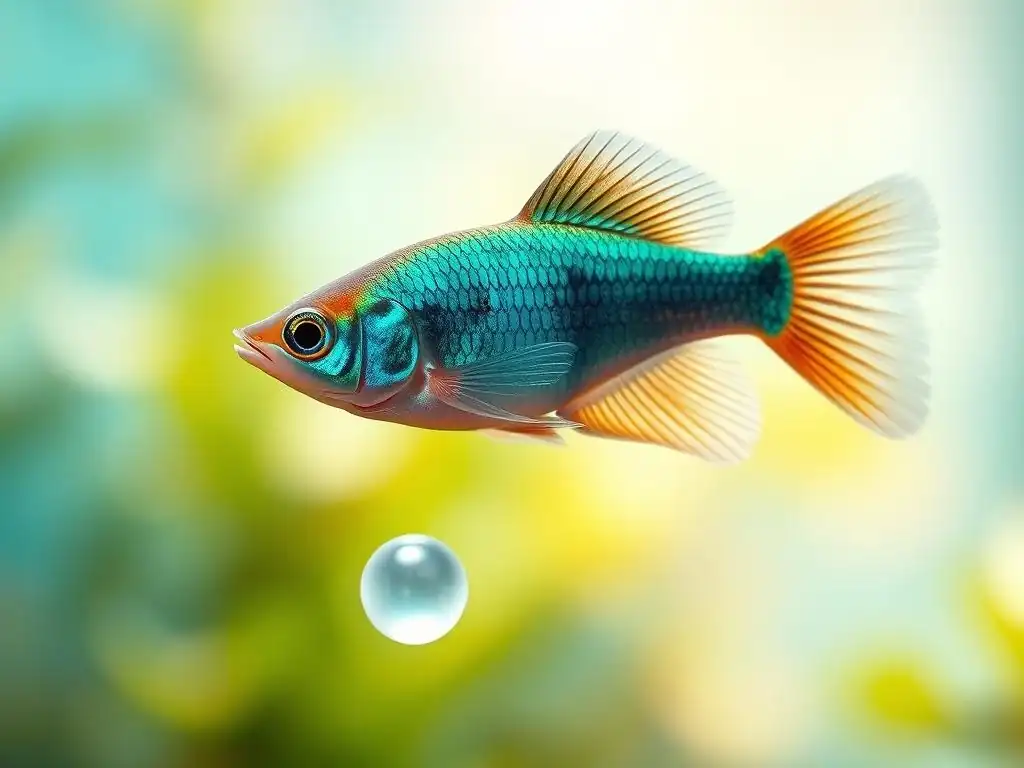
Close observation of your guppies' behavior can provide valuable insights into their breeding cycle and help you anticipate births. Males will constantly chase and display to females, attempting to fertilize them. Females, once pregnant, will show a progressively enlarged and squared-off abdomen, and their gravid spot will darken significantly.
As the female approaches birth, she may become more reclusive, seeking out dense plant cover or quieter corners of the tank. She might also exhibit slight tremors or "shivering" movements. Recognizing these signs allows you to prepare for the arrival of fry, whether by moving the female to a separate breeding trap or ensuring ample hiding spots are available, optimizing your guppy breeding tips aquarium strategy for fry survival.
Protecting Guppy Fry from Predation
Guppy fry are extremely vulnerable to predation, primarily from adult guppies themselves, including their own parents. To maximize fry survival, providing abundant hiding spots is essential. Heavily planting the tank with fine-leaved, dense plants such as Java Moss, Guppy Grass, Hornwort, or Water Sprite creates natural refuges where the tiny fry can escape.
For the highest survival rates, particularly in a dedicated guppy breeding tips aquarium setup, consider using a separate "fry grow-out" tank. The pregnant female can be moved to this tank just before birth, or the fry can be carefully siphoned out of the main tank immediately after birth. This isolation ensures that the fry can grow without the constant threat of being eaten, allowing a larger number to reach maturity.
Raising Guppy Fry: From Birth to Maturity
Caring for Newborn Guppy Fry
Newborn guppy fry are incredibly small, typically measuring only about 0.2 inches (5 mm) in length, and are immediately free-swimming. Their initial care revolves around providing a safe, stable environment and appropriate nutrition. If you've separated them into a dedicated fry tank, ensure its water parameters (temperature, pH, hardness) are identical to the water they were born in to avoid shock.
Maintaining excellent water quality is paramount, as fry are highly sensitive to ammonia and nitrite spikes. Gentle filtration, such as a sponge filter, is crucial to prevent them from being sucked in and to maintain biological filtration. Providing plenty of microscopic hiding spots, even in a dedicated fry tank, helps reduce stress and promotes healthy development.
Feeding Guppy Fry: What and How Often
Feeding newborn guppy fry correctly is vital for their rapid growth and survival. For the first few days, especially if no live plants are present to cultivate infusoria, liquid fry food or finely powdered spirulina can be used. After a few days, or from day one if available, newly hatched brine shrimp are an excellent first food due to their high protein content and digestibility. Microworms are another suitable alternative.
As they grow, typically after 1-2 weeks, you can transition them to finely crushed high-quality flake food or specialized fry pellets. The key is to feed small amounts frequently, 4-6 times per day, as their tiny stomachs require constant replenishment for their fast metabolism. Overfeeding, however, must be avoided as it quickly fouls the water, emphasizing a critical guppy breeding tips aquarium concern.
Maintaining Water Quality in the Fry Tank
Maintaining pristine water quality in a fry tank is even more critical than in an adult tank, largely due to the frequent feedings and the fry's delicate nature. Small, daily water changes of 10-15% are often necessary to remove uneaten food and waste, preventing the buildup of harmful ammonia and nitrite. When performing water changes, use a small, wide-mouthed siphon to avoid accidentally sucking up tiny fry.
Regularly test the water parameters, including ammonia, nitrite, and nitrate levels, using a reliable liquid test kit. Fry are much more susceptible to poor water conditions than adults, and even slight increases in toxins can lead to high mortality rates. Consistent water quality management is a non-negotiable aspect of successful guppy breeding tips aquarium practices.
Separating Fry from Adult Guppies
The decision to separate fry from adult guppies depends on your breeding goals and tank setup. If maximizing fry survival is the priority, separation is highly recommended, as adult guppies, including the mother, will readily eat their offspring. This can be achieved by moving the pregnant female to a separate breeding trap or birthing tank just before she gives birth, or by carefully siphoning the fry into a dedicated grow-out tank immediately after birth.
If fry are raised in a separate tank, they can typically be reintroduced to the main adult tank once they are large enough to not be considered a meal by the adults. This usually occurs when they reach approximately 0.5 to 0.75 inches (1.2-1.9 cm) in length, which can take 2-4 weeks depending on their growth rate and feeding regimen. This strategic separation is a cornerstone of effective guppy breeding tips aquarium management.
Troubleshooting Common Guppy Breeding Problems
Guppies Not Breeding: Potential Causes and Solutions
If your guppies are not breeding, several factors could be at play. Common causes include an incorrect sex ratio (too many males stressing females, or too few males to fertilize), unsuitable water parameters (temperature too low, unstable pH, or incorrect hardness), inadequate diet lacking protein, or high stress levels due to overcrowding or aggressive tank mates. Fish being too young or too old can also affect fertility.
To troubleshoot, first ensure your sex ratio is optimal (1 male to 2-3 females). Verify water temperature is consistently between 76-80°F (24.5-26.5°C) and pH is stable within 6.8-7.8. Enhance their diet with live or frozen foods. Reduce stressors by avoiding overcrowding and providing ample hiding spots. Ensure your breeding stock is mature enough, generally 4+ months old for females. Addressing these points is crucial for successful guppy breeding tips aquarium outcomes.
Guppy Fry Dying: Identifying the Root Cause
High mortality rates among guppy fry can be disheartening but are often attributable to a few key factors. Predation by adult fish or other tank mates is a primary cause; adult guppies will readily eat their own fry. Poor water quality, including ammonia or nitrite spikes, rapidly fluctuating parameters, or insufficient oxygen, is another major culprit, as fry are highly sensitive to toxins.
Other reasons include insufficient or inappropriate food, leading to starvation, or genetic weaknesses if the breeding stock is not robust. To address this, provide dense plant cover or a dedicated fry tank to prevent predation. Implement small, daily water changes to maintain pristine water quality. Ensure fry are fed appropriate, high-protein foods frequently. Review your breeding stock for health and vigor, as strong genetics contribute to hardier fry, a vital guppy breeding tips aquarium insight.
Dealing with Cannibalism in Guppy Tanks
Cannibalism, where adult guppies eat their own fry, is a natural instinct and a common challenge in guppy breeding. This behavior is often exacerbated by hunger, stress, or a lack of adequate hiding places for the newborn fry. While it's impossible to completely eliminate this instinct, you can significantly reduce its impact.
The most effective solution is to provide an abundance of dense live plants, such as Java Moss, Guppy Grass, or Hornwort. These plants create intricate hiding spots where tiny fry can escape the adults. Ensuring that adult guppies are well-fed with a varied, protein-rich diet can also reduce their predatory drive. For maximum fry survival, separating the pregnant female into a breeding trap or moving the fry to a dedicated grow-out tank immediately after birth are the most reliable guppy breeding tips aquarium strategies.
Addressing Water Quality Issues Affecting Breeding
Water quality issues are a frequent cause of breeding problems and overall fish health decline. High levels of nitrates, or the presence of ammonia and nitrites, indicate poor filtration or inadequate water change routines. Unstable pH or incorrect water hardness can also stress guppies and inhibit breeding.
To address these, establish a consistent weekly water change schedule of 25-30% using dechlorinated, temperature-matched water. Regularly test your water parameters (ammonia, nitrite, nitrate, pH, GH) with a reliable liquid test kit. If ammonia or nitrite are present, identify the root cause (e.g., overfeeding, overstocking, insufficient biological filtration). Use buffers or crushed coral only if necessary to adjust pH or hardness, prioritizing stability over specific numbers. Maintaining stable, clean water is paramount for continuous guppy breeding tips aquarium success.
Advanced Guppy Breeding Techniques
Selective Breeding for Specific Traits
Selective breeding is an advanced guppy breeding tips aquarium technique used to enhance or fix desirable traits within a guppy population. This involves carefully choosing individuals that exhibit specific characteristics, such as unique fin shapes (e.g., Delta Tail, Lyretail), striking color patterns (e.g., Cobra, Moscow Blue), or larger body sizes, and then breeding them together.
The process requires meticulous record-keeping of parentage and offspring characteristics over multiple generations. Breeders often isolate specific pairs or trios in dedicated breeding tanks to control the lineage precisely. Through consistent selection, undesirable traits can be phased out, and the desired characteristics become more pronounced and stable in subsequent generations, leading to the development of distinct guppy strains.
Hybridization and Crossbreeding Guppy Strains
Hybridization and crossbreeding involve mating two different established guppy strains or varieties (e.g., a Full Red guppy with a Blue Grass guppy) with the goal of creating entirely new color patterns, fin types, or combining desirable genetic traits from both parents. This technique can lead to unexpected and visually stunning offspring, expanding the diversity of guppy phenotypes.
While exciting, crossbreeding requires a deep understanding of guppy genetics to predict potential outcomes and avoid unintended consequences, such as diluting pure lines or producing less desirable traits. It's a method often employed by experienced guppy breeding tips aquarium enthusiasts looking to innovate and develop their own unique lines, contributing to the vast array of guppy varieties available.
Maintaining Genetic Diversity in Guppy Populations
Maintaining genetic diversity is crucial for the long-term health and vigor of a guppy breeding population, especially when employing selective breeding. Continuous inbreeding, while useful for fixing traits, can lead to inbreeding depression, characterized by reduced fertility, smaller fry sizes, increased susceptibility to disease, deformities, and overall weakened immune systems.
To combat inbreeding depression, advanced guppy breeding tips aquarium strategies include periodically introducing new, unrelated breeding stock from different sources every 3-4 generations. Alternatively, breeders can maintain multiple separate breeding lines within their own stock and occasionally crossbreed them to mix genes and introduce fresh genetic material without completely losing desired traits. This practice ensures robust, healthy guppies capable of consistent breeding over many generations.
Conclusion: Mastering Guppy Breeding in Your Aquarium
Mastering guppy breeding in your aquarium is a rewarding journey that combines scientific understanding with dedicated care. From comprehending the basics of guppy reproduction and setting up the ideal breeding environment to meticulously maintaining optimal water parameters and providing superior nutrition, each step plays a vital role. Minimizing stress and protecting vulnerable fry are equally crucial for maximizing survival rates and ensuring a thriving population.
By applying these comprehensive guppy breeding tips aquarium enthusiasts can achieve consistent success. Whether your goal is to simply enjoy the spectacle of new life, manage your population, or delve into advanced selective breeding, the principles of attention to detail, consistent water quality, and a nourishing diet will guide you. Embrace the process, observe your fish closely, and you will undoubtedly cultivate a vibrant and prolific guppy community within your home aquarium.
Frequently Asked Questions
How often do guppies typically breed in an aquarium setting?
Guppies are prolific breeders and can breed approximately every 30 days. This is due to their short gestation period, making them a popular choice for beginner aquarists interested in breeding fish.
What are the ideal water parameters to encourage guppy breeding?
Maintaining optimal water conditions is crucial. Aim for a temperature between 72-82°F (22-28°C), a pH level of 6.8-7.8, and good water quality through regular water changes.
What type of aquarium setup is best for breeding guppies?
A densely planted aquarium with plenty of hiding places for the fry is ideal. Floating plants like Java moss provide excellent cover and help the fry avoid being eaten by the adult guppies.
How can I tell if my female guppy is pregnant?
Look for a dark gravid spot near the anal fin. The female's abdomen will also become noticeably larger and more rounded as she nears the end of her gestation period.
What should I do with the guppy fry to ensure their survival?
Separate the fry into a separate breeding tank or use a breeding box within the main tank. This protects them from predation by adult fish and allows them to grow safely.
Final Reflection: Cultivating Life, Nurturing Futures
The journey of understanding and encouraging guppy breeding, as explored in this article, transcends the simple act of fishkeeping; it's about fostering life and understanding the delicate balance of ecosystems, even within the confines of a glass tank. The principles of observation, patience, and providing the right environment, so crucial for successful guppy breeding, resonate deeply with broader lessons applicable to our own lives and the world around us.
The impact of nurturing life, even on a small scale, is profound. Witnessing the birth and growth of new life, whether it's a guppy fry or a budding idea, connects us to the fundamental cycles of nature and inspires a sense of responsibility. The best time to plant a tree was 20 years ago. The second best time is now.
This ancient proverb reminds us that nurturing growth, in any form, requires immediate action and a long-term perspective, mirroring the dedication required for successful guppy breeding.
Now, consider how you can apply these principles of nurturing and observation to your own endeavors. What "aquarium" in your life needs careful attention and the right environment to flourish? What seeds of potential can you cultivate with patience and dedication? Let the lessons learned from the humble guppy inspire you to create a more vibrant and thriving world, one small act of nurturing at a time.
Unleash a Guppy Galaxy in Your Aquarium!
Thanks for diving into the world of guppy breeding with us! We hope you've gained some fin-tastic insights to create the perfect environment for your guppies to thrive. Now, let's put that knowledge into action!
Here are a few things you can do right now:
- Master the Art of the Fry Saver: Implement a dedicated breeding box or heavily planted area in your tank to maximize fry survival rates.
- Share the Guppy Love: Post a picture of your guppy setup on social media and tag Aquarium Mastery to inspire other aquarium enthusiasts.
- Try the Unexpected: Introduce a small, smooth river stone to your tank – guppies sometimes lay eggs on them, providing a unique breeding spot!
Ready to welcome a new generation of guppies into your aquarium?