
The Hidden Costs: How the Aquarium Trade Affects Wild Ecosystems & What We Can Do

Welcome to Aquarium Mastery!
Ever wondered about the hidden side of our beloved hobby? Before you dive deeper into the fascinating world of aquariums, let's explore a critical topic: how the aquarium trade impacts ecosystems. Discover the surprising connections between your tank and the wild, and learn what we can do to ensure a sustainable future for both. Intrigued? Read on to uncover the facts and find out how you can be part of the solution!
- Understanding the Aquarium Trade and its Ecological Footprint
-
Frequently Asked Questions
- How does the aquarium trade impact wild fish populations?
- What are the risks of introducing non-native species through the aquarium trade?
- How does the aquarium trade contribute to habitat destruction?
- What ethical considerations should aquarists consider when purchasing fish?
- What can aquarists do to minimize the negative impacts of the aquarium trade?
- Final Reflection: Ripples of Responsibility
- Dive Deeper: Become a Responsible Reef Guardian!
Understanding the Aquarium Trade and its Ecological Footprint
The Global Aquarium Trade: An Overview of the Industry
The global ornamental fish industry, commonly known as the aquarium trade, is a massive and complex network spanning continents. Valued at an estimated several billion dollars annually, this industry facilitates the movement of tens of millions of live fish, invertebrates, and aquatic plants each year. From vibrant coral reef species to freshwater exotics, these organisms are collected, transported, and sold to enthusiasts worldwide, supporting a vast infrastructure of collectors, exporters, importers, wholesalers, and retailers. This intricate global supply chain inherently creates potential aquarium trade impacts ecosystems at various points, from collection sites to distribution hubs.
A significant portion of the marine ornamental fish and invertebrate trade, estimated to be upwards of 90% for many species, relies on wild-caught specimens, primarily from tropical coral reefs in regions like Southeast Asia, the Indo-Pacific, and parts of the Caribbean. While freshwater species often have a higher percentage of captive-bred stock, wild collection still plays a substantial role, particularly for newly discovered or difficult-to-breed varieties. The sheer volume and reliance on wild populations underscore the importance of understanding the ecological footprint of this industry and how the aquarium trade impacts ecosystems on a global scale.
Demand Drivers: Why the Aquarium Hobby Fuels Ecosystem Impacts
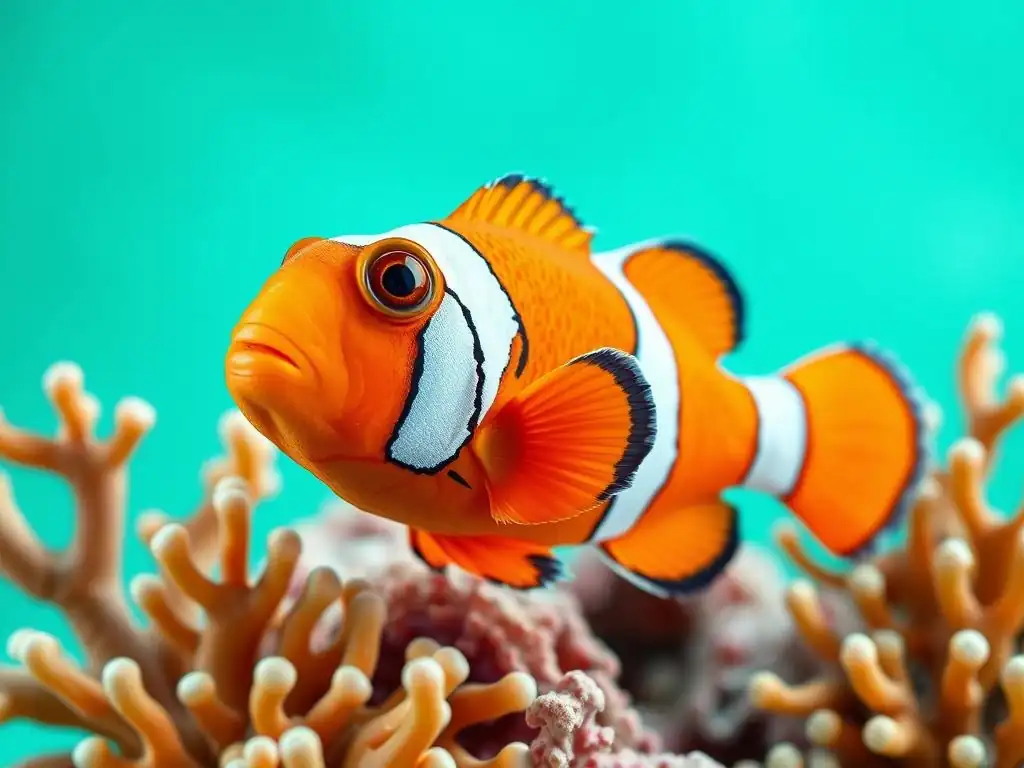
The sustained and growing demand for exotic aquatic life is a primary driver fueling the aquarium trade impacts ecosystems. Aquarists are often drawn to the hobby by the allure of vibrant colors, unique behaviors, and the challenge of creating a miniature aquatic world. Trends within the hobby, often amplified by social media and online communities, can quickly elevate certain species to high demand, leading to concentrated collection efforts. For instance, the popularity of specific "designer" clownfish or rare wrasse species can put immense pressure on limited wild populations, especially if captive breeding efforts cannot meet the market's appetite.
Beyond aesthetics, the desire for novelty and diversity also contributes significantly to demand. Hobbyists frequently seek out new species or those considered difficult to keep, often without fully understanding the long-term commitment or the environmental cost associated with their acquisition. This constant search for the next "must-have" fish or coral, coupled with a lack of widespread awareness regarding sustainable sourcing, directly contributes to the ecological pressures. Understanding these demand drivers is crucial for mitigating how the aquarium trade impacts ecosystems and for promoting more responsible consumer choices.
Defining "Aquarium Trade Impacts Ecosystems": Beyond the Surface
When we speak of "aquarium trade impacts ecosystems," it encompasses far more than simply the removal of individual fish or invertebrates from their natural habitats. It refers to a multifaceted array of ecological disturbances, including habitat degradation, overexploitation of target species, the introduction of invasive species, and the spread of diseases.
The collection methods themselves, such as the use of cyanide or dynamite in coral reefs, can devastate entire sections of fragile ecosystems, leading to long-term damage that extends far beyond the immediate harvest. This destruction affects not only the target species but also countless other organisms reliant on that habitat for survival.
Furthermore, the impact extends to the delicate balance of food webs and ecological relationships. The selective removal of specific species can create trophic cascades, where the absence of a predator or herbivore leads to unforeseen population explosions or declines in other species. For example, removing too many herbivorous fish can lead to algal overgrowth on coral reefs, suffocating corals. The complexity of these interactions means that the "aquarium trade impacts ecosystems" are often subtle, interconnected, and can have far-reaching consequences that challenge the resilience and biodiversity of aquatic environments globally.
Frequently Asked Questions
How does the aquarium trade impact wild fish populations?
The aquarium trade can lead to overfishing of specific species, particularly those that are brightly colored or have unique characteristics. This depletion of wild populations can disrupt the delicate balance of marine and freshwater ecosystems. Furthermore, destructive fishing practices can damage habitats.
What are the risks of introducing non-native species through the aquarium trade?
The release or escape of aquarium fish into non-native environments can introduce invasive species. These species can outcompete native populations for resources, prey on native species, and alter ecosystem structure and function. This can lead to significant biodiversity loss.
How does the aquarium trade contribute to habitat destruction?
Certain aquarium species are collected from sensitive habitats like coral reefs. Destructive collection methods, such as using cyanide to stun fish, can cause widespread damage to coral reefs. This damage impacts the entire ecosystem that relies on the reef.
What ethical considerations should aquarists consider when purchasing fish?
Aquarists should prioritize purchasing sustainably sourced fish from reputable breeders or suppliers. Avoid buying species known to be unsustainably harvested from the wild. Research the origins of your fish to ensure you are not contributing to harmful practices.
What can aquarists do to minimize the negative impacts of the aquarium trade?
Aquarists can support sustainable aquaculture and breeding programs. They can also responsibly rehome unwanted fish instead of releasing them into the wild. Finally, educating themselves and others about the impacts of the aquarium trade is crucial.
Final Reflection: Ripples of Responsibility
The exploration of the aquarium trade's hidden costs reveals a stark reality: our desire for beauty can inadvertently contribute to the degradation of wild ecosystems. The intricate web of life in our oceans and freshwater habitats is far more fragile than we often realize, and the seemingly harmless act of purchasing an exotic fish can have devastating consequences for entire populations and habitats.
This issue profoundly impacts our relationship with the natural world. It challenges us to move beyond superficial appreciation and embrace a deeper understanding of our interconnectedness with all living things. We abuse land because we regard it as a commodity belonging to us. When we see land as a community to which we belong, we may begin to use it with love and respect.
- Aldo Leopold. This quote resonates deeply, reminding us that our actions, however small they may seem, have far-reaching implications.
As we conclude this exploration of the aquarium trade's impacts, let us each consider our role in this complex issue. Let us strive to be more informed consumers, supporting sustainable practices and advocating for responsible regulations. Let us remember that the beauty we seek in our homes should not come at the expense of the beauty and health of our planet. The future of these ecosystems, and indeed our own, depends on the choices we make today.
Dive Deeper: Become a Responsible Reef Guardian!
Thanks for exploring the hidden costs of the aquarium trade with us. We hope you've gained valuable insights into protecting our fragile marine ecosystems. Now, let's turn that awareness into action!
Here's how you can make a difference:
- Commit to researching the origin of any aquatic life before bringing it home. Ask your local fish store detailed questions about their suppliers and prioritize sustainably sourced or captive-bred species.
- Spread the word! Share this article with fellow aquarium enthusiasts and encourage them to consider the ecological impact of their choices. Let's build a community of responsible hobbyists!
- Consider supporting organizations dedicated to marine conservation. Even a small donation can help fund vital research and conservation efforts.
What small change will you make this week to contribute to a more sustainable aquarium hobby?