
Battling Black Beard Algae (BBA): Winning Strategies for This Stubborn Invader

Welcome to Aquarium Mastery!
Ever stared into your aquarium, only to be greeted by the unwelcome sight of dark, fuzzy growth clinging to your plants and decorations? You're not alone! Black beard algae (BBA) can be a persistent nuisance, but don't despair. Our latest guide, "Battling Black Beard Algae (BBA): Winning Strategies for This Stubborn Invader," dives deep into effective removal techniques and preventive measures to help you reclaim your tank's pristine beauty. Curious about the secrets to a BBA-free aquarium? Let's get started!
- Understanding Black Beard Algae (BBA) in Aquariums
-
Frequently Asked Questions
- What exactly is Black Beard Algae (BBA) and how do I identify it in my aquarium?
- What are the primary causes of BBA outbreaks in aquariums?
- What are some effective methods for manually removing BBA from my aquarium?
- Can specific aquarium inhabitants help control BBA growth?
- What are some chemical treatments I can use to eliminate BBA, and what precautions should I take?
- Final Reflection: Conquering the Aquatic Darkness
- Conquer BBA & Reclaim Your Aquarium's Beauty!
Understanding Black Beard Algae (BBA) in Aquariums
What is Black Beard Algae (BBA)? Identifying the Enemy
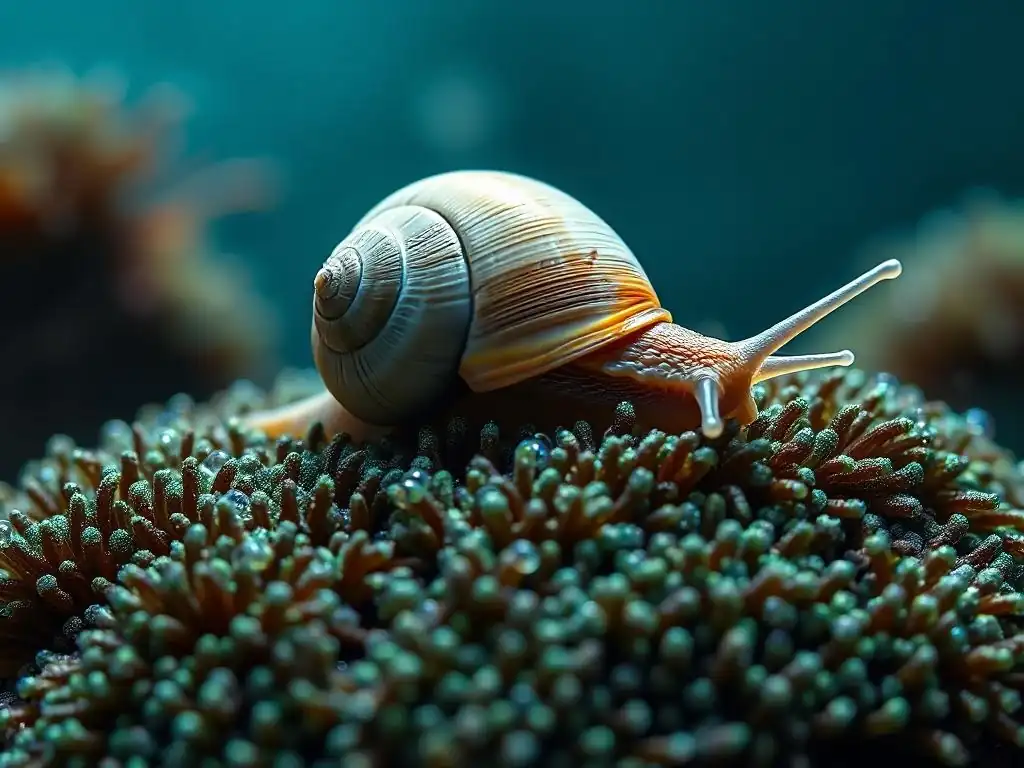
Black Beard Algae, commonly known as BBA, is a notoriously stubborn form of red algae, scientifically classified under genera such as Audouinella or Rhodochorton. Despite its classification as a red algae, BBA typically appears as dark tufts, ranging from deep black to dark green, and occasionally a reddish-purple hue, especially when exposed to light or certain chemical treatments.
These tufts are often described as brush-like or beard-like growths, adhering tenaciously to various surfaces within the aquarium, including plant leaves (particularly slow-growing species like Anubias and Java Fern), driftwood, rocks, filter intakes, heaters, and even the substrate. Its distinctive appearance makes it relatively easy to identify once you know what to look for, distinguishing it from other common algae types.
The tenacious grip of BBA on surfaces is one of the primary reasons it is so challenging to eradicate, making effective black beard algae removal a top priority for many aquarists. Unlike some softer green algaes that can be easily wiped away, BBA requires significant effort to dislodge manually, often leaving behind remnants that can quickly regrow.
Its resilience stems from its cellular structure, which is more robust than many green algaes, allowing it to thrive in conditions that might suppress other algal forms. Understanding its physical characteristics is the first step in formulating a successful strategy for controlling black beard algae in your aquatic environment.
Causes of Black Beard Algae Growth: Why is BBA Thriving in Your Tank?
The proliferation of Black Beard Algae in an aquarium is primarily linked to imbalances in water parameters, particularly inconsistent or fluctuating carbon dioxide (CO2) levels in planted tanks. When CO2 levels are unstable, perhaps dropping significantly from 30 parts per million (ppm) during the day to below 10 ppm, aquatic plants become stressed and unable to effectively utilize available nutrients, making them vulnerable to algae overgrowth.
This instability often occurs due to faulty CO2 regulators, inconsistent dosing, or poor CO2 distribution within the tank, creating an environment where BBA can outcompete desirable plant species. Addressing these CO2 fluctuations is a critical component of any effective black beard algae removal strategy.
Beyond CO2 instability, other factors significantly contribute to BBA outbreaks. Poor water circulation, leading to "dead spots" where nutrients can accumulate, provides ideal conditions for BBA to establish itself. Nutrient imbalances, such as insufficient macro-nutrients (nitrates below 10 ppm or phosphates below 0.5 ppm) relative to high light intensity, can also favor BBA, as it is highly efficient at scavenging scarce nutrients.
Furthermore, excessive light duration (e.g., more than 8-10 hours daily) or intensity, coupled with infrequent water changes that allow organic waste to build up, can further fuel BBA growth. A holistic approach that addresses all these potential triggers is essential for eliminating black beard algae and preventing its return.
The Impact of BBA on Your Aquarium Ecosystem
The presence of Black Beard Algae can significantly detract from the aesthetic appeal of an aquarium, transforming a vibrant, lush aquascape into a unsightly, unkempt environment. Its dark, fuzzy tufts clinging to plants, driftwood, and equipment create a visual nuisance that can be disheartening for aquarists. Beyond mere appearance, a severe BBA infestation can have tangible negative impacts on the aquarium ecosystem.
For instance, heavily covered plant leaves, especially those of slow-growing plants like Anubias nana, can have their photosynthetic capabilities severely compromised, as the algae blocks access to light and hinders nutrient absorption. This can lead to stunted plant growth, yellowing leaves, and ultimately, plant decay, undermining the health and vitality of your planted tank.
While BBA is not directly toxic to fish or invertebrates, its prolific growth indicates underlying imbalances in the aquarium that could indirectly stress aquatic inhabitants. An overabundance of algae can compete with beneficial plants for essential nutrients, disrupting the delicate balance of the ecosystem. In extreme cases, if BBA covers a substantial portion of the water surface or equipment, it could potentially impede gas exchange, although this is rare.
More importantly, the constant battle against BBA can lead to frustration and discouragement for the aquarist, diminishing the enjoyment of the hobby. Therefore, understanding the impact of BBA underscores the importance of prompt and effective black beard algae removal to maintain a healthy, thriving, and visually appealing aquatic environment.
Frequently Asked Questions
What exactly is Black Beard Algae (BBA) and how do I identify it in my aquarium?
BBA is a type of red algae that appears as dark, hairy tufts clinging to plants, decorations, and even the glass. It's often mistaken for a plant due to its dark, almost black color, hence the name.
What are the primary causes of BBA outbreaks in aquariums?
BBA outbreaks are often linked to fluctuating CO2 levels, poor water circulation, and an imbalance of nutrients, particularly high levels of organic waste. It can also be triggered by too much light.
What are some effective methods for manually removing BBA from my aquarium?
Manual removal involves physically scrubbing the algae off surfaces using a brush, siphon, or even your fingers. For heavily infested plants, consider removing infected leaves entirely to prevent further spread.
Can specific aquarium inhabitants help control BBA growth?
Yes, certain species such as Siamese Algae Eaters and some types of snails are known to graze on BBA, helping to keep its growth in check. However, they might not completely eradicate a severe infestation.
What are some chemical treatments I can use to eliminate BBA, and what precautions should I take?
Liquid carbon products, like Seachem Excel, can be spot-treated directly onto BBA, but use them cautiously. Always follow product instructions carefully to avoid harming fish and plants. Be aware that some fish are sensitive to this chemical.
Final Reflection: Conquering the Aquatic Darkness
The relentless battle against Black Beard Algae (BBA), as we've explored, is a microcosm of the larger struggle for balance and control within our aquariums. The enduring challenge of BBA removal underscores the importance of proactive maintenance and a deep understanding of aquatic ecosystems. It's a reminder that even the most meticulously planned environments can be disrupted, demanding adaptability and a commitment to continuous learning.
This persistent algae, more than just an aesthetic nuisance, highlights the delicate interplay of nutrients, light, and CO2 that governs a thriving aquarium. My own experiences with BBA have taught me the invaluable lesson of patience and the power of observation. The best way to predict the future is to create it.
This quote resonates deeply when considering BBA; we must actively shape our aquarium environments to prevent its resurgence, not just react to its presence.
Now, armed with these strategies and insights, I encourage you to reflect on your own aquascaping journey. Consider how you can apply these principles of balance and proactive care to not only conquer BBA, but to cultivate a truly flourishing aquatic world. Embrace the challenge, learn from your experiences, and remember that a healthy aquarium is a testament to your dedication and understanding.
Conquer BBA & Reclaim Your Aquarium's Beauty!
Thanks for diving into the world of Black Beard Algae! You've now got the knowledge to tackle this common aquarium nuisance. But knowledge is only powerful when put into action. Here are a few ways to take back control of your tank:
- Take Immediate Action: Manually remove as much BBA as possible from your tank right now. This gives you a head start before implementing broader strategies!
- Explore Alternative Algae Eaters: Research and consider introducing specific species known to consume BBA. You might be surprised by some unexpected helpers!
- Share Your Victory: Post a before-and-after picture of your BBA battle on aquarium forums. Your experience can inspire others!
What's the first BBA-busting strategy you'll implement in your aquarium today?