
CO2 and Algae: How Imbalances Fuel Unwanted Growth in Planted Aquariums

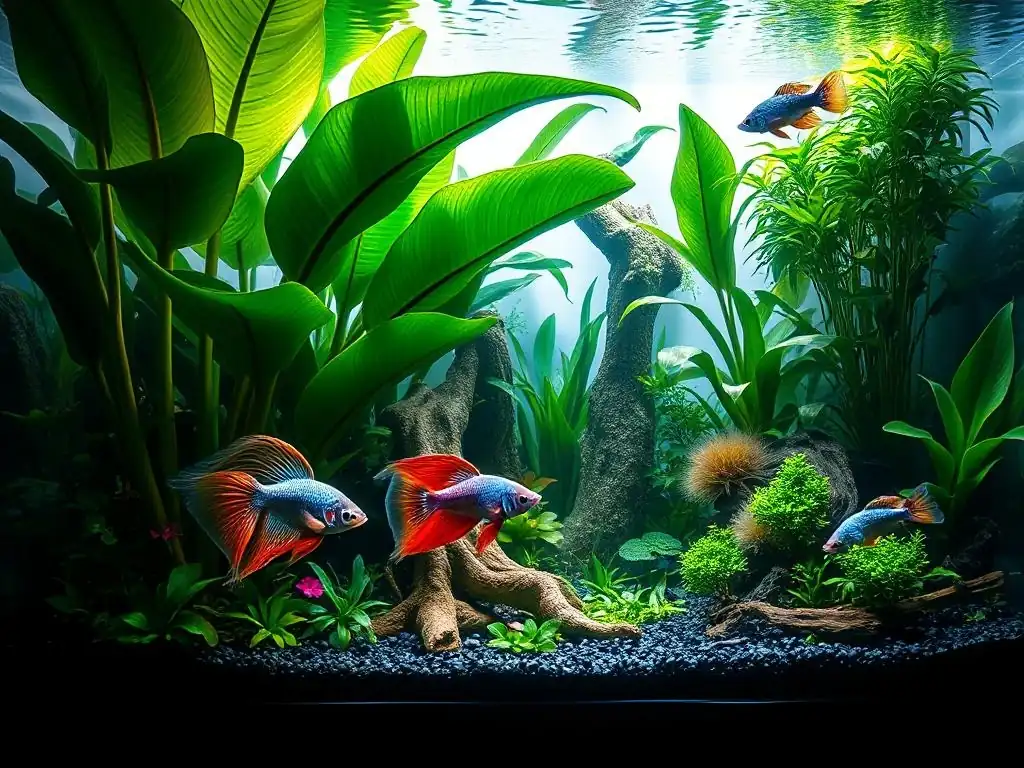
Welcome to Aquarium Mastery!
Ever wondered why your beautifully planted aquarium is battling a persistent algae bloom? You're not alone! Dive in and discover the secrets to understanding and correcting plant aquarium CO2 imbalances. This article unlocks the key to a thriving, algae-free ecosystem, so read on to learn how to achieve the perfect balance for your underwater paradise!
- Understanding Planted Aquarium CO2 Levels and Algae
- Identifying the Signs of Plant Aquarium CO2 Imbalance
- Common Causes of Planted Aquarium CO2 Imbalances
- Solutions for Correcting CO2 Imbalances and Controlling Algae
- Preventing Future CO2 Imbalances and Algae Outbreaks
- Troubleshooting Common Algae Problems Related to CO2
- Advanced Techniques for Planted Aquarium CO2 Management
-
Frequently Asked Questions
- How does a CO2 imbalance lead to algae growth in a planted aquarium?
- What are the key signs of a CO2 imbalance in my planted aquarium?
- How can I accurately measure the CO2 levels in my aquarium water?
- What are the best methods to increase CO2 levels in my planted aquarium?
- How often should I test my aquarium's CO2 levels to prevent imbalances?
- Final Reflection: The Delicate Dance of Life
- Unleash the Power of Balance: Transform Your Aquarium Today!
Understanding Planted Aquarium CO2 Levels and Algae
The Crucial Role of CO2 in Planted Aquariums
Carbon dioxide (CO2) is an indispensable element for the thriving health and vigorous growth of aquatic plants, acting as their primary carbon source. Much like terrestrial plants, aquatic flora perform photosynthesis, a process where they convert light energy into chemical energy, using CO2 and water to produce sugars (their food) and oxygen. This fundamental process makes CO2 availability a critical determinant of a planted aquarium's success, influencing everything from growth rate to overall plant robustness. Without sufficient CO2, even plants receiving optimal light and nutrients will struggle to flourish, exhibiting slow growth or even decline.
In a high-tech planted aquarium, where intense lighting and comprehensive nutrient dosing create conditions for rapid plant growth, CO2 supplementation becomes absolutely essential. Plants can consume CO2 at astonishing rates under these conditions, often depleting ambient levels found naturally in tap water or produced by fish respiration within hours.
For instance, a densely planted 50-gallon aquarium with high light might require a consistent supply of 25-35 parts per million (ppm) of dissolved CO2 to support lush growth, a concentration far beyond what typical fish respiration could provide. Achieving and maintaining this level ensures that plants have the necessary building blocks for vibrant foliage and robust root systems, directly contributing to a healthy, balanced ecosystem that naturally outcompetes algae.
How CO2 Deficiency Impacts Plant Health in Aquariums
When aquatic plants do not receive adequate CO2, their photosynthetic processes are severely hampered, leading to a cascade of negative effects on their health and appearance. The most immediate impact is a significant reduction in growth rate, as plants lack the fundamental carbon necessary for cell division and expansion.
This deficiency can manifest as stunted leaves, thin stems, or a general lack of vigor, making the plants appear pale or sickly. For instance, fast-growing stem plants like Rotala rotundifolia might exhibit drastically smaller leaves and elongated internodes, indicative of a struggle to acquire sufficient carbon to build biomass, even if other nutrients are abundant.
Furthermore, a prolonged plant aquarium CO2 imbalance, specifically a deficiency, can lead to increased susceptibility to nutrient deficiencies and disease. Stressed plants are less efficient at absorbing and utilizing other essential macronutrients (like nitrogen, phosphorus, and potassium) and micronutrients (like iron and manganese) from the water column or substrate.
This means that even if you are diligently dosing fertilizers, plants might still show signs of nutrient starvation, such as yellowing leaves (chlorosis) or necrotic spots, because they cannot metabolize these nutrients effectively without enough CO2. This weakened state makes them highly vulnerable to opportunistic algae, which can quickly colonize stressed plant surfaces, exacerbating the problem and diminishing the aesthetic appeal of the aquarium.
The Link Between Unstable CO2 and Algae Blooms
The relationship between CO2 levels and algae proliferation in a planted aquarium is direct and often unforgiving. Algae, being less complex organisms, are highly opportunistic and thrive in conditions where higher plants are stressed or unable to fully utilize available resources. Fluctuating or consistently low CO2 levels are primary stressors for aquatic plants, directly creating an environment ripe for algae outbreaks.
When CO2 levels are unstable, plants experience periods of feast and famine; they may pearling vigorously when CO2 is high, only to shut down photosynthesis when it drops, leading to a significant plant aquarium CO2 imbalance. This inconsistency weakens plants, making them less competitive for light and nutrients.
Consider a scenario where your CO2 system runs out, or a regulator malfunctions, causing a sudden drop in dissolved CO2. Your plants, accustomed to a steady supply, immediately become CO2-limited. They cannot process the light energy or absorb the available nutrients efficiently, leaving these resources as excess for algae.
Many common algae types, such as Black Brush Algae (BBA) or Hair Algae, are notorious indicators of unstable or insufficient CO2. For example, a sudden explosion of BBA on hardscape or plant leaves often signals inconsistent CO2 injection, perhaps due to a faulty solenoid valve turning CO2 on and off erratically, or simply running the CO2 for too few hours during the light cycle. Algae capitalize on the plants' weakened state, quickly colonizing surfaces and forming unsightly mats, turning a lush planted tank into an algae-ridden mess.
Identifying the Signs of Plant Aquarium CO2 Imbalance
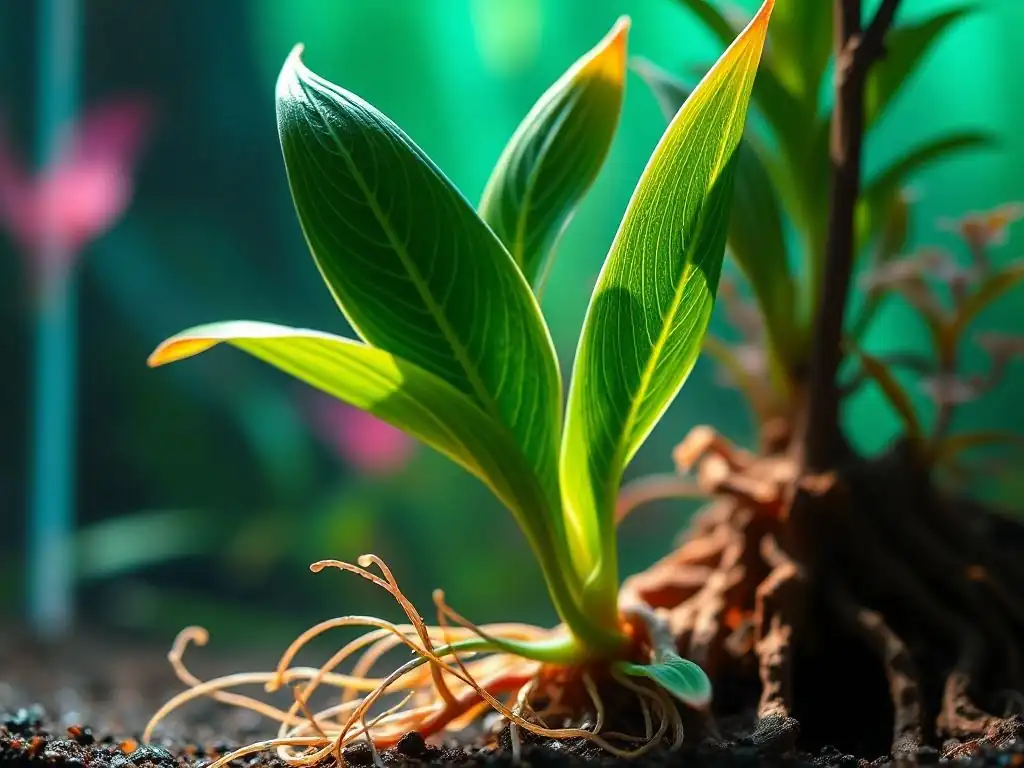
Recognizing CO2 Deficiency Symptoms in Aquatic Plants
Identifying CO2 deficiency early is crucial for maintaining a healthy planted aquarium and preventing algae. Plants often provide clear visual cues when they are not receiving adequate carbon. Beyond general slow growth, specific symptoms can pinpoint a plant aquarium CO2 imbalance. For instance, stem plants like Ludwigia repens might fail to develop their characteristic vibrant red coloration, instead appearing dull green or even yellowish. Aquatic ferns and anubias, though slower growing, may exhibit a noticeable halt in new leaf production, or new leaves might emerge significantly smaller than older ones.
A particularly telling sign of CO2 deficiency is the absence of "pearling," where tiny oxygen bubbles form on plant leaves during the light cycle due to active photosynthesis. While pearling is not always present even in healthy tanks, its consistent absence in a high-light, well-fertilized setup often points to limiting CO2.
Another subtle indicator can be the appearance of a white, calcified residue on older leaves, particularly in tanks with higher carbonate hardness (KH). This occurs when plants are forced to extract carbon from bicarbonates, a process that precipitates calcium carbonate onto their leaf surfaces, making them appear coated and hindering further photosynthesis.
Stunted Growth and Yellowing Leaves: Indicators of Low CO2
Stunted growth is one of the most common and easily observable symptoms of a plant aquarium CO2 imbalance. This manifests as new growth that is significantly smaller, thinner, or more compact than existing foliage. For example, a carpet plant like Monte Carlo (Micranthemum tweediei) that should be spreading rapidly might instead form small, isolated clumps that refuse to spread across the substrate.
The internodes (the spaces between leaf nodes on stem plants) become unusually short, giving the plant a "bushy" appearance rather than a natural, elongated stem. This compact growth is the plant's attempt to conserve resources when carbon is scarce.
Yellowing leaves, or chlorosis, are another prominent indicator, though they can also signal nutrient deficiencies. In the context of CO2 deficiency, yellowing often begins with the new growth or affects the entire plant uniformly. This occurs because CO2 is essential for chlorophyll production and the overall efficiency of the photosynthetic machinery.
When CO2 is limited, plants cannot produce enough chlorophyll, leading to a pale green or distinctly yellow hue. For instance, the otherwise vibrant green leaves of Hygrophila corymbosa 'Compact' might turn a sickly yellow-green, indicating that the plant is struggling to convert light energy into growth due to insufficient carbon availability.
Unusual Algae Growth Patterns: A Tell-Tale Sign
While various factors can trigger algae, specific types and patterns of algae growth are highly indicative of a plant aquarium CO2 imbalance. Black Brush Algae (BBA), characterized by its dark, fuzzy tufts, often appearing on the edges of older leaves, filter outflows, and hardscape, is perhaps the most classic indicator of fluctuating or insufficient CO2. This algae thrives in inconsistent conditions that stress higher plants. For example, if your CO2 turns on too late, or off too early, or if the bubble rate is inconsistent, BBA is a likely unwelcome guest.
Hair Algae and Thread Algae, which manifest as fine, stringy green strands, can also signal CO2 issues, particularly when CO2 levels are too low or fluctuate wildly, combined with excess light or nutrients. These algae quickly exploit the weakened state of higher plants.
Similarly, an explosion of Green Spot Algae (GSA), appearing as small, hard, dark green dots on glass and slow-growing plant leaves (like Anubias or Bucephalandra), often points to low CO2, especially in tanks with high light. The presence of these specific algae types, particularly when accompanied by other plant distress signals, serves as a strong diagnostic clue that your planted aquarium CO2 imbalance needs immediate attention.
Measuring CO2 Levels in Your Planted Tank: Testing Methods
Accurately assessing the dissolved CO2 levels in your planted aquarium is crucial for maintaining optimal conditions and preventing a plant aquarium CO2 imbalance. While observing plant and fish behavior provides valuable clues, quantitative measurements offer precision. The two most common methods for monitoring CO2 are using CO2 drop checkers and employing aquarium CO2 test kits, each with its own advantages and limitations. Understanding these tools helps aquarists fine-tune their CO2 injection.
For instance, aiming for a CO2 concentration of approximately 25-30 ppm is a widely accepted target for a high-tech planted tank, as this range generally promotes strong plant growth without posing significant risk to fish. Achieving this target often involves careful adjustment of the CO2 bubble rate and ensuring efficient dissolution. Without consistent monitoring, it's easy to under-dose, leading to stunted plants and algae, or over-dose, which can be dangerous for livestock by causing a rapid pH drop and oxygen deprivation. Therefore, incorporating regular CO2 measurement into your maintenance routine is a cornerstone of successful planted tank husbandry.
Using CO2 Drop Checkers for Visual Monitoring
CO2 drop checkers are a popular and visually intuitive tool for continuously monitoring dissolved CO2 levels in a planted aquarium. These devices consist of a small glass bulb or sphere containing a pH indicator solution and an air pocket, which is exposed to the tank water but isolated from direct water flow.
The CO2 from the tank water off-gasses into this air pocket, equilibrating with the indicator solution. The solution then changes color based on the CO2 concentration: blue indicates insufficient CO2 (below ~20 ppm), green signifies optimal CO2 (around 30 ppm), and yellow warns of dangerously high CO2 levels (above ~35-40 ppm).
While drop checkers provide a convenient, at-a-glance indication, it's important to understand their limitations. They have a significant lag time, often taking 2-3 hours to reflect current CO2 levels in the water. This means they are not suitable for real-time adjustments or detecting rapid fluctuations.
For example, if your CO2 system turns off, the drop checker will remain green for some time even as tank CO2 levels drop. Furthermore, their accuracy can be influenced by the KH (carbonate hardness) of the indicator solution itself, which should ideally be around 4 dKH for reliable readings. Despite these caveats, a properly calibrated drop checker, placed in a well-circulated area of the tank, is an excellent tool for daily visual confirmation of stable and adequate CO2.
Aquarium CO2 Test Kits: Accuracy and Limitations
Aquarium CO2 test kits offer a more direct, albeit snapshot, measurement of dissolved CO2 compared to drop checkers. These kits typically work by measuring the tank's pH and KH (carbonate hardness) and then using a mathematical relationship to estimate the CO2 concentration. The underlying principle is that dissolved CO2 forms carbonic acid, which lowers pH; the extent of this pH drop is buffered by KH. A common formula used is CO2 (ppm) = KH (dKH) * 10^(7.0 - pH). For instance, if your tank water has a KH of 4 dKH and a pH of 6.8, the calculated CO2 level would be approximately 25 ppm, which falls within the optimal range.
While these kits can provide a numerical value for CO2, their accuracy is heavily reliant on the precision of both the pH and KH measurements. Small errors in either test can lead to significant discrepancies in the calculated CO2 level. Moreover, this method assumes that CO2 is the only factor influencing the pH in your aquarium, which is often not the case.
Other organic acids from decaying matter, nitrification, or buffering agents in the substrate can also affect pH, leading to an inaccurate CO2 reading. Therefore, CO2 test kits are best used as a supplementary tool to confirm drop checker readings or troubleshoot specific issues, rather than for daily, real-time monitoring. They provide a valuable diagnostic snapshot but require careful execution and an understanding of their inherent limitations.
Common Causes of Planted Aquarium CO2 Imbalances
Insufficient CO2 Injection Systems
A primary reason for a plant aquarium CO2 imbalance is often rooted in the CO2 injection system itself. An undersized system, an empty CO2 cylinder, or a malfunctioning regulator can all lead to inadequate CO2 delivery, starving plants and inviting algae. Many aquarists underestimate the CO2 requirements of their tanks, especially as plants grow larger and denser, or as lighting intensity increases. For example, a beginner might use a small 10-ounce CO2 cylinder designed for a 10-gallon tank on a 40-gallon heavily planted setup, which would quickly deplete and fail to provide the necessary consistent CO2 levels.
Furthermore, even with a correctly sized CO2 tank, issues with the regulator or solenoid can disrupt stable CO2 flow. A regulator is responsible for reducing the high pressure from the CO2 cylinder to a usable, low pressure for the aquarium, and its needle valve fine-tunes the bubble rate.
If the regulator is old, faulty, or incorrectly adjusted, it can lead to inconsistent bubble rates, sudden pressure drops, or complete cessation of CO2 flow. These interruptions create significant fluctuations in dissolved CO2, stressing plants and making them vulnerable to opportunistic algae outbreaks, particularly Black Brush Algae (BBA) which thrives on such instability.
Choosing the Right CO2 System for Your Aquarium Size
Selecting an appropriately sized CO2 injection system is paramount for achieving stable CO2 levels and preventing a plant aquarium CO2 imbalance. The volume of your aquarium, its planting density, and the intensity of your lighting all dictate the amount of CO2 required. For smaller tanks, typically under 20 gallons with moderate planting, a high-quality DIY yeast-based system or a small, refillable paintball CO2 setup might suffice, delivering around 1-2 bubbles per second (BPS). However, these systems often lack the precision and consistency needed for more demanding setups.
For most medium to large planted aquariums (20-75 gallons), a pressurized CO2 system with a dedicated aquarium regulator and a 5-10 pound CO2 cylinder is the standard. A 5-pound cylinder can last several months for a 40-gallon tank running at 2-3 BPS, providing a consistent and stable supply.
For very large tanks (75 gallons and above) or those with extremely dense planting, a 10-20 pound cylinder is often more economical and convenient, requiring less frequent refills. Investing in a quality regulator with a precise needle valve and a reliable solenoid is crucial, as this component largely determines the stability and consistency of your CO2 injection, directly impacting plant health and algae control.
CO2 Regulator Malfunctions and Leaks
Even with a well-chosen CO2 system, malfunctions and leaks within the regulator and tubing can cause severe plant aquarium CO2 imbalance. A CO2 regulator is a complex piece of equipment with various seals, gauges, and a delicate needle valve. Over time, internal components like diaphragms can wear out, leading to inconsistent pressure delivery or complete failure.
A common issue is a faulty solenoid valve, which is designed to turn the CO2 flow on and off with a timer. If the solenoid sticks open or closed, it can either dump too much CO2 into the tank (risking fish life) or stop CO2 flow entirely, starving plants.
Leaks are another frequent culprit, often occurring at connection points such as where the regulator connects to the CO2 cylinder, at the bubble counter, or where the tubing attaches to the diffuser. A slow leak can rapidly deplete your CO2 cylinder without you realizing it, leading to a sudden drop in CO2 levels and stressing plants.
To check for leaks, a simple method is to spray soapy water onto all connections; if bubbles form, you have a leak that needs tightening or sealing with Teflon tape. Regular inspection and maintenance of your CO2 system, including checking for leaks and ensuring all connections are secure, are essential steps to prevent a plant aquarium CO2 imbalance and maintain a healthy planted environment.
Inadequate CO2 Dissolution and Distribution
Even if your CO2 system is injecting the correct amount of gas, problems with dissolution and distribution within the aquarium can lead to a localized or overall plant aquarium CO2 imbalance. Simply injecting CO2 bubbles into the water isn't enough; the gas needs to effectively dissolve and then be circulated throughout the tank to reach all plants. If CO2 bubbles are too large, or if they quickly rise to the surface and escape, a significant portion of the injected CO2 is wasted, never benefiting your plants.
Poor water movement is another major factor. CO2, once dissolved, needs to be evenly distributed to every plant in the tank. If there are "dead spots" with stagnant water, plants in those areas will suffer from CO2 deficiency, even if other parts of the tank have optimal levels.
This can lead to uneven plant growth, with some plants thriving while others, perhaps just a few inches away, show signs of stress and become targets for algae. Optimizing both the method of CO2 dissolution and the overall water circulation is crucial for ensuring that every plant receives its fair share of carbon, preventing localized imbalances and promoting uniform, healthy growth.
Poor Circulation and Dead Spots in the Aquarium
Poor water circulation is a significant, yet often overlooked, cause of plant aquarium CO2 imbalance, even in tanks with sufficient CO2 injection. If the water flow is inadequate or uneven, dissolved CO2 will not be effectively transported to all areas of the aquarium, creating "dead spots" where plants are starved of carbon.
For instance, in a densely planted tank, thick plant growth can impede water flow, creating pockets of stagnant water beneath canopies or behind hardscape. Plants in these areas will exhibit symptoms of CO2 deficiency, such as stunted growth and yellowing, while plants in high-flow areas might be pearling vigorously.
This uneven distribution of CO2 leads to a competitive disadvantage for the plants in low-flow zones, making them highly susceptible to algae outbreaks. Algae, being less demanding, can exploit these localized areas of plant stress and nutrient availability.
For example, Black Brush Algae (BBA) is frequently found in areas with inconsistent or low flow, such as near filter outputs or on plants directly in the path of a turbulent current. Ensuring comprehensive water movement, reaching all corners of the tank and penetrating dense plant stands, is vital for distributing dissolved CO2 uniformly and preventing these localized carbon deficiencies that invite algae.
Surface Agitation and CO2 Loss
While good surface agitation is vital for oxygenating the water and facilitating gas exchange (releasing harmful gases like ammonia and nitrates), excessive surface agitation can be a significant cause of plant aquarium CO2 imbalance. Dissolved CO2 readily off-gasses into the atmosphere, and turbulent surface movement accelerates this process dramatically. Imagine a carbonated drink; if you pour it into a wide, shallow glass and stir it vigorously, the fizz quickly dissipates. The same principle applies to your aquarium.
Common culprits for excessive surface agitation include strong filter outflows directed at the surface, air stones, or powerheads placed too high or angled improperly. For example, running an air stone 24/7 in a high-tech planted tank can strip out a substantial amount of injected CO2 within minutes, making it incredibly difficult to maintain the target 25-30 ppm levels. While some surface ripple is beneficial for oxygen exchange, a gentle, barely noticeable ripple is often sufficient.
Aim to direct filter outputs slightly downwards or use spray bars to create a broad, gentle flow throughout the tank, minimizing direct surface turbulence. This balance is crucial for retaining dissolved CO2 for your plants while ensuring adequate oxygenation for your fish.
Fluctuating CO2 Levels Due to Lighting and Photosynthesis
The interplay between lighting and CO2 consumption is a dynamic factor that can lead to significant plant aquarium CO2 imbalance if not managed correctly. Aquatic plants utilize CO2 during photosynthesis, which is driven by light. Therefore, the demand for CO2 is not constant; it directly correlates with the intensity and duration of the light cycle. Understanding this relationship is crucial for maintaining stable CO2 levels and preventing stress on your plants.
Many aquarists simply set their CO2 injection to a fixed rate, but this ignores the varying CO2 requirements throughout the day. For instance, a tank with high-intensity lighting will have a much higher CO2 demand than a low-light setup. If the CO2 supply doesn't match this demand, plants will become CO2-limited, especially during peak light hours. Conversely, if CO2 is injected continuously without considering the plants' nocturnal respiratory cycle, levels can build up to dangerous concentrations for fish. This dynamic interplay necessitates careful synchronization of CO2 injection with the lighting schedule to ensure consistent, optimal CO2 availability.
The Impact of Light Intensity on CO2 Demand
Light intensity directly dictates the rate of photosynthesis in aquatic plants, and consequently, their demand for CO2. In a high-light planted aquarium, plants are capable of performing photosynthesis at a much higher rate, requiring a significantly greater supply of CO2 to match this metabolic activity. If CO2 levels are insufficient to meet the demand created by intense lighting, plants become carbon-limited, regardless of how much light or nutrients they receive. This creates a severe plant aquarium CO2 imbalance where light energy cannot be fully utilized.
For example, upgrading from a low-wattage fluorescent light to a powerful LED fixture designed for high-tech tanks without simultaneously increasing CO2 injection is a common scenario that almost invariably leads to algae outbreaks. The plants, now bombarded with more light energy, are unable to process it effectively due to the lack of CO2.
This excess light energy, coupled with unutilized nutrients, becomes a perfect breeding ground for opportunistic algae like Green Spot Algae (GSA) or Black Brush Algae (BBA), which are far less demanding in their CO2 requirements. Therefore, for every increase in light intensity, a proportionate increase and stabilization of CO2 levels is critical to maintain plant health and prevent algae.
Nighttime CO2 Build-Up and Its Effects
While CO2 injection is essential during the daytime for photosynthesis, continuous injection during the night can lead to a dangerous plant aquarium CO2 imbalance. At night, plants switch from photosynthesis to respiration, a process where they consume oxygen and release CO2, much like fish. If CO2 injection continues throughout the night, this added CO2, combined with the CO2 produced by plants and fish respiration, can cause dissolved CO2 levels to accumulate to extremely high concentrations.
This nocturnal CO2 build-up can lead to a drastic drop in the aquarium's pH level. For instance, a tank that maintains a pH of 6.8 during the day with CO2 might see its pH plummet to 6.0 or even lower overnight if CO2 is not shut off. Such significant and rapid pH swings are highly stressful and potentially lethal for fish, as they interfere with their ability to regulate their internal pH and extract oxygen from the water.
To prevent this, it is standard practice to turn off CO2 injection 1-2 hours before the lights go out and restart it 1-2 hours before the lights come on. This allows CO2 levels to dissipate safely overnight and ensures optimal levels are present when plants begin photosynthesizing in the morning.
Solutions for Correcting CO2 Imbalances and Controlling Algae
Optimizing Your CO2 Injection System
Correcting a plant aquarium CO2 imbalance often begins with a thorough evaluation and optimization of your CO2 injection system. Many issues stem from an improperly configured or malfunctioning setup that fails to deliver consistent and adequate CO2. The goal is to ensure a steady, precise flow of CO2 that meets the demands of your plants throughout the entire light cycle. This involves more than just turning on the CO2; it requires fine-tuning the bubble rate and ensuring the reliability of your equipment.
For instance, a common mistake is to set the CO2 bubble rate too low, based on an assumption rather than actual tank needs. A 50-gallon high-tech tank might require 3-4 bubbles per second (BPS) to achieve optimal CO2 levels, while a smaller 20-gallon tank might only need 1-2 BPS.
Gradually increasing the BPS while closely monitoring a drop checker and observing fish behavior is crucial to find the "sweet spot." Investing in a high-quality regulator with a precise needle valve can make this fine-tuning much easier and more consistent, preventing the erratic CO2 delivery that stresses plants and fuels algae.
Adjusting Bubble Rate for Optimal CO2 Levels
Adjusting the CO2 bubble rate is the primary method for controlling dissolved CO2 concentration in your planted aquarium and correcting a plant aquarium CO2 imbalance. The "bubble rate" refers to the number of CO2 bubbles per second (BPS) seen in your bubble counter. There's no universal magic number for BPS, as optimal rates vary significantly based on tank size, planting density, water movement, and lighting intensity. A common starting point for a moderately planted tank is often 1 bubble per second for every 10-15 gallons of water, but this is merely a guideline.
To find the optimal bubble rate, begin with a conservative rate (e.g., 1 BPS for a 20-gallon tank) and gradually increase it over several days, making small adjustments (e.g., an increase of 0.5 BPS) every 12-24 hours. Monitor your CO2 drop checker closely, aiming for a consistent green color (indicating approximately 30 ppm CO2).
Crucially, also observe your fish for any signs of distress, such as rapid gill movement or gasping at the surface, which indicate dangerously high CO2 levels. Once the drop checker is green and fish are comfortable, you've likely found your optimal bubble rate, providing stable CO2 for lush plant growth and effective algae control.
Calibrating Your CO2 Regulator
While CO2 regulators are generally robust, ensuring their proper calibration and function is vital for preventing a plant aquarium CO2 imbalance. A regulator's primary job is to consistently reduce the high pressure from the CO2 cylinder (which can be over 800 PSI) to a safe, usable working pressure (typically 30-60 PSI) for the aquarium. If the high-pressure gauge doesn't accurately read the cylinder pressure, or if the low-pressure gauge fluctuates erratically, it could indicate an internal problem, such as a faulty diaphragm or a loose connection.
Regularly checking all connections for leaks using a soapy water solution is a simple yet crucial calibration step. Even a tiny leak at a fitting can slowly deplete your CO2 cylinder, leading to a sudden drop in CO2 levels in the tank. If you notice inconsistent bubble rates despite constant needle valve settings, it might signal an issue with the needle valve itself, which controls the fine flow of CO2.
Some high-end regulators allow for minor adjustments or replacement of specific components, but often, severe malfunctions necessitate professional service or replacement. Ensuring your regulator is consistently delivering CO2 at the set rate is foundational to maintaining stable CO2 levels and preventing algae.
Improving CO2 Dissolution and Circulation
Even with a perfectly calibrated CO2 injection system, a plant aquarium CO2 imbalance can persist if the CO2 is not efficiently dissolving into the water and circulating throughout the tank. Large CO2 bubbles that quickly rise to the surface are largely wasted, as they have insufficient contact time with the water to dissolve. Furthermore, if the dissolved CO2 isn't distributed evenly, some plants will thrive while others suffer from carbon starvation, creating pockets of algae-prone areas. Optimizing both dissolution and circulation is key to maximizing the effectiveness of your CO2 injection.
For instance, simply placing a diffuser in a low-flow area will result in poor CO2 uptake by plants. The CO2-rich water needs to be actively moved to all parts of the tank, particularly to dense plant stands and carpet plants.
Many aquarists find that upgrading their CO2 diffuser from a basic ceramic disc to a more efficient inline reactor significantly improves dissolution rates, often achieving near 100% absorption. Coupled with strategic placement of powerheads or adjusting filter outflow, these improvements ensure that every plant receives a consistent supply of dissolved CO2, promoting uniform growth and drastically reducing the likelihood of algae outbreaks.
Utilizing Diffusers and Reactors for Efficient CO2 Absorption
Efficient CO2 absorption is critical to prevent a plant aquarium CO2 imbalance, and the choice of diffuser or reactor plays a significant role. CO2 diffusers, typically made of ceramic, produce a fine mist of tiny CO2 bubbles, maximizing the surface area for gas exchange. They are usually placed at the bottom of the tank, allowing the fine bubbles to slowly rise and dissolve. For example, a quality ceramic diffuser can achieve 30-60% CO2 dissolution, depending on bubble size and water flow. They are generally effective for tanks up to 75 gallons and are popular for their aesthetic appeal.
For larger tanks or those requiring extremely high CO2 efficiency, inline CO2 reactors are often preferred. These devices are installed externally in line with the aquarium filter's outflow tubing. They actively mix CO2 gas with the returning tank water, forcing near-complete dissolution before the water re-enters the aquarium.
Reactors can achieve dissolution rates exceeding 90%, meaning very little CO2 is wasted. While they may be less visually appealing than in-tank diffusers, their superior efficiency makes them ideal for demanding high-tech setups or situations where maximizing CO2 utilization is paramount. Choosing the right dissolution method ensures that the CO2 you inject actually benefits your plants, rather than escaping into the air.
Adding Powerheads to Enhance Water Movement
Strategic placement of powerheads is an effective solution for improving CO2 distribution and preventing a localized plant aquarium CO2 imbalance, especially in densely planted aquariums. Even with an efficient CO2 diffuser, dissolved CO2 can get trapped in stagnant areas or fail to reach plants under thick canopies. Powerheads create additional water flow, ensuring that the CO2-rich water is circulated throughout the entire tank, reaching every plant.
For example, a small powerhead placed discreetly near the CO2 diffuser can help push the newly dissolved CO2 directly into the main water column, preventing it from accumulating in one spot. Another effective strategy is to place powerheads to create gentle, widespread flow that eliminates dead spots behind hardscape or within thick plant groupings.
The goal is to achieve uniform water movement, not turbulent currents, which can actually cause CO2 to off-gas. A good flow pattern ensures that all plants receive an equitable share of dissolved CO2, promoting even growth and significantly reducing the likelihood of algae outbreaks that often target stressed, carbon-starved plants.
Maintaining Stable CO2 Levels Through Consistent Monitoring
Consistent monitoring of CO2 levels is not merely about achieving an optimal concentration; it's about maintaining that concentration with minimal fluctuation, which is key to preventing a plant aquarium CO2 imbalance and fostering a healthy, algae-free environment. Plants thrive on stability, and erratic CO2 levels can be more detrimental than consistently low levels, as they constantly stress the plants and make them vulnerable to opportunistic algae. Regular checks and, for advanced setups, automated systems, are indispensable tools in this regard.
For instance, a daily check of your CO2 drop checker can quickly alert you to any shifts in CO2 levels, allowing for immediate, minor adjustments before a significant imbalance occurs. Similarly, while automated CO2 controllers offer a higher degree of precision, they still require periodic calibration and checks to ensure their accuracy. The commitment to consistent monitoring transforms CO2 management from a guessing game into a precise science, ensuring that your plants always have access to the carbon they need for robust growth, effectively outcompeting algae for resources.
Regular Drop Checker Observation and Adjustment
Regular observation of your CO2 drop checker is perhaps the simplest yet most effective daily practice for preventing a plant aquarium CO2 imbalance. Once your CO2 system is dialed in to achieve the target green color, checking the drop checker at the same time each day, ideally a few hours into the light cycle when CO2 levels should be stable, provides a quick visual confirmation of your CO2 status. If the drop checker is consistently blue, it indicates low CO2, prompting a slight increase in bubble rate. If it's yellow, CO2 levels are too high, requiring a reduction.
The key is to make small, incremental adjustments and allow several hours (or even a full day) for the drop checker to react and for the tank's CO2 levels to stabilize before making further changes. For example, if your drop checker is light green but not quite vibrant, increase your bubble rate by a tiny increment (e.g., 0.25 BPS) and check again the next day.
This patient, iterative process helps you fine-tune your CO2 delivery without causing drastic fluctuations that could stress fish or plants. Consistent daily monitoring ensures that your plants receive a steady supply of carbon, which is crucial for preventing algae and promoting lush growth.
Automated CO2 Controllers for Precise Regulation
For aquarists seeking the highest level of precision and stability in CO2 management, automated CO2 controllers are an invaluable tool. These devices typically consist of a pH probe, a controller unit, and a solenoid valve connected to your CO2 system. The pH probe continuously monitors the aquarium's pH level, and when the pH rises above a pre-set target (indicating lower CO2), the controller activates the solenoid, allowing CO2 to flow. Conversely, when the pH drops to the target (indicating sufficient CO2), the solenoid is deactivated, shutting off the CO2 flow.
This automated system virtually eliminates the risk of a plant aquarium CO2 imbalance caused by manual errors or fluctuating CO2 demand. For instance, if you set your target pH to 6.8 (assuming a specific KH for 30 ppm CO2), the controller will ensure that CO2 is injected only as needed to maintain that pH, even if plant consumption varies.
While requiring an initial investment and periodic pH probe calibration (e.g., monthly using buffer solutions), automated controllers provide unparalleled stability, preventing dangerous CO2 spikes or dips that can harm fish or trigger algae outbreaks. They offer peace of mind and contribute significantly to a thriving, algae-free planted tank.
Natural Methods for CO2 Supplementation
While pressurized CO2 injection is the gold standard for high-tech planted aquariums, some aquarists, particularly those with smaller tanks or those just starting, may explore natural or alternative methods for CO2 supplementation. These methods, while less potent and consistent than pressurized systems, can offer some benefits and help mitigate a plant aquarium CO2 imbalance in certain low-tech scenarios. However, it's crucial to understand their limitations and manage expectations.
These alternatives are generally suitable for tanks with low to moderate light and plant density, where the CO2 demand is not excessively high. They are often employed as a stepping stone before investing in a full pressurized system or for tanks where the primary goal is simply to support some basic plant growth rather than achieving a "Dutch style" dense jungle. While they can provide a slight boost to plant health, they are rarely sufficient to completely eliminate algae issues if the underlying cause is a significant CO2 deficiency in a high-demand setup.
Liquid Carbon Alternatives: Pros and Cons
Liquid carbon alternatives, such as glutaraldehyde-based products (e.g., Seachem Flourish Excel), are popular for providing a bioavailable carbon source to plants without the need for pressurized CO2 equipment. These products do not directly add CO2 gas to the water but rather provide a carbon compound that plants can metabolize for photosynthesis. They are often marketed as a "liquid CO2" supplement, but it's important to clarify that they are not true carbon dioxide.
The pros of liquid carbon alternatives include ease of dosing, no specialized equipment required, and a known benefit in combating certain types of algae, particularly Black Brush Algae (BBA). Many aquarists report success in reducing BBA when spot-dosing these products. However, their cons are significant: they are far less effective at promoting lush plant growth than true CO2 injection, especially in high-light, densely planted tanks.
Overdosing can be toxic to sensitive fish (like Otocinclus catfish) and invertebrates (like shrimp). They also need to be dosed daily, adding to the routine. Therefore, while useful as an algae spot treatment or for very low-tech setups, they are not a substitute for pressurized CO2 in demanding planted aquariums aiming to prevent a significant plant aquarium CO2 imbalance.
DIY CO2 Methods: A Simple Guide
DIY CO2 methods, typically involving yeast and sugar fermentation, offer an inexpensive and simple way to provide CO2 supplementation for very small or low-tech planted aquariums. The basic setup involves a plastic bottle (e.g., a 2-liter soda bottle) containing a mixture of sugar, yeast, and water. As the yeast consumes the sugar, it produces CO2 gas, which is then routed via tubing into the aquarium, often through an airline diffuser or a simple air stone.
The main advantages of DIY CO2 are its low cost (often just pennies per batch) and ease of setup. A single 2-liter bottle can provide CO2 for a 10-gallon tank for approximately 1-2 weeks, depending on the recipe and temperature. However, the cons are considerable: the CO2 output is inconsistent, starting high and gradually declining, leading to a constant plant aquarium CO2 imbalance.
It's also difficult to control the exact bubble rate, and the process can be messy with yeast residue. Furthermore, DIY CO2 systems are generally not powerful enough for tanks larger than 20-30 gallons or for setups with moderate to high light and dense planting. While a good starting point for beginners or for nano tanks, they are not a reliable long-term solution for serious planted tank enthusiasts.
Preventing Future CO2 Imbalances and Algae Outbreaks
Preventing future plant aquarium CO2 imbalance and subsequent algae outbreaks requires a holistic approach that integrates consistent CO2 management with other key aspects of aquarium husbandry. It's not just about CO2; it's about creating a stable, balanced ecosystem where plants thrive and outcompete algae for resources. This involves regular maintenance, thoughtful plant selection, and a keen understanding of the interplay between light, nutrients, and CO2.
For instance, neglecting routine water changes can lead to an accumulation of excess nutrients, which, even with optimal CO2, can fuel algae growth. Similarly, choosing plants that are not suited for your CO2 levels can lead to their stress and eventual demise, leaving an opening for algae. By addressing these factors proactively, aquarists can establish a resilient planted environment that is naturally resistant to algae, minimizing the need for reactive troubleshooting and maximizing the beauty of their aquatic landscape.
Regular Aquarium Maintenance and Water Changes
Regular aquarium maintenance, particularly consistent water changes, plays a pivotal role in preventing a plant aquarium CO2 imbalance and subsequent algae outbreaks. While CO2 is crucial for plant growth, plants also require a balanced supply of other nutrients. Over time, organic waste (fish food, decaying plant matter, fish waste) can break down, leading to an accumulation of excess nitrates and phosphates. Even with optimal CO2, if these other nutrients become excessively high, they can fuel opportunistic algae.
Performing routine water changes, typically 20-30% weekly for a planted tank, helps to export these accumulated nutrients and replenish essential trace elements. For example, a 25% weekly water change in a 50-gallon tank removes 12.5 gallons of nutrient-rich water, significantly reducing the potential for nutrient imbalances. Siphoning detritus from the substrate during water changes further minimizes organic load.
This consistent removal of excess nutrients ensures that plants have a clean slate to absorb fertilizers efficiently, preventing the nutrient spikes that can trigger algae blooms even when CO2 is stable. A clean and stable environment is inherently more resilient to algae invasions.
Proper Plant Selection and Placement
Proper plant selection and strategic placement are fundamental to preventing a plant aquarium CO2 imbalance and creating a robust, algae-resistant ecosystem. Not all aquatic plants have the same CO2 requirements; some are "low-tech" and can thrive with ambient CO2, while others are "high-tech" and demand consistent, high levels of injected CO2. Attempting to grow high-demand plants in a low-CO2 environment will inevitably lead to stunted growth, stress, and vulnerability to algae.
For instance, if you are running a low-CO2 or no-CO2 tank, focus on plants like Anubias, Bucephalandra, Cryptocoryne, and various mosses, which are known for their ability to thrive with minimal CO2. Conversely, if you are committed to a high-tech setup with pressurized CO2, embrace fast-growing stem plants like Rotala, Ludwigia, and Hygrophila, which rapidly absorb nutrients and CO2, effectively outcompeting algae.
Strategic placement also matters: ensure taller plants don't overshadow smaller ones, and provide adequate space for all plants to receive light and benefit from CO2 circulation. A densely planted tank with healthy, fast-growing plants is your best defense against algae, as they actively consume the resources that algae would otherwise exploit.
Balancing Nutrients and Light with CO2 Levels
The concept of balancing light, CO2, and nutrients is often referred to as the "planted tank trifecta," and it is the cornerstone of preventing a plant aquarium CO2 imbalance and subsequent algae outbreaks. If any one of these three elements is out of sync with the others, plants become stressed, and algae will inevitably take hold. For example, providing high light intensity without sufficient CO2 will cause plants to struggle to photosynthesize effectively, leaving excess light energy and nutrients for algae to exploit. This is a common scenario leading to Green Spot Algae (GSA) or Black Brush Algae (BBA).
Conversely, if you have high CO2 and nutrients but insufficient light, plants may melt or grow leggy, as they don't have enough energy to utilize the abundant resources. The key is to ensure that all three elements are provided in proportion to each other, allowing plants to grow robustly and outcompete algae. For a high-tech tank, this means high light and high CO2 and comprehensive nutrient dosing (e.g., using a method like Estimative Index or Lean Dosing).
For a low-tech tank, it means low light, ambient CO2, and minimal nutrient supplementation. Achieving this balance creates an environment where plants flourish, leaving no room for algae to thrive.
Introducing Algae-Eating Creatures
While not a primary solution for a fundamental plant aquarium CO2 imbalance, introducing algae-eating creatures can be a valuable supplementary strategy for preventing future algae outbreaks and maintaining a clean, balanced ecosystem. These creatures act as a biological clean-up crew, helping to manage minor algae growth and consume detritus before it becomes problematic. They are an excellent addition to a well-balanced tank where the underlying CO2 and nutrient parameters are already stable.
However, it's crucial to select algae eaters that are compatible with your tank size, water parameters, and other inhabitants, and to understand their specific dietary preferences. Relying solely on algae eaters to control a severe algae problem caused by a significant plant aquarium CO2 imbalance will be ineffective; they can only manage the symptoms, not cure the root cause. When integrated into a tank with proper CO2, light, and nutrient balance, these invertebrates and fish can significantly reduce the labor of algae scrubbing and contribute to the overall health and aesthetic appeal of your planted aquarium.
Best Algae Eaters for Planted Aquariums: A Comprehensive Guide
Selecting the right algae-eating creatures for your planted aquarium can significantly aid in maintenance and prevent future algae outbreaks, provided the primary plant aquarium CO2 imbalance is addressed. Different species specialize in different types of algae, making a diverse clean-up crew effective.
- Amano Shrimp (Caridina multidentata): These hardy shrimp are arguably the best all-around algae eaters for planted tanks. They voraciously consume a wide variety of algae, including hair algae, green spot algae, and even some types of diatoms. A group of 5-10 Amano shrimp can keep a 20-gallon tank remarkably clean. They are generally peaceful and do not harm plants.
- Otocinclus Catfish (Otocinclus affinis): Otos are small, peaceful catfish that excel at cleaning diatoms (brown algae) and soft green algae from plant leaves and glass. They are excellent for tanks with delicate plants that might be damaged by larger algae eaters. A group of 3-5 is recommended for a 10-gallon tank or larger, as they are schooling fish. They require a well-established, mature tank with stable parameters.
- Nerite Snails (Neritina sp.): Nerite snails, such as Zebra, Horned, or Olive Nerites, are superb for consuming green spot algae and diatoms from tank glass, hardscape, and even hard-leaved plants like Anubias. They do not eat live plants and are very efficient cleaners. One or two Nerite snails can keep the glass of a 20-gallon tank spotless for weeks. Note that they lay hard, white eggs that can be unsightly but do not hatch in freshwater.
- Siamese Algae Eaters (Crossocheilus oblongus): SAEs are one of the few species known to effectively eat Black Brush Algae (BBA), a common indicator of plant aquarium CO2 imbalance. However, they can grow quite large (up to 6 inches) and may become territorial or less interested in algae as they mature. They are best suited for larger aquariums (50 gallons+) and can live for several years. Ensure you get true SAEs, as look-alikes (like Flying Fox or Chinese Algae Eaters) are less effective or can be aggressive.
When algae appear in a planted aquarium, especially after attempting to establish a high-tech setup, a plant aquarium CO2 imbalance is frequently the underlying culprit. Specific types of algae often correlate with particular CO2 issues, providing valuable clues for diagnosis and targeted solutions. Understanding these common algae problems and their CO2-related triggers is essential for effective troubleshooting and restoring balance to your tank.
For instance, while excess light or nutrients can contribute to algae, many aquarists find that even with perfect lighting and dosing, algae persists if CO2 levels are insufficient or inconsistent. This highlights CO2 as a primary limiting factor for healthy plant growth and, by extension, a critical control point for algae. By learning to identify the tell-tale signs of these algae and linking them back to potential CO2 issues, you can implement precise corrective measures rather than resorting to generalized, often ineffective, treatments.
Dealing with Green Spot Algae (GSA)
Green Spot Algae (GSA) manifests as small, hard, dark green dots or patches, typically found on the aquarium glass, slow-growing plant leaves (like Anubias, Bucephalandra), and hardscape. While GSA can be caused by low phosphate levels, it is very commonly associated with a plant aquarium CO2 imbalance, specifically insufficient CO2. When CO2 is too low, plants struggle to photosynthesize efficiently, especially under moderate to high light, leaving excess light energy and nutrients for this hardy algae to exploit.
To combat GSA, first, ensure your CO2 levels are consistently in the optimal range of 25-30 ppm, as indicated by a green drop checker. Double-check your CO2 bubble rate, diffuser efficiency, and circulation to guarantee uniform CO2 distribution.
If CO2 is confirmed to be optimal and stable, then consider testing for phosphate levels; a target of 0.5-1.0 ppm is often recommended for planted tanks. Manual removal of GSA from glass with a scraper is effective, and for stubborn spots on hardscape or robust leaves, a dilute hydrogen peroxide spot treatment (e.g., 3ml per 10 gallons, applied directly with a syringe after turning off filters) can be used, but extreme caution is advised around sensitive plants and fish.
Combating Hair Algae and Thread Algae
Hair algae and thread algae are common nuisance algae that appear as long, fine, green strands, often resembling tangled hair or threads. They typically attach to plant leaves, hardscape, and even equipment, quickly forming dense mats. While various factors can contribute to their growth, a significant plant aquarium CO2 imbalance, particularly fluctuating or insufficient CO2 levels, is a frequent trigger. These algae thrive in environments where higher plants are stressed and unable tocompete effectively for resources.
To combat hair algae, the primary step is to stabilize and optimize your CO2 injection. Ensure your CO2 system is delivering a consistent 25-30 ppm throughout the entire light cycle, with no major dips or spikes. Check for CO2 leaks, ensure your regulator is functioning correctly, and verify that your diffuser is efficiently dissolving the CO2.
Additionally, assess your lighting duration and intensity; sometimes, excessive light combined with fluctuating CO2 can exacerbate hair algae. Manual removal with a toothbrush or by hand is crucial, as these algae can quickly overrun a tank. Spot treatments with liquid carbon (e.g., glutaraldehyde-based products) or hydrogen peroxide can also be effective after manual removal, but always exercise caution and follow product guidelines.
Addressing Black Brush Algae (BBA)
Black Brush Algae (BBA), also known as Red Algae or Rhodophyta, is one of the most persistent and frustrating algae types for planted tank enthusiasts. It appears as dark, fuzzy tufts, ranging from black to dark green or purplish-black, typically found on the edges of older plant leaves, filter outflows, heaters, and hardscape. BBA is widely considered the quintessential indicator of a plant aquarium CO2 imbalance, specifically unstable or insufficient CO2 levels. It thrives on inconsistency and areas of fluctuating or low water flow.
To effectively address BBA, the absolute priority is to ensure your CO2 injection is consistent and optimal. This means checking your CO2 bubble rate, ensuring your solenoid turns on and off reliably with your lights, and verifying that your diffuser is providing efficient dissolution. Any fluctuations in CO2, even brief ones, can trigger BBA.
Improving water circulation to eliminate dead spots where CO2 might stagnate is also crucial. Manual removal of heavily affected leaves or scraping BBA from hardscape is helpful. For stubborn outbreaks, spot treating BBA directly with liquid carbon (glutaraldehyde) or a dilute hydrogen peroxide solution (e.g., 3% solution, 1ml per gallon, applied directly to affected areas with a syringe after turning off filters for 15-30 minutes) can be highly effective, causing the BBA to turn red or white before dying off.
Advanced Techniques for Planted Aquarium CO2 Management
For aquarists striving for the pinnacle of planted tank success and absolute mastery over a plant aquarium CO2 imbalance, understanding advanced techniques is essential. These methods delve deeper into the complex chemistry of the aquarium, allowing for more precise control and a more stable environment. While not strictly necessary for every planted tank, they provide the tools to push the boundaries of plant growth and virtually eliminate algae related to CO2.
These advanced techniques require a more scientific approach, often involving precise measurements and a detailed understanding of water parameters beyond just CO2 levels. They empower the aquarist to fine-tune their CO2 delivery in harmony with the water's buffering capacity and nutrient requirements, leading to exceptional plant health and resilience. Embracing these methods can transform a good planted tank into a truly outstanding one, where plants flourish with vibrant colors and lush growth, leaving no ecological niche for algae.
The Importance of KH and pH Relationship for CO2 Stability
Understanding the relationship between carbonate hardness (KH) and pH is fundamental for advanced CO2 management and ensuring plant aquarium CO2 imbalance is avoided. KH acts as a buffer in the aquarium water, resisting changes in pH. When CO2 gas dissolves in water, it forms carbonic acid, which lowers the pH. In water with very low KH, there is little buffering capacity, meaning that even a small amount of CO2 can cause a drastic and rapid drop in pH. This can be extremely dangerous for fish, as sudden pH swings are highly stressful and potentially lethal.
Conversely, in water with high KH, a greater amount of CO2 is required to achieve a significant pH drop. For instance, if your tank water has a KH of 2 dKH, injecting enough CO2 to reach 30 ppm might lower the pH from 7.2 to 6.4. However, if your KH is 8 dKH, achieving the same 30 ppm CO2 might only lower the pH from 7.8 to 7.0.
Knowing your tank's KH allows you to safely target a specific pH drop that corresponds to optimal CO2 levels (typically around a 1.0 pH drop from your un-gassed pH, or a pH of 6.8-7.0 with CO2 running). This relationship is critical for maintaining stable CO2 levels without risking fish health and is often used in conjunction with a pH controller.
Understanding the CO2/KH/pH Table
The CO2/KH/pH table is an invaluable tool for advanced planted tank enthusiasts to precisely estimate dissolved CO2 levels based on their aquarium's pH and carbonate hardness (KH). This table, widely available online and in aquarium literature, simplifies the complex chemical relationship between these three parameters. It's based on the principle that if CO2 is the only acid influencing pH, then for a given KH, a specific pH corresponds to a specific CO2 concentration in parts per million (ppm).
For example, the table often shows that to achieve an optimal CO2 level of approximately 30 ppm:
- If your KH is 2 dKH, your target pH with CO2 running should be around 6.6.
- If your KH is 4 dKH, your target pH should be around 6.8.
- If your KH is 6 dKH, your target pH should be around 7.0.
By knowing your tank's KH and aiming for the corresponding pH on the table, you can dial in your CO2 injection with remarkable precision, avoiding a plant aquarium CO2 imbalance. However, it's crucial to remember that this table assumes CO2 is the sole factor influencing pH. Other organic acids from decaying matter or certain substrates can also lower pH, potentially leading to an overestimation of CO2 levels if relying solely on pH/KH readings. Therefore, always cross-reference with fish behavior (no gasping) and drop checker readings for safety.
Using EI (Estimative Index) Dosing with CO2 Injection
The Estimative Index (EI) dosing method is an advanced fertilization strategy that, when combined with consistent CO2 injection, aims to provide non-limiting nutrients to aquatic plants, promoting incredibly lush growth and virtually eliminating algae caused by nutrient deficiencies. EI operates on the principle that plants should always have an abundance of all essential macro and micronutrients, so they are never limited by a lack of food. This contrasts with "lean dosing" methods that aim to keep nutrient levels barely detectable.
For example, a typical EI dosing schedule for a 50-gallon tank might involve adding 1/2 tsp of KNO3 (potassium nitrate), 1/8 tsp of KH2PO4 (monopotassium phosphate), and 1/8 tsp of K2SO4 (potassium sulfate) three times a week, along with a comprehensive trace element mix two to three times a week. Because such high nutrient levels are maintained, EI requires large weekly water changes (typically 50% or more) to prevent excessive buildup and to "reset" the water column. This method is highly effective for stimulating explosive plant growth, but it critically relies on high and stable CO2 levels (25-35 ppm).
If CO2 is insufficient or fluctuates, the abundant light and nutrients provided by EI will be readily consumed by algae, leading to massive outbreaks. Therefore, EI is a high-input, high-output system that demands precise CO2 management to prevent a severe plant aquarium CO2 imbalance and ensure success.
Frequently Asked Questions
How does a CO2 imbalance lead to algae growth in a planted aquarium?
A CO2 deficiency stresses aquarium plants, making them unable to effectively compete with algae for nutrients. This allows algae to flourish, as they are better adapted to low CO2 conditions. Inconsistent CO2 levels also contribute to algae outbreaks.
What are the key signs of a CO2 imbalance in my planted aquarium?
Signs include stunted plant growth, yellowing leaves (chlorosis), and the appearance of various types of algae like green spot, hair, or black beard algae. Observing your drop checker's color (if using one) can also indicate CO2 levels.
How can I accurately measure the CO2 levels in my aquarium water?
Using a drop checker filled with the appropriate indicator solution is a common method. Testing kits that measure KH and pH can also be used to calculate CO2 concentration. Aim for a stable and consistent CO2 level.
What are the best methods to increase CO2 levels in my planted aquarium?
Options include using a CO2 injection system, DIY CO2 setups, or liquid carbon supplements. Ensure proper diffusion and distribution of the CO2 throughout the tank for optimal plant uptake.
How often should I test my aquarium's CO2 levels to prevent imbalances?
Regular testing is crucial. Initially, test daily or every other day until you establish a stable CO2 level. Once stable, testing weekly should be sufficient to monitor and adjust as needed.
Final Reflection: The Delicate Dance of Life
The delicate balance between CO2 and algae, as explored throughout this article, isn't just a technical challenge for planted aquarium enthusiasts; it's a microcosm of the larger environmental challenges we face. Understanding how plant aquarium CO2 imbalance fuels unwanted algal growth underscores the importance of maintaining equilibrium in any closed ecosystem, mirroring the urgent need to address the global CO2 imbalance threatening our planet.
The persistent struggle against algae in planted aquariums serves as a constant reminder of the interconnectedness of life and the consequences of disrupting natural cycles. This ongoing battle has profoundly shaped my understanding of ecological responsibility, highlighting the importance of proactive management and mindful intervention. The best time to plant a tree was 20 years ago. The second best time is now.
This ancient proverb resonates deeply, urging us to act decisively in restoring balance, whether in our aquariums or our world.
Now, consider the lessons learned. Reflect on the power of observation, the importance of patience, and the necessity of understanding the underlying mechanisms that govern these miniature ecosystems. How can you apply these principles to other areas of your life, fostering balance and harmony in your own environment and contributing to a more sustainable future? Let the pursuit of a clear, vibrant aquarium inspire you to cultivate clarity and vitality in all aspects of your existence.
Unleash the Power of Balance: Transform Your Aquarium Today!
Thank you for diving deep into the world of CO2 and algae! We hope you found valuable insights to achieve a thriving and crystal-clear planted aquarium. Now, let's turn that knowledge into action.
Here's how you can start transforming your aquarium:
- Reassess your CO2 injection rate: Start with small adjustments based on your drop checker readings and plant health to find the sweet spot and prevent algae blooms. This is the most crucial step to regaining control!
- Share your algae-fighting techniques in the Aquarium Mastery community forum. Learning from others can provide new perspectives and solutions!
- Experiment with a blackout period for 2-3 days, closely monitoring your plants afterwards to see if it helps reduce existing algae.
What's the first small adjustment you'll make to your CO2 system to bring balance back to your aquatic ecosystem?