
Enhancing Fish Color Naturally: Foods That Make Your Aquarium Inhabitants Pop

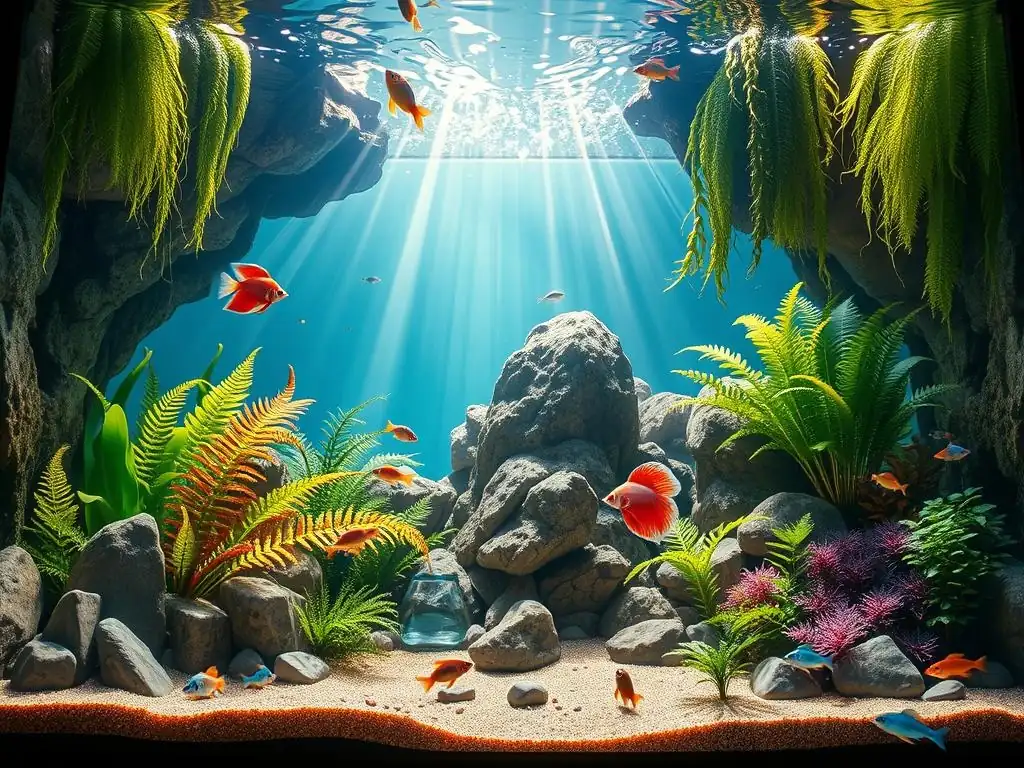
Welcome to Aquarium Mastery!
Ever wondered why some aquarium fish possess vibrant, breathtaking colors while others seem a little... dull? Dive into the fascinating world of natural fish food color and discover how you can unlock the full chromatic potential of your aquatic companions. Ready to learn which foods can truly make your aquarium inhabitants pop? Let's explore!
- Introduction: The Importance of Natural Color Enhancement in Aquarium Fish
- Understanding Fish Pigmentation: The Science Behind Vibrant Colors
- Natural Fish Food Color: The Key to a Colorful Aquarium
- Top Natural Foods for Enhancing Fish Color
- Preparing Natural Fish Food for Optimal Color Enhancement
- Feeding Strategies for Color Enhancement
- Other Factors Influencing Fish Color Besides Food
- Case Studies: Fish Color Transformation Through Natural Foods
- Conclusion: Achieving Vibrant Aquarium Fish Colors Naturally
-
Frequently Asked Questions
- How does natural fish food enhance color?
- What are some examples of natural fish foods that boost color?
- Can I rely solely on natural foods for color enhancement?
- How quickly will I see results from feeding color-enhancing foods?
- Are there any potential downsides to using natural color-enhancing foods?
- Final Reflection: A Vibrant Underwater World
- Unleash Vibrant Colors: Your Fish Deserve It!
Introduction: The Importance of Natural Color Enhancement in Aquarium Fish
The vibrant colors of aquarium fish are often the primary draw for aquarists, transforming a simple glass box into a living piece of art. Healthy, brilliantly colored fish not only enhance the aesthetic appeal of a tank but also serve as a clear indicator of their overall well-being and a thriving aquatic environment. Achieving these dazzling hues, however, goes beyond mere genetics; it requires a deep understanding of their nutritional needs and the specific components that contribute to their natural pigmentation.
While many commercial fish foods claim to enhance color, the most effective and sustainable method involves leveraging natural ingredients. Focusing on a diet rich in specific pigments, vitamins, and proteins allows fish to express their full genetic potential for coloration, leading to more stable and natural-looking vibrancy. This approach supports not only stunning visuals but also the long-term health and vitality of your aquatic inhabitants, creating a truly spectacular and healthy aquarium.
Understanding Fish Pigmentation: The Science Behind Vibrant Colors
Pigment Types in Fish: Carotenoids, Melanins, and Others
Fish coloration is a complex biological process, primarily governed by specialized cells called chromatophores, which contain various pigments. The most common pigment types include carotenoids, melanins, and pterins, each contributing distinct hues. Carotenoids, responsible for reds, oranges, and yellows, cannot be synthesized by fish and must be obtained directly from their diet. These fat-soluble pigments, like astaxanthin and beta-carotene, are absorbed in the gut and transported to the chromatophores where they are stored or chemically altered to produce specific shades.
Melanins, on the other hand, are dark pigments (black, brown) synthesized by the fish itself within melanophores, often contributing to pattern formation and camouflage. Pterins produce white, yellow, or red colors and are typically found in the scales and skin. Additionally, iridophores, which contain guanine crystals, create iridescent, blue, or green metallic sheens by reflecting light rather than absorbing it. A balanced diet that supports the precursors for these pigments and the overall health of the chromatophores is crucial for a full spectrum of natural fish food color.
Factors Affecting Fish Color: Genetics, Environment, and Diet
The ultimate color display of a fish is a synergistic outcome of several interacting factors: genetics, environmental conditions, and diet. Genetics establish the inherent potential for color; for instance, a Red Cherry Shrimp has the genetic blueprint for red pigmentation, but the intensity of that red depends heavily on external factors.
Environmental stressors, such as poor water quality, fluctuating temperatures, or aggressive tank mates, can significantly dull a fish's coloration as their energy is diverted from pigment production to stress response. A study published in the Journal of Fish Biology in 2012 highlighted how environmental stress can lead to a reduction in carotenoid deposition in certain cichlid species.
Moreover, lighting plays a role, with full-spectrum lights often enhancing the visible spectrum of fish colors. However, diet remains arguably the most critical external factor. Fish require specific dietary pigments, particularly carotenoids, to develop and maintain their vibrant hues. Without these essential compounds in their natural fish food color sources, even genetically predisposed fish will exhibit muted or faded colors. For example, a goldfish fed a diet lacking carotenoids will appear pale orange or even white, demonstrating the direct link between nutrient intake and coloration.
Natural Fish Food Color: The Key to a Colorful Aquarium
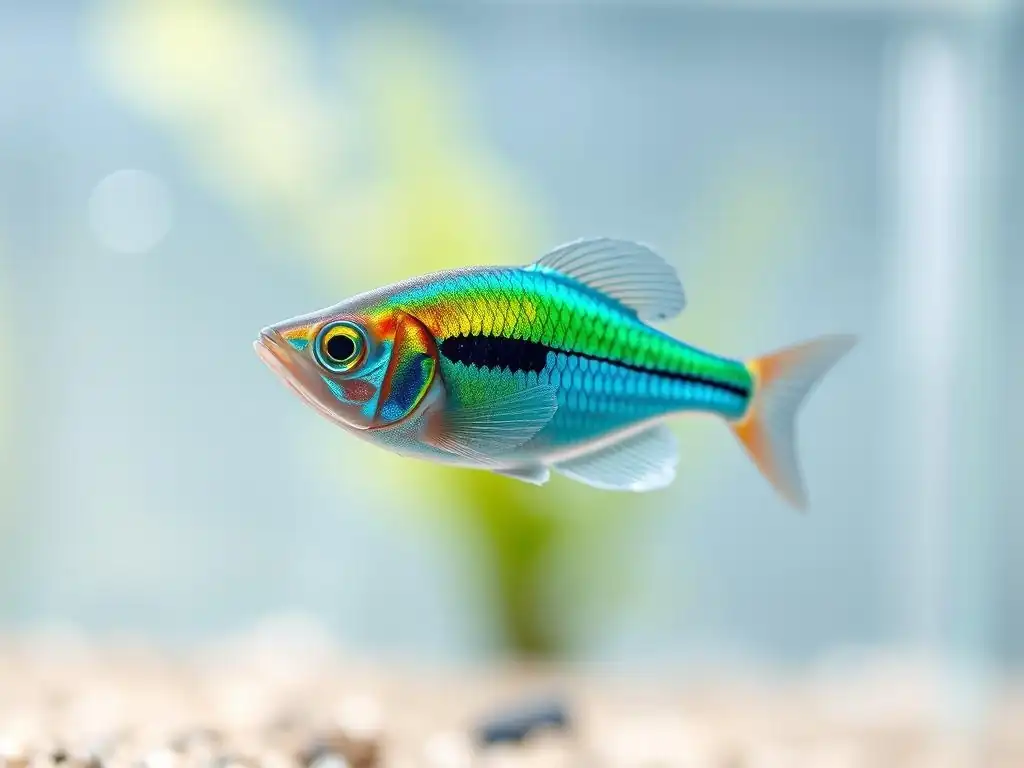
The Role of Diet in Fish Coloration
Diet is undeniably the cornerstone of vibrant fish coloration, particularly for species that display red, orange, and yellow hues. Fish, unlike plants, cannot synthesize carotenoids, the primary pigments responsible for these warm colors. Instead, they must absorb these essential compounds directly from their food sources. Once ingested, carotenoids like astaxanthin, canthaxanthin, and beta-carotene are metabolized and deposited into specialized pigment cells called chromatophores, primarily located in the fish's skin and fins.
The efficiency of this process varies among species and individual fish, but a consistent supply of high-quality, carotenoid-rich natural fish food color ingredients is paramount. For instance, studies have shown that increasing dietary astaxanthin from 50 mg/kg to 100 mg/kg can significantly intensify the red pigmentation in certain ornamental fish within a period of 4-6 weeks. This direct correlation emphasizes that a well-formulated diet is not just about survival, but about enabling fish to express their full, stunning genetic potential for natural fish food color.
Avoiding Artificial Color Enhancers: Why Natural is Better
While many commercial fish foods contain synthetic color enhancers, opting for natural fish food color sources offers significant advantages for both the fish's health and the longevity of their vibrant appearance. Artificial enhancers, often synthetic carotenoids or other chemical compounds, can sometimes provide a quick, intense burst of color. However, these effects can be fleeting and, in some cases, may even put undue stress on a fish's metabolic system as it struggles to process unfamiliar chemicals. Moreover, reliance on artificial additives can sometimes mask underlying health issues that might be contributing to dull coloration, delaying necessary interventions.
In contrast, natural color enhancers, derived from ingredients like spirulina, krill, and specific vegetables, provide pigments in a form that fish's digestive systems are naturally adapted to process. These natural sources often come bundled with a host of other beneficial nutrients, including vitamins, minerals, and essential fatty acids, which contribute to overall fish health, immunity, and vitality. A healthy fish is inherently a more colorful fish, and this holistic approach ensures a stable, deep, and truly natural fish food color that is sustained over the long term, rather than a temporary superficial boost.
Top Natural Foods for Enhancing Fish Color
Carotenoid-Rich Foods for Red, Orange, and Yellow Hues
Spirulina: A Powerhouse for Color Enhancement
Spirulina, a blue-green algae, is widely recognized as one of the most potent natural sources for enhancing red, orange, and yellow coloration in fish. It is exceptionally rich in a variety of carotenoids, including astaxanthin, beta-carotene, and zeaxanthin, which are directly responsible for these vibrant hues.
For instance, high-quality spirulina can contain over 1500 mg/kg of total carotenoids, making it an incredibly concentrated source. Beyond its pigment-boosting properties, spirulina is also a complete protein source, typically comprising 60-70% protein by dry weight, and is packed with essential amino acids, vitamins (B1, B2, B3, B6, B9, C, D, E), and minerals like iron and magnesium.
Its comprehensive nutritional profile supports not only intense natural fish food color but also overall health, immune function, and digestive efficiency. Many aquarists report noticeable improvements in their fish's red and orange pigments within 2-4 weeks of consistent feeding with spirulina-enriched foods. It can be fed in flake, pellet, or powder form, or incorporated into homemade gel foods, making it versatile for a wide range of aquarium inhabitants from mollies to discus.
Carrots and Sweet Potatoes: Beta-Carotene Boosters
Common root vegetables like carrots and sweet potatoes are excellent sources of beta-carotene, a precursor to Vitamin A and a pigment that can be converted by fish into other carotenoids for red, orange, and yellow coloration. While not as potent as astaxanthin-rich sources, they offer a gentle and natural way to contribute to a fish's color palette, particularly for herbivorous and omnivorous species. Carrots, for example, contain approximately 8,300 micrograms of beta-carotene per 100 grams.
To feed these vegetables, they should be thoroughly washed, peeled, and then blanched or steamed until soft enough to be easily consumed by fish. They can then be mashed or finely chopped and offered as a supplement or incorporated into homemade fish food recipes. This method provides a fresh, nutrient-dense addition to the diet, promoting both vibrant natural fish food color and overall digestive health due to their fiber content.
Red Bell Peppers: Natural Color Intensifiers
Red bell peppers are another accessible and effective natural food source for intensifying red and orange pigments in fish. They are rich in various carotenoids, including capsanthin, capsorubin, and zeaxanthin, which are potent antioxidants and contribute directly to vibrant coloration. A single red bell pepper can contain up to 5,000 micrograms of beta-carotene and other beneficial carotenoids.
Similar to carrots and sweet potatoes, red bell peppers should be blanched or steamed until softened, then finely chopped or pureed before offering to fish. Their slightly sweet taste is often appealing to a variety of species, from larger cichlids to community tank omnivores. Incorporating red bell peppers into a varied diet ensures a broader spectrum of natural fish food color enhancers, leading to a more comprehensive and robust display of hues.
Foods for Enhancing Blue and Green Colors in Fish
Algae Wafers: Promoting Green Pigmentation
While carotenoids primarily boost reds, oranges, and yellows, achieving vibrant blue and green colors in fish often involves different dietary components and the structural properties of their scales. However, certain algae-based foods, particularly high-quality algae wafers, can play a significant role in promoting overall health and subtly enhancing green and some blue hues through their rich chlorophyll and other plant pigments. Many premium algae wafers contain a significant percentage of spirulina and chlorella, both of which are packed with beneficial nutrients and some carotenoids that can contribute to overall vibrancy.
These wafers are especially beneficial for herbivorous bottom-dwellers like plecos, otocinclus, and certain loaches, providing them with essential roughage and a consistent source of plant-based nutrition. While they may not directly inject blue or green pigments like astaxanthin does for red, their comprehensive nutritional profile supports the overall vitality and immune system of the fish, allowing their inherent genetic blue and green coloration to express itself more strongly and clearly. A healthy fish with a robust immune system will always display more intense and natural fish food color.
Leafy Greens: Spinach and Kale for Vibrant Colors
Leafy greens such as spinach and kale are excellent natural supplements for herbivorous and omnivorous fish, contributing to overall health and indirectly enhancing natural fish food color, particularly green and yellow tones. These vegetables are rich in chlorophyll, lutein, and other phytonutrients, which are beneficial for digestion and provide a spectrum of vitamins (like Vitamin K and Vitamin C) and minerals. Lutein, a xanthophyll carotenoid found abundantly in kale and spinach, can contribute to yellow and green hues in fish. For instance, 100 grams of raw spinach contains approximately 12,192 micrograms of lutein and zeaxanthin.
To prepare, blanch a small piece of spinach or kale leaf in boiling water for about 30-60 seconds until it softens, then cool it rapidly under cold water. This breaks down the cell walls, making it easier for fish to digest.
You can then attach it to a clip or weigh it down for your fish to graze on. While the direct impact on blue and green colors may be less dramatic than carotenoids on reds, a consistent intake of these greens supports a healthy digestive system and overall vitality, which are fundamental for a fish to display its most brilliant and natural fish food color.
Protein-Rich Foods for Overall Fish Health and Color
Blackworms: A Natural Protein Source
Blackworms (Lumbriculus variegatus) are a highly nutritious live or frozen food source, particularly rich in protein and beneficial fatty acids, making them excellent for promoting overall fish health and indirectly enhancing natural fish food color. With a protein content often exceeding 50% on a dry weight basis, and a good balance of essential amino acids, blackworms provide the building blocks necessary for robust growth, muscle development, and strong immune function. A healthy, well-nourished fish is naturally more vibrant and better able to express its inherent coloration.
Beyond protein, blackworms also contain some lipids and other trace nutrients that contribute to vitality. They are readily accepted by most carnivorous and omnivorous fish, from guppies to larger cichlids, due to their appealing texture and movement. While not direct pigment enhancers like carotenoid-rich foods, the superior nutritional value of blackworms contributes significantly to the fish's internal health, which is fundamentally linked to the intensity and stability of their natural fish food color.
Daphnia: Enhancing Overall Health and Color
Daphnia, small freshwater crustaceans often referred to as "water fleas," are another excellent natural food source that contributes to overall fish health and, by extension, their natural fish food color. They are a good source of protein (around 50% dry weight) and contain a moderate amount of lipids and fiber, acting as a natural laxative which can aid in digestion and prevent swim bladder issues. While their direct carotenoid content isn't as high as spirulina, they often contain some astaxanthin, which they acquire from the algae they consume, making them a mild natural fish food color enhancer.
Daphnia are particularly beneficial for conditioning fish for breeding, promoting vigorous activity, and adding variety to the diet. Their small size makes them suitable for a wide range of fish, from fry to adult community species. Regular feeding with daphnia, whether live or frozen, ensures a balanced diet that supports the fish's metabolic processes and immune system, allowing them to display their brightest and most natural fish food color.
Preparing Natural Fish Food for Optimal Color Enhancement
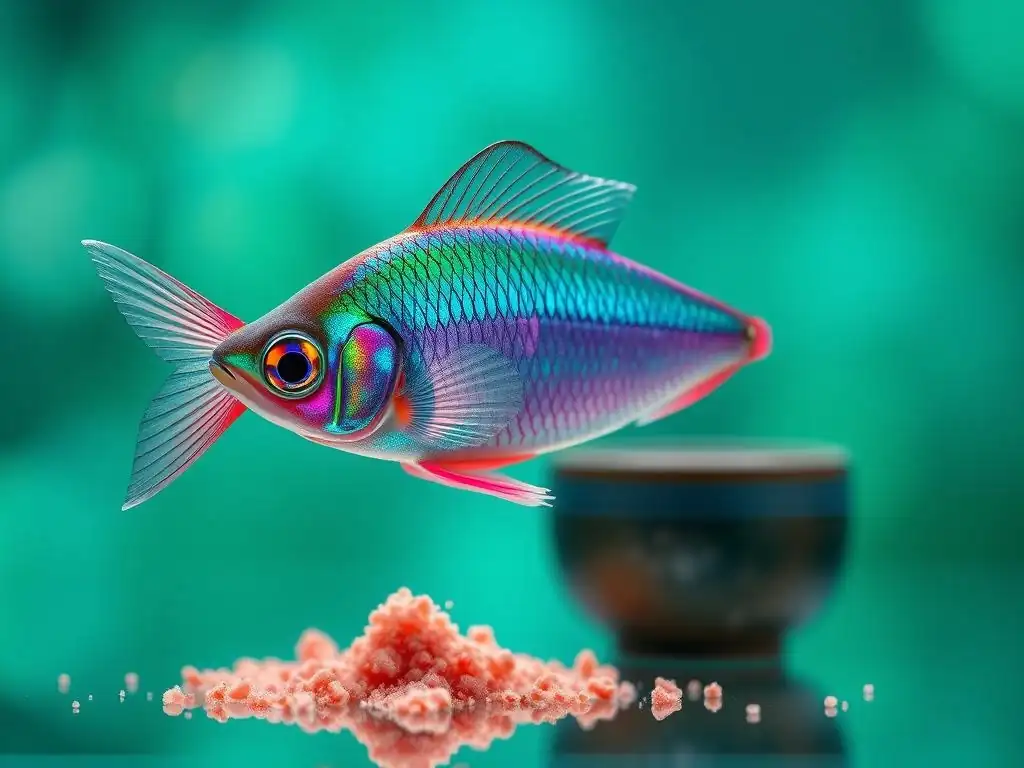
Homemade Fish Food Recipes for Vibrant Colors
Creating homemade fish food allows aquarists unparalleled control over the ingredients, ensuring a fresh, nutrient-dense diet specifically tailored for natural fish food color enhancement. This approach eliminates unwanted fillers, artificial preservatives, and synthetic additives often found in commercial foods. A well-balanced homemade recipe can combine various natural color-enhancing ingredients, ensuring a broad spectrum of pigments and essential nutrients.
The process typically involves blending raw ingredients into a paste, which can then be pressed into thin sheets, frozen, and broken into portions. This method ensures that sensitive nutrients and pigments are not lost through high-heat processing, as is common with many commercial flakes or pellets. By carefully selecting ingredients known for their natural fish food color properties, such as spirulina or krill, aquarists can significantly boost the vibrancy of their fish.
Recipe Example: Spirulina and Shrimp Mix
A highly effective homemade recipe for enhancing natural fish food color combines protein-rich shrimp with pigment-packed spirulina. This mix provides both essential amino acids for overall health and concentrated carotenoids for vibrant reds, oranges, and yellows.
Ingredients:
- 1/2 cup raw, peeled shrimp (fresh or frozen, thawed)
- 2 tablespoons spirulina powder
- 1 tablespoon blanched spinach or kale (optional, for greens)
- 1 teaspoon unflavored gelatin powder
- 1/4 cup hot water
Instructions:
- In a blender or food processor, combine the shrimp and blanched greens (if using). Pulse until a smooth paste forms.
- In a separate small bowl, dissolve the gelatin powder in the hot water, stirring until completely clear.
- Add the spirulina powder and the dissolved gelatin mixture to the shrimp paste. Blend again until all ingredients are thoroughly combined into a thick, uniform paste.
- Spread the mixture thinly (about 1/8 to 1/4 inch thick) onto a piece of parchment paper or a flat, freezer-safe tray.
- Freeze for at least 2-3 hours until solid. Once frozen, break or cut the sheet into small, fish-manageable pieces. Store the frozen pieces in an airtight container in the freezer. Feed small amounts as a supplement to your regular diet, ensuring it's consumed within a few minutes to prevent water fouling.
Supplementing with Natural Color Enhancers
Astaxanthin Supplement Considerations
Astaxanthin is arguably the most powerful natural carotenoid for enhancing red, orange, and yellow pigmentation in fish. While present in some natural foods like krill meal and spirulina, it can also be supplemented directly in a concentrated form. Many premium fish foods now include natural astaxanthin derived from Haematococcus pluvialis algae or krill. When considering a direct astaxanthin supplement, it's crucial to choose a high-quality, natural source.
Typical dosages for color enhancement range from 50 to 150 mg of astaxanthin per kilogram of dry food, although specific requirements vary by fish species and desired intensity. Over-supplementation is generally not harmful but can be wasteful, and might lead to unnaturally intense or "plastic" looking colors.
It's best to incorporate astaxanthin into homemade gel foods or sprinkle a small amount onto moist flakes or pellets just before feeding, ensuring even distribution. Consistent, moderate supplementation over several weeks typically yields noticeable improvements in natural fish food color, such as a deeper red in a Bloodfin Tetra or a more vibrant orange in a Swordtail.
Feeding Strategies for Color Enhancement
Optimizing Feeding Schedules for Maximum Color Impact
Optimizing feeding schedules is crucial for maximizing natural fish food color enhancement, as it ensures consistent nutrient uptake without compromising water quality. Instead of feeding one large meal per day, which can lead to rapid consumption and subsequent waste, consider offering smaller, more frequent meals throughout the day. For most adult fish, two to three small feedings daily are ideal, spaced out to allow for proper digestion and absorption of pigments. This approach mimics natural foraging behaviors and reduces the likelihood of uneaten food decaying and polluting the tank.
Consistent feeding at regular intervals also helps reduce stress in fish, as they learn to anticipate meal times, which indirectly contributes to brighter coloration. For instance, feeding a small pinch of spirulina-rich flakes in the morning, followed by a protein-rich frozen food like daphnia in the afternoon, ensures a steady supply of diverse nutrients. This consistent nutrient delivery is fundamental for the continuous synthesis and deposition of pigments, leading to more stable and intense natural fish food color over time.
Combining Different Natural Foods for a Balanced Diet
Achieving truly vibrant and natural fish food color requires more than just a single "magic" food; it demands a balanced and varied diet that incorporates a wide array of natural ingredients. Different natural foods offer distinct profiles of pigments, vitamins, minerals, and proteins, all of which contribute synergistically to overall fish health and coloration. For example, while spirulina excels in providing astaxanthin for reds and oranges, leafy greens like spinach offer lutein for yellow and green hues, and protein-rich foods like blackworms support general vitality and muscle development, which are prerequisites for any vibrant display.
A well-rounded feeding regimen might involve rotating between a high-quality spirulina flake, occasional servings of blanched vegetables (carrots, bell peppers), and regular offerings of live or frozen protein sources such as daphnia or bloodworms. This diversity ensures that fish receive all the necessary precursors for a full spectrum of natural fish food color, preventing nutritional deficiencies that could lead to dullness. For instance, a diet that includes both marine-based carotenoids (from krill/shrimp) and plant-based carotenoids (from spirulina/vegetables) will typically result in more comprehensive and striking coloration compared to a monotonous diet.
Avoiding Overfeeding: Maintaining Water Quality
While a nutrient-rich diet is essential for natural fish food color, overfeeding can severely counteract these benefits by rapidly degrading water quality. Uneaten food quickly decomposes, releasing ammonia, nitrite, and nitrate into the aquarium, leading to elevated toxic waste products. Even slight increases in these compounds can cause significant stress to fish, compromising their immune systems and diverting energy away from pigment production. A stressed fish will inevitably display duller, faded colors as a physiological response to an unhealthy environment.
Therefore, it is crucial to feed only what your fish can consume within 2-3 minutes. If food remains after this time, it indicates overfeeding and should be promptly removed. Regularly monitoring water parameters (ammonia, nitrite, nitrate, pH) is also vital. Maintaining pristine water conditions, with ammonia and nitrite at zero and nitrates below 20 ppm, directly contributes to the fish's health and comfort, allowing them to express their most brilliant and natural fish food color. A clean tank environment reduces stress, enhances metabolic efficiency, and ultimately maximizes the impact of a color-enhancing diet.
Other Factors Influencing Fish Color Besides Food
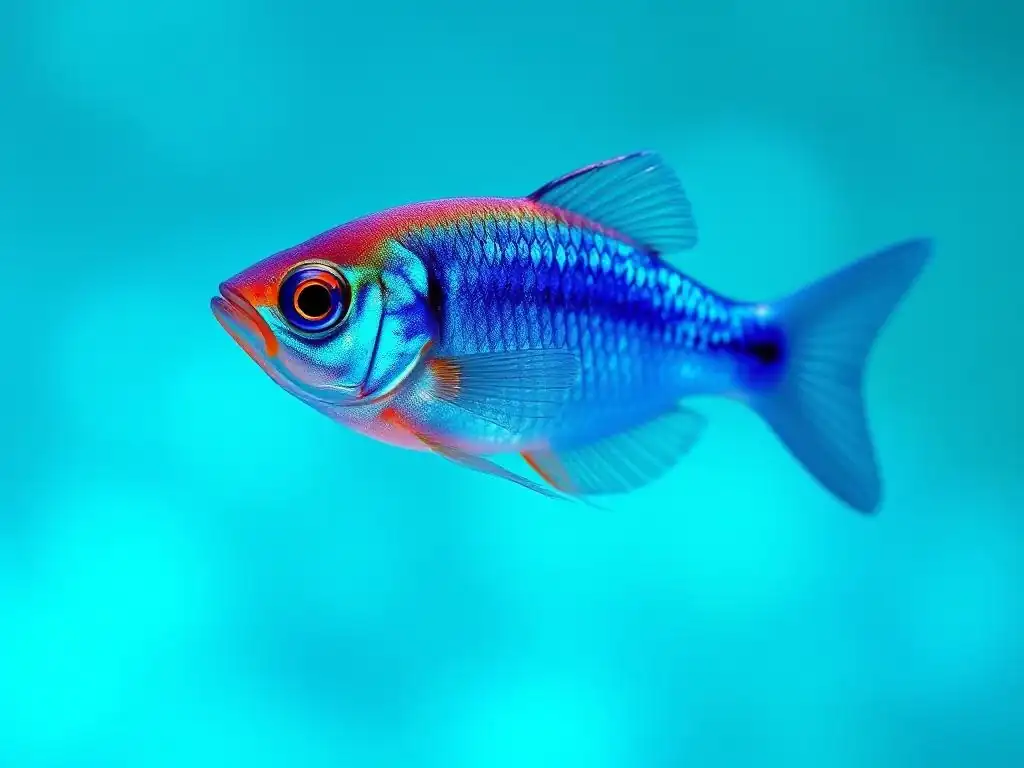
Water Quality and its Impact on Fish Color
Beyond diet, water quality stands as one of the most critical environmental factors directly influencing a fish's ability to display its natural fish food color. Pristine water conditions, characterized by stable parameters such as appropriate pH, temperature, and hardness, along with zero ammonia and nitrite and low nitrates, are fundamental for fish health. When water quality deteriorates, fish become stressed, leading to a compromised immune system and a diversion of metabolic energy away from non-essential functions like pigment production.
For example, a sudden spike in ammonia (even 0.25 ppm) can cause fish to become lethargic and their colors to fade dramatically within hours, as their bodies prioritize detoxification. Conversely, in a well-maintained tank, fish are healthier, more active, and less stressed, allowing their chromatophores to expand fully and display their most vibrant hues. Regular water changes (e.g., 25-30% weekly), efficient filtration, and appropriate stocking levels are indispensable for creating an environment where natural fish food color can truly flourish.
Lighting and its Role in Color Display
Aquarium lighting plays a significant role in how we perceive and how fish display their natural fish food color. While lighting doesn't directly create pigments, it can enhance the visual intensity of existing colors and even influence a fish's comfort and stress levels. Full-spectrum LED lights, which mimic natural sunlight, often bring out a broader range of colors in fish compared to older fluorescent bulbs. Lights with specific color temperature ratings (e.g., higher Kelvin values around 6500K-10000K) can make white and blue colors pop, while those with slightly warmer tones can enhance reds and oranges.
Moreover, certain types of lighting, particularly those rich in blue wavelengths, can stimulate the iridophores in fish, intensifying iridescent blues and greens. For instance, a Royal Blue Tang's blue will appear much more vivid under a light with a strong blue spectrum. Beyond aesthetics, proper lighting contributes to the fish's circadian rhythm and overall well-being, reducing stress and allowing them to exhibit their best natural fish food color. Inadequate or overly intense lighting, conversely, can stress fish, causing them to dull their colors as a protective measure.
Tank Environment and Stress Reduction
The overall tank environment and the level of stress experienced by fish are paramount to their ability to display vibrant natural fish food color. A well-designed aquarium that mimics a fish's natural habitat provides crucial elements for stress reduction. This includes appropriate tank size for the species, sufficient hiding spots (caves, plants, driftwood) where fish can retreat when feeling threatened, and compatible tank mates that do not cause undue aggression or competition.
Fish that are constantly stressed—whether by bullying tank mates, a lack of personal space, or an overly barren environment—will often exhibit faded, dull coloration. This is a natural physiological response; stressed fish divert energy from non-essential processes like pigment display to survival mechanisms. For instance, a male Betta fish, when housed in an undersized tank or with aggressive tank mates, will often lose its brilliant red and blue hues. Providing a secure, stimulating, and peaceful environment allows fish to feel safe and comfortable, enabling them to relax and display their full, stunning natural fish food color potential.
Case Studies: Fish Color Transformation Through Natural Foods
Neon Tetra: Before and After
The Neon Tetra ( Paracheirodon innesi) is renowned for its striking iridescent blue stripe and vibrant red band. While their colors are inherently beautiful, a diet lacking specific carotenoids can cause these hues to appear dull or faded. In a typical scenario, Neon Tetras fed only basic flakes might exhibit a muted red and a less intense blue. However, introducing a consistent diet rich in natural fish food color enhancers can lead to a remarkable transformation within 4-6 weeks.
For example, a group of Neon Tetras transitioned from a generic flake food to a diet primarily composed of high-quality spirulina-enriched flakes and occasional live daphnia (which consume carotenoid-rich algae) showed significant improvements. Within one month, their red stripe deepened to a rich, almost velvety crimson, and the iridescent blue line became noticeably more brilliant and defined, appearing almost electric under proper lighting. This enhancement is attributed to the increased intake and deposition of carotenoids like astaxanthin and lutein from the spirulina and daphnia, allowing their chromatophores to express their full genetic potential.
Red Cherry Shrimp: Color Enhancement Results
Red Cherry Shrimp ( Neocaridina davidi) are popular for their vibrant red coloration, which can range from a pale blush to an intense, opaque crimson. Their color intensity is highly dependent on both genetics and diet, making them an excellent subject for demonstrating the power of natural fish food color enhancement. When fed a diet lacking in carotenoids, Red Cherry Shrimp often appear translucent or have very patchy, dull red coloration.
A case study involving Red Cherry Shrimp fed a specialized diet of spirulina-rich pellets and blanched red bell pepper demonstrated a dramatic improvement in their red pigment. Over a period of just 2-3 weeks, shrimp that were initially pale began to develop a much deeper, more uniform, and opaque red.
The key factor was the consistent supply of astaxanthin and other carotenoids from the spirulina and bell pepper, which are directly incorporated into their exoskeletons and tissues. This not only enhanced their aesthetic appeal but also indicated overall improved health and vitality, showcasing how targeted natural fish food color can profoundly impact coloration.
Conclusion: Achieving Vibrant Aquarium Fish Colors Naturally
Key Takeaways for Enhancing Fish Color with Natural Foods
Achieving truly vibrant and natural fish food color in your aquarium inhabitants is a multifaceted endeavor, but one that is profoundly rewarding. The cornerstone of this transformation lies in a meticulously planned, natural diet. By understanding that fish cannot synthesize critical pigments like carotenoids, aquarists can strategically incorporate foods rich in these compounds, such as spirulina, krill, and specific vegetables like red bell peppers. These natural sources provide the essential building blocks for brilliant reds, oranges, and yellows, while also supplying a host of other beneficial nutrients that support overall health and vitality.
Beyond diet, maintaining pristine water quality, providing appropriate lighting, and ensuring a stress-free tank environment are equally crucial. These environmental factors directly impact a fish's ability to express its inherent genetic potential for coloration. By combining a diverse, natural fish food color diet with optimal husbandry practices, aquarists can cultivate fish that not only display breathtaking hues but also thrive in a healthy, balanced ecosystem. This holistic approach ensures long-lasting, stable, and truly spectacular natural fish food color, transforming your aquarium into a living masterpiece.
Frequently Asked Questions
How does natural fish food enhance color?
Natural fish foods contain carotenoids and other pigment-enhancing compounds. These are absorbed by the fish and deposited in their skin, scales, and fins, resulting in vibrant and intensified colors.
What are some examples of natural fish foods that boost color?
Examples include foods rich in spirulina, krill, astaxanthin, and beta-carotene. These ingredients are found in various commercially available flakes and pellets, as well as live and frozen foods.
Can I rely solely on natural foods for color enhancement?
While natural foods can significantly improve color, a balanced diet is crucial. Consider supplementing with high-quality commercial fish food that is formulated for color enhancement for optimal results.
How quickly will I see results from feeding color-enhancing foods?
The timeline varies based on the fish species, age, and overall health. Generally, you may start noticing improvements in color within 2-4 weeks of consistently feeding color-enhancing foods.
Are there any potential downsides to using natural color-enhancing foods?
Overfeeding with any food, including natural ones, can lead to water quality issues. Choose foods with appropriate nutrient profiles for your specific fish species and feed in moderation to avoid these problems.
Final Reflection: A Vibrant Underwater World
The journey to achieving naturally vibrant fish colors is more than just about aesthetics; it's a testament to our commitment to providing optimal care for our aquatic companions. Understanding the crucial role of nutrition in enhancing their natural beauty underscores the importance of responsible fishkeeping in a world increasingly aware of animal welfare.
This exploration into natural fish food color has profoundly influenced my perspective on aquarium care. It's a reminder that the most stunning displays are often the result of mimicking nature's wisdom, providing our fish with the nutrients they need to truly thrive. The beauty of the natural world lies in the details, and in the aquarium, those details are reflected in the health and vibrancy of our fish.
Now, as you consider the vibrant possibilities within your own aquarium, I invite you to reflect on the power of natural nutrition. Embrace the knowledge you've gained, experiment with these color-enhancing foods, and witness the transformation as your fish flourish, showcasing the breathtaking beauty that nature intended. Let's cultivate underwater worlds that are not only visually stunning but also a testament to our dedication to the well-being of these fascinating creatures.
Unleash Vibrant Colors: Your Fish Deserve It!
Thank you for diving into the world of natural color enhancement for your fish! We hope you've found valuable insights to bring out the best in your aquatic companions. Now, let's transform that knowledge into action and see some real changes!
Here are a few steps you can take to make your fish truly shine:
- Implement a new feeding strategy this week. Experiment with a natural diet rich in carotenoids, like spirulina or krill, and document the color changes in your fish over the next few weeks.
- Share your newfound knowledge! Post a picture of your vibrantly colored fish on social media, using #AquariumMasteryColors, and tag us to show off your success.
- Dive deeper into the topic. Research specific foods optimal for the species of fish you have, and write a review detailing your findings.
Ready to give your fish the vibrant life they deserve? What’s one new food you're excited to introduce, and how do you plan to track its impact on your fish's color?