
Gut Loading Live Foods: The Secret to Supercharged, NutrientRich Meals

Welcome to Aquarium Mastery!
Ever wondered how to give your aquatic friends the ultimate nutritional boost? Dive into the fascinating world of live food gut loading and unlock the secret to supercharging their meals with vital nutrients. This isn't just about feeding; it's about transforming ordinary snacks into power-packed feasts! Curious to learn how? Let's explore...
- Gut Loading Live Foods: Supercharging Nutrition for Your Aquarium
- Understanding the Importance of Nutrient-Rich Live Food
- What is Live Food Gut Loading?
- Best Live Foods to Gut Load
- Effective Gut Loading Strategies and Techniques
- Top Foods for Gut Loading
- Step-by-Step Guide to Gut Loading Brine Shrimp
- Measuring the Impact of Gut Loading
- Advanced Gut Loading Techniques
- Common Mistakes to Avoid
- Troubleshooting Gut Loading Problems
- Conclusion: Elevating Fish Nutrition
- Frequently Asked Questions
- Final Reflection: The Power of Proactive Feeding
- Unleash the Power of Gut Loading!
Gut Loading Live Foods: Supercharging Nutrition for Your Aquarium
Understanding the Importance of Nutrient-Rich Live Food
Why Live Food Benefits Fish Health and Growth
Live foods are an invaluable component of an aquarium fish's diet, closely mimicking their natural feeding habits in the wild. They provide a dynamic source of protein, essential fatty acids, and enzymes that are often degraded or absent in processed dry foods. The act of hunting live prey also stimulates natural behaviors, reducing stress and enhancing the overall vitality and immune response of aquarium inhabitants.
Beyond behavioral enrichment, the nutritional advantages are significant. Fish fed live foods frequently exhibit superior growth rates; for instance, studies have shown that some cichlid species can grow 15-25% faster when regularly provided with live prey compared to those fed exclusively on flakes. Furthermore, the natural pigments in certain live foods, particularly carotenoids, directly contribute to brighter, more vibrant coloration in fish.
The Limitations of Un-Gut Loaded Live Food
While live foods offer many benefits, their nutritional profile can be surprisingly limited if they are not properly prepared. Many commonly cultured live foods, such as newly hatched brine shrimp (Artemia nauplii), are excellent sources of protein but are notoriously deficient in crucial nutrients like highly unsaturated fatty acids (HUFAs), specifically DHA and EPA, which are vital for neurological development and overall health.
Feeding un-gut loaded live food can lead to a phenomenon often termed "empty calories." Fish may consume large quantities, feeling satiated, but still suffer from long-term nutrient deficiencies. This can manifest as stunted growth, dull coloration, reduced breeding success, and a compromised immune system, making the fish more susceptible to common diseases. Therefore, simply providing live food isn't enough; its nutritional content must be actively enhanced.
What is Live Food Gut Loading?
Defining Gut Loading: Enhancing Nutritional Value
Live food gut loading is the strategic process of feeding live prey items a highly concentrated, nutrient-rich diet for a specific period immediately before they are offered to your aquarium fish. The primary goal is to significantly enhance the nutritional value of the prey, transforming them into miniature, nutrient-packed delivery vehicles for your aquatic pets. This method ensures that the fish receive a comprehensive spectrum of vital nutrients that might otherwise be lacking.
The process goes beyond simply feeding the live food; it involves carefully selecting a gut loading medium packed with specific vitamins, minerals, and essential fatty acids that are beneficial for the target fish. By allowing the live food to ingest and store these nutrients in their digestive tracts and tissues, aquarists can directly transfer high concentrations of beneficial compounds, such as Omega-3 fatty acids, Vitamin C, Vitamin E, and various carotenoids, to their fish.
How Gut Loading Works to Benefit Your Fish
The mechanism of live food gut loading is straightforward yet highly effective. When the live food consumes the nutrient-dense medium, these vital compounds are absorbed and temporarily stored within their digestive system and, to a lesser extent, their body tissues. Upon consumption by your aquarium fish, these concentrated nutrients become immediately available for digestion and absorption, providing a superior nutritional boost compared to un-gut loaded prey.
This direct transfer of fortified nutrients has a profound impact on fish health. For example, the incorporation of DHA-rich gut loading mediums can significantly improve brain and eye development in fry. Similarly, boosting the vitamin C content of live foods can bolster the fish's immune system, potentially increasing their resistance to common bacterial infections and parasitic infestations by an estimated 10-20%, leading to overall healthier and more resilient fish.
Best Live Foods to Gut Load
Gut Loading Brine Shrimp: Boosting Essential Fatty Acids
Brine shrimp (Artemia salina) are one of the most widely used live foods in aquaculture due to their ease of hatching and small size, making them suitable for fry and small fish. However, newly hatched brine shrimp nauplii are naturally deficient in essential fatty acids like eicosapentaenoic acid (EPA) and docosahexaenoic acid (DHA). This deficiency can lead to poor growth and reduced survival rates in fish fry if not addressed.
Live food gut loading transforms brine shrimp from a basic protein source into a complete nutritional package. By feeding them a DHA-enriched medium for 6-12 hours, their HUFA content can increase by over 500%, significantly improving their nutritional profile. This makes gut-loaded brine shrimp an indispensable food source for marine and freshwater fry, contributing to stronger development and higher survivability.
Gut Loading Daphnia: Improving Vitamin Content
Daphnia, commonly known as water fleas, are small freshwater crustaceans that are an excellent natural food source for a wide range of aquarium fish. They are rich in protein and carotenoids, which can enhance fish coloration. However, their vitamin content can vary greatly depending on their culture conditions and the nutrients available in their environment.
Through live food gut loading, Daphnia can be fortified with essential vitamins, particularly Vitamin C and E, which are crucial antioxidants that support immune function and cellular health in fish. Their jerky swimming motion also makes them highly attractive to fish, stimulating a strong feeding response. Enhancing their vitamin profile ensures that fish receive comprehensive nutrition, contributing to their overall vitality and disease resistance.
Gut Loading Blackworms: Enhancing Protein Levels
Blackworms (Lumbriculus variegatus) are slender, reddish-brown aquatic worms that are a favorite among many aquarium fish due to their high protein content and enticing movement. They are a robust live food that can survive for extended periods in the aquarium, allowing fish to graze on them throughout the day. While already protein-rich, their nutritional value can still be significantly improved.
Live food gut loading for blackworms can involve feeding them a diet enriched with amino acids, specific minerals like calcium and phosphorus, and additional vitamins. This process ensures that beyond just protein, the worms deliver a more balanced and complete nutritional profile, supporting strong bone development and muscle growth in fish. Their substantial size makes them an ideal gut-loaded meal for medium to large fish species.
Gut Loading Fruit Flies: A Nutritional Treat
Flightless fruit flies (Drosophila melanogaster) are a convenient and easy-to-culture live food, particularly beneficial for surface-feeding fish and those that prefer aerial prey. They are relatively small, making them suitable for smaller fish, and their erratic movements on the water surface trigger a strong predatory instinct. While easy to culture, their natural nutritional value can be somewhat limited.
Live food gut loading allows for the fortification of fruit flies with specific nutrients that directly benefit fish. By feeding them a medium rich in spirulina or other carotenoid-dense foods, the fruit flies become excellent carriers of pigments that enhance fish coloration, especially in vibrant species like guppies or bettas. This turns a simple treat into a nutritionally potent meal.
Gut Loading Moina: Small Size, Big Impact
Moina, a genus of small freshwater cladocerans, are even tinier than Daphnia, making them an ideal live food for the smallest fish species and newly hatched fry that are too small to consume brine shrimp nauplii. Despite their diminutive size, they can deliver a significant nutritional punch when properly gut-loaded.
Due to their rapid reproductive cycle and ease of culture, Moina are excellent candidates for consistent live food gut loading. Enriching them with essential fatty acids and vitamins can drastically improve the survival rates of delicate fry. For example, feeding gut-loaded Moina has been observed to increase the survival of some sensitive fry species by up to 20-30%, providing them with the critical nutrients needed for early development.
Effective Gut Loading Strategies and Techniques
Choosing the Right Gut Loading Medium
The success of live food gut loading hinges on selecting the appropriate medium. The chosen medium must be highly nutritious and contain the specific compounds you aim to transfer to your fish, such as high concentrations of DHA, EPA, essential vitamins (A, C, E), or carotenoids for color enhancement. Options range from pure spirulina powder to specialized commercial gut loading formulations.
Furthermore, the medium should be in a form that the live food can easily ingest – typically a very fine powder, a liquid suspension, or a paste. It's crucial that the medium doesn't rapidly degrade water quality in the gut loading container, as this can stress or kill the live food before it can be fed. Opt for high-quality, fresh ingredients to maximize nutrient absorption and minimize contamination, ensuring optimal live food gut loading.
Preparing Your Gut Loading Mixture
Once the gut loading medium is selected, proper preparation is essential for effective nutrient transfer. If using a powdered medium like spirulina, it should be finely ground to ensure it's easily consumed by microscopic live foods like brine shrimp or Daphnia. A common starting ratio is about 0.5 to 1 gram of spirulina powder per liter of water for small crustaceans.
For liquid supplements or commercial products, follow the manufacturer's instructions carefully regarding dilution ratios. The mixture should be thoroughly dispersed in the live food's water, creating a light, even cloudiness without making the water opaque. Over-concentration can lead to rapid water fouling and may be unpalatable to the live food, hindering the live food gut loading process.
Gut Loading Duration for Optimal Results
The duration required for effective live food gut loading varies depending on the type of live food and the specific nutrients being targeted. For most micro-crustaceans like brine shrimp or Daphnia, a period of 4 to 12 hours is generally sufficient for their guts to become fully packed with the nutrient-rich medium. For larger live foods such as blackworms or crickets, a longer period of 24 to 48 hours might be necessary to ensure maximum nutrient assimilation into their tissues.
It is important to avoid excessively long gut loading periods. While you want to maximize nutrient uptake, prolonged exposure to a concentrated medium can lead to nutrient degradation within the live food's digestive system or even compromise their health due to poor water quality. A typical and effective duration for live food gut loading is usually between 6 and 12 hours for small aquatic invertebrates.
Maintaining Water Quality
Maintaining pristine water quality within the gut loading container is paramount for the health and efficacy of the live food. The gut loading medium itself, along with the live food's waste products, can rapidly degrade water conditions, leading to ammonia spikes and oxygen depletion. Poor water quality will stress the live food, reduce their feeding activity, and ultimately diminish their nutritional value, or even kill them.
Ensure the gut loading container has adequate aeration to maintain high oxygen levels, especially when using dense mediums that can consume oxygen. Small, frequent water changes (e.g., 25% every 6-8 hours) might be necessary if the process extends over 12 hours or if the water becomes visibly cloudy or develops an odor. Consistent water quality is a cornerstone of successful live food gut loading.
Top Foods for Gut Loading
Spirulina: Vitamins and Minerals
Spirulina (Arthrospira platensis) is a blue-green algae renowned for its exceptional nutritional profile, making it a top choice for live food gut loading. It boasts an impressive protein content, often exceeding 60%, and is a rich source of B vitamins, beta-carotene (a precursor to Vitamin A), Vitamin E, and various essential minerals like iron, calcium, and magnesium. Its high carotenoid levels are particularly effective for enhancing vibrant coloration in fish.
When used as a gut loading medium, spirulina is easily digestible by most live foods, allowing for efficient transfer of its extensive nutrient complex. Its fine powder form disperses well in water, making it readily consumed by even microscopic live foods. Incorporating spirulina into your live food gut loading regimen provides a comprehensive boost to your fish's health, supporting immune function and overall vitality.
Yeast: Protein and B Vitamins
Brewer's yeast or nutritional yeast can serve as an effective gut loading agent, primarily valued for its high protein content and complete spectrum of B vitamins. B vitamins are crucial for fish metabolism, energy production, and nerve function. Yeast also contains various amino acids, contributing to the overall protein enrichment of the live food.
While beneficial, yeast should be used judiciously in live food gut loading due to its tendency to rapidly consume oxygen and cloud water, potentially leading to bacterial blooms if not managed properly. It is often combined with other gut loading agents to provide a more balanced nutrient profile without excessively compromising water quality. When used correctly, it can significantly enhance the nutritional value of live foods.
High-Quality Fish Food Flakes: A Balanced Diet
Finely crushed, high-quality fish food flakes or pellets can serve as a convenient and effective base for a gut loading medium. These commercial fish foods are typically formulated to provide a balanced diet for fish, containing a broad spectrum of proteins, fats, carbohydrates, and essential vitamins and minerals. By using them for live food gut loading, you are essentially transferring a pre-balanced diet to your live prey.
Ensure that the flakes are ground into a very fine powder to be easily ingested by smaller live foods like brine shrimp or Daphnia. This method is particularly useful for general live food gut loading, providing a foundational nutritional boost. Always choose flakes with a reputable nutrient analysis, as their quality directly impacts the benefits transferred to your aquarium inhabitants.
Vegetables: Nutrient Diversity
Certain blanched and finely pureed vegetables can be incorporated into gut loading diets, especially for larger live foods such as crickets, mealworms, or even blackworms. Vegetables offer a diverse range of vitamins, minerals, and dietary fiber that might be less abundant in other gut loading mediums. For example, carrots are rich in beta-carotene, while spinach provides iron and various vitamins.
When using vegetables for live food gut loading, it is crucial to ensure they are thoroughly cleaned and processed to a very fine consistency to prevent water fouling. Vegetable matter can quickly degrade in water, leading to undesirable bacterial growth and ammonia spikes. Therefore, small amounts and careful monitoring are necessary to harness their nutritional benefits without compromising water quality.
Commercial Gut Loading Products
For aquarists seeking specialized or highly concentrated nutrient delivery, a variety of commercial gut loading products are available on the market. These products are often meticulously formulated to provide specific nutrient profiles, such as high concentrations of HUFAs (e.g., Selco), specific vitamin blends, or immune-boosting supplements. They are designed for maximum absorption by live foods and often minimize water pollution.
Commercial live food gut loading products simplify the process by providing pre-measured or easy-to-mix solutions, ensuring consistent and effective nutrient enrichment. While they may be more expensive than DIY options, their targeted nutrient delivery can be invaluable for conditioning breeding fish, raising sensitive fry, or addressing specific nutritional deficiencies in your aquarium inhabitants.
Step-by-Step Guide to Gut Loading Brine Shrimp
Step 1: Hatching and Culturing
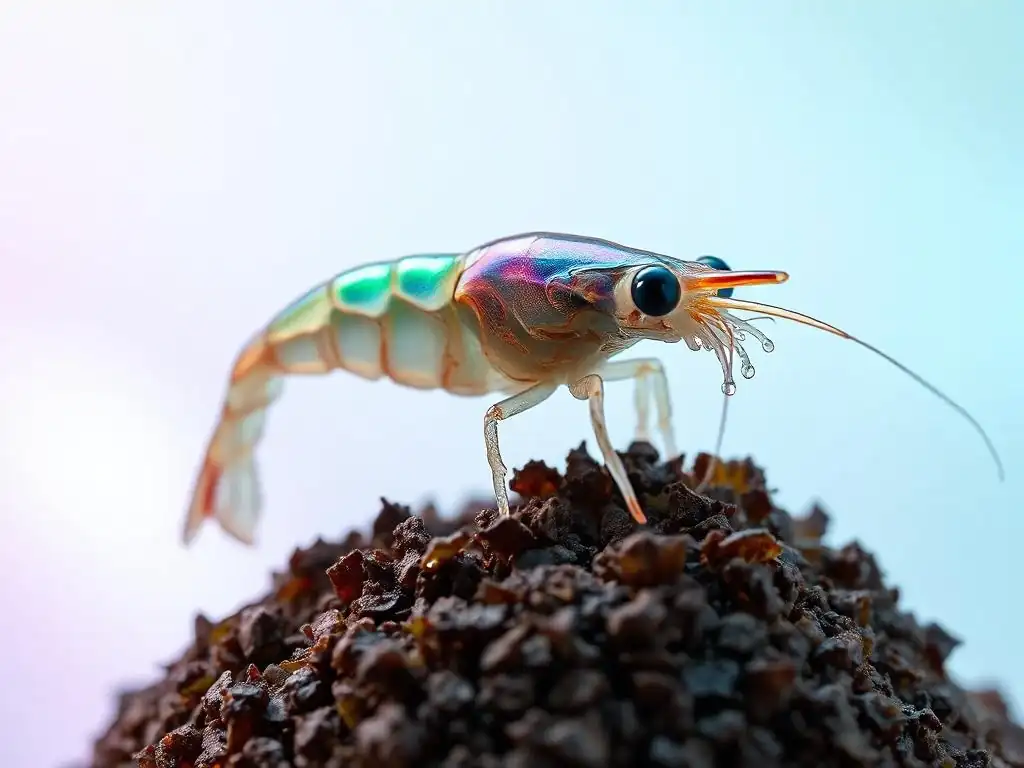
Begin the live food gut loading process with healthy, newly hatched brine shrimp nauplii. Use high-quality brine shrimp cysts and hatch them in a dedicated hatchery or a conical container with strong aeration. Maintain a salinity of approximately 1.020-1.025 specific gravity and a temperature of 78-82°F (25-28°C) for optimal hatching, which typically occurs within 24-36 hours.
Once hatched, it's crucial to separate the live nauplii from the unhatched cysts and empty shells. This can be done by turning off the aeration, allowing the nauplii to concentrate towards a light source at the bottom, while the shells float to the surface. Siphon out the clean nauplii into a separate container for the live food gut loading phase, ensuring only viable organisms are used.
Step 2: Preparing the Gut Loading Container
Select a clean, shallow container with a relatively broad surface area for the gut loading process. This design promotes better gas exchange and prevents the brine shrimp from congregating too densely. Fill the container with clean saltwater matching the salinity and temperature of the water the brine shrimp were hatched in. Consistency in water parameters minimizes stress on the nauplii.
Ensure the container is well-lit, as brine shrimp are phototactic and will remain dispersed and active in a lighted environment, facilitating better feeding. Gentle aeration should be provided using an air stone to keep the brine shrimp suspended and the water oxygenated throughout the live food gut loading period, which is crucial for their survival and feeding efficiency.
Step 3: Introducing the Gut Loading Medium
Carefully add your chosen gut loading medium to the prepared container. If using a powdered medium like spirulina, sprinkle a small amount (e.g., 0.5 to 1 gram per liter of water) over the surface. For liquid supplements, follow the manufacturer's recommended dosage. The water should become slightly cloudy, indicating the presence of sufficient food particles for the brine shrimp.
Gently stir the water to ensure the medium is evenly dispersed. Avoid over-saturating the water with the medium, as this can quickly lead to oxygen depletion and bacterial blooms, compromising the live food gut loading environment. The goal is to provide a rich, yet manageable, food source for the brine shrimp to continuously graze on for the next several hours.
Step 4: Monitoring Water Quality
During the 6-12 hour live food gut loading period, continuous monitoring of water quality is essential. Keep an eye on the water's clarity; if it becomes excessively cloudy or develops an unpleasant odor, it indicates that too much medium was added or that bacterial growth is occurring. High levels of ammonia and nitrite can rapidly accumulate, stressing and killing the brine shrimp.
Maintain gentle aeration throughout the process to ensure adequate oxygen levels. If water quality deteriorates, perform a small water change (e.g., 25-50%) with fresh, clean saltwater and reduce the amount of gut loading medium for subsequent batches. Consistent, high water quality ensures the brine shrimp remain healthy and actively consume the nutrient-rich medium.
Step 5: Feeding Gut-Loaded Brine Shrimp
After the recommended gut loading duration (typically 6-12 hours), the brine shrimp will appear noticeably darker in color, indicating that their guts are full of the nutrient-rich medium. At this point, turn off the aeration and allow the brine shrimp to concentrate towards a light source at the bottom of the container.
Carefully siphon out the concentrated, gut-loaded brine shrimp. Rinse them gently with clean, fresh or saltwater (depending on your aquarium's needs) to remove any residual gut loading medium or waste products. Feed the gut-loaded brine shrimp immediately to your aquarium fish to maximize the transfer of vital nutrients before the brine shrimp digest them or excrete them.
Measuring the Impact of Gut Loading
Improved Fish Coloration and Vitality
One of the most immediate and visually striking impacts of consistent live food gut loading is the dramatic improvement in fish coloration. Species that naturally display vibrant hues, such as cardinal tetras, discus, or many marine fish, will exhibit richer, deeper, and more intense colors within a few weeks of receiving a carotenoid-rich, gut-loaded diet. This is a direct result of the fish absorbing and utilizing the concentrated pigments from their fortified prey.
Beyond aesthetics, increased vitality is a clear indicator of superior nutrition. Fish fed gut-loaded live foods often appear more active, alert, and display more natural behaviors, such as increased swimming, foraging, and social interaction. They exhibit a general robustness and resilience, a testament to their enhanced nutritional state from comprehensive live food gut loading.
Increased Breeding Success
Live food gut loading plays a crucial role in conditioning breeding fish and significantly increasing their reproductive success. A nutrient-dense diet provides the necessary energy reserves and essential building blocks for optimal gonad development, egg production, and sperm viability. Many experienced breeders report a noticeable increase in spawning frequency, clutch size, and overall fertility in fish consistently fed gut-loaded live foods.
For instance, some prolific cichlid species may show a 20-30% increase in spawning output when conditioned with live food gut loading, and the resulting eggs are often larger and more viable. This enhanced nutritional state not only prepares the parent fish for the rigors of breeding but also ensures the initial quality of the eggs and fry is maximized.
Enhanced Immune System
A strong immune system is paramount for protecting aquarium fish from diseases and environmental stressors. Live food gut loading, particularly when fortified with vitamins like C and E, and essential fatty acids, provides a significant boost to a fish's immune response. These nutrients act as powerful antioxidants and immune modulators, strengthening the fish's natural defenses.
Fish that regularly receive these fortified meals are demonstrably more resistant to common aquarium ailments such as fin rot, ich (Ichthyophthirius multifiliis), and various bacterial infections. This proactive approach to nutrition, facilitated by effective live food gut loading, can lead to a noticeable reduction in disease outbreaks, potentially lowering incidence rates by 15-25% in well-maintained aquariums, thus promoting a healthier tank environment.
Increased Fry Survival Rates
Newly hatched fish fry are incredibly delicate and have exceptionally high nutritional requirements for rapid growth and development. Their small mouths and rapid metabolism demand highly digestible, nutrient-dense food sources. Gut-loaded micro-live foods, such as newly hatched brine shrimp or Moina, are perfectly suited for this critical life stage.
The enhanced nutritional profile of gut-loaded prey directly translates to healthier, faster-growing fry with more robust immune systems. This leads to a substantial increase in survival rates, especially for sensitive or difficult-to-raise species. In many cases, consistent feeding of gut-loaded live foods can double or even triple the survival of fry, significantly improving the success of breeding projects.
Advanced Gut Loading Techniques
Fortifying with Supplements
For aquarists seeking to fine-tune the nutritional intake of their fish, advanced live food gut loading involves fortifying the medium with specialized supplements. Beyond general vitamins, specific compounds like pure DHA/EPA concentrates can be added to target fatty acid deficiencies, or astaxanthin for intensified red and orange coloration. Immune-boosting probiotics or specific amino acid blends can also be incorporated.
These targeted supplements allow for precise nutritional control, addressing specific needs of particular fish species or life stages. For instance, conditioning marine fish for spawning might involve higher levels of specific lipids. This meticulous approach pushes the boundaries of live food gut loading, optimizing fish health and performance for specific goals.
Combining with Enrichment
While gut loading primarily involves feeding the live prey, enrichment is a related technique that can be combined for even greater nutritional benefit. Enrichment often refers to soaking the live food in a highly concentrated nutrient solution after the gut loading period, but just before feeding. This method is particularly effective for very small live foods or when rapid, high-dose nutrient delivery is desired.
For example, after gut loading brine shrimp with spirulina for 8 hours, they can be briefly rinsed and then immersed in a concentrated liquid vitamin C solution for 30 minutes. This ensures a final burst of a critical nutrient before they are consumed. This combined approach maximizes nutrient transfer and provides an immediate, potent nutritional boost.
Tailoring to Specific Fish Species
Advanced live food gut loading involves tailoring the gut loading strategy to the specific dietary requirements of your fish species. Carnivorous fish, such as many predatory cichlids or lionfish, will benefit most from gut loading mediums rich in high-quality proteins and essential fatty acids. In contrast, herbivorous or omnivorous species, like certain tangs or livebearers, might thrive on live foods gut-loaded with more algae-based nutrients, spirulina, or vegetable matter.
Researching your specific fish's natural diet and nutritional needs is key to optimizing the live food gut loading process. Understanding whether they require higher levels of carotenoids for color, specific vitamins for immune function, or particular fatty acids for breeding success allows for a highly customized and effective feeding regimen, ensuring peak health and vitality.
Common Mistakes to Avoid
Overfeeding During Gut Loading
One of the most common pitfalls in live food gut loading is overfeeding the live prey with too much gut loading medium. While the intention is to maximize nutrient uptake, excessive amounts of medium can rapidly foul the water in the gut loading container. This leads to severe oxygen depletion, rapid bacterial growth, and a dangerous accumulation of ammonia and nitrites.
Such conditions quickly stress and kill the live food organisms, rendering the entire live food gut loading effort futile. It is far better to use smaller, more concentrated amounts of the gut loading medium or to replenish it periodically, rather than saturating the water. A slightly cloudy appearance is generally sufficient, avoiding thick, opaque water.
Using Contaminated Medium
The quality and freshness of your gut loading medium are paramount. Using old, stale, or improperly stored products can introduce harmful bacteria, fungi, or toxins into the live food culture. For instance, rancid fatty acid supplements or moldy spirulina powder can not only compromise the nutritional value but also pose a direct health risk to your fish.
Always ensure that your gut loading medium is fresh, well-sealed, and stored according to its instructions. Regularly check expiration dates, especially for liquid supplements. Contaminated medium used for live food gut loading can negate all beneficial effects and potentially introduce pathogens into your aquarium, leading to illness in your fish.
Neglecting Water Quality
Poor water quality in the gut loading container is a critical mistake that can undermine the entire process. Just like your main aquarium, the live food's environment must be clean and stable. High levels of ammonia from waste products, low oxygen due to overcrowding or lack of aeration, and incorrect temperature or pH can severely stress or kill the live food.
Consistent aeration is essential to maintain dissolved oxygen levels. Regular monitoring of water parameters and, if necessary, small, frequent water changes with clean, dechlorinated water are vital. A healthy live food organism is one that is actively feeding and thriving, ensuring maximum nutrient transfer during live food gut loading.
Overcrowding Live Food
Placing too many live food organisms in a small gut loading container is a common error that severely compromises the success of the process. Overcrowding leads to rapid depletion of dissolved oxygen, accelerated accumulation of waste products, and increased stress levels among the live food. This creates an unhealthy environment where the live food cannot properly consume the gut loading medium.
For example, attempting to gut load an excessive number of brine shrimp nauplii in a small volume of water will lead to high mortality rates and poor nutrient uptake. Always provide ample space for the live food to swim and disperse, ensuring optimal conditions for them to actively feed and thrive throughout the live food gut loading period.
Troubleshooting Gut Loading Problems
Live Food Not Consuming the Medium
If your live food organisms appear reluctant to consume the gut loading medium, several factors could be at play. The medium might be too large for them to ingest, especially for microscopic live foods like newly hatched brine shrimp; ensure it's finely powdered or a liquid suspension. Alternatively, the concentration of the medium might be too high, making it unpalatable or overwhelming for the live food.
Another possibility is that the live food themselves are stressed or unhealthy before the live food gut loading process begins. Ensure they are vibrant and active upon introduction to the gut loading container. Try reducing the concentration of the medium or using a different type of medium. Sometimes, slightly increasing aeration can also stimulate their feeding response.
Live Food Dying
High mortality rates among live food during the gut loading process typically indicate severe environmental issues within the container. The most common culprits are poor water quality (e.g., high ammonia, nitrite, or nitrate levels), insufficient oxygen due to lack of aeration or overcrowding, or incorrect temperature and pH. Sudden temperature swings or extreme pH can also be lethal.
Immediately check all water parameters and ensure adequate aeration. Reduce the density of the live food if overcrowding is suspected. Review your gut loading medium's concentration, as excessive amounts can rapidly foul the water. If the problem persists, consider sourcing healthier initial live food cultures, as weak or diseased stock will not survive the live food gut loading process.
No Noticeable Improvement in Fish Health
If you are consistently performing live food gut loading but observe no significant improvement in your fish's coloration, vitality, or breeding success, it's time to re-evaluate your strategy. The gut loading medium you are using might not be providing the specific nutrients your fish require. For example, if you aim for better color but your medium lacks sufficient carotenoids, results will be limited.
Ensure the duration of your live food gut loading is sufficient for the specific live food and nutrient being targeted. Also, verify that your fish are actually consuming the gut-loaded live food in adequate quantities. Finally, consider if there are underlying health issues or environmental stressors in your main aquarium that are unrelated to nutrition, which might be masking the benefits of your live food gut loading efforts.
Conclusion: Elevating Fish Nutrition
The Long-Term Benefits
Live food gut loading stands as a powerful and indispensable technique for aquarists dedicated to providing the absolute best nutrition for their aquarium inhabitants. By actively enriching live prey with concentrated vitamins, essential fatty acids, and minerals, you are not just feeding your fish; you are supercharging their diet with highly bioavailable nutrients. The long-term benefits are profound and far-reaching, transforming the health and vibrancy of your aquatic ecosystem.
Consistent live food gut loading leads to fish that exhibit brighter colors, more robust growth, increased vitality, and significantly enhanced immune systems. This proactive approach to nutrition translates directly into reduced instances of disease, higher rates of breeding success, and ultimately, a more dynamic and enjoyable aquarium experience. It is an investment of time and effort that pays dividends in the health and longevity of your aquatic pets for years to come.
Integrating Gut Loading into Your Routine
While the concept of live food gut loading might seem complex initially, integrating it into your regular aquarium maintenance routine is straightforward and highly rewarding. Start by focusing on one or two types of live food that are easy for you to culture or obtain, such as brine shrimp or Daphnia. Begin with a simple, yet effective, gut loading medium like spirulina or a high-quality commercial product.
Consistency is key to reaping the full advantages of this advanced feeding strategy. Aim to provide gut-loaded live foods several times a week, or daily if you are conditioning breeding pairs or raising fry. As you become more comfortable, you can explore advanced techniques and tailor your live food gut loading to the specific needs of your diverse fish species, unlocking their full potential and truly elevating their nutrition.
Frequently Asked Questions
What is gut loading live food for aquarium fish?
Gut loading is the process of feeding live food, such as brine shrimp or crickets, a nutrient-rich diet before feeding them to your fish. This ensures that your fish receive enhanced nutritional value from the prey.
Why is gut loading beneficial for my aquarium fish?
It significantly boosts the nutritional content of live food, providing your fish with essential vitamins and minerals. This leads to improved health, coloration, and breeding success.
What types of food can I use for gut loading?
You can use a variety of foods, including commercial gut loading diets, spirulina powder, vegetable flakes, or even finely ground fish food. The key is to provide a balanced and nutritious diet for the live food.
How long should I gut load live food before feeding it to my fish?
Generally, a gut loading period of 12-24 hours is recommended. This allows the live food enough time to absorb the nutrients from the provided food.
Are there any risks associated with gut loading live food?
Overfeeding the live food during gut loading can pollute the water they are kept in. Ensure proper ventilation and water changes to maintain a healthy environment for the live food and prevent them from dying before feeding.
Final Reflection: The Power of Proactive Feeding
The journey of understanding live food gut loading reveals a profound truth: the nutritional value of what we consume is inextricably linked to what our food consumes. What began as a practical guide to enriching live food for our pets has blossomed into a broader appreciation for the interconnectedness of ecosystems, even within the confines of our own homes. This isn't just about healthier pets; it's about a more holistic approach to nutrition.
This practice has subtly, yet significantly, shifted the landscape of responsible pet ownership. It's no longer enough to simply provide food; we must actively enhance its nutritional profile, ensuring our animals receive the best possible sustenance. You are what you eat eats,
as the saying goes, and this rings especially true when considering the impact of gut loading on the health and vitality of our beloved companions.
Now, consider the implications of this knowledge in your own life. How can you apply the principle of proactive feeding to other areas? Are there opportunities to enrich your own diet, or the diets of those you care for, by focusing on the source and quality of the nutrients consumed? Embrace the power of gut loading, not just for your pets, but as a metaphor for a more conscious and enriching approach to life itself.
Unleash the Power of Gut Loading!
Thank you for diving into the world of gut loading! We hope you've discovered how to transform ordinary live foods into nutritional powerhouses for your aquatic friends. Now, it's time to put that knowledge into action!
Ready to elevate your fish-keeping game? Here’s how:
- Commit to gut loading your live food at least once a week. This simple change can significantly improve your fish’s health and vibrancy.
- Experiment with different gut-loading recipes. Try incorporating spirulina powder or chopped vegetables to find what works best for your fish.
- Share your gut-loading success stories and recipes on aquarium forums. Help other fish keepers discover the benefits!
What unique ingredient will you try gut loading with first?