
Sustainable Sustenance: EcoConscious Choices in Premium Fish & Coral Foods Reviewed

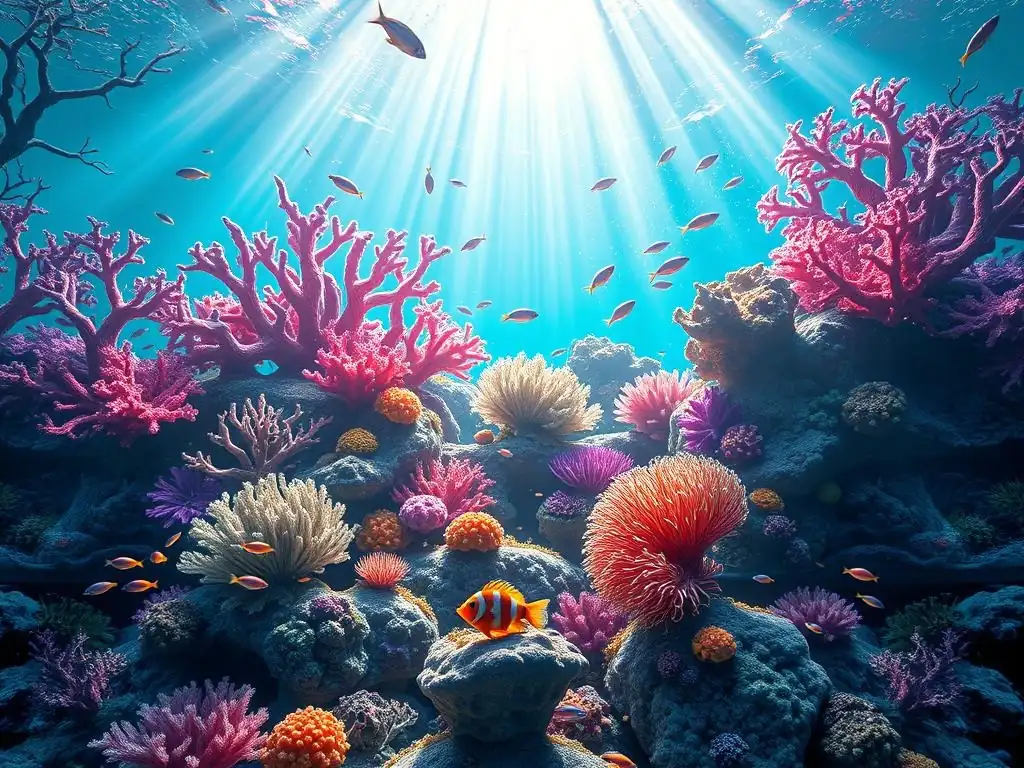
Welcome to Aquarium Mastery, where we help you unlock the secrets to thriving aquatic ecosystems! Ever wondered if you could feed your finned friends and help the planet at the same time? This guide dives deep into the world of ecofriendly fish coral food, revealing sustainable choices that nourish your aquarium inhabitants while minimizing environmental impact. Ready to discover the best options for a healthier tank and a greener future? Keep reading to explore our comprehensive review!
- Why Choose Ecofriendly Fish & Coral Food? The AquariumMastery.com Guide
-
Top Ecofriendly Fish & Coral Food Options for Your Aquarium
- Best Overall: New Life Spectrum AlgaeMAX - Sustainable Nutrition for All
- Best for Corals: Polyp-Lab Reef-Roids Coral Food - Supporting a Thriving Ecosystem
- Best Budget-Friendly: Sera Flora - Affordable and Ecologically Sound
- Best for Herbivores: Ocean Nutrition Formula Two Flake Food - A Green Diet for Your Grazers
- Best for Carnivores: Bug Bites Tropical Formula - A Sustainable Protein Source
- Comparing Ecofriendly Fish & Coral Food: A Head-to-Head Analysis
- Making the Switch to Sustainable Fish & Coral Food: A Step-by-Step Guide
- The Future of Aquarium Feeding: Embracing Ecofriendly Choices
-
Frequently Asked Questions
- How does "Ecofriendly fish coral food" contribute to a sustainable aquarium?
- What are the key ingredients to look for in "Ecofriendly fish coral food"?
- Can using "Ecofriendly fish coral food" improve the health of my aquarium inhabitants?
- Is "Ecofriendly fish coral food" more expensive than conventional options?
- Where can I find reliable reviews and recommendations for "Ecofriendly fish coral food"?
- Final Reflection: Nourishing Our Oceans, One Choice at a Time
- Dive Deeper: Transform Your Aquarium into an Eco-Paradise!
Why Choose Ecofriendly Fish & Coral Food? The AquariumMastery.com Guide
The Growing Need for Sustainable Aquarium Practices
The global shift towards sustainability has deeply permeated various industries, and the aquarium hobby is no exception. Aquarists are increasingly aware of their environmental footprint, recognizing that their passion for aquatic life extends beyond the glass confines of their tanks. Choosing ecofriendly fish coral food is a pivotal step in aligning personal hobbies with broader ecological responsibility, ensuring the longevity and health of both captive and wild ecosystems.
This heightened awareness is crucial given the scale of the ornamental fish trade. With estimates placing the global market value at over $300 million annually, the sheer volume of fish food consumed by millions of aquariums worldwide represents a significant impact. By collectively opting for ecofriendly fish coral food, the hobbyist community can drive demand for more responsible production practices, contributing to a more sustainable future for aquatic environments.
Understanding the Environmental Impact of Traditional Fish Food
Traditional fish food often relies heavily on ingredients like fish meal and fish oil derived from wild-caught species, such as anchovies and sardines. This practice can contribute to overfishing, depleting crucial forage fish populations that form the base of marine food webs. Furthermore, non-target species, known as bycatch, are frequently caught and discarded during these fishing operations, causing unnecessary strain on delicate marine ecosystems and increasing the carbon footprint associated with harvesting and processing.
Beyond the sourcing of ingredients, other environmental concerns stem from the production and use of non-ecofriendly fish coral food. Excessive feeding or the use of low-quality foods can lead to nutrient runoff, contributing to elevated nitrate and phosphate levels in aquarium water. If discharged into natural waterways, these nutrients can fuel harmful algal blooms, impacting aquatic biodiversity. Additionally, the energy consumption in manufacturing and the plastic waste from non-recyclable packaging further amplify the ecological footprint of conventional aquarium diets.
Top Ecofriendly Fish & Coral Food Options for Your Aquarium
Best Overall: New Life Spectrum AlgaeMAX - Sustainable Nutrition for All
New Life Spectrum AlgaeMAX stands out as a premier ecofriendly fish coral food, widely recognized for its robust plant-based formulation and unwavering commitment to sustainability. Designed to cater to a broad spectrum of freshwater and saltwater fish, it provides comprehensive nutrition while significantly minimizing reliance on marine animal proteins. This makes it an ideal choice for aquarists seeking a universal, environmentally conscious diet for their diverse aquatic inhabitants.
The innovative formulation of AlgaeMAX directly addresses the environmental concerns associated with traditional fish foods by prioritizing sustainably sourced algae and plant matter. This approach reduces the demand for wild-caught fish meal, thereby alleviating pressure on ocean ecosystems. The company's dedication to minimizing its environmental impact through responsible sourcing and manufacturing solidifies AlgaeMAX's position as a truly ecofriendly fish coral food, benefiting both aquarium inhabitants and the planet.
Key Features of New Life Spectrum AlgaeMAX
- High concentration of nutrient-rich spirulina and other beneficial algae.
- Formulated without artificial colors, hormones, or unnecessary preservatives.
- Features New Life Spectrum's patented "Nutrition Formula" for enhanced digestibility and nutrient absorption.
- Slow-sinking pellets or wafers ensure minimal waste and allow all fish to feed adequately.
Price and Availability
New Life Spectrum AlgaeMAX is widely accessible to aquarists, typically ranging from $10 to $30 for common sizes, such as 150g to 300g containers. It is readily available through major online aquarium retailers and can be found in most specialty fish stores, making it a convenient and effective choice for those seeking ecofriendly fish coral food.
Benefits for Fish Health and Coloration
The rich algae content in AlgaeMAX is packed with natural pigments, such as phycocyanin and carotenoids, which are vital for enhancing and maintaining the vibrant coloration of fish. These natural compounds also act as powerful antioxidants, bolstering the immune system and increasing disease resistance. Fish fed AlgaeMAX often exhibit improved digestion, leading to firmer waste and fewer issues like bloat or swim bladder disorders.
Beyond color enhancement, the balanced nutritional profile contributes significantly to the overall vitality and longevity of aquarium inhabitants. Regular feeding with this ecofriendly fish coral food promotes robust growth, increased energy levels, and a stronger resilience against environmental stressors. This holistic approach to nutrition ensures a healthier, more dynamic aquatic environment for all species.
Best for Corals: Polyp-Lab Reef-Roids Coral Food - Supporting a Thriving Ecosystem
Polyp-Lab Reef-Roids stands as a highly specialized and effective ecofriendly coral food, uniquely formulated to meet the demanding nutritional needs of a wide array of captive corals. Its fine particulate blend is meticulously designed to be readily consumed by both small and large polyp stony (SPS and LPS) corals, as well as soft corals, promoting vigorous growth and vibrant coloration.
This product has garnered a formidable reputation within the reef-keeping community for its unparalleled ability to stimulate polyp extension and accelerate coral tissue growth. By providing targeted nutrition, Reef-Roids helps cultivate a robust and resilient coral ecosystem within the aquarium, aligning perfectly with ecofriendly practices that prioritize the health and sustainability of delicate reef environments. Its efficacy makes it an indispensable ecofriendly fish coral food for dedicated reef aquarists.
Polyp-Lab Reef-Roids Ingredients and Sustainability Certifications
The primary ingredient in Polyp-Lab Reef-Roids is a proprietary blend of marine zooplankton, notably Pteropods, small pelagic snails that are a natural food source for many corals in the wild. While formal third-party sustainability certifications specific to Pteropod harvesting are complex and evolving, Polyp-Lab emphasizes responsible sourcing practices aimed at minimizing ecological disruption. The company actively works to ensure that their zooplankton is collected in a manner that does not deplete wild populations or negatively impact marine biodiversity, reinforcing its status as an ecofriendly fish coral food for corals.
Polyp-Lab's commitment extends to ensuring the purity and quality of their ingredients, avoiding any contaminants that could harm sensitive coral systems. Their dedication to sustainable procurement, even without universal certifications for this niche ingredient, demonstrates a proactive approach to environmental stewardship. This focus on responsible sourcing makes Reef-Roids a preferred choice for aquarists who prioritize the ecological footprint of their reef tank consumables.
Application and Dosage for Optimal Coral Growth
For optimal coral growth and health, Polyp-Lab Reef-Roids should be mixed with a small amount of tank water to create a slurry. For a typical 100-gallon reef tank, starting with 1/4 teaspoon mixed into 1 cup of tank water, then broadcasting or target feeding this solution 2-3 times per week, is a common recommendation. It's crucial to turn off powerheads during feeding to allow corals sufficient time to capture the particles, ensuring efficient consumption and minimizing waste.
Observing increased polyp extension and improved coral coloration within a few days of consistent feeding are clear indicators of effective nutrient uptake. Corals fed Reef-Roids regularly often display more robust tissue growth and enhanced vibrancy, reflecting their improved nutritional status. This targeted feeding strategy not only supports thriving corals but also contributes to an overall healthier, more stable, and ecofriendly reef tank environment.
Why It's a Top Pick for Reef Tank Enthusiasts
- Highly palatable for a wide spectrum of coral species, including LPS, SPS, and soft corals.
- Promotes exceptionally rapid tissue growth and intensifies natural coral coloration.
- Formulated to have minimal impact on water quality when dosed correctly, preventing nutrient spikes.
- Utilizes sustainably sourced ingredients, appealing directly to ecoconscious reef aquarists.
Best Budget-Friendly: Sera Flora - Affordable and Ecologically Sound
Sera Flora stands out as an excellent budget-friendly option for aquarists seeking an ecofriendly fish coral food without compromising on quality or environmental principles. This plant-based flake food provides essential nutrition primarily derived from high-quality algae and vegetable sources, making it a sustainable and accessible choice for a wide range of aquarium inhabitants. Its affordability makes sustainable aquarium keeping more attainable for a broader audience.
Despite its economical price point, Sera Flora maintains a strong commitment to ecological soundness. By focusing on plant-based ingredients, it significantly reduces the demand for less sustainable marine protein sources often found in conventional fish foods. This strategic formulation ensures that aquarists can provide a nutritious and environmentally responsible diet to their fish, proving that ecofriendly fish coral food does not have to be prohibitively expensive.
The Power of Algae in Fish Nutrition
Algae and plant matter are foundational components of the natural diet for many fish species, particularly herbivores and omnivores. They are rich sources of essential vitamins (such as A, C, E, and B vitamins), minerals, and crucial fiber. This fiber content is vital for supporting healthy digestion, preventing issues like bloat and constipation, and ensuring optimal nutrient absorption in fish.
Incorporating a plant-forward diet, like that provided by Sera Flora, directly reduces the ecological footprint associated with fish keeping. By minimizing reliance on animal proteins, especially those from potentially overfished sources, aquarists contribute to the conservation of marine ecosystems. This emphasis on sustainable, plant-based nutrition makes Sera Flora a smart and ecofriendly fish coral food choice.
Sera Flora Analysis: Nutritional Value and Cost-Effectiveness
Sera Flora provides a robust nutritional profile, typically featuring approximately 38.0% crude protein, 8.0% crude fat, and 5.0% crude fiber. These values are well-suited to support healthy growth and vitality in a wide array of fish species, particularly those with a strong herbivorous component in their diet. The balanced composition ensures that fish receive necessary macronutrients for energy and development.
From a cost-effectiveness standpoint, Sera Flora is exceptionally competitive. A 100ml container, for instance, often retails for under $8, making it one of the most economical ecofriendly fish coral food options available. This affordability, combined with its nutritional efficacy and environmental benefits, positions Sera Flora as an ideal choice for budget-conscious aquarists who are committed to sustainable practices.
Ideal for Freshwater and Saltwater Fish
- Highly suitable for a diverse range of herbivorous and omnivorous freshwater species, including popular choices like Guppies, Platies, Mollies, Swordtails, and many types of African Cichlids.
- Can serve as an excellent supplementary diet for saltwater herbivores, such as Tangs and Rabbitfish, when combined with other specialized marine foods.
- The flake form allows for easy consumption by fish with various mouth sizes, from small tetras to larger community fish.
Best for Herbivores: Ocean Nutrition Formula Two Flake Food - A Green Diet for Your Grazers
Ocean Nutrition Formula Two Flake Food is an exceptional ecofriendly fish coral food specifically formulated to meet the high dietary demands of herbivorous fish. This premium diet features a rich and diverse blend of marine and terrestrial plant ingredients, meticulously chosen to replicate the natural grazing habits of plant-eating species. Its comprehensive plant-based composition promotes superior health and vitality in herbivores while reducing the need for less sustainable protein sources.
By providing a diet rich in greens, Formula Two effectively mimics the natural food sources that herbivorous fish encounter in their wild habitats. This alignment with natural dietary patterns is crucial for their long-term health, promoting robust digestive systems and vibrant coloration. As an ecofriendly fish coral food, it empowers aquarists to provide a biologically appropriate and environmentally conscious diet for their grazing inhabitants.
Ocean Nutrition Formula Two: Diverse Plant Sources for Balanced Nutrition
Ocean Nutrition Formula Two boasts an impressive array of plant-based ingredients, including nutrient-dense spirulina, brown kelp, and chlorella algae, alongside fresh seafood and often garlic for palatability and immune support. This diverse blend ensures that herbivorous fish receive a broad spectrum of essential vitamins, minerals, amino acids, and vital pigments. The inclusion of multiple algae and vegetable types guarantees a comprehensive nutritional profile that supports optimal digestion and nutrient absorption.
The careful selection of these ingredients makes Formula Two a highly effective ecofriendly fish coral food for plant-eaters. The synergy of these natural components not only provides complete nutrition but also enhances the natural colors of fish and strengthens their immune systems. This commitment to diverse, high-quality plant sources underscores its value as a cornerstone of a healthy and sustainable diet for herbivores.
Promoting Healthy Digestion and Reduced Waste
The high fiber content inherent in Ocean Nutrition Formula Two is instrumental in promoting healthy digestion for herbivorous fish, which are naturally adapted to process plant matter. This aids in preventing common digestive issues such as bloat and intestinal blockages, which can occur when herbivores are fed diets too rich in animal proteins. The improved digestion also leads to firmer, more compact waste, which is easier for aquarium filtration systems to process.
From an environmental standpoint, less undigested food means a significant reduction in the biological load on the aquarium water. This translates to lower levels of ammonia, nitrite, and nitrate, thereby minimizing the frequency of water changes needed to maintain pristine water quality. By reducing water consumption and waste output, Formula Two contributes directly to a more sustainable and ecofriendly fish coral food regimen.
Suitable for a Variety of Herbivorous Fish
- An ideal staple diet for marine herbivores such as Tangs (e.g., Yellow Tangs, Blue Tangs), Angelfish (e.g., Emperor Angelfish), and Rabbitfish.
- Highly beneficial for freshwater species with a significant herbivorous component, including various Plecos, Otocinclus catfish, and certain African Cichlids (e.g., Mbuna).
- The flake form is appropriately sized for easy consumption by a wide range of mouth sizes, from smaller grazers to larger, more robust species.
Best for Carnivores: Bug Bites Tropical Formula - A Sustainable Protein Source
Bug Bites Tropical Formula represents a pioneering leap in ecofriendly fish coral food, offering an innovative and highly sustainable protein source for carnivorous and omnivorous fish. Diverging from traditional fish meal, this formula primarily utilizes insect protein, specifically from Black Soldier Fly Larvae (BSFL), Hermetia illucens. This groundbreaking approach provides a natural and highly palatable diet that aligns with the ancestral feeding habits of many fish while significantly reducing environmental impact.
This product directly addresses the critical challenge of finding sustainable protein alternatives to wild-caught fish meal, which is a major component in many conventional carnivorous fish foods. By leveraging the efficiency of insect farming, Bug Bites offers a truly ecofriendly choice for feeding predator diets. It underscores the potential for responsible aquaculture to evolve beyond traditional resource-intensive methods, making it a leading example of sustainable sustenance in the aquarium hobby.
The Benefits of Insect Protein for Carnivorous Fish
Insect protein, particularly from Black Soldier Fly Larvae, is an exceptionally high-quality and sustainable alternative for carnivorous fish diets. BSFL provides a complete amino acid profile, closely mirroring the nutritional composition of prey insects that many fish consume in their natural habitats. It boasts high digestibility, often cited as over 80-90% digestible protein, ensuring maximum nutrient uptake and minimal waste. This superior digestibility translates to healthier fish and cleaner water.
The environmental advantages of insect farming are profound: it requires significantly less land, water, and feed compared to traditional livestock or even wild-caught fish for meal. For instance, BSFL production can require only a fraction of the resources needed for beef or soy production. This efficient resource utilization solidifies Bug Bites' position as a leading ecofriendly fish coral food, offering a truly responsible protein source.
Bug Bites: Sourcing and Processing Practices
Bug Bites is committed to responsible sourcing, utilizing Black Soldier Fly larvae that are often fed pre-consumer food waste, such as discarded fruits, vegetables, and grains. This innovative approach not only creates a high-quality protein source but also contributes to waste reduction, closing the loop on food production and further enhancing the product's environmental credentials. The larvae essentially upcycle waste into valuable nutrition.
The processing methods employed by Bug Bites are designed to preserve the nutritional integrity of the insect protein. Gentle extrusion and low-heat drying techniques are typically used to convert the larvae into palatable and digestible granules. This careful processing ensures that the final ecofriendly fish coral food retains its full complement of vitamins, minerals, and beneficial fats, providing optimal health benefits for carnivorous and omnivorous species.
Enhancing Growth and Vitality in Predators
- Supports robust growth and strong muscle development due to its high-quality, easily digestible protein content.
- Boosts immune function through natural prebiotics and chitin derived from insect exoskeletons, promoting disease resistance.
- Enhances natural coloration and vibrancy, contributing to the overall aesthetic appeal of the fish.
- Highly palatable for a wide range of carnivorous and omnivorous fish, including popular species like Bettas, various Cichlids, Gouramis, and Tetras.
Comparing Ecofriendly Fish & Coral Food: A Head-to-Head Analysis
Nutritional Profiles: Protein, Fat, and Fiber Content
Understanding the macronutrient breakdown of different ecofriendly fish coral food options is paramount for ensuring the specific dietary needs of your aquarium inhabitants are met. Plant-based foods, such as Sera Flora, Ocean Nutrition Formula Two, and New Life Spectrum AlgaeMAX, typically feature higher fiber content (ranging from 5-10%) and moderate protein levels (often 30-40%). In contrast, insect-based foods like Bug Bites Tropical Formula will present a significantly higher protein percentage (often 40-50% or more) with a balanced fat content, reflecting the needs of carnivorous species.
Interpreting these profiles in relation to your fish's specific dietary requirements is crucial. For instance, a rapidly growing carnivorous fish, such as a young Oscar cichlid, will thrive on an ecofriendly fish coral food with protein levels exceeding 45%, while an herbivorous Tang or Pleco benefits more from a diet with higher fiber (e.g., 8-10%) to aid digestion. Matching the food's composition to your aquarium's inhabitants ensures optimal health, growth, and minimal waste.
Ingredient Transparency and Traceability
The value of clear, comprehensive ingredient lists and companies that openly disclose their sourcing practices cannot be overstated when selecting ecofriendly fish coral food. This transparency stands in stark contrast to less responsible options that might use vague terms like "fish meal" without specifying the species or origin. Brands that specify the type of marine ingredients (e.g., krill, anchovy) and provide information on whether they are sustainably certified (even if not formal MSC, but internal commitments) offer a higher degree of assurance.
Traceability, the ability to track ingredients from their source to the final product, builds immense trust between the manufacturer and the aquarist. Knowing where ingredients come from assures the consumer that their chosen ecofriendly fish coral food truly adheres to sustainable and ethical practices. It also helps aquarists avoid products linked to overfishing, destructive harvesting methods, or environmentally damaging agricultural practices, reinforcing their commitment to responsible aquarium keeping.
Environmental Certifications and Sustainability Practices
While formal third-party environmental certifications, such as the Marine Stewardship Council (MSC) for sustainably sourced seafood, are less common for dry fish foods compared to fresh seafood, their principles are still relevant. Some companies may adhere to internal sustainability standards or engage with organizations that promote responsible resource management. Understanding what these certifications or internal commitments signify provides insight into a company's dedication to producing ecofriendly fish coral food.
Beyond formal certifications, a company's broader sustainability practices are indicative of its environmental responsibility. This includes efforts in responsible manufacturing, utilizing energy-efficient processes, reducing overall carbon footprint, and minimizing packaging waste. Brands that invest in recyclable packaging or participate in community conservation initiatives demonstrate a holistic commitment to sustainability. This comprehensive view helps aquarists identify truly ecofriendly fish coral food brands that align with their values.
Making the Switch to Sustainable Fish & Coral Food: A Step-by-Step Guide
Assessing Your Aquarium's Needs
Before transitioning to an ecofriendly fish coral food, it is essential to thoroughly assess the specific dietary needs of your current aquarium inhabitants. Different fish and coral species have distinct nutritional requirements: some are strict herbivores, others are carnivores, while many are omnivores or specialized filter feeders. Identifying these needs is the critical first step in selecting the most appropriate and beneficial ecofriendly diet.
Review the ingredient lists of your existing foods and compare them against potential ecofriendly alternatives. Consider the age, size, and activity level of your fish and corals, as these factors influence their nutrient requirements and the optimal particle size of the food. For instance, small schooling fish require fine flakes or micro-pellets, whereas larger cichlids might prefer larger pellets or sticks. A precise assessment ensures a smooth transition to a suitable ecofriendly fish coral food.
Transitioning Your Fish & Corals to a New Diet
Introducing a new ecofriendly fish coral food should be a gradual process to minimize stress on your fish and ensure acceptance. Begin by mixing a small amount of the new food with their current diet, typically a ratio of 75% old food to 25% new food, for the first few days. Over the course of 1 to 2 weeks, slowly increase the proportion of the new ecofriendly food while decreasing the old, until your fish are exclusively eating the new diet.
During this transition, closely observe your fish's behavior and feeding response. Some species can be finicky eaters, and persistence with small, frequent feedings of the mixed diet can help encourage acceptance. For corals, when introducing a new ecofriendly coral food, start with very small target-fed amounts to gauge their polyp extension and consumption before increasing the dosage. This careful approach ensures a successful and stress-free dietary change.
Monitoring Water Quality and Adjusting Feeding Schedules
Diligent monitoring of water parameters (ammonia, nitrite, nitrate, and phosphate) is crucial during and after the transition to a new ecofriendly fish coral food. Different food compositions can impact the nutrient loading in your aquarium. While many ecofriendly options are highly digestible and can lead to less waste, it's still vital to confirm that your filtration system can handle any changes in nutrient output. Test your water regularly, ideally weekly, for the first month after the switch.
Based on your water test results and the feeding behavior of your inhabitants, be prepared to adjust your feeding amounts and schedules. Overfeeding, even with premium ecofriendly options, can lead to undesirable water quality issues and algae blooms. Generally, smaller, more frequent feedings (e.g., 2-3 times per day) are more beneficial than one large feeding, as they allow for better consumption and reduce the likelihood of uneaten food decaying in the tank.
The Future of Aquarium Feeding: Embracing Ecofriendly Choices
Innovations in Sustainable Fish Food Production
The landscape of ecofriendly fish coral food production is constantly evolving, driven by innovative research and technological advancements. Emerging trends include the development of novel protein sources such as single-cell proteins derived from yeast or bacteria, which can be cultivated efficiently with minimal environmental impact. Industrial-scale algae cultivation is also gaining traction, offering a nutrient-rich and highly sustainable ingredient that can replace traditional fish meal.
Further advancements in insect farming, particularly for species like Black Soldier Fly Larvae, are refining production processes to be even more resource-efficient, utilizing food waste streams as feed. These innovations collectively aim to drastically reduce the reliance on wild-caught ingredients and minimize the overall environmental footprint of fish food production. The future of ecofriendly fish coral food promises even more sustainable and nutritionally complete options for aquarists worldwide.
Supporting Companies Committed to Environmental Responsibility
As an aquarist, your purchasing decisions hold significant power in shaping the future of the industry. It is vital to actively research and support companies that demonstrate a clear and unwavering commitment to environmental responsibility. Look for brands that provide transparent sourcing information, invest in sustainable production practices, and openly share their environmental policies or sustainability reports on their websites.
By consciously choosing ecofriendly fish coral food from these responsible manufacturers, you directly contribute to driving innovation and encouraging more companies to adopt ethical and sustainable practices. Your consumer demand signals to the market that environmental stewardship is a priority. This collective action benefits not only the delicate ecosystems that supply our hobby but also ensures a more sustainable and responsible future for the entire aquatic community.
Conclusion: Creating a Healthier Aquarium and Planet through Ecofriendly Fish & Coral Food
The journey towards sustainable sustenance in the aquarium hobby is a multifaceted one, and choosing ecofriendly fish coral food stands as a pivotal step. By opting for diets that prioritize responsible sourcing, minimize environmental impact, and offer superior nutrition, aquarists can significantly enhance the health and vitality of their aquatic inhabitants. This conscious choice directly contributes to reducing pressure on wild fish populations, conserving vital marine resources, and lessening the overall ecological footprint of the hobby.
Every decision, from the type of food purchased to the feeding practices employed, collectively contributes to a larger positive change. Embracing ecofriendly fish coral food is more than just a trend; it is a tangible way for aquarists to act as responsible stewards of both their captive ecosystems and the wider planet. By making these thoughtful choices, we can foster healthier aquariums and contribute to a more sustainable and vibrant future for aquatic life everywhere.
Frequently Asked Questions
How does "Ecofriendly fish coral food" contribute to a sustainable aquarium?
Using eco-friendly fish and coral food reduces the environmental impact of aquarium keeping. It often involves sustainably sourced ingredients and minimal packaging, minimizing harm to natural ecosystems.
What are the key ingredients to look for in "Ecofriendly fish coral food"?
Look for ingredients derived from sustainable fisheries or aquaculture, such as algae or insects, rather than wild-caught fish. Avoid foods with excessive artificial additives or harmful preservatives.
Can using "Ecofriendly fish coral food" improve the health of my aquarium inhabitants?
Yes, high-quality, sustainable food can improve the health and vitality of your fish and corals. It provides essential nutrients and reduces the risk of introducing harmful substances into the tank.
Is "Ecofriendly fish coral food" more expensive than conventional options?
While some eco-friendly options might have a slightly higher upfront cost, the long-term benefits often outweigh the price. Improved health and reduced water pollution can save money on treatments and maintenance.
Where can I find reliable reviews and recommendations for "Ecofriendly fish coral food"?
Websites like AquariumMastery.com often provide detailed reviews and comparisons of different brands. Look for expert opinions and user feedback to make an informed choice.
Final Reflection: Nourishing Our Oceans, One Choice at a Time
The journey through sustainable sustenance, as explored in this article, underscores the critical link between our choices in aquarium keeping and the health of our planet's delicate ecosystems. The selection of eco-friendly fish and coral foods is no longer a niche concern, but a vital step towards responsible stewardship of our oceans, reflecting a growing awareness of the impact our hobbies have on the broader world.
This exploration has highlighted how deeply intertwined our actions are with the well-being of marine life. It's a powerful reminder that even seemingly small decisions, like choosing the right food for our aquatic companions, can contribute to a larger movement towards conservation. We are tied to the ocean. And when we go back to the sea, whether it is to sail or to watch it, we are going back from whence we came.
- John F. Kennedy. This sentiment resonates deeply, urging us to acknowledge our connection to the ocean and act as responsible custodians.
As you consider the information presented, I invite you to reflect on your own role in promoting sustainable practices. Let the knowledge gained inspire you to make informed choices, supporting companies committed to eco-friendly sourcing and production. By embracing eco-conscious options in your aquarium keeping, you become an active participant in preserving the beauty and vitality of our oceans for generations to come.
Dive Deeper: Transform Your Aquarium into an Eco-Paradise!
Thank you for exploring the world of sustainable aquarium keeping with us! We hope you've gained valuable insights into making eco-conscious choices for your aquatic pets. Now, let's take action to create a healthier and more sustainable ecosystem.
Here are a few ways you can contribute:
- Commit to purchasing only sustainably sourced fish and coral foods. Look for certifications and brands dedicated to environmental responsibility.
- Share this article with fellow aquarists and spark conversations about the importance of sustainable practices in the hobby.
- Consider starting a small coral propagation project. Growing your own corals can reduce the demand for wild-harvested specimens.
What’s one small change you can make today to support sustainable aquarium practices in your own tank?