Create Naturalistic Caves & Tunnels: Easy DIY Aquarium Decor for Shy Fish & Breeding Pairs
🌟 Discover how to craft realistic DIY aquarium caves for fish, creating safe hiding spots and breeding environments that enhance your tank's…
Read article
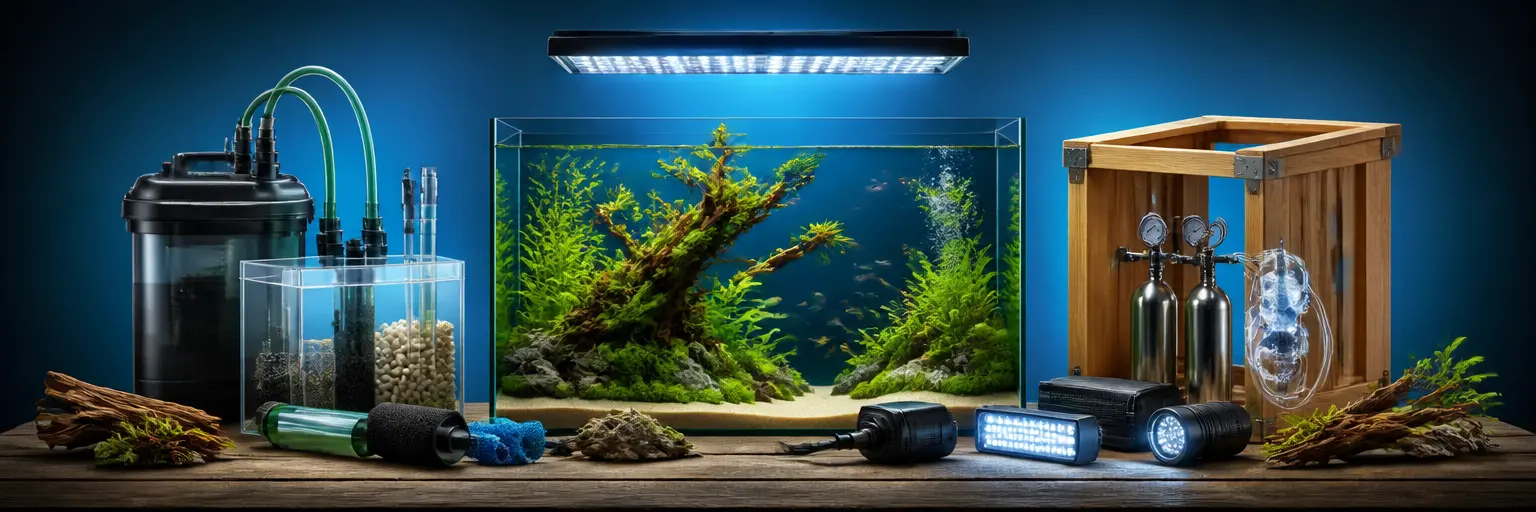
🔧 Build a better aquarium your way! Explore creative DIY aquarium projects for custom filters, lighting systems, stands, CO₂ setups, and more. Discover practical step-by-step ideas, budget-friendly materials, and expert tips to improve water quality, plant growth, fish health, and tank style. Whether you’re upgrading a freshwater aquarium or designing a marine setup, these hands-on solutions help you create a more efficient, beautiful, and personalized aquatic environment. 🌿🐠
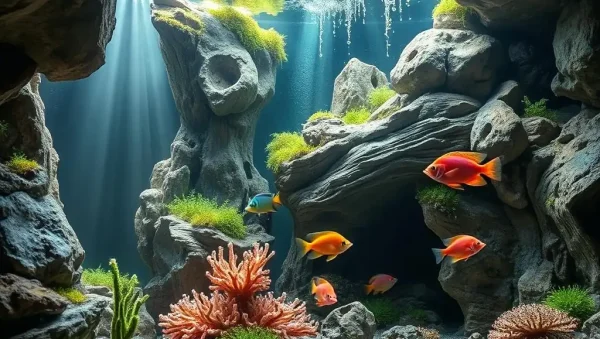
🌟 Discover how to craft realistic DIY aquarium caves for fish, creating safe hiding spots and breeding environments that enhance your tank's…
Read article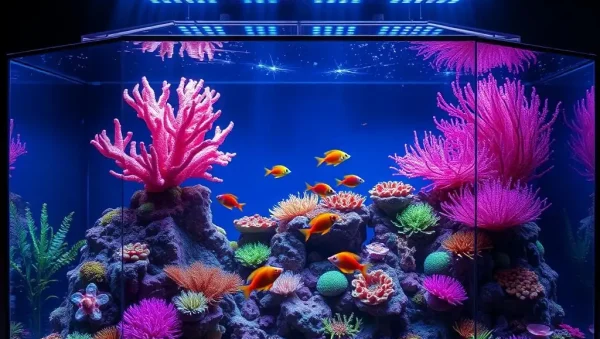
🌟 Unlock your aquarium’s full potential by crafting a DIY LED aquarium light spectrum tailored for vibrant plant growth and dazzling fish…
Read article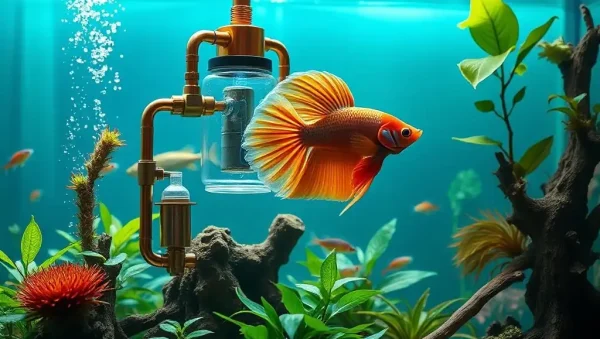
🌿 Unlock vibrant plant growth with our DIY inline CO2 reactor guide. Learn how to maximize CO2 dissolution efficiently, creating a thriving,…
Read article
🌟 Discover how to craft a DIY sponge filter shrimp setup that ensures gentle filtration for delicate fry and shrimp. Perfect for…
Read article
🌊 Discover how to create cost-effective DIY saltwater aquarium refugium lighting with simple LED setups that optimize nutrient export and promote healthy…
Read article
🌟 Discover how to craft budget-friendly, high-output DIY LED aquarium lighting for deep tanks, enhancing your aquarium’s beauty and health. AquariumMastery.com provides…
Read article
🌊 Discover how to craft a silent acrylic overflow box that ensures efficient surface skimming, reducing noise and enhancing your aquarium's health.…
Read article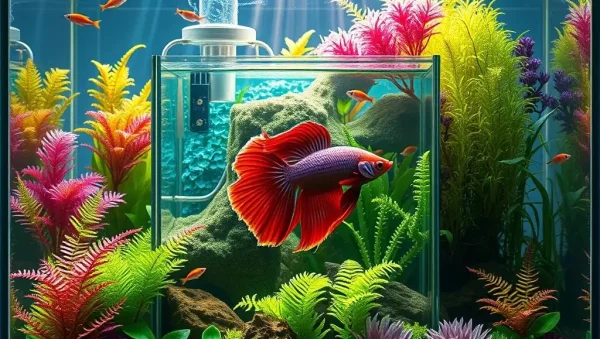
🌟 Discover how to craft a DIY internal box filter tailored for nano and small aquariums. Enhance your tank’s clarity and health…
Read article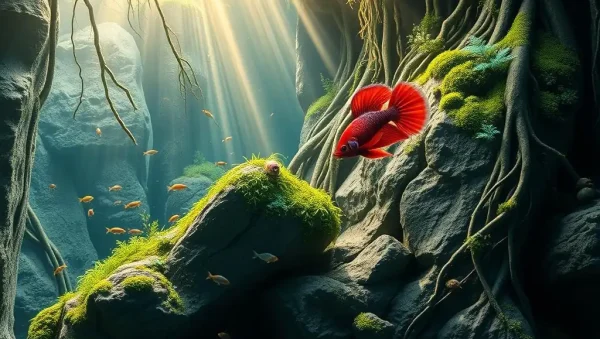
🌊 Transform your aquarium with a DIY 3D aquarium background, creating stunning, realistic rock walls or root systems that enhance your aquatic…
Read article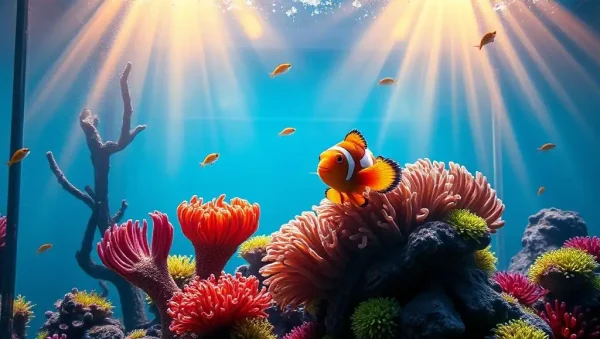
🌟 Enhance your aquarium's performance with our DIY hangonback filter upgrade guide. Discover budget-friendly tips to boost filtration efficiency and reduce noise,…
Read article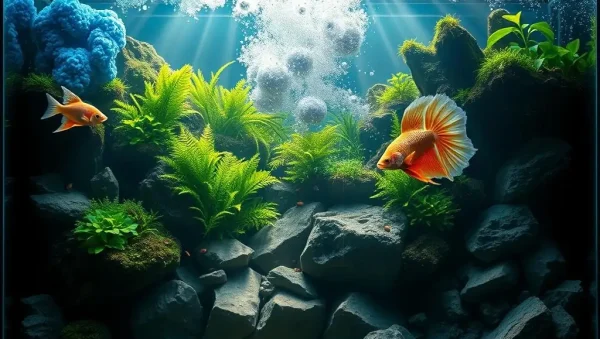
🌟 Discover the ultimate DIY canister filter setup with our step-by-step guide, ensuring crystal-clear water for your aquarium. AquariumMastery.com offers expert tips…
Read article
🌟 Discover how to enhance your aquarium with custom Smart LED aquarium lighting that mimics natural sunrise and sunset effects, creating a…
Read articleWelcome to Aquarium Mastery’s DIY aquarium projects hub, where aquarists can discover practical, affordable, and creative ways to customize freshwater and saltwater aquariums. This subcategory focuses on DIY aquarium filters, aquarium lighting, tank stands, fish food, CO2 systems, and other custom aquarium equipment designed for beginners and experienced fishkeepers alike. Each project is created to help you improve water quality, support healthy plant growth, enhance aquarium aesthetics, and build a setup that matches your tank’s unique requirements.
Learn how to create effective DIY aquarium filtration systems using accessible materials and reliable filtration principles. Guides may cover sponge filters, biological media chambers, pre-filters, sump modifications, overflow designs, and custom canister filter improvements for freshwater and marine aquariums. You can expect clear explanations of mechanical, biological, and chemical filtration, along with advice on selecting safe materials and suitable aquarium filter media.
These custom filter projects are designed to support stable water parameters and reduce aquarium maintenance. You will find guidance on water flow, oxygenation, beneficial bacteria, cycling, filter sizing, and troubleshooting cloudy water or excess waste. Always prioritize aquarium-safe materials, proper sealing, and dependable electrical safety when building or modifying filtration equipment.
Explore creative ways to build or improve DIY aquarium LED lighting for planted tanks, community aquariums, breeding systems, and reef aquariums. Articles can explain LED selection, light intensity, color temperature, spectrum, heat management, waterproofing, timers, dimmers, and mounting options. These projects help aquarists achieve attractive illumination while supporting aquarium plants and photosynthetic corals.
Readers can also learn how to prevent common lighting problems, including excessive algae growth, overheating, poor plant growth, and inconsistent lighting schedules. Effective aquarium lighting should be matched to the tank’s depth, livestock, aquatic plants, and maintenance routine. Use safe power supplies and appropriate protection against water splashes to create a reliable custom aquarium light.
Build practical DIY aquarium stands, cabinets, canopies, lids, and tank covers that provide both support and style. These projects may include woodworking plans, material comparisons, storage solutions, leveling advice, ventilation ideas, and designs for nano tanks, large freshwater aquariums, and reef systems. A properly engineered stand helps distribute the aquarium’s weight evenly and provides convenient space for filters, air pumps, heaters, food, and maintenance tools.
Safety is the most important consideration when constructing aquarium furniture. Expect guidance on weight capacity, moisture-resistant materials, structural bracing, waterproof finishes, and stable placement on suitable flooring. A secure aquarium canopy or lid can also reduce evaporation, prevent fish from jumping, and protect equipment while maintaining easy access for feeding and cleaning.
Discover beginner-friendly and advanced DIY aquarium CO2 systems for improving plant growth in freshwater planted tanks. Content may cover yeast-based CO2 generators, citric acid and baking soda reactors, diffusers, bubble counters, tubing, check valves, and safe installation methods. These projects are especially useful for aquarists who want healthier stems, faster growth, stronger coloration, and more vigorous carpeting plants.
DIY CO2 must be introduced carefully because excessive carbon dioxide can stress or harm fish and shrimp. Learn how to monitor pH changes, regulate injection rates, maintain surface agitation, and balance CO2 with aquarium lighting and fertilizers. For dependable results, combine a stable photoperiod with regular water testing and close observation of livestock behavior.
Make informed choices about homemade fish food for freshwater fish, marine fish, bottom feeders, shrimp, and aquatic snails. DIY feeding guides may include gel food, vegetable-based recipes, protein-rich mixes, frozen food preparations, and species-specific ingredients. These projects can help you control ingredients, avoid unnecessary fillers, and provide nutrition suited to the feeding habits of your aquarium inhabitants.
Safe preparation and storage are essential for homemade aquarium food. Readers can expect advice on portion sizes, ingredient hygiene, freezing, feeding frequency, and preventing uneaten food from polluting the water. A balanced aquarium diet should include appropriate proteins, plant matter, vitamins, and minerals based on whether your fish are herbivores, omnivores, carnivores, or specialized feeders.
Upgrade your aquarium with practical DIY automation projects for lighting timers, automatic top-off systems, temperature monitoring, dosing reminders, water-level alarms, and feeding solutions. These custom aquarium upgrades can simplify daily care and improve consistency, especially for planted aquariums, reef tanks, breeding projects, and vacation preparation.
Automation should make aquarium care safer rather than more complicated. Expect recommendations for testing new equipment, using backup systems, protecting electronics from moisture, and checking pumps, sensors, and connections regularly. Simple improvements can reduce human error while helping maintain stable temperature, salinity, water level, lighting, and feeding schedules.
Learn about custom tools and accessories that make aquarium maintenance faster and more organized. Projects may include water-change systems, gravel vacuum modifications, dosing organizers, hose holders, quarantine tank equipment, algae scrapers, and storage solutions for test kits. These ideas are suitable for freshwater aquariums, saltwater tanks, planted setups, and species-specific habitats.
Consistent maintenance is vital for long-term aquarium health. DIY tools can help you monitor ammonia, nitrite, nitrate, pH, hardness, salinity, and temperature while reducing spills and wasted water. Use projects from this subcategory alongside a dependable maintenance schedule and accurate test kits for the best results.
DIY aquarium projects can be safe when they use non-toxic, aquarium-safe materials and are tested thoroughly before livestock is exposed. Avoid materials that can leach chemicals, rust, dissolve, or release adhesives, paints, metals, or residues into the water.
Many DIY aquarium builds can reduce costs, particularly for stands, filter accessories, lighting mounts, and maintenance tools. However, do not compromise on safety-critical components such as heaters, electrical connections, pressure-rated CO2 equipment, or structural supports.
DIY CO2 can work for beginners if the system is simple, carefully regulated, and monitored. Start with a low-output setup, use a check valve and diffuser, observe fish behavior, and balance CO2 with lighting, fertilization, and water movement.
Avoid untreated metals, toxic paints, unknown plastics, untested sealants, chemically treated wood, and materials that may break down underwater. Choose products labeled as aquarium-safe, food-safe where appropriate, corrosion-resistant, and compatible with freshwater or saltwater use.
Clean and rinse every component, then test it separately whenever possible. Run filters, lights, pumps, or water systems in a spare container or empty aquarium while checking for leaks, overheating, unusual odors, unstable flow, electrical hazards, and changes in water chemistry before adding fish, plants, corals, or invertebrates.