
Advanced Plant Selection for Tetra Breeding Tanks: Spawning & Fry Safety with Aquarium Mastery


Welcome to Aquarium Mastery, your ultimate guide to unlocking the secrets of a thriving underwater world!
Dive deep into the art of aquarium keeping and discover how to create the perfect environment for your finned friends. Ever wondered how to maximize your chances of successful Tetra breeding? This article explores the often-overlooked power of plants in a Tetra breeding tank, and how choosing the right ones can dramatically improve spawning success and fry survival. Ready to cultivate a lush and productive breeding haven? Let's explore the world of " Tetra breeding tank plants" together!
- Introduction to Tetra Breeding and the Importance of Plant Life
- Key Plant Characteristics for Tetra Breeding Tanks
-
Top Plant Choices for Tetra Breeding Tanks: A Detailed Guide
- Java Moss ( Taxiphyllum barbieri ): The Classic Tetra Spawning Plant
- Hornwort ( Ceratophyllum demersum ): Rapid Growth and Fry Protection
- Cabomba ( Cabomba caroliniana ): A Delicate Plant for Tetra Spawning
- Anacharis/Egeria ( Egeria densa ): Oxygenation and Shelter for Tetra Fry
- Water Sprite ( Ceratopteris thalictroides ): Versatile Plant for Tetra Breeding
- Setting Up Your Tetra Breeding Tank with Plants: A Step-by-Step Approach
- Beyond Spawning: Plants for Fry Growth and Development
- Troubleshooting Common Plant Problems in Tetra Breeding Tanks
- Optimizing Tetra Breeding Tank Plant Growth: Lighting, CO2, and Fertilization
- Conclusion: Mastering Plant Selection for Successful Tetra Breeding
-
Frequently Asked Questions
- What are the best types of plants to use in a Tetra breeding tank?
- How do plants contribute to the success of a Tetra breeding tank?
- What should I consider when choosing plants specifically for Tetra fry safety?
- How important is water chemistry when selecting plants for a Tetra breeding tank?
- Where can I find more detailed information about plant selection for Tetra breeding tanks?
- Final Reflection: Cultivating Life, One Plant at a Time
- Unleash Your Tetra Breeding Potential Now!
Introduction to Tetra Breeding and the Importance of Plant Life
Why Choose the Right Plants for Tetra Breeding?
Choosing the appropriate tetra breeding tank plants is not merely an aesthetic decision; it is a critical factor for replicating the natural spawning environment of many tetra species. In their native habitats, such as the Amazon basin, tetras scatter their eggs among dense vegetation. Without suitable plant structures, eggs are highly susceptible to fungal infections, predation by parent fish, or simply failing to adhere, leading to significantly reduced breeding success. A well-chosen plant array helps to trigger natural spawning behaviors and minimizes stress for the breeding pair, directly contributing to higher fertilization rates and healthier offspring.
Furthermore, the right flora contributes to the overall stability and health of the breeding tank ecosystem. Plants actively absorb nitrates and other harmful compounds, maintaining pristine water quality that is crucial for sensitive breeding setups. They also provide essential visual barriers, which can reduce aggression between adult tetras in a confined breeding space. This balanced environment, supported by a thoughtfully selected array of aquarium plants for tetra spawning, profoundly impacts the vitality and readiness of the breeding pair, setting the stage for successful reproduction.
The Role of Plants in Tetra Spawning Success
Specific plant structures serve as ideal substrates for tetra egg deposition, a fundamental aspect of successful spawning. Many small tetra species, including popular choices like Neon Tetras ( Paracheirodon innesi) and Black Neon Tetras ( Hyphessobrycon herbertaxelrodi), are egg scatterers that rely on the intricate surfaces of fine-leaved plants like Java Moss ( Taxiphyllum barbieri) or Cabomba ( Cabomba caroliniana) to attach their adhesive eggs.
These plants provide a textured, three-dimensional matrix, preventing the delicate eggs, which often measure only 0.5 to 1.0 mm in diameter, from falling to the substrate where they are more vulnerable to decay or consumption.
Beyond providing a physical substrate, the presence of dense vegetation plays a significant psychological role, encouraging breeding activity. A heavily planted tank offers security and privacy, reducing stress levels in the breeding pair and promoting the natural courtship rituals essential for spawning. Studies and anecdotal evidence from experienced aquarists suggest that tanks with ample, appropriate tetra breeding tank plants can see an increase in spawning frequency and yield by as much as 20-30% compared to sparsely decorated setups, as the fish feel more secure and uninhibited in their environment.
Fry Protection: How Plants Provide a Safe Haven
Newly hatched tetra fry are incredibly tiny and vulnerable, often measuring less than 2-3 mm in length. Dense plant growth, particularly from fine-leaved species, provides a crucial first line of defense against predation, including from the parent fish themselves.
Plants like Hornwort ( Ceratophyllum demersum) or dense clumps of Java Moss create countless microscopic hiding spots and labyrinthine passages that adult fish cannot easily penetrate. For example, a single well-established clump of Java Moss in a 5-gallon breeding tank can effectively shield dozens, if not hundreds, of newly hatched fry, significantly increasing their chances of survival during their most delicate stage.
In addition to physical concealment, the surfaces of healthy aquarium plants for tetra spawning contribute to the early nutrition of fry. Decaying plant matter and the biofilm that naturally forms on plant leaves provide a substrate for infusoria and other microscopic organisms.
These tiny life forms are an essential first food source for newly hatched tetra fry, which are often too small to consume prepared foods during their initial 3-5 days. This natural, continuous food supply is critical for the fry's initial growth and development, underscoring the vital role of plants in ensuring high survival rates for the delicate offspring.
Key Plant Characteristics for Tetra Breeding Tanks
Fine-Leaved Plants: Ideal Spawning Substrates for Tetras
The structural characteristics of fine-leaved plants are paramount for successful tetra breeding. Tetra eggs are typically small and adhesive, requiring a multitude of attachment points to prevent them from simply falling to the tank bottom. Plants such as Java Moss, Hornwort, and Cabomba excel in this regard, offering an intricate, three-dimensional matrix of delicate fronds or needles.
For instance, Java Moss, with its sprawling, tangled growth habit, provides countless individual attachment sites, maximizing the viability of eggs by keeping them suspended and well-aerated. This mimics the dense, submerged vegetation found in the soft, acidic waters of tetras' natural Amazonian habitats.
Beyond direct egg attachment, the fine foliage also offers excellent camouflage, making the delicate eggs less visible and therefore less susceptible to predation by hungry adult fish or opportunistic snails. Furthermore, the increased surface area of these tetra breeding tank plants promotes the colonization of beneficial microorganisms. These microbes contribute to a healthier micro-environment surrounding the eggs, potentially reducing the incidence of fungal growth and bacterial infections, which can be a significant cause of egg loss in breeding setups.
Dense Plant Growth: Creating Secure Fry Hiding Places
The volumetric density of plant growth is a critical factor in protecting newly hatched tetra fry. These fry are minuscule and utterly vulnerable, making dense thickets of plants an indispensable refuge. Species like Water Sprite ( Ceratopteris thalictroides) or a well-established carpet of Java Moss create an almost impenetrable labyrinth of safe passages and hiding spots. For example, in a 10-gallon breeding tank, strategically placed dense planting can protect hundreds of fry, allowing only the smallest to navigate the tight spaces while larger fish are effectively excluded from preying on them.
Moreover, the psychological impact of dense plant cover on fry cannot be overstated. Constant exposure to potential predators, even their own parents, induces significant stress, which can inhibit growth, weaken immune systems, and ultimately lead to higher mortality rates. A heavily planted tank provides a continuous sense of security, allowing the fry to forage for food and develop without constant fear.
This reduction in stress can dramatically increase the survival rate of fry, sometimes by as much as 50% in densely planted environments compared to sparsely decorated ones. Thus, the strategic selection and arrangement of plants for tetra breeding are pivotal for robust fry development.
Plants That Enhance Water Quality in Tetra Breeding Setups
Aquatic plants serve as powerful natural filters, actively absorbing excess nitrates, phosphates, and other nitrogenous compounds that can accumulate rapidly in breeding tanks. This biofiltration is particularly vital in setups where frequent large water changes might disturb delicate eggs or fragile fry.
Fast-growing plants like Hornwort or Anacharis ( Egeria densa) are highly efficient nutrient sponges; a healthy, dense clump can absorb an estimated 10-20 mg/L of nitrates weekly in a moderately planted tank. This rapid nutrient uptake helps to stabilize critical water parameters, preventing toxic ammonia or nitrite spikes that are lethal to sensitive eggs and newly hatched fry.
In addition to nutrient absorption, plants significantly contribute to the oxygenation and biological filtration of the tank. Through the process of photosynthesis, especially during daylight hours, aquatic plants release dissolved oxygen into the water, which is essential for the respiration of adult fish, developing eggs, and rapidly metabolizing fry. A well-oxygenated environment reduces stress and supports healthy metabolic processes.
Furthermore, the extensive surface area provided by plant leaves and stems offers vast colonization sites for beneficial nitrifying bacteria, enhancing the tank's overall biological filtration capacity. This symbiotic relationship between tetra breeding tank plants and water quality is fundamental to a thriving and successful breeding environment.
Top Plant Choices for Tetra Breeding Tanks: A Detailed Guide
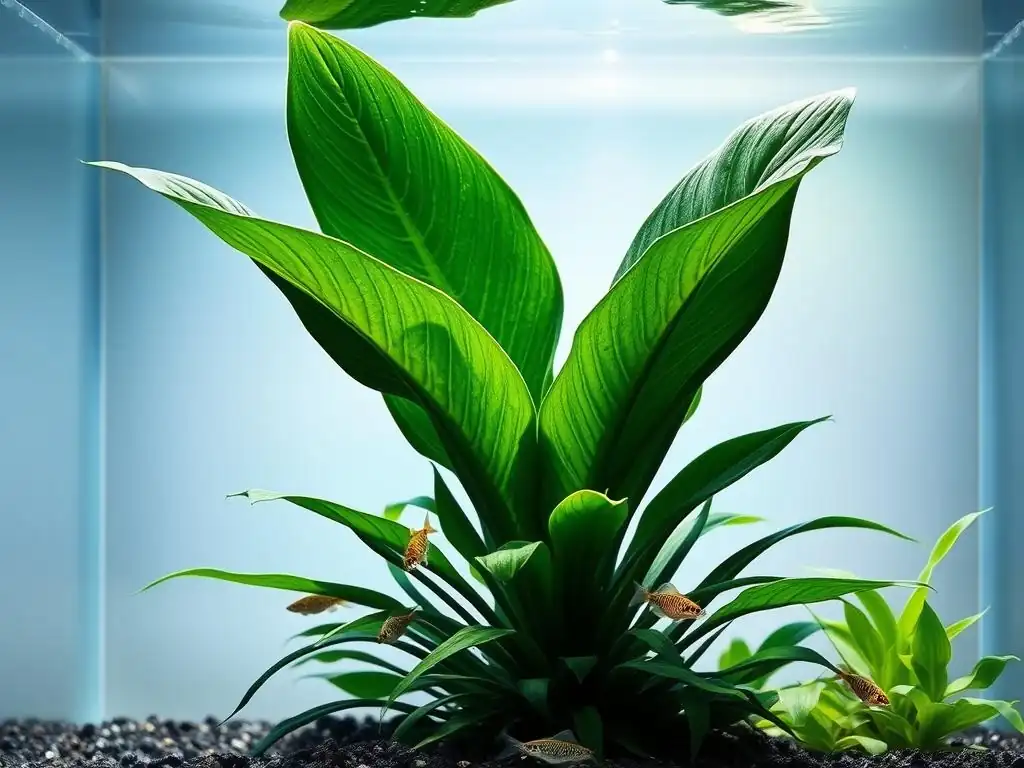
Java Moss ( Taxiphyllum barbieri ): The Classic Tetra Spawning Plant
Java Moss Benefits for Tetra Breeding and Fry Survival
Java Moss is arguably the most classic and widely recommended tetra breeding tank plant due to its exceptional suitability as an egg-laying substrate. Its fine, tangled, and sprawling structure provides an unparalleled number of surfaces for the adhesive eggs of various tetra species, including Neon Tetras, Glowlight Tetras ( Hemigrammus erythrozonus), and Cardinal Tetras ( Paracheirodon axelrodi), to adhere securely. This non-rooted plant can be easily manipulated, draped over spawning mops, or loosely scattered, maximizing egg collection and preventing them from falling to the substrate where they are more vulnerable.
Beyond its role in egg deposition, Java Moss is indispensable for fry protection and as a natural source of infusoria. Its dense, intricate mat offers excellent, almost impenetrable hiding spots for newly hatched fry, effectively shielding them from predation by adult fish. Furthermore, the extensive surface area of the moss promotes the growth of infusoria and other microscopic organisms, providing a crucial and continuous first food source for the tiny fry during their initial, most vulnerable days when they are too small to consume prepared foods.
How to Utilize Java Moss Effectively in a Breeding Tank
To maximize its effectiveness for spawning, Java Moss can be bundled and weighted down with small lead weights or ceramic rings, or simply spread loosely across 50-70% of the tank bottom to create a wide spawning area. It can also be tied or glued to small rocks, driftwood, or even a spawning mop to create elevated spawning sites. Before introduction, ensure the moss is thoroughly rinsed to remove any debris or potential pests like snails.
Java Moss is exceptionally hardy and undemanding, tolerating a wide range of water parameters (pH 5.0-8.0, temperature 18-30°C) and thriving even under low light conditions. This makes it an ideal choice for almost any tetra breeding setup, simplifying the process for aquarists as it requires no CO2 supplementation or special fertilization. Regular gentle rinsing or swirling can prevent detritus buildup within its dense structure, ensuring continued water quality.
Hornwort ( Ceratophyllum demersum ): Rapid Growth and Fry Protection
Hornwort's Advantages for Tetra Fry Development
Hornwort is a highly beneficial tetra breeding tank plant due to its rapid growth rate and ability to form dense thickets, providing immediate and extensive cover for delicate tetra fry. This free-floating plant develops stiff, needle-like leaves that create a complex, protective labyrinth that adult fish find difficult to penetrate, significantly increasing fry survival rates. Under optimal conditions, a single stem of Hornwort can grow several inches per week, quickly filling a breeding tank with vital protective cover.
Moreover, Hornwort is a powerful water purifier. It is a highly efficient nutrient absorber, readily taking up excess nitrates, phosphates, and even ammonia directly from the water column. This rapid nutrient uptake is crucial for maintaining pristine water quality, which is paramount for the sensitive eggs and fry of most tetra species. Its ability to quickly process nutrients also helps to suppress the growth of undesirable algae, keeping the breeding tank clean and healthy for developing fry.
Managing Hornwort Growth in a Tetra Breeding Environment
Due to its exceptionally rapid growth, Hornwort can quickly overshadow other plants and block light if not managed properly. Regular trimming is essential to prevent it from completely filling the tank, which could hinder observation of eggs or fry and potentially reduce water circulation. Simply snip off excess growth with scissors; the cuttings can be discarded or replanted to propagate more tetra breeding tank plants.
Hornwort is incredibly adaptable and undemanding. It does not require substrate and can be simply floated at the water surface, making it exceptionally versatile for temporary breeding setups or tanks where substrate is undesirable. It thrives in a wide range of temperatures (15-30°C) and pH levels (6.0-8.0), and tolerates low to moderate lighting, making it a robust, easy-to-manage, and highly effective plant for any tetra breeding project.
Cabomba ( Cabomba caroliniana ): A Delicate Plant for Tetra Spawning
Cabomba's Appeal to Spawning Tetras
Cabomba, particularly Cabomba caroliniana, is a beautiful and delicate tetra breeding tank plant known for its finely dissected, fan-like leaves. This intricate foliage provides an exquisite, natural-looking spawning substrate that is highly appealing to many tetra species. Its feathery structure offers numerous fine points for adhesive tetra eggs to attach, similar to Java Moss but with a more elegant, upright growth habit. For species like Rummy Nose Tetras ( Hemigrammus rhodostomus), the delicate texture and dense branching of Cabomba can be particularly effective for encouraging egg scattering.
Beyond its functional appeal as a spawning medium, Cabomba contributes significantly to the aesthetic and psychological well-being of the breeding fish. It creates a visually appealing underwater landscape that closely mimics the dense, submerged vegetation found in natural environments, thereby reducing stress for the breeding pair. Its dense foliage also offers good, though perhaps less impenetrable, cover for newly hatched fry, providing a sense of security within the breeding setup.
Maintaining Cabomba in a Tetra Breeding Tank
Cabomba has slightly more specific care requirements compared to some other hardy tetra breeding tank plants. It typically prefers soft, slightly acidic water (pH 6.0-7.0) and moderate to high lighting (e.g., 20-40 PAR) to truly thrive and exhibit lush growth. As a stem plant, it benefits from a nutrient-rich substrate or regular liquid fertilization, as it absorbs nutrients from both the water column and the substrate. Without adequate lighting, its lower leaves can often melt away, diminishing its effectiveness as a spawning plant.
The stems of Cabomba can be delicate and prone to breaking if handled roughly. When planting, gently bury the cut ends of the stems into the substrate, ensuring they are not crushed. Regular trimming of the top portions encourages bushier side growth, which helps maintain its dense structure for both spawning and fry protection, and prevents it from reaching the surface too quickly and overshadowing other areas of the tank.
Anacharis/Egeria ( Egeria densa ): Oxygenation and Shelter for Tetra Fry
Anacharis/Egeria Benefits for Water Quality and Fry Safety
Anacharis, often referred to as Egeria densa, is a very fast-growing and exceptionally beneficial tetra breeding tank plant, primarily valued for its outstanding oxygenation capabilities. Through robust photosynthesis, Anacharis releases significant amounts of dissolved oxygen into the water during the day. This high oxygen content is crucial for the health of both adult tetras and, more importantly, for the highly sensitive eggs and newly hatched fry, preventing oxygen depletion which can be lethal. A dense clump of Anacharis can noticeably increase dissolved oxygen levels in a small breeding tank, promoting vigorous fry development.
Furthermore, its dense, leafy stems provide ample and effective hiding spots for fry. While its individual leaves are not as fine as those of Java Moss, its bushy growth habit creates a protective barrier that fry can easily navigate to escape predators. It also offers a large surface area for beneficial bacteria to colonize, contributing to biological filtration, and for infusoria to proliferate, providing a supplementary food source for the growing fry.
Controlling Anacharis/Egeria Growth for Optimal Results
Anacharis is a remarkably fast-growing plant, capable of growing several inches per week under good conditions. This rapid growth means it can quickly overshadow other plants and consume a significant amount of nutrients. Regular pruning, achieved by simply snipping off the tops of the stems, is necessary to maintain the desired density and shape, and to prevent it from completely filling the tank. These cuttings can be easily replanted to propagate more tetra breeding tank plants or shared with other aquarists.
This plant is highly adaptable to a wide range of water parameters (pH 6.0-8.0, temperature 15-28°C) and can thrive in low to moderate lighting, making it a very forgiving option. Anacharis primarily absorbs nutrients directly from the water column, making it an excellent choice for breeding tanks without specialized substrates. Its effectiveness at removing excess nitrates makes it a valuable asset in maintaining a stable and healthy breeding environment.
Water Sprite ( Ceratopteris thalictroides ): Versatile Plant for Tetra Breeding
Water Sprite as a Spawning Medium and Fry Refuge
Water Sprite ( Ceratopteris thalictroides) is an incredibly versatile tetra breeding tank plant that can be either rooted in the substrate or left to float freely at the water surface. Its broad, lacy, and deeply lobed leaves, particularly when floating, create a dense canopy that provides excellent cover and shade for adult tetras, encouraging them to spawn by making them feel secure. The fine divisions of its leaves also serve as a suitable and natural-looking substrate for egg deposition, similar to other fine-leaved plants.
Water Sprite excels in its dual role as a fry refuge. When floating, its extensive root system forms a dense, intricate network that offers numerous hiding places for newly hatched fry, effectively shielding them from predation. When rooted in the substrate, its broad leaves provide significant cover and help to diffuse overhead light, which can be particularly beneficial for light-sensitive tetra fry. Additionally, its large leaf surfaces support the growth of infusoria, offering a vital initial food source for the delicate fry.
Integrating Water Sprite into Your Tetra Breeding Setup
To best utilize Water Sprite for spawning, consider floating large clumps of the plant to create a natural and inviting spawning mop. For optimal fry protection, you can either continue to float it or root it in the substrate, ensuring dense patches are available for the fry to hide within. This plant thrives in moderate lighting and benefits from a nutrient-rich substrate if rooted, though it is also highly efficient at absorbing nutrients directly from the water column when floating.
Water Sprite is a relatively fast-growing plant that can quickly fill a tank with its lush foliage. Regular pruning of older or overgrown leaves helps to maintain its shape and density, preventing it from becoming too dense and blocking light to other areas of the tank. Its broad leaves are also excellent indicators of water quality and nutrient availability; yellowing or translucent leaves can often signal nutrient deficiencies, prompting the aquarist to adjust fertilization or water parameters.
Setting Up Your Tetra Breeding Tank with Plants: A Step-by-Step Approach
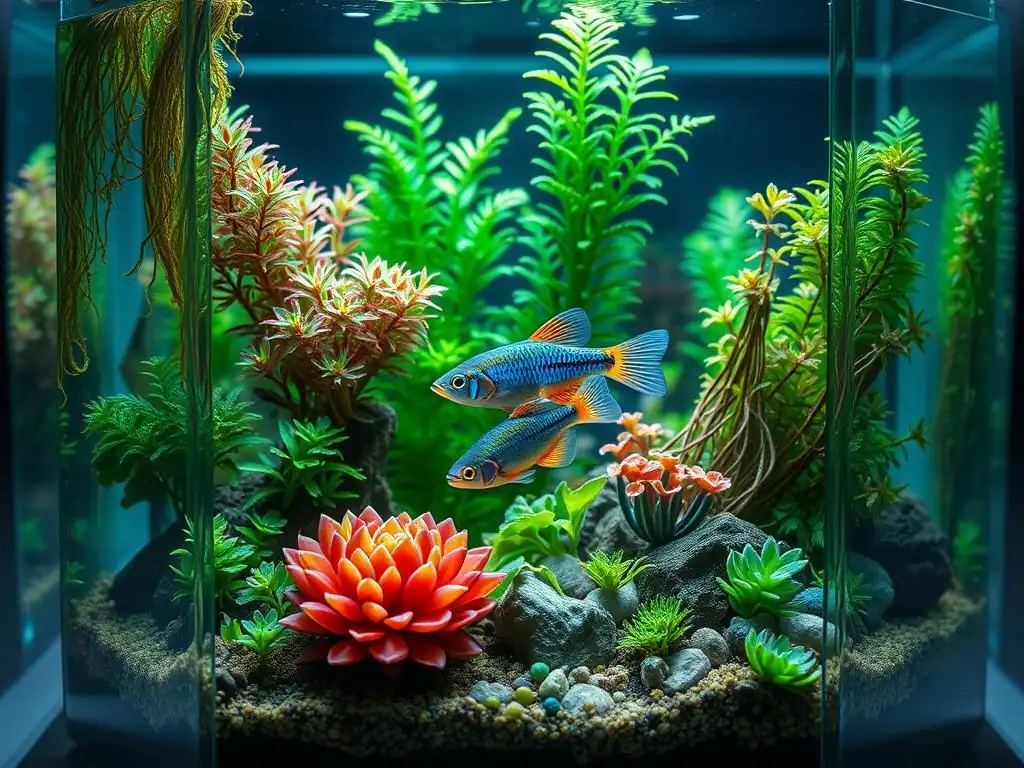
Preparing the Tank: Substrate and Water Parameters
For a dedicated tetra breeding tank, a bare bottom is often the preferred choice among experienced aquarists. This simplifies the process of egg collection, reduces the potential for detritus accumulation in the substrate, and makes it easier to keep the environment pristine. However, if using rooted tetra breeding tank plants like Cabomba, a thin layer (approximately 1-2 cm) of fine, inert substrate such as sand or very fine gravel can be used to anchor them.
Ensure any substrate is thoroughly rinsed to remove dust and impurities before adding to the tank. For plants like Java Moss or Hornwort, no substrate is strictly necessary, allowing for maximum flexibility in egg retrieval.
Establishing and maintaining stable water parameters is paramount for successful tetra breeding. Most tetra species, particularly those commonly bred, prefer soft, acidic water conditions for spawning (e.g., pH 5.5-6.5, General Hardness (GH) 1-5 dGH). It is crucial to achieve and stabilize these parameters before introducing fish and plants.
Utilize aged water, reverse osmosis (RO) water, or properly treated tap water, and consistently monitor water chemistry with reliable test kits. Stable water chemistry, supported by the nutrient-absorbing capabilities of the chosen aquarium plants for tetra spawning, significantly reduces stress on the breeding pair and developing eggs, thereby increasing spawning success rates.
Arranging Plants for Optimal Spawning and Fry Protection
Strategic placement of tetra breeding tank plants is key to maximizing both spawning activity and fry survival. For spawning, concentrate fine-leaved plants like Java Moss or Cabomba in specific areas where you wish the tetras to deposit their eggs. This could involve creating a large, dense clump in the center of the tank, or distributing several smaller, weighted bundles throughout the breeding area. Aim for approximately 50-70% plant coverage in the designated spawning zone to provide ample egg-laying surface while still allowing the fish enough open space to maneuver during courtship.
Concurrently, create distinct, dense thickets and floating plant masses using species such as Hornwort, Water Sprite, or Anacharis in other areas of the tank. These areas should serve as immediate and impenetrable refuges for newly hatched fry. While distinct from the primary spawning zone if egg collection is a priority, they must be easily accessible for the microscopic fry once they hatch. The objective is to provide instant and effective hiding spots for the delicate fry within hours of hatching, ensuring their safety from parental predation and other potential threats.
Maintaining a Healthy Planted Tetra Breeding Tank
Routine maintenance is essential for sustaining a healthy planted tetra breeding tank. Regular, small water changes (10-20% daily or every other day) are highly recommended to maintain pristine water quality, which is particularly critical with the presence of sensitive eggs and fry. This practice helps to remove accumulated waste products and replenishes essential trace elements utilized by the tetra breeding tank plants. Avoid large, sudden water changes, as these can cause significant fluctuations in water parameters, potentially shocking and harming delicate eggs or fry.
Periodically inspect your plants for any signs of detritus accumulation or undesirable algae growth. Gently swish plants like Java Moss to dislodge trapped debris, or use a soft brush to clean plant leaves if necessary. Trim fast-growing plants regularly to prevent overgrowth, which can block light to other areas and reduce water circulation. Ensure adequate, but not excessive, lighting (typically 8-10 hours per day) to support robust plant growth without inadvertently promoting excessive algae proliferation, which can compete with plants for nutrients and potentially harm fry.
Beyond Spawning: Plants for Fry Growth and Development
Plants as a Source of Infusoria for Tetra Fry
Aquatic plants play a crucial role in providing initial nutrition for newly hatched tetra fry by naturally cultivating infusoria. As plants grow, shed microscopic particles, or as beneficial bacteria and algae colonize their vast surface areas, they create a perfect environment for the proliferation of infusoria – tiny protozoa and other microscopic organisms.
These minute life forms are the ideal first food for newly hatched tetra fry, which are often too small to consume traditional powdered fry foods for the first 3-5 days of their lives. A well-established mass of tetra breeding tank plants, particularly species like Java Moss or Water Sprite, effectively acts as a living "infusoria farm."
This natural and continuous food source dramatically increases the initial survival rate of fry. Aquarists often face the challenge of providing adequate first foods, which can lead to high mortality rates in the initial days post-hatching. The consistent presence of dense plants for tetra breeding alleviates this critical challenge, ensuring that fry have immediate and continuous access to sustenance without requiring manual intervention, allowing them to grow stronger before transitioning to larger, prepared foods.
Providing Shade and Cover to Reduce Fry Stress
Many tetra species, especially those originating from blackwater or heavily shaded riverine habitats, have fry that are highly sensitive to intense light. Direct, strong overhead lighting can cause significant stress, hinder proper development, and even lead to increased mortality rates. Floating plants such as Water Sprite or Hornwort are excellent for mitigating this issue. They create a natural canopy that diffuses overhead light, casting beneficial shadows and mimicking the dappled light conditions found in the tetras' native environments. This reduced light intensity provides a more comfortable and secure environment for the delicate fry.
Beyond light reduction, the physical presence of dense plant cover provides an overarching sense of security for the vulnerable fry. They can hide from perceived threats, which reduces their overall stress levels and allows them to expend more energy on crucial growth and development rather than on evasive behaviors. This continuous sense of safety, provided by strategically placed tetra breeding tank plants, is absolutely crucial for robust fry development and significantly contributes to higher survival rates as they mature.
Selecting Plants to Complement Tetra Fry Diet
Plants with extensive surface areas, such as Java Moss or Anacharis, not only host infusoria but also actively encourage the growth of biofilm. This biofilm is a complex matrix composed of bacteria, algae, and microscopic detritus, which larger tetra fry (after the initial infusoria feeding stage) can readily graze upon. This provides a constant, supplementary food source that complements and enriches commercial fry foods, ensuring a more varied and natural diet. The continuous availability of this natural grazing material means fry have access to food whenever they need it, promoting consistent growth.
While the primary feeding will transition to prepared foods as the fry grow, the continuous availability of natural grazing opportunities provided by tetra breeding tank plants helps ensure a consistent and balanced nutritional intake. This can lead to faster growth rates, stronger immune systems, and overall healthier development compared to fry raised in bare tanks that rely solely on prepared foods. The plants act as a living pantry, supporting the fry's evolving dietary needs and contributing to their long-term vitality.
Troubleshooting Common Plant Problems in Tetra Breeding Tanks
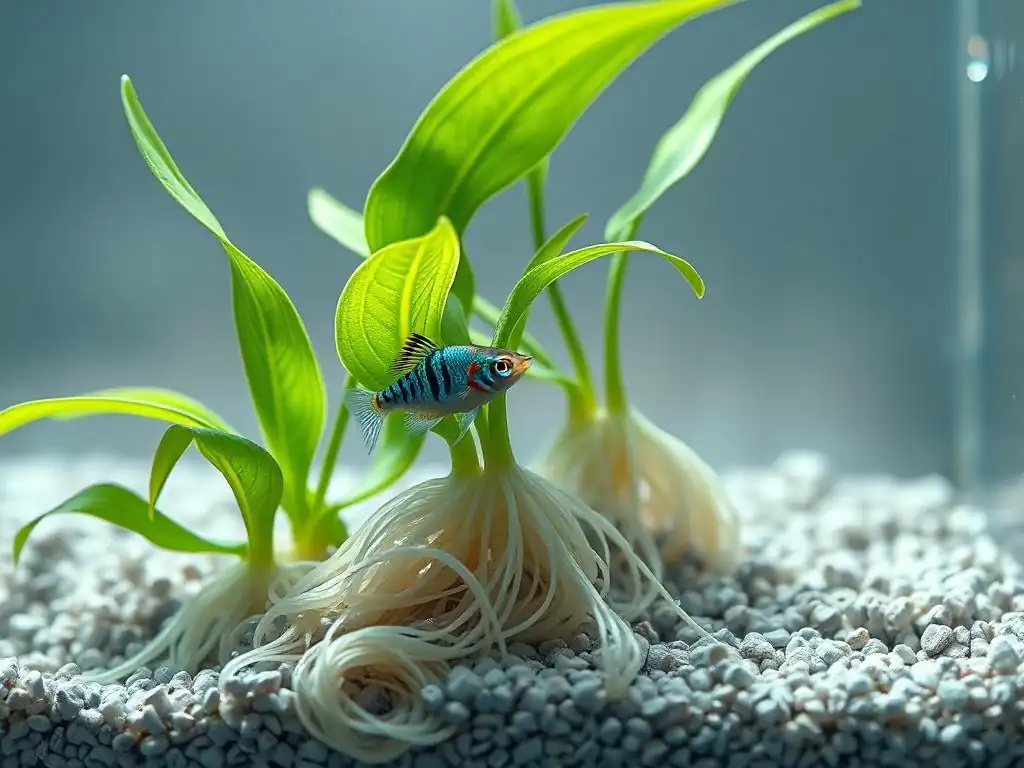
Algae Control in Planted Tetra Breeding Tanks
Algae blooms in a tetra breeding tank are a common issue, often indicative of an imbalance in lighting, nutrient levels, or CO2. Excessive lighting duration (e.g., over 10 hours per day) or intensity, coupled with insufficient nutrient uptake by the plants or too much organic waste from the fish, can trigger rapid algae proliferation. For instance, brown diatom algae often appears in newly set up tanks or those with excess silicates, while green spot algae typically indicates low phosphate levels.
To effectively control algae without resorting to harsh chemicals that could harm sensitive eggs and fry, manual removal is the first and safest step (e.g., wiping glass, gently scrubbing plants). Introduce or increase the density of fast-growing tetra breeding tank plants like Hornwort or Anacharis, as they will actively outcompete algae for available nutrients. Reduce lighting duration to 8-10 hours per day and consider slightly lowering intensity if possible. Ensure regular, small water changes to remove excess nutrients. Avoid chemical algaecides entirely, as they are generally detrimental to delicate aquatic life and beneficial bacteria.
Plant Nutrient Deficiencies and Solutions
Recognizing the symptoms of plant nutrient deficiencies is crucial for maintaining healthy tetra breeding tank plants. Yellowing leaves (chlorosis), particularly older ones, often indicate a lack of nitrogen, while pale new growth can point to iron deficiency. Stunted growth, holes in leaves, or melting can suggest a potassium deficiency. For example, more demanding plants like Cabomba might show signs of iron deficiency with pale new growth more readily than hardy Java Moss, which tolerates lower nutrient levels.
To address these deficiencies safely in a breeding tank, ensure regular, small water changes to replenish some trace elements. For macronutrient deficiencies (nitrogen, potassium, phosphorus), consider a comprehensive liquid fertilizer designed for planted aquariums, used sparingly. For micronutrient deficiencies like iron, specific iron supplements can be added. Always start with a quarter or half of the recommended dose and observe the plants closely, as excessive fertilization can harm sensitive fish or promote algae. For rooted plants, judicious use of root tabs can provide nutrients directly to the substrate without impacting water column parameters as much.
Preventing Plant Damage from Tetra Activity
While most tetra species are generally peaceful and not destructive to plants, very active or larger species might occasionally dislodge plants, especially during vigorous spawning chases or if the plants are not well-anchored. Some larger tetras, like certain Congo Tetra varieties, might rarely nip at delicate plant leaves if underfed or stressed, although this behavior is uncommon with the typical small tetras used for breeding. Newly introduced or stressed fish can also sometimes cause minor plant damage through erratic swimming.
To prevent plant damage, ensure that rooted tetra breeding tank plants are well-established and securely buried in the substrate, or that non-rooted plants like Java Moss are securely tied to decor with fishing line or cotton thread. Provide ample space and enough dense cover to reduce stress and aggression among adult fish. If plants are consistently dislodged, consider using more robust species or prioritizing free-floating options that are less prone to disruption. Regularly inspect your plants for any signs of damage and adjust tank conditions or plant placement as needed to maintain a healthy and stable environment.
Optimizing Tetra Breeding Tank Plant Growth: Lighting, CO2, and Fertilization
Choosing the Right Lighting for Plant Growth in Tetra Tanks
Selecting appropriate lighting is fundamental for healthy growth of tetra breeding tank plants. For most common species used in breeding setups, such as Java Moss, Hornwort, and Anacharis, low to moderate lighting is generally sufficient (e.g., 10-20 PAR at the substrate level). More demanding plants like Cabomba might prefer moderate to high light (20-40 PAR) to truly flourish.
Full-spectrum LED lights with a color temperature around 6500K are generally ideal, as they promote healthy plant growth and enhance the vibrant colors of both fish and foliage. It's crucial to avoid excessively strong lighting, as it can stress sensitive fish and significantly contribute to algae outbreaks.
Regarding light duration, an 8-10 hour photoperiod is typically recommended for planted tetra breeding tanks. Using an automatic timer ensures consistency, which is highly beneficial for both plant health and fish well-being, as it mimics natural day-night cycles. A photoperiod that is too long (e.g., 12+ hours) can lead to rapid algae proliferation, while one that is too short might hinder optimal plant growth and nutrient absorption. Observing the plants' growth rate and overall health will indicate whether the lighting parameters are appropriate; healthy, vigorous growth is a good sign.
CO2 Supplementation for Lush Plant Development
Carbon dioxide (CO2) is a critical nutrient for plant photosynthesis, directly impacting their growth rate and density. While many common tetra breeding tank plants (e.g., Java Moss, Hornwort) can grow adequately without supplemental CO2, providing it can significantly boost their growth, leading to denser, more lush foliage. This can be particularly beneficial for plants like Cabomba, which truly thrive with a consistent CO2 supply, exhibiting more vibrant colors and robust growth.
However, CO2 supplementation in breeding tanks should be approached with extreme caution. High CO2 levels can rapidly lower the pH of the water, which can be detrimental and even lethal to sensitive tetra eggs and newly hatched fry. If CO2 is used, opt for a slow, consistent injection system, such as a pressurized CO2 setup with a diffuser and a precise regulator.
It is absolutely essential to monitor pH and CO2 levels closely using a reliable drop checker and a pH test kit. Target CO2 levels of 10-20 ppm are generally considered safe for tetras, but fish safety must always take precedence over maximal plant growth.
Fertilizing Tetra Breeding Tank Plants Safely
Plants draw essential nutrients from both the water column and the substrate. For non-rooted tetra breeding tank plants like Java Moss and Hornwort, liquid fertilizers are the most appropriate method of nutrient delivery. Rooted plants such as Cabomba or Water Sprite will also benefit from nutrient-rich substrates or the cautious addition of root tabs. It is crucial to use fertilizers specifically designed for aquatic plants and to be acutely mindful of the presence of sensitive eggs and fry, as excessive dosing can be harmful.
When dosing liquid fertilizers, always start with a quarter or half of the recommended dose, especially if the tank is not heavily planted or contains delicate inhabitants. Monitor plant health and water parameters (particularly nitrates and phosphates) to avoid over-fertilization, which can lead to unsightly algae blooms or, more critically, harm the fish.
For instance, a weekly dose of a comprehensive liquid fertilizer containing macronutrients (Nitrogen, Phosphorus, Potassium) and micronutrients (Iron, Magnesium, trace elements) can be beneficial, but adjust the frequency and amount based on observations of plant growth, water test results, and the overall health of your breeding setup.
Conclusion: Mastering Plant Selection for Successful Tetra Breeding
Creating the Ideal Planted Environment for Tetra Reproduction
Successful tetra breeding is intrinsically linked to replicating their natural habitat, and the strategic selection and arrangement of tetra breeding tank plants are central to achieving this. By carefully choosing species like Java Moss, Hornwort, Cabomba, Anacharis, and Water Sprite, aquarists can provide an optimal environment that fulfills multiple critical functions.
These plants offer ideal spawning substrates for egg deposition, create impenetrable refuges for vulnerable fry, and contribute significantly to natural water purification by absorbing harmful compounds. This holistic approach, where plants are integrated as functional components, dramatically increases both spawning frequency and the crucial survival rates of the delicate fry.
Moreover, a well-planted breeding tank does more than just facilitate reproduction; it contributes profoundly to the overall health and vitality of the adult fish. The presence of lush foliage reduces stress, provides visual barriers that mitigate aggression, and encourages natural behaviors, leading to more robust and ready breeding pairs. The investment in appropriate flora pays significant dividends in the form of healthy, thriving fry and a more rewarding breeding experience, solidifying the role of plants as indispensable tools for any serious tetra breeder aiming for consistent success.
Continuous Learning and Experimentation in Tetra Breeding
The art of tetra breeding, particularly when integrating live plants, is a dynamic and ongoing journey of learning and adaptation. Every tetra species, and indeed every individual breeding pair, can exhibit unique preferences regarding spawning substrates and environmental conditions. Therefore, aquarists are strongly encouraged to observe their fish closely and experiment thoughtfully with different arrangements, densities, or even types of tetra breeding tank plants to discover what works most effectively for their specific setup. Meticulously documenting observations regarding spawning behavior, egg viability, and fry survival rates can provide invaluable insights for refining future breeding attempts.
Embracing continuous learning and thoughtful experimentation is key to mastering this rewarding aspect of the hobby. Staying updated with new plant varieties, refined care techniques, and advanced breeding strategies will continuously enhance one's approach to tetra reproduction. By combining foundational knowledge with keen observation and a willingness to adapt, aquarists can achieve consistently successful breeding outcomes and truly master the art of tetra reproduction with the indispensable help of a perfectly planted environment.
Frequently Asked Questions
What are the best types of plants to use in a Tetra breeding tank?
The best plants offer dense cover for fry protection and provide spawning surfaces for adult Tetras. Consider fine-leaved plants like Java Moss or Hornwort, as they provide excellent hiding places.
How do plants contribute to the success of a Tetra breeding tank?
Plants help maintain water quality by absorbing nitrates and providing oxygen. They also offer a natural and secure environment, encouraging successful spawning and fry survival.
What should I consider when choosing plants specifically for Tetra fry safety?
Prioritize plants with dense, fine leaves that offer ample hiding spots to protect the fry from predation by adults. Consider plants that are easy to maintain and won't easily uproot.
How important is water chemistry when selecting plants for a Tetra breeding tank?
Water chemistry is crucial. Choose plants that thrive in the same water parameters as your Tetras (typically soft, acidic water). Ensure the plants contribute to a stable environment.
Where can I find more detailed information about plant selection for Tetra breeding tanks?
AquariumMastery.com offers detailed guides on plant selection, specifically tailored for Tetra breeding. Look for articles on species profiles and maintenance schedules for optimal results.
Okay, here's a final reflection designed to close your article "Advanced Plant Selection for Tetra Breeding Tanks: Spawning & Fry Safety with Aquarium Mastery," optimized for the keyword "Tetra breeding tank plants" and following the structure you requested:
Final Reflection: Cultivating Life, One Plant at a Time
The journey into creating the ideal tetra breeding tank environment underscores a profound connection between our understanding of aquatic ecosystems and our ability to foster life within them. Choosing the right plants isn't merely about aesthetics; it's about providing safety, security, and the essential conditions for successful spawning and fry survival. This understanding is more relevant than ever as we strive for sustainable and ethical practices in the aquarium hobby.
This exploration of tetra breeding tank plants has not only deepened our knowledge of specific species but also highlighted the broader importance of creating balanced and thriving aquatic environments. The careful selection and placement of these plants directly impact the well-being of our fish, reflecting our commitment to responsible fishkeeping. The best aquarium is a balanced aquarium. It's not just about the fish; it's about the whole ecosystem.
This quote perfectly encapsulates the holistic approach required for successful tetra breeding and the long-term health of our aquariums.
As you consider the information shared in this article, I invite you to reflect on your own aquarium practices. How can you incorporate these principles of advanced plant selection to create a more nurturing and productive environment for your tetras? Embrace the challenge of mastering the art of the planted aquarium, and witness the remarkable rewards of a thriving, self-sustaining ecosystem. Let your tank become a testament to your dedication and a vibrant haven for the delicate dance of life.
Unleash Your Tetra Breeding Potential Now!
Thanks for diving into the world of tetra breeding and plant selection! We hope you've found some fresh inspiration for creating the perfect environment for your fish. Now, it's time to take that knowledge and put it into action!
Here's how you can elevate your tetra breeding game:
- Prioritize safety: Immediately assess your current tank plants for suitability for tetra spawning, replacing any hazardous or inappropriate species identified.
- Share your journey: Document your plant selection process, spawn success, and write a post about your personal tips on social media.
- Contribute to knowledge: Share your personal knowledge by posting your plant recommendations in the comments along with personal reasoning.
Ready to transform your tank into a tetra paradise? What specific plant are you most excited to experiment with, and why?