
Aggressive Mollies? Understanding and Managing Molly Fish Temperament

Welcome to Aquarium Mastery!
Ever wondered why your seemingly peaceful Molly has suddenly turned into a tiny tyrant? Understanding Molly aggression is key to a harmonious aquarium, and you've come to the right place. Dive in to discover proven strategies and Aggressive Molly tank solutions that will help you restore peace and balance to your freshwater world. Ready to unravel the mystery? Let's get started!
- Molly Fish Aggression: Understanding and Management
- Understanding Molly Fish Aggression
- Identifying Aggressive Behavior
- Factors Contributing to Aggression
- Solutions for Aggressive Behavior
- Managing Aggression in Fry and Juveniles
- Preventing Future Aggression
- Molly Species and Aggression
- Disease and Aggression
- Conclusion: Creating a Harmonious Environment
-
Frequently Asked Questions
- What are the primary reasons Mollies might exhibit aggression in a tank?
- How can I determine if a Molly's behavior is normal or genuinely aggressive?
- What are some effective strategies for reducing aggression among Mollies in an aquarium?
- What is the ideal male-to-female ratio for Mollies to minimize aggression, and why is this important?
- When should I consider removing an aggressive Molly from the tank, and what are some ethical considerations?
- Final Reflection: Navigating the Waters of Molly Harmony
- Ignite Your Molly Mastery!
Molly Fish Aggression: Understanding and Management
Understanding Molly Fish Aggression
Causes of Aggression: Exploring Root Causes
Molly fish, while generally considered peaceful community fish, can exhibit aggressive behaviors under specific circumstances. A primary root cause often stems from their natural instincts as livebearers, which involves establishing a social hierarchy and competing for resources or breeding opportunities. Males, in particular, are known for their persistent courtship of females, which can sometimes escalate into harassment if females have no escape or if the male-to-female ratio is imbalanced. Competition for food and prime territories within the aquarium can also trigger aggressive displays.
Stress plays a significant role in escalating these natural tendencies into problematic aggression. Poor water quality, insufficient tank size leading to overcrowding, and even inappropriate tank mates can induce high levels of stress in Mollies. When stressed, their immune systems weaken, and their behavior often changes, becoming erratic, withdrawn, or, conversely, highly aggressive. For instance, a Molly constantly exposed to high ammonia levels (even 0.25 ppm) might become irritable and lash out at tank mates, underscoring that understanding these underlying causes is the first step towards Aggressive Molly tank solutions.
Types of Molly Aggression in the Aquarium
Molly aggression can manifest in several distinct ways within the aquarium environment. One common type is fin nipping, where a Molly will bite at the fins of other fish, leaving them ragged or torn. This is often seen when fish are stressed or overcrowded, or when a dominant Molly asserts control over subordinates. Another prevalent form is chasing, especially males relentlessly pursuing females for breeding purposes. This constant pursuit can exhaust the female, leading to severe stress and even death if she has no respite.
Beyond fin nipping and chasing, Mollies can also engage in bullying, where a single fish consistently harasses others, preventing them from accessing food, hiding spots, or preferred areas of the tank. This can be inter-species, with Mollies bothering other types of fish, or intra-species, with Mollies fighting among themselves. While not typically as destructive as aggression seen in some Cichlids, Molly aggression can still cause significant stress, injury, and even fatalities among tank inhabitants, making it crucial to identify the specific type of aggression to apply effective Aggressive Molly tank solutions.
Identifying Aggressive Behavior
Recognizing Signs: Fin Nipping, Chasing, and Bullying
Recognizing the signs of aggression in Mollies is crucial for early intervention. Fin nipping is often evident by visible damage to fins, which may appear torn, ragged, or significantly shorter than normal. You might observe a Molly darting quickly towards another fish and then swimming away, with the target fish reacting by flinching or attempting to flee. This behavior can lead to secondary infections in the affected fish due to open wounds.
Chasing is characterized by one Molly persistently pursuing another throughout the tank, often preventing the chased fish from resting or feeding peacefully. The pursued fish might constantly hide, appear stressed with clamped fins, or become lethargic due to exhaustion. Bullying can be more subtle but involves a dominant Molly asserting control over resources or space; for example, it might repeatedly block other fish from a feeding area or chase them away from preferred hiding spots, leading to the bullied fish exhibiting withdrawn behavior or loss of color.
Like many schooling or semi-social fish, Mollies can establish a social hierarchy, or pecking order, within their group. This is a natural behavior where one or more individuals become dominant, while others are subordinate. In a healthy tank environment, this hierarchy is typically benign, with occasional minor squabbles that don't result in harm. The dominant fish might get first access to food or preferred resting spots, but others are still able to thrive.
However, this pecking order can become problematic if the dominant Molly is overly aggressive, constantly harassing the subordinates to the point of causing stress, injury, or preventing them from eating. This is particularly true in smaller tanks where escape routes are limited. For example, in a 15-gallon tank with five Mollies, a single dominant male might constantly chase the other four, leading to chronic stress for the entire group. Understanding that a hierarchy exists, and monitoring if it devolves into harmful bullying, is key to implementing effective Aggressive Molly tank solutions.
Factors Contributing to Aggression
Tank Size and Overcrowding
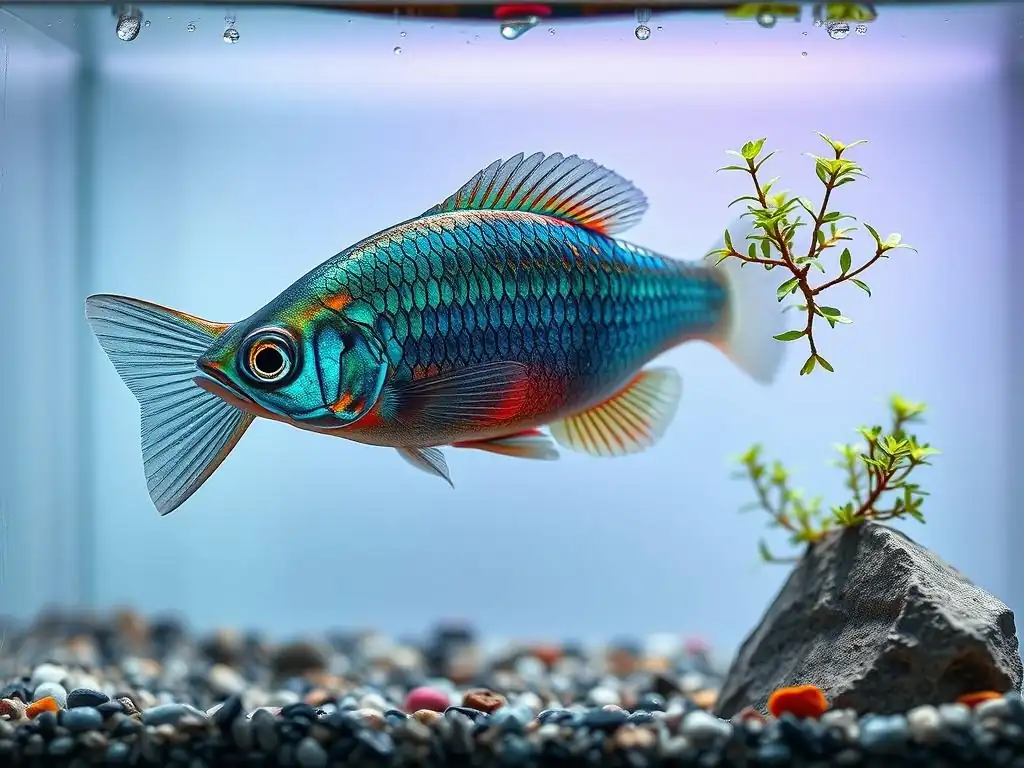
Tank size is one of the most critical factors influencing Molly aggression. Mollies, especially the larger Sailfin varieties, require ample space to swim and establish territories. A general guideline suggests a minimum of 20 gallons for a small group of 3-5 Mollies, with an additional 5-10 gallons per extra Molly depending on their variety and growth. Overcrowding in a small tank, such as attempting to house six Mollies in a 10-gallon tank, dramatically increases stress levels and territorial disputes, as there simply isn't enough personal space or escape routes for all individuals.
When Mollies are confined to inadequate space, subordinate fish have nowhere to retreat from dominant individuals, leading to constant stress and potential injury from relentless chasing or nipping. For instance, a group of five Mollies in a 10-gallon tank will almost certainly exhibit heightened aggression due to the lack of sufficient territory, compared to the same group in a 30-gallon setup where they have more room to establish individual space and avoid conflict. Insufficient tank volume is a common contributor to the need for Aggressive Molly tank solutions.
Water Quality Impact on Behavior
Poor water quality is a significant stressor for all aquarium fish, and Mollies are no exception. High levels of ammonia, nitrite, or nitrate, along with incorrect pH or fluctuating temperatures, can severely compromise a Molly's health and alter its behavior, often leading to increased aggression. When fish are constantly under physiological stress from toxins in their environment, their immune systems weaken, and they become more irritable and prone to lashing out at tank mates.
For example, an ammonia spike from 0 ppm to even 0.25 ppm can cause immediate distress, leading to erratic swimming, clamped fins, and increased irritability among Mollies. Similarly, consistently high nitrate levels (above 20 ppm) can lead to chronic stress, which manifests as lethargy, loss of color, and heightened aggression. Maintaining stable and pristine water parameters through regular partial water changes and consistent testing is paramount for reducing stress and promoting peaceful behavior, thus providing effective Aggressive Molly tank solutions.
Incompatible Tank Mates
The choice of tank mates can significantly influence Molly aggression. Mollies, while generally peaceful, can become fin nippers if housed with slow-moving fish that have long, flowing fins, such as Bettas or some Gouramis. Conversely, placing Mollies with overly aggressive or much larger fish, like certain Cichlids or Barbs, can lead to the Mollies themselves being stressed, bullied, or even injured, which can also trigger defensive aggression.
Ideal tank mates for Mollies are similarly sized, peaceful community fish that thrive in similar water parameters (slightly alkaline, warm water). Good choices include other livebearers (Guppies, Platies, Swordtails, though caution is advised with fin nipping on Guppies), peaceful Tetras (like Neon or Cardinal Tetras), Corydoras catfish, and larger Rasboras. Mixing Mollies with species that have vastly different temperaments or environmental needs often leads to conflict, making careful selection a key part of Aggressive Molly tank solutions.
Diet and Nutrition
An inadequate or unbalanced diet can directly impact a Molly's health and temperament, potentially leading to increased aggression. Mollies are omnivores and require a varied diet that includes both animal protein and significant vegetable matter. A diet consisting solely of dry flake food, especially if it's low quality, may not provide all the essential nutrients Mollies need, leading to deficiencies that can manifest as poor health, lethargy, or irritability.
Furthermore, insufficient feeding or fierce competition for food can trigger aggression within the tank. If Mollies are not receiving enough food, or if dominant individuals are monopolizing feeding, subordinate fish may become stressed and aggressive as they compete for sustenance. For instance, feeding only once a day might not be enough for a growing group of Mollies, leading to heightened competition and squabbles during feeding times. Ensuring a complete, balanced diet fed in appropriate amounts is crucial for maintaining calm and healthy Mollies.
Solutions for Aggressive Behavior
Increasing Tank Size
One of the most effective Aggressive Molly tank solutions is to increase the tank size. A larger aquarium provides more physical space for Mollies to swim, establish individual territories, and, crucially, escape from aggressive tank mates. Upgrading from a cramped 10-gallon tank to a 20-gallon or 30-gallon tank for a group of 3-5 Mollies can often resolve most aggression issues by simply alleviating overcrowding and reducing competition for space.
More space also helps dilute territorial disputes. When fish have ample room, they are less likely to constantly interact negatively. For example, a group of six Mollies in a 20-gallon tank might exhibit frequent chasing and nipping due to limited territory, whereas the same group in a 40-gallon tank, with double the footprint, would likely coexist much more peacefully as they can spread out and avoid constant confrontation.
Optimizing Water Parameters
Optimizing and maintaining stable water parameters is fundamental to reducing stress and aggression in Mollies. Regular partial water changes, typically 25% weekly, are essential to remove accumulated nitrates and replenish vital minerals, ensuring consistently clean and healthy water. Diligent testing for ammonia (0 ppm), nitrite (0 ppm), and nitrate (below 20 ppm) should be a routine practice. Mollies thrive in slightly alkaline water with a pH between 7.5 and 8.5, and stable temperatures ranging from 75-82°F (24-28°C).
Stable and pristine water directly contributes to overall fish health and a calmer temperament. For instance, reducing nitrate levels from a stressful 40 ppm to a healthier 10-20 ppm through consistent water changes can visibly calm agitated fish and reduce aggressive behaviors. When Mollies are not stressed by poor water quality, they are far less likely to exhibit irritability or aggression towards their tank mates, making water optimization a cornerstone of Aggressive Molly tank solutions.
Adjusting Molly Population
Adjusting the Molly population, both in terms of total numbers and male-to-female ratio, is a critical step in managing aggression. If overcrowding is an issue, reducing the total number of Mollies in the tank can significantly decrease stress and territorial disputes. For example, if a 20-gallon tank houses eight Mollies and aggression is rampant, rehoming two or three fish to bring the population down to a more manageable 5-6 Mollies can drastically improve the tank's harmony.
Furthermore, maintaining an appropriate male-to-female ratio is crucial, especially with livebearers. A ratio of one male to two or three females is generally recommended. This diffuses the male's constant breeding attempts among multiple females, reducing the stress on any single female. An all-female Molly tank can also be a peaceful option, though occasional minor squabbles might still occur. Carefully managing population dynamics is a direct Aggressive Molly tank solution.
Providing Hiding Places and Visual Barriers
Providing ample hiding places and visual barriers within the aquarium is an excellent Aggressive Molly tank solution. Live plants, such as dense clumps of Java Fern, Anubias, Hornwort, or even floating plants, are ideal as they offer both shelter and break up lines of sight, preventing dominant fish from constantly seeing and harassing subordinates. Caves, driftwood, and rock formations also serve as crucial retreats for bullied fish, allowing them to escape and feel secure.
When a bullied Molly has access to safe havens, its stress levels decrease significantly, and it can recover from persistent chasing or nipping. For example, creating dense plantings that cover 30-40% of the tank can effectively create distinct zones and allow fish to establish individual territories without constant confrontation. A small cave or a cluster of broad-leafed plants can serve as a sanctuary for a stressed Molly, turning a potentially aggressive environment into a more harmonious one.
Choosing Compatible Tank Mates
Carefully choosing compatible tank mates is essential for preventing and resolving Molly aggression. Research new fish thoroughly before introducing them to your Molly tank. Opt for species that are similarly sized, share similar water parameter requirements (warm, slightly alkaline water), and are known for their peaceful temperament. Good compatible tank mates include other peaceful livebearers (like Platies or Swordtails), peaceful schooling fish such as Neon Tetras, Cardinal Tetras, or larger Rasboras, and bottom dwellers like Corydoras catfish.
Avoid overly aggressive species that might bully your Mollies, as well as very delicate or slow-moving fish with long fins, as Mollies might nip at them. For instance, while some aquarists might attempt to house Mollies with small, peaceful Cichlids, it often leads to stress for the Mollies due to differing temperaments. Sticking to proven compatible community fish significantly reduces the potential for inter-species aggression and contributes to a more stable and peaceful aquarium environment.
Managing Aggression in Fry and Juveniles
Fry Separation
Molly fry, being livebearers, are born fully formed and relatively independent, but they are also highly vulnerable. Adult Mollies, especially hungry ones, will readily predate on their own fry. While aggression among the fry themselves is less common, it can occur if they are severely overcrowded or underfed. Therefore, separating Molly fry from the adult tank is almost always necessary for their survival. This can be done by moving the pregnant female to a dedicated "breeding box" or, ideally, into a separate "grow-out" tank before she gives birth.
A separate tank, even a small 5-10 gallon one for a batch of fry, offers numerous benefits. It allows for targeted feeding of high-protein fry foods, which promotes faster and healthier growth. Crucially, it prevents the fry from becoming food for the adults and reduces any potential aggression from adults constantly seeking out the tiny newborns. This separation minimizes stress on both the fry and the adult Mollies, ensuring a better survival rate for the young.
Gradual Introduction
When introducing new juvenile or adult Mollies to an established tank, a gradual introduction process can significantly reduce stress and potential aggression from existing inhabitants. Simply dumping new fish into the tank can trigger immediate territorial disputes. Instead, begin by acclimating the new fish to the tank's water parameters by floating their bag in the aquarium for 15-20 minutes, then slowly adding small amounts of tank water to the bag over another 30-60 minutes before releasing them.
To further minimize aggression, consider rearranging some of the tank décor before introducing new fish. This disrupts existing territories and forces all fish to re-establish their claims, which can distract them from focusing aggression on the newcomers. If possible, introducing multiple new fish at once (provided the tank size allows) can also help spread out any initial aggression, as the existing fish won't focus solely on one new individual. For highly aggressive individuals, a temporary "time-out" in a separate tank before reintroduction might be necessary to break their aggressive habits.
Preventing Future Aggression
Regular Monitoring
Regular monitoring of your Mollies' behavior is paramount for preventing future aggression. Dedicate a few minutes each day to simply observe your fish. Look for any subtle changes in their interactions: is one fish consistently chasing another? Are there any torn fins? Is a particular Molly hiding more than usual or refusing to eat? Early detection of these signs allows for prompt intervention before minor squabbles escalate into serious aggression or injury.
Consistent observation helps you identify specific individuals that might be instigators or victims. It also helps you notice if a general increase in agitation occurs, which could point to an underlying environmental issue like declining water quality. This proactive approach, catching problems when they are small, is a key component of long-term Aggressive Molly tank solutions, ensuring a harmonious environment for your fish.
Consistent Water Changes
Consistent and regular water changes are one of the most effective preventative measures against aggression in Mollies. Performing weekly or bi-weekly partial water changes (e.g., 20-30% of the tank volume) is crucial for removing accumulated nitrates and other waste products, while also replenishing essential minerals. This practice maintains stable and pristine water parameters, directly contributing to lower stress levels and, consequently, reduced aggression among fish.
The importance of consistency cannot be overstated. Skipping water changes, even for a week or two, can lead to a gradual deterioration of water quality. While not immediately fatal, this slow decline in water conditions causes chronic stress in fish, making them more susceptible to disease and more prone to exhibiting irritable or aggressive behaviors. Regular water changes prevent these stressors from building up, ensuring Mollies remain healthy, vibrant, and peaceful.
Proper Feeding Practices
Proper feeding practices are vital for preventing future aggression related to food competition. Mollies are omnivores and thrive on a varied, high-quality diet. Feed small portions two to three times a day, only what your fish can consume within 2-3 minutes, to prevent overfeeding and subsequent water pollution. Ensure that all fish have access to food, possibly by distributing food in multiple spots across the tank, especially in larger setups.
An adequate and balanced diet supports overall fish health and reduces the likelihood of food-related squabbles. Incorporate high-quality flake food, spirulina flakes, sinking pellets, and occasional live or frozen foods like brine shrimp or bloodworms to provide a complete nutritional profile. When Mollies are well-fed and not competing for limited resources, they are generally calmer and less likely to exhibit aggressive tendencies, contributing to a more peaceful community.
Molly Species and Aggression
Sailfin Mollies vs. Other Varieties
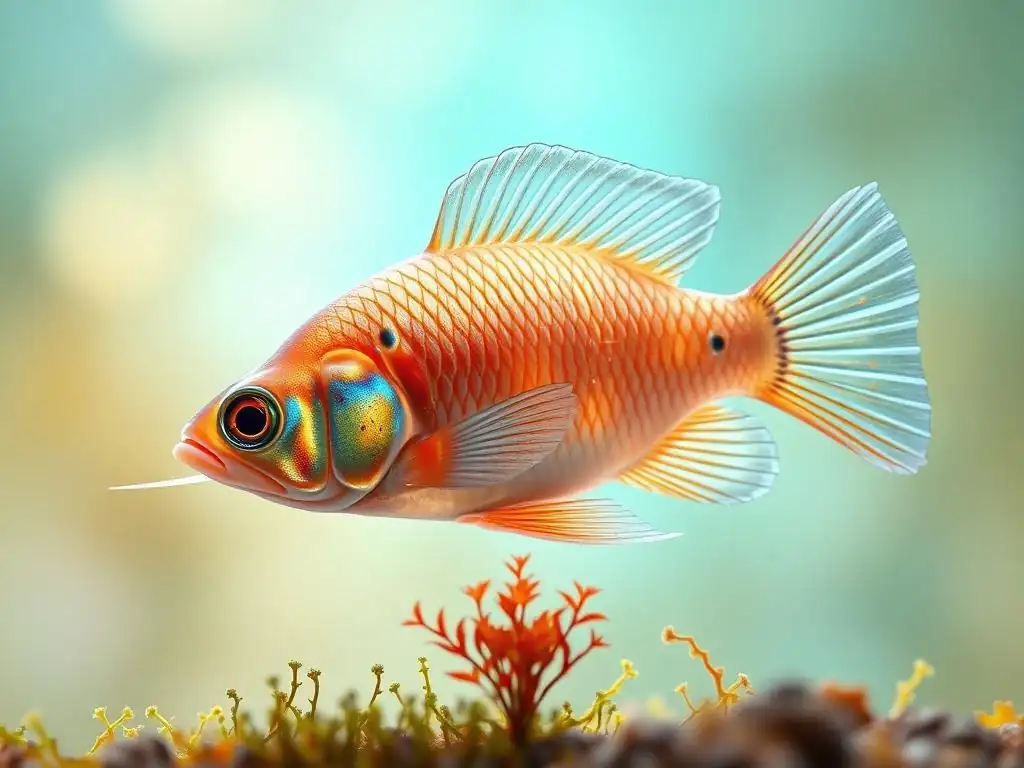
When discussing Molly aggression, it's important to consider species and variety differences. Larger Molly varieties, particularly the Sailfin Molly ( Poecilia latipinna and Poecilia velifera), can exhibit more pronounced territoriality compared to their smaller cousins. Growing up to 4-6 inches in length, their larger size often correlates with a greater need for space and a more assertive temperament. Their impressive, often elaborate dorsal fins can also make them appear more dominant, and they may be more inclined to chase or display towards other fish, especially in confined spaces.
In contrast, smaller Molly varieties like the Balloon Molly or Lyretail Molly typically remain more compact (2-3 inches) and tend to be less overtly aggressive. However, individual temperament varies greatly, and even these smaller varieties can become aggressive if conditions are poor, such as in an overcrowded tank or with unstable water parameters. Understanding these species-specific predispositions helps aquarists choose the most suitable Aggressive Molly tank solutions based on the specific type of Molly they keep.
Liberty Mollies: A More Peaceful Option
For aquarists concerned about potential aggression, the Liberty Molly ( Poecilia salvatoris) stands out as a generally more peaceful option within the Molly family. Originating from Central America, these Mollies are often less boisterous and exhibit less chasing behavior compared to the more commonly available Sailfin or common Molly varieties. Their calmer demeanor makes them an excellent choice for a peaceful community aquarium where minimizing aggression is a priority.
While no fish is entirely without the potential for aggression, the species-specific predispositions of the Liberty Molly lean towards a more tranquil temperament. This can be a significant factor for aquarists struggling with persistent aggression issues from common Mollies, or for those planning a new community tank where harmony is paramount. Opting for a species known for its calmer disposition, such as the Liberty Molly, can be a proactive and effective step in preventing future aggression.
Disease and Aggression
Identifying Symptoms
Disease can significantly impact a Molly's behavior, often manifesting as increased aggression or, conversely, unusual shyness and withdrawal. It's crucial to distinguish between behavioral aggression and aggression stemming from illness. Look for physical symptoms of disease such as clamped fins, rapid breathing, white spots (indicating Ich), fuzzy growths (fungal infections), open sores, or a bloated appearance. Behavioral changes might include darting erratically, rubbing against tank objects, loss of appetite, or an overall lethargic state.
A sick fish might become aggressive due to discomfort, pain, or stress, lashing out at tank mates. Alternatively, a healthy fish might become aggressive towards a weakened, sick tank mate, perceiving it as a threat or an easy target. For example, a Molly suffering from a parasitic infection like Velvet might be constantly irritated, leading it to nip at other fish out of discomfort. Identifying these underlying symptoms is crucial for proper diagnosis and treatment.
Treating Diseases
Prompt and accurate treatment of diseases is essential not only for the fish's health but also for resolving any aggression stemming from illness. Upon identifying symptoms of disease, it's often advisable to isolate the affected fish in a separate hospital tank if possible. This prevents the spread of disease to other tank inhabitants and allows for targeted treatment without negatively impacting the beneficial bacteria in the main aquarium's filter. Use appropriate medications as per the instructions, ensuring they are suitable for Mollies and the specific illness.
Once the underlying illness is treated and the fish begins to recover, its aggressive tendencies often subside as its health and comfort return to normal. Post-treatment, continue to monitor the fish closely and ensure water quality remains impeccable to support a full recovery and prevent recurrence. Addressing disease is an indirect but vital Aggressive Molly tank solution, as a healthy fish is a happier and generally more peaceful fish.
Conclusion: Creating a Harmonious Environment
While Molly fish are generally considered peaceful additions to a freshwater aquarium, their temperament can shift towards aggression under various conditions. Understanding the root causes—such as overcrowding, poor water quality, incompatible tank mates, or an imbalanced male-to-female ratio—is the first critical step in addressing this behavior. Recognizing the signs of aggression, whether it's fin nipping, relentless chasing, or outright bullying, allows for timely intervention.
Ultimately, creating a harmonious environment for your Mollies requires a comprehensive approach. Providing ample tank size, maintaining pristine and stable water parameters, ensuring a balanced and varied diet, and carefully selecting compatible tank mates are fundamental pillars. Implementing strategies like providing abundant hiding places, managing population density, and observing your fish regularly will contribute significantly to their well-being. By proactively addressing these factors, aquarists can effectively implement Aggressive Molly tank solutions, fostering a thriving and peaceful community where these vibrant fish can truly flourish.
Frequently Asked Questions
What are the primary reasons Mollies might exhibit aggression in a tank?
Mollies can display aggression due to overcrowding, territorial disputes, or incompatible tank mates. Stress from poor water quality can also trigger aggressive behavior.
How can I determine if a Molly's behavior is normal or genuinely aggressive?
Normal Molly behavior includes some chasing and fin nipping, but constant harassment, injury, or isolation of other fish indicates true aggression. Observe for patterns.
What are some effective strategies for reducing aggression among Mollies in an aquarium?
Increase tank size to provide more space, add more hiding places like plants and decorations, and maintain proper water parameters.
What is the ideal male-to-female ratio for Mollies to minimize aggression, and why is this important?
Aim for a ratio of 1 male to 3 females. This helps distribute the male's attention and reduces stress on individual females, mitigating breeding-related aggression.
When should I consider removing an aggressive Molly from the tank, and what are some ethical considerations?
Remove a bully if it's causing significant harm to other fish. Consider rehoming the aggressive Molly responsibly rather than simply euthanizing it.
The insights shared throughout this article highlight the crucial connection between understanding molly fish temperament and creating a thriving aquarium environment. The reality is that "Aggressive Molly tank solutions" aren't just about fixing problems; they're about proactively fostering a balanced ecosystem where these vibrant fish can flourish. By acknowledging the factors that contribute to aggression, we can move beyond reactive measures and cultivate a peaceful underwater community.
This journey into the world of molly behavior has underscored the profound impact of environment on individual well-being. It's a reminder that even within the seemingly simple confines of a fish tank, complex social dynamics are at play, mirroring our own human experiences. The greatness of a nation and its moral progress can be judged by the way its animals are treated.
- Mahatma Gandhi. This quote, while often applied to larger animals, holds true for our aquatic companions as well. Ensuring their well-being reflects our own capacity for empathy and responsible stewardship.
Now, consider how these principles extend beyond the glass walls of your aquarium. How can you apply the lessons of creating a balanced environment – providing ample space, minimizing stress, and fostering positive interactions – to your own life and community? Embrace the challenge of creating harmony, not just in your tank, but in all aspects of your world. Strive to be a mindful aquarist, and a mindful inhabitant of our shared planet.
Ignite Your Molly Mastery!
Thanks for diving into the world of mollies with us! We hope you've gained valuable insights into understanding and managing their temperament. Now, let's put that knowledge into action!
- Take the lead by creating a more harmonious environment in your aquarium today - consider re-evaluating your tank's stocking levels and decorations based on what you've learned.
- Explore the social dynamics further by observing your mollies' behavior patterns over the next week. Note any specific interactions and share your findings in an online aquarium forum.
- Why not experiment with introducing a new, fast-growing plant to provide additional hiding spots and observe how it impacts your mollies' interactions?
What subtle change will you make to your molly tank this week to foster a more peaceful underwater community?