
Bloodfin Tetra Dynamics: Active Schoolers and Ideal Tank Mates for a Lively Tank

Welcome to Aquarium Mastery!
Curious about adding a splash of vibrant energy to your freshwater aquarium? Dive into our comprehensive Bloodfin Tetra Care Guide and discover the secrets to keeping these dazzling schoolers thriving. Uncover everything you need to know, from their ideal tank mates to creating the perfect environment for their playful antics. Ready to unlock the full potential of your aquarium? Let's explore the fascinating world of Bloodfin Tetras!
- Understanding Bloodfin Tetras: An In-Depth Care Guide
- Optimizing Your Aquarium for Bloodfin Tetra Care
- Bloodfin Tetra Care Essentials: Diet, Schooling, and Health
- Bloodfin Tetra Tank Mates: Compatibility and Community Tank Dynamics
- Breeding Bloodfin Tetras: A Comprehensive Guide (Moderately Challenging)
- Troubleshooting Common Bloodfin Tetra Care Issues
- Advanced Bloodfin Tetra Care Tips
- Frequently Asked Questions
- Final Reflection: Embracing the Vibrant Dance of Life
- Dive Deeper: Unleash the Vibrant World of Bloodfin Tetras!
Understanding Bloodfin Tetras: An In-Depth Care Guide
What are Bloodfin Tetras? Introduction to Aphyocharax anisitsi
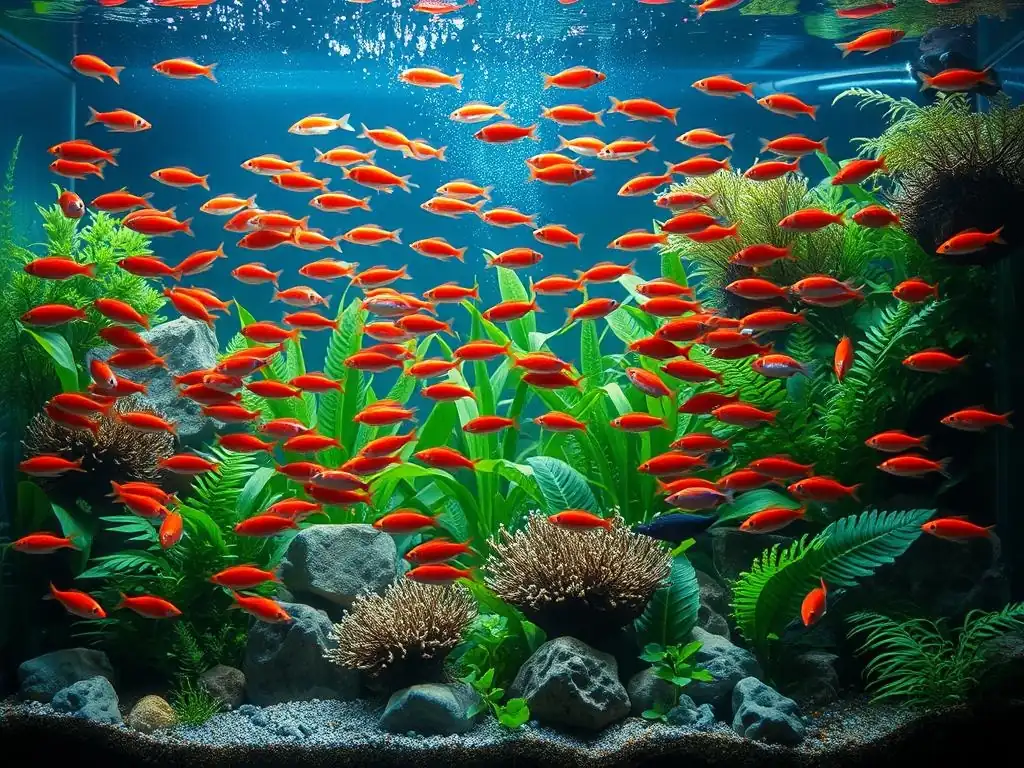
Bloodfin Tetras, scientifically known as Aphyocharax anisitsi, are a popular and resilient freshwater fish species originating from the Paraná River basin in South America, spanning countries like Argentina, Paraguay, and Brazil. These hardy and active schooling fish are admired for their torpedo-shaped, silvery bodies, which are strikingly contrasted by their vibrant, blood-red fins, particularly noticeable on the caudal, anal, and pectoral fins. Growing to an average adult size of about 2 to 2.5 inches (5-6.5 cm), Bloodfin Tetras are a relatively small species, making them suitable for a variety of aquarium sizes, especially community setups.
Their natural habitat often consists of clear, flowing waters with abundant vegetation, which influences their behavior and environmental preferences in captivity. Bloodfin Tetras are known for their lively and energetic swimming patterns, often darting around the middle and upper levels of the aquarium. This constant motion, combined with their schooling nature, creates a dynamic and visually appealing display, making them an excellent choice for aquarists looking to add constant activity and a flash of color to their tanks. Their robust nature also makes them a good option for beginners seeking a relatively low-maintenance yet engaging species.
Why Choose Bloodfin Tetras for Your Aquarium? Benefits & Considerations
Choosing Bloodfin Tetras for your aquarium offers numerous benefits, primarily their hardiness, active schooling behavior, and striking appearance. Unlike some more delicate tetra species, Bloodfins are known for their adaptability to a range of water conditions and their general resistance to common fish diseases, making them a forgiving option for those new to the hobby or looking for a low-stress addition. Their consistent activity levels ensure that the aquarium never looks dull, providing continuous movement and interaction within the water column. Furthermore, their silver bodies and red fins offer a beautiful contrast, especially when housed in a well-planted tank.
However, there are also considerations to keep in mind when planning your Bloodfin tetra care guide. Their high activity levels mean they require ample swimming space, despite their small size. A tank that is too small can lead to stress and aggression.
Additionally, while generally peaceful, they can nip at the fins of slower, long-finned fish if not kept in a sufficiently large school (ideally 6 or more individuals). Ensuring proper Bloodfin tetra care, including a balanced diet and stable water parameters, is crucial for maintaining their vibrant colors and overall health, preventing issues like fin nipping driven by boredom or stress.
Optimizing Your Aquarium for Bloodfin Tetra Care
Ideal Bloodfin Tetra Tank Size and Setup
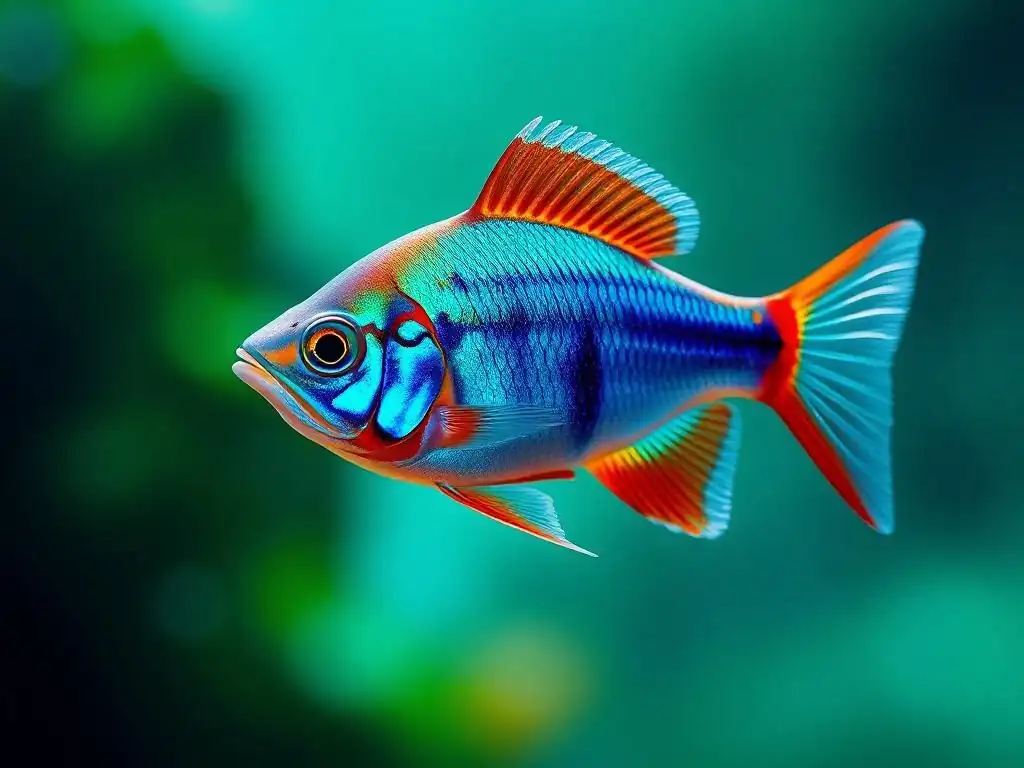
For a healthy and thriving school of Bloodfin Tetras, the ideal tank size is a minimum of 20 gallons (approximately 75 liters). While a 10-gallon tank might seem sufficient for their small individual size, their active schooling nature and desire for ample swimming space necessitate a larger footprint.
For a school of six to eight Bloodfin Tetras, a 20-gallon long tank is preferable over a tall one, as it provides more horizontal swimming room. If you plan to keep a larger school, say 10-12 individuals, or house them with other active community fish, a 30-gallon or 40-gallon tank would be far more appropriate, offering sufficient territory and reducing stress.
When setting up the tank, focus on creating an environment that mimics their natural habitat while providing both open swimming areas and sheltered spots. Dense planting around the perimeter and back of the tank with live plants such as Java Fern, Anubias, and Amazon Swords offers security and visual breaks. Leave the central area open for their energetic schooling displays. Driftwood and smooth rocks can also be incorporated to provide additional hiding spots and visual interest, contributing to a comprehensive Bloodfin tetra care guide setup.
Water Parameters for Healthy Bloodfin Tetras: Temperature, pH, and Hardness
Maintaining precise water parameters is fundamental to optimal Bloodfin tetra care. These fish thrive in stable conditions that closely replicate their native South American waters. The ideal water temperature for Bloodfin Tetras ranges from 68°F to 79°F (20°C to 26°C), with a consistent temperature being more important than fluctuating within this range. A reliable aquarium heater with a thermostat is essential to prevent temperature swings, which can stress the fish and make them susceptible to disease.
Regarding pH and hardness, Bloodfin Tetras are relatively adaptable but prefer slightly acidic to neutral water. An ideal pH range is between 6.0 and 7.5, with 6.5-7.0 often being optimal. Water hardness (GH) should be kept in the soft to moderately hard range, approximately 5-15 dGH. Regular testing of your aquarium water with a reliable test kit is crucial to monitor these parameters and make small, gradual adjustments if necessary. Sudden changes in pH or hardness can be detrimental to their health, underscoring the importance of gradual acclimation and consistent water quality for effective Bloodfin tetra care.
Essential Filtration and Aeration for Bloodfin Tetra Health
Effective filtration is a cornerstone of any successful Bloodfin tetra care guide, crucial for maintaining pristine water quality. For a Bloodfin Tetra tank, a robust filtration system capable of performing mechanical, chemical, and biological filtration is recommended. A hang-on-back (HOB) filter or an internal power filter sized appropriately for your tank's volume is typically sufficient for smaller setups (20-30 gallons).
For larger tanks or those with a higher bioload, a canister filter offers superior performance and media capacity. Mechanical filtration removes particulate matter, chemical filtration addresses dissolved impurities and odors, and biological filtration, the most critical, converts harmful ammonia and nitrites into less toxic nitrates.
In addition to filtration, adequate aeration is vital for the well-being of Bloodfin Tetras. These active fish require well-oxygenated water to thrive. The surface agitation created by a good filter outflow can often provide sufficient oxygen exchange. However, adding an air stone connected to an air pump can further enhance dissolved oxygen levels, especially in heavily planted tanks or those with a high fish density. Proper aeration also helps to circulate water, preventing stagnant areas and ensuring consistent water parameters throughout the aquarium, contributing significantly to a comprehensive Bloodfin tetra care routine.
Choosing the Right Substrate and Decorations for Bloodfin Tetras
The choice of substrate and decorations plays a significant role in creating a comfortable and visually appealing environment for Bloodfin Tetras. A fine-grained gravel or sand substrate is generally recommended. Fine gravel (2-3mm) allows for easy cleaning and is gentle on any bottom-dwelling tank mates. Sand, while aesthetically pleasing and mimicking natural riverbeds, requires more careful maintenance to prevent anaerobic pockets. Darker substrates can help to enhance the vibrant red coloration of the Bloodfin Tetras' fins, making their colors pop more noticeably against the background.
When it comes to decorations, the goal is to provide a balance of open swimming space and sheltered areas, reflecting their natural preferences for both activity and security. Live plants, such as Java Fern, Anubias, Amazon Swords, and various stem plants, are highly beneficial. They offer hiding spots, help maintain water quality by absorbing nitrates, and provide a natural feel.
Driftwood and smooth, non-sharp rocks can also be incorporated to create additional visual interest and provide further hiding opportunities. Ensure all decorations are aquarium-safe and have no sharp edges that could potentially injure the fish. This thoughtful approach to tank setup is a key aspect of successful Bloodfin tetra care.
Bloodfin Tetra Care Essentials: Diet, Schooling, and Health
Bloodfin Tetra Diet: What to Feed Your Active Schoolers
A balanced and varied diet is paramount for the health, vibrancy, and longevity of Bloodfin Tetras. As omnivores, they readily accept a wide range of foods. High-quality flake food or micro-pellets formulated for tropical fish should form the staple of their diet, provided in small amounts two to three times a day. It's crucial to feed only what they can consume within 2-3 minutes to prevent overfeeding and water pollution, which can negatively impact Bloodfin tetra care.
To supplement their staple diet and provide essential nutrients, incorporate a variety of live, frozen, and freeze-dried foods. Options like bloodworms, brine shrimp, daphnia, and tubifex worms are excellent sources of protein and stimulate their natural hunting instincts. Vegetable matter, such as blanched spirulina flakes or finely crushed algae wafers, should also be offered occasionally. A diverse diet not only ensures complete nutrition but also enhances their colors and boosts their immune system, making them more resilient to disease. This comprehensive feeding strategy is a vital part of any Bloodfin tetra care guide.
Schooling Behavior: Maintaining a Happy and Healthy Bloodfin Tetra Group
Bloodfin Tetras are quintessential schooling fish, and their well-being is intrinsically linked to being kept in appropriate group sizes. For a happy and healthy school, a minimum of six individuals is recommended; however, a group of eight to twelve or more Bloodfin Tetras will exhibit more natural and impressive schooling behaviors. When kept in insufficient numbers, they can become shy, stressed, and prone to nipping the fins of other tank mates, particularly slower-moving species with long fins.
The presence of a large school provides a sense of security, allowing them to display their natural behaviors, such as synchronized swimming and darting movements, which are a joy to observe. A strong school also diffuses any potential aggression among the Bloodfins themselves, as their energy is directed towards group cohesion rather than individual dominance. Ensuring your Bloodfin tetra care guide includes a commitment to maintaining a robust school size is vital for their mental and physical health, contributing to a lively and harmonious aquarium environment.
Recognizing and Treating Common Bloodfin Tetra Diseases
Despite their hardiness, Bloodfin Tetras are not entirely immune to common freshwater fish diseases, especially if water quality is poor or stress levels are high. Regular observation is key to early detection and successful treatment. Two common issues to watch for are fin rot and Ich (white spot disease). Fin rot, often caused by bacterial infections due to poor water quality or injury, manifests as frayed, discolored, or disintegrating fins. Early signs include cloudy or ragged fin edges.
Ich, or Ichthyophthirius multifiliis, is a common parasitic infection appearing as small, white spots resembling grains of salt scattered across the fish's body and fins. This highly contagious parasite often appears when fish are stressed or introduced to new environments without proper quarantine. Prompt treatment for both conditions is crucial.
For fin rot, improving water quality through partial water changes and using broad-spectrum antibacterial treatments can be effective. For Ich, increasing the water temperature slightly (to 82-84°F, 28-29°C) and administering an Ich-specific medication, often containing malachite green or formalin, is the standard approach. Always follow medication instructions carefully and remove carbon filtration during treatment.
Identifying Fin Rot and Ich in Bloodfin Tetras
Identifying fin rot in Bloodfin Tetras involves a close inspection of their fins. Healthy Bloodfin fins are typically translucent and smooth-edged, with a vibrant red hue on the caudal, anal, and pectoral fins. When fin rot sets in, the edges of the fins may appear ragged, torn, or cloudy, sometimes with a whitish or reddish discoloration. In advanced stages, parts of the fin may completely disintegrate, leaving only the rays. This condition is often a secondary infection stemming from poor water conditions, overstocking, or bullying.
Ich presents as distinct, tiny white spots, typically 0.5-1mm in diameter, scattered across the body, fins, and sometimes the gills of the Bloodfin Tetra. These spots are the visible cysts of the Ichthyophthirius multifiliis parasite. Affected fish may also exhibit behavioral changes such as flashing (rubbing against tank objects), clamped fins, lethargy, or rapid breathing (due to gill infestations). It's crucial to differentiate Ich from harmless air bubbles or specks of debris. If multiple fish show these symptoms, it strongly indicates an Ich outbreak, requiring immediate action as part of your Bloodfin tetra care routine.
Addressing Stress-Related Issues in Bloodfin Tetras
Stress is a significant precursor to disease in Bloodfin Tetras, weakening their immune systems and making them susceptible to various ailments. Common stressors include poor water quality (high ammonia, nitrite, or nitrate levels), inappropriate tank size, insufficient schooling numbers, aggressive tank mates, or sudden changes in water parameters. Signs of stress can include faded colors, clamped fins, erratic swimming, hiding excessively, or a general lack of activity. Addressing the root cause of stress is paramount for successful Bloodfin tetra care.
To mitigate stress, regularly test your water parameters and perform consistent partial water changes, aiming for 25-30% weekly, to maintain optimal water quality. Ensure your Bloodfin Tetras are kept in a school of at least six individuals in an appropriately sized tank to provide security and reduce aggression. If aggression from tank mates is observed, consider rehoming the aggressor or the Bloodfins.
Providing ample hiding spots with plants and decor can also help them feel more secure. Gradual acclimation when introducing new fish and avoiding sudden environmental changes are also vital steps in preventing stress-related health issues and promoting long-term Bloodfin tetra care.
Bloodfin Tetra Tank Mates: Compatibility and Community Tank Dynamics
Best Tank Mates for Bloodfin Tetras: Peaceful and Similarly Sized Companions
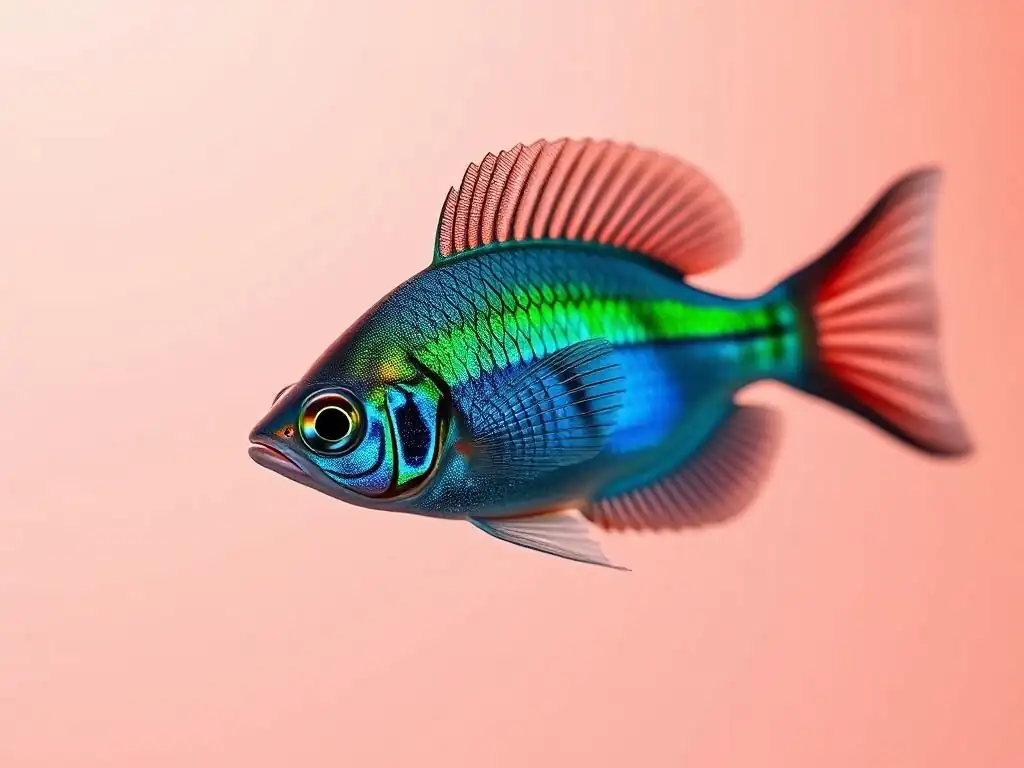
Choosing appropriate tank mates is crucial for a harmonious Bloodfin Tetra community tank. Given their active and generally peaceful nature, Bloodfin Tetras do best with other similarly sized, non-aggressive fish that prefer similar water parameters. Excellent companions include other small, peaceful schooling tetras such as Neon Tetras, Glowlight Tetras, and Rummy-Nose Tetras, which will often school together, creating a stunning visual effect. Peaceful bottom-dwellers like Corydoras catfish (e.g., Panda Cory, Bronze Cory) and Otocinclus catfish are also ideal, as they occupy different parts of the water column and are non-competitive.
Other suitable tank mates can include small rasboras (e.g., Harlequin Rasboras), dwarf gouramis (e.g., Honey Gourami), and certain species of peaceful livebearers like Guppies or Platies, provided their fins are not too long and flowing to tempt fin-nipping from the Bloodfins if the school size is insufficient. When considering tank mates for your Bloodfin tetra care guide, always prioritize species with calm temperaments and comparable environmental needs to ensure a thriving community.
Fish to Avoid: Incompatible Tank Mates for Bloodfin Tetras
While Bloodfin Tetras are generally peaceful, certain fish species are incompatible and should be avoided in a community tank setup. Aggressive or predatory fish, such as Cichlids (e.g., Oscar, Jack Dempsey), larger Gouramis (e.g., Kissing Gourami), and many species of Barbs (e.g., Tiger Barbs, unless kept in very large schools to diffuse aggression), pose a significant threat. These larger, more boisterous fish can intimidate, stress, or even prey upon the relatively small and delicate Bloodfin Tetras, leading to injury or death.
Similarly, fish with long, flowing fins should generally be avoided, especially if the Bloodfin Tetra school is small or stressed. While Bloodfins are not notorious fin-nippers, a small, bored, or agitated school can occasionally nip at the elaborate fins of species like Betta fish, Angelfish, or certain fancy Guppy varieties, causing stress and potential injury to the long-finned fish. Adhering to these guidelines on incompatible tank mates is a critical component of responsible Bloodfin tetra care, ensuring the safety and well-being of all inhabitants in your aquarium.
Maintaining Harmony in a Bloodfin Tetra Community Tank
Maintaining harmony in a Bloodfin Tetra community tank requires careful planning and ongoing observation. The foundation for peace lies in providing an adequately sized tank (20 gallons minimum for a small school, larger for more fish) and ensuring the Bloodfins are kept in a sufficiently large school of at least six to eight individuals. This large group size helps to diffuse any potential internal aggression among the Bloodfins and makes them feel secure, reducing the likelihood of them nipping at other fish.
Regular feeding with a varied diet, as outlined in this Bloodfin tetra care guide, also contributes to a peaceful environment by preventing hunger-driven aggression. Providing ample hiding spots and visual barriers with live plants and decor can reduce stress and allow all fish to establish their territories without constant confrontation. Lastly, consistent water quality maintenance through regular water changes and proper filtration is paramount. A healthy, stress-free environment fosters peaceful interactions, ensuring that your Bloodfin Tetras and their tank mates coexist harmoniously.
Breeding Bloodfin Tetras: A Comprehensive Guide (Moderately Challenging)
Setting Up a Breeding Tank for Bloodfin Tetras
Breeding Bloodfin Tetras, while not as straightforward as some livebearers, is a rewarding endeavor for the dedicated aquarist and a key aspect of advanced Bloodfin tetra care. To maximize success, a separate breeding tank is highly recommended. A 5 to 10-gallon (19-38 liter) bare-bottom tank is usually sufficient for a single pair or a small group (one female to two males). The water should be soft (GH 2-6 dGH) and slightly acidic (pH 6.0-6.5), with a temperature around 75-79°F (24-26°C). Use an air-driven sponge filter to provide gentle filtration without sucking up eggs or fry.
Crucially, the tank needs spawning mops or fine-leaved plants like Java Moss or hornwort. Bloodfin Tetras are egg scatterers, and these materials provide a substrate for the eggs to adhere to, while also offering some protection from parental predation. Dim lighting is also beneficial, as eggs are light-sensitive. Prepare the breeding tank several days in advance to ensure stable water parameters before introducing the breeding pair or group.
Spawning Behavior and Egg Care for Bloodfin Tetras
Conditioning the Bloodfin Tetra breeding pair or group with a high-protein diet of live or frozen foods (like bloodworms and brine shrimp) for a week or two prior to introduction will encourage spawning. When ready, the female will appear noticeably plumper with eggs. Spawning typically occurs in the early morning, often at dawn, with the male chasing the female into the spawning mop or plants. The female will scatter hundreds of tiny, clear, adhesive eggs, which the male will then fertilize. This process can last for several hours.
Once spawning is complete, which can be identified by the female's visibly thinner appearance, the adult Bloodfin Tetras should be immediately removed from the breeding tank. They are known egg-eaters and will consume their own progeny if given the opportunity. The eggs are light-sensitive, so keeping the tank dimly lit or even covered for the first 24-48 hours is recommended. The eggs typically hatch within 24-36 hours, depending on the temperature, marking the next phase of Bloodfin tetra care in the breeding process.
Raising Bloodfin Tetra Fry: From Hatching to Juvenile
Raising Bloodfin Tetra fry requires meticulous attention to diet and water quality. The newly hatched fry are extremely small and will initially feed on their yolk sacs for the first 1-2 days. Once the yolk sac is absorbed, they become free-swimming and require microscopic food. Infusoria, a culture of microscopic organisms, is the ideal first food for Bloodfin Tetra fry due to their tiny size. This can be cultured at home or purchased.
After about a week, as the fry grow slightly, they can be transitioned to newly hatched brine shrimp nauplii, which are highly nutritious and stimulate growth. As they continue to grow, typically after another week or two, they can gradually be introduced to finely crushed flake food or commercial fry food.
Maintaining impeccable water quality through small, daily water changes (e.g., 10-15%) using aged or dechlorinated water is critical, as fry are highly sensitive to nitrates and other pollutants. A strict feeding and water change schedule is paramount for successfully raising Bloodfin Tetra fry to juvenile size, a rewarding aspect of advanced Bloodfin tetra care.
Troubleshooting Common Bloodfin Tetra Care Issues
Why are my Bloodfin Tetras Hiding? Identifying Stress Factors
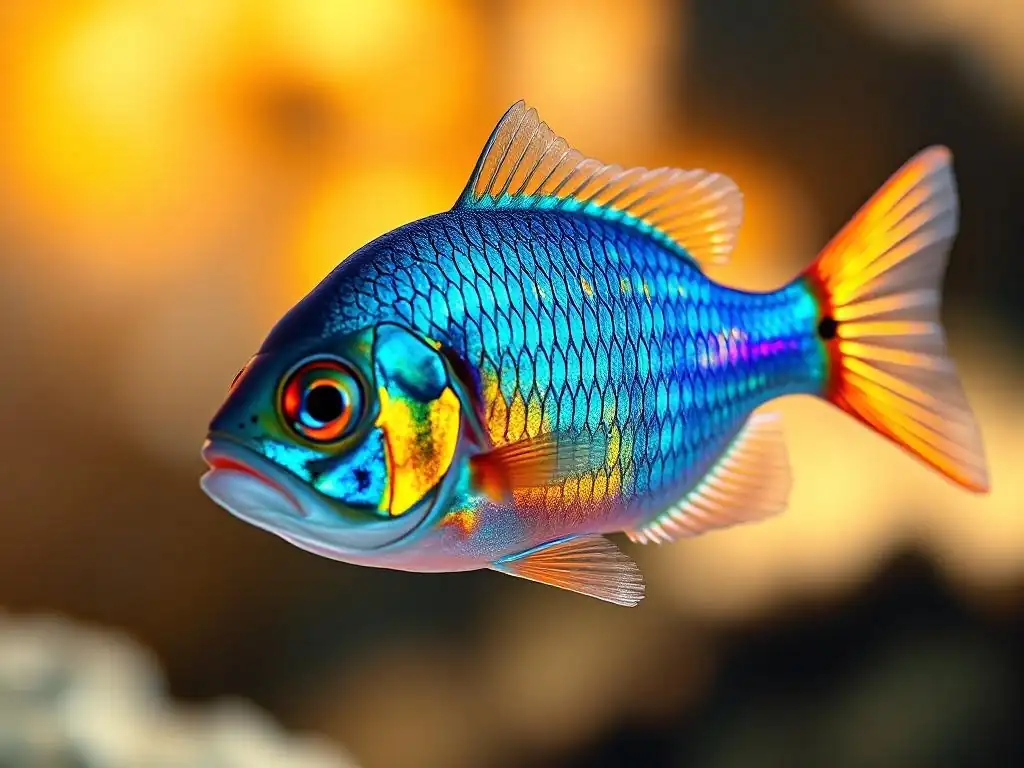
If your typically active Bloodfin Tetras are hiding excessively, clamping their fins, or exhibiting unusual lethargy, it's a clear indicator of stress. Several factors can contribute to this behavior, and identifying the root cause is crucial for effective Bloodfin tetra care. One common reason is an insufficient school size; when kept in groups smaller than six, Bloodfins feel insecure and vulnerable, leading them to seek constant cover. They thrive in larger numbers where safety is found in schooling.
Another significant stressor is poor water quality. High levels of ammonia, nitrites, or nitrates, or sudden fluctuations in pH or temperature, can severely impact their health and comfort. Aggressive tank mates can also cause Bloodfins to hide, as they feel threatened and avoid confrontation. Finally, a lack of adequate hiding spots or a tank that is too brightly lit without shaded areas can make them feel exposed. Addressing these issues—by increasing school size, improving water quality, removing aggressive tank mates, or adding more plants and decor—will help your Bloodfins regain their confidence and resume their lively behavior.
Addressing Faded Colors in Bloodfin Tetras
Faded colors in Bloodfin Tetras, where their characteristic silver bodies appear dull and their vibrant red fins lose their intensity, are a common sign that something is amiss with their environment or health. The primary cause of color fading is often stress, which can stem from a variety of factors. Poor water quality, including elevated ammonia, nitrite, or nitrate levels, or incorrect pH and temperature, are major culprits. Regular testing and consistent partial water changes are essential to maintain stable, pristine conditions.
An inadequate diet can also lead to dull coloration. If your Bloodfins are not receiving a varied diet rich in high-quality protein and some vegetable matter, they may lack the nutrients needed to maintain their vivid hues. Ensure you're feeding a mix of quality flakes, pellets, and frozen/live foods.
Additionally, an insufficient school size can cause chronic stress, leading to faded colors; keeping them in a group of at least six individuals helps them feel secure. Addressing these underlying issues is key to restoring the vibrant colors of your Bloodfin Tetras and is a vital part of effective Bloodfin tetra care.
Maintaining Water Quality for Optimal Bloodfin Tetra Health: Weekly Water Changes
Maintaining pristine water quality is arguably the most critical aspect of Bloodfin tetra care. Poor water quality is the leading cause of stress, disease, and premature death in aquarium fish. The most effective method for maintaining optimal water quality is through regular, partial water changes. For a well-established Bloodfin Tetra tank, a weekly water change of 25-30% of the tank's volume is highly recommended. This routine removes accumulated nitrates, phosphates, and other dissolved organic compounds that can build up over time, while replenishing essential trace elements.
Before performing a water change, ensure the new water is dechlorinated and matched as closely as possible in temperature to the tank water to prevent thermal shock. Using a reliable water test kit to monitor ammonia, nitrite, and nitrate levels regularly will help you gauge the effectiveness of your maintenance routine. If nitrate levels consistently remain high even with weekly changes, consider increasing the frequency or volume of water changes, or reducing the bioload. Consistent adherence to this water change schedule is fundamental to preventing health issues and ensuring the long-term vitality of your Bloodfin Tetras.
Advanced Bloodfin Tetra Care Tips
Acclimating New Bloodfin Tetras
Proper acclimation is a critical, yet often overlooked, step in successful Bloodfin tetra care, especially when introducing new fish to an existing aquarium. Incorrect acclimation can cause severe stress, leading to weakened immune systems and susceptibility to disease. The drip acclimation method is highly recommended for Bloodfin Tetras due to its gentle approach, gradually equalizing water parameters between the transport bag and the aquarium. Start by floating the sealed bag in the tank for 15-20 minutes to equalize temperature.
After temperature equalization, open the bag and roll down the edges to form a float. Using an air line tube and an airline valve, siphon water from the main tank into the bag, allowing water to drip slowly into the bag at a rate of about 1-2 drips per second. Continue this process until the volume of water in the bag has at least doubled, which typically takes 45-60 minutes.
Once acclimated, gently net the Bloodfin Tetras and release them into the tank, discarding the water from the bag. This slow and steady introduction minimizes shock and significantly improves their chances of thriving.
Long-Term Bloodfin Tetra Care: Ensuring a Long and Healthy Life
Ensuring a long and healthy life for your Bloodfin Tetras extends beyond basic daily care; it involves a holistic approach to their environment and well-being. With proper long-term Bloodfin tetra care, these fish can live for 5 to 8 years, and sometimes even longer, in a home aquarium. Key to their longevity is consistency in their environment: stable water parameters, regular water changes, and a consistent feeding schedule are paramount. Avoid sudden changes in their tank setup or water chemistry, as these can be highly stressful.
Beyond routine maintenance, enriching their environment contributes significantly to their overall health. Providing a well-planted tank with plenty of swimming space and hiding spots allows them to engage in natural behaviors and reduces chronic stress. Regularly observing your Bloodfins for any subtle changes in behavior, appetite, or appearance can help catch potential issues early. Proactive measures, such as quarantining new fish before introduction and having a basic fish first-aid kit on hand, further solidify a robust long-term Bloodfin tetra care strategy, fostering a vibrant and enduring aquatic community.
The Future of Bloodfin Tetra Keeping: Responsible Sourcing Practices
The future of Bloodfin Tetra keeping, like that of many popular aquarium species, increasingly hinges on responsible sourcing practices. While Bloodfin Tetras are widely bred in captivity, many are still collected from the wild, particularly from their native South American habitats. Responsible sourcing ensures that wild populations are not over-exploited and that the collection methods are environmentally sound, minimizing impact on natural ecosystems. For aquarists, supporting suppliers who prioritize ethical and sustainable practices is a key aspect of future-oriented Bloodfin tetra care.
This includes inquiring about the origin of the fish you purchase. Opting for captive-bred Bloodfin Tetras when available reduces pressure on wild populations and often results in fish that are already accustomed to aquarium life, potentially making them hardier. If purchasing wild-caught specimens, ensure they come from reputable sources that adhere to CITES regulations (if applicable) and promote responsible harvesting. Educating fellow aquarists about the importance of sustainable choices also plays a vital role in ensuring that Bloodfin Tetras remain a vibrant and accessible species for generations of enthusiasts to enjoy.
Frequently Asked Questions
What are the ideal tank conditions for Bloodfin Tetras?
Bloodfin Tetras thrive in soft, slightly acidic water with a temperature range of 72-78°F. A well-planted tank with plenty of swimming space is also crucial for their well-being.
How many Bloodfin Tetras should I keep together?
Bloodfin Tetras are schooling fish and should be kept in groups of at least six. Keeping them in smaller groups can lead to stress and shyness.
What do Bloodfin Tetras eat?
They are omnivores and will accept a variety of foods. A balanced diet includes high-quality flake food, small live or frozen foods like daphnia and brine shrimp, and vegetable matter.
Are Bloodfin Tetras compatible with other fish species?
Yes, they are generally peaceful and make good community fish. Avoid keeping them with aggressive or fin-nipping species, as they can be easily stressed.
What are some common health issues to watch out for in Bloodfin Tetras?
While generally hardy, Bloodfin Tetras can be susceptible to Ich (white spot disease) and other common aquarium ailments. Maintaining good water quality and observing their behavior regularly is key to prevention.
Final Reflection: Embracing the Vibrant Dance of Life
The journey into understanding Bloodfin Tetra dynamics, as explored in this guide, transcends mere fishkeeping; it's a reflection of our own desire to create thriving ecosystems, both within our aquariums and in our lives. The principles of responsible Bloodfin Tetra care – observation, adaptation, and fostering a balanced environment – resonate deeply with the challenges and rewards of nurturing any living system. This guide serves as a reminder that even the smallest creatures can teach us profound lessons about interconnectedness and the delicate balance of nature.
The Bloodfin Tetra, with its shimmering scales and energetic spirit, serves as a constant reminder of the beauty and vitality that can be found in even the most humble corners of the natural world. My own experience observing these fish has instilled a deeper appreciation for the intricacies of aquatic life and the responsibility we bear as stewards of their well-being. In every walk with nature one receives far more than he seeks.
- John Muir. This quote perfectly encapsulates the profound connection we can forge with nature through the simple act of caring for these vibrant creatures.
As you embark on your own journey with Bloodfin Tetras, or simply reflect on the lessons learned from this guide, I encourage you to consider how these principles can be applied to other aspects of your life. Let the Bloodfin Tetra's vibrant dance inspire you to create your own thriving ecosystem, filled with balance, harmony, and a deep appreciation for the interconnectedness of all things. Embrace the challenge, observe with intention, and nurture the life around you, for in doing so, you enrich not only your own world but the world of those around you as well.
Dive Deeper: Unleash the Vibrant World of Bloodfin Tetras!
Thank you for exploring the captivating world of Bloodfin Tetras with us. We hope you've gained valuable insights into their lively behavior and how to create the perfect environment for them. Now, it's time to put that knowledge into action!
Here are a few ways to further immerse yourself in the Bloodfin Tetra experience:
- Prioritize Action: Transform your aquarium into a Bloodfin paradise! Begin researching tank dimensions, optimal plants, and compatible tank mates to establish a thriving ecosystem for these active schooling fish.
- Explore Beyond the Basics: Venture into the realm of specialized Bloodfin Tetra diets! Discover advanced feeding strategies and uncommon food sources to enhance their coloration and overall vitality, showcasing the full spectrum of their beauty.
- Share Your Discovery: Connect with fellow aquarium enthusiasts! Share your newfound knowledge about Bloodfin Tetras on social media, forums, or with local aquarium clubs to inspire others to appreciate these dynamic creatures.
What unique plants or decor will you choose to highlight the natural beauty and playful antics of your Bloodfin Tetras?