
Breeding Lemon Tetras: Adding a Splash of Yellow Joy to Your Fish Room

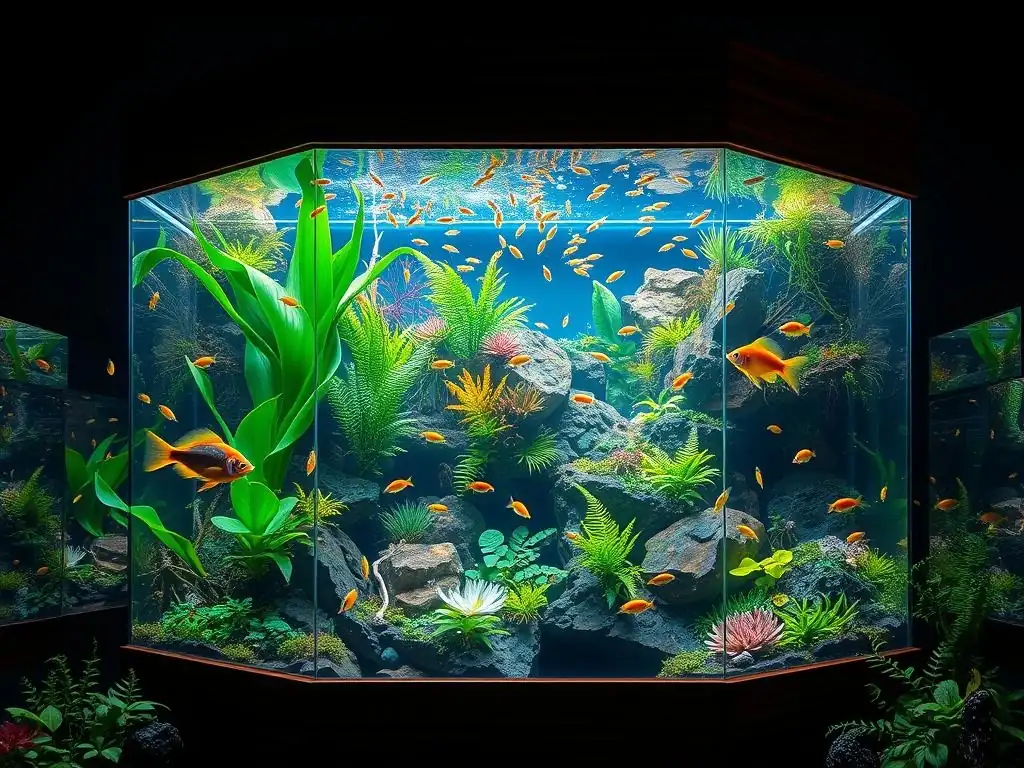
Welcome to Aquarium Mastery!
Ever wondered how to unlock the secrets to breeding those vibrant, lemon-yellow jewels in your aquarium? Get ready to dive deep! This article unveils expert Lemon Tetra Breeding Tips, guiding you through every step of the process, from selecting the perfect pair to nurturing their precious fry. Prepare to be amazed as you add a splash of yellow joy to your fish room. Curious to learn more? Let's get started!
- Introduction to Lemon Tetra Breeding
- Preparing for Lemon Tetra Spawning
- The Lemon Tetra Spawning Process
- Raising Lemon Tetra Fry
- Common Challenges and Troubleshooting in Lemon Tetra Breeding
- Tips for Maximizing Lemon Tetra Breeding Success
- Conclusion: Enjoying the Rewards of Breeding Lemon Tetras
- Frequently Asked Questions
- Final Reflection: Cultivating Aquatic Harmony
- Ignite Your Passion: Start Breeding Lemon Tetras Today!
Introduction to Lemon Tetra Breeding
Why Breed Lemon Tetras? Benefits and Considerations
Breeding Lemon Tetras (Hyphessobrycon pulchripinnis) offers a uniquely rewarding experience for aquarists. Beyond the inherent satisfaction of witnessing new life, successfully breeding these vibrant yellow fish contributes directly to the aquarium hobby by providing healthy, home-bred specimens. This reduces reliance on wild-caught fish, which can sometimes carry diseases or have been subjected to stressful collection and transport conditions. Furthermore, observing the full life cycle of Lemon Tetras, from tiny eggs to free-swimming fry and eventually mature adults, provides invaluable insights into fish biology and behavior, deepening an aquarist's understanding and appreciation for their aquatic charges.
The process of breeding Lemon Tetras also allows for the development of advanced aquarist skills, particularly in water chemistry management and fry care, which are crucial Lemon tetra breeding tips. For instance, maintaining the specific soft, acidic water parameters required for successful spawning, or preparing microscopic foods for newly hatched fry, are intricate tasks that hone an aquarist's expertise. Moreover, a successful breeding project can yield a surplus of fish, which can be shared with local fish clubs, sold to local fish stores, or used to populate additional tanks, creating a self-sustaining and enjoyable aspect of the hobby.
Understanding Lemon Tetra Behavior and Compatibility
Lemon Tetras are known for their peaceful and schooling nature, typically thriving in groups of six or more individuals. This schooling behavior is important to consider even in a breeding context, as a lone pair might feel stressed, potentially hindering spawning.
In a community tank, they are generally compatible with other similarly sized, peaceful fish like Corydoras catfish, other small tetras, and peaceful rasboras. However, for dedicated breeding, it is crucial to isolate a breeding pair or a small group (e.g., two males and three females) to prevent egg predation by other tank inhabitants, including the parent Lemon Tetras themselves.
Their social structure involves a hierarchy within the school, and during breeding, males will display more vibrant coloration and engage in gentle chasing behavior to entice females. Understanding these nuances in their behavior, such as identifying the subtle signs of a female ready to spawn (often appearing plumper with eggs), is a key aspect of successful Lemon tetra breeding tips. While generally hardy, sudden changes in environment or water parameters can induce stress, which directly impacts their willingness to breed. Thus, a stable, well-established environment is paramount for encouraging natural spawning behavior.
Preparing for Lemon Tetra Spawning

Setting Up a Dedicated Breeding Tank for Lemon Tetras
Successful Lemon Tetra breeding begins with the meticulous setup of a dedicated spawning environment. This specialized tank ensures optimal conditions for egg laying and protects the delicate eggs and fry from predation. Unlike a community tank, a breeding tank is minimalist and designed purely for reproduction. It should be placed in a quiet area, away from high traffic, to minimize disturbance and stress on the breeding pair, fostering a serene environment conducive to spawning.
Tank Size and Dimensions for Breeding Lemon Tetras
For a single pair of Lemon Tetras, a small 5-gallon (approximately 19-liter) aquarium is often sufficient and even preferred for breeding purposes. The smaller volume makes it easier to maintain precise water parameters and allows for easier egg collection or observation.
For a small group (e.g., two males and three females), a 10-gallon (approximately 38-liter) tank provides adequate space without being overly large. The dimensions are more important than sheer volume; a tank with a longer footprint rather than a tall, narrow one is beneficial, as it provides more surface area for the fish to swim and scatter eggs, which is a vital aspect of Lemon tetra breeding tips.
Essential Equipment: Heater, Filter, and Lighting
The breeding tank requires minimal yet specific equipment. A reliable heater is essential to maintain a stable water temperature between 78-82°F (25.5-27.8°C), which encourages spawning and supports rapid egg development. Filtration should be very gentle to avoid sucking up delicate eggs or fry. A small sponge filter, air-driven for minimal current, is ideal. It provides biological filtration without creating strong currents. Lighting should be dim and controllable; a small LED light with a dimmer function is perfect. Lemon Tetras prefer to spawn in the early morning hours with dim, ambient light. Excessive brightness can stress them and inhibit spawning.
Substrate and Plants: Creating a Suitable Environment
To protect the adhesive eggs from being eaten by the parents, the breeding tank should have either a bare bottom, a layer of marbles, or a spawning mesh placed above the tank floor. Marbles, typically 0.5 to 1 inch in diameter, allow eggs to fall into the gaps, out of reach. Alternatively, a plastic egg crate or fine mesh elevated slightly from the bottom serves a similar purpose.
For egg-laying surfaces, fine-leafed plants such as Java moss, Hornwort, or artificial spawning mops (made from nylon yarn) are crucial. These plants provide a natural substrate for the eggs to adhere to and offer security for the spawning fish. Approximately 50-70% of the tank volume should be filled with such material to maximize egg collection.
Water Parameters for Successful Lemon Tetra Breeding
Achieving and maintaining precise water parameters is perhaps the most critical factor for successful Lemon Tetra breeding. These parameters mimic their natural Amazonian habitat, signaling to the fish that conditions are ideal for reproduction. Deviations can lead to infertile eggs, poor hatching rates, or a complete refusal to spawn. Consistent monitoring with reliable test kits is non-negotiable.
Achieving Optimal Water Chemistry for Spawning
Lemon Tetras are soft water, acidic spawners. The ideal pH range for breeding is 5.5 to 6.5, with some breeders reporting success at pH as low as 5.0. Water hardness should be very soft, specifically a General Hardness (GH) of 2-6 dGH (35-105 ppm) and a Carbonate Hardness (KH) of 1-3 dKH (18-54 ppm).
This soft, acidic water is crucial for egg viability, as hard water can prevent the sperm from fertilizing the eggs and inhibit the eggs from hardening properly, leading to fungal infections. To achieve these parameters, many breeders use reverse osmosis (RO) water, often remineralized slightly with trace elements or mixed with dechlorinated tap water if the tap water is already soft. Peat filtration can also help lower pH and soften water, adding beneficial humic substances.
Maintaining Water Quality During the Breeding Process
Beyond initial setup, consistent water quality maintenance is vital. The breeding tank should have virtually undetectable levels of ammonia and nitrite (0 ppm) and very low nitrates (below 5 ppm). Even small fluctuations can stress the fish and harm the delicate eggs. Daily small water changes (10-20%) using temperature-matched, aged, and pre-conditioned water are recommended, especially once eggs are laid.
This prevents the buildup of waste products and helps maintain stable parameters. The water used for changes should match the breeding tank's specific soft and acidic profile precisely. This meticulous attention to water quality is a cornerstone of effective Lemon tetra breeding tips.
Conditioning Lemon Tetras for Breeding
Proper conditioning prepares the parent fish for spawning, ensuring they are healthy, robust, and full of viable eggs and milt. This process typically takes one to two weeks and involves a specialized diet and, often, temporary separation of sexes. The goal is to maximize their reproductive potential and readiness.
Diet and Nutrition for Breeding Success
A varied and high-quality diet is paramount for conditioning Lemon Tetras. For two weeks prior to introducing them to the breeding tank, feed them a rich diet of live and frozen foods. Live foods such as bloodworms, daphnia, micro-worms, and newly hatched brine shrimp are excellent sources of protein and essential nutrients, stimulating egg production in females and milt production in males. Frozen equivalents like frozen bloodworms and brine shrimp can also be used.
Supplement this with high-quality flake or micro-pellet food that is rich in spirulina or other plant matter. Feed them two to three times a day in small amounts, ensuring all food is consumed within a few minutes to prevent water fouling. This consistent, nutrient-dense feeding regimen is a fundamental Lemon tetra breeding tip.
Separating Males and Females Before Spawning
While not strictly necessary for all species, separating male and female Lemon Tetras for a week or two before introducing them to the breeding tank can significantly increase spawning success. This separation allows females to become "gravid" or full of eggs without immediate pressure from males, and males to build up a high concentration of milt. During this period, both sexes should continue to receive the high-quality conditioning diet.
When ready, the females will appear noticeably plumper and more rounded in the belly. Introducing them to the breeding tank, usually in the late afternoon or evening, after this period of separation often triggers spawning behavior the following morning.
The Lemon Tetra Spawning Process
Observing Lemon Tetras in their breeding tank is a fascinating experience. The spawning process typically occurs in the early morning, often at dawn, and can last for several hours. Understanding the behavioral cues and knowing when to intervene is critical for maximizing egg survival.
Identifying Signs of Spawning Readiness
Before introducing them to the breeding tank, conditioned female Lemon Tetras will appear noticeably plumper and rounder, especially in their abdominal region, due to the presence of ripe eggs. Males, on the other hand, will display more intense and vibrant coloration, particularly their characteristic yellow body and red irises. Once introduced to the breeding tank, both sexes will show increased activity.
Males will actively chase females, often nudging their flanks. This chasing is not aggressive but rather a courtship ritual, indicating they are ready to spawn. The pair may also engage in parallel swimming or "shivering" motions as they prepare to release eggs and milt.
Introducing the Breeding Pair to the Spawning Tank
The conditioned breeding pair (or small group) should be introduced to the prepared spawning tank in the late afternoon or early evening. This allows them to acclimate to the new environment and water parameters overnight. Spawning almost invariably occurs the following morning, typically within the first few hours after the lights come on or as natural daylight begins to filter in.
Introducing them at this time provides them with a full night of undisturbed rest before the energetically demanding spawning process begins. Ensure the tank is in a quiet location to prevent any disturbances that could interrupt their natural breeding cycle.
Observing Lemon Tetra Spawning Behavior
Once the lights come on, or as dawn breaks, the male Lemon Tetra will intensify his courtship, vigorously chasing the female. When the female is ready, she will often position herself among the fine-leafed plants or spawning mops. The male will then swim alongside her, pressing his body against hers, and with a rapid quiver, eggs and milt will be released simultaneously. The small, clear, adhesive eggs will scatter and stick to the plants or fall through the gaps in the marbles/mesh.
This process is repeated numerous times over several hours. A healthy, well-conditioned female can lay anywhere from 100 to 300 eggs in a single spawning session. The eggs are tiny, almost transparent, and can be difficult to spot without close inspection.
What to Do After Spawning: Removing the Parents
Lemon Tetras, like many other tetra species, are notorious egg-eaters. As soon as spawning is complete, or even if it appears to be winding down, the parent fish must be immediately removed from the breeding tank. If left in the tank, they will quickly consume all the eggs, negating all efforts.
Carefully net the parents and return them to their main community tank or a separate recovery tank. After removing the parents, it is advisable to dim the lights or keep the tank in darkness for the first 24 hours. This helps to prevent egg fungus and provides a stable environment for the delicate eggs to develop without disturbance.
Raising Lemon Tetra Fry
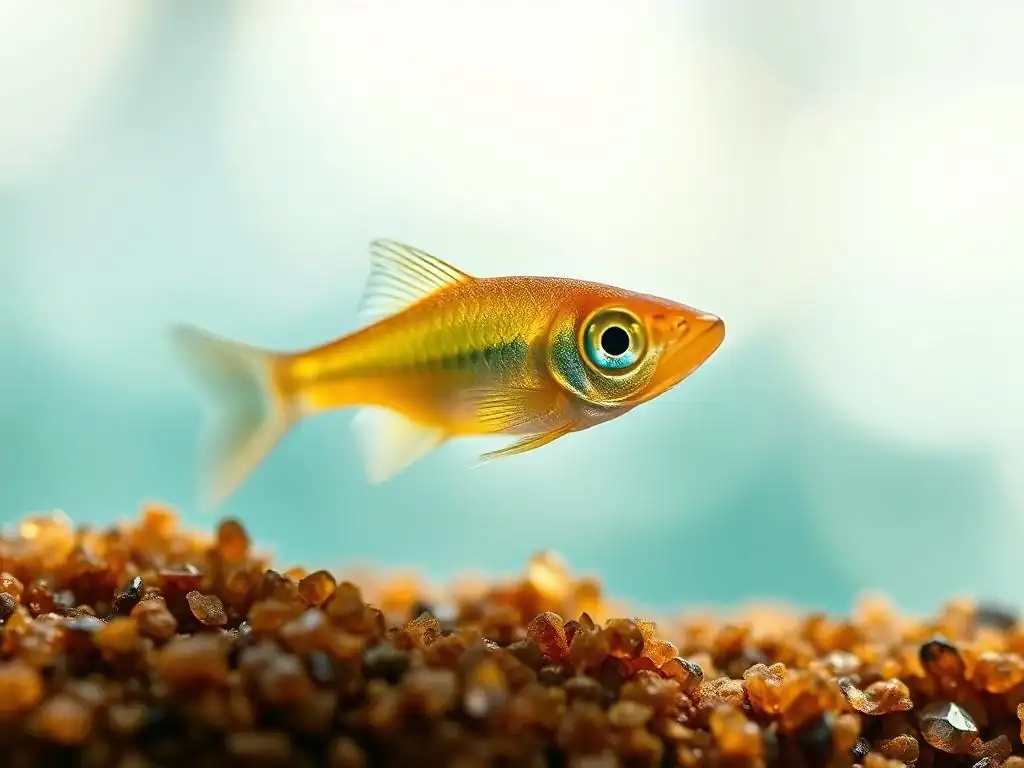
The successful hatching and rearing of Lemon Tetra fry require meticulous care, particularly concerning their initial feeding and water quality. The fry are tiny and extremely delicate, making the first few weeks the most critical period.
Hatching and Initial Care of Lemon Tetra Fry
Lemon Tetra eggs typically hatch within 24 to 36 hours at a water temperature of 78-82°F (25.5-27.8°C). The newly hatched fry will be almost microscopic, resembling tiny slivers of glass, and will initially cling to the tank walls, plants, or substrate. They possess a yolk sac, which provides nourishment for the first 2-3 days. During this period, they are not free-swimming.
It is crucial not to disturb them. After their yolk sacs are absorbed, usually around 3-5 days post-hatch, the fry will become free-swimming and begin actively searching for food. This is the critical juncture when the first feeding must occur.
First Foods for Lemon Tetra Fry: Infusoria and Beyond
Due to their extremely small size, newly free-swimming Lemon Tetra fry require microscopic food sources. Infusoria, a collective term for various microscopic aquatic organisms (e.g., paramecia), is the ideal first food. Infusoria can be cultured easily at home using vegetable matter like banana peels or lettuce leaves steeped in water for several days. Liquid fry foods, specifically formulated for egg-laying fish, are also suitable as an initial food source.
Feed tiny amounts 4-6 times a day, ensuring the fry's bellies are always slightly rounded. After about 5-7 days on infusoria or liquid fry food, the fry will be large enough to consume newly hatched brine shrimp nauplii, which provide excellent nutrition for rapid growth. Continue feeding brine shrimp for several weeks, gradually introducing finely crushed high-quality flake food as they grow.
Maintaining Water Quality for Fry Development
Maintaining pristine water quality is paramount for the survival and healthy development of Lemon Tetra fry. Ammonia, nitrite, and even low levels of nitrate are highly toxic to fry. Since the fry tank is usually small and heavily fed, waste can accumulate quickly. Perform small, daily water changes of 10-15% using temperature-matched, aged, and pre-conditioned water that matches the breeding tank's soft, acidic parameters.
A gentle air stone can be used to provide aeration without creating strong currents that could harm the fry. The sponge filter should be mature and provide adequate biological filtration. Regularly siphon any uneaten food or waste from the bottom of the tank with a small airline tube, taking care not to suck up any fry.
Growing Out Lemon Tetra Fry: Gradual Transitions
As Lemon Tetra fry grow, their feeding requirements and space needs will change. After 2-3 weeks, they will be large enough to consume finely crushed high-quality flake food in addition to brine shrimp. At around 4-6 weeks, depending on growth rate, they may need to be moved to a larger grow-out tank (e.g., a 10-gallon for 50-100 fry) to prevent stunting and overcrowding.
Continue to provide a varied diet, gradually increasing the size of the food particles. Maintain excellent water quality in the grow-out tank with regular water changes. As they approach juvenile size (around 1-1.5 inches), they can be gradually acclimated to the parameters of a community tank, if desired, or prepared for distribution.
Common Challenges and Troubleshooting in Lemon Tetra Breeding
Even with the best Lemon tetra breeding tips, challenges can arise. Being prepared to identify and address these issues promptly can significantly improve overall breeding success rates.
Addressing Egg Fungus and Preventing Losses
Egg fungus is a common problem in fish breeding, often indicated by a white, fuzzy growth on the eggs. This fungus can quickly spread and destroy an entire batch of eggs. It typically occurs on infertile eggs or eggs that have been damaged, but it can then infect healthy eggs. To prevent egg fungus, ensure pristine water quality before and during spawning.
Some breeders add a very small amount of methylene blue to the breeding tank water (following product instructions for dosage) immediately after removing the parents. Methylene blue acts as an antifungal agent but will stain the tank and can harm beneficial bacteria if overused. Promptly removing any infertile or fungused eggs (which appear opaque white) with a pipette can also prevent spread.
Managing Water Quality Issues in the Fry Tank
The small volume of a fry tank combined with frequent feeding makes it highly susceptible to rapid declines in water quality. Overfeeding is the primary culprit, leading to ammonia and nitrite spikes. If fry are observed gasping at the surface, showing lethargy, or exhibiting clamped fins, it's often a sign of poor water quality. Test the water immediately for ammonia, nitrite, and nitrate.
Perform an emergency 25-50% water change using temperature-matched, pre-conditioned water. To prevent future issues, ensure food is entirely consumed within a few minutes, and siphon out any uneaten food or waste daily. A gentle sponge filter is crucial for biological filtration, but regular physical cleaning is also necessary.
Identifying and Treating Diseases in Young Lemon Tetras
Young Lemon Tetra fry are more susceptible to diseases due to their underdeveloped immune systems. Common diseases include Ich (white spot disease), Velvet, and bacterial infections. Symptoms of Ich include tiny white spots on the body and fins, while Velvet appears as a dusty, yellowish coating. Bacterial infections might manifest as fin rot or lethargy.
The best prevention is maintaining excellent water quality, stable temperatures, and providing a nutritious diet. If disease occurs, consult a reliable fish disease guide. Many medications are too harsh for fry; therefore, using half doses or natural remedies (like slightly increasing temperature for Ich, if safe for the species) might be necessary. Quarantine any affected fry if possible, but often, the entire tank needs treatment.
Tips for Maximizing Lemon Tetra Breeding Success
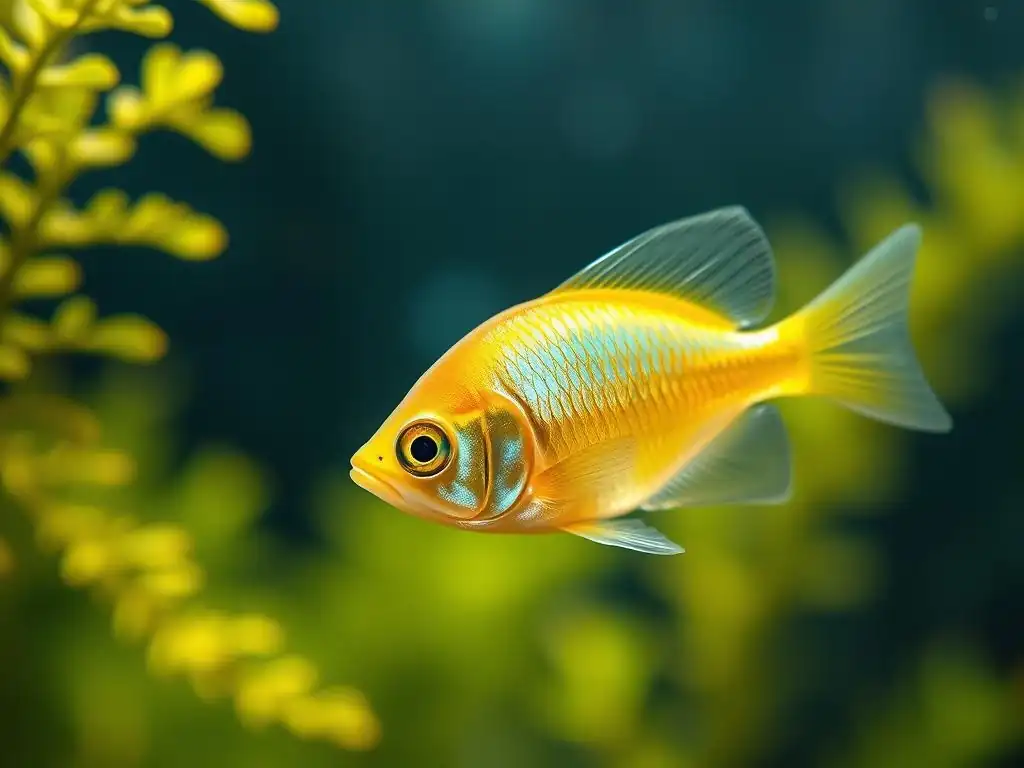
Achieving consistent success in Lemon Tetra breeding involves a combination of meticulous preparation, precise environmental control, and attentive care. Implementing these key Lemon tetra breeding tips can significantly boost your hatch rates and fry survival.
Optimizing Water Parameters for Higher Hatch Rates
Fine-tuning water parameters is critical for maximizing the number of viable eggs and ensuring a high hatch rate. Aim for a very specific range: pH 5.5-6.5, GH 2-4 dGH, and KH 1-2 dKH. Using reverse osmosis (RO) water, often with a small amount of RO remineralizer or a tiny portion of soft tap water, allows for precise control over these parameters.
Maintaining a stable temperature of 80°F (26.7°C) within the breeding tank can also encourage faster egg development and hatching. Regularly test the water to ensure these parameters remain consistent, as even slight fluctuations can stress the breeding pair or harm the delicate eggs. Some experienced breeders report a 70-80% hatch rate when these parameters are diligently maintained.
Providing a Stress-Free Environment for Spawning
Stress is a significant deterrent to spawning in most fish. To create a truly stress-free environment for your Lemon Tetras, ensure the breeding tank is placed in a quiet, low-traffic area of your home. Avoid sudden loud noises, vibrations, or abrupt changes in lighting. Keep the lighting in the breeding tank dim, especially during the acclimatization period and immediately after spawning.
A dark background or covering three sides of the tank can also help the fish feel more secure. Ensure there are ample spawning sites, such as dense clumps of Java moss or spawning mops, where the female can feel safe laying her eggs. A calm and secure environment encourages natural behavior and increases the likelihood of a successful spawn.
Implementing a Regular Feeding Schedule for Fry Growth
Consistent and appropriate feeding is paramount for the rapid growth and survival of Lemon Tetra fry. Once free-swimming, the fry have tiny mouths and high metabolic rates, requiring frequent, small meals. For the first week, feed infusoria or liquid fry food 4-6 times per day. After that, transition to newly hatched brine shrimp nauplii, feeding at least 3-4 times daily.
As they grow (typically after 2-3 weeks), gradually introduce finely crushed high-quality flake food or micro-pellets, supplementing with brine shrimp. The key is to provide just enough food that it is consumed within a few minutes, avoiding overfeeding which fouls the water. A consistent feeding schedule, such as every 3-4 hours during daylight, ensures the fry receive continuous nourishment, leading to robust growth and higher survival rates.
Conclusion: Enjoying the Rewards of Breeding Lemon Tetras
The Satisfaction of Successfully Breeding Lemon Tetras
There are few experiences in the aquarium hobby as rewarding as successfully breeding fish, and Lemon Tetras are no exception. The journey from setting up a specialized breeding tank and conditioning the parents to observing the delicate eggs hatch and watching the tiny fry grow into miniature versions of their vibrant parents is deeply satisfying.
It's a testament to the aquarist's dedication, patience, and understanding of the intricate needs of these beautiful fish. Witnessing the full life cycle unfold firsthand provides an unparalleled connection to the aquatic world and a profound sense of accomplishment, reinforcing why so many aquarists find joy in these Lemon tetra breeding tips.
Contributing to the Aquarium Hobby with Home-Bred Fish
Beyond personal satisfaction, breeding Lemon Tetras offers a valuable contribution to the broader aquarium hobby. Home-bred fish are often hardier, more accustomed to aquarium life, and less prone to stress and disease compared to their wild-caught counterparts. By successfully raising your own Lemon Tetras, you provide healthy, sustainable specimens for other enthusiasts, whether through local fish club exchanges, donations to schools, or even sales to local fish stores.
This practice helps reduce demand for wild-caught fish, promoting responsible aquaculture and supporting the long-term health and diversity of the hobby. It's a tangible way for individual aquarists to make a positive impact, sharing the splash of yellow joy with others.
Frequently Asked Questions
How difficult is it to breed Lemon Tetras?
Lemon Tetra breeding can be moderately challenging. It requires careful attention to water parameters and creating a suitable breeding environment. Success often depends on providing soft, acidic water and a densely planted tank.
What are the key water parameters for Lemon Tetra breeding?
Ideal parameters include a temperature of 78-82°F, a pH between 6.0 and 6.5, and very soft water. Water hardness is crucial; aim for a GH (General Hardness) of below 4 dGH.
What type of tank setup is best for breeding Lemon Tetras?
A dedicated breeding tank of at least 10 gallons is recommended. Include fine-leaved plants or a spawning mop for the tetras to lay their eggs on. Dim lighting is also beneficial.
How do I tell if my Lemon Tetras are ready to breed?
Females will appear plumper than males, especially in the abdominal area, indicating they are carrying eggs. Males will display more intense coloration and actively court the females. This courtship behavior is a good sign.
What do I do after the Lemon Tetras have spawned?
Remove the parent fish immediately after spawning to prevent them from eating the eggs. The eggs will hatch in about 24-36 hours, and the fry will be free-swimming in a few days. Start feeding them infusoria or liquid fry food.
Final Reflection: Cultivating Aquatic Harmony
The journey of breeding Lemon Tetras, as explored in this article, extends far beyond simply following Lemon tetra breeding tips. It's about understanding the delicate balance of an aquatic ecosystem and the profound satisfaction of nurturing life within its confines. The vibrant yellow hues of these fish, born from careful planning and patient observation, serve as a potent reminder of the beauty and resilience found in the natural world, a beauty we can actively cultivate and share.
This endeavor, more than just a hobby, has the power to connect us more deeply with the rhythms of nature. Witnessing the lifecycle of these miniature jewels underscores the importance of responsible stewardship and the interconnectedness of all living things. In every walk with nature, one receives far more than he seeks.
- John Muir. This quote perfectly encapsulates the quiet joy and profound learning that comes from engaging with the natural world, even within the confines of a fish tank.
Now, consider the lessons learned from this journey. How can you apply the patience, observation, and dedication required for Lemon Tetra breeding to other aspects of your life? Let the vibrant yellow of these fish inspire you to cultivate harmony and beauty in your own environment, fostering growth and resilience in all that you do. Embrace the challenge, celebrate the small victories, and remember that even the smallest act of creation can bring immense joy and lasting impact.
Ignite Your Passion: Start Breeding Lemon Tetras Today!
Thank you for diving into the captivating world of Lemon Tetra breeding! We hope you found valuable insights into successfully raising these vibrant, yellow jewels. Now, it's time to turn that knowledge into action!
Ready to take the next step? Here are a few suggestions:
- Commit to Your First Spawn: Designate a breeding tank and start conditioning your Lemon Tetra pair using live foods. Witness the magic firsthand!
- Share Your Tetra Enthusiasm: Post a photo of your Lemon Tetras on your favorite aquarium forum and tag Aquarium Mastery - let's spread the yellow joy!
- Uncover Hidden Treasures: Research a less common Tetra species and compare their breeding requirements to Lemon Tetras. What unexpected differences did you discover?
What's the first thing you'll change in your current aquarium setup to better support Lemon Tetra breeding? Share your plans in the comments below!