
Can Platies Live with Bettas? A Compatibility Analysis

Welcome to Aquarium Mastery!
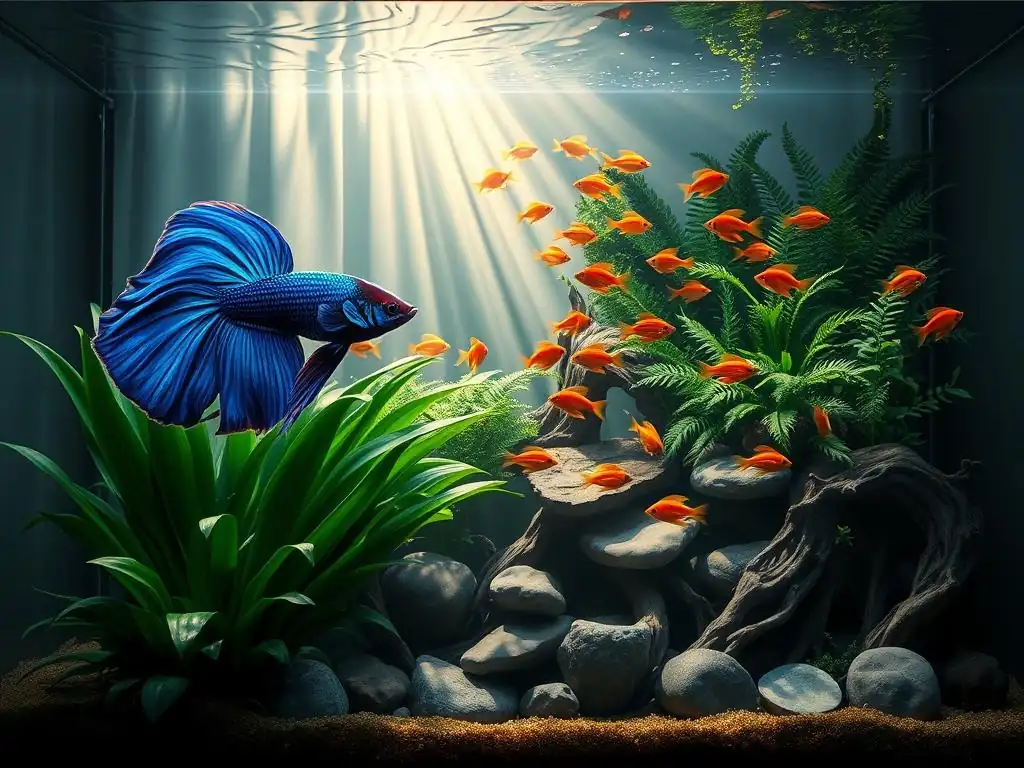
Ever wondered if you could create a vibrant community tank with both the lively Platy and the captivating Betta? Dive into our in-depth analysis of Platy Betta compatibility tank setups and discover the secrets to a harmonious aquatic environment. Is it a match made in fish heaven, or a recipe for disaster? Let's explore together and unlock the potential of your freshwater aquarium!
- Can Platies Live with Bettas? A Compatibility Analysis for Thriving Aquariums
- Understanding Platy and Betta Fish: A Comparative Overview
- Analyzing Platy Betta Compatibility: Can They Share a Tank?
- Factors Influencing Platy and Betta Tank Mate Compatibility
- Setting Up a Platy and Betta Community Tank: A Step-by-Step Guide
- Managing Aggression in a Platy Betta Tank: Identifying and Addressing Issues
- Diet and Feeding Considerations for Platies and Bettas
- Monitoring Platy and Betta Health in a Shared Aquarium
- Alternative Tank Mates for Platies: Creating a Peaceful Community
- Conclusion: Achieving a Harmonious Platy and Betta Tank Setup
-
Frequently Asked Questions
- Can platies and bettas generally coexist in a shared aquarium environment?
- What tank size is recommended for a platy betta compatibility tank setup?
- What are some crucial elements to consider when setting up a platy betta compatibility tank?
- How can I minimize the risk of betta aggression towards platies in the aquarium?
- What are some signs that a platy betta compatibility tank setup is not working?
- Final Reflection: Navigating the Waters of Coexistence
- Unleash Your Perfect Aquarium Harmony!
Can Platies Live with Bettas? A Compatibility Analysis for Thriving Aquariums
Understanding Platy and Betta Fish: A Comparative Overview
Platy Fish Profile: Temperament, Size, and Habitat Preferences
Platy fish (Xiphophorus maculatus) are a beloved freshwater species, celebrated for their vibrant coloration and generally peaceful demeanor. These small, active livebearers typically reach an adult size of 1.5 to 2.5 inches (3.8-6.3 cm). They exhibit a wide array of color morphs, such as the popular Red Wag, Mickey Mouse, and Sunset varieties. Platies are highly adaptable to various water conditions but thrive best in slightly alkaline water with a pH range of 7.0-8.0 and temperatures between 72-78°F (22-26°C). Their natural habitats are slow-moving rivers and streams in Central America, where they forage on algae and small invertebrates.
Platies are social fish and prefer to live in groups, ideally with a ratio of one male to two or three females to prevent excessive harassment of a single female by multiple males. They are active swimmers, primarily occupying the middle and upper levels of the water column. Their hardiness and prolific breeding make them an excellent choice for novice aquarists. A well-maintained platy population can see new fry regularly, adding to the dynamic of a community aquarium and contributing to a lively platy betta compatibility tank setup.
Betta Fish Profile: Aggression, Tank Requirements, and Diet
Betta fish, or Siamese Fighting Fish (Betta splendens), are iconic for their elaborate fins and brilliant colors, alongside their notable territorial and aggressive nature. While often kept in solitary tanks, their aggression is primarily directed towards other male bettas or fish with long, flowing fins that might be perceived as rivals. Bettas typically grow to 2.5 to 3 inches (6.3-7.6 cm) in length. They prefer warmer, slightly acidic to neutral water, with a pH of 6.5-7.5 and temperatures ranging from 76-82°F (24-28°C).
Native to shallow, slow-moving waters like rice paddies and stagnant ponds in Southeast Asia, bettas are labyrinth fish, possessing a specialized organ that allows them to breathe atmospheric oxygen from the surface. This adaptation enables them to survive in low-oxygen environments. In their natural habitat, their diet consists mainly of insects and their larvae. In captivity, a high-quality betta pellet or flake, supplemented with frozen or live foods such as bloodworms and brine shrimp, is crucial for maintaining their health, vibrancy, and overall well-being in any platy betta compatibility tank setup.
Assessing the Risks: Betta Aggression Towards Platies
The primary concern when attempting a platy betta compatibility tank setup is the betta's inherent aggression. Bettas are known to nip at the fins of other fish, particularly those with long, flowing fins, mistaking them for rival bettas. While platies do not possess such exaggerated fins, their vibrant colors, active swimming patterns, and occasional darting movements can still provoke a territorial betta. A betta that is stressed, overcrowded, or housed in a poorly aquascaped tank is significantly more likely to exhibit aggressive behavior, which can lead to fin damage, chronic stress, and potentially even death for the platies.
Instances of aggression can vary from mild chasing to persistent fin nipping. For example, constant harassment, even without severe physical injury, can severely impact a fish's immune system, making it more susceptible to common diseases like Ich (white spot disease) or bacterial fin rot. If a platy's fins are repeatedly nipped, it can lead to secondary infections that are difficult to treat. Therefore, careful observation and proactive measures are absolutely essential to mitigate these risks when considering a platy betta compatibility tank setup.
Potential Benefits: A Balanced Aquarium Ecosystem?
Despite the inherent risks, a meticulously planned platy betta compatibility tank setup can offer several benefits. Platies are active and add a lively dynamic to the aquarium, which can help stimulate the betta and reduce boredom, especially in larger, well-planted tanks. The presence of other non-aggressive species like platies can sometimes diffuse a betta's territorial focus, as long as ample hiding spots are available to break up lines of sight. This can lead to a more engaging and visually diverse aquatic environment.
Furthermore, platies are excellent at grazing on algae and biofilm, acting as a natural clean-up crew that can complement the betta's carnivorous diet. This helps reduce the accumulation of uneaten food and detritus, contributing to cleaner water. When executed successfully, a platy betta compatibility tank setup can create a more balanced and interesting ecosystem, showcasing the unique behaviors of both species in a harmonious manner, provided the environment is optimized to minimize stress and aggression.
Factors Influencing Platy and Betta Tank Mate Compatibility
Tank Size and Aquascape: Creating a Safe Environment for Both Species
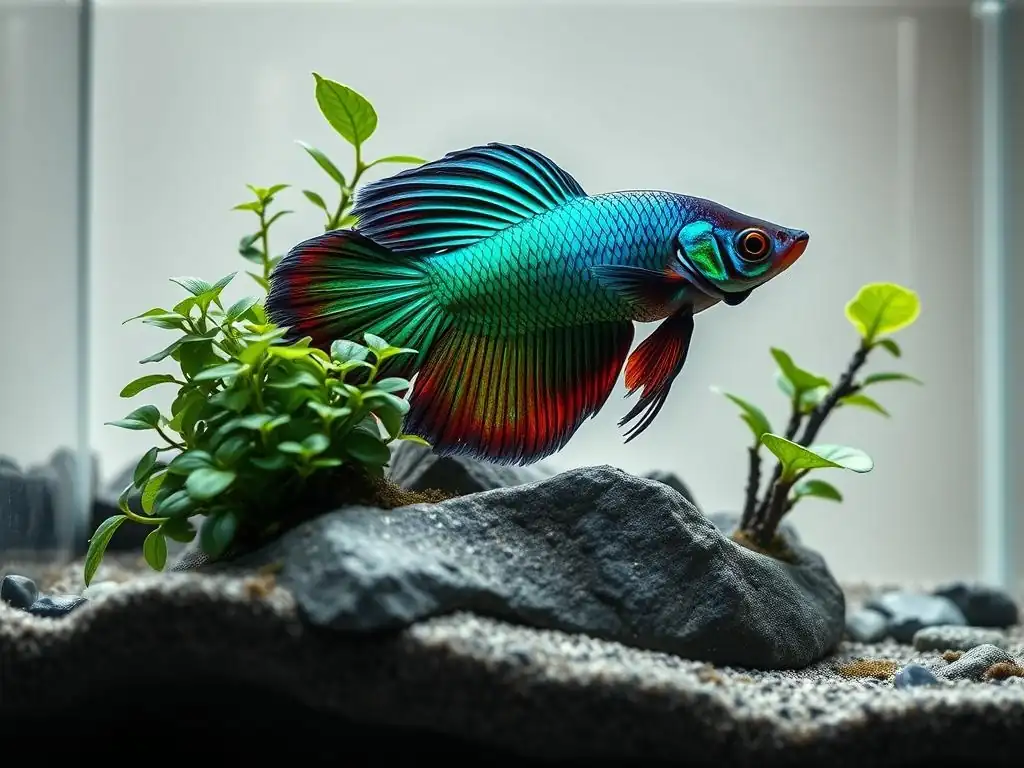
Tank size is arguably the most critical factor for a successful platy betta compatibility tank setup. A minimum of a 20-gallon (75-liter) long tank is highly recommended for a community setup involving a single betta and a small group of platies. This larger footprint provides ample swimming space for the active platies and sufficient distinct territories for the betta, significantly reducing the likelihood of territorial disputes. In smaller tanks, limited space intensifies perceived competition and stress, exacerbating aggressive tendencies from the betta.
Aquascaping plays an equally vital role. Dense planting with live or high-quality silk plants (e.g., Anubias, Java Fern, Cryptocoryne) creates essential visual barriers and numerous hiding spots. These provide platies with safe havens to retreat if pursued by the betta, reducing their stress levels and offering a sense of security. Incorporating driftwood, rocks, and other decor can further break up lines of sight, helping to define individual territories and minimize direct confrontations, thereby making the platy betta compatibility tank setup much more viable.
Water Parameters: Maintaining Optimal Conditions for Platies and Bettas
While platies and bettas have slightly different ideal water parameter ranges, they can often thrive in a carefully chosen compromise. Platies generally prefer a pH of 7.0-8.0 and temperatures of 72-78°F (22-26°C), whereas bettas prefer a pH of 6.5-7.5 and warmer temperatures of 76-82°F (24-28°C). A target range of pH 7.0-7.5 and a stable temperature of 76-78°F (24-26°C) is typically acceptable for both species, ensuring the platy betta compatibility tank setup remains conducive to their health. Regular monitoring with a reliable liquid test kit (e.g., API Freshwater Master Test Kit) for ammonia, nitrite, and nitrate levels is crucial.
Maintaining stable water conditions is often more important than hitting exact target numbers, as sudden fluctuations can cause significant stress to fish. Weekly water changes of 20-25% are essential to remove accumulating nitrates and replenish vital minerals. Using a high-quality dechlorinator is also paramount to neutralize chlorine and chloramines in tap water. Consistent water quality minimizes stress, which in turn reduces the likelihood of aggression and disease outbreaks, directly contributing to the long-term success of the platy betta compatibility tank setup.
Introducing Platies and Bettas: Acclimation Strategies and Observation
Proper acclimation is a critical step to minimize stress when introducing new fish to any aquarium, especially a platy betta compatibility tank setup. The drip acclimation method, slowly adding tank water to the fish's transport bag over 30-60 minutes, is highly recommended to gradually equalize water parameters. It is often advisable to introduce the platies first and allow them to settle and establish their presence for a week or two before introducing the betta. This allows the platies to become comfortable with their surroundings and find all available hiding spots, making them less vulnerable when the betta arrives.
After the betta has been introduced, continuous observation for the first few days and weeks is paramount. Watch closely for any signs of aggression, such as fin nipping, persistent chasing, or excessive hiding from either species. If a betta exhibits constant aggression towards the platies, or if the platies show clear signs of extreme stress (e.g., clamped fins, loss of vibrant color, erratic darting, or chronic hiding), intervention may be necessary. Sometimes, simply rearranging the tank decor can disrupt the betta's established territory and reduce aggression, helping to stabilize the platy betta compatibility tank setup.
Setting Up a Platy and Betta Community Tank: A Step-by-Step Guide
Choosing the Right Tank Size: Ensuring Adequate Space
For a successful and harmonious platy betta compatibility tank setup, the absolute minimum recommended tank size is 20 gallons (approximately 75 liters). This volume provides sufficient horizontal swimming room for a small school of platies (e.g., 3-5 individuals) and ample territorial space for a single male betta. A larger tank, such as a 29-gallon or even a 40-gallon breeder, offers even greater stability, more options for aquascaping, and significantly reduces the potential for conflicts due to perceived overcrowding, allowing both species to thrive more comfortably.
The increased water volume in larger tanks also offers the advantage of greater dilution of waste products, contributing to more stable water parameters and reducing the frequency of extreme fluctuations. For instance, a 20-gallon tank has a much larger surface area compared to a 10-gallon, which improves crucial gas exchange and oxygen levels, particularly important for active fish like platies and the more sensitive bettas. This generous amount of space is a foundational element for achieving a peaceful and healthy platy betta compatibility tank setup.
Creating a Planted Aquarium: Providing Hiding Places and Visual Barriers
A heavily planted aquarium is an indispensable component for any successful platy betta compatibility tank setup. Live plants such as Java Moss, Anubias nana, Amazon Swords, and Cryptocoryne provide essential natural hiding spots and create numerous visual barriers. These barriers help break up the betta's line of sight, making it more challenging for the betta to establish and defend a single dominant territory across the entire tank. Aim for a diverse mix of tall background plants, mid-ground foliage, and floating plants (e.g., Frogbit, Dwarf Water Lettuce), which also offer beneficial shade that bettas appreciate.
Beyond aesthetics and providing refuge, live plants significantly contribute to maintaining excellent water quality by absorbing harmful nitrates and releasing oxygen into the water. For example, a well-planted tank with a good density of fast-growing plants can process approximately 10-20 ppm of nitrates weekly, thereby reducing the burden on the mechanical filtration system. Incorporating driftwood and smooth rocks can further enhance the aquascape, creating complex environments that closely mimic natural habitats and foster a greater sense of security for all inhabitants in your platy betta compatibility tank setup.
Filtration and Water Quality: Maintaining a Healthy Environment
A robust and appropriately sized filtration system is absolutely essential for maintaining pristine water quality in a platy betta compatibility tank setup. A hang-on-back (HOB) filter or a canister filter that provides both mechanical filtration (for debris removal) and biological filtration (for the conversion of toxic ammonia and nitrite) is highly recommended. It is crucial to ensure that the filter outflow is not excessively strong, as bettas prefer calm water; a simple baffle or a pre-filter sponge can be used to diffuse the flow effectively. In a community tank, over-filtration is generally preferable to under-filtration.
Regular maintenance of the filter media and consistent water changes are paramount for a healthy environment. Perform weekly water changes of 25-30% to keep nitrate levels consistently low, ideally below 20 ppm. During water changes, thoroughly vacuum the gravel to remove decaying organic matter, which prevents the buildup of ammonia and nitrites. Monitoring water parameters weekly with a reliable liquid test kit for pH, ammonia, nitrite, and nitrate will help ensure the aquatic environment remains stable and healthy for both platies and bettas, which is crucial for long-term platy betta compatibility tank setup success.
Selecting Compatible Tank Mates: Corydoras Catfish, Harlequin Rasboras
While platies and bettas can potentially coexist, adding other non-aggressive, peaceful bottom-dwelling or mid-level schooling fish can further diversify the tank and potentially diffuse aggression. Excellent choices for a platy betta compatibility tank setup include Corydoras catfish. These peaceful bottom dwellers do not compete for swimming space with bettas or platies and are active scavengers. They thrive when kept in groups of at least six individuals, adding a charming dynamic to the lower stratum of the tank.
Harlequin Rasboras (Trigonostigma heteromorpha) are another superb option. They are peaceful, schooling fish that typically occupy the mid-water column and grow to about 1.5 inches (3.8 cm). Their relatively fast swimming nature and strong schooling instinct make them less likely targets for a betta, and their small size ensures they do not significantly increase the bioload. Other possibilities include Otocinclus catfish, which are excellent algae eaters, or even certain peaceful tetras like the Black Skirt Tetra, provided the tank is sufficiently large (30+ gallons) to accommodate a diverse platy betta compatibility tank setup.
Managing Aggression in a Platy Betta Tank: Identifying and Addressing Issues
Recognizing Signs of Betta Aggression: Fin Nipping and Chasing
Early and accurate recognition of betta aggression is absolutely crucial for maintaining a peaceful platy betta compatibility tank setup. Key signs of aggression include persistent fin nipping, where the betta repeatedly bites or tears the fins of platies, often resulting in visibly ragged or shortened fins. Other clear indicators are constant chasing, where the betta relentlessly pursues platies, preventing them from feeding or resting, and flared gills or fins directed aggressively at tank mates.
Observing these behaviors, particularly during feeding times or when new fish are introduced, can provide invaluable insight into the betta's temperament. For example, if a betta consistently chases a specific platy for more than 30 seconds at a time, or if platies are constantly hiding, showing clamped fins, or exhibiting a lack of appetite, these are unequivocal stress signals. Addressing these signs promptly is vital to prevent long-term stress, physical injury, or even death for the platies in your platy betta compatibility tank setup.
Strategies for Reducing Aggression: Tank Re-Arrangement and Time-Outs
If aggression is observed in your platy betta compatibility tank setup, several proactive strategies can help mitigate the issue. Re-arranging the tank decor, including plants, driftwood, and rocks, can effectively disrupt the betta's established territory, forcing it to redefine its space. This often provides a temporary reprieve for the platies and can sometimes permanently reduce aggression if the new layout offers more visual barriers and hiding spots. Adding more floating plants can also break up the surface line of sight, an area bettas often claim as their primary territory.
For persistent or severe aggression, a temporary "time-out" period for the betta can be highly effective. Moving the aggressive betta to a separate, small hospital tank (e.g., a 2.5-gallon tank) for a few days to a week can allow the platies to recover from stress and establish a stronger sense of security in the main tank. Upon reintroduction, the betta may be less territorial. In some rare cases, adding more platies (if tank size permits) can "dilute" the aggression, spreading the betta's focus among more targets and reducing intense pressure on any single fish.
When to Separate: Recognizing Incompatibility and Preventing Harm
Despite all efforts to manage aggression, some bettas are simply too aggressive by nature to be kept successfully in a community tank, even with a carefully planned platy betta compatibility tank setup. If a betta continues to inflict severe fin damage, causes chronic stress leading to illness in the platies, or if platies show clear signs of severe decline (e.g., emaciation, constant hiding, persistently clamped fins, or unexplained deaths), then separation is the most humane and necessary course of action.
This may involve setting up a dedicated 5-gallon tank for the betta or, if necessary, rehoming one of the species. Prolonged stress significantly weakens a fish's immune system, making them highly susceptible to common ailments like Ich (white spot disease), fungal infections, or bacterial diseases. Prioritizing the health, well-being, and longevity of all fish in the aquarium is paramount, even if it means altering your initial platy betta compatibility tank setup plan.
Diet and Feeding Considerations for Platies and Bettas
Nutritional Needs of Platies: A Balanced Diet for Growth and Color
Platies are omnivores with a significant preference for plant matter, though in their natural habitat, they readily consume small insects and crustaceans. In a platy betta compatibility tank setup, their diet should consist of a high-quality flake food or small pellets specifically formulated for livebearers, which often contain spirulina or other vegetable matter. Supplementing their diet with blanched vegetables like zucchini slices or spinach once or twice a week provides essential fiber and nutrients, promoting digestive health.
Live or frozen foods such as brine shrimp, daphnia, or small bloodworms can be offered occasionally as a treat and to provide additional protein, which is particularly beneficial for breeding females. Overfeeding should always be avoided, as it can lead to digestive issues in the fish and rapidly degrade water quality. Feeding small amounts two to three times a day, only what they can consume within 2-3 minutes, is ideal for promoting healthy growth, vibrant coloration, and overall well-being in platies within a platy betta compatibility tank setup.
Nutritional Needs of Bettas: Protein-Rich Foods and Preventing Overfeeding
Bettas are primarily carnivores, requiring a diet that is rich in protein to maintain their health, vibrant colors, and fin integrity. High-quality betta pellets or flakes should form the staple of their diet in a platy betta compatibility tank setup. These specialized foods are formulated to meet their specific protein requirements, often containing ingredients like fish meal, shrimp meal, and spirulina. Supplementation with frozen or live foods such as bloodworms, brine shrimp, and daphnia 2-3 times a week is highly beneficial for their overall health, color intensity, and robust fin development.
Overfeeding bettas is a common mistake that can lead to significant health issues, including swim bladder disease, obesity, and constipation. A betta's stomach is roughly the size of its eyeball, so feeding 2-3 pellets or a few small frozen food items once or twice a day is usually sufficient. Fasting the betta one day a week can also aid digestion and prevent bloat. Ensuring the betta gets its fair share of food in a community tank is crucial, as faster fish like platies might outcompete them for food.
Feeding Strategies for a Community Tank: Ensuring Both Species Get Enough Food
In a platy betta compatibility tank setup, implementing careful feeding strategies is necessary to ensure both species receive adequate nutrition. Since platies are typically faster and more enthusiastic eaters, and bettas can be slower and more deliberate, it is often best to feed the betta first. This can be done by directing a few pellets near its usual resting spot or at the surface where it can easily access them without competition. Once the betta has started eating, then distribute the platy food throughout the tank to encourage them to forage.
Alternatively, feeding at opposite ends of the tank can also be an effective strategy. Using a sinking pellet or flake for platies and a floating pellet for bettas can help ensure both types of food reach their intended recipients. Constant observation of feeding behavior is key; if one species consistently misses out or appears underfed, adjust your feeding method accordingly.
For instance, if the betta is shy, target feeding with tweezers can be employed. These strategies ensure that the distinct nutritional needs of both the active platies and the more deliberate betta are met, contributing to a healthy and balanced platy betta compatibility tank setup.
Common Platy Diseases: Prevention and Treatment
Platies, while generally hardy, can be susceptible to common freshwater diseases, especially if stressed by fluctuating water quality or aggressive tank mates in a platy betta compatibility tank setup. Common ailments include Ich (Ichthyophthirius multifiliis), characterized by distinctive white spots resembling salt grains on the body and fins, often triggered by sudden temperature fluctuations or the introduction of new, unquarantined fish. Fin rot, manifesting as frayed, decaying, or discolored fins, typically results from bacterial infections due to poor water quality or physical injury from fin nipping.
Prevention is paramount: maintain stable water parameters, perform regular water changes, and always quarantine new fish for 2-4 weeks before introducing them to the main display tank. For Ich, slowly raising the tank temperature to 82°F (28°C) for several days, combined with aquarium salt treatments or commercial Ich medication, can be effective. Fin rot often responds well to improved water quality and broad-spectrum antibacterial medications. Early detection through daily observation is vital for successful treatment and maintaining a healthy platy betta compatibility tank setup.
Bettas are prone to similar diseases as platies, but also some specific to their large fin structure and unique labyrinth organ. Fin rot is particularly common in bettas due to their extensive, flowing fins, often exacerbated by poor water conditions, strong currents, or fin nipping by other tank mates. Swim bladder disease, which causes difficulty swimming, buoyancy issues, or an inability to maintain balance, can be triggered by overfeeding, a poor diet, or internal infections. Popeye, an outward swelling of one or both eyes, often indicates a bacterial infection or severe water quality issues.
To prevent these issues in a platy betta compatibility tank setup, ensure stable, warm water temperatures (76-78°F or 24-26°C), provide a high-quality, varied diet, and maintain consistently pristine water conditions. Treatment for fin rot typically involves diligent water changes and targeted antibacterial medication. Swim bladder issues can sometimes be resolved by feeding a blanched pea or fasting the fish for a few days. Popeye usually requires a course of broad-spectrum antibiotics. Always remove activated carbon from filters when medicating and follow dosage instructions carefully.
Observing for Signs of Stress: Behavior Changes and Physical Symptoms
Constant vigilance for signs of stress is absolutely paramount in a platy betta compatibility tank setup, as stressed fish are significantly more susceptible to disease and may exhibit abnormal behaviors. For platies, signs of stress include persistently clamped fins, excessive hiding, noticeable loss of vibrant coloration, rapid gill movement indicating labored breathing, or darting erratically around the tank. They might also refuse to eat or, paradoxically, show increased aggression towards each other if they feel threatened or overcrowded.
For bettas, stress can manifest as dull coloration, clamped fins, lethargy (spending too much time at the bottom or listlessly at the surface), refusal to eat, or a marked increase in aggression towards tank mates. Physical symptoms like ragged fins (from nipping or fin rot), the appearance of white spots, cotton-like fungal growths, or a bloated belly are clear indicators of illness or prolonged stress.
Promptly identifying and addressing the root cause of stress, whether it's water parameters, aggression, or dietary deficiencies, is crucial for the overall health and well-being of all inhabitants in your platy betta compatibility tank setup.
Alternative Tank Mates for Platies: Creating a Peaceful Community
Suitable Non-Aggressive Fish Species: Mollies, Swordtails, White Cloud Mountain Minnows
If a platy betta compatibility tank setup proves challenging, or if you prefer to avoid the inherent risks, platies thrive with many other peaceful, similarly sized fish. Mollies (Poecilia sphenops) and Swordtails (Xiphophorus hellerii) are excellent choices, as they are also livebearers and share similar water parameter preferences and active, social behaviors. They can be housed in similar group sizes to platies, ideally with a male-to-female ratio of 1:2-3, ensuring a harmonious environment.
White Cloud Mountain Minnows (Tanichthys albonubes) are another good option, particularly for tanks with slightly cooler temperatures (68-72°F or 20-22°C), though they can adapt to warmer platy temperatures. They are peaceful schooling fish, growing to about 1.5 inches (3.8 cm), and add a different visual dynamic with their shimmering scales. Other suitable choices include peaceful tetras (e.g., Neon Tetras, Ember Tetras when kept in larger schools), Rasboras, and certain dwarf gourami species, provided the tank is adequately sized (20 gallons or more) for a diverse community.
Invertebrates as Tank Mates: Cherry Shrimp, Nerite Snails
Invertebrates can be fantastic additions to a platy community tank, offering both aesthetic appeal and practical benefits. Cherry Shrimp (Neocaridina davidi) are highly popular for their vibrant colors (ranging from red to yellow and blue) and their diligent work as algae eaters and detritivores. They thrive in heavily planted tanks and are completely peaceful, though platies might occasionally snack on very small, newly hatched fry. However, a well-established shrimp colony can still flourish, especially with ample hiding spots provided by plants and decor.
Nerite Snails (Neritina natalensis) are exceptionally effective algae eaters and pose absolutely no threat to fish or live plants. They come in various appealing patterns and colors, such as Zebra, Horned, and Tiger Nerites, and are excellent at keeping glass, decor, and plant leaves clean.
Unlike some other snail species, they do not reproduce rampantly in freshwater, making them a low-maintenance and highly beneficial addition to any platy community tank. Both shrimp and snails contribute to a cleaner and more diverse ecosystem, enhancing the overall health and visual interest of the platy betta compatibility tank setup or any peaceful community.
Conclusion: Achieving a Harmonious Platy and Betta Tank Setup
While challenging, achieving a harmonious platy betta compatibility tank setup is indeed possible with careful planning, meticulous execution, and diligent observation. The cornerstone of success revolves around providing ample physical space, creating a heavily planted aquascape with numerous visual barriers and hiding spots, and consistently maintaining impeccable, stable water parameters. Understanding the individual temperaments of both platies and bettas, and being prepared to intervene or separate if aggression becomes persistent or dangerous, is absolutely paramount.
Ultimately, the success of a platy betta compatibility tank setup hinges significantly on the individual temperament of your specific betta fish and your unwavering commitment as an aquarist to providing an optimized and stress-free environment. By prioritizing the well-being of both species through careful selection of fish, proper tank setup, and continuous monitoring for any signs of stress or aggression, aquarists can create a vibrant, engaging, and remarkably unique community aquarium where platies and bettas can not only coexist but truly thrive together.
Frequently Asked Questions
Generally, yes, platies and bettas can coexist, but it's not guaranteed. Success depends heavily on the individual betta's temperament and the tank setup.
What tank size is recommended for a platy betta compatibility tank setup?
A tank of at least 20 gallons is recommended. This provides adequate space for both species to establish territories and reduces the likelihood of aggression.
What are some crucial elements to consider when setting up a platy betta compatibility tank?
Essential elements include plenty of hiding places (plants, caves), stable water parameters, and a well-filtered system. These elements help reduce stress and prevent territorial disputes.
How can I minimize the risk of betta aggression towards platies in the aquarium?
Introduce the platies before the betta, provide ample hiding spots, and closely monitor their interactions. Regular feeding also helps reduce aggression.
What are some signs that a platy betta compatibility tank setup is not working?
Signs of incompatibility include nipped fins, constant chasing, and platies hiding excessively. If these signs appear, separation is necessary to prevent harm.
The question of Platy Betta compatibility isn't just about fish; it's a microcosm of the broader challenge of creating harmonious ecosystems, both in our aquariums and in our lives. Understanding the nuances of temperament, tank setup, and individual personalities is crucial for successful coexistence, and this analysis highlights the importance of informed decision-making when introducing different species into a shared environment. The principles discussed extend beyond the glass walls of a tank, offering valuable lessons in empathy and responsible stewardship.
This exploration of Platy and Betta interactions has underscored the delicate balance required for a thriving community. It reminds us that even seemingly small choices, like selecting tank mates, can have profound consequences, impacting the well-being of living creatures. This resonates deeply with our own societal interactions, where understanding and respecting differences is paramount. The measure of intelligence is the ability to change,
as Albert Einstein so eloquently stated. This applies directly to our approach to aquascaping and, more broadly, to our approach to building inclusive and supportive communities.
Ultimately, the success of a Platy Betta compatibility tank setup, and indeed, the success of any collaborative endeavor, hinges on thoughtful planning, diligent observation, and a commitment to creating a supportive environment. We invite you to reflect on the principles outlined in this article and consider how you can apply them to foster greater harmony and understanding in your own life, whether it's in your aquarium, your community, or your relationships. Embrace the challenge of creating a balanced ecosystem, and you'll find that the rewards are immeasurable.
Unleash Your Perfect Aquarium Harmony!
Thank you for diving into the world of betta and platy compatibility! We hope this analysis has shed some light on creating a peaceful and vibrant aquarium. Now, let’s turn that knowledge into action!
Here's how you can take your understanding to the next level:
- Carefully Observe: If you're considering housing platies and bettas, commit to closely monitoring their initial interactions for at least a week, and have a backup plan in case aggression arises. This is the most crucial step!
- Explore the fascinating world of live plants that provide natural barriers and enrichment in community tanks. Research varieties that suit both bettas and platies for a truly harmonious setup.
- Share your experiences! Contribute your own insights and tips on successful (or unsuccessful) platy and betta tank setups in the comments below. Your knowledge can help other aquarists!
What specific decorations will you choose to promote a sense of security in your community tank?