
Why Congo Tetras Are the Undisputed Showstoppers of Larger Planted Aquariums

Welcome to Aquarium Mastery!
Ever wondered how to create a truly breathtaking freshwater aquarium? The secret might just swim in the shimmering scales of the Congo Tetra. But why are these vibrant fish considered the undisputed showstoppers, especially in larger planted tanks? Dive into our latest article and discover the secrets to crafting a stunning Congo tetra planted aquarium that will captivate both you and your guests. Prepare to unlock the full potential of your aquatic paradise!
- Congo Tetras: The Jewel of the Planted Tank
- Understanding the Allure of Congo Tetras for Planted Aquariums
- Creating the Perfect Congo Tetra Plated Aquarium Environment
- Congo Tetra Care: Ensuring Health and Longevity in Your Planted Tank
- Congo Tetra Tank Mates: Choosing the Right Companions
- Showcasing Congo Tetras: Tips for Maximizing Their Beauty
- Breeding Congo Tetras in a Planted Aquarium (Advanced)
- Troubleshooting Common Issues with Congo Tetras in Planted Aquariums
- Beyond the Basics: Advanced Congo Tetra Planted Aquarium Keeping
- Conclusion: The Enduring Appeal of Congo Tetras in Planted Aquariums
-
Frequently Asked Questions
- Why are Congo Tetras particularly well-suited for planted aquariums?
- What size aquarium is generally recommended for a school of Congo Tetras in a planted setup?
- What types of plants work best in a Congo Tetra planted aquarium?
- How does a planted aquarium benefit Congo Tetras specifically?
- What are some common mistakes to avoid when setting up a Congo Tetra planted aquarium?
- Final Reflection: The Enduring Allure of Congo Tetras
- Unleash the Rainbow: Transform Your Aquarium Today!
Congo Tetras: The Jewel of the Planted Tank
Congo Tetras ( Phenacogrammus interruptus) are widely celebrated in the aquarium hobby for their breathtaking beauty and active schooling behavior. Originating from the Congo River basin in Central Africa, these freshwater fish bring a unique blend of vibrant iridescence and elegant finnage to any suitable setup. Unlike many smaller tetra species, their substantial size and flowing fins command attention, making them an excellent focal point.
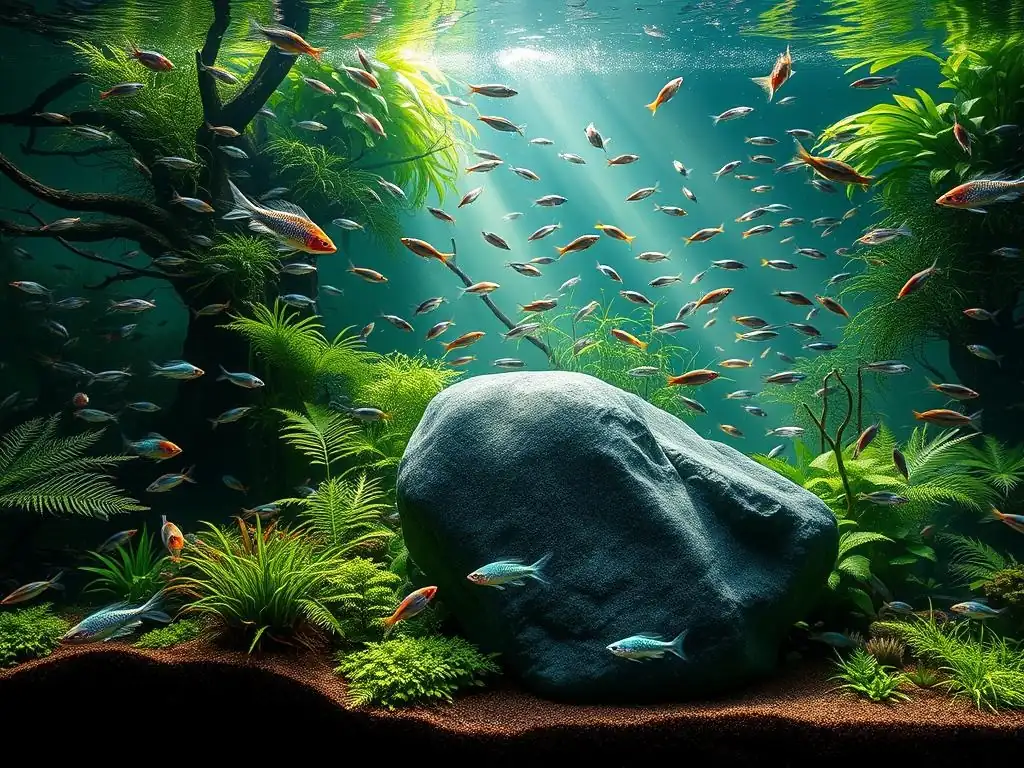
Their appeal is particularly pronounced in planted aquariums, where their shimmering scales and graceful movements are beautifully contrasted by lush green foliage. A well-maintained Congo tetra planted aquarium transforms into a dynamic underwater landscape, showcasing these fish as living jewels. They thrive in environments that mimic their natural, densely vegetated habitats, making them a perfect match for aquascaping enthusiasts.
Understanding the Allure of Congo Tetras for Planted Aquariums
The Visual Appeal: Iridescent Colors and Flowing Fins
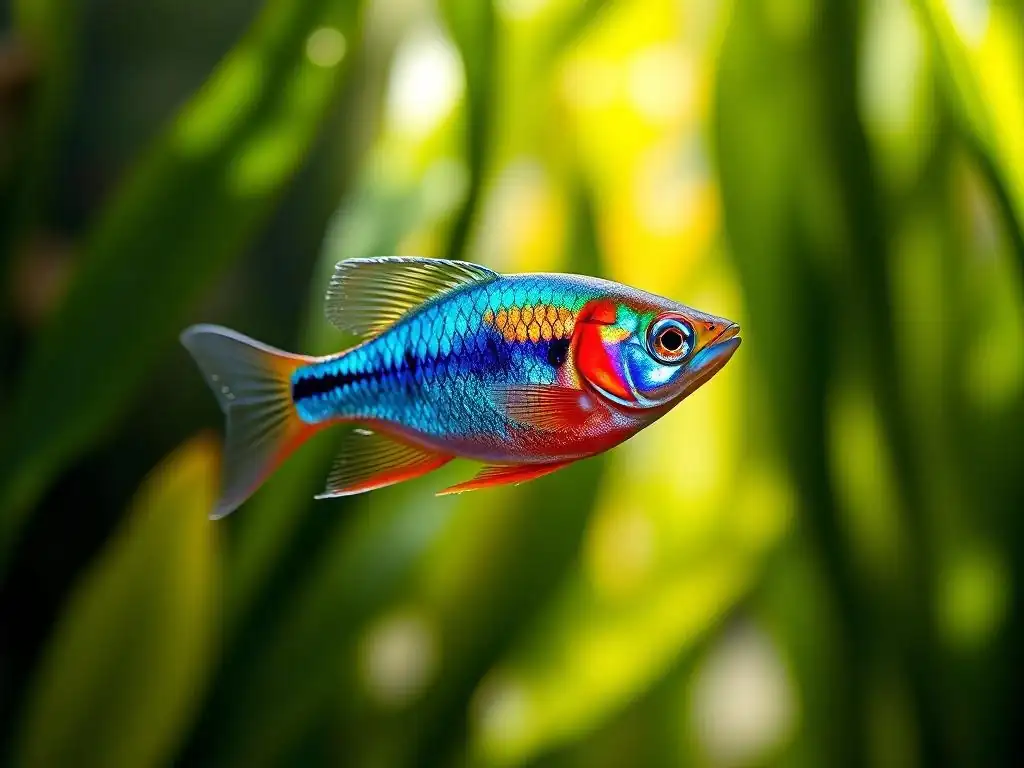
Congo Tetras are renowned for their spectacular, ever-changing coloration. Males, in particular, exhibit a stunning array of iridescent hues that shift from blues and greens to golds and reds, depending on the lighting and their angle of view. This "diamond dust" effect is truly mesmerizing, with a healthy male often displaying a spectrum of 7-8 distinct colors under optimal conditions. Their extended, flowing dorsal and caudal fins further enhance their graceful appearance, giving them an almost ethereal quality as they glide through the water.
This vibrant iridescence is dramatically amplified against the backdrop of a well-planted aquarium. The deep greens and varied textures of aquatic plants provide a perfect contrast, allowing their colors to pop with unparalleled intensity. A dark substrate, commonly used in a Congo tetra planted aquarium, further accentuates their brilliance, making them stand out as the undisputed stars of the tank.
Ideal Tank Size and Compatibility in a Planted Setting
Given their adult size—males can reach up to 3.5 inches (approximately 9 cm) and females slightly smaller—and their schooling nature, Congo Tetras require ample space. For a thriving school of 6-8 individuals, a minimum tank size of 30 gallons (approximately 113 liters), ideally a 36-inch long tank, is recommended. However, to truly see them flourish and exhibit their natural schooling behaviors, a 55-gallon (approximately 208 liters) or larger Congo tetra planted aquarium is much preferred. This larger volume provides the necessary swimming lanes and stability for a healthy group.
Congo Tetras are generally peaceful and make excellent community fish, compatible with most similarly sized, non-aggressive species. Their active swimming style means they benefit from open spaces within the planted layout, allowing them to dart and school freely. A thoughtfully designed Congo tetra planted aquarium balances dense planting for security and visual breaks with open areas for their energetic movements.
Creating the Perfect Congo Tetra Plated Aquarium Environment
Water Parameters: Achieving Optimal Conditions for Congo Tetra Health
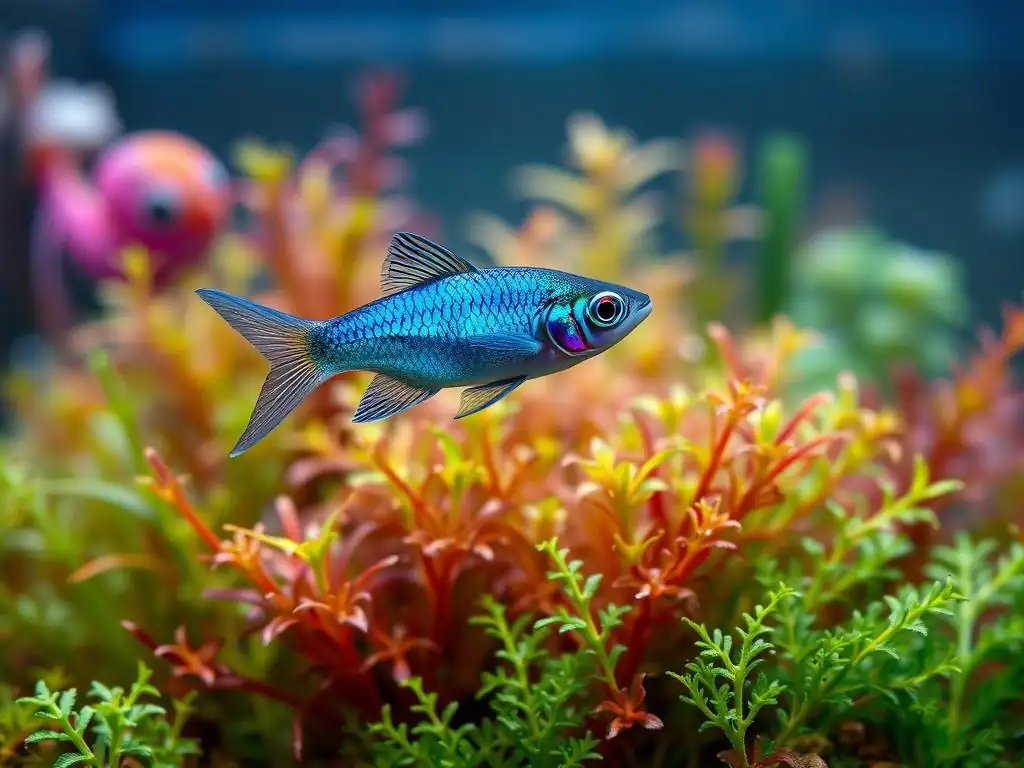
Replicating the natural habitat of Congo Tetras is key to their long-term health and vibrant coloration. They thrive in soft to moderately hard, slightly acidic to neutral water. Ideal water parameters include a pH range of 6.0-7.5, with a preference for the lower end, and general hardness (dGH) between 4-18 dGH. The optimal temperature range is 72-80°F (22-27°C). Maintaining stable parameters is more critical than hitting exact numbers, as sudden fluctuations can cause stress.
To achieve and maintain these conditions in a Congo tetra planted aquarium, regular water changes are essential—typically 25% weekly. The use of driftwood or Indian almond leaves can naturally help lower pH and release beneficial tannins, mimicking their blackwater origins. Consistent monitoring with reliable water test kits for pH, ammonia, nitrite, and nitrate is crucial to ensure a healthy and stable environment for these sensitive fish.
Plant Selection for a Thriving Congo Tetra Habitat
Best Plant Species for Congo Tetras
When designing a Congo tetra planted aquarium, selecting the right plant species is paramount. Robust, medium-to-large-leaved plants that can withstand the active swimming of these tetras while providing ample cover are ideal. Excellent choices include Anubias barteri varieties, Java Fern (Microsorum pteropus), various Echinodorus (Amazon Swords), and Cryptocoryne species. These plants not only thrive in similar water conditions but also offer the structural complexity that Congo Tetras appreciate for security and visual breaks.
Additionally, tall, background plants like Vallisneria americana or Hygrophila corymbosa can create a lush, dense backdrop, providing a sense of security for the schooling fish. Amazon Swords offer broad leaves perfect for resting, while Java Fern can be attached to driftwood or rocks, adding natural texture. A dense arrangement of these plants ensures that your Congo Tetras feel secure and display their best colors.
Plants to Avoid in a Congo Tetra Plated Tank
While Congo Tetras are not typically destructive plant eaters, their active swimming and occasional foraging can pose a risk to very delicate or finely structured plants. It's advisable to avoid extremely fragile, fine-leaved species such as Utricularia graminifolia, certain types of mosses that aren't well-anchored, or very small, slow-growing foreground plants that can be easily dislodged. Plants with very shallow or weak root systems may also be problematic.
The primary reason for avoiding such plants in a Congo tetra planted aquarium is their susceptibility to being uprooted or damaged by the fish's energetic movements, especially during feeding times or when startled. Opting for plants with strong root systems or rhizomes that can be firmly attached to hardscape elements will ensure a more stable and aesthetically pleasing aquascape that can withstand the activity of a healthy Congo Tetra school.
Substrate and Aquascaping for a Natural Look
For a Congo tetra planted aquarium, a dark-colored substrate is highly recommended. Black sand or fine dark gravel not only enhances the vibrant, iridescent colors of the tetras by providing a striking contrast but also helps reduce stress by mimicking the darker, often tannin-stained waters of their natural habitat. A substrate depth of 2-3 inches (5-7.5 cm) is generally sufficient to allow for healthy plant rooting and nutrient exchange. It's crucial to select smooth, non-abrasive substrates to protect the delicate fins and bodies of the fish.
When aquascaping, the goal is to create a natural-looking environment that caters to both the fish's needs and aesthetic appeal. Design the layout with open swimming areas in the middle or front of the tank, bordered by dense planting along the back and sides. Incorporate natural driftwood and smooth river stones to provide additional visual interest, hiding spots, and surfaces for beneficial bacteria to colonize. This balance of open space and dense vegetation is key to a successful Congo tetra planted aquarium.
Congo Tetra Care: Ensuring Health and Longevity in Your Planted Tank
Feeding Your Congo Tetras: Diet and Nutritional Needs
Congo Tetras are omnivorous, with a diet in the wild consisting of small invertebrates, algae, and plant matter. In the aquarium, a high-quality staple diet of flake or small pellet food should form the basis of their nutrition. To ensure optimal health, vibrant coloration, and robust immunity, this staple should be generously supplemented with a variety of live or frozen foods. Excellent choices include bloodworms, brine shrimp, daphnia, and mosquito larvae.
Feeding small amounts 2-3 times a day is ideal, ensuring that all food is consumed within 2-3 minutes to prevent overfeeding and water quality degradation in your Congo tetra planted aquarium. A varied diet with a protein content of around 40-45% is highly beneficial. For instance, offering frozen bloodworms three times a week alongside daily high-quality flakes can significantly improve their vitality and color intensity, mimicking the nutritional diversity they would find in their natural environment.
Maintaining Water Quality: Essential for Congo Tetra Well-being
Maintaining pristine water quality is paramount for the health and longevity of Congo Tetras. Consistent water changes, typically 25-30% of the tank volume weekly, are crucial for diluting nitrates and replenishing essential minerals. A robust filtration system—whether a hang-on-back, canister, or sump filter—is necessary to handle the bioload of a school of active fish. Mechanical filtration removes particulate matter, biological filtration converts harmful ammonia and nitrite, and chemical filtration (like activated carbon) can help maintain water clarity.
While aquatic plants significantly contribute to water quality by absorbing nitrates, they do not eliminate the need for regular maintenance. Regular testing for ammonia, nitrite, and nitrate levels is non-negotiable. Aim to keep nitrate levels below 20 ppm for optimal fish health in a Congo tetra planted aquarium. A stable and clean environment minimizes stress and prevents disease, allowing your Congo Tetras to thrive.
Recognizing and Treating Common Congo Tetra Diseases
Like all freshwater fish, Congo Tetras can be susceptible to common aquarium diseases, particularly if water quality is poor or stress levels are high. Key diseases to watch for include Ich (Ichthyophthirius multifiliis), fin rot, and bacterial infections. Symptoms of Ich include small white spots resembling salt grains on the body and fins, labored breathing, and flashing against décor. Fin rot manifests as frayed, ragged, or discolored fins, sometimes with redness at the base. Dropsy, a symptom of internal bacterial infection, causes a swollen body and protruding scales.
Early detection and prompt treatment are vital. If symptoms appear, it's often best to quarantine affected fish to a separate hospital tank to prevent spread and allow for targeted treatment without harming the main Congo tetra planted aquarium's ecosystem. For Ich, a common approach involves gradually raising tank temperature (if compatible with other inhabitants) and using an appropriate Ich medication. Fin rot often responds well to improved water quality and broad-spectrum antibiotics. Prevention through consistent water parameters, a balanced diet, and avoiding overcrowding is the most effective strategy.
Congo Tetra Tank Mates: Choosing the Right Companions
Compatible Fish Species for a Congo Tetra Plated Aquarium
Choosing appropriate tank mates is crucial for a harmonious Congo tetra planted aquarium. Ideal companions are peaceful, similarly sized community fish that share similar water parameter preferences and won't outcompete Congo Tetras for food or space. Excellent choices include various species of Rainbowfish, such as Boesemani Rainbowfish ( Melanotaenia boesemani) or Turquoise Rainbowfish ( Melanotaenia lacustris), which share their active swimming style and vibrant colors.
Other suitable tank mates include larger Rasboras like Harlequin Rasboras ( Trigonostigma heteromorpha), peaceful Dwarf Cichlids such as German Blue Rams ( Mikrogeophagus ramirezi) or Apistogramma species, and other large, peaceful tetra species like Lemon Tetras ( Hyphessobrycon pulchripinnis) or Black Skirt Tetras ( Gymnocorymbus ternetzi). Avoid very small fish that could be seen as prey, as well as highly aggressive or notoriously fin-nipping species that could stress or injure the graceful Congo Tetras.
Invertebrates That Thrive Alongside Congo Tetras
When considering invertebrates for a Congo tetra planted aquarium, selection should focus on species that are large enough not to be considered a snack and robust enough to handle the active environment. Amano Shrimp ( Caridina multidentata) are an excellent choice. These diligent algae eaters grow to a substantial size (up to 2 inches or 5 cm) and are generally ignored by Congo Tetras, especially if the tetras are well-fed. Larger species of Neocaridina shrimp ( Neocaridina davidi), if given ample hiding spots among dense plants, can also coexist, though their fry may be vulnerable.
Nerite Snails ( Neritina natalensis) are another highly recommended invertebrate. They are superb algae consumers, do not reproduce excessively in freshwater, and are completely safe from predation by Congo Tetras due to their hard shells. Avoid very small or delicate shrimp species, as the active nature and omnivorous diet of Congo Tetras might lead to predation, particularly on juvenile shrimp.
Showcasing Congo Tetras: Tips for Maximizing Their Beauty
Lighting Considerations for Enhancing Congo Tetra Colors
The right lighting can dramatically enhance the iridescent beauty of your Congo Tetras. Full-spectrum LED lighting with adjustable intensity and color temperature (e.g., around 6500K) is highly effective. Such lighting not only supports healthy plant growth but also brings out the full spectrum of colors in the tetras' scales. Avoid overly harsh or direct lighting, which can stress the fish and make their colors appear washed out. Instead, aim for a balanced illumination that allows for both vibrant fish coloration and lush plant growth.
A common technique to observe the peak coloration of your Congo Tetras is to dim the main aquarium lights for a period, perhaps 15-30 minutes, and then slowly increase their intensity. This transition often encourages them to display their most brilliant hues. Additionally, incorporating floating plants like Dwarf Water Lettuce ( Pistia stratiotes) or Frogbit ( Limnobium laevigatum) can create dappled light effects, mimicking their natural environment and further enhancing their shimmering appearance in a Congo tetra planted aquarium.
Aquascaping Techniques to Highlight Congo Tetras
Effective aquascaping is key to making your Congo Tetras the undisputed showstoppers of your planted tank. Use contrasting colors and textures in your plant selection; for instance, dark green plants provide an ideal backdrop that makes the tetras' blues, greens, and reds pop. Create open swimming spaces in the mid-to-front sections of the tank, allowing their impressive schooling behavior to be fully appreciated without obstruction.
Strategic placement of hardscape elements like driftwood or smooth rocks can also draw the viewer's eye towards the fish. By creating "negative space" or framing the central swimming area with these elements and dense planting, you naturally guide the gaze to the vibrant school of Congo Tetras. A well-executed "island" or "valley" scape within your Congo tetra planted aquarium can highlight their dynamic movement and iridescent beauty, making them the central focus of your aquatic artwork.
Breeding Congo Tetras in a Planted Aquarium (Advanced)
Setting Up a Breeding Tank for Congo Tetras
Breeding Congo Tetras, while challenging, is a rewarding endeavor for advanced aquarists. A dedicated breeding tank, typically 10-20 gallons (38-76 liters), is necessary. The water should be soft and acidic, mimicking their natural spawning conditions: pH 5.5-6.5, and general hardness (dGH) of 1-5. Maintain a slightly cooler temperature of 72-75°F (22-24°C). The tank should be dimly lit and furnished with fine-leaved plants like Java Moss ( Taxiphyllum barbieri), spawning mops, or a substrate of marbles to protect the adhesive eggs from being eaten.
Conditioning the breeding pair or a small group (e.g., one male to two females) with a varied diet of high-protein live foods such as bloodworms and brine shrimp for one to two weeks prior to introduction is crucial for success. Once the adults are introduced, spawning usually occurs within a day or two. After the female has laid her eggs (which can range from 100 to 300 per female), the adults must be removed immediately, as they will readily consume the eggs.
Spawning and Raising Congo Tetra Fry
Congo Tetra eggs typically hatch within about 6 days at a temperature of 75°F (24°C). The fry are extremely small and delicate, requiring microscopic food initially. Infusoria or a high-quality liquid fry food should be provided for the first few days. As they grow, usually after 3-5 days, they can transition to newly hatched brine shrimp. This initial feeding stage is critical for their survival and growth.
Growth of Congo Tetra fry is relatively slow. It can take several weeks before they are large enough to accept finely crushed flake food. During this period, maintaining impeccable water quality through small, frequent water changes (e.g., 10% daily) is paramount, as the fry are highly sensitive to nitrates and other pollutants. A dedicated Congo tetra planted aquarium breeding setup with stable, soft, acidic water significantly increases the chances of raising a successful batch of fry.
Troubleshooting Common Issues with Congo Tetras in Planted Aquariums
Addressing Aggression and Fin Nipping
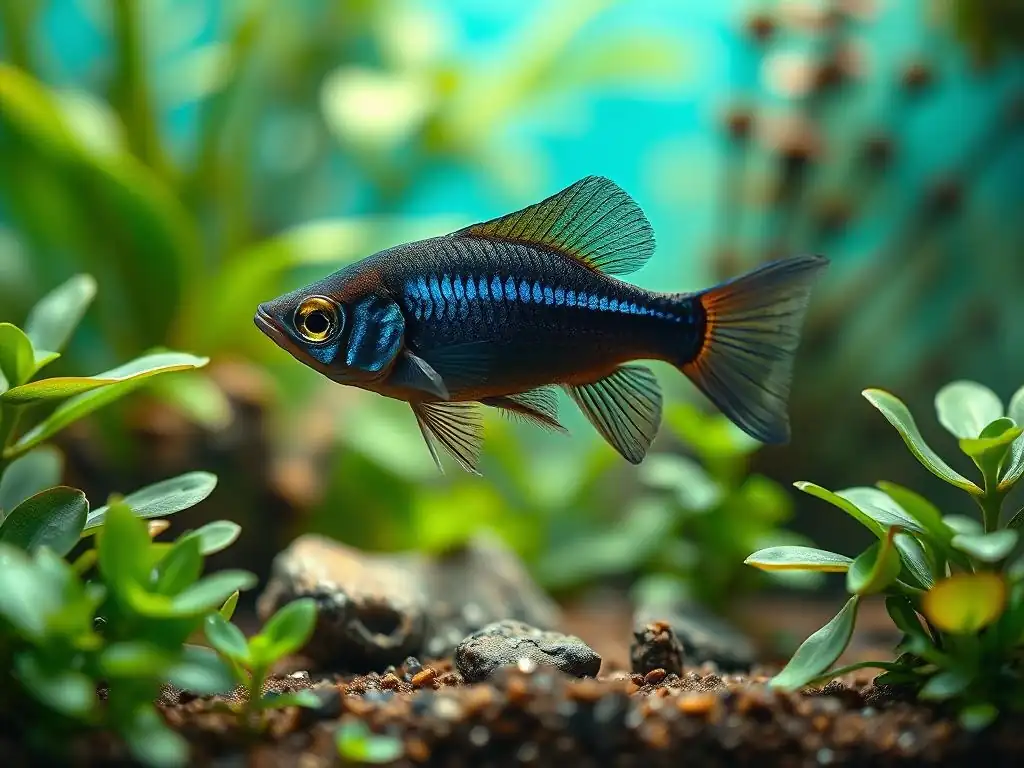
While generally peaceful, Congo Tetras can exhibit aggression, primarily fin nipping, if not kept in optimal conditions. This behavior typically arises from stress due to an insufficient school size (fewer than 6-8 individuals) or an undersized tank. When stressed or lacking sufficient numbers for internal schooling dynamics, they may nip at tank mates, especially those with long, flowing fins like angelfish or guppies.
The primary solution is to increase the school size to at least 8-10 individuals. This larger group diffuses internal aggression and allows them to feel more secure, reducing the likelihood of them bothering other fish. Ensuring the tank is adequately sized (a 55-gallon or larger Congo tetra planted aquarium is ideal for a larger school) and provides plenty of visual breaks and hiding spots within the aquascape also helps mitigate stress-induced aggression.
Dealing with Plant Damage
Congo Tetras are not known plant destroyers, unlike some larger cichlids or goldish. However, their active swimming and occasional foraging can sometimes lead to minor plant damage or dislodgement, particularly with very delicate or newly planted specimens. This is more common during feeding frenzies or if plants are not firmly rooted.
To mitigate this, select robust plant species as previously recommended, such as Anubias, Java Fern, and well-rooted Echinodorus. Ensure all plants are well-established and firmly rooted in the substrate or securely attached to hardscape. For new plantings, consider using plant weights or rooting tabs to help them anchor. A balanced and varied diet for your Congo Tetras can also reduce any potential nipping at plants due to nutritional deficiencies, ensuring the beauty of your Congo tetra planted aquarium remains intact.
Beyond the Basics: Advanced Congo Tetra Planted Aquarium Keeping
CO2 Injection and Plant Growth
For aquarists aiming for a truly lush and vibrant Congo tetra planted aquarium, CO2 injection can be a game-changer. Carbon dioxide is an essential nutrient for aquatic plants, and supplementing it can dramatically accelerate plant growth, allowing for denser foliage, a wider variety of plant species, and more intricate aquascapes. A robust plant mass not only enhances the aesthetic appeal but also contributes to a more stable ecosystem, benefiting the fish.
Implementing a CO2 system requires careful monitoring to ensure the safety of your Congo Tetras. Start with low doses and gradually increase, observing both plant response and fish behavior. A reliable drop checker is indispensable for continuously monitoring CO2 levels. While not strictly necessary for a basic planted setup, CO2 injection can elevate your Congo tetra planted aquarium to a new level of biological and aesthetic complexity.
Fertilization Strategies for Lush Plant Growth
In a heavily planted Congo tetra planted aquarium, especially one utilizing CO2 injection, plants can quickly deplete essential nutrients from the water column and substrate. Macro-nutrients (Nitrogen, Phosphorus, Potassium) and micro-nutrients (Iron, Manganese, Boron, etc.) are crucial for healthy plant growth. Liquid fertilizers dosed regularly and root tabs placed near heavy root feeders can replenish these vital elements.
A systematic fertilization strategy is key to avoiding nutrient deficiencies and preventing algae blooms. Regular water testing for nitrate and phosphate levels can guide your dosing regimen; for example, if nitrates consistently drop below 5 ppm, a nitrogen supplement might be needed. Understanding the specific needs of your chosen plant species and the overall nutrient load from fish waste and food will help you tailor an effective fertilization plan for a thriving and visually stunning Congo tetra planted aquarium.
Conclusion: The Enduring Appeal of Congo Tetras in Planted Aquariums
Why Congo Tetras Remain a Top Choice for Planted Tank Enthusiasts
Congo Tetras truly stand out as the undisputed showstoppers of larger planted aquariums for a multitude of reasons. Their unparalleled iridescent colors, which shimmer and shift with every movement, combined with the graceful flow of their extended fins, create a breathtaking visual spectacle. This beauty is only amplified when set against the lush, natural backdrop of a well-designed planted tank, where their vibrant hues pop in striking contrast.
Beyond their stunning appearance, their active schooling behavior and generally peaceful nature make them ideal inhabitants for a community Congo tetra planted aquarium. With proper care—including appropriate tank size, stable water parameters, a varied diet, and thoughtful aquascaping—these magnificent fish will not only thrive but also transform your aquarium into a dynamic, living work of art. Their unique charm and captivating presence ensure that Congo Tetras remain a top and enduring choice for planted tank enthusiasts worldwide.
Frequently Asked Questions
Why are Congo Tetras particularly well-suited for planted aquariums?
Congo Tetras thrive in larger planted aquariums due to their active nature and need for ample swimming space. The plants provide them with shelter and security, mimicking their natural habitat and enhancing their vibrant colors. Plants also help to maintain water quality.
What size aquarium is generally recommended for a school of Congo Tetras in a planted setup?
A minimum of 55 gallons is recommended for a small school (6-8) of Congo Tetras. Larger tanks, such as 75 gallons or more, are even better to allow for optimal swimming space and a more elaborate planted environment.
What types of plants work best in a Congo Tetra planted aquarium?
Hardy plants like Java Fern, Anubias, and Amazon Swords are excellent choices, as they can tolerate the Congo Tetra's active swimming. Consider plants that provide both cover and open areas for a natural and visually appealing aquascape.
How does a planted aquarium benefit Congo Tetras specifically?
Planted aquariums offer Congo Tetras a sense of security, reducing stress and promoting natural behaviors like schooling and foraging. The plants also help maintain stable water parameters, crucial for their health and vibrant coloration.
What are some common mistakes to avoid when setting up a Congo Tetra planted aquarium?
Overcrowding the tank is a common mistake. Ensure adequate swimming space. Also, avoid plants that are easily uprooted. Insufficient filtration and water changes can also negatively impact water quality, affecting the fish's health.
Okay, here's a final reflection designed to close your article "Why Congo Tetras Are the Undisputed Showstoppers of Larger Planted Aquariums," optimized for the keyword "Congo tetra planted aquarium" and following the structure you outlined:
Final Reflection: The Enduring Allure of Congo Tetras
The vibrant spectacle of a Congo tetra planted aquarium isn't just a fleeting trend; it's a testament to the enduring power of natural beauty within our homes. The points discussed throughout this article, from their shimmering iridescence to their peaceful temperament, collectively paint a picture of a truly captivating centerpiece, one that continues to elevate the planted aquarium hobby to an art form.
The Congo tetra's influence on the aquascaping world is undeniable. Their presence transforms a simple tank into a dynamic ecosystem, a miniature representation of the Congo River basin. The way they interact with lush greenery and carefully arranged hardscape creates a mesmerizing ballet of color and movement. The beauty of the natural world lies in its details,
as John Muir so eloquently stated, and the Congo tetra perfectly embodies this sentiment, bringing a touch of wild elegance to our meticulously crafted underwater landscapes.
Now, as you consider the possibilities for your own aquatic haven, I invite you to reflect on the impact a school of Congo tetras could have. Imagine the play of light across their scales, the gentle sway of plants around them, and the sense of tranquility they bring to your space. Embrace the challenge of creating a Congo tetra planted aquarium – not just as a hobby, but as an opportunity to connect with nature and cultivate a living work of art that will inspire and delight for years to come.
Unleash the Rainbow: Transform Your Aquarium Today!
Thank you for diving into the dazzling world of Congo Tetras! We hope this article has ignited your passion for these shimmering jewels and their potential to elevate your planted aquarium. Now, it's time to bring that vision to life.
Here are a few actionable steps to take your aquarium to the next level:
- Commit to acquiring a school of at least six Congo Tetras – prepare to witness their breathtaking display of color and movement in your own living room.
- Explore compatible tankmates: consider adding other peaceful species that complement the Congo Tetra's beauty and activity, creating a harmonious aquatic community.
- Share your aquarium dreams with fellow enthusiasts on social media using #CongoTetraMagic – let's inspire others to create their own stunning planted aquariums!
What's one simple change you can make this week to create a more vibrant and enriching environment for your future Congo Tetras?