
Corydoras Water Chemistry: pH, Hardness, and Temperature Secrets

Welcome to Aquarium Mastery!
Ever wondered if your Corydoras are truly thriving in your aquarium? Discover the secrets to unlocking their full potential! Our guide, " Corydoras Water Chemistry: pH, Hardness, and Temperature Secrets," dives deep into the optimal water parameters that will keep your Corydoras happy, healthy, and vibrant. Ready to create the perfect aquatic haven for these delightful bottom-dwellers? Let's explore!
- Corydoras Water Chemistry: pH, Hardness, and Temperature Secrets for Thriving Catfish
- Understanding Corydoras Catfish and Their Water Needs
- Decoding Corydoras Optimal Water Parameters: pH
- Decoding Corydoras Optimal Water Parameters: Hardness (GH & KH)
- Decoding Corydoras Optimal Water Parameters: Temperature
- Species-Specific Water Parameter Considerations for Corydoras
- Practical Tips for Achieving and Maintaining Ideal Corydoras Water Conditions
- Common Mistakes to Avoid Regarding Corydoras Water Chemistry
- Conclusion: Mastering Corydoras Water Chemistry for a Flourishing Aquarium
-
Frequently Asked Questions
- What are the optimal pH levels for Corydoras in a freshwater aquarium?
- What is the recommended water hardness (GH and KH) for Corydoras?
- What is the ideal temperature range for keeping Corydoras healthy and active?
- How important is regular water testing for maintaining optimal Corydoras water parameters?
- What are some common signs that Corydoras water parameters are not optimal?
- Final Reflection: Cultivating a Thriving Corydoras World
- Rediscover the Joy of Corydoras Keeping!
Corydoras Water Chemistry: pH, Hardness, and Temperature Secrets for Thriving Catfish
Understanding Corydoras Catfish and Their Water Needs
Introduction to Corydoras: Peaceful Bottom Dwellers
Corydoras catfish, often affectionately called "cories," are among the most popular and peaceful bottom-dwelling fish in the freshwater aquarium hobby. Originating from diverse aquatic environments across South America, including rivers, streams, and flooded plains, these charming fish are renowned for their active scavenging behavior and their crucial role in keeping the substrate clean. They are easily recognizable by their armored plates and distinctive barbels, which they use to sift through the substrate for food.
Their widespread appeal in aquariums stems from their relatively small size, typically ranging from 1 to 3 inches, their engaging social behaviors, and the wide variety of species available – with over 160 described species and many more still being discovered. Corydoras are highly social animals and thrive when kept in groups of at least six individuals of the same species, which encourages their natural schooling behavior. A unique adaptation is their ability to breathe atmospheric air using a modified intestine, allowing them to survive in oxygen-depleted waters in their natural habitats.
Why Water Parameters Matter for Corydoras Health and Longevity
Corydoras catfish, like all aquatic organisms, are highly sensitive to the chemistry and stability of their aquatic environment. As they originate from specific natural conditions, maintaining stable and appropriate water parameters is not merely a recommendation but a fundamental requirement for their immune system, metabolic functions, and overall well-being. Unsuitable or fluctuating conditions induce severe stress, making them highly susceptible to common aquarium diseases such as fin rot, bacterial infections, and parasitic infestations like Ich (white spot disease), significantly reducing their lifespan.
The direct impact of incorrect water parameters is profound. For instance, extreme pH levels can cause chemical burns to their delicate gills and skin, leading to osmotic shock. Inaccurate water hardness directly affects their osmoregulation, the process by which they balance internal salts and water. Unstable or incorrect temperatures critically stress their metabolic rate, affecting everything from digestion to immune response. Providing optimal Corydoras water parameters directly translates to vibrant coloration, active foraging behaviors, successful breeding, and extended longevity, with many species capable of living 5-7 years or more in ideal conditions.
Decoding Corydoras Optimal Water Parameters: pH
The Importance of pH for Corydoras Catfish
pH is a crucial measure of the acidity or alkalinity of water, expressed on a scale from 0 to 14, where 7 is neutral. For Corydoras catfish, as with all aquatic life, pH is paramount because it directly impacts their physiological processes. Fish maintain a delicate internal pH balance, and the external water's pH influences their ability to regulate this internal environment. It is important to note that sudden or extreme shifts in pH are far more dangerous to fish than a stable pH that is slightly outside the ideal range.
The pH level directly affects enzyme activity within the fish, gill function, and crucially, the toxicity of ammonia. For example, at higher pH levels (typically above 7.5), the less toxic ammonium (NH4+) converts into highly toxic un-ionized ammonia (NH3), which can rapidly cause gill damage, respiratory distress, and death, even at concentrations as low as 0.02 parts per million (ppm). Therefore, maintaining the correct and stable pH is vital for the efficient breakdown of waste products within the tank's nitrogen cycle and for the overall health of your Corydoras.
Ideal pH Range for Corydoras: Species-Specific Considerations
The general ideal pH range for most commonly kept Corydoras species typically falls between 6.0 and 7.5. This broad guideline encompasses the preferences of many popular species, ensuring their comfort and health. For example, the highly adaptable Bronze Corydoras ( Corydoras aeneus) can tolerate a pH range as wide as 6.0 to 8.0, making them an excellent choice for general community tanks where slightly varied parameters might exist.
However, it is crucial to consider species-specific nuances for achieving true Corydoras optimal water parameters. For instance, Sterba's Corydoras ( Corydoras sterbai), originating from warmer, slightly more acidic blackwater tributaries of the Guaporé River in Brazil, thrive best in a slightly more acidic to neutral environment, ideally pH 6.0 to 7.2. Conversely, the popular Panda Corydoras ( Corydoras panda) prefers slightly softer, more acidic water, typically around pH 6.0-7.0, reflecting their natural clearwater habitats in Peru. Researching the specific origin and natural habitat of your particular Corydoras species can help fine-tune their ideal pH.
Maintaining Stable pH Levels in Your Corydoras Tank
Stability is the cornerstone of healthy pH management for Corydoras. Rather than obsessing over hitting a precise pH number, the primary goal should be preventing drastic fluctuations. Regular, consistent partial water changes using dechlorinated water that closely matches the tank's existing parameters are fundamental. Utilizing inert substrates like fine sand or smooth gravel is also vital, as these materials do not leach minerals that can alter pH. Similarly, avoid decorative items such as certain types of shells or limestone rocks that can naturally raise pH and hardness.
Natural buffering agents can also contribute to pH stability and provide beneficial humic substances. For example, driftwood slowly releases tannins, which can gently lower pH and mimic the blackwater conditions common in many Corydoras' natural habitats. Peat moss, when placed in a filter bag or used to condition water before addition, can also gently acidify the water. However, these methods require careful monitoring with a reliable test kit to prevent overshooting the desired pH and to ensure consistent Corydoras optimal water parameters.
Troubleshooting pH Fluctuations: Causes and Solutions
pH fluctuations in an aquarium can stem from several common issues. A frequent cause is the accumulation of decaying organic matter, such as uneaten food or dead plant material, which breaks down into acidic compounds, gradually lowering the pH. Insufficient buffering capacity, indicated by low carbonate hardness (KH), is another major culprit, making the water vulnerable to rapid pH drops.
The introduction of new elements like certain substrates or decor can also inadvertently alter water chemistry. For example, a sudden, unexplained drop in pH might signal a build-up of nitrates or even a crash in the beneficial bacterial colony responsible for the nitrogen cycle.
To address these issues, solutions vary depending on the cause. If pH is consistently too low, a small amount of crushed coral or aragonite, placed in a media bag within the filter, can slowly dissolve and raise both pH and hardness. However, this also increases GH and KH.
If pH is too high, controlled use of pH-lowering products can be considered, but these should be used with extreme caution as they can cause instability. Diluting tap water with reverse osmosis (RO) or deionized (DI) water can also effectively lower pH and hardness. Always make adjustments gradually, aiming for no more than a 0.2 pH change per 24 hours, to prevent severe stress or osmotic shock to your sensitive Corydoras.
Decoding Corydoras Optimal Water Parameters: Hardness (GH & KH)
General Hardness (GH) and Corydoras: What You Need to Know
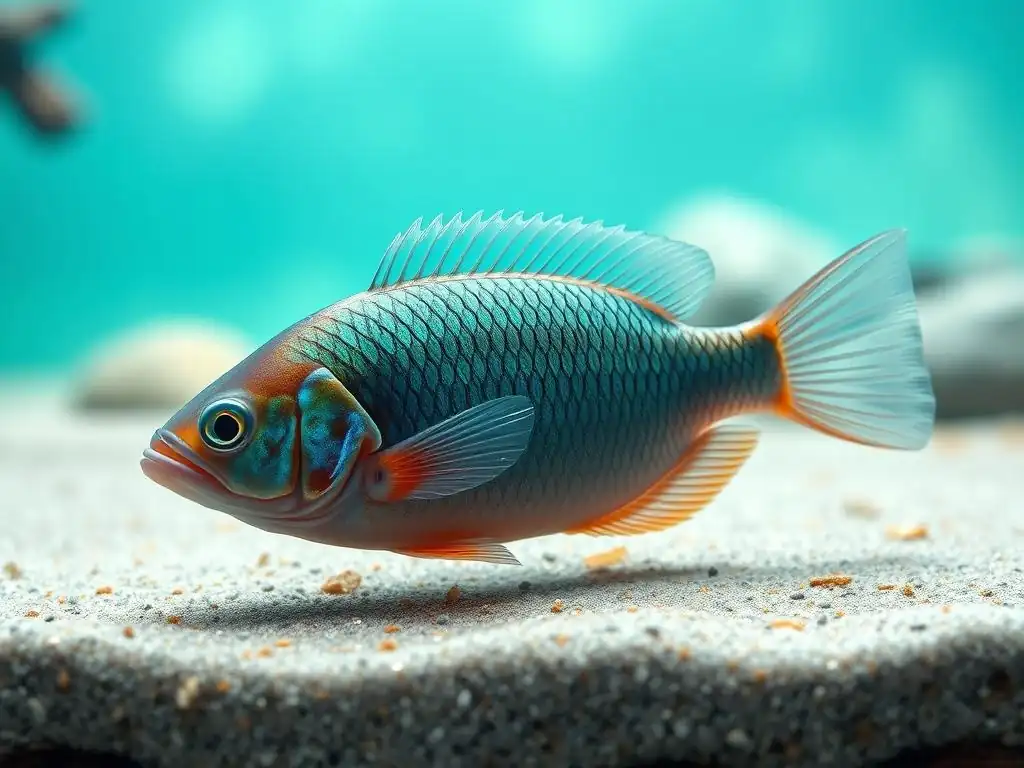
General Hardness (GH) measures the concentration of dissolved multivalent metallic ions in water, primarily calcium and magnesium. These minerals are essential for fish osmoregulation, which is the process by which fish maintain the balance of water and salts within their bodies, and also play a role in bone development and overall metabolic function. Corydoras, originating from soft to moderately hard water regions in South America, generally thrive in GH levels between 2-15 dGH (degrees of General Hardness), which is approximately equivalent to 35-260 ppm (parts per million).
Water that is either too soft or too hard can negatively impact Corydoras health. If the water is excessively soft (very low GH), fish may experience osmotic stress, struggling to regulate their internal salt balance and potentially leading to organ dysfunction.
Conversely, overly hard water can make it difficult for Corydoras to absorb necessary minerals and may contribute to long-term issues like kidney problems. While some wild Corydoras species are found in waters with GH as low as 1 dGH, most commonly kept species adapt well to parameters up to 10-12 dGH in captivity, demonstrating their range of adaptability within specific Corydoras optimal water parameters.
Carbonate Hardness (KH) and Its Role in Buffering pH
Carbonate Hardness (KH), also known as alkalinity, is the measure of carbonates and bicarbonates dissolved in the water. These compounds act as natural pH buffers, meaning they absorb and neutralize acids that are naturally produced in an aquarium from fish respiration, decomposition of organic matter, and the nitrification process of the nitrogen cycle. KH is thus crucial for preventing sudden and dangerous pH swings.
When acids are introduced into the aquarium water, the bicarbonates in the KH react with them, converting them into carbonic acid, which then safely breaks down into water and carbon dioxide. This process effectively stabilizes the pH, preventing it from crashing. For most Corydoras species, a KH level of 3-8 dKH (approximately 50-140 ppm) is generally recommended.
A KH level below 3 dKH significantly increases the risk of a rapid pH drop, which can be lethal to Corydoras as their delicate systems are highly sensitive to sudden changes in their aquatic environment. Maintaining adequate KH is therefore essential for stable Corydoras optimal water parameters.
Recommended GH and KH Levels for Different Corydoras Species
For the majority of commonly available Corydoras species, a general guideline for hardness parameters is a GH between 4-12 dGH and a KH between 3-8 dKH. This range provides a robust environment that supports their physiological needs and ensures stable pH levels. Species such as the Peppered Corydoras ( Corydoras paleatus) or the Three-lined Corydoras ( Corydoras trilineatus) are quite adaptable and thrive within these parameters, making them suitable for many community tank setups.
However, specific Corydoras species may exhibit narrower preferences, reflecting their distinct natural habitats. For instance, species like Corydoras adolfoi and Corydoras duplicareus, which originate from the highly acidic, soft blackwater rivers of the Rio Negro basin, prefer significantly softer water, ideally with a GH of 2-8 dGH and a KH of 1-5 dKH.
In contrast, the highly robust Bronze Corydoras ( Corydoras aeneus) can tolerate a broader range, sometimes thriving in GH levels up to 15 dGH. Always research the specific requirements of the Corydoras species you intend to keep to ensure you are providing their precise Corydoras optimal water parameters.
How to Adjust Water Hardness for Corydoras: Safe and Effective Methods
Adjusting water hardness for Corydoras requires careful, gradual methods to avoid stressing the fish. If your tap water is too soft, you can increase both GH and KH by adding small amounts of crushed coral, aragonite, or specialized commercial mineral additives designed for aquariums. For example, placing a small bag containing about 1 cup of crushed coral per 20 gallons in your filter can slowly raise hardness over several days, but constant monitoring with test kits is crucial to prevent overshooting the desired levels.
Conversely, if your tap water is excessively hard, the most effective and precise method to reduce hardness is by diluting it with reverse osmosis (RO) or deionized (DI) water. These purified waters have virtually no minerals, allowing you to mix them with your tap water to achieve the precise GH and KH levels required.
Another method is using peat moss in a filter bag, which can gently reduce hardness and lower pH, mimicking the natural blackwater conditions some Corydoras species thrive in. Regardless of the method, always make gradual adjustments, aiming for no more than a 1-2 dGH change per day, to protect your Corydoras from osmotic shock and ensure stable Corydoras optimal water parameters.
Decoding Corydoras Optimal Water Parameters: Temperature
The Impact of Temperature on Corydoras Metabolism and Activity
Temperature is a critical environmental factor for cold-blooded fish like Corydoras, as it directly influences their metabolic rate. Higher temperatures generally increase metabolism, leading to faster digestion, quicker growth, and higher oxygen demand. However, consistently very high temperatures can also shorten their lifespan due to accelerated aging and increased stress on internal organs. Conversely, lower temperatures slow down their metabolism, resulting in reduced activity levels, decreased appetite, and a compromised immune system.
Specific impacts of incorrect temperatures are notable. If the water temperature falls significantly below their optimal range, Corydoras may become lethargic, exhibit clamped fins, and refuse to eat. Their immune systems can weaken, making them highly susceptible to common parasitic infections such as Ichthyophthirius multifiliis (Ich). Conversely, excessively high temperatures can lead to oxygen deprivation, rapid gill movement, and severe organ damage. Maintaining a stable temperature within their preferred range is therefore paramount for their active behavior, robust immune response, and overall health, ensuring Corydoras optimal water parameters are met.
Optimal Temperature Range for Corydoras: Finding the Sweet Spot
For the vast majority of commonly kept Corydoras species, the optimal temperature range generally spans between 72°F and 79°F (22°C-26°C). This range supports their active metabolism and vibrant behavior without inducing undue stress. Popular species like Corydoras julii (Leopard Corydoras) and Corydoras panda (Panda Corydoras) thrive remarkably well within this temperature zone, exhibiting their natural foraging and schooling behaviors.
It is important to acknowledge that specific Corydoras species may have slightly narrower or different temperature preferences. For instance, Sterba's Corydoras ( Corydoras sterbai), originating from warmer parts of South America, prefers the higher end of this spectrum, ideally between 75°F and 82°F (24°C-28°C), making them excellent tank mates for other warm-water species like Discus or Cardinal Tetras.
In contrast, the Peppered Corydoras ( Corydoras paleatus) is more tolerant of cooler temperatures, able to comfortably live down to 68°F (20°C), which makes them suitable for unheated tanks in temperate climates or cooler community setups. Always verify the specific needs of your Corydoras species to provide their precise Corydoras optimal water parameters.
Temperature Fluctuations: Avoiding Stress and Disease in Corydoras
Stability in temperature is just as crucial as maintaining the correct temperature range for Corydoras. Sudden and drastic temperature fluctuations are highly stressful for these sensitive fish, leading to a weakened immune system and increased susceptibility to various diseases. Even a seemingly minor swing of 3-4°F (approximately 2°C) within a short period can cause significant stress, which may manifest as clamped fins, loss of appetite, or erratic swimming patterns.
The consequences of consistent temperature instability are severe. It is a very common trigger for parasitic infections like Ich, which can rapidly spread through a stressed Corydoras population, often with devastating effects. Furthermore, unstable temperatures negatively impact their breeding success and significantly reduce their overall longevity. To prevent such issues, always use a reliable aquarium heater equipped with an adjustable thermostat. Additionally, place the aquarium in a location free from drafts, direct sunlight, or external heat sources that could cause rapid temperature shifts, thereby ensuring stable Corydoras optimal water parameters.
Heating and Cooling Your Corydoras Tank: Best Practices
For most Corydoras aquariums, a high-quality submersible aquarium heater with an accurate, adjustable thermostat is an essential piece of equipment. When selecting a heater, ensure its wattage is appropriate for your tank size; a general guideline is 5 watts per gallon for tanks up to 20 gallons, and 3-5 watts per gallon for larger tanks (e.g., a 50-watt heater for a 10-gallon tank, or 100-150 watts for a 20-30 gallon tank).
Position the heater near a filter output or in an area with good water circulation to ensure heat is evenly distributed throughout the tank, preventing hot or cold spots.
In warmer climates or during summer months, overheating can pose a significant risk to Corydoras. If tank temperatures consistently rise above 80°F (27°C) for extended periods, Corydoras can become stressed and suffer from oxygen deprivation. Solutions include using an aquarium fan directed across the water surface to increase evaporative cooling, floating sealed bags of ice packs in the water, or, for persistent high temperatures, investing in an aquarium chiller. Regularly monitor the water temperature with a reliable thermometer (digital or glass stick-on) to ensure it consistently falls within the Corydoras optimal water parameters.
Species-Specific Water Parameter Considerations for Corydoras
Water Chemistry Preferences for Popular Corydoras Species: Bronze Corydoras (Corydoras aeneus)
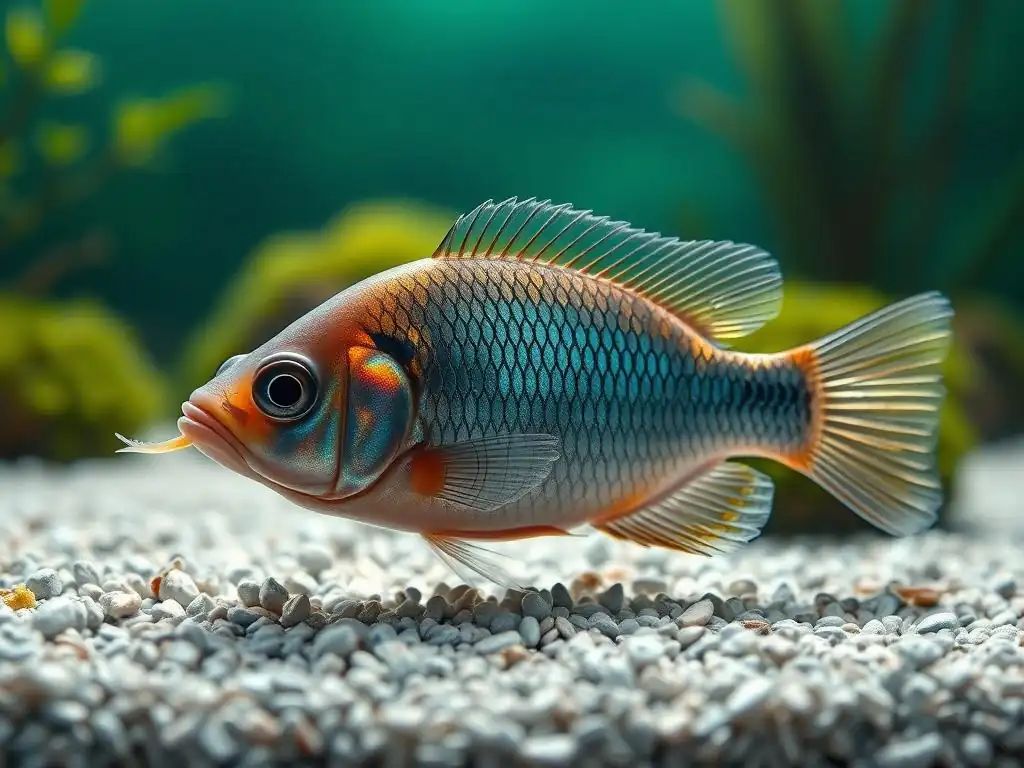
The Bronze Corydoras ( Corydoras aeneus) stands out as one of the most common and remarkably hardy Corydoras species available in the aquarium trade. Native to a vast geographical range across South America, including Trinidad and Tobago, Venezuela, and parts of Brazil, they are renowned for their exceptional adaptability to various water conditions. This resilience makes them an ideal choice for beginner aquarists and a robust addition to many community tank setups. Their preferred temperature range typically falls between 72-79°F (22-26°C).
In terms of water chemistry, Bronze Corydoras are notably tolerant. They thrive across a broad pH range of 6.0-8.0, making them highly adaptable to different tap water conditions. Their preferred General Hardness (GH) spans from 2-15 dGH, and Carbonate Hardness (KH) from 2-12 dKH. This wide tolerance means they can adapt to slightly harder or softer water than some of their more delicate relatives. Their robust nature allows for some flexibility when aiming for Corydoras optimal water parameters in a mixed-species aquarium, making them a forgiving choice for those new to the hobby.
Water Chemistry Preferences for Popular Corydoras Species: Sterba's Corydoras (Corydoras sterbai)
Sterba's Corydoras ( Corydoras sterbai) is a highly prized species, celebrated for its striking orange pectoral fins and distinct spotted body pattern. This beautiful catfish originates from the warmer, often blackwater tributaries of the Guaporé River basin in Brazil. Due to their natural habitat, they have specific temperature preferences that lean towards the higher end of the Corydoras spectrum. Their ideal temperature range is typically 75-82°F (24-28°C), which makes them excellent tank mates for other warm-water species like Discus or Cardinal Tetras.
Regarding water chemistry, Sterba's Corydoras prefers softer, slightly acidic to neutral water conditions. An ideal pH range for them is 6.0-7.2, which closely mimics the slightly acidic nature of their Amazonian blackwater origins. Their preferred General Hardness (GH) is 2-10 dGH, and Carbonate Hardness (KH) of 1-6 dKH. While they can tolerate slightly harder water, maintaining these softer, warmer conditions is crucial for their long-term health, vibrant coloration, and successful breeding. Providing these specific Corydoras optimal water parameters will help them thrive and exhibit their full natural beauty.
Water Chemistry Preferences for Popular Corydoras Species: Panda Corydoras (Corydoras panda)
The Panda Corydoras ( Corydoras panda) is universally adored for its distinctive black patches around its eyes and dorsal fin, giving it a charming resemblance to its namesake. This species originates from the clear, often cool, and soft waters of the Ucayali River basin in Peru, specifically from high-altitude streams. Reflecting their natural environment, their preferred temperature range is slightly cooler than many other Corydoras, typically between 68-75°F (20-24°C). This makes them a good fit for slightly cooler community tanks.
In terms of water chemistry, Panda Corydoras thrive in soft to moderately soft, slightly acidic to neutral water. Their ideal pH range is 6.0-7.0, aligning with the often slightly acidic conditions of their natural clearwater habitats. They prefer a General Hardness (GH) of 2-10 dGH and a Carbonate Hardness (KH) of 1-6 dKH. Compared to the more robust Bronze Corydoras, Panda Corydoras are generally more sensitive to fluctuations and higher temperatures. Therefore, maintaining stable parameters within their preferred range is absolutely vital for their well-being, preventing stress, and ensuring they live long, healthy lives with Corydoras optimal water parameters.
Practical Tips for Achieving and Maintaining Ideal Corydoras Water Conditions
Regular Water Testing: Monitoring Key Water Parameters
Regular water testing is the single most critical practice for maintaining a healthy and thriving Corydoras aquarium. It provides essential data about your tank's invisible chemistry. Utilize reliable liquid-based test kits for key parameters such as pH, General Hardness (GH), Carbonate Hardness (KH), ammonia, nitrite, and nitrate.
Test at least once a week, especially in newly set up tanks, when adding new fish, or if you notice any signs of distress in your Corydoras. For example, a 20-gallon tank housing six Corydoras might experience ammonia spikes if it's not fully cycled or if overfeeding occurs, which only testing can reveal.
Understanding and interpreting your test results allows for timely and effective intervention. If ammonia or nitrite are detected (their levels should always be 0 ppm in a cycled tank), perform an immediate partial water change and investigate the cause. High nitrate levels (consistently above 20 ppm) indicate the need for more frequent or larger water changes. Consistent monitoring of these Corydoras optimal water parameters helps you identify and address potential problems before they escalate into serious health issues for your fish.
Choosing the Right Substrate: Impact on Water Chemistry
The choice of substrate is paramount for Corydoras catfish, as they are diligent bottom-dwellers that constantly sift through the tank floor with their highly sensitive barbels. Therefore, a fine, smooth substrate like sand (such as play sand, pool filter sand, or specialized aquarium sand) is crucial. Coarse or sharp gravel can easily damage their delicate barbels, leading to infections, hindering their natural foraging behavior, and causing chronic stress.
Beyond physical comfort, the substrate also impacts water chemistry. Inert substrates, such as most types of sand and smooth gravel, do not significantly alter the water parameters. It is important to avoid substrates like crushed coral, aragonite, or certain types of decorative stones unless your specific goal is to raise the pH and hardness, which is generally not ideal for the majority of Corydoras species. A substrate depth of 2-3 inches allows Corydoras to exhibit their natural digging and sifting behaviors, contributing to their well-being while maintaining stable Corydoras optimal water parameters.
The Role of Plants in Maintaining Water Quality for Corydoras
Live aquarium plants play a significant and beneficial role in maintaining stable and healthy water quality for Corydoras. One of their primary functions is absorbing nitrates, which are the relatively less toxic end-product of the nitrogen cycle. By consuming nitrates, plants help reduce their accumulation in the water, thereby lessening the frequency or volume of necessary water changes. Additionally, during the day, plants perform photosynthesis, releasing oxygen into the water, which is vital for all aquatic life, including Corydoras.
When selecting plants for a Corydoras tank, opt for hardy, low-light species that won't require intense maintenance or CO2 injection. Excellent choices include Anubias, Java Fern, and various Cryptocoryne species. These plants are easy to care for and provide ample hiding spots and shaded areas, which help reduce stress in your Corydoras. Their root systems also help to stabilize the substrate, preventing it from compacting and contributing to a healthier environment for your bottom-dwellers, further supporting the maintenance of Corydoras optimal water parameters.
Water Changes: Frequency and Volume for Optimal Corydoras Health
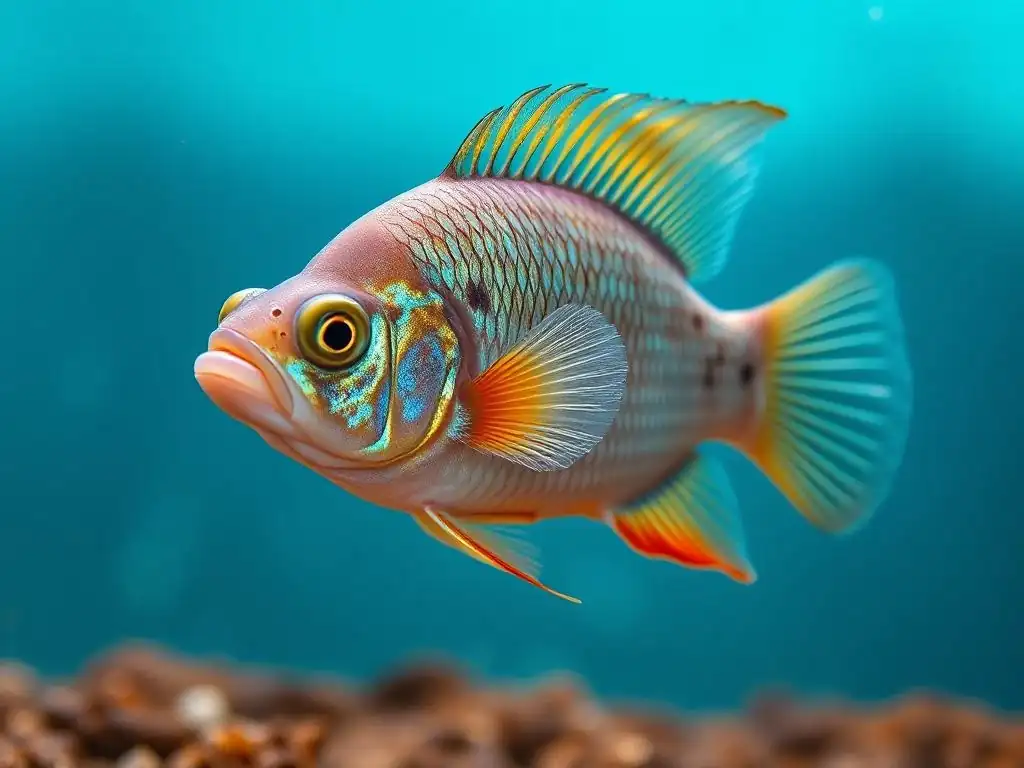
Regular partial water changes are arguably the most effective and fundamental practice for maintaining pristine water quality and ensuring the long-term health of your Corydoras. This process effectively removes accumulated nitrates, phosphates, dissolved organic compounds, and other pollutants that can degrade water quality over time and cannot be fully removed by filtration alone. For a well-established Corydoras tank with a healthy bio-load, a weekly 25-30% water change is an excellent starting point. For example, in a 20-gallon tank, this equates to changing 5-6 gallons of water.
When performing water changes, always use dechlorinated water that is temperature-matched to the aquarium water to prevent shocking your fish. Use a gravel vacuum or siphon to remove water from the bottom of the tank, effectively removing accumulated detritus and uneaten food. Be gentle when siphoning around your Corydoras, as they can be easily startled. Consistent water changes are vital for maintaining stable Corydoras optimal water parameters, preventing the buildup of toxins, and ensuring a clean, healthy environment for these sensitive bottom-dwellers.
Filtration: Selecting the Right Filter for Corydoras Tank
An efficient and appropriate filtration system is absolutely essential for a Corydoras aquarium, providing crucial biological, mechanical, and sometimes chemical filtration. For Corydoras, sponge filters are an excellent choice because they provide gentle water flow, which these bottom-dwellers prefer, while offering a large surface area for beneficial bacteria to colonize, thus ensuring robust biological filtration. They are also very safe, as there's no risk of the fish or their delicate barbels being sucked into an intake.
Other filter types, such as hang-on-back (HOB) filters or canister filters, can also be used effectively, but certain precautions should be taken. Ensure the filter intake is covered with a sponge pre-filter to prevent small Corydoras from being drawn into the mechanism. Additionally, ensure the filter's outflow does not create excessive current, which can stress these fish; a spray bar or baffling the output can help.
Aim for a filter rated to process the tank's total volume at least 4-5 times per hour. For instance, a 20-gallon tank would benefit from a filter rated for 80-100 GPH. Proper filtration, combined with regular water changes and testing, is key to maintaining Corydoras optimal water parameters.
Common Mistakes to Avoid Regarding Corydoras Water Chemistry
Overlooking the Importance of Water Changes
A common and often detrimental mistake made by aquarists is underestimating the critical necessity of regular water changes, often assuming that mechanical and biological filtration alone are sufficient. While filters effectively remove particulate matter and process toxic ammonia and nitrite into less harmful nitrate, they do not remove nitrates or other dissolved organic compounds that accumulate over time. These substances, if left unchecked, can build up to toxic levels.
Neglecting consistent water changes inevitably leads to elevated nitrate levels, increased phosphate concentrations, and a general decline in overall water quality. This creates a chronically stressful environment for Corydoras, weakening their immune systems and making them highly susceptible to diseases such as fin rot, bacterial infections, and other stress-related ailments. For example, nitrate levels consistently above 40 ppm can inhibit growth, reduce activity, and significantly shorten the lifespan of these sensitive catfish. Therefore, regular, appropriately sized water changes are absolutely crucial for maintaining Corydoras optimal water parameters.
Ignoring the Need for Regular Water Testing
Another significant pitfall is the failure to regularly test aquarium water parameters, often based on the assumption that if fish appear healthy, the water must be fine. However, water chemistry issues frequently develop gradually and can reach critical, even lethal, levels before any visible symptoms of distress appear in the fish. Without consistent testing, insidious problems like a sudden pH crash or an ammonia spike can go entirely undetected until it is too late, resulting in unexplained fish loss.
The ramifications of neglecting water testing are severe. It means you are unable to proactively identify and address imbalances in your tank's chemistry. For instance, a sudden death of a Corydoras might be mistakenly attributed to disease when the root cause was a rapid pH drop from 7.0 to 5.5 overnight due to insufficient buffering capacity (low KH). Regular testing, even just once a week, provides essential, quantifiable data that allows you to make informed decisions and ensure that Corydoras optimal water parameters are consistently met, preventing crises before they occur.
Sudden and Drastic Changes in Water Parameters
Attempting to correct water parameters too quickly, such as making large, sudden pH adjustments or performing massive water changes with water that is significantly different in temperature or chemistry, is a highly detrimental mistake. Fish, particularly sensitive species like Corydoras, cannot rapidly adjust to drastic shifts in their aquatic environment. Their physiological systems are designed for gradual changes, not abrupt alterations.
Such sudden and drastic changes in water parameters can lead to severe osmotic shock, immense stress, and direct damage to the fish's gills, kidneys, and other internal organs. This often results in immediate fatalities or long-term health issues that weaken the fish over time. Always make any adjustments gradually, aiming for no more than a 0.2 pH change per 24 hours, or a 1-2 dGH/dKH change per day. Furthermore, ensure that any new water added during changes is temperature-matched to the aquarium water to maintain stability and prevent shocking your Corydoras, thus upholding Corydoras optimal water parameters.
Using Incompatible Water Treatments
A critical mistake to avoid is using general fish medications or water conditioners that are not specifically formulated for or compatible with scaleless fish, or those known to be sensitive to certain chemicals. Many common aquarium medications, particularly those containing copper, malachite green, or strong dyes, can be highly toxic to Corydoras due to their lack of scales and their permeable, sensitive skin, which absorbs chemicals more readily than scaled fish.
Always thoroughly research product compatibility before introducing any new water treatment or medication into a Corydoras tank. Opt for products explicitly labeled as "scaleless fish safe" or "invertebrate safe" whenever possible. For example, while many Ich medications contain harsh chemicals, alternative treatments like gradually raising the tank temperature to 86°F (30°C) for 10-14 days (if suitable for your specific Corydoras species) combined with increased aeration can be a safer approach for Ich treatment.
When in doubt, consult with experienced aquarists or a qualified aquatic veterinarian. Ensuring all additives are compatible is crucial for maintaining both Corydoras optimal water parameters and their overall health.
Conclusion: Mastering Corydoras Water Chemistry for a Flourishing Aquarium
This article has thoroughly explored the critical role that pH, hardness (General Hardness and Carbonate Hardness), and temperature play in the health, longevity, and overall well-being of Corydoras catfish. Understanding and diligently maintaining Corydoras optimal water parameters is not merely a suggestion, but a fundamental requirement for creating an environment where these charming bottom-dwellers can truly thrive. These parameters directly influence their metabolism, immune function, and ability to resist disease, making them central to their care.
By consistently monitoring water quality through regular testing, performing frequent and appropriately sized water changes, choosing the right inert substrates, and understanding the species-specific needs of your particular Corydoras, aquarists can establish and maintain a stable and flourishing aquarium. Mastering Corydoras water chemistry ensures that these peaceful, active, and endearing catfish display their natural behaviors, vibrant colors, and live long, healthy lives, bringing immense joy and a touch of the Amazonian riverbed to any freshwater aquarium.
Frequently Asked Questions
What are the optimal pH levels for Corydoras in a freshwater aquarium?
Corydoras generally thrive in slightly acidic to neutral water. The ideal pH range is between 6.0 and 7.5. Maintaining this range is crucial for their health.
What is the recommended water hardness (GH and KH) for Corydoras?
Corydoras prefer moderately soft to slightly hard water. Aim for a GH (General Hardness) of 4-8 dGH and a KH (Carbonate Hardness) of 3-8 dKH. Consistent water parameters are more important than hitting exact numbers.
What is the ideal temperature range for keeping Corydoras healthy and active?
The optimal temperature range for Corydoras is typically between 72°F and 78°F (22°C and 26°C). Keeping the temperature within this range helps to prevent stress and disease.
How important is regular water testing for maintaining optimal Corydoras water parameters?
Regular water testing is extremely important. It allows you to monitor pH, GH, KH, ammonia, nitrite, and nitrate levels. This helps you identify and correct any imbalances quickly.
What are some common signs that Corydoras water parameters are not optimal?
Signs of poor water parameters include lethargy, loss of appetite, rapid breathing, and clamped fins. These symptoms indicate stress due to improper water chemistry and require immediate investigation and correction.
Final Reflection: Cultivating a Thriving Corydoras World
The intricate dance between pH, hardness, and temperature, as we've explored, isn't just about numbers; it's about fostering a thriving ecosystem for our Corydoras. Understanding these optimal water parameters is paramount, not only for their survival but also for unlocking their full potential – their vibrant colors, playful behaviors, and overall well-being. Ignoring these vital aspects condemns these delightful creatures to a life of stress and vulnerability, a fate we, as responsible aquarists, must actively prevent.
The impact of understanding and replicating Corydoras' natural environment extends far beyond the individual aquarium. It represents a commitment to ethical fishkeeping and a deeper appreciation for the delicate balance of aquatic life. By meticulously recreating their preferred conditions, we contribute to their longevity in captivity and, indirectly, to the conservation of their wild counterparts. In the end, we will conserve only what we love; we will love only what we understand; and we will understand only what we are taught.
- Baba Dioum. This quote perfectly encapsulates the importance of knowledge in fostering care and ultimately, conservation.
Now, armed with this knowledge of Corydoras optimal water parameters, I urge you to reflect on your own aquariums. Are you providing the best possible environment for your Corydoras? Take the time to test your water, adjust your parameters, and observe the positive changes in your fish. Let this article be more than just information; let it be a catalyst for creating a healthier, happier, and more vibrant Corydoras world, one aquarium at a time.
Rediscover the Joy of Corydoras Keeping!
Thanks for diving into the world of Corydoras water chemistry! We hope you've found these insights valuable for ensuring the health and happiness of your little bottom-dwellers. Now, let's put that knowledge into action!
- Start testing! Dedicate this weekend to accurately testing your aquarium's pH, GH, and KH to see how they align with the ideal ranges for your Corydoras species. This is the most crucial step!
- Share your Corydoras water parameters! Join the Aquarium Mastery community forum and share your water chemistry readings. Compare notes with other Cory enthusiasts and troubleshoot any challenges together.
- Experiment with a blackwater extract! Consider adding a small amount of blackwater extract to your aquarium to naturally soften and acidify the water. Monitor parameters closely and observe how your Corydoras respond.
What specific parameter are you most eager to adjust in your Corydoras tank this week, and what method will you use to achieve it?