
Designing the Ideal Featherfin Aquarium: Space, Rocks, and Flow

Welcome to Aquarium Mastery!
Intrigued by the elegance and unique needs of Featherfin Synodontis catfish? You've come to the right place! Dive into our latest article, " Designing the Ideal Featherfin Aquarium: Space, Rocks, and Flow," where we unlock the secrets to creating a thriving underwater haven for these fascinating creatures. But that's just the beginning! Discover expert tips and tricks for everything from water parameters to tank mate selection, ensuring your Featherfin aquarium becomes a true masterpiece. Ready to create the perfect aquatic home? Let's get started!
- Designing the Ideal Synodontis Catfish Aquarium: Space, Rocks, and Flow
- Introduction to Synodontis Catfish and Their Aquarium Needs
- Essential Synodontis Catfish Aquarium Design Tips: Creating the Perfect Habitat
- Rockwork and Decor for Synodontis Catfish: Creating a Natural Environment
- Water Flow and Filtration in a Synodontis Catfish Aquarium
- Substrate Selection for Synodontis Catfish Aquariums
- Lighting Considerations for Your Synodontis Tank
- Tank Mates for Synodontis Catfish: Compatibility and Considerations
- Maintaining Your Synodontis Catfish Aquarium: Water Changes and Cleaning
- Troubleshooting Common Synodontis Catfish Aquarium Problems
- Advanced Synodontis Catfish Aquarium Design Ideas
- Conclusion: Mastering Synodontis Catfish Aquarium Design for Thriving Fish
-
Frequently Asked Questions
- How much space do Featherfin Catfish need in an aquarium?
- What type of rockwork is best for a Featherfin aquarium?
- How important is water flow in a Featherfin aquarium?
- What kind of substrate is suitable for a Featherfin aquarium?
- Are there any specific plants that are ideal for a Featherfin aquarium?
- Final Reflection: The Art of Aquatic Harmony
- Ignite Your Featherfin Aquarium Vision!
Designing the Ideal Synodontis Catfish Aquarium: Space, Rocks, and Flow
Introduction to Synodontis Catfish and Their Aquarium Needs
Understanding Synodontis Catfish Behavior and Habitat
Synodontis catfish, often recognized for their unique upside-down swimming habits or distinctive dorsal fins, are a diverse genus of fish native primarily to the freshwater systems of Africa. Their natural habitats range from the fast-flowing rivers of West Africa to the vast, rocky depths of Lake Tanganyika and Lake Malawi. These environments are characterized by abundant hiding spots among roots, rocks, and submerged wood, alongside varying degrees of water current.
Behaviorally, Synodontis species are largely nocturnal scavengers, sifting through substrate for food and seeking refuge during daylight hours. Many species, particularly those from the Rift Lakes like the Featherfin Synodontis ( Synodontis eupterus), are known for their territoriality, especially as they mature, necessitating careful consideration of their living space.
Understanding these inherent behaviors and natural preferences is fundamental to successful Synodontis catfish aquarium design tips. For instance, their nocturnal nature means providing ample dark, secure hiding spots is crucial for reducing stress and encouraging natural activity. Similarly, their scavenging habits dictate the need for appropriate substrate that allows for sifting without harm. Ignoring these foundational aspects can lead to stressed, unhealthy fish that fail to thrive in captivity.
Why Aquarium Design Matters for Synodontis Catfish Health
The meticulous design of a Synodontis catfish aquarium transcends mere aesthetics; it is paramount to the long-term health, well-being, and natural behavior of these fascinating fish. A well-designed tank replicates key elements of their native environment, minimizing stress and preventing common health issues. For example, inadequate hiding spots can lead to chronic stress, suppressing their immune system and making them susceptible to diseases like Ich or bacterial infections. Studies have shown that fish in enriched environments exhibit significantly lower stress hormone levels compared to those in barren tanks.
Furthermore, proper Featherfin aquarium design tips directly influence water quality and stability, which are critical for Synodontis catfish. Sufficient space prevents overcrowding, reducing the biological load and the accumulation of harmful nitrates. Appropriate filtration and water flow ensure oxygenation and waste removal, mimicking the clean, well-oxygenated waters of their natural habitats. Without these considerations, fish can suffer from fin rot, ammonia poisoning, or stunted growth, illustrating that a thoughtful setup is not just beneficial but essential for their survival and the display of their full behavioral repertoire.
Essential Synodontis Catfish Aquarium Design Tips: Creating the Perfect Habitat
Synodontis Catfish Tank Size: How Much Space Do They Need?
Determining the appropriate tank size is arguably the most critical aspect of Synodontis catfish aquarium design. While some smaller species, like the Pygmy Synodontis ( Synodontis petricola) or the Upside-down Catfish ( Synodontis nigriventris), can be housed in tanks as small as 20-30 gallons (approximately 75-115 liters), larger and more active species, such as the Featherfin Squeaker ( Synodontis eupterus) or the Cuckoo Catfish ( Synodontis multipunctatus), require significantly more space.
A single adult Synodontis eupterus typically needs a minimum of a 50-gallon (190-liter) tank, with 75 gallons (285 liters) or more being ideal, especially if housing multiple individuals or tank mates.
The "gallon per inch of fish" rule, while a rough guide for some species, often falls short for active, bottom-dwelling fish like Synodontis. Their need for ample swimming space, combined with the requirement for multiple hiding spots, necessitates a larger footprint rather than just depth. For instance, a 75-gallon tank with a longer base (e.g., 48 inches long) is far more suitable for a group of medium-sized Synodontis than a taller, narrower tank of the same volume, allowing for better territorial distribution and foraging areas.
Choosing the Right Aquarium Dimensions for Synodontis Catfish
When selecting an aquarium for Synodontis catfish, the dimensions—specifically length and width—are often more important than sheer volume. A longer, wider tank provides a greater surface area for oxygen exchange and offers more horizontal swimming space, which is crucial for these active fish. For example, a 48-inch long, 18-inch wide tank is preferable to a 36-inch long, 12-inch wide tank of similar volume for a group of medium-sized Synodontis. This extended footprint allows for the creation of multiple distinct territories using rockwork and decor, reducing potential aggression among tank mates.
Furthermore, the depth of the tank should also be considered, particularly for species that enjoy exploring vertical spaces or those that grow larger. While not as critical as length and width for most Synodontis, adequate depth (around 18-24 inches or 45-60 cm) allows for taller rock structures and varied water column exploration. When implementing Featherfin aquarium design tips, prioritizing a long and wide tank ensures that these fish have ample room to swim, forage, and establish their individual spaces without undue stress from confinement.
Overcrowding is one of the most detrimental mistakes in Synodontis catfish aquarium design, leading to a cascade of negative effects on fish health and behavior. A tank with too many fish or insufficient space for the existing population will quickly experience declining water quality due to increased biological load.
Elevated levels of ammonia, nitrite, and nitrate stress the fish, compromise their immune systems, and can lead to fin rot, gill damage, and ultimately, premature death. For instance, even a small increase in nitrate levels above 20 ppm can begin to negatively impact sensitive species over time, a common issue in overcrowded setups.
Beyond water quality, overcrowding exacerbates social stress and aggression among Synodontis catfish. Many species, particularly as they mature, develop territorial tendencies. In a confined space, these territorial disputes can escalate into constant harassment, leading to physical injuries, chronic stress, and even starvation as submissive individuals are denied access to food. A well-planned Synodontis catfish aquarium design should consider the adult size and social dynamics of the chosen species, ensuring that each fish has sufficient personal space and access to multiple hiding spots to retreat from potential conflicts, thereby promoting a harmonious and healthy community.
Rockwork and Decor for Synodontis Catfish: Creating a Natural Environment
Selecting Suitable Rocks for a Synodontis Tank
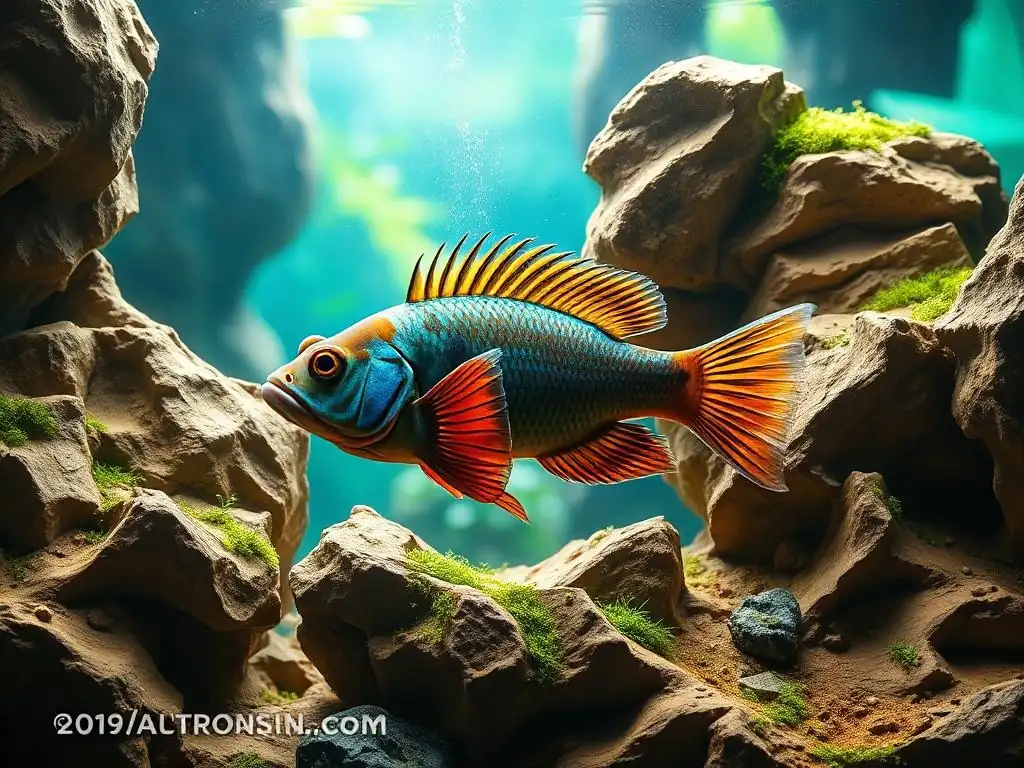
The selection of rocks is a cornerstone of effective Synodontis catfish aquarium design, as these elements provide essential hiding spots and contribute to the overall aesthetic. When choosing rocks, prioritize those that are smooth and non-abrasive to prevent injury to the catfish's delicate barbels and skin. Ideal choices include slate, lava rock (ensure it's not too sharp), smooth river rocks, or commercially available aquarium-safe rock formations. Avoid rocks with sharp edges or those that might leach harmful minerals into the water, such as certain types of limestone that can significantly alter pH and hardness.
Before adding any rocks to the aquarium, thoroughly clean them to remove any dirt, debris, or contaminants. A simple scrub with a brush and hot water, followed by a rinse, is usually sufficient. For larger, more porous rocks, a brief soak in a dilute bleach solution followed by extensive rinsing and dechlorinating can be beneficial, though this is rarely necessary for commercially sourced aquarium rocks. The goal is to create a safe, stable environment that mimics the natural rocky crevices and caves where Synodontis catfish seek refuge.
Creating Caves and Territories with Rock Structures
Creating ample caves and intricate rock structures is vital for a thriving Synodontis catfish aquarium, directly addressing their natural inclination for shelter and territoriality. These structures provide essential hiding spots, allowing the catfish to feel secure during the day and retreat from perceived threats or dominant tank mates. A good Featherfin aquarium design tip involves stacking rocks to form multiple entry and exit points, mimicking natural crevices. Ensure that caves are large enough for the adult size of your Synodontis to comfortably enter and turn around, preventing them from getting stuck.
When building these structures, prioritize stability to prevent collapses that could injure or trap fish, or even crack the aquarium glass. Use aquarium-safe silicone to secure larger, unstable rocks, or arrange them directly on the bottom glass before adding substrate. Distribute these hiding spots throughout the tank to break up sightlines and create distinct territories, especially important for species like Synodontis eupterus which can become territorial. This strategic placement helps diffuse aggression and promotes a more harmonious living environment for all inhabitants.
Safe Rock Placement to Avoid Accidents
Safe rock placement is paramount in Synodontis catfish aquarium design to prevent potential accidents, both for the fish and the aquarium itself. Heavy rocks, if not properly supported, can shift or collapse, potentially crushing fish or even cracking the bottom pane of the glass tank. To mitigate this risk, always place large or heavy rocks directly on the bottom glass of the aquarium before adding any substrate. This ensures that the weight of the rocks is distributed evenly and prevents them from settling into the substrate over time and undermining the tank's integrity.
Furthermore, when stacking rocks to create caves or ledges, ensure that each piece is stable and cannot be dislodged by the fish's activity or routine tank maintenance. Using aquarium-safe silicone to bond larger, critical pieces together can provide additional security. Overhanging rocks should be avoided unless securely supported, as their collapse could be catastrophic. By adhering to these safe placement guidelines, aquarists can create a secure and visually appealing environment that prioritizes the safety of their Synodontis catfish and the longevity of their aquarium setup.
Water Flow and Filtration in a Synodontis Catfish Aquarium
Importance of Adequate Water Circulation for Synodontis Catfish
Adequate water circulation is a cornerstone of effective Synodontis catfish aquarium design, playing a crucial role in maintaining pristine water quality and replicating their natural habitats. Many Synodontis species, particularly those from large lakes like Tanganyika or flowing rivers, are accustomed to moderate to strong currents. Proper circulation ensures that oxygenated water reaches all areas of the tank, preventing stagnant zones where anaerobic bacteria can thrive and harmful gases can accumulate. It also helps distribute heat evenly, maintaining a stable temperature throughout the aquarium.
Beyond oxygenation, robust water flow aids in the mechanical filtration process by keeping detritus and uneaten food particles suspended in the water column, making it easier for the filter to capture them. This significantly reduces the build-up of organic waste on the substrate, which can otherwise decompose and contribute to elevated ammonia and nitrate levels. For instance, a tank with insufficient flow might develop "dead spots" where waste accumulates, leading to localized water quality issues and potential stress for bottom-dwelling Synodontis. Ensuring good circulation is a key Featherfin aquarium design tip for a healthy, vibrant aquatic environment.
Choosing the Right Filter for a Synodontis Tank
Selecting the appropriate filter is critical for maintaining the high water quality that Synodontis catfish require. Given their active nature and the bioload they produce, a robust filtration system that provides mechanical, chemical, and biological filtration is essential. Canister filters are often the preferred choice for Synodontis tanks, especially for larger setups (50 gallons or more), due to their superior capacity for filter media, powerful flow rates, and quiet operation. They effectively remove particulate matter, absorb dissolved organic compounds, and provide ample surface area for beneficial nitrifying bacteria.
For smaller Synodontis tanks (e.g., 20-30 gallons for S. nigriventris), a high-quality hang-on-back (HOB) filter with a good flow rate can be sufficient, provided it is rated for a tank size larger than your actual tank to ensure adequate turnover. Internal filters can also be used as supplementary filtration or for very small tanks.
Regardless of the type, aim for a filter that can turn over the tank's volume at least 5-10 times per hour. For example, a 75-gallon tank would benefit from a filter with a flow rate of 375-750 GPH (gallons per hour), ensuring robust water movement and efficient waste processing.
Powerhead Placement for Optimal Water Movement
For many Synodontis species, particularly those from fast-moving waters or large lakes, incorporating powerheads can significantly enhance water movement beyond what a standard filter provides. Proper powerhead placement is crucial for optimizing water circulation and creating beneficial currents without creating excessive turbulence that stresses the fish. A common strategy in Synodontis catfish aquarium design is to place powerheads at opposite ends of the tank, angled slightly towards the middle or towards the surface, to create a gentle, circulating current throughout the entire water column.
Avoid directing powerheads directly at the substrate, as this can kick up excessive detritus and stress bottom-dwelling fish. Instead, aim for a flow that mimics a natural river or lake current, sweeping across the tank and ensuring that waste is carried towards the filter intake. For a 75-gallon tank, a single powerhead with a flow rate of 300-500 GPH, in addition to the main filter, can be effective. Monitoring the fish's behavior will indicate if the flow is too strong; if they are constantly struggling against the current or being pushed around, reduce the flow or adjust the placement.
Substrate Selection for Synodontis Catfish Aquariums
Best Substrates for Digging and Foraging
The choice of substrate is a critical element in Synodontis catfish aquarium design, directly impacting their natural behaviors of digging and foraging. Fine sand is widely considered the best substrate for most Synodontis species. Its soft, smooth texture allows them to sift through it comfortably with their delicate barbels, mimicking their natural scavenging methods for finding food particles. Substrates like pool filter sand, play sand (ensure it's thoroughly washed), or specialized aquarium sand are excellent choices. A layer of 2-3 inches (5-7.5 cm) is generally sufficient, though deeper areas can be created for species that enjoy burrowing more extensively.
Alternatively, very fine, smooth gravel (less than 3mm in diameter) can be used, provided it does not have sharp edges that could damage their barbels. While gravel allows for some sifting, it is not as ideal as sand for mimicking their natural foraging behavior. When considering Featherfin aquarium design tips, prioritizing a soft, fine substrate promotes natural behavior, reduces stress, and prevents injuries to their sensitive sensory organs, contributing significantly to their overall health and well-being.
Substrate Depth and Maintenance Tips
The depth of the substrate in a Synodontis catfish aquarium should be carefully considered to support their natural behaviors while facilitating easy maintenance. A general recommendation is a substrate layer of 2 to 4 inches (5 to 10 cm). This depth allows Synodontis to comfortably dig and sift through the material in search of food, and for some species, to create shallow depressions for resting. However, excessively deep substrate, particularly sand, can sometimes lead to the formation of anaerobic pockets if not properly maintained, which can release harmful gases.
Regular substrate maintenance is crucial. For sand, a gentle stirring during weekly water changes can prevent the formation of anaerobic zones and release trapped detritus for the filter to capture. A gravel vacuum can be used cautiously over sand, hovering just above the surface to pick up waste without disturbing the sand too much. For gravel, a standard gravel vacuum is effective for removing accumulated detritus. Consistent cleaning, along with proper filtration, ensures that the substrate remains clean and contributes to stable water parameters, vital for the health of your Synodontis catfish.
Avoiding Substrates That Can Harm Synodontis Catfish
When designing a Synodontis catfish aquarium, it is imperative to avoid certain types of substrates that can cause harm to these sensitive fish. Sharp or coarse gravel, crushed coral, or any substrate with jagged edges poses a significant risk to their delicate barbels. Synodontis use their barbels extensively for foraging and navigating their environment; damage to these sensory organs can impair their ability to find food and cause chronic stress or infection. Similarly, very large or uneven rocks used as substrate can trap uneaten food, leading to poor water quality.
Substrates that significantly alter water chemistry should also be avoided unless specifically intended for species that require very hard, alkaline water (though most Synodontis prefer neutral to slightly acidic conditions). For example, aragonite sand or crushed coral can raise pH and hardness, which might not be suitable for all Synodontis species. When planning your Featherfin aquarium design tips, always prioritize the safety and comfort of your fish by choosing soft, inert, and appropriately sized substrate materials to ensure a healthy and injury-free environment.
Lighting Considerations for Your Synodontis Tank
Selecting the Right Light Spectrum for Plant Growth (If Applicable)
When incorporating live plants into your Synodontis catfish aquarium design, selecting the right light spectrum becomes a crucial consideration. While Synodontis themselves are not particularly sensitive to light spectrum, plants require specific wavelengths for photosynthesis. A full-spectrum LED light with a color temperature between 5000K and 7000K is generally ideal for promoting healthy plant growth. Lights with a high Photosynthetically Active Radiation (PAR) value are particularly effective.
However, since many Synodontis species are nocturnal or crepuscular, very intense lighting can cause them stress. If you plan to have heavily planted areas, ensure there are also shaded regions created by dense plant cover, driftwood, or rock caves where the catfish can retreat during brighter periods. The goal is to strike a balance: provide sufficient light for plant vitality while ensuring the Synodontis have ample opportunity to avoid direct, strong illumination.
Avoiding Algae Blooms with Proper Lighting Control
Algae blooms are a common nuisance in aquariums and can be a sign of imbalance. Proper lighting control is a key element in Synodontis catfish aquarium design to prevent these unsightly outbreaks. Excessive light duration or intensity, combined with high nutrient levels (from overfeeding or insufficient water changes), creates ideal conditions for algae proliferation. For a typical Synodontis tank, a photoperiod of 8 to 10 hours per day is usually sufficient for both fish and any low-to-medium light plants.
Consider using a timer to maintain a consistent lighting schedule, as irregular light cycles can stress fish and contribute to algae growth. If algae becomes an issue, reducing the light duration to 6-7 hours for a week or two, coupled with increased water changes and reduced feeding, can often bring it under control. While Synodontis themselves don't directly benefit from specific light levels beyond the day/night cycle, controlling lighting is a vital Featherfin aquarium design tip for maintaining a clean, healthy, and visually appealing environment.
Lighting and Synodontis Catfish Behavior
The type and duration of lighting in a Synodontis catfish aquarium can significantly influence their behavior. As primarily nocturnal or crepuscular fish, Synodontis are most active during periods of dim light or darkness. Bright, constant lighting can inhibit their natural nocturnal foraging and social behaviors, leading to increased shyness, hiding, and stress. Many species will remain hidden in caves or under decor during the day if the lighting is too intense, only emerging after the lights are off.
To encourage more natural behavior and allow for observation, consider using a dim blue "moonlight" setting or a very low-wattage night light after the main lights are off. This provides enough illumination to observe their nocturnal activities without disturbing them. For species that are more active during dusk/dawn, a gradual transition from dark to light (and vice-versa) using a programmable light system can mimic natural sunrise and sunset, further enhancing their comfort and encouraging them to emerge more readily during twilight hours. This thoughtful approach to lighting is a subtle yet impactful Synodontis catfish aquarium design tip.
Tank Mates for Synodontis Catfish: Compatibility and Considerations
Compatible Fish Species for a Synodontis Aquarium
Selecting compatible tank mates is a crucial aspect of Synodontis catfish aquarium design, as it directly impacts the harmony and health of the entire community. Generally, good tank mates for Synodontis are non-aggressive, mid-to-upper water column swimmers that are too large to be considered prey.
Ideal companions include various species of Rainbowfish (e.g., Boeseman's Rainbowfish, Praecox Rainbowfish), larger Tetras (e.g., Congo Tetras, Silver Tip Tetras), peaceful Cichlids from the Rift Lakes (e.g., certain Neolamprologus species for Tanganyikan Synodontis, or peaceful Peacock Cichlids for Malawian Synodontis, provided the tank is large enough), and other peaceful catfish species that occupy different niches.
For example, a group of Synodontis multipunctatus (Cuckoo Catfish) could be housed with a colony of Neolamprologus brichardi (Fairy Cichlids) in a large Tanganyikan biotope, as the cichlids occupy the open water while the catfish forage near the bottom. When considering Featherfin aquarium design tips, ensure that any chosen tank mates share similar water parameter requirements (temperature, pH, hardness) to avoid stressing any of the inhabitants.
Avoiding Aggressive Tank Mates
To ensure the well-being of your Synodontis catfish, it is imperative to avoid aggressive or overly boisterous tank mates. Highly aggressive cichlids, such as some of the more pugnacious Mbuna from Lake Malawi or large, predatory Central American Cichlids, can harass, injure, or even kill Synodontis. Even if the Synodontis are large, constant intimidation can lead to chronic stress, refusal to eat, and susceptibility to disease. Similarly, fin-nipping fish like Tiger Barbs are generally not recommended, as they can damage the delicate fins of Synodontis, particularly their prominent dorsal fin.
Predatory fish that are large enough to view Synodontis as a food source should also be avoided. While most adult Synodontis are robust, smaller or juvenile individuals could be at risk. The key is to research the temperament and adult size of any potential tank mate thoroughly before introduction. A peaceful Synodontis catfish aquarium design prioritizes the safety and comfort of all inhabitants, preventing unnecessary stress and conflict that can arise from incompatible pairings.
Maintaining a Balanced Ecosystem
Maintaining a balanced ecosystem within your Synodontis catfish aquarium involves more than just compatible fish; it encompasses the entire biological and chemical stability of the tank. A well-balanced system means that the bioload (waste produced by fish and decaying matter) is effectively processed by beneficial bacteria and removed through filtration and water changes, without overwhelming the system. This balance is crucial for stable water parameters, which in turn reduce stress and promote health for all inhabitants.
One aspect of this balance is ensuring that all niches within the tank are appropriately filled without overstocking. For example, a balanced Synodontis tank might include bottom-dwelling Synodontis, mid-water column schooling fish, and perhaps a few top-dwelling species. This distribution of activity minimizes direct competition for space and resources. Additionally, the presence of live plants, if suitable for the species and lighting, can contribute to ecosystem balance by absorbing nitrates and providing additional oxygen. A thoughtful Featherfin aquarium design tip considers the entire ecological picture, aiming for a self-sustaining and healthy environment.
Maintaining Your Synodontis Catfish Aquarium: Water Changes and Cleaning
Regular Water Change Schedule for Synodontis Catfish
Regular water changes are the single most important maintenance activity for a Synodontis catfish aquarium, directly impacting water quality and fish health. Synodontis, like most fish, are sensitive to the accumulation of nitrates, which are the end product of the nitrogen cycle. While biological filtration converts ammonia and nitrite to nitrate, only water changes remove nitrates from the system. A general guideline is to perform a 25-30% water change weekly. For instance, in a 75-gallon tank, this would mean replacing approximately 18-22 gallons of water each week.
Consistency is key. Skipping water changes allows nitrates to build up, stressing the fish and making them more susceptible to disease. The frequency and volume of water changes may need to be adjusted based on stocking levels, feeding habits, and filter efficiency. A heavily stocked tank or one with a high feeding regimen might benefit from more frequent or larger water changes, such as 30-40% twice a week. Always use a dechlorinator to treat tap water before adding it to the aquarium to neutralize chlorine and chloramines, which are toxic to fish.
Cleaning the Substrate and Decorations
Beyond water changes, regular cleaning of the substrate and decorations is vital for maintaining a healthy Synodontis catfish aquarium. Detritus, uneaten food, and fish waste can accumulate in the substrate, leading to the decomposition of organic matter and a subsequent increase in ammonia and nitrate levels. Using a gravel vacuum is an effective way to remove this accumulated waste.
For sand substrates, gently hover the vacuum just above the sand to lift detritus without siphoning too much sand. For gravel, push the vacuum directly into the substrate to agitate and clean it thoroughly. This should be done during weekly water changes.
Decorations, including rocks and driftwood, can also accumulate algae and detritus. During water changes, remove decorations as needed and gently scrub them with an aquarium-safe brush or sponge to remove any build-up. Avoid using soaps or detergents. For stubborn algae, a dilute bleach solution can be used, but ensure the decorations are thoroughly rinsed and soaked in dechlorinated water before returning them to the tank. Consistent cleaning prevents the build-up of organic waste, contributing to a pristine environment and a successful Synodontis catfish aquarium design.
Monitoring Water Parameters for Optimal Health
Consistent monitoring of water parameters is a non-negotiable aspect of maintaining optimal health in a Synodontis catfish aquarium. Regular testing allows aquarists to detect potential problems early, before they negatively impact the fish. Key parameters to monitor include:
- Ammonia (NH3/NH4+): Should always be 0 ppm. Any detectable level indicates a problem with the biological filter or overstocking.
- Nitrite (NO2-): Should always be 0 ppm. Like ammonia, any detectable level is toxic and indicates an incomplete nitrogen cycle.
- Nitrate (NO3-): Should ideally be below 20 ppm for most Synodontis species, though some can tolerate up to 40 ppm. High nitrates necessitate larger or more frequent water changes.
- pH: Most Synodontis species thrive in a pH range of 6.5 to 7.5, depending on their origin. Tanganyikan species often prefer slightly higher pH (7.5-8.5). Consistency is more important than hitting an exact number.
- Temperature: Maintain a stable temperature between 72-80°F (22-27°C), again depending on the specific species. Fluctuations can stress fish.
- Hardness (GH/KH): General hardness (GH) and carbonate hardness (KH) contribute to water stability. Most Synodontis prefer moderately hard water.
Regular testing, ideally weekly, using a reliable liquid test kit, provides invaluable insight into the aquarium's health. This vigilance is a key Featherfin aquarium design tip for preventing issues and ensuring the long-term well-being of your Synodontis.
Troubleshooting Common Synodontis Catfish Aquarium Problems
Identifying and Addressing Aggression Issues
Aggression issues among Synodontis catfish, or between Synodontis and other tank mates, are common problems that can arise from improper Synodontis catfish aquarium design or incompatible pairings. Signs of aggression include fin nipping, chasing, constant hiding by submissive fish, or physical injuries. The primary causes are often overcrowding, insufficient hiding spots, or keeping overly territorial species in too small a tank. For example, a single Synodontis eupterus might become territorial towards other bottom dwellers if its space is limited.
To address aggression:
- Increase Hiding Spots: Add more caves, rock structures, and driftwood to break up sightlines and provide ample refuge. Aim for at least one more hiding spot than the number of Synodontis.
- Evaluate Tank Size: If the tank is too small for the adult size or number of fish, upgrading to a larger aquarium is often the most effective solution.
- Rearrange Decor: Periodically rearranging the decor can disrupt established territories and reduce aggression.
- Consider Species Compatibility: If aggression persists, re-evaluate tank mates. Aggressive individuals may need to be rehomed.
- Observe Feeding Behavior: Ensure all fish are getting enough food. Sometimes aggression stems from food competition; spreading food across the tank can help.
Dealing with Water Quality Problems
Water quality problems are a leading cause of stress, disease, and death in Synodontis catfish aquariums. Issues manifest as cloudy water, foul odor, algae blooms, or elevated levels of ammonia, nitrite, or nitrate. These are typically caused by overfeeding, insufficient filtration, inadequate water changes, or overstocking. For instance, a nitrate reading above 40 ppm is a clear indicator of poor water quality that requires immediate attention.
To address water quality issues:
- Perform Large Water Changes: Immediately perform a 50% water change to dilute harmful substances. Follow up with daily 25% changes until parameters stabilize.
- Test Water Parameters: Use a liquid test kit to identify the specific problem (ammonia, nitrite, nitrate).
- Reduce Feeding: Feed less frequently and only what the fish can consume in 2-3 minutes. Remove any uneaten food immediately.
- Improve Filtration: Ensure your filter is adequately sized and properly maintained. Clean or replace filter media as needed. Consider adding supplementary filtration like a sponge filter or powerhead.
- Address Overstocking: If the tank is overstocked, reduce the number of fish to a manageable level. This is a crucial Featherfin aquarium design tip for long-term water quality.
- Clean Substrate and Decor: Siphon gravel/sand and clean decorations to remove accumulated organic waste.
Preventing and Treating Common Fish Diseases
Preventing fish diseases is far easier than treating them, and a well-executed Synodontis catfish aquarium design is your first line of defense. Most fish diseases, such as Ich (white spot disease), fin rot, or bacterial infections, are stress-related and often triggered by poor water quality, incompatible tank mates, or inadequate environmental conditions. Maintaining stable water parameters, providing a nutritious diet, and minimizing stress are paramount to prevention.
If disease strikes:
- Quarantine Affected Fish: If possible, move sick fish to a separate quarantine tank to prevent disease spread and allow for targeted treatment.
- Identify the Disease: Accurately diagnose the illness using reliable resources. Common symptoms like white spots (Ich), frayed fins (fin rot), or clamped fins (general stress/disease) are key indicators.
- Treat Appropriately: Use only aquarium-safe medications designed for the specific disease. Follow dosage instructions precisely.
- Address Root Cause: Simultaneously identify and rectify the underlying issue in the main tank (e.g., improve water quality, reduce aggression, adjust temperature). Without addressing the cause, the disease is likely to recur.
- Increase Water Changes: During treatment, frequent small water changes (e.g., 20% daily) can help remove medications and improve overall water quality, but always check if the medication is affected by water changes.
Advanced Synodontis Catfish Aquarium Design Ideas
Biotope Aquarium Setup for Synodontis Catfish
Creating a biotope aquarium is an advanced Synodontis catfish aquarium design concept that aims to replicate a specific natural habitat, offering a truly immersive experience for both fish and observer. For Synodontis, this often means focusing on the rocky shores of Lake Tanganyika or Lake Malawi, or a specific riverine environment in West Africa. A Tanganyikan biotope for Synodontis multipunctatus or Synodontis petricola, for example, would emphasize extensive rockwork (limestone or similar inert rock to maintain higher pH), a fine sand substrate for foraging, and minimal or no live plants, as these lakes are predominantly rocky.
The water parameters would be carefully matched to Lake Tanganyika's: pH 7.8-8.5, GH 10-15 dGH, KH 15-20 dKH, and temperatures around 75-79°F (24-26°C). Tank mates would exclusively be other Tanganyikan cichlids or catfish that naturally coexist, such as Neolamprologus species or Julidochromis. This detailed approach to Featherfin aquarium design tips not only provides an optimal environment for the Synodontis but also offers a stunning, educational display that truly showcases the fish in their most natural setting.
Creating a Stunning Visual Display
Beyond functionality, Synodontis catfish aquarium design can also focus on creating a stunning visual display that captivates viewers. This involves thoughtful aquascaping and strategic placement of decor to highlight the fish and their environment. For instance, designing a tank with a strong focal point, such as a large, intricately branched piece of driftwood or a towering rock formation, can draw the eye and provide visual interest. Contrast in textures and colors—like dark rocks against light sand, or the deep greens of plants contrasting with the catfish's patterns—can enhance aesthetic appeal.
Consider the rule of thirds when placing elements, and create open swimming spaces alongside dense hiding spots. Using different levels of substrate depth, or incorporating elements like smooth river stones of varying sizes, can add natural complexity. While Synodontis are bottom dwellers, the overall visual impact of the tank, including the upper water column and background, contributes to the display. A well-lit, clean tank with healthy, active fish, set against a thoughtfully designed backdrop, transforms a simple aquarium into a living work of art that seamlessly blends the practical aspects of Synodontis care with artistic expression.
Adding Live Plants to a Synodontis Tank
While many Synodontis species originate from rocky, sparsely planted environments, adding live plants can be a beneficial and aesthetically pleasing aspect of Synodontis catfish aquarium design, provided the right plant species are chosen. Plants contribute to water quality by absorbing nitrates and can provide additional hiding spots and shaded areas for the catfish. However, some Synodontis species are known to dig and uproot plants, so careful selection is necessary.
Hardy, robust plants that can be anchored to decor or are tolerant of digging are ideal. Good choices include:
- Anubias species: Can be tied to driftwood or rocks, not planted in substrate.
- Java Fern: Similar to Anubias, attaches to decor.
- Bolbitis heudelotii (Congo Fern): Another rhizome plant that attaches to hardscape.
- Cryptocoryne species: If planted deeply and given time to root, some Crypts can tolerate moderate digging.
- Vallisneria or Sagittaria: Tall, rooted plants that provide vertical cover, but may be uprooted by vigorous diggers.
For a successful Featherfin aquarium design with live plants, ensure sufficient lighting for plant growth and consider supplementing with liquid fertilizers if needed. Prioritize the plants' ability to withstand disturbance and their contribution to the overall health and natural appearance of the tank.
Conclusion: Mastering Synodontis Catfish Aquarium Design for Thriving Fish
Frequently Asked Questions
How much space do Featherfin Catfish need in an aquarium?
Featherfin Catfish require a spacious tank due to their size and active nature. A minimum of a 75-gallon tank is recommended, but larger is always better to allow for ample swimming space.
What type of rockwork is best for a Featherfin aquarium?
Choose rockwork that provides plenty of hiding places and caves. Avoid sharp edges and ensure the rocks are stable to prevent collapses. Natural-looking rock formations are ideal.
How important is water flow in a Featherfin aquarium?
Moderate to strong water flow is beneficial for Featherfin Catfish. It helps to oxygenate the water and mimics their natural habitat. Strong filtration is also crucial to maintain water quality.
What kind of substrate is suitable for a Featherfin aquarium?
A smooth substrate, such as sand or fine gravel, is recommended. This protects their delicate barbels from damage. Avoid sharp or abrasive materials that could cause injury.
Are there any specific plants that are ideal for a Featherfin aquarium?
While Featherfins aren't typically destructive to plants, hardy, robust plants are best. Anubias and Java Fern are good choices as they can withstand some disturbance. Ensure plants don't restrict swimming space.
Final Reflection: The Art of Aquatic Harmony
The principles of Featherfin aquarium design, as explored throughout this article, aren't merely about aesthetics; they're about fostering a thriving ecosystem. Creating the ideal environment is paramount to the well-being of these fascinating fish, and understanding the nuances of space, rockwork, and water flow is more crucial now than ever, as responsible aquascaping gains increasing importance in the hobby.
This journey into Featherfin aquarium design has underscored the profound impact our choices have on the lives of the creatures we care for. It reminds us that a carefully curated environment can unlock the full potential of these fish, allowing them to exhibit their natural behaviors and thrive in captivity. The best aquarium is not just a display case, but a miniature ecosystem where every element plays a vital role.
This sentiment resonates deeply, urging us to move beyond simple decoration and embrace a holistic approach to aquarium design.
Now, consider the lessons learned. How can you apply these principles to your own aquarium, or even to other areas of your life? Let the dedication to creating a harmonious environment for Featherfins inspire you to cultivate balance and well-being in all aspects of your world. Embrace the art of thoughtful design, and witness the transformative power of creating spaces where life can truly flourish.
Ignite Your Featherfin Aquarium Vision!
Thank you for diving into the world of Featherfin Catfish aquariums! Now that you're equipped with insights on space, rocks, and flow, it's time to translate that knowledge into an extraordinary underwater habitat.
Here are some ways to take your passion further:
- Start sketching! Design your dream Featherfin aquarium layout. Experiment with different rock formations, space configurations, and flow patterns until you find the perfect balance.
- Share your sketches! Upload a snapshot of your aquarium design on Instagram or X with hashtag #AquariumMasteryFeatherfin and inspire other aquarists!
- Research uncommon plants that thrive in similar conditions. Consider adding unique flora to not only enhance the beauty but also the natural environment.
What hidden cave will your Featherfins claim as their own first?