
Fungal & Bacterial Infections in Suckermouth Catfish: A Visual Guide

Welcome to Aquarium Mastery!
Ever noticed something unusual on your Suckermouth Catfish? Is your pleco acting strangely, or showing signs you can't quite identify? Our comprehensive guide, " Fungal & Bacterial Infections in Suckermouth Catfish: A Visual Guide," dives deep into the common ailments affecting these fascinating algae eaters, helping you diagnose and treat problems before they become serious. Discover the causes, symptoms, and, most importantly, the solutions to keep your Suckermouth Catfish thriving. Are you ready to unlock the secrets to a healthy and happy pleco? Let's get started!
- Identifying Fungal Infections in Suckermouth Catfish
- Bacterial Infections in Suckermouth Catfish: Symptoms and Diagnosis
- Treating Fungal Infections in Suckermouth Catfish
- Treating Bacterial Infections in Suckermouth Catfish
- Preventing Fungal and Bacterial Infections in Suckermouth Catfish
- Visual Guide: Examples of Healthy vs. Infected Suckermouth Catfish
- Advanced Care & When to Seek Professional Help for Plecos
-
Frequently Asked Questions
- How can I identify a fungal infection on my Suckermouth Catfish?
- What are the most common causes of fungal infections in Suckermouth Catfish?
- How do bacterial infections differ from fungal infections in Suckermouth Catfish?
- What are some effective treatments for fungal infections in Suckermouth Catfish?
- Can I prevent fungal infections in my Suckermouth Catfish?
- Final Reflection: Understanding and Protecting Our Aquatic Companions
- Revitalize Your Suckermouth's Health Today!
Identifying Fungal Infections in Suckermouth Catfish
Recognizing Common Fungal Symptoms in Plecos
Fungal infections in suckermouth catfish, commonly known as plecos, often manifest as visible external growths on the fish's body, fins, or eyes. The earliest signs typically involve the appearance of small, off-white to grey patches that can resemble a dusty film or a thin layer of mold. As the Suckermouth catfish fungal infection progresses, these patches expand, becoming more fluffy and cotton-like in appearance, often with a slightly fuzzy texture.
Affected areas might also show signs of redness or irritation around the edges where the fungus is actively consuming tissue. Observing your pleco closely for any unusual growths or discoloration is crucial for early detection.
Beyond the visible growths, a suckermouth catfish suffering from a fungal infection may exhibit distinct behavioral changes. Infected fish often become lethargic, spending more time hiding or remaining motionless, even during periods when they would typically be active. They might also show a loss of appetite, refusing food or picking at it listlessly.
Another common symptom is flashing or rubbing their bodies against tank decorations or the substrate, attempting to dislodge the irritating fungal growths. In advanced cases, the fish's breathing may become labored, indicated by rapid gill movement, as the infection can spread to the gills, severely impairing oxygen uptake.
Visual Guide to Fungal Infections on Suckermouth Catfish
Saprolegniasis (Cotton Wool Disease) in Plecos: Identification and Appearance
Saprolegniasis, commonly known as "Cotton Wool Disease," is one of the most prevalent Suckermouth catfish fungal infection types, caused by water molds from the Saprolegnia genus. This infection presents as distinct, fluffy, white or grey growths that strikingly resemble tufts of cotton wool attached to the fish's body, fins, mouth, or eyes.
These growths are typically soft and feathery, and unlike bacterial infections which often appear as a slimy film, Saprolegnia has a three-dimensional, filamentous structure that stands out from the fish's skin. It frequently begins on areas of injury, such as fin tears, scrapes from tank decor, or stress-induced lesions.
If left untreated, Saprolegnia can rapidly spread across the suckermouth catfish's body, consuming epidermal tissue and eventually penetrating into deeper muscle layers. The initial white appearance can sometimes turn brownish or greenish due to trapped debris or secondary bacterial infections. As the infection progresses, the affected areas may become necrotic, leading to tissue loss, fin erosion, and severe open sores. This parasitic water mold thrives in cooler water temperatures, typically below 25°C (77°F), and is often an opportunistic pathogen, taking advantage of fish with compromised immune systems or those experiencing poor water quality.
Branchiomycosis (Gill Rot): Recognizing the Fungal Form in Suckermouth Catfish
Branchiomycosis, often referred to as "gill rot," is a severe and often fatal fungal infection affecting the gills of fish, including suckermouth catfish. Unlike external fungal infections like Saprolegniasis, Branchiomycosis is internal and much harder to identify visually in its early stages. The causative agents are fungi from the genus Branchiomyces, such as Branchiomyces sanguinis and Branchiomyces demigrans, which specifically target gill tissue. Affected suckermouth catfish may exhibit signs of respiratory distress, including rapid gill movement, gasping at the water surface, and lethargy due to insufficient oxygen intake.
Upon closer inspection, if the fish's gills can be viewed, they may appear mottled, pale, or necrotic, with patches of dark or discolored tissue, rather than the healthy bright red normally seen. In some advanced cases, parts of the gill filaments may be visibly eroded or disintegrated. This Suckermouth catfish fungal infection can progress very quickly, leading to high mortality rates within days, especially in crowded or poorly maintained aquariums. The fungi thrive in water with high organic loads and elevated ammonia or nitrite levels, making pristine water quality paramount in prevention.
Understanding the Causes of Fungal Growth on Suckermouth Catfish
Fungal growth on suckermouth catfish is primarily an opportunistic infection, meaning it usually takes hold when a fish's immune system is weakened or when there is existing damage to its protective slime coat or skin. One of the most significant contributing factors is poor water quality.
High levels of ammonia (above 0 ppm), nitrite (above 0 ppm), and consistently elevated nitrates (above 20-40 ppm) create a stressful environment that compromises a fish's natural defenses. Additionally, fluctuating pH levels or sudden changes in water temperature outside the ideal range for suckermouth catfish (typically 22-28°C or 72-82°F for most common species like Bristlenose Plecos) can also weaken their immune response, making them susceptible to a Suckermouth catfish fungal infection.
Physical injury and chronic stress are also major predisposing factors for fungal infections. Scrapes or tears from sharp tank decorations, aggressive tank mates, or even rough handling during tank maintenance can create open wounds that serve as entry points for fungal spores. Overcrowding in the aquarium leads to increased waste production, elevated stress levels among fish, and a higher likelihood of physical altercations, all of which contribute to a weakened immune system. Furthermore, a diet lacking essential nutrients can lead to nutritional deficiencies, further reducing the suckermouth catfish's ability to ward off opportunistic pathogens like fungi.
Bacterial Infections in Suckermouth Catfish: Symptoms and Diagnosis
Spotting Bacterial Infection Signs in Plecos
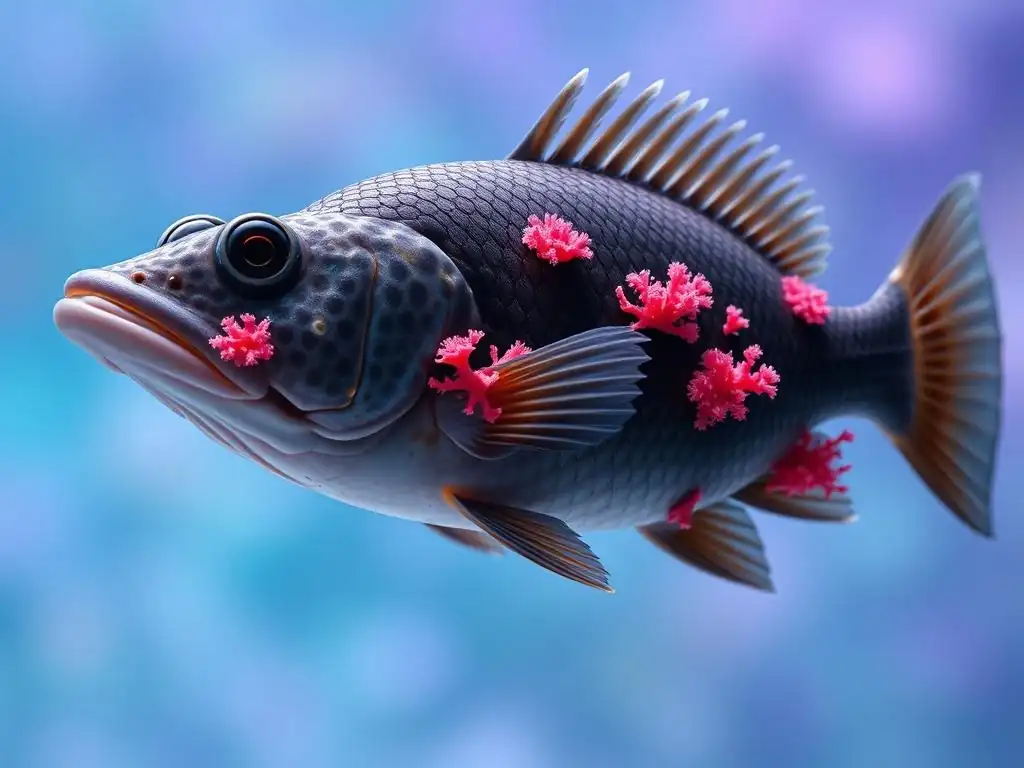
Bacterial infections in suckermouth catfish can present a diverse range of symptoms, often more varied than fungal infections. Early signs might include subtle changes in the fish's coloration, such as fading or darkening, or the appearance of cloudy eyes. As the infection progresses, physical symptoms become more evident, including red streaks on the body or fins, inflamed gills, or the development of ulcers and open sores on the skin.
Unlike the fluffy texture of fungal growths, bacterial lesions often appear as eroded tissue, red patches, or a slimy film. Observing the fish's overall appearance for any unexplained marks or changes is crucial for timely intervention.
Behavioral changes are also key indicators of a bacterial infection in suckermouth catfish. Infected fish frequently exhibit lethargy, spending more time hiding or resting on the substrate, and may become unresponsive to external stimuli. They might show a marked decrease in appetite or completely refuse food. Rapid or labored breathing, indicated by increased gill movement, can suggest internal bacterial issues affecting the respiratory system. In some cases, fish may clamp their fins close to their body or display erratic swimming patterns, such as darting or spiraling, which can be signs of severe systemic infection.
Common Bacterial Infections Affecting Suckermouth Catfish
Fin Rot in Suckermouth Catfish: Identifying and Treating
Fin rot is a common bacterial infection in suckermouth catfish, primarily caused by opportunistic bacteria such as Aeromonas, Pseudomonas, or Flexibacter species. It typically manifests as a progressive deterioration of the fins, starting with the edges becoming ragged, frayed, or discolored. The fins may appear cloudy or milky at the tips, and the clear membrane between the fin rays can be visibly eroded, leaving only the bony rays exposed.
In advanced stages, the infection can eat away significant portions of the fins, sometimes progressing to the body and causing severe tissue damage. Unlike a Suckermouth catfish fungal infection which looks like cotton, fin rot is characterized by a gradual disintegration of fin tissue.
Treatment for fin rot in suckermouth catfish usually involves improving water quality drastically and administering appropriate antibacterial medications. Daily partial water changes of 25-50% for several days can significantly reduce bacterial load and stress on the fish. For mild cases, over-the-counter broad-spectrum antibiotics like Furan-2 or Maracyn can be effective. In more severe instances, stronger prescription antibiotics, often containing active ingredients like oxytetracycline or erythromycin, may be necessary. It is crucial to address underlying causes such as poor water quality, overcrowding, or aggression from tank mates to prevent recurrence.
Aeromonas Infections: Recognizing Body Ulcers and Sores
Aeromonas infections, particularly those caused by Aeromonas hydrophila, are a serious concern for suckermouth catfish and other freshwater species. These bacteria are ubiquitous in aquatic environments but become pathogenic when fish are stressed or have compromised immune systems. The most common manifestation of Aeromonas infection is the development of body ulcers and sores.
These lesions typically start as small, reddish spots that rapidly progress into open, crater-like wounds on the fish's skin, often with a red, inflamed border and a pale, necrotic center. The ulcers can vary in size from pinpoint lesions to large, deep sores that expose muscle tissue or even bone.
In addition to visible ulcers, suckermouth catfish with Aeromonas infections may exhibit other systemic symptoms. These can include hemorrhagic septicemia, characterized by internal bleeding visible as red streaks or patches under the skin, especially near the fins or belly.
The fish may also show dropsy (swelling of the body due to fluid accumulation), exophthalmia (pop-eye), or lethargy and loss of appetite. Treating Aeromonas infections often requires a multi-pronged approach, including immediate and significant improvements in water quality, and the use of strong broad-spectrum antibiotics, sometimes administered in food or as baths, such as those containing oxytetracycline, kanamycin, or trimethoprim-sulfamethoxazole, under veterinary guidance.
Differentiating Bacterial Infections from Fungal Infections in Plecos
Differentiating between bacterial and Suckermouth catfish fungal infection is critical for effective treatment, as their causes and required medications differ significantly. The primary visual distinction lies in the appearance of the lesions. Fungal infections, particularly Saprolegniasis, typically present as fluffy, cotton-like growths that appear three-dimensional and often white or grey. They tend to grow outwards from the fish's body, resembling a patch of mold. These growths are often localized, starting on areas of previous injury or stress.
In contrast, bacterial infections usually manifest as eroded tissue, red streaks, open sores, or a slimy film on the fish's skin. Fin rot, a common bacterial issue, causes the fins to appear frayed and disintegrated, without the cottony texture. Body ulcers caused by bacteria like Aeromonas are typically open wounds with inflamed edges, sometimes deep into the flesh, rather than superficial fuzzy growths.
While both types of infections can cause lethargy and appetite loss, the specific visual characteristics of the lesions are the most reliable indicators for initial differentiation. If unsure, observing the progression over a short period can often clarify the nature of the infection.
Treating Fungal Infections in Suckermouth Catfish
Effective Medications for Fungal Infections in Plecos
When a Suckermouth catfish fungal infection is identified, prompt treatment with appropriate antifungal medications is essential. Several effective over-the-counter treatments are available for aquarium use. Methylene Blue is a popular choice, known for its antiseptic and antifungal properties, often used as a direct bath or in the main tank for mild to moderate cases. Another widely used medication is Malachite Green, which is highly effective against common fungal species like Saprolegnia. Products containing active ingredients such as phenoxyethanol or a combination of antifungal agents are also commonly found.
It is crucial to follow the manufacturer's instructions precisely regarding dosage and duration, as incorrect use can be harmful to fish. During treatment, activated carbon should be removed from the filter as it will absorb the medication, rendering it ineffective. Regular water changes are also recommended before and after treatment cycles to maintain water quality and remove dissolved organic compounds that can fuel fungal growth. For severe or persistent infections, or if the initial treatment is unsuccessful, consulting an aquatic veterinarian for stronger, prescription-grade antifungal agents might be necessary.
Salt Baths for Suckermouth Catfish Fungal Treatment
Salt baths can be an effective, non-medicinal auxiliary treatment for mild Suckermouth catfish fungal infection, particularly Saprolegniasis. The osmotic pressure created by the salt helps to dehydrate and kill external fungal spores and can also aid in sloughing off dead tissue, promoting healing.
For a salt bath, use aquarium salt (sodium chloride, non-iodized) or pure rock salt, avoiding table salt with anti-caking agents or iodine. A common concentration for a short-term dip is 1-3 tablespoons of salt per gallon (3.78 liters) of water, dissolved completely in a separate container of water from the main tank, ensuring the water temperature matches the aquarium's.
The suckermouth catfish should be carefully placed in this salt solution for a duration of 5 to 10 minutes, closely monitoring its stress levels. If the fish shows signs of severe distress, such as rapid gasping, loss of balance, or erratic swimming, it should be immediately returned to the main tank. Salt baths are stressful and should not be prolonged or used on severely weakened fish.
This method is best employed as a short-term, targeted treatment or in conjunction with other antifungal medications, rather than as a sole long-term solution. After the bath, the fish should be gently returned to its main, well-maintained aquarium.
Step-by-Step Guide to Treating Fungal Infections in Your Aquarium
Treating a Suckermouth catfish fungal infection requires a systematic approach to ensure effectiveness and prevent recurrence.
- Isolate the Infected Fish: If possible, move the infected suckermouth catfish to a separate quarantine tank. This prevents the spread of the infection to other fish and allows for more targeted treatment without affecting the main tank's beneficial bacteria or plants. The quarantine tank should be set up with a heater, filter (without activated carbon during treatment), and aeration.
- Perform Water Changes: Before starting any medication, perform a significant water change (30-50%) in both the main tank and the quarantine tank (if used). This reduces the fungal spore load and improves overall water quality, which is crucial for the fish's recovery.
- Administer Medication: Select an appropriate antifungal medication (e.g., Methylene Blue, Malachite Green, or a commercial antifungal product) and follow the manufacturer's dosage instructions precisely. Remove activated carbon from the filter before adding medication, as it will absorb the active ingredients.
- Monitor Water Parameters: Continuously monitor water parameters (ammonia, nitrite, nitrate, pH, temperature) throughout the treatment period. Maintain optimal conditions to minimize stress on the fish and support its immune system.
- Observe and Re-dose: Observe the fish closely for signs of improvement. Many medications require repeat doses over several days. Adhere strictly to the recommended treatment duration, even if symptoms appear to subside, to ensure complete eradication of the fungus.
- Post-Treatment Care: Once the treatment course is complete, perform a large water change (50-70%) and reintroduce activated carbon to the filter to remove any residual medication. Continue to monitor the fish for several weeks to ensure the infection does not return. Gradual reintroduction to the main tank, if isolated, is advised once full recovery is confirmed.
Treating Bacterial Infections in Suckermouth Catfish
Antibiotics for Bacterial Infections in Plecos: A Guide
Treating bacterial infections in suckermouth catfish often necessitates the use of antibiotics, which can be broad-spectrum or targeted depending on the suspected pathogen. Common broad-spectrum antibiotics available for aquarium use include Furan-2 (nitrofurazone), Maracyn (erythromycin), and Kanaplex (kanamycin). Nitrofurazone is effective against a wide range of gram-positive and gram-negative bacteria, making it a good choice for unknown bacterial infections or fin rot. Erythromycin is primarily effective against gram-positive bacteria, while kanamycin is effective against certain gram-negative bacteria and is often used for systemic infections.
It is crucial to correctly identify the type of bacterial infection, if possible, to select the most appropriate antibiotic. For instance, while a Suckermouth catfish fungal infection won't respond to antibiotics, bacterial infections like fin rot or body ulcers require them. Always remove activated carbon from the filter before administering antibiotics, as it will absorb the medication.
Complete the full course of treatment as directed by the manufacturer, even if symptoms improve quickly, to prevent the development of antibiotic-resistant strains. In severe or persistent cases, or if the initial antibiotic is ineffective, consulting an aquatic veterinarian is highly recommended for diagnosis and prescription of stronger or more specific antibiotics.
Quarantine Tank Setup for Infected Suckermouth Catfish
Setting up a proper quarantine tank is a critical step for treating infected suckermouth catfish and preventing the spread of disease to the rest of your aquarium inhabitants. A quarantine tank should be a separate, smaller tank (e.g., 10-20 gallons for a single pleco, depending on its size) dedicated solely for treating sick fish or acclimating new arrivals.
It should be equipped with a heater to maintain stable water temperature, a small sponge filter or hang-on-back filter (without activated carbon during treatment), and an air stone for adequate aeration. Substrate and elaborate decorations are generally unnecessary, as they can complicate cleaning and medication absorption.
Before transferring the infected suckermouth catfish, ensure the quarantine tank's water parameters (temperature, pH, ammonia, nitrite, nitrate) match those of the main tank as closely as possible to minimize stress. Once the fish is transferred, you can begin the chosen treatment protocol, whether it's an antibiotic or an antifungal for a Suckermouth catfish fungal infection.
The bare-bottom setup of a quarantine tank makes it easier to observe the fish's waste, monitor its condition, and perform daily water changes, which are often crucial during treatment. This isolated environment allows for precise medication dosing without affecting the main display tank's biological filtration or sensitive invertebrates.
Water Quality Management for Bacterial Infection Treatment
Optimal water quality management is paramount during the treatment of bacterial infections in suckermouth catfish, as poor water conditions are often the underlying cause of such ailments. High levels of ammonia, nitrite, or nitrate stress a fish's immune system, making it more susceptible to bacterial pathogens and hindering its recovery. Therefore, daily or every-other-day partial water changes (25-50%) are highly recommended during the treatment period to dilute toxins, reduce the bacterial load in the water, and provide fresh, oxygenated water.
Regular testing of water parameters using a reliable test kit is essential to ensure that ammonia and nitrite levels remain at zero and nitrates are kept below 20 ppm. Overfeeding should be avoided to prevent excess organic waste, which can fuel bacterial growth.
Ensuring adequate aeration through an air stone or proper filter outflow helps maintain high dissolved oxygen levels, which is vital for a sick fish's respiration and recovery. Maintaining stable water temperature and pH within the suckermouth catfish's ideal range also reduces stress, allowing the fish to direct its energy towards fighting the infection rather than coping with environmental fluctuations.
Preventing Fungal and Bacterial Infections in Suckermouth Catfish
Maintaining Optimal Water Parameters for Plecos' Health
Maintaining optimal water parameters is the cornerstone of preventing both bacterial and Suckermouth catfish fungal infection in plecos. Suckermouth catfish thrive in stable, well-oxygenated water with specific parameters. For most common pleco species like Bristlenose or Common Plecos, the ideal temperature range is typically 22-28°C (72-82°F). The pH should be stable, generally between 6.5 and 7.5, though some species prefer slightly more acidic or alkaline conditions. Crucially, ammonia and nitrite levels must consistently be 0 ppm, and nitrates should be kept below 20 ppm, ideally even lower.
Regular water testing (at least weekly) using a reliable liquid test kit is indispensable to monitor these parameters. Prompt action, such as performing partial water changes, should be taken if any parameter deviates from the optimal range. Consistent maintenance, including routine water changes (e.g., 25% weekly or bi-weekly depending on tank size and bioload), helps dilute waste products and replenish essential minerals, significantly reducing stress on the fish and bolstering their natural immunity against opportunistic pathogens.
Proper Tank Hygiene and Cleaning for Suckermouth Catfish
Proper tank hygiene and regular cleaning are critical for preventing Suckermouth catfish fungal infection and bacterial outbreaks. Accumulated organic waste, such as uneaten food, fish waste, and decaying plant matter, provides a breeding ground for harmful bacteria and fungi. Therefore, routine gravel vacuuming is essential to remove detritus from the substrate, especially in areas where food tends to accumulate or where the pleco spends most of its time. For large, active plecos, more frequent or thorough substrate cleaning might be necessary.
Filter maintenance is equally important. Mechanical filter media (sponges, filter floss) should be rinsed regularly in old tank water (never tap water, which can kill beneficial bacteria) to remove trapped debris. Biological filter media should generally be left undisturbed, but ensuring good water flow through it is crucial for effective nitrification. Algae should be managed, not just for aesthetics, but because excessive algae die-off can contribute to organic load. Wiping down tank walls and cleaning decorations periodically also helps remove biofilm and prevent the buildup of potential pathogens, contributing to a healthier environment for your suckermouth catfish.
Choosing the Right Tank Mates to Prevent Stress and Disease
Selecting appropriate tank mates is a vital preventive measure against stress and disease in suckermouth catfish. Many pleco species are peaceful bottom dwellers, but some can be territorial or aggressive, especially larger varieties or during breeding. Housing suckermouth catfish with overly aggressive or nippy species, such as some cichlids or barbs, can lead to fin damage, body scrapes, and chronic stress. These injuries serve as entry points for bacterial infections and Suckermouth catfish fungal infection, while chronic stress weakens the pleco's immune system, making it highly susceptible to various diseases.
Ideal tank mates for most suckermouth catfish are peaceful, mid to upper-level dwelling fish that do not compete for bottom space or food. Examples include tetras, rasboras, gouramis (dwarf species), and many types of community fish. Ensure that the tank mates are not small enough to be viewed as food by larger pleco species.
Also, avoid housing multiple large, territorial plecos in tanks that are too small, as this can lead to aggression among themselves. Researching the specific temperament and adult size of both your pleco species and potential tank mates is crucial to create a harmonious and low-stress environment that promotes long-term health and disease resistance.
Visual Guide: Examples of Healthy vs. Infected Suckermouth Catfish
Pictures of Healthy Suckermouth Catfish: A Comparison
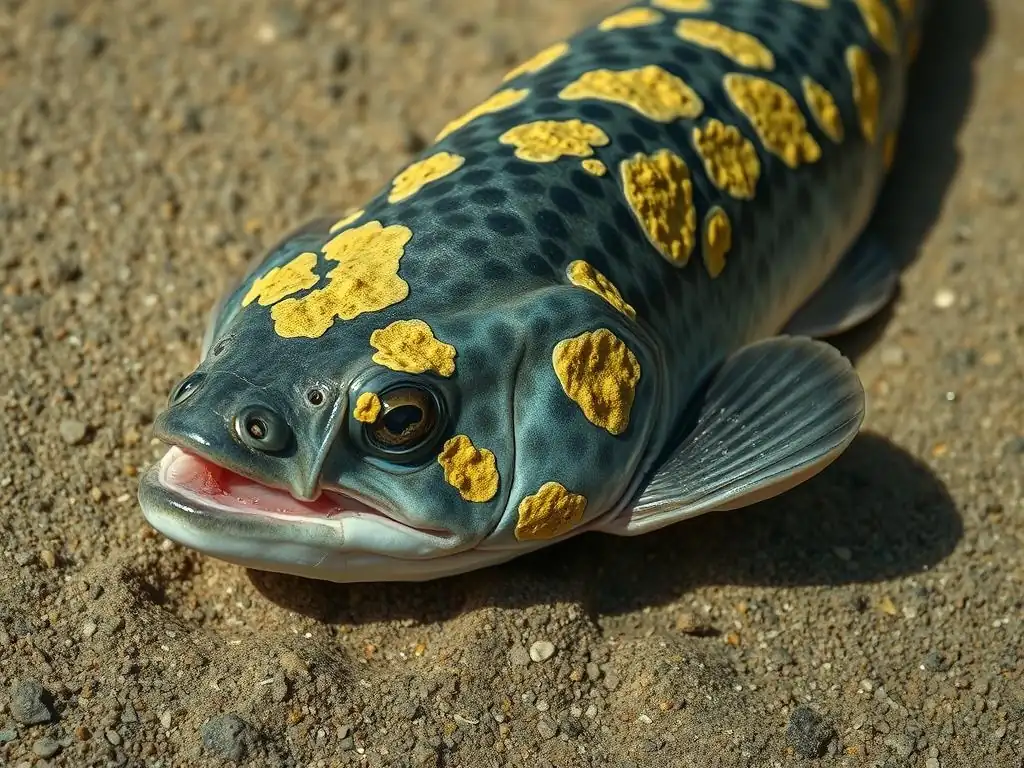
A healthy suckermouth catfish exhibits several key characteristics that signify its well-being. Its coloration is typically vibrant and consistent with its species, showing no unusual patches, fading, or darkening. The fins are intact, smooth, and spread naturally, without any signs of fraying, clamping, or erosion. The eyes are clear and bright, not cloudy or bulging. The body is well-rounded, indicating proper nutrition, and free from any sores, lesions, or external growths. Gills are typically a healthy pink to red color and move rhythmically without labored breathing.
Behaviorally, a healthy suckermouth catfish is active and alert, displaying typical foraging behaviors, such as rasping on surfaces for algae or scavenging for food. While many plecos are nocturnal, they should still respond to stimuli during their active periods. Their movements are fluid and coordinated, without any signs of erratic swimming or loss of balance. They should also maintain a healthy appetite. Observing these characteristics regularly allows for quick detection of any deviations that might indicate the onset of a Suckermouth catfish fungal infection or bacterial disease.
Images of Suckermouth Catfish with Fungal Infections
Suckermouth catfish afflicted with fungal infections, particularly Saprolegniasis, display characteristic visual signs. The most prominent feature is the presence of white, grey, or off-white patches that resemble tufts of cotton wool growing on the body, fins, or mouth. These growths are typically fuzzy or filamentous in texture, standing out from the fish's skin. The edges of the infected areas might appear slightly reddish or inflamed. In some cases, the fungus may appear brownish due to trapped debris.
As the Suckermouth catfish fungal infection progresses, these cotton-like growths can expand, covering larger areas and potentially leading to tissue erosion. Fins may appear ragged or partially disintegrated where the fungus has taken hold. If the infection reaches the eyes, they may become cloudy or develop fuzzy growths. Unlike bacterial infections, which often result in slimy films or deep ulcers, fungal infections are distinguished by their distinct, three-dimensional, mold-like appearance. Early identification of these specific visual cues is vital for successful treatment.
Images of Suckermouth Catfish with Bacterial Infections
Suckermouth catfish suffering from bacterial infections present a range of symptoms distinct from fungal ailments. Fin rot, a common bacterial issue, is characterized by the fraying, erosion, or disintegration of the fins, which may appear ragged, cloudy, or have red streaks near the base. Unlike the cottony appearance of a Suckermouth catfish fungal infection, fin rot shows a clear loss of fin tissue.
Body ulcers caused by bacteria like Aeromonas appear as open sores or lesions on the skin, often round or irregular in shape, with inflamed red edges and sometimes a pale or necrotic center. These ulcers can be superficial or deep, exposing underlying muscle.
Other bacterial symptoms include cloudy eyes, which may progress to exophthalmia (pop-eye), where the eyes bulge outwards. Hemorrhagic septicemia can cause red streaks or patches on the body or fins due to internal bleeding. The fish's scales might also become raised, giving a "pinecone" appearance, indicative of dropsy (fluid accumulation), often a symptom of severe internal bacterial infection. Gills may appear pale, inflamed, or necrotic, and the fish might exhibit rapid, labored breathing. These visual cues are critical for differentiating bacterial infections from fungal ones and guiding appropriate treatment.
Advanced Care & When to Seek Professional Help for Plecos
Knowing When to Consult an Aquatic Veterinarian
Knowing when to consult an aquatic veterinarian is crucial for the health of your suckermouth catfish, especially when dealing with persistent or severe infections. While many common ailments like a mild Suckermouth catfish fungal infection or early-stage fin rot can be managed with over-the-counter medications and improved water quality, there are situations that warrant professional intervention. You should seek veterinary help if your fish's condition rapidly deteriorates despite initial treatment, if multiple fish are affected simultaneously, or if the symptoms are unusual and do not respond to standard aquarium remedies.
Furthermore, if you suspect an internal bacterial or parasitic infection, or if the fish is exhibiting severe systemic signs such as extreme lethargy, severe bloating (dropsy), or significant organ failure, a veterinarian can provide a more accurate diagnosis. They have access to advanced diagnostic tools, such as microscopic examinations of skin scrapes or gill biopsies, and can prescribe stronger, specific medications not available to the public. Early consultation can often prevent a treatable condition from becoming fatal, particularly with complex issues like internal Aeromonas infections.
Advanced Treatment Options for Severe Infections in Suckermouth Catfish
For severe or unresponsive infections in suckermouth catfish, advanced treatment options may be necessary, often requiring the guidance of an aquatic veterinarian. One common advanced approach involves injectable antibiotics for systemic bacterial infections. While most aquarium antibiotics are administered via water or food, injections ensure the medication reaches the bloodstream directly, offering a more potent and rapid effect against severe internal bacterial diseases, such as advanced Aeromonas infections or severe septicemia. This method is particularly useful when fish are refusing food or when oral medication is insufficient.
Another advanced option is the use of medicated food, which allows for precise dosing of antibiotics or antiparasitics directly into the fish's digestive system. This can be highly effective for internal bacterial issues or certain parasitic worms that reside in the gut.
In some critical cases, a veterinarian might recommend a short-term, high-concentration dip or bath with specific medications, under strict monitoring, for rapid absorption. For particularly aggressive Suckermouth catfish fungal infection that have penetrated deep tissues, surgical debridement of necrotic tissue, if feasible for the fish's size and condition, might be considered in conjunction with systemic antifungal treatments to aid recovery.
Case Study: Treatment of a Severe Aeromonas Infection
A common Bristlenose Pleco, approximately 10 cm in length, presented with severe body ulcers and hemorrhagic streaks on its fins, indicative of an advanced Aeromonas infection. The fish had been in a 75-liter community tank with fluctuating water parameters, with ammonia levels occasionally spiking to 0.5 ppm and nitrates consistently above 40 ppm. Initial attempts by the owner to treat with a general broad-spectrum antibacterial water additive showed no improvement over 48 hours, and the pleco became increasingly lethargic, refusing food.
Upon veterinary consultation, the fish was immediately moved to a 40-liter bare-bottom quarantine tank with stable, pristine water parameters (0 ppm ammonia, 0 ppm nitrite, <10 ppm nitrate, 25°C temperature). A daily 30% water change was initiated. The veterinarian prescribed an injectable course of enrofloxacin, an antibiotic effective against Aeromonas, administered intramuscularly every 48 hours for a total of three doses. Concurrently, a medicated food containing oxytetracycline was prepared to ensure internal delivery of a second antibiotic.
Within 72 hours of the first injection, the pleco showed signs of increased activity and began to pick at the medicated food. Over the next two weeks, the ulcers began to heal, showing new tissue growth and reduced redness. The hemorrhagic streaks faded, and the fish regained its appetite and normal behavior. This case underscores the importance of prompt veterinary intervention and multi-modal treatment for severe bacterial infections in suckermouth catfish.
Frequently Asked Questions
How can I identify a fungal infection on my Suckermouth Catfish?
Look for cotton-like growths on the fish's body, fins, or mouth. These growths are often white or grayish in color and can indicate a fungal infection. Pay close attention to the fish's behavior for signs of distress.
What are the most common causes of fungal infections in Suckermouth Catfish?
Poor water quality is a primary cause. Injuries or stress, such as from aggressive tankmates, can also weaken the fish's immune system, making it more susceptible to fungal infections.
How do bacterial infections differ from fungal infections in Suckermouth Catfish?
While fungal infections present as fuzzy growths, bacterial infections often manifest as ulcers, fin rot, or cloudy eyes. It's important to distinguish between the two for proper treatment.
What are some effective treatments for fungal infections in Suckermouth Catfish?
Medications specifically designed for fungal infections, available at aquarium stores, are generally effective. Improving water quality through frequent water changes is also crucial for recovery.
Can I prevent fungal infections in my Suckermouth Catfish?
Yes, maintaining pristine water conditions is essential for prevention. Quarantine new fish before introducing them to the main tank to prevent the spread of potential pathogens.
Final Reflection: Understanding and Protecting Our Aquatic Companions
The prevalence of fungal and bacterial infections in suckermouth catfish, as detailed in this guide, underscores the critical need for responsible aquarium keeping and proactive disease prevention. These seemingly small issues can quickly escalate, impacting not only the individual fish but also the delicate balance of the entire aquatic ecosystem. Recognizing the early signs and understanding the appropriate treatments is paramount to ensuring the health and well-being of these fascinating creatures.
This exploration into the vulnerabilities of suckermouth catfish has profoundly highlighted the interconnectedness of our actions and the health of our aquatic environments. It's a reminder that responsible pet ownership extends beyond simply providing food and shelter; it demands a commitment to understanding their specific needs and proactively safeguarding their health. The greatness of a nation and its moral progress can be judged by the way its animals are treated.
- Mahatma Gandhi. This quote, though broad, resonates deeply when considering the care we provide to even the smallest members of our shared world.
Now, armed with this knowledge, I encourage you to reflect on your own practices and consider how you can contribute to a healthier future for suckermouth catfish and all aquatic life. Whether you're a seasoned aquarist or just beginning your journey, remember that informed care and a proactive approach are the keys to preventing these infections and ensuring these remarkable creatures thrive. Let's all strive to be responsible stewards of the aquatic world, creating environments where these fascinating fish can flourish.
Revitalize Your Suckermouth's Health Today!
Thank you for diving into the world of Suckermouth Catfish health! We hope this guide has empowered you with the knowledge to recognize and address common infections. Now, let's put that knowledge into action and ensure your finned friend thrives!
Here are some actionable steps you can take right now:
- Immediately assess your Suckermouth Catfish for any signs of infection based on the visual cues you've learned. Early detection is key!
- Consider sharing this guide with fellow aquarium enthusiasts to help them protect their own Suckermouth Catfish from these common ailments. Knowledge is power, and sharing it strengthens our community!
- Research natural remedies or preventative measures specific to your Suckermouth's breed.
What specific changes will you make to your aquarium's environment this week to boost your Suckermouth Catfish's immune system?