
The Indispensable Role of Driftwood for Pleco and Ancistrus Health

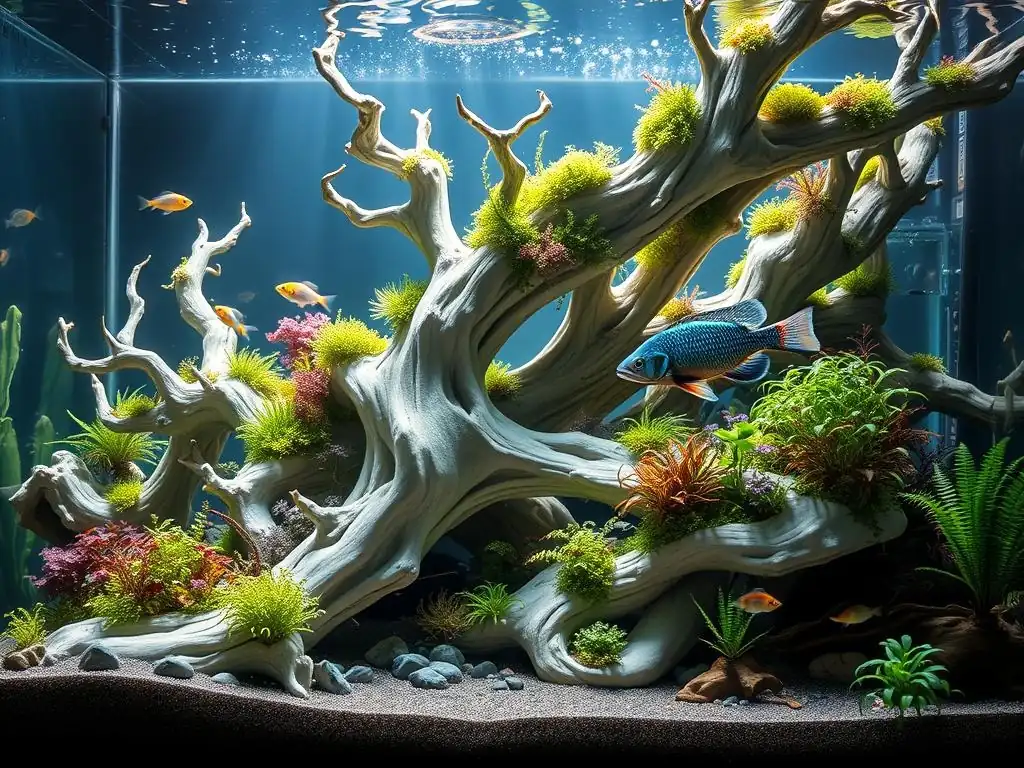
Welcome to Aquarium Mastery!
Ever wondered how a simple piece of driftwood can dramatically improve the health and happiness of your pleco? Dive in and discover the surprising driftwood pleco health benefits that will transform your freshwater aquarium into a thriving ecosystem. Ready to unlock the secrets to a healthier, happier pleco? Let's explore!
- Understanding the Vital Connection: Driftwood and Your Pleco's Well-being
- Driftwood Pleco Health Benefits: Lignin, Cellulose, and More
- Selecting the Right Driftwood for Your Pleco or Ancistrus Tank
- Beyond Nutrition: Additional Benefits of Driftwood for Plecos
- Maintaining Driftwood for Optimal Pleco Health
- Addressing Common Concerns About Driftwood and Plecos
- Maximizing Pleco and Ancistrus Health with Quality Driftwood
-
Frequently Asked Questions
- What are the primary health benefits of driftwood for Plecos and Ancistrus?
- How does driftwood contribute to the digestive health of Plecos?
- What type of driftwood is best for Plecos and Ancistrus in an aquarium?
- Does driftwood have any impact on the water chemistry of an aquarium?
- How often should I replace the driftwood in my Pleco tank?
- Final Reflection: The Enduring Embrace of Driftwood
- Unleash the Power of Driftwood for a Thriving Pleco!
Understanding the Vital Connection: Driftwood and Your Pleco's Well-being
Why is Driftwood Essential for Plecos and Ancistrus?
Driftwood is far more than just an aesthetic addition to an aquarium housing plecos (Loricariidae family) and ancistrus; it is a fundamental requirement for their well-being and long-term survival. Many species within this diverse group, particularly the "wood-eating" plecos like those in the Panaque genus, have evolved highly specialized digestive systems that rely on the ingestion of wood fiber. In their natural Amazonian habitats, submerged logs and branches form a significant part of their diet, providing essential roughage that aids in the mechanical breakdown of other foods and promotes gut health.
The absence of appropriate driftwood in a pleco or ancistrus tank can lead to a cascade of severe health issues. Without the necessary wood fiber, their digestive tracts can become sluggish, leading to impaction, nutrient deficiencies, and a weakened immune system. This direct link between driftwood and robust digestion underscores its indispensable role, highlighting the critical Driftwood pleco health benefits that cannot be overlooked by any responsible aquarist aiming for thriving fish.
Driftwood's Impact on Pleco & Ancistrus Health: A Comprehensive Overview
Beyond its direct dietary contribution, driftwood exerts a profound influence on the overall physical and psychological health of plecos and ancistrus. The continuous rasping on driftwood helps to keep their unique rasping mouthparts healthy and worn down naturally, preventing overgrowth. More importantly, the ingested wood particles act as a natural gut scrubber, promoting peristalsis and ensuring efficient waste elimination. This constant internal cleansing is crucial for preventing digestive blockages and maintaining a healthy gut flora.
Furthermore, driftwood provides essential structural complexity within the aquarium, offering a multitude of hiding spots, territories, and shaded areas. Plecos are often nocturnal and can be shy, requiring secure retreats during daylight hours to feel safe and reduce stress. A reduction in stress directly correlates with a stronger immune system, making these fish less susceptible to diseases. Thus, the provision of driftwood contributes significantly to both the physiological and psychological well-being of these fascinating catfish, maximizing the Driftwood pleco health benefits.
Driftwood Pleco Health Benefits: Lignin, Cellulose, and More
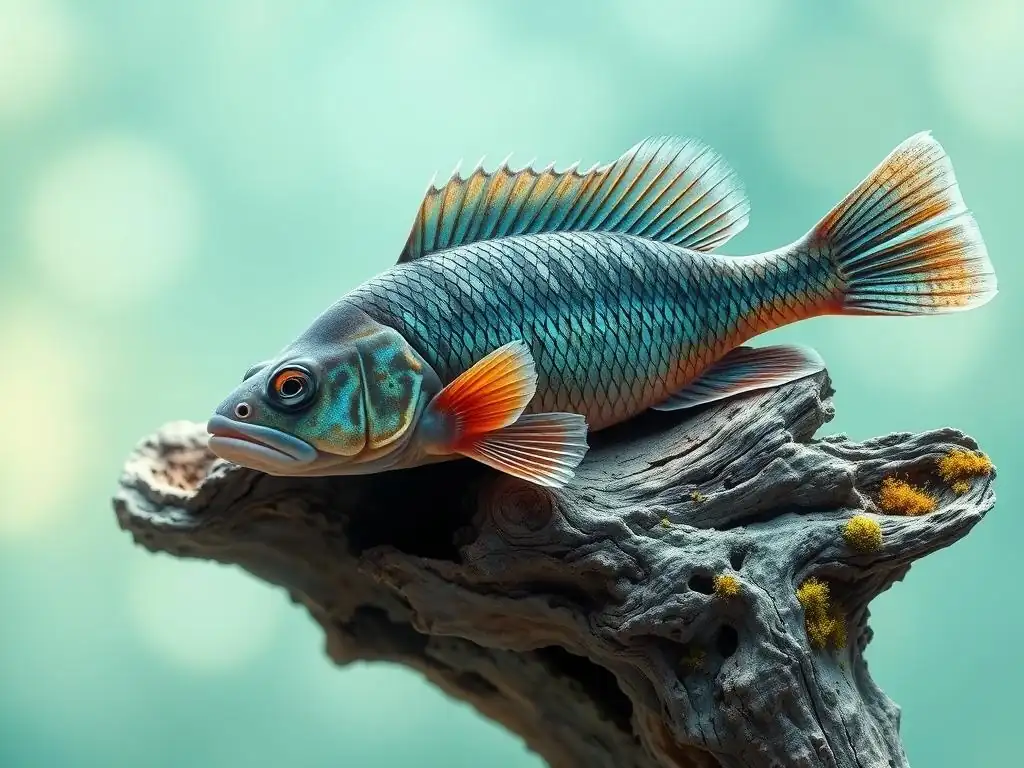
The Significance of Lignin and Cellulose in a Pleco's Diet
Lignin and cellulose are complex plant fibers that form the structural components of wood, and they are of paramount importance in the diet of many pleco and ancistrus species. While these compounds are not readily digestible by most animals as a primary source of energy or nutrients, they are vital for the unique digestive processes of these specialized catfish. Certain pleco species, particularly the wood-eaters, possess symbiotic gut bacteria that assist in breaking down these recalcitrant fibers, allowing for the extraction of some nutritional value and aiding in the processing of other consumed food items.
These wood fibers act as a crucial form of dietary ballast or roughage. As plecos rasp on the driftwood, they ingest minute particles of lignin and cellulose. These particles provide the necessary abrasive action within their long, coiled intestines, helping to grind down food and ensure efficient nutrient absorption. Without this fibrous material, the digestive system can become sluggish, leading to nutrient malabsorption and potential health complications. The consistent intake of these fibers is fundamental for unlocking the full spectrum of Driftwood pleco health benefits.
How Driftwood Aids Digestion in Plecos and Ancistrus
The mechanism by which driftwood aids digestion in plecos and ancistrus is multifaceted and essential for their long-term vitality. When these fish rasp on the wood, they ingest fine particles that provide the necessary fiber to keep their digestive tracts moving efficiently. This continuous intake of roughage prevents the stagnation of food within their intestines, which can lead to bloating, impaction, and severe discomfort. The physical presence of these fibers helps to physically push food through the gut.
Moreover, the ingested wood fibers play a critical role in fostering a healthy gut microbiome. These fibers act as a substrate and food source for beneficial bacteria within the pleco's digestive system. A robust and balanced gut flora is indispensable for breaking down complex carbohydrates, synthesizing certain vitamins, and protecting against harmful pathogens. Therefore, by providing the raw material for this internal ecosystem, driftwood directly enhances digestive efficiency and overall immunity, solidifying its place among the top Driftwood pleco health benefits.
Preventing Digestive Issues: The Role of Driftwood in a Balanced Diet
The inclusion of driftwood in a pleco's diet is a primary preventative measure against a range of common digestive ailments. Without sufficient wood fiber, plecos are highly susceptible to issues such as chronic constipation, intestinal blockages, and even internal bacterial infections that can arise from stagnant gut contents. Driftwood ensures a continuous supply of the necessary roughage, promoting regular bowel movements and preventing the buildup of waste products that could become toxic.
While driftwood is a cornerstone of their dietary needs, it is important to remember it functions as part of a balanced nutritional regimen. It complements other food sources like high-quality algae wafers, blanched vegetables (e.g., zucchini, cucumber), and occasional protein supplements, ensuring a complete nutritional profile. However, the unique and continuous supply of specialized fiber provided by natural driftwood is irreplaceable by processed foods alone, making it an indispensable component for securing optimal Driftwood pleco health benefits.
Selecting the Right Driftwood for Your Pleco or Ancistrus Tank
Types of Driftwood Safe for Aquarium Use: Malaysian, Mopani, and Spider Wood
When choosing driftwood for your pleco or ancistrus tank, selecting safe and appropriate types is paramount. Malaysian driftwood, also known as Malaysian bogwood, is a very popular choice due to its density, which allows it to sink quickly, and its slow decomposition rate. It naturally releases tannins, which can slightly lower pH and provide beneficial antibacterial properties, mimicking the blackwater environments many plecos inhabit. Its irregular shapes also offer excellent hiding spots.
Mopani wood is another excellent option, recognizable by its striking two-tone appearance and exceptionally dense structure. Its weight ensures it sinks almost immediately, and it leaches tannins over a prolonged period, contributing to stable water chemistry. For those seeking intricate aesthetics, Spider wood (often sold as Azalea root) offers a unique, branching structure that provides numerous crevices for plecos to explore and hide within. While lighter and sometimes requiring more initial soaking to become waterlogged, its visual appeal and functional benefits for creating a complex habitat make it highly desirable for maximizing Driftwood pleco health benefits.
Identifying and Avoiding Unsafe Driftwood: Soft Wood, Resinous Wood, and Treated Wood
It is crucial to identify and avoid types of driftwood that can be detrimental or even toxic to your aquarium inhabitants. Softwoods like pine, fir, or cedar are generally unsafe; they decompose rapidly, can release harmful saps or resins into the water, and may splinter, posing physical hazards to fish. Resinous woods, in particular, contain compounds that are toxic to aquatic life and can irreversibly pollute the tank environment.
Furthermore, any wood that has been chemically treated, painted, stained, or collected from areas exposed to pesticides, herbicides, or industrial pollutants must be strictly avoided. These treatments and contaminants can leach dangerous chemicals into the aquarium water, leading to severe health issues, organ damage, or even mass fatalities among your fish. Always source driftwood from reputable aquarium suppliers who guarantee its safety and preparation, ensuring no unintended consequences for Driftwood pleco health benefits.
Preparing Driftwood for Aquarium Use: A Step-by-Step Guide
Proper preparation of driftwood before introducing it to your aquarium is a critical step to ensure safety and minimize issues like water discoloration. Begin by thoroughly scrubbing the driftwood with a stiff brush and clean water to remove any loose debris, dirt, or potential hitchhiking organisms. This initial physical cleaning is vital before any further treatment.
The next crucial step is boiling the driftwood. Place the wood in a large pot and boil it for several hours, changing the water every few hours until the water runs mostly clear. Boiling sterilizes the wood, killing any lingering bacteria, fungi, or parasites, and significantly helps to leach out excess tannins, thereby reducing the amount of "tea-stained" water in your tank.
After boiling, soak the driftwood in clean, dechlorinated water for several days to a few weeks, or until it becomes completely waterlogged and sinks on its own. Regularly changing the soaking water will accelerate the tannin removal process and ensure the wood is fully saturated, preparing it for optimal Driftwood pleco health benefits in your aquarium.
Beyond Nutrition: Additional Benefits of Driftwood for Plecos
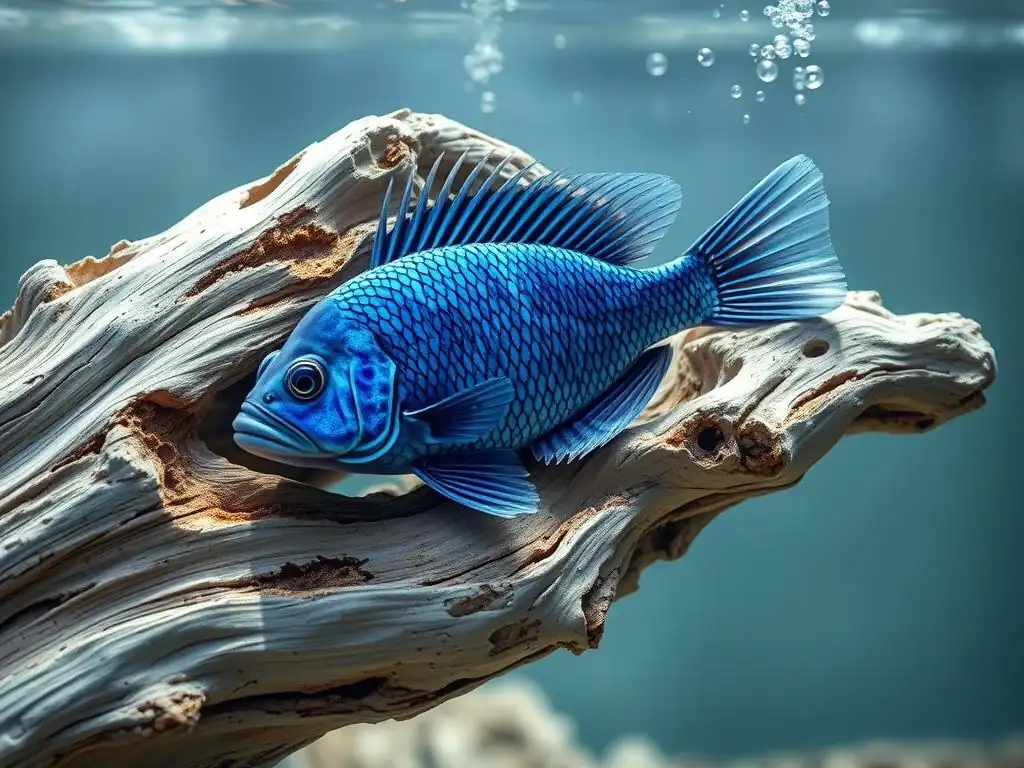
Creating a Natural Habitat: Driftwood as Shelter and Security
Beyond its nutritional contributions, driftwood plays an indispensable role in creating a natural and enriching habitat for plecos and ancistrus. The intricate shapes, crevices, and hollows provided by driftwood offer essential hiding spots and territories, which are crucial for these often shy and nocturnal fish. Plecos instinctively seek out secure retreats during the day to rest and feel safe from perceived threats, whether from other tank inhabitants or external stimuli. A well-designed arrangement of driftwood can mimic their natural riverine environments, fostering a sense of security and reducing stress levels.
Providing ample hiding places is particularly important in community tanks or setups with multiple plecos, as it helps to reduce inter-species aggression and allows each individual to establish its own personal space. This sense of security translates directly into reduced stress, which is a paramount factor for maintaining a robust immune system and overall vitality in fish. By creating a complex and secure environment, driftwood profoundly contributes to the psychological well-being and overall Driftwood pleco health benefits.
Driftwood's Role in Water Chemistry: Buffering pH and Tannins
Driftwood naturally interacts with aquarium water chemistry, offering additional benefits that can be particularly advantageous for plecos and ancistrus, many of which originate from soft, acidic blackwater environments. As driftwood slowly decomposes, it releases organic compounds known as tannins into the water. These tannins can gently lower the pH, acting as a natural buffer that helps to stabilize water acidity, typically within a range of pH 6.0-7.0, which is ideal for many Loricariid species. This gradual and natural pH adjustment is far safer than chemical buffers, which can cause sudden and stressful fluctuations.
Beyond pH buffering, tannins also possess mild antibacterial and antifungal properties. While not a cure-all, their presence can contribute to a healthier aquatic environment by inhibiting the growth of certain harmful pathogens. Although tannins can impart a slight amber or tea-stained tint to the water, this "blackwater effect" is completely natural and often preferred by plecos, further enhancing their comfort and contributing significantly to the overall Driftwood pleco health benefits.
Enhancing the Aquarium Environment for Plecos and Ancistrus
Driftwood transforms a sterile glass box into a dynamic, engaging, and biologically rich environment that actively supports the natural behaviors of plecos and ancistrus. Its varied textures and surfaces provide ample opportunities for beneficial biofilm and algae to grow, offering continuous grazing opportunities for these bottom-dwellers. The physical complexity of driftwood encourages exploration, provides visual barriers, and allows for the establishment of territories, preventing boredom and promoting natural social interactions or solitary retreats.
In essence, driftwood serves as a multi-functional element that satisfies both the aesthetic desires of the aquarist and the fundamental biological and psychological needs of the fish. It creates a visually appealing, naturalistic aquascape while simultaneously providing crucial dietary fiber, secure hiding spots, and beneficial water chemistry alterations. This holistic enhancement of the aquarium environment is key to unlocking the full potential of Driftwood pleco health benefits, ensuring a vibrant and healthy life for these unique catfish.
Maintaining Driftwood for Optimal Pleco Health
Cleaning and Maintaining Driftwood: Preventing Algae Buildup
While plecos are renowned algae eaters, driftwood, like any surface in an aquarium, can still accumulate excessive amounts of algae, especially in tanks with high light levels or nutrient imbalances. Regular maintenance of driftwood is crucial to keep it clean and functional. During routine water changes, gently scrub any visible or thick layers of algae from the driftwood using a soft-bristled brush or an aquarium-safe sponge. It is imperative to avoid using any soaps, detergents, or chemical cleaners, as these are highly toxic to fish and can contaminate your tank.
For persistent or stubborn algae growth that plecos aren't managing, you can temporarily remove the driftwood and soak it in a dilute solution of hydrogen peroxide (e.g., 1 part 3% hydrogen peroxide to 10 parts water) for a short period, typically 10-15 minutes. After soaking, rinse the driftwood thoroughly under running water and then soak it in dechlorinated water for several hours before returning it to the tank. This method effectively kills algae without harming your fish, ensuring the Driftwood pleco health benefits remain uninterrupted.
Replacing Driftwood: Knowing When It's Time for a Change
Despite its durability, driftwood, particularly softer varieties or those heavily grazed by plecos, will eventually break down and decompose over time. It is important to know when a piece of driftwood has reached the end of its useful life in your aquarium. Signs that it's time for replacement include significant softening, crumbling, or a noticeable decrease in its density, causing it to float more readily or even disintegrate into the water. If the wood develops an unpleasant odor or appears to be rapidly deteriorating, it's a clear indicator of advanced decomposition.
The lifespan of driftwood varies significantly by type; dense woods like Mopani can last for many years, often a decade or more, while lighter woods such as Spider wood might need replacement every few years, especially if housing a species like Panaque that actively consumes large amounts of wood. Regularly inspecting your driftwood ensures that it continues to provide the necessary structure, hiding spots, and dietary fiber, maintaining consistent Driftwood pleco health benefits for your fish.
Ensuring the Longevity of Driftwood for Your Pleco's Benefit
To maximize the lifespan of your aquarium driftwood and ensure it continues to provide long-term benefits for your plecos, several proactive measures can be taken. Proper initial preparation, including thorough boiling and prolonged soaking to remove tannins and waterlog the wood, is the first step. This process helps stabilize the wood and reduces the likelihood of rapid decomposition. Avoid placing driftwood directly in areas of strong water currents that might cause accelerated erosion over time.
Consider having multiple pieces of driftwood in your tank, especially if you have several plecos or a species known for heavy wood consumption. This allows the fish to graze on different areas, distributing the wear and tear across multiple pieces and potentially slowing down the decomposition of any single item. Periodically rotating or adding new pieces can also ensure a continuous supply of fresh wood fibers and maintain a dynamic environment, continually supporting the Driftwood pleco health benefits for your aquatic companions.
Addressing Common Concerns About Driftwood and Plecos
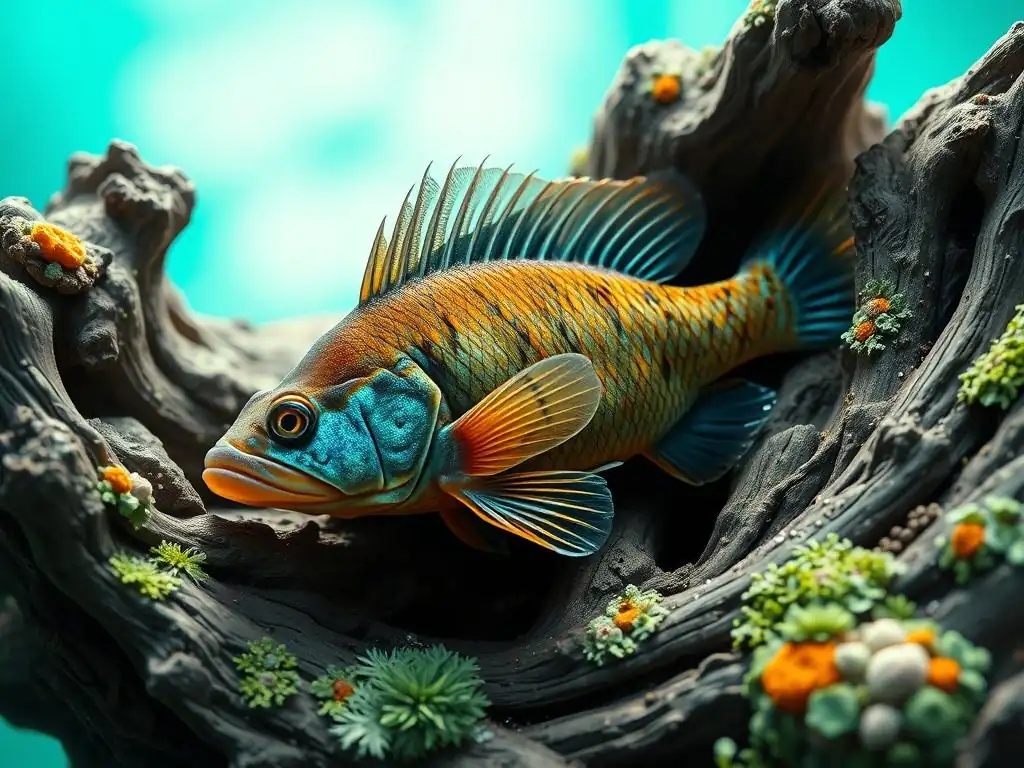
Does Driftwood Cloud Water? Understanding Tannin Release
A common concern among aquarists introducing driftwood is the phenomenon of water discoloration, often mistakenly perceived as "cloudy" water. Driftwood naturally releases tannins, which are organic compounds that leach into the water, imparting an amber or yellowish-brown tint. This is a normal and expected process, especially with newly added driftwood or certain types like Malaysian bogwood, and it is distinct from bacterial blooms that cause true cloudy water. While it can alter the aesthetic of the tank, the tannins themselves are generally harmless and, as discussed, often beneficial for plecos and other softwater fish.
To minimize significant water discoloration, thorough initial preparation of the driftwood, including extensive boiling and prolonged soaking with regular water changes, is crucial. This process effectively leaches out a large portion of the tannins before the wood enters the aquarium. Additionally, using activated carbon in your aquarium filter can effectively absorb tannins, helping to maintain clearer water while still allowing the beneficial properties of the driftwood to gradually leach out over time. Understanding this natural process is key to appreciating the full Driftwood pleco health benefits.
How Much Driftwood is Enough for My Pleco Tank?
Determining the ideal amount of driftwood for a pleco tank depends on several factors, including the tank size, the number of plecos, and the specific species being kept. For smaller plecos like Ancistrus species in a 20-gallon tank, one or two good-sized pieces that offer multiple hiding spots and grazing surfaces might suffice. The goal is to provide enough surface area for their rasping activity and ample retreats.
For larger pleco species or multiple individuals, more substantial pieces or several smaller ones artfully arranged are recommended to create a complex and stimulating environment. A general guideline is to aim for at least one significant piece of driftwood per pleco, ensuring each individual has access to a dedicated grazing surface and a personal hiding spot. It's rare to have "too much" driftwood, as it typically enhances the environment and contributes positively to the overall Driftwood pleco health benefits. The more complex the setup, the more secure and natural your plecos will feel.
Driftwood Alternatives: Are There Suitable Substitutes?
While various aquarium products claim to offer similar benefits, there is no true, complete substitute for natural driftwood when it comes to the specific needs of plecos and ancistrus. Some specialized pleco foods, such as certain algae wafers, do contain a percentage of wood fiber (e.g., cellulose) in their ingredients. These can serve as a dietary supplement and are beneficial, but they cannot fully replicate the continuous, slow release of fiber obtained from natural rasping, nor do they provide the physical and psychological environmental enrichment that real wood offers.
Inert alternatives like PVC pipes or ceramic caves can provide hiding spots, but they offer absolutely no nutritional value, no beneficial water chemistry effects (like tannin release), and no surface for beneficial biofilm growth. Therefore, for pleco species that rely on wood for their digestive health and overall well-being, natural driftwood remains an indispensable element. Any "alternative" should be viewed strictly as a supplement rather than a replacement for the unique and comprehensive Driftwood pleco health benefits.
Maximizing Pleco and Ancistrus Health with Quality Driftwood
Sourcing High-Quality Driftwood: Local Fish Stores and Reputable Online Retailers
The first step in maximizing Driftwood pleco health benefits is sourcing high-quality, safe driftwood. The most reliable places to acquire suitable driftwood are dedicated local fish stores and reputable online aquatic retailers. These suppliers typically offer pre-cleaned and cured driftwood that is guaranteed safe for aquarium use. They often provide information on the type of wood, its origin, and its suitability for specific fish species, giving you peace of mind regarding its safety and effectiveness.
Avoid collecting driftwood from natural sources like local rivers or forests unless you are absolutely certain of its origin, the wood type, and that it has not been exposed to pollutants, pesticides, or other harmful chemicals. Even if sourced naturally, extensive and meticulous cleaning and preparation (boiling, prolonged soaking) are mandatory to remove potential pathogens, parasites, or undesirable organic matter. Investing in quality, properly prepared driftwood from trusted sources is a foundational step for ensuring consistent benefits for your plecos.
Integrating Driftwood into Your Pleco Tank Setup: Placement Tips
Thoughtful placement of driftwood within your pleco tank is crucial for maximizing its functional and aesthetic benefits. When arranging pieces, prioritize creating multiple hiding spots, caves, and visual barriers. Plecos appreciate complex structures that allow them to retreat, feel secure, and establish territories. Arrange pieces to form overhangs, tunnels, and secure crevices that cater to their natural instinct to seek shelter during the day. Ensure there are also open areas for swimming and feeding, balancing cover with accessibility.
For heavier or unstable pieces, secure them to prevent shifting or falling, which could injure your fish or damage the tank. You can use aquarium-safe silicone to bond pieces together to create more elaborate, stable structures, or simply use substrate to help anchor them. Strategic placement not only enhances the natural beauty of your aquascape but also directly contributes to the physical and psychological well-being of your plecos and ancistrus, amplifying the Driftwood pleco health benefits.
Observing Your Pleco's Behavior: Monitoring Driftwood Interaction
After introducing driftwood into your aquarium, consistent observation of your plecos and ancistrus is key to ensuring it is effectively contributing to their health. Healthy plecos will frequently interact with the driftwood, particularly during their active periods, which are often at night. You should observe them rasping on the wood, leaving behind small "shavings" or visible rasp marks, indicating active grazing. They should also be seen utilizing the driftwood for resting, hiding, and establishing their preferred territories.
A noticeable lack of interaction with the driftwood, or signs of distress despite its presence, might indicate that the current setup isn't meeting their specific needs, or it could point to other underlying issues. For instance, if they are not rasping, their diet might be lacking, or the wood type isn't suitable. Consistent monitoring of their behavior allows you to fine-tune the aquarium environment, making adjustments as needed, and ultimately ensures that the driftwood is indeed providing the maximum Driftwood pleco health benefits for their long-term health and vitality.
Frequently Asked Questions
What are the primary health benefits of driftwood for Plecos and Ancistrus?
Driftwood provides essential dietary fiber for Plecos and Ancistrus, aiding in their digestion. It also serves as a surface for biofilm growth, a crucial food source. Additionally, it helps maintain water chemistry stability.
How does driftwood contribute to the digestive health of Plecos?
Plecos and Ancistrus require a high-fiber diet. Driftwood offers the necessary cellulose that supports healthy digestion and prevents digestive issues like bloating.
What type of driftwood is best for Plecos and Ancistrus in an aquarium?
Generally, Malaysian driftwood and Mopani wood are popular and safe choices. Avoid softwoods or those treated with chemicals, as these can harm your aquarium inhabitants.
Does driftwood have any impact on the water chemistry of an aquarium?
Yes, driftwood can slightly lower the pH of the water due to the release of tannins. This can be beneficial for certain fish species that prefer slightly acidic water conditions.
How often should I replace the driftwood in my Pleco tank?
Driftwood doesn't need to be replaced regularly unless it starts to decompose significantly. Monitor its condition and replace it only if it becomes noticeably soft or starts to break down excessively.
Final Reflection: The Enduring Embrace of Driftwood
The insights shared throughout this article underscore the unquestionable importance of driftwood in maintaining the health and well-being of Plecos and Ancistrus in the aquarium environment. From providing essential dietary fiber to fostering a thriving ecosystem, the benefits are undeniable and resonate even more profoundly in today's increasingly artificial aquarium landscapes. The natural world offers solutions that synthetic alternatives simply cannot replicate, and the humble piece of driftwood stands as a testament to this truth.
This connection to nature, facilitated by something as simple as driftwood, has deeply influenced the way aquarists approach fishkeeping. It's a reminder that we are not simply keepers of pets, but stewards of miniature ecosystems, and that understanding and respecting the natural needs of our aquatic companions is paramount. In nature, nothing exists alone.
- Rachel Carson. This quote perfectly encapsulates the interconnectedness that driftwood brings to the aquarium, fostering a balanced and thriving environment for Plecos and Ancistrus.
As you consider the information presented here, I encourage you to reflect on your own aquarium practices. Are you providing your Plecos and Ancistrus with the essential benefits of driftwood? Are you truly recreating a natural environment that allows them to thrive? Let this article serve as a catalyst for positive change, inspiring you to embrace the power of nature and create a healthier, happier home for your aquatic friends.
Unleash the Power of Driftwood for a Thriving Pleco!
Thank you for exploring the vital role of driftwood in your Pleco's well-being! We hope this article has illuminated how crucial it is for their health and happiness. Now, let's transform this knowledge into action!
Here are a few simple steps you can take right now:
- Prioritize sourcing high-quality, aquarium-safe driftwood for your Pleco's tank. This is the single most important thing you can do.
- Consider joining the Aquarium Mastery community forum to share your driftwood experiences and learn from other Pleco enthusiasts.
- Experiment with different types of driftwood to observe your Pleco's preferences and behaviors – you might be surprised!
What unique driftwood piece will you choose to transform your aquarium into a Pleco paradise?