
Male *Cyprichromis* Color Displays: A Spectacle of Courtship

Welcome to Aquarium Mastery!
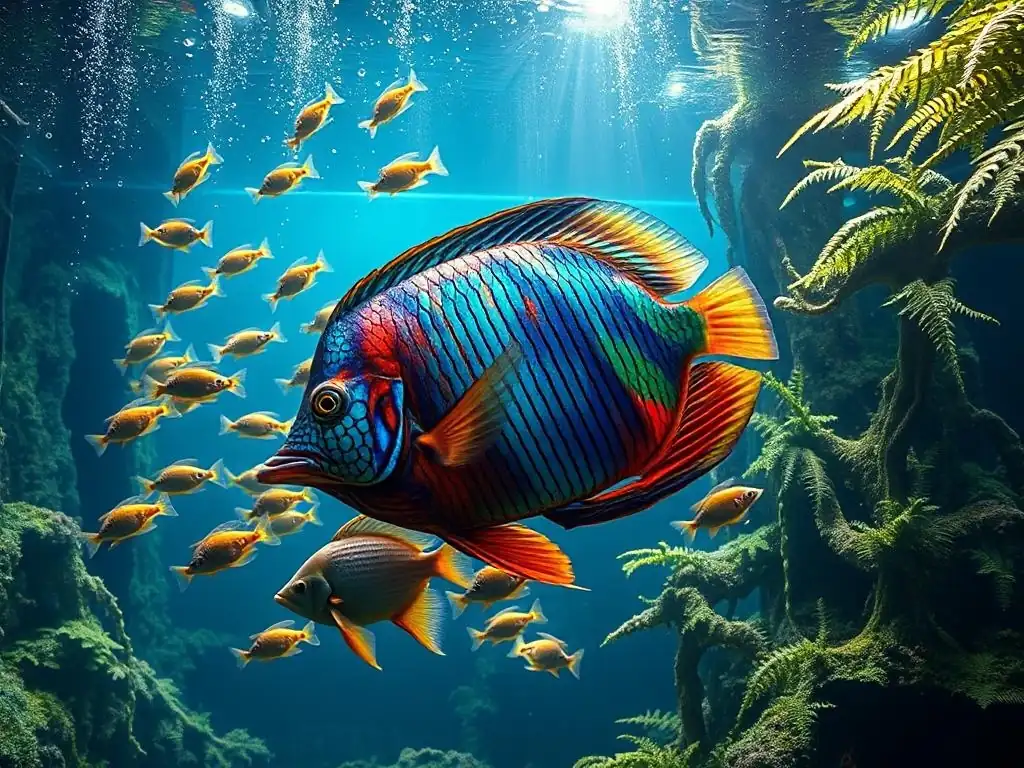
Ever witnessed a shimmering underwater ballet? Dive into the mesmerizing world of Cyprichromis and unlock the secrets behind the male's vibrant color transformations. Our latest article unveils the fascinating nuances of the Cyprichromis color courtship display, a spectacle you won't want to miss. Curious to know what drives this vibrant performance and how to create the perfect stage for it in your own freshwater aquarium? Let's explore!
- Understanding Cyprichromis Courtship Behavior
- The Science Behind Cyprichromis Color Changes During Courtship
- Decoding the Cyprichromis Courtship Dance
- Factors Influencing the Intensity of Cyprichromis Color Courtship Display
- Encouraging Cyprichromis Breeding and Color Display in Your Aquarium
- Common Issues Affecting Cyprichromis Courtship Colors
- Observing and Appreciating the Beauty of Cyprichromis Mating Displays
-
Frequently Asked Questions
- What exactly is a Cyprichromis color courtship display?
- Why is the color display so important for Cyprichromis reproduction?
- What factors can influence the intensity of a male Cyprichromis' color display?
- How can I encourage a strong color courtship display in my Cyprichromis aquarium?
- What should I do if my male Cyprichromis is not displaying vibrant colors?
- Final Reflection: The Enduring Allure of Color and Courtship
- Dive Deeper: Unleash the Beauty of *Cyprichromis*!
Understanding Cyprichromis Courtship Behavior
The Allure of Male Cyprichromis Coloration
Male Cyprichromis are renowned for their breathtaking and often iridescent coloration, which intensifies dramatically during courtship. This vibrant display is not merely for aesthetic appeal; it serves as a critical signal of genetic fitness and health to potential mates. The more intense and stable the male Cyprichromis color courtship display, the more appealing he becomes to females, indicating superior genes, access to resources, and overall vitality.
These dynamic color changes, featuring hues from metallic blues and electric yellows to deep oranges and purples, are a direct result of hormonal shifts and the strategic expansion and contraction of specialized pigment cells. The ephemeral nature of this full Cyprichromis color display, primarily exhibited during active breeding periods, makes observing it a truly captivating experience for aquarists.
Cyprichromis Species Known for Vibrant Courtship Displays
Among the various species of Cyprichromis, several are particularly celebrated for their spectacular Cyprichromis color courtship display. Cyprichromis leptosoma is perhaps the most well-known, with numerous geographical variants such as 'Utinta,' 'Mpulungu,' and 'Jumbo Kitumba,' each boasting unique color patterns, often characterized by iridescent blue bodies and contrasting yellow or orange fins, especially the elongated caudal fin streamers. Their vertical fluttering dance is synonymous with a vibrant Cyprichromis color courtship display.
Another notable species is Cyprichromis microlepidotus, which, while sometimes exhibiting more subdued overall coloration compared to some leptosoma variants, still presents striking metallic sheens and distinct fin patterns during its mating rituals. The 'Kigoma' variant, for instance, often displays deep blue or purple bodies with bright yellow accents. These specific colorations are optimized to attract females in the often low-light conditions of their deep-water natural habitats within Lake Tanganyika.
The Science Behind Cyprichromis Color Changes During Courtship
Hormonal Influences on Male Cyprichromis Colors
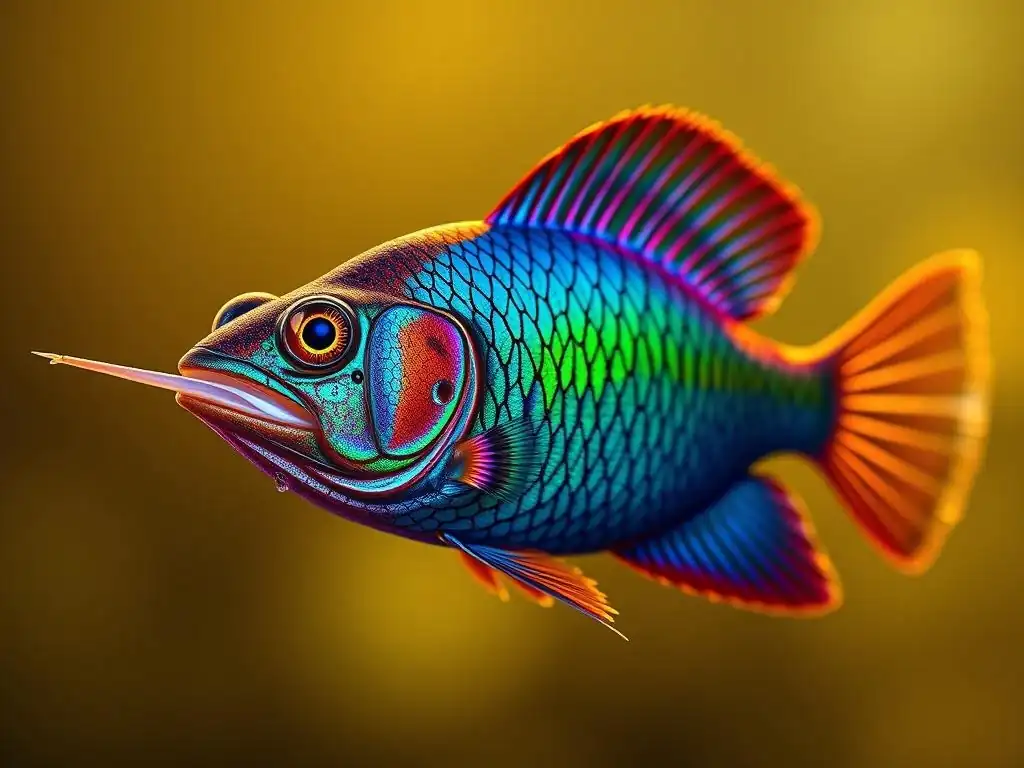
The dramatic shift in male Cyprichromis coloration during courtship is primarily regulated by hormonal influences, specifically androgens like testosterone. As a male Cyprichromis matures and enters breeding condition, or when he establishes a territory, the levels of these hormones increase significantly. This hormonal surge stimulates the production and deposition of pigments within specialized cells, leading to a noticeable intensification of colors and the development of more elaborate patterns.
Stress hormones, conversely, can suppress this vibrant Cyprichromis color courtship display. When a male is under duress due to poor water quality, aggressive tank mates, or insufficient space, his hormonal balance shifts, often resulting in faded colors and a reluctance to engage in courtship behaviors. Maintaining a stable, low-stress environment is therefore paramount for encouraging the most impressive Cyprichromis color display.
The Role of Pigment Cells in Cyprichromis Color Shifting
The vivid and dynamic Cyprichromis color courtship display is orchestrated by specialized pigment cells called chromatophores. These include:
- Melanophores: Containing black/brown melanin, these cells can expand or contract to darken or lighten areas, allowing for rapid contrast changes.
- Xanthophores and Erythrophores: These cells contain yellow and red pigments, respectively, contributing to the bright yellow, orange, and red accents often seen on fins and bodies.
- Iridophores: These are structurally complex cells containing reflective guanine crystals. They produce iridescent, metallic, and structural colors (like blues and greens) by scattering and reflecting light.
During courtship, the nervous system triggers these chromatophores to expand, contract, or reorient their reflective surfaces, creating the dazzling, rapidly changing patterns that define the Cyprichromis color courtship display. For instance, the iridescent blues of a male C. leptosoma are largely due to the precise arrangement of iridophores reflecting ambient light.
Light and its Impact on Cyprichromis Color Display
The perceived intensity and vibrancy of a Cyprichromis color courtship display are significantly influenced by the quality and spectrum of light in the aquarium. Full-spectrum lighting, which closely mimics natural sunlight, allows for the full range of colors to be appreciated, particularly enhancing the iridescent blues and metallic sheens produced by iridophores. Without adequate lighting, these structural colors can appear dull or muted.
Moreover, the angle and intensity of light can make a substantial difference. As Cyprichromis often display in the open water column, light from above can highlight their dorsal fins and upper bodies. Aquarists often notice that the male's Cyprichromis color display seems to "pop" most vibrantly under specific lighting conditions, which can also play a role in how females perceive the male's attractiveness.
Decoding the Cyprichromis Courtship Dance
Identifying Key Elements of a Cyprichromis Courtship Ritual
The Cyprichromis courtship ritual is a carefully choreographed sequence of behaviors, with the male Cyprichromis color courtship display at its core. It typically begins with the male establishing a temporary spawning territory, often an open patch in the water column or near a preferred rock structure. He then begins to "flash" his intensified colors, flaring his fins, particularly the dorsal and caudal fins, to maximize his visual impact.
This visual signaling is accompanied by specific swimming patterns, including rapid short bursts, hovering, and often a distinctive "shimmering" or vibrating motion of his body. The male's goal is to attract a receptive female, enticing her to follow him to the chosen spawning site. The entire sequence is a testament to the male's vigor and readiness to breed, with the brilliance of his Cyprichromis color display serving as the primary advertisement.
The Vertical Fluttering Display of Cyprichromis leptosoma
One of the most iconic elements of the Cyprichromis color courtship display, particularly observed in species like Cyprichromis leptosoma, is the mesmerizing "vertical fluttering" or "dancing" display. During this ritual, the male positions himself in the open water column, typically a few inches or more above the substrate. He then engages in a rapid, undulating movement, ascending and descending quickly while flaring all his fins and intensely vibrating his body.
This vertical dance is designed to showcase his full Cyprichromis color courtship display, making his vibrant hues shimmer and flash under the aquarium lights. The rapid movements and constant changes in angle ensure that the reflective iridophores catch and refract light from various directions, creating an almost hypnotic spectacle for the female. If a female is interested, she will approach and may join him in this dance before being led to the spawning site.
Comparing Courtship Displays Across Different Cyprichromis Species
While the core elements of the Cyprichromis color courtship display – color intensification, fin flaring, and specific swimming patterns – are common across the genus, there are subtle yet distinct variations between species. For instance, Cyprichromis leptosoma and its variants are well-known for their prominent vertical fluttering, often spawning higher in the water column.
In contrast, species like Cyprichromis microlepidotus might exhibit a slightly different emphasis in their Cyprichromis color courtship display, sometimes performing more horizontal dashes or utilizing specific rock formations as part of their territory. Despite these differences, the underlying purpose remains the same: to impress the female with a brilliant visual spectacle and secure a mate. Observing these nuances requires keen attention and highlights the diversity within this fascinating group of Tanganyikan cichlids.
Factors Influencing the Intensity of Cyprichromis Color Courtship Display
Water Quality and Its Effect on Cyprichromis Breeding Colors
Optimal water quality is paramount for encouraging a vibrant Cyprichromis color courtship display. These cichlids originate from Lake Tanganyika, which is characterized by stable and pristine water parameters. Therefore, maintaining a consistent pH between 7.8 and 9.0, a general hardness (GH) of 10-20 dGH, and a carbonate hardness (KH) of 10-18 dKH is crucial. The temperature should be maintained within a range of 76-80°F (24-27°C).
Poor water quality, specifically elevated levels of ammonia, nitrite, or nitrate (above 20 ppm), will quickly stress Cyprichromis. Stress directly inhibits their ability to display their full breeding colors, often leading to faded hues, clamped fins, and a general lack of activity. Regular water changes, typically 25-30% weekly, are essential to keep these parameters stable and promote the most intense Cyprichromis color courtship display.
Tank Setup and its impact on Cyprichromis Mating Rituals
The physical layout and dimensions of the aquarium significantly influence the male's willingness and ability to perform a full Cyprichromis color courtship display. Cyprichromis are pelagic (open-water dwelling) cichlids that require ample swimming space, especially vertical height, to execute their characteristic vertical fluttering dances. A tank of at least 4 feet (120 cm) in length and 20-24 inches (50-60 cm) in height is often recommended for a small group.
Providing tall rock structures or strategically placed driftwood can serve as visual barriers and territory markers, reducing aggression between males and allowing them to establish their own display areas. A bare bottom or fine sand substrate is generally preferred, as it highlights their colors and allows for easy cleaning. An uncluttered environment reduces stress, enabling males to confidently exhibit their brilliant Cyprichromis color courtship display without feeling threatened.
Diet and Nutrition for Enhanced Cyprichromis Coloration
A high-quality, varied diet rich in essential nutrients, particularly carotenoids and astaxanthin, is fundamental for promoting intense and healthy Cyprichromis color courtship display. These pigments are not produced by the fish themselves but must be obtained through their diet. Foods rich in these compounds include spirulina flakes, high-quality cichlid pellets formulated for color enhancement, and frozen foods like brine shrimp and mysis shrimp.
Feeding a consistent and varied diet ensures that the fish receive all the necessary building blocks for vibrant pigment production and overall vitality. A well-nourished Cyprichromis will not only display brighter, more saturated colors but will also possess the energy and health required to engage in vigorous courtship rituals. Conversely, a poor or monotonous diet can lead to dull coloration and a diminished Cyprichromis color display.
Encouraging Cyprichromis Breeding and Color Display in Your Aquarium
Optimal Tank Parameters for Cyprichromis Courtship
To encourage a robust Cyprichromis color courtship display and subsequent breeding, maintaining optimal and stable water parameters is non-negotiable. Aim for a consistent pH of 8.0-8.5, a dKH between 12-18, and a dGH of 10-15. The temperature should be kept steady at approximately 78°F (25.5°C). Fluctuations in these parameters can cause stress, which directly inhibits breeding behavior and color intensity.
Beyond chemical parameters, ensuring excellent water clarity and low nitrate levels (ideally below 20 ppm) through powerful filtration and consistent weekly water changes is vital. A pristine environment signals to the fish that conditions are favorable for reproduction, prompting males to engage in their full Cyprichromis color courtship display.
Selecting Compatible Tank Mates for Cyprichromis
Choosing appropriate tank mates is crucial for the well-being of Cyprichromis and to ensure they feel secure enough to perform their elaborate Cyprichromis color courtship display. Ideal tank mates are other peaceful Tanganyikan cichlids that occupy different areas of the water column, minimizing direct competition. Examples include certain species of Julidochromis, Neolamprologus (like N. brichardi or N. leleupi), or Altolamprologus which are bottom or rock dwellers.
Avoid highly aggressive or fin-nipping species that could harass the relatively delicate Cyprichromis. Overcrowding should also be avoided, as it leads to increased stress and aggression, suppressing natural behaviors and the brilliance of the Cyprichromis color courtship display. A well-chosen community allows males to establish territories and display confidently.
Creating a Suitable Environment for Cyprichromis Spawning
Creating an ideal spawning environment involves more than just water parameters; it encompasses the physical layout and social structure of the tank. For Cyprichromis, a tall tank (at least 20 inches / 50 cm in height) is highly beneficial, as they are open-water spawners and males perform their vertical displays. Ample open swimming space in the upper and middle water columns is essential for the Cyprichromis color courtship display.
Maintaining a proper male-to-female ratio, typically one male to three to five females, is also important. This ratio helps to disperse any male aggression and provides more opportunities for successful pairings. While Cyprichromis often spawn directly in the water column, some aquarists provide vertical rock structures that males can use as temporary territory markers or as a backdrop for their magnificent Cyprichromis color courtship display.
Common Issues Affecting Cyprichromis Courtship Colors
Stress and its Impact on Male Cyprichromis Color
Stress is one of the most common factors that can severely diminish the vibrancy of a male Cyprichromis color courtship display. Sources of stress include:
- Poor water quality: Elevated ammonia, nitrite, or nitrate levels.
- Aggressive tank mates: Constant harassment from other fish.
- Overcrowding: Insufficient space leading to territorial disputes.
- Sudden environmental changes: Drastic temperature or pH swings.
- Lack of hiding spots: Feeling exposed and vulnerable.
When under stress, a male Cyprichromis will typically fade in color, become lethargic, exhibit clamped fins, and may hide excessively. His energy is diverted from displaying to simply surviving, effectively shutting down any attempt at a Cyprichromis color courtship display. Addressing the root cause of stress is the first step to restoring his natural brilliance.
Disease and Its Effect on Cyprichromis Breeding
Any form of disease will significantly impair a Cyprichromis's health and, consequently, its ability to engage in or maintain a vibrant Cyprichromis color courtship display. Common ailments like Ich (white spot disease), bacterial infections (e.g., fin rot, bloat), or internal parasites can lead to severe stress, appetite loss, and overall debilitation.
A sick fish will not have the energy or physiological capacity to develop or exhibit strong breeding colors. Their immune system is working overtime, diverting resources away from non-essential functions like pigment production. Therefore, maintaining impeccable water quality and observing fish closely for early signs of illness are critical to ensuring their health and the possibility of observing a full Cyprichromis color courtship display. Prompt treatment is essential for recovery.
Addressing Lack of Color in Male Cyprichromis
If a male Cyprichromis is not displaying the expected vibrant colors, a systematic troubleshooting approach is recommended. Begin by testing all water parameters (pH, ammonia, nitrite, nitrate, GH, KH) to ensure they are within optimal ranges and stable. Next, review the fish's diet; ensure it is varied and includes color-enhancing foods rich in carotenoids and astaxanthin.
Observe the tank dynamics closely: are there aggressive tank mates? Is the tank overcrowded? Is the lighting adequate and suitable for enhancing fish coloration? Finally, carefully inspect the fish for any subtle signs of disease or physical injury. Often, correcting environmental deficiencies or dietary imbalances will quickly lead to a noticeable improvement in the male's Cyprichromis color courtship display. Patience is key, as recovery can take a few days to weeks.
Observing and Appreciating the Beauty of Cyprichromis Mating Displays
Tips for Capturing Stunning Photos of Cyprichromis Courtship
Capturing the ephemeral beauty of a Cyprichromis color courtship display requires both patience and a few photographic considerations. First, ensure your aquarium lighting is optimized; full-spectrum LEDs can bring out the full range of their iridescent colors. Avoid direct flash, which can cause glare and stress the fish. Instead, rely on ambient light or dedicated aquarium lighting.
Use a camera with manual controls, if possible. A fast shutter speed (e.g., 1/250s or faster) is crucial to freeze the rapid movements of their vertical flutter. A macro lens can capture intricate details, but a standard lens might be better for showing the full context of the Cyprichromis color courtship display within the tank. Focus on the fish's eyes and wait for peak display moments when colors are most intense and fins are fully flared.
Ethical Considerations When Breeding Cyprichromis
Breeding Cyprichromis in a home aquarium comes with ethical responsibilities. The primary consideration is ensuring the welfare of both the parent fish and the offspring. This includes providing a suitable, stress-free environment for spawning and rearing fry. Aquarists should also have a plan for the numerous offspring, as Cyprichromis can be prolific breeders.
It is important to avoid overstocking your own tank or contributing to the overpopulation of local fish stores without ensuring proper homes. Responsible breeding also involves maintaining genetic diversity within your lines, if possible, to avoid inbreeding depression over generations, which can lead to weaker fish with less vibrant Cyprichromis color courtship display. Breeding should always prioritize the health and future of the fish.
The Future of Cyprichromis Conservation and Appreciation
While Cyprichromis species are generally not considered highly endangered in the wild, responsible aquarists play a vital role in their ongoing appreciation and, indirectly, their conservation. By maintaining healthy, thriving captive populations, aquarists can contribute to the preservation of these unique Tanganyikan cichlids. Sharing knowledge about their specific care requirements, including the factors that enhance their magnificent Cyprichromis color courtship display, helps educate new enthusiasts.
Continued research into their behavior, genetics, and natural habitats can further deepen our understanding of these fascinating fish. The collective efforts of the aquarium community in documenting and promoting the proper care of Cyprichromis ensure that future generations can continue to observe and marvel at the spectacular Cyprichromis color courtship display in their home aquariums.
Frequently Asked Questions
What exactly is a Cyprichromis color courtship display?
It's a visual behavior performed by male Cyprichromis fish to attract females for breeding. This involves intensifying their colors and performing specific movements.
Why is the color display so important for Cyprichromis reproduction?
The intensity and quality of the display signal the male's genetic fitness and overall health. Females use this display to select the best mate, increasing the chances of successful offspring.
What factors can influence the intensity of a male Cyprichromis' color display?
Factors include water quality, the male's overall health, and the presence of other males competing for attention. Diet and tank environment also play a role.
How can I encourage a strong color courtship display in my Cyprichromis aquarium?
Provide excellent water parameters, a varied and nutritious diet, and ensure there are enough females for the males. Minimize stress within the tank.
What should I do if my male Cyprichromis is not displaying vibrant colors?
Check water quality immediately and ensure it's within the ideal range. Also, assess for signs of disease or stress and address them promptly.
Final Reflection: The Enduring Allure of Color and Courtship
The vibrant displays of male Cyprichromis are more than just a biological phenomenon; they are a testament to the enduring power of visual communication in the natural world. In a world increasingly dominated by digital interactions, observing these intricate courtship rituals reminds us of the fundamental role of aesthetics and performance in attracting a mate and ensuring the continuation of life itself.
The study of Cyprichromis color courtship displays offers a fascinating window into the complexities of evolution and behavior. It underscores the importance of understanding these delicate ecosystems and the pressures they face, as the very survival of these stunning displays depends on the health of their environment. The beauty of life is, while we cannot undo what is done, we can see it, understand it, learn from it and change.
- Jennifer Aniston, a quote that resonates deeply when considering the impact of environmental changes on species like Cyprichromis.
As we conclude this exploration of Cyprichromis color courtship displays, let us not only marvel at their beauty, but also consider our own role in preserving the environments that allow such spectacles to flourish. Take a moment to reflect on the power of observation, the importance of conservation, and the enduring allure of nature's artistry. How can you, in your own life, contribute to protecting the biodiversity that makes our planet so extraordinary?
Dive Deeper: Unleash the Beauty of *Cyprichromis*!
Thanks for exploring the fascinating world of Cyprichromis courtship displays! We hope you’ve gained a newfound appreciation for these vibrant fish and their intricate behaviors. Ready to take your aquarium hobby to the next level?
Here’s how:
- Dedicate time to regularly observe your Cyprichromis shoal. Pay close attention to individual fish, noting any changes in color, behavior, or social dynamics. You might discover even more subtle nuances in their courtship rituals!
- Explore creating a custom rockscape designed to mimic their natural habitat, using vertical structures to enhance visual displays and reduce aggression.
- Share your own Cyprichromis observations and photos on our community forum at AquariumMastery.com. Help us build a comprehensive guide for fellow enthusiasts!
What unique courtship behaviors have you observed in your Cyprichromis, and what innovative tank setups have you designed to enhance these displays?