
Marigold Variatus Platy Care: A Guide to These Golden Beauties

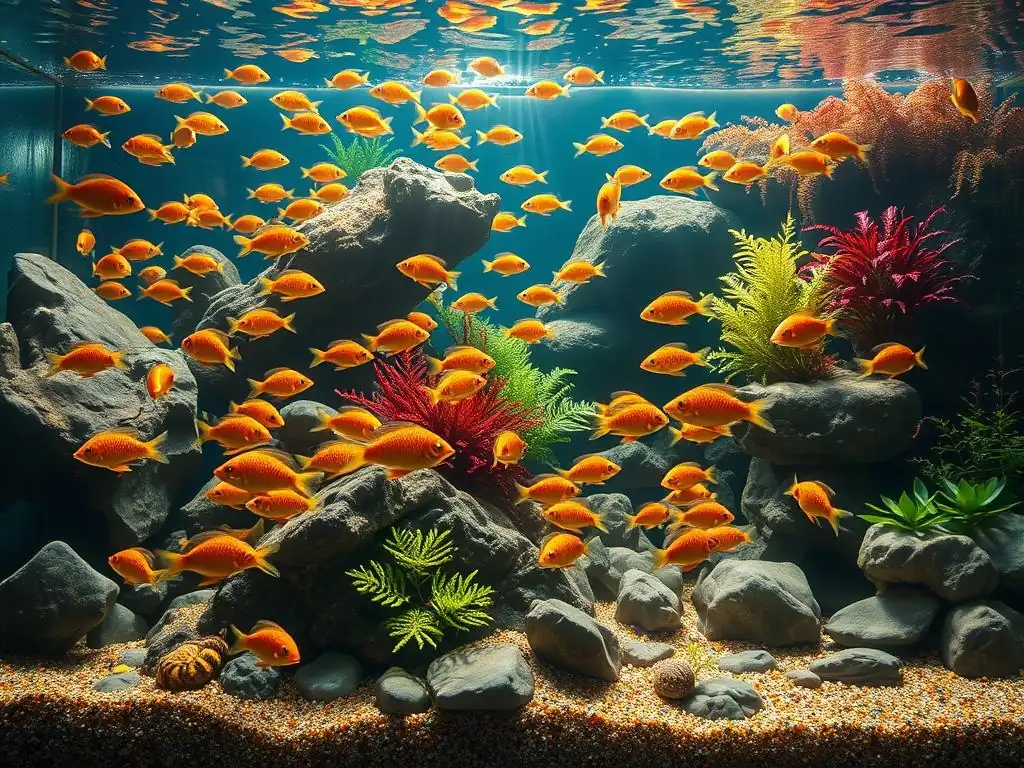
Welcome to Aquarium Mastery!
Ever wondered how to keep those shimmering, golden Marigold Variatus Platies thriving in your freshwater tank? Unlock the secrets to their vibrant health and happiness with our in-depth Marigold Variatus Platy Care Guide. Discover everything you need to know about their ideal environment, diet, tank mates, and more. Dive in and let's make your aquarium a haven for these golden beauties!
- Understanding the Marigold Variatus Platy: An Introduction
- Essential Marigold Variatus Platy Care Parameters
- Feeding Your Marigold Variatus Platy: Diet and Nutrition
- Marigold Variatus Platy Tank Mates: Choosing Compatible Fish
- Marigold Variatus Platy Breeding: A Comprehensive Guide
- Common Health Issues in Marigold Variatus Platies and Their Treatment
- Maintaining a Healthy Marigold Variatus Platy Aquarium
- Troubleshooting Common Marigold Variatus Platy Care Problems
- Enhancing the Color of Your Marigold Variatus Platy
- Marigold Variatus Platy: A Recap of Essential Care Tips
-
Frequently Asked Questions
- What is the ideal tank size for Marigold Variatus Platies?
- What water parameters do Marigold Variatus Platies prefer?
- What should I feed my Marigold Variatus Platies?
- Are Marigold Variatus Platies compatible with other fish?
- How often should I perform water changes in my Marigold Variatus Platy tank?
- Final Reflection: Embracing the Golden Glow
- Dive Deeper into the World of Platy Paradise!
Understanding the Marigold Variatus Platy: An Introduction
What is a Marigold Variatus Platy? Origins and Appearance
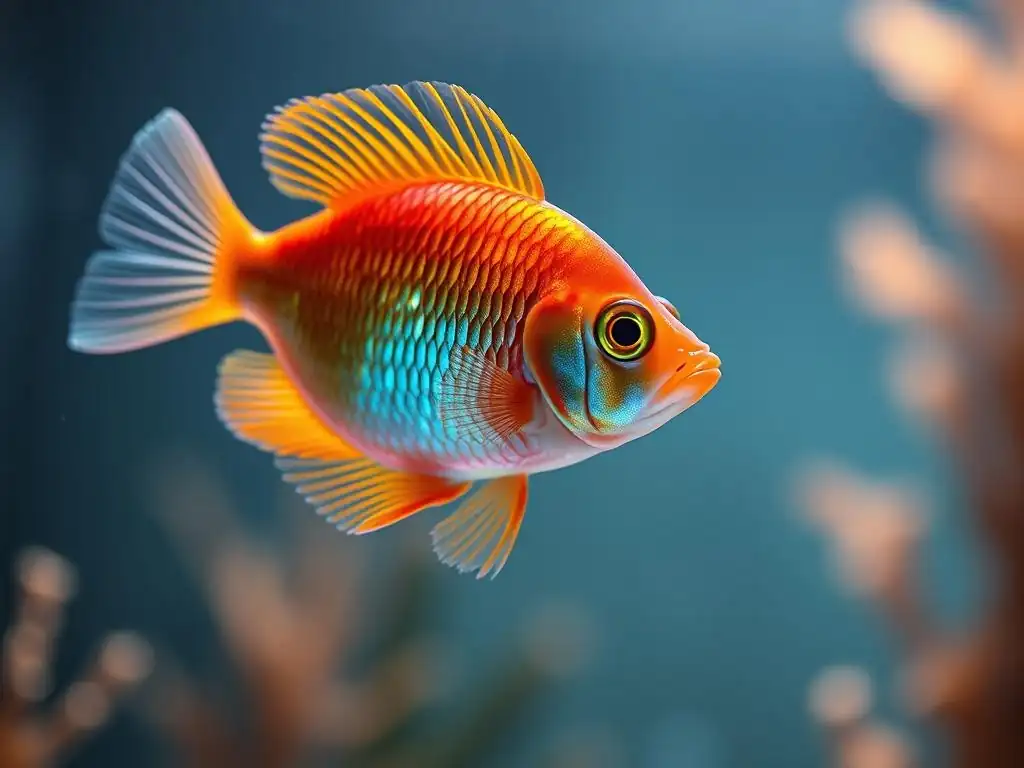
The Marigold Variatus Platy, scientifically known as Xiphophorus variatus, is a captivating freshwater fish revered for its striking coloration. Originating from Central America, specifically the warmer waters of Mexico and Guatemala, this species has been selectively bred over generations to enhance its brilliant golden-orange hue, reminiscent of a marigold flower. Adult platies typically reach a size of 2 to 3 inches (approximately 5 to 7.5 centimeters), making them a suitable choice for a variety of home aquariums.
The "Variatus" in their name signifies their natural variability in wild populations, but through dedicated line breeding, the Marigold Variatus Platy now boasts a remarkably consistent and intense marigold coloration. Many specimens exhibit subtle black markings or fin tipping, which can further accentuate their vibrant primary color. Their relatively small size, coupled with their peaceful disposition, makes them a popular and accessible option for both novice and experienced aquarists seeking to add a splash of radiant color to their tanks.
Distinguishing Features: Identifying a Healthy Marigold Variatus Platy
Identifying a healthy Marigold Variatus Platy involves observing several key characteristics. A healthy platy will display vibrant, consistent coloration, with no dull or faded patches. Their fins should be erect, fully spread, and free from any tears, fraying, or white spots. The dorsal fin, in particular, should stand tall and proud. Their eyes should be clear and bright, and their body should appear full but not bloated, without any visible deformities, growths, or parasites.
Beyond physical appearance, a healthy Marigold Variatus Platy will exhibit active and alert behavior. They should swim gracefully throughout all levels of the tank, showing curiosity and responsiveness to their environment. Labored breathing, clamped fins (held close to the body), listlessness, or erratic swimming patterns are all indicators of potential stress or illness. When selecting new fish for your tank, take at least 10-15 minutes to observe their behavior and ensure they meet these criteria for optimal Marigold Variatus Platy care.
Benefits of Keeping Marigold Variatus Platies in Your Aquarium
Keeping Marigold Variatus Platies offers numerous benefits that appeal to a wide range of aquarists. Their hardiness and adaptability to various water conditions make them an excellent choice for beginners, as they are generally forgiving of minor fluctuations that might stress more sensitive species. Their peaceful temperament ensures they are outstanding community fish, rarely displaying aggression towards tank mates of similar size and disposition. Their constant activity and radiant color add significant visual appeal and dynamic movement to any freshwater setup.
Furthermore, Marigold Variatus Platies are livebearers, meaning they give birth to live, free-swimming fry. This can be a fascinating and rewarding aspect for hobbyists interested in breeding or observing the life cycle of fish. While not primary algae eaters, they will occasionally graze on soft algae, contributing modestly to tank cleanliness. Their relatively compact size also means that a small group can thrive in tanks as modest as 10-20 gallons, making comprehensive Marigold Variatus Platy care accessible to those with limited space.
Essential Marigold Variatus Platy Care Parameters
Ideal Tank Size for Marigold Variatus Platies
Providing an appropriate tank size is fundamental to proper Marigold Variatus Platy care. For a small group of 3-5 platies, a minimum tank size of 10 gallons (approximately 38 liters) is often cited as the bare minimum. However, a 20-gallon (around 75 liters) long tank is significantly more beneficial, offering greater water volume for stability, more swimming space, and reducing potential stress or minor territorial disputes among the fish.
For a thriving community aquarium that includes Marigold Variatus Platies alongside other compatible species, a 29-gallon (approximately 110 liters) or larger tank is highly recommended. Larger tanks provide enhanced water stability, dilute waste products more effectively, and offer ample room for the platies to explore and establish small territories without conflict. Adequate space is a critical component of ensuring the long-term health and vibrant display of your Marigold Variatus Platies.
Water Parameters: Temperature, pH, and Hardness for Platies
Consistent water parameters are crucial for effective Marigold Variatus Platy care. These fish thrive in tropical freshwater conditions with a stable temperature range of 72-78°F (approximately 22-26°C). It is vital to use a reliable aquarium heater and thermometer to maintain this range, as sudden temperature fluctuations can cause significant stress and weaken their immune system. Daily temperature variations should ideally be kept within 1-2°F.
Marigold Variatus Platies prefer slightly alkaline to neutral water, with a pH range of 7.0-8.0. They also appreciate moderately hard to hard water, typically ranging from 10-25 dGH (degrees of General Hardness), which translates to approximately 175-450 ppm. Regular testing of these parameters using a liquid-based aquarium test kit is non-negotiable. Maintaining stable and appropriate water chemistry is the bedrock of preventing disease and promoting vigorous health for your platies.
Substrate and Decorations: Creating a Suitable Habitat for Platies
The choice of substrate and decorations plays a significant role in creating a comfortable and stimulating environment for Marigold Variatus Platies. A fine gravel or sand substrate is generally suitable, as platies do not have specific substrate requirements beyond avoiding sharp edges that could potentially injure their delicate fins or bodies. Many aquarists find that a darker substrate can often enhance the vibrant marigold coloration of the fish, making them stand out more prominently in the tank.
Decorations should provide a balance of open swimming space and ample hiding spots. Live plants, such as Anubias, Java Fern, Amazon Sword, or Hornwort, are highly recommended as they offer natural cover, reduce stress, and contribute to water quality by absorbing nitrates. Driftwood and smooth rocks can also be incorporated to add structure and visual interest. Always ensure that any decorations are aquarium-safe, thoroughly rinsed, and free of sharp edges to prevent injury to your Marigold Variatus Platies.
Feeding Your Marigold Variatus Platy: Diet and Nutrition
What to Feed Marigold Variatus Platies: A Balanced Diet
Marigold Variatus Platies are omnivores, meaning their diet should consist of both plant and animal matter to ensure comprehensive nutrition. The foundation of their diet should be a high-quality flake food or small pellets specifically formulated for livebearers. Look for products that list spirulina or other plant-based ingredients among the first few components, indicating a good balance of nutrients.
To provide a truly balanced diet and enhance their vibrant marigold coloration, supplement their primary food with a variety of live or frozen options. These include brine shrimp, daphnia, and bloodworms (offered sparingly as a treat). Vegetable matter is also crucial; blanched zucchini slices, spinach, or spirulina wafers can be offered a few times a week. This varied approach to their diet is essential for optimal Marigold Variatus Platy care, promoting strong immunity and vivid colors.
Feeding Schedule: How Often to Feed Your Platies
Establishing a consistent feeding schedule is important for the health of your Marigold Variatus Platies. For adult platies, it is generally recommended to feed them 2 to 3 times a day. The key is to provide small portions that they can completely consume within 2-3 minutes. This approach prevents overfeeding, which is a common cause of poor water quality and digestive issues.
For Marigold Variatus Platy fry (baby platies), a more frequent feeding schedule is necessary due to their rapid growth rate and high metabolism. They should be fed 3-4 times a day with finely crushed flake food, specialized fry food, or newly hatched brine shrimp. Regardless of age, consistency in the feeding schedule helps to regulate their metabolism and contributes significantly to effective Marigold Variatus Platy care.
Preventing Overfeeding in Marigold Variatus Platies
Overfeeding is one of the most common pitfalls in aquarium keeping and can lead to a host of problems for Marigold Variatus Platies and their environment. The most effective way to prevent overfeeding is to consistently feed small amounts, only what your fish can consume within a few minutes. Any uneaten food that sinks to the bottom will decompose, leading to elevated ammonia and nitrite levels, cloudy water, and potentially harmful bacterial blooms.
Consider implementing a "fasting day" once a week for adult Marigold Variatus Platies. This allows their digestive systems to clear out and can help prevent issues such as constipation or swim bladder disease. Regular observation during feeding times will help you fine-tune the exact amount of food needed for your specific group of platies, ensuring both their health and the cleanliness of their habitat, which is a critical aspect of Marigold Variatus Platy care.
Marigold Variatus Platy Tank Mates: Choosing Compatible Fish
Best Tank Mates for Marigold Variatus Platies
Marigold Variatus Platies are known for their peaceful and sociable nature, making them excellent candidates for a community aquarium. The best tank mates are other peaceful, similarly sized fish that thrive in comparable water parameters. Excellent choices include other livebearers such as Guppies, Mollies, and Swordtails. Ensure adequate space, as Swordtails can grow larger.
Beyond livebearers, a variety of peaceful schooling fish can coexist harmoniously. Good examples include Neon Tetras, Cardinal Tetras, Ember Tetras, Harlequin Rasboras, and various species of Corydoras catfish (e.g., Panda Corydoras, Bronze Corydoras) that occupy the bottom levels of the tank. Peaceful dwarf gouramis, such as Honey Gouramis, can also be suitable. Selecting tank mates that occupy different areas of the aquarium helps utilize space efficiently and reduces competition, a key consideration in comprehensive Marigold Variatus Platy care.
Fish to Avoid Keeping with Marigold Variatus Platies
When planning your community tank, it's crucial to identify fish species to avoid keeping with your Marigold Variatus Platies. Highly aggressive or fin-nipping species pose a significant threat. Examples include Tiger Barbs, most larger Cichlids (like Oscars or Jack Dempseys), and some species of semi-aggressive gouramis. While Betta fish can sometimes be kept in very large, heavily planted community tanks, their individual temperament varies greatly, and they often do not make ideal tank mates for platies due to potential aggression.
Furthermore, avoid fish that grow significantly larger than platies and might view them as a food source, or species that require vastly different water parameters. For instance, fish that thrive in very soft, acidic water (like some South American cichlids or wild Bettas) would not be suitable companions for the hardier, alkaline-water loving Marigold Variatus Platies. Careful selection prevents stress, injury, and ensures the well-being of your platies.
Preventing Aggression in a Community Platy Tank
While Marigold Variatus Platies are generally peaceful, minor aggression or stress can sometimes arise in a community tank, particularly among males or if the tank is overcrowded. To prevent this, maintaining an appropriate male-to-female ratio is key; aim for at least 2-3 females for every male platy. This disperses the male's attention and reduces harassment on any single female.
Overcrowding is a primary trigger for stress and aggression in any aquarium. Ensure your tank is adequately sized for all its inhabitants, providing ample swimming space and individual territories. Incorporate plenty of hiding spots and visual breaks using live plants, driftwood, and rock formations. These elements allow fish to retreat when feeling stressed, contributing significantly to a harmonious environment and effective Marigold Variatus Platy care.
Marigold Variatus Platy Breeding: A Comprehensive Guide
Breeding Behavior of Marigold Variatus Platies
Marigold Variatus Platies are prolific livebearers, a characteristic that makes them a popular choice for aquarists interested in breeding. Unlike egg-laying fish, livebearers give birth to fully formed, free-swimming fry. Males possess a modified anal fin called a gonopodium, which is used for internal fertilization of the female. Females have a remarkable ability to store sperm for several months, allowing them to produce multiple broods from a single mating event.
The gestation period for Marigold Variatus Platies typically ranges from 28 to 30 days. Signs of a pregnant female include a noticeably swollen abdomen, often appearing squarer in shape, and a dark "gravid spot" near her anal fin, which becomes more pronounced as the birth approaches. A single female can give birth to anywhere from 20 to 80 fry per brood, though larger, healthier females may produce over 100.
Setting Up a Breeding Tank for Platies
While Marigold Variatus Platies can breed readily in a community tank, the survival rate of fry is significantly higher in a dedicated breeding setup. A separate 5-10 gallon (approximately 19-38 liter) tank is ideal for this purpose. Equip the breeding tank with a reliable heater to maintain stable temperatures and a gentle sponge filter. Sponge filters are excellent as they provide biological filtration without the risk of sucking in delicate fry.
Crucially, the breeding tank should be heavily planted with dense, fine-leaved plants like Java Moss, Anacharis, or floating plants such as Hornwort or Water Hyacinth. These plants provide essential hiding spots for the newly born fry, protecting them from being eaten by the adult female once she gives birth. Once the female appears close to delivery, gently transfer her to this breeding tank. After she has given birth, it is imperative to remove the adult female promptly to prevent her from preying on her offspring, a critical step in Marigold Variatus Platy care for successful breeding.
Caring for Marigold Variatus Platy Fry (Baby Platies)
Caring for Marigold Variatus Platy fry requires specific attention to ensure their survival and healthy development. Newly born fry are relatively large and can immediately consume finely crushed high-quality flake food, specialized fry food, or newly hatched brine shrimp. Feed them small amounts 3-4 times a day to support their rapid growth and high metabolism. Ensure the food particles are small enough for their tiny mouths.
Maintaining pristine water quality is paramount in a fry tank. Perform small daily water changes, typically 10-20%, using a small siphon to avoid disturbing the fry. Always use dechlorinated water that matches the tank's temperature and parameters. Consistent water parameters, coupled with frequent, nutritious feedings, are the cornerstones of successful Marigold Variatus Platy care for the vulnerable fry stage, leading to robust and healthy adult fish.
Common Health Issues in Marigold Variatus Platies and Their Treatment
Identifying Common Platy Diseases: Symptoms and Causes
Marigold Variatus Platies, while generally hardy, can fall victim to common freshwater fish diseases, often due to poor water quality, stress, or the introduction of infected fish. Common ailments include Ich (Ichthyophthirius multifiliis), characterized by small white spots resembling salt grains on the body and fins; Fin Rot, which manifests as frayed, ragged, or disintegrating fins; and Fungal Infections, appearing as cottony growths. Symptoms often include lethargy, loss of appetite, clamped fins, faded coloration, labored breathing, or abnormal swimming patterns.
The primary causes of these diseases are typically environmental stressors. Poor water quality (high ammonia, nitrite, or nitrate levels), sudden temperature fluctuations, overcrowding, and inadequate nutrition all weaken a platy's immune system, making it susceptible to pathogens. Regular observation of your Marigold Variatus Platies and maintaining pristine tank conditions are the most effective preventative measures in their ongoing care.
Treating Ich (White Spot Disease) in Marigold Variatus Platies
Ich, or White Spot Disease, is a common parasitic infection that can affect Marigold Variatus Platies. It presents as distinct white spots on the fish's body and fins, often accompanied by flashing (rubbing against tank objects) and lethargy. Treatment typically involves a two-pronged approach. First, gradually raise the water temperature to 82-84°F (approximately 28-29°C) over 24-48 hours. This accelerates the parasite's life cycle, forcing it into its vulnerable free-swimming stage more quickly.
Concurrently, use an aquarium-safe Ich medication, following the manufacturer's instructions precisely. Medications containing malachite green or formalin are often effective. Remember to remove activated carbon from your filter during treatment, as it will absorb the medication. Continue the treatment for at least 3-5 days after all visible spots have disappeared to ensure all stages of the parasite are eradicated from the tank environment, a crucial step in effective Marigold Variatus Platy care.
Preventing and Treating Fin Rot in Platies
Fin Rot is a bacterial infection that can significantly impact the health and appearance of Marigold Variatus Platies. It is characterized by the gradual erosion of the fins, which may appear frayed, ragged, or have white or red edges. In severe cases, the fins can completely disappear. The primary causes are poor water quality (especially high nitrates), overcrowding, physical injury, or prolonged stress, all of which weaken the fish's natural defenses.
Treatment for Fin Rot begins with immediate and significant improvements to water quality. Perform a 25-50% water change, thoroughly gravel vacuuming the substrate. Continue with daily or every-other-day water changes until symptoms improve. If the infection is advanced or persists, a broad-spectrum antibacterial medication designed for aquarium use may be necessary. Maintaining consistently excellent water parameters and a clean environment is the most effective preventative measure in Marigold Variatus Platy care.
Addressing Swim Bladder Disease in Marigold Variatus Platies
Swim Bladder Disease affects a fish's buoyancy, causing it to float uncontrollably, sink to the bottom, or swim upside down. This condition can be caused by a variety of factors, including overfeeding, a diet lacking in fiber (leading to constipation), internal bacterial infections, or physical trauma. Recognizing the symptoms early is key to successful intervention for your Marigold Variatus Platy.
For suspected dietary causes, fast the affected platy for 2-3 days. After fasting, offer blanched, deshelled peas, which act as a natural laxative and can help clear blockages. Ensure the water quality is impeccable by performing partial water changes. If the disease appears to be caused by a bacterial infection (e.g., accompanied by bloating or other signs of illness), a broad-spectrum antibiotic medication may be required. Adjusting the regular diet to include more plant matter is a vital preventative measure in ongoing Marigold Variatus Platy care.
Maintaining a Healthy Marigold Variatus Platy Aquarium
Regular Water Changes: Maintaining Water Quality for Platies
Regular water changes are the single most important aspect of maintaining a healthy environment for your Marigold Variatus Platies. These routine changes remove accumulated nitrates, phosphates, and other metabolic wastes that can become toxic over time. For a well-stocked platy tank, a 25-30% water change weekly is generally recommended. In heavily stocked tanks or those with a higher bioload, more frequent or larger changes may be necessary.
Always use a high-quality water conditioner or dechlorinator when adding new tap water to your aquarium. This neutralizes harmful chlorine and chloramine, which are toxic to fish. Furthermore, strive to match the temperature of the new water as closely as possible to the tank water to prevent temperature shock, which can severely stress your Marigold Variatus Platies. Consistent adherence to this routine is foundational to long-term Marigold Variatus Platy care.
Filtration and Aeration for Platy Tanks
An efficient filtration system is indispensable for Marigold Variatus Platy care. A good filter provides mechanical filtration to remove particulate matter, chemical filtration to absorb impurities and odors (if using media like activated carbon), and crucially, biological filtration to convert toxic ammonia and nitrite into less harmful nitrate. Hang-on-back (HOB) filters, internal filters, or sponge filters are all suitable, provided they are appropriately sized for your tank volume. Ensure the filter's flow rate is not too strong, as platies prefer moderate water movement.
Proper aeration is equally vital, as Marigold Variatus Platies require well-oxygenated water to thrive. This can be achieved through the surface agitation created by the filter's outflow, or by adding an air stone connected to an air pump. Adequate oxygen levels are critical for fish respiration and also support the beneficial bacteria in your biological filter. A well-filtered and aerated tank significantly contributes to the overall vitality of your Marigold Variatus Platies.
Plant Selection for Marigold Variatus Platy Aquariums
The strategic selection of live plants can greatly enhance the environment for your Marigold Variatus Platies. Live plants offer numerous benefits: they provide essential hiding spots and visual breaks, which reduce stress for the fish; they absorb nitrates and other waste products, contributing to better water quality; and they release oxygen during photosynthesis. Good choices for a platy tank include hardy species like Anubias (various types), Java Fern, Amazon Sword, and Cryptocoryne species.
Floating plants such as Hornwort, Dwarf Water Lettuce, or Frogbit are also highly beneficial. They provide shade, which platies appreciate, and offer excellent cover for any fry that may be present. When selecting plants, ensure they are compatible with the water parameters preferred by Marigold Variatus Platies (slightly alkaline to neutral pH, moderate to hard water). A well-planted aquarium not only looks aesthetically pleasing but also creates a more natural and stable habitat for your golden beauties, central to comprehensive Marigold Variatus Platy care.
Troubleshooting Common Marigold Variatus Platy Care Problems
Why is My Marigold Variatus Platy Hiding?
If your Marigold Variatus Platy is consistently hiding more than usual, it's a strong indicator of stress, illness, or fear within its environment. The first step in troubleshooting should always be to test your water parameters immediately for ammonia, nitrite, and nitrate spikes, as well as checking the temperature to ensure it's stable and within the ideal range of 72-78°F. Poor water quality is a leading cause of fish stress.
Beyond water parameters, consider the social dynamics of the tank. Are there any aggressive tank mates harassing your platy? Does the tank provide enough hiding spots and visual breaks? A new environment, recent tank changes, or even improper lighting can also cause temporary shyness. Observe for other accompanying signs of illness like clamped fins or labored breathing. Addressing these potential stressors is crucial for effective Marigold Variatus Platy care.
Marigold Variatus Platy Not Eating: Possible Causes and Solutions
A Marigold Variatus Platy refusing to eat is a significant concern and often signals an underlying problem. The most common causes include poor water quality, illness, high stress levels, or an unsuitable or stale diet. Begin by performing a full set of water tests (ammonia, nitrite, nitrate, pH, temperature). If any parameters are off, perform an immediate partial water change (25-50%) to rectify the situation.
Next, carefully observe your platy for any other symptoms of disease, such as white spots, fin rot, or abnormal swimming. If no other symptoms are apparent, try offering a variety of high-quality foods, including live or frozen options like brine shrimp or daphnia, to stimulate their appetite. Ensure the food is fresh and appropriate for their size. Persistent refusal to eat, even with optimal water conditions, warrants further investigation and potentially medication, as part of diligent Marigold Variatus Platy care.
Dealing with Algae Growth in a Platy Tank
Excessive algae growth in a Marigold Variatus Platy tank is a common issue, typically stemming from an imbalance in light and nutrient levels. The primary culprits are usually too much light (either too intense or on for too long) and/or an abundance of nutrients from overfeeding or infrequent water changes. To address this, first, reduce your aquarium's lighting duration to 8-10 hours per day.
Next, ensure your maintenance routine is robust: perform regular 25-30% weekly water changes and thoroughly gravel vacuum the substrate to remove trapped organic waste. Avoid overfeeding your platies, as uneaten food contributes significantly to nutrient buildup. Introducing compatible algae-eating tank mates like Otocinclus catfish or Nerite snails can also help control certain types of algae, provided they fit within your overall Marigold Variatus Platy care strategy and tank parameters. Manual removal of algae during water changes is also highly effective.
Enhancing the Color of Your Marigold Variatus Platy
Diet and Color Enhancement for Platies
The most impactful factor in enhancing the already vibrant orange and gold coloration of your Marigold Variatus Platies is a high-quality, diverse diet. Fish foods that explicitly include natural color enhancers are paramount. Look for ingredients such as astaxanthin, spirulina, other carotenoids, and krill meal in the ingredient list of your flakes or pellets. These pigments are directly incorporated into the fish's skin, intensifying their hues.
Beyond their staple diet, regular supplementation with live or frozen foods rich in carotenoids, such as brine shrimp, daphnia, or bloodworms, can significantly boost their natural brilliance. Blanched vegetables like spinach or spirulina wafers also contribute to overall health and color. A well-fed, nutritionally complete Marigold Variatus Platy will naturally exhibit its most striking and vivid coloration, making diet a cornerstone of effective Marigold Variatus Platy care for aesthetic appeal.
Lighting and its effect on Platy coloration
While diet is the primary driver of a Marigold Variatus Platy's intrinsic coloration, the type and quality of lighting in your aquarium can significantly influence how those colors are perceived. Full-spectrum LED lights, particularly those designed for planted aquariums or with a color temperature around 6500 Kelvin, can make the golden-orange hues of your platies appear more intense and "pop" in the tank. These lights mimic natural daylight, bringing out the true vibrancy of the fish.
It's important to maintain a consistent lighting cycle, typically 8-10 hours per day, to avoid stressing the fish and to prevent excessive algae growth. Avoid overly dim lighting, which can make fish appear dull, or excessively bright lighting, which can cause stress. Proper illumination not only highlights the stunning beauty of your Marigold Variatus Platy but also supports the health of any live plants in the aquarium.
Marigold Variatus Platy: A Recap of Essential Care Tips
Quick Reference Guide for Marigold Variatus Platy Care
For optimal Marigold Variatus Platy care, keep these essential parameters in mind. Tank Size: A minimum of 10 gallons for a small group, with 20+ gallons recommended for a thriving community. Water Temperature: Maintain a stable 72-78°F (22-26°C). pH Level: Aim for slightly alkaline to neutral water, between 7.0-8.0. Water Hardness: Moderate to hard, typically 10-25 dGH (175-450 ppm).
Diet: Feed high-quality flakes or pellets as a staple, supplemented with live/frozen foods (brine shrimp, daphnia) and blanched vegetables (peas, zucchini) for a balanced omnivorous diet. Water Changes: Perform 25-30% partial water changes weekly. Filtration: Ensure robust mechanical and biological filtration. Tank Mates: Choose peaceful, similarly sized community fish. Breeding: They are prolific livebearers, relatively easy to breed in a dedicated setup. Consistent attention to these guidelines ensures a healthy and vibrant environment for your golden beauties.
Ensuring the Long-Term Health and Happiness of Your Platies
Ensuring the long-term health and happiness of your Marigold Variatus Platies extends beyond just meeting basic parameters; it involves creating a stable, stimulating, and stress-free environment. With proper care, these delightful fish can live for 3 to 5 years, enriching your aquarium for a considerable period. This longevity is achieved through consistent monitoring of water parameters, proactive attention to diet, and swift action at the first sign of any health issues.
Beyond the fundamentals, providing a stimulating habitat with ample live plants and appropriate decorations allows platies to explore, hide, and feel secure. Maintaining a balanced male-to-female ratio (e.g., 1 male to 2-3 females) helps mitigate any potential male harassment. Avoiding overstocking is paramount, as it directly impacts water quality and stress levels. By integrating these comprehensive aspects of Marigold Variatus Platy care, hobbyists can cultivate a thriving aquatic ecosystem where these golden beauties truly flourish.
Frequently Asked Questions
What is the ideal tank size for Marigold Variatus Platies?
A tank of at least 10 gallons is recommended for a small group. Larger tanks are always better, allowing for more stable water parameters and happier fish.
What water parameters do Marigold Variatus Platies prefer?
They thrive in water temperatures between 72-78°F (22-26°C) with a pH of 7.0-8.0. Maintaining good water quality through regular water changes is crucial.
What should I feed my Marigold Variatus Platies?
They are omnivores and will accept a variety of foods. A high-quality flake food supplemented with live or frozen foods like brine shrimp and daphnia is ideal.
Are Marigold Variatus Platies compatible with other fish?
Yes, they are generally peaceful and can be kept with other peaceful community fish that share similar water parameter requirements. Avoid fin-nippers.
How often should I perform water changes in my Marigold Variatus Platy tank?
A 25% water change should be performed weekly to maintain optimal water quality and remove accumulated nitrates. Consistent maintenance is key.
Final Reflection: Embracing the Golden Glow
The journey of understanding and caring for Marigold Variatus Platies, as we've explored, is more than just a set of instructions; it's about fostering a miniature ecosystem and appreciating the vibrant life within. The enduring appeal of these fish lies in their resilient beauty and the simple joy they bring to our homes, a reminder that even small creatures can enrich our lives in profound ways. Their popularity today speaks volumes about our innate desire to connect with nature, even in the most urban of settings.
The presence of these golden beauties in our aquariums is a testament to the enduring power of nature's artistry. Personally, I find their shimmering scales and playful demeanor to be a constant source of tranquility and inspiration. Their existence reminds us of the delicate balance within our world and the responsibility we have to protect it. In every walk with nature, one receives far more than he seeks.
- John Muir. This quote encapsulates the quiet rewards of observing and caring for these small wonders.
Now, as you embark on your own journey with Marigold Variatus Platies, I encourage you to go beyond simply following the guidelines we've discussed. Observe them closely, learn their individual personalities, and appreciate the unique beauty they bring to your life. Let their golden glow inspire you to cultivate a deeper connection with the natural world and to find joy in the simple act of caring for another living being. Let the vibrant energy of these little fish remind you to embrace the beauty and resilience within yourself.
Dive Deeper into the World of Platy Paradise!
Thank you for exploring the captivating world of Marigold Variatus Platies with us! We hope this guide has illuminated the path to keeping these golden beauties thriving in your aquarium. Now, let's turn that knowledge into action and create an even brighter future for your finned friends.
Here are a few things you can do next:
- Immediately assess your current aquarium setup based on the care tips provided and make adjustments to optimize the environment for your Marigold Variatus Platies.
- Share your newfound Platy passion! Introduce a friend or family member to the joy of aquarium keeping and spread the word about these stunning fish.
- Research one uncommon plant that would beautifully complement the Marigold Variatus Platy in a community tank, and share your findings with other aquarists!
What specific change will you implement today to improve the lives of your Marigold Variatus Platies?