
Moonlight Simulation for NightSpawning Tetras: An Aquarium Mastery Advanced Tip

Welcome to Aquarium Mastery!
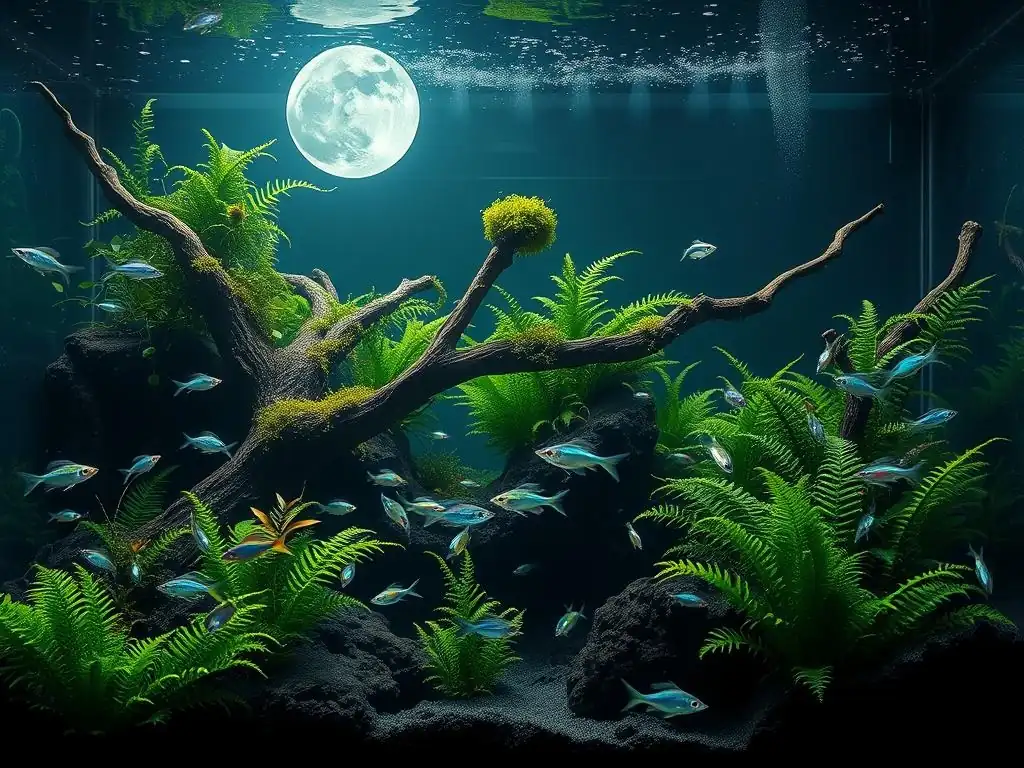
Ever wondered how to unlock the secrets of night spawning tetras in your own aquarium? We're diving deep into the fascinating world of freshwater fish breeding, revealing an advanced technique you might not have considered. Discover how mimicking moonlight can trigger spawning behavior in these captivating creatures, and prepare to be amazed. Ready to illuminate your path to aquarium mastery? Let's get started!
- Optimizing Lighting for Cardinal Tetra Breeding: An Aquarium Mastery Advanced Tip
- Understanding Spawning Behavior in Cardinal Tetras
- The Science Behind Low-Light Spawning Stimulation
- Setting Up Your Aquarium for Low-Light Spawning
- Implementing a Low-Light Spawning Schedule for Cardinal Tetras
- Troubleshooting Common Issues with Cardinal Tetra Spawning
- Advanced Techniques for Enhancing Cardinal Tetra Breeding
- Case Studies: Successful Low-Light Spawning Setups for Cardinal Tetras
- Maintaining a Healthy Aquarium Environment for Cardinal Tetras
-
Frequently Asked Questions
- How does moonlight simulation encourage night-spawning behavior in tetras?
- What type of lighting is best for simulating moonlight for night-spawning tetras?
- How long should the "moonlight" be on each night to encourage spawning?
- Are there any specific brands of lights recommended for night-spawning tetras?
- What other factors, besides lighting, influence night-spawning behavior in tetras?
- Final Reflection: Illuminating the Mysteries of Night Spawning
- Unleash the Night: Simulate Moonlight & Witness the Spectacle!
Optimizing Lighting for Cardinal Tetra Breeding: An Aquarium Mastery Advanced Tip
Understanding Spawning Behavior in Cardinal Tetras
Why Cardinal Tetras Spawn in Dim Light: Natural Triggers
Cardinal Tetras (Paracheirodon axelrodi) originate from the clear, acidic blackwater rivers and tributaries of the Amazon Basin, specifically the Rio Negro and Orinoco. In these natural habitats, light penetration is significantly reduced due to dense overhanging vegetation and tannin-stained water. This creates a perpetually dim environment. Their evolutionary biology has adapted to this, making dim light a crucial trigger for spawning. Bright, direct light can inhibit breeding, as it signals open, exposed conditions, which are not ideal for the survival of their delicate eggs and fry.
This dimness acts as a "security blanket" for the fish, reducing stress and encouraging courtship. The night spawning tetra lighting requirement is a genetic imprint, where low light levels signal safety from predators for their vulnerable eggs. This natural trigger is key to successful captive breeding, often overlooked by aquarists who maintain standard daytime lighting. Simulating this natural dimness is paramount for successful night spawning tetra lighting setups.
The Importance of Soft, Acidic Water for Cardinal Tetra Breeding
Cardinal Tetras are highly sensitive to water parameters, requiring very soft and acidic water for successful breeding. In their native Amazonian waters, the pH can range from 4.5 to 6.5, and hardness (GH) is often below 3 dGH. This specific water chemistry is not just preferred; it's essential for egg viability. Hard water can prevent the eggs from developing properly, often leading to them failing to hatch or becoming infertile. The low mineral content aids in the fertilization process and ensures the delicate egg membrane remains permeable.
This soft, acidic environment mimics the conditions where their eggs would naturally settle and develop without being exposed to high concentrations of dissolved minerals that could harm them. Achieving these parameters often involves using reverse osmosis (RO) water, peat filtration, or specific water conditioners. Without these precise water conditions, even perfect night spawning tetra lighting will not yield successful breeding results.
Replicating Natural Amazonian Conditions for Tetra Breeding
To successfully breed Cardinal Tetras, aquarists must strive to replicate their natural Amazonian environment as closely as possible. This involves not only the specific dim night spawning tetra lighting and water parameters but also aspects like substrate, plant choices, and water flow. A dark substrate, such as fine sand or peat, can further enhance the perception of dimness and comfort for the fish. Adding botanicals like Indian almond leaves or alder cones can naturally lower pH, soften water, and release tannins, mimicking the blackwater conditions.
Consider the overall tank setup: dense planting with fine-leaved plants like Java moss or Anacharis provides ideal spawning sites and cover for the fish, reducing stress. Gentle filtration that doesn't create strong currents is also important, as Cardinal Tetras prefer calmer waters. The combination of these elements—appropriate night spawning tetra lighting, water chemistry, and physical environment—creates a holistic approach to successful breeding, allowing the fish to feel secure enough to engage in reproductive behaviors.
The Science Behind Low-Light Spawning Stimulation
Simulating Overhanging Canopy Shade: Spectrum and Intensity Considerations
The primary goal of low-light simulation for Cardinal Tetra spawning is to mimic the deep shade provided by the dense jungle canopy over their natural habitats. This means not only reducing the overall intensity of light but also considering its spectral composition. Full-spectrum white light, even when dimmed, might still be too harsh.
Instead, a spectrum leaning towards the red and blue ends, with lower overall Kelvin temperatures (e.g., 4000K-6500K), can more accurately replicate the filtered light penetrating dense foliage and tannin-stained water. The intensity should be significantly reduced, often to less than 10-20 lumens per liter, far below typical planted tank requirements.
This specific night spawning tetra lighting spectrum and intensity help to trigger the release of specific hormones in the tetras, signaling that conditions are optimal for reproduction. Intense light can suppress these hormonal responses, leading to inhibited spawning. Think of it as creating a perpetual twilight. Some advanced LED fixtures allow for precise control over individual color channels, enabling aquarists to fine-tune the light to perfectly match the desired dim, filtered light, making it an ideal night spawning tetra lighting solution.
The Role of Water Chemistry in Triggering Spawning
While night spawning tetra lighting is crucial, water chemistry acts as an equally vital, synergistic trigger. The extremely soft and acidic conditions (pH 5.0-6.0, GH 1-3 dGH) signal to the tetras that the water is safe for their delicate, unadhesive eggs. In hard or alkaline water, the eggs tend to swell excessively and burst, or the sperm's motility is impaired, leading to fertilization failure. The low mineral content also prevents fungal growth on the eggs, which is a common issue in less pristine water.
The presence of humic substances and tannins, often achieved through peat filtration or botanicals, further enhances the water's suitability. These compounds have mild antiseptic properties and contribute to the "blackwater" effect, which is naturally reassuring to the fish. The combination of ideal night spawning tetra lighting with precise water parameters creates a powerful environmental cue, telling the tetras that the time is right for spawning and that their progeny will have the best chance of survival.
Avoiding Algae Growth: Balancing Light and Nutrients
A common challenge when implementing low-light conditions for night spawning tetra lighting is the potential for algae growth. While it might seem counterintuitive, very low light can sometimes favor certain types of algae, especially if there's an imbalance of nutrients. Specifically, blue-green algae (cyanobacteria) can thrive in low-light, low-flow conditions with high nutrient loads. To prevent this, it's crucial to maintain excellent water quality, with nitrates ideally below 10-20 ppm, and phosphates kept at minimal levels.
Regular small water changes (e.g., 10-15% every 2-3 days during breeding attempts) help keep nutrients in check. Additionally, ensuring good water circulation, even if gentle, can prevent stagnant areas where algae might proliferate. The strategic use of live plants, even in a dimly lit breeding tank, can also help absorb excess nutrients. Balancing the minimal night spawning tetra lighting with strict nutrient control is essential for a clean and successful breeding environment.
Setting Up Your Aquarium for Low-Light Spawning
Choosing the Right LED Fixtures for Cardinal Tetras
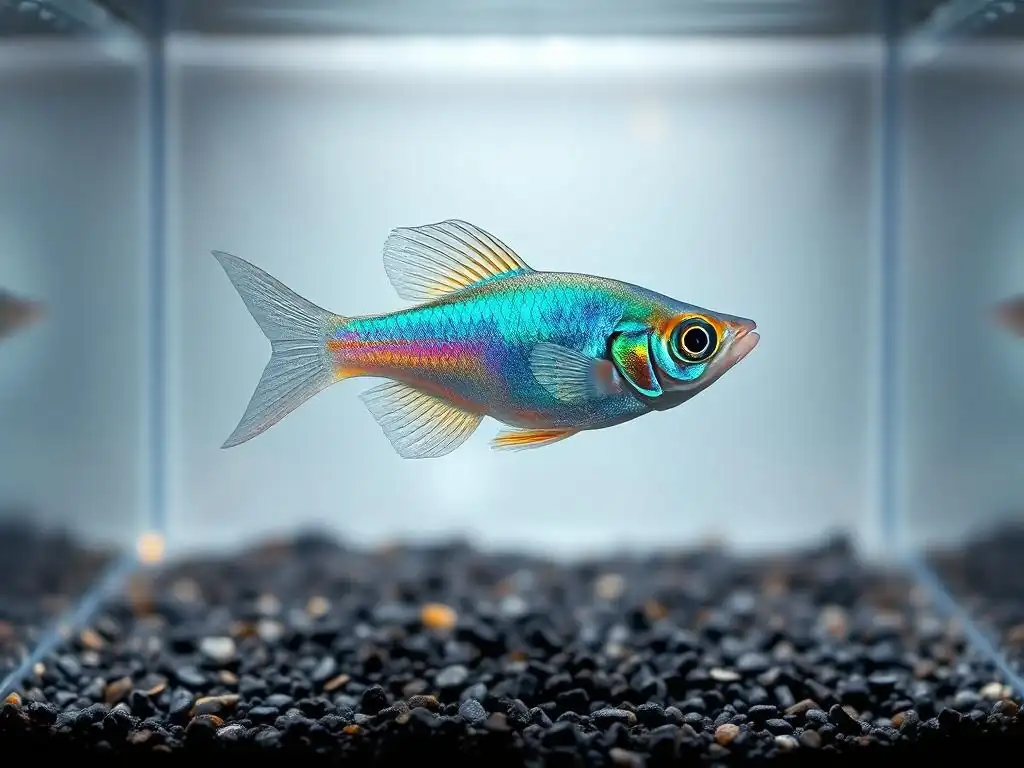
For optimal night spawning tetra lighting, choosing the right LED fixture is paramount. Look for fixtures that offer dimming capabilities, preferably with a smooth dimming range down to very low intensities. Many modern LED units come with integrated controllers or are compatible with external controllers that allow for precise intensity adjustments. Fixtures with independently controllable red, green, and blue (RGB) channels are ideal, as they allow you to fine-tune the color spectrum to emphasize the warmer, redder tones that mimic natural filtered light, while minimizing harsh whites or greens.
Brands like Fluval Plant 3.0, Chihiros WRGB II, or even some programmable smart home LED strips (designed for general lighting but adaptable) can be excellent choices. The key is controllability and the ability to achieve very low lux levels.
Avoid fixtures designed for high-tech planted tanks, as they often have too much power and may not dim sufficiently or provide the correct spectrum for night spawning tetra lighting without significant modification. A fixture rated for a 20-gallon tank, even on a 10-gallon breeding tank, might be suitable if it can be dimmed adequately, providing a broad spread of low-intensity light.
Controlling Light Intensity: Dimmers and Timers for Tetra Breeding
Precise control over night spawning tetra lighting intensity and duration is critical. Dimmers are indispensable for achieving the very low light levels required. Many modern LED fixtures include built-in dimmers, often accessible via a smartphone app or a dedicated controller.
If your fixture doesn't have one, inline dimmers are available, though they might not offer the same granularity of control. The goal is to achieve a light level that is barely enough to see the fish clearly, often resembling a deep twilight or dawn. This might equate to 5-10 PAR at the substrate level, significantly lower than typical display tanks.
Timers are equally important for establishing a consistent light cycle. A 12-hour dark period is often beneficial, mimicking natural night cycles. However, during the "daylight" period for breeding, the light should be kept at the extremely low intensity discussed. Some aquarists even use a very short "sunrise" and "sunset" period, gradually increasing and decreasing the night spawning tetra lighting intensity over 30-60 minutes, which can further reduce stress and encourage natural behavior. Consistency in the light schedule is more important than minute-by-minute adjustments once a successful pattern is found.
Creating a Soft, Diffused Light Environment: Using Plants and Decorations
Beyond the light fixture itself, the physical setup of the breeding tank can significantly contribute to creating a soft, diffused night spawning tetra lighting environment. Heavily planting the tank with fine-leaved plants like Java moss (Taxiphyllum barbieri), Anacharis (Egeria densa), or Water Wisteria (Hygrophila difformis) provides natural shading and diffuse light penetration. These plants also offer ideal spawning substrates, as Cardinal Tetras are egg scatterers. Floating plants such as Amazon frogbit (Limnobium laevigatum) or dwarf water lettuce (Pistia stratiotes) can further reduce light intensity and provide additional cover.
Strategic placement of driftwood or small caves can also create shaded areas where the tetras feel more secure. A dark substrate, such as black sand or fine gravel, absorbs light rather than reflecting it, enhancing the overall dimness. The aim is to create an environment where the night spawning tetra lighting feels uniform but subdued, with no harsh bright spots, encouraging the tetras to feel safe enough to engage in courtship and spawning behaviors.
Implementing a Low-Light Spawning Schedule for Cardinal Tetras
Recommended Light Cycles for Cardinal Tetras
For triggering spawning in Cardinal Tetras, a consistent night spawning tetra lighting cycle is crucial. A common recommendation is to maintain an 8-10 hour "daylight" period at extremely low intensity, followed by a 14-16 hour complete dark period. The "daylight" should be so dim that it barely illuminates the tank. For example, a setting that provides less than 5 PAR at the substrate level is often effective. This prolonged dark period, mimicking the long tropical nights, is believed to encourage the final maturation of eggs and sperm.
Some breeders find success with even shorter "daylight" periods, such as 6 hours of very dim light, to further emphasize the dark cycle. The specific timing can be adjusted based on observation of the fish's behavior; signs of courtship, such as chasing and fin flaring, indicate the schedule is having an effect. The key is consistency and ensuring the night spawning tetra lighting is never bright enough to cause stress or inhibit the natural spawning cues.
Adjusting Light Schedules Based on Tetra Behavior and Spawning Success
Successful breeding often requires a degree of flexibility and observation. If after a week or two on a specific night spawning tetra lighting schedule, no spawning occurs, slight adjustments can be made. This might involve incrementally reducing the "daylight" duration by an hour or two, or slightly dimming the light further. Conversely, if the tetras appear stressed or are not showing courtship behaviors, the light might be too dim, or the transition too abrupt, in which case a slightly longer or slightly brighter (but still very dim) "daylight" period might be beneficial.
Pay close attention to the fish's coloration and activity levels. Healthy, ready-to-spawn tetras will display vibrant colors and engage in active chasing. If they are pale or hiding excessively, the night spawning tetra lighting or other environmental factors might be causing stress. Documenting the light schedule, water parameters, and observed behaviors can help identify patterns and optimize the breeding conditions over time. Patience is key, as it may take several cycles to find the perfect balance for your specific group of tetras.
Monitoring Water Parameters During Low-Light Conditions
Even with ideal night spawning tetra lighting, continuous monitoring of water parameters is non-negotiable. pH should be maintained between 5.0 and 6.0, and General Hardness (GH) should be 1-3 dGH. Regular testing for ammonia, nitrite, and nitrate is crucial, especially in a breeding tank with delicate eggs and fry. Ammonia and nitrite should always be at zero, and nitrates should be kept below 10 ppm. Temperature should be stable, typically between 78-82°F (25.5-27.8°C), which is optimal for Cardinal Tetra metabolism and spawning.
Small, frequent water changes (e.g., 10% daily or every other day) using pre-conditioned, soft, acidic water are often necessary to maintain pristine conditions and remove any metabolic waste without shocking the fish or disrupting the delicate water chemistry. The consistent maintenance of these parameters, alongside the specialized night spawning tetra lighting, creates the stable, low-stress environment essential for successful breeding and the survival of the fragile eggs and fry.
Troubleshooting Common Issues with Cardinal Tetra Spawning
Algae Blooms: Preventing Excessive Growth Under Low Light
Despite the low night spawning tetra lighting, algae blooms can still occur, particularly if there's an imbalance in nutrients or inadequate water flow. Diatoms (brown algae) are common in new setups or those with excess silicates. Green spot algae can appear on tank surfaces if nitrates are too low or phosphates too high. To prevent these, ensure nitrates are maintained in a healthy range (5-10 ppm) and phosphates are kept minimal through regular water changes. Overfeeding is a major contributor to excess nutrients, so feed sparingly.
Good mechanical filtration and gentle water circulation are important to prevent stagnant areas where algae can flourish. Introducing a few algae-eating snails (e.g., Nerite snails, although be mindful of their egg-laying if you want a pristine breeding tank) or shrimp (e.g., Amano shrimp) can help manage minor outbreaks without chemicals. If a significant bloom occurs, a blackout period of 2-3 days (no night spawning tetra lighting at all) combined with a large water change can often reset the tank, but address the root cause to prevent recurrence.
Stressed Tetras: Identifying and Addressing Environmental Stress
Stressed Cardinal Tetras will not spawn. Signs of stress include faded coloration, clamped fins, erratic swimming, excessive hiding, or a lack of interest in food. Environmental stressors can include fluctuating water parameters (temperature, pH, hardness), poor water quality (ammonia, nitrite, high nitrate), bullying from tank mates (if not in a dedicated breeding tank), or inappropriate night spawning tetra lighting. Ensure all water parameters are stable and within the ideal range for Cardinal Tetras.
If the night spawning tetra lighting is too bright, too sudden in its transitions, or inconsistent, it can cause significant stress. Observe the fish's reaction to the light. If they immediately hide when the light comes on, it's likely too intense. Gradual transitions (sunrise/sunset effects) can help. Providing ample hiding spots and dense plant cover can also alleviate stress. A peaceful environment, free from sudden movements or loud noises, is also crucial for encouraging these shy fish to breed.
Inconsistent Spawning: Optimizing Light Schedules and Water Conditions
Inconsistent or sporadic spawning often indicates that one or more environmental triggers are not perfectly aligned. While night spawning tetra lighting is a major factor, water chemistry is equally critical. Double-check your pH (aim for 5.0-6.0), GH (1-3 dGH), and temperature (78-82°F). Even slight deviations can inhibit spawning. If using RO water, ensure you are remineralizing it correctly to the desired low hardness. The presence of tannins from botanicals or peat can also play a subtle but important role.
Review your night spawning tetra lighting schedule. Is the dim period consistent? Is the dark period long enough? Sometimes, slightly extending the dark period (e.g., to 16 hours) or making the "daylight" period even dimmer can be the final push needed. Ensure the breeding pair is well-conditioned with high-quality live or frozen foods. If all parameters seem correct, consider introducing a new male or female, as sometimes individual fish may not be compatible or ready to breed.
Advanced Techniques for Enhancing Cardinal Tetra Breeding
Utilizing Peat Filtration for Ideal Water Chemistry
For achieving the ultra-soft, acidic, and tannin-rich water essential for Cardinal Tetra breeding, peat filtration is an advanced and highly effective technique. Peat, specifically horticultural peat (ensure it's free of fertilizers and pesticides), gradually releases humic and fulvic acids into the water, naturally lowering the pH and softening the water by binding to calcium and magnesium ions. It also imparts a natural "blackwater" tint, which further mimics the tetras' native habitat and enhances the effectiveness of your night spawning tetra lighting.
Peat can be placed in a mesh bag within the filter, or a small amount can be added directly to the substrate. Monitor pH closely when using peat, as it can cause significant drops. Start with a small amount and increase gradually. For example, a handful of peat in a filter bag for a 10-gallon tank can drop pH from 7.0 to 6.0 over several days. Replace the peat every 4-6 weeks as its buffering capacity diminishes. This natural method provides a stable, ideal chemical environment that complements the specific night spawning tetra lighting setup.
Combining Low-Light Simulation with Blackwater Extracts for Enhanced Spawning
To further enhance the night spawning tetra lighting strategy, combining it with commercial blackwater extracts or natural botanicals (like Indian almond leaves, alder cones, or catappa bark) can be highly beneficial. These extracts contain concentrated humic and fulvic acids, along with other beneficial compounds, that quickly replicate the blackwater conditions of the Amazon. They lower pH, soften water, and release tannins, which have mild antiseptic properties and are believed to reduce stress and boost the immune system of the fish.
When used in conjunction with precise night spawning tetra lighting, the visual and chemical cues become even stronger. The darkened water from the tannins enhances the perceived dimness, making the tetras feel even more secure. Add these extracts or botanicals gradually, monitoring water parameters to ensure the pH doesn't drop too rapidly. For instance, adding 2-3 Indian almond leaves per 10 gallons can produce a noticeable tint and pH drop within 24-48 hours. This holistic approach creates a highly convincing replica of their natural spawning grounds, significantly increasing the chances of successful night spawning tetra lighting induced breeding.
Creating a Dedicated Breeding Tank for Cardinal Tetras
For serious Cardinal Tetra breeding, a dedicated breeding tank is almost essential. This allows for precise control over night spawning tetra lighting, water parameters, and environmental conditions without the interference of other fish or the need to compromise on display tank aesthetics. A 5-10 gallon tank is usually sufficient for a single breeding pair or a small group of 3-4 individuals. This isolation minimizes stress and prevents other fish from consuming the extremely delicate eggs.
The breeding tank should be bare-bottom or have a very thin layer of dark sand, allowing easy collection of eggs. Spawning mops (made from nylon yarn) or fine-leaved plants like Java moss should be provided as spawning substrates. A small, air-driven sponge filter provides gentle filtration without creating strong currents. Once spawning occurs, the adult tetras should be removed immediately to prevent them from eating the eggs. This dedicated setup, combined with optimized night spawning tetra lighting and water chemistry, maximizes egg survival and fry yield.
Case Studies: Successful Low-Light Spawning Setups for Cardinal Tetras
Breeding Setup Using a Heavily Planted Tank
One successful approach for night spawning tetra lighting induced breeding involves a heavily planted tank. For example, a 15-gallon tank might be densely planted with Java moss, Anacharis, and some Amazon sword plants. The substrate would be fine black sand. The night spawning tetra lighting would be a dimmable LED fixture set to 10% intensity for 8 hours, followed by 16 hours of complete darkness. Water parameters would be maintained at pH 5.5, GH 2 dGH, and temperature 80°F, achieved through RO water and peat filtration.
In such a setup, a group of six well-conditioned Cardinal Tetras (three males, three females) might be introduced. After 3-5 days, eggs would typically be found scattered among the Java moss. The dense planting provides both the necessary shade to enhance the night spawning tetra lighting effect and numerous surfaces for egg deposition, increasing the chances of eggs surviving predation by the parents before they can be removed. This method often yields fewer eggs per spawn but provides a more natural environment for the fish.
Breeding Setup Using a Bare-Bottom Tank with Spawning Mops
A more controlled and often higher-yield method for night spawning tetra lighting involves a bare-bottom breeding tank. Consider a 10-gallon tank with no substrate, equipped with several spawning mops (made from dark green or brown yarn) weighted to sink to the bottom.
The night spawning tetra lighting would be a small, dimmable LED fixture set to a mere 5% intensity for 6 hours, followed by 18 hours of darkness. Water parameters would be precisely maintained at pH 5.0, GH 1 dGH, and temperature 79°F, using 100% RO water buffered with a commercial acid buffer and a small amount of peat.
A single pair of highly conditioned Cardinal Tetras would be introduced. The bare bottom makes it easy to spot and remove any uneaten food or debris, maintaining pristine water quality. The spawning mops provide the sole substrate for egg laying, making egg collection straightforward. After spawning (often occurring in the early morning hours under the dim night spawning tetra lighting), the parents are removed, and the mops, laden with eggs, are transferred to a separate hatching tank. This method allows for maximum egg retrieval and minimizes fungal growth on the eggs due to the absence of substrate.
Analyzing Spawning Results and Identifying Best Practices
Regardless of the setup, meticulous record-keeping is crucial for analyzing spawning results and refining best practices for night spawning tetra lighting and other parameters. Document the exact light schedule (intensity, duration), water parameters (pH, GH, temperature), feeding regimen, and the number of eggs laid, fertility rate, and hatch rate for each spawning attempt. Note the behavior of the fish leading up to and during spawning. For instance, if spawning consistently occurs after a specific period of darkness, this confirms the effectiveness of your night spawning tetra lighting cycle.
Comparing results from different setups or slight adjustments to the night spawning tetra lighting or water chemistry can help identify the most effective combination for your specific fish. For example, one breeder might find that a pH of 5.2 consistently yields higher hatch rates than 5.8, or that a 16-hour dark period is more effective than 14 hours. This data-driven approach allows aquarists to move beyond guesswork, systematically optimizing their Cardinal Tetra breeding protocol, and sharing their insights to further the community's understanding of night spawning tetra lighting and tetra reproduction.
Maintaining a Healthy Aquarium Environment for Cardinal Tetras
Water Quality Management: Essential for Tetra Breeding Success
Beyond the specific breeding triggers, consistent and impeccable water quality management is the bedrock of long-term health and reproductive success for Cardinal Tetras. This includes daily checks for temperature stability and visual inspection for any signs of distress or disease in the fish. Weekly tests for pH, GH, ammonia, nitrite, and nitrate are essential. Ammonia and nitrite should always be undetectable, and nitrates kept below 10 ppm, ideally closer to 5 ppm, particularly in a breeding setup.
Regular, small water changes (e.g., 10-15% twice a week, or 20-25% weekly) are paramount. Always use dechlorinated water that matches the tank's parameters (pH, GH, temperature) as closely as possible to avoid shocking the fish. For breeding, this means pre-preparing soft, acidic water. Consistent water quality reduces stress, prevents disease, and maintains the optimal chemical environment that supports the sensitive night spawning tetra lighting induced breeding process and the overall well-being of the fish.
Diet and Nutrition: Supporting Tetra Health and Reproductive Capacity
A varied, high-quality diet is fundamental for conditioning Cardinal Tetras for breeding and maintaining their health. Offer a mix of live, frozen, and high-quality flake or micro-pellet foods. Live foods such as newly hatched brine shrimp, daphnia, and microworms are excellent for conditioning, providing essential proteins and lipids that promote egg and sperm development. Frozen bloodworms, daphnia, and brine shrimp are also highly nutritious alternatives.
Feed small amounts several times a day, only what the fish can consume within a few minutes, to prevent overfeeding and subsequent water quality issues. A well-nourished breeding pair will exhibit vibrant coloration, active behavior, and increased readiness to spawn under the appropriate night spawning tetra lighting and water conditions. Nutritional deficiencies can lead to poor egg quality, reduced fertility, and overall weakened fish, making successful breeding attempts much less likely.
Preventing Diseases and Parasites in Breeding Tetras
Breeding Cardinal Tetras, especially when their environment is being carefully manipulated, are susceptible to stress-related diseases. Prevention is key. Quarantine all new fish, plants, and even decorations for at least 2-4 weeks before introducing them to the breeding tank. This prevents the introduction of pathogens. Maintain pristine water quality and a stable environment to keep the fish's immune systems strong. Overcrowding, even in a breeding setup, should be avoided, as it increases stress and the likelihood of disease transmission.
Common diseases that can affect tetras include Ich (white spot disease), fin rot, and bacterial infections. Observe your fish daily for any signs of illness, such as white spots, frayed fins, lethargy, or abnormal swimming. Prompt action, often involving water changes and medication in a separate hospital tank, is crucial. A healthy, stress-free environment, supported by optimized night spawning tetra lighting and meticulous care, significantly reduces the risk of disease, ensuring your breeding efforts are focused on reproduction rather than recovery.
Frequently Asked Questions
How does moonlight simulation encourage night-spawning behavior in tetras?
Moonlight simulation provides a subtle, dim light that mimics natural conditions, triggering the tetras' instinct to spawn under the cover of darkness. This replicates their natural environment and reduces stress.
What type of lighting is best for simulating moonlight for night-spawning tetras?
Dimmable LED lights are ideal, as they allow you to precisely control the intensity and color of the light. Avoid bright white light; opt for blue or moonlight-toned LEDs.
How long should the "moonlight" be on each night to encourage spawning?
Typically, a 4-6 hour period of dim moonlight is sufficient. Begin the moonlight cycle a few hours after the main aquarium lights are turned off to mimic a natural dusk-to-dawn sequence.
Are there any specific brands of lights recommended for night-spawning tetras?
While Aquarium Mastery doesn't endorse specific brands, look for LEDs marketed as "moonlight" or "night lights" for aquariums. Ensure they offer dimming capabilities and adjustable color temperature.
What other factors, besides lighting, influence night-spawning behavior in tetras?
Water quality, temperature, and the presence of suitable spawning sites (like fine-leaved plants) are all crucial. Consistent water changes and a stable environment are also very important.
Final Reflection: Illuminating the Mysteries of Night Spawning
The journey into understanding and replicating moonlight for night-spawning tetras reveals a fascinating intersection of science and art, a testament to our dedication to creating optimal environments for these delicate creatures. This pursuit of mimicking natural conditions underscores a broader commitment to responsible aquarium keeping and a deeper appreciation for the intricacies of the aquatic world. It's not just about breeding fish; it's about understanding their needs and striving to meet them with precision and care.
This exploration into night spawning tetra lighting has profoundly influenced my perspective on aquarium management, transforming it from a hobby into a continuous learning experience, a constant refinement of techniques based on observation and understanding. In the end, we will conserve only what we love; we will love only what we understand; and we will understand only what we are taught.
- Baba Dioum. This quote resonates deeply, reminding us that by understanding the subtle cues of the natural world, we can better foster life within our glass ecosystems and inspire others to do the same.
Now, I invite you to reflect on your own aquarium practices. Consider how you can further refine your approach to create environments that truly cater to the specific needs of your aquatic inhabitants. Embrace the challenge of understanding their natural rhythms and strive to replicate them as closely as possible. By doing so, you not only enhance the well-being of your fish but also unlock a deeper connection with the natural world, transforming your aquarium into a vibrant testament to the power of informed and compassionate care.
Unleash the Night: Simulate Moonlight & Witness the Spectacle!
Thanks for diving deep into the fascinating world of NightSpawning Tetras! We hope you've gained valuable insights into creating the perfect environment for these captivating fish. Now, let's turn knowledge into action and unlock the secrets to successful spawning.
Here’s how you can take your aquarium mastery to the next level:
- Mimic the moon: Invest in a dimmable LED light to simulate a lunar cycle. Gradually decrease the light intensity each evening, reaching its lowest point during their spawning window (typically just before sunrise).
- Explore other nocturnal species! Research other fish or invertebrates that thrive under low-light conditions to create a more diverse and engaging nighttime aquarium.
- Share your moonlit aquarium setup! Post a photo or video of your NightSpawning Tetra tank on social media using #AquariumMasteryNight and inspire other aquarists to try simulating moonlight.
Ready to dim the lights and witness the magic? What subtle lighting changes have you found most effective for encouraging spawning behavior in your fish?