
The Peaceful Nature of Corydoras: Harmony in the Community Tank

Welcome to Aquarium Mastery!
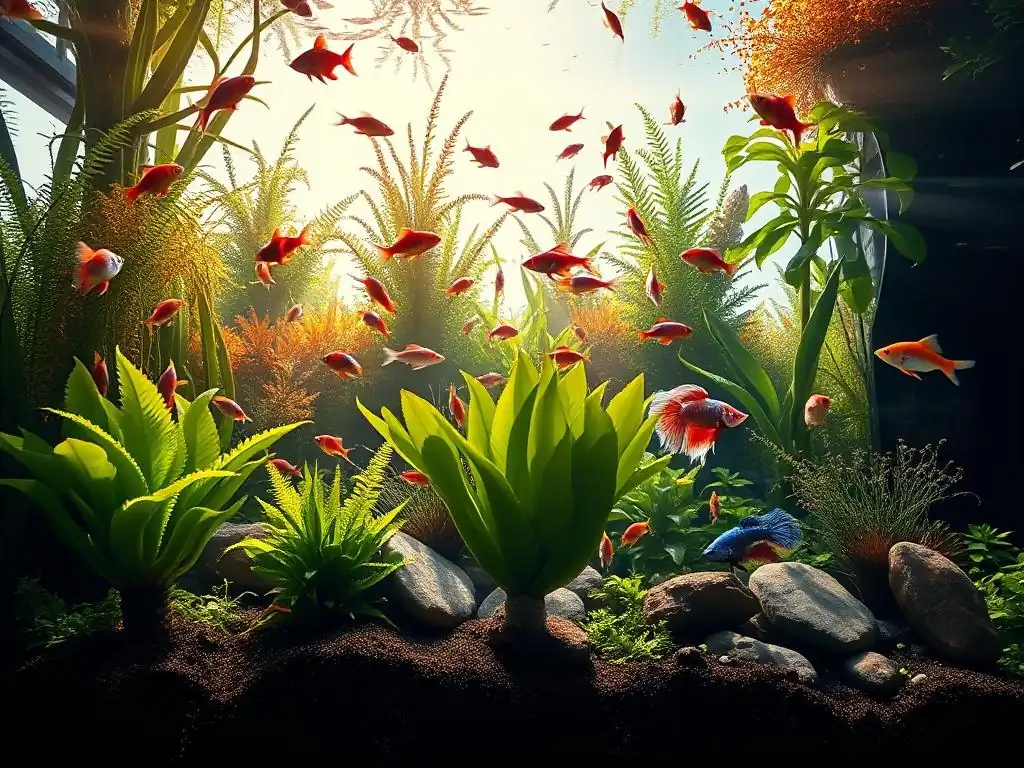
Ever wondered how to add a touch of bustling charm and tireless efficiency to your freshwater aquarium? Dive in and discover the secrets to thriving Corydoras catfish care tips! These little scavengers are more than just bottom-feeders; they're fascinating creatures with unique needs and behaviors. Get ready to unlock the key to creating a harmonious community tank where your Corydoras will truly flourish. Intrigued? Let's explore!
- Corydoras Catfish: Peaceful Community Tank Inhabitants
- Understanding Corydoras Catfish: A Guide to Peaceful Community Aquariums
- Corydoras Catfish Care Tips for a Thriving Community
- Choosing Tank Mates for Corydoras Catfish
- Maintaining a Healthy Corydoras Community: Preventing and Treating Issues
- Breeding Corydoras: Challenges and Considerations
- Corydoras Species and Their Temperaments
- Troubleshooting Corydoras Behavior Issues
- Advanced Corydoras Catfish Care
- Frequently Asked Questions
- Final Reflection: Embracing Harmony Through Gentle Companions
- Ignite Your Aquarium's Serenity!
Corydoras Catfish: Peaceful Community Tank Inhabitants
Understanding Corydoras Catfish: A Guide to Peaceful Community Aquariums
Corydoras Catfish: Introduction to These Popular Bottom Dwellers
Corydoras catfish, often simply called "Cories," are among the most beloved and widely kept freshwater aquarium fish, celebrated for their peaceful demeanor and active bottom-dwelling habits. Originating from the diverse river systems of South America, these small, armored catfish belong to the family Callichthyidae. Their popularity stems from their relatively small size, typically ranging from 1 to 4 inches (2.5 to 10 cm) depending on the species, and their fascinating social behavior, making them an excellent choice for a variety of community aquariums.
These charming fish are easily recognized by their distinctive body armor, composed of overlapping bony plates rather than scales, and their sensitive barbels that extend from their mouths, which they use to forage for food in the substrate. There are over 160 described species of Corydoras, with many more awaiting scientific classification, offering aquarists a vast array of choices in terms of size, coloration, and pattern. Understanding their fundamental needs is key to successful Corydoras catfish care tips, ensuring they thrive in a home aquarium.
Corydoras for Community Tanks: Temperament and Behavior
The temperament of Corydoras catfish is overwhelmingly peaceful, making them ideal inhabitants for a community tank. They are non-aggressive towards other fish species and will generally ignore tank mates, focusing instead on their constant search for food along the bottom. This placid nature means they rarely cause stress to other fish, nor do they typically become targets of aggression themselves, provided their tank mates are also peaceful.
Corydoras are highly social fish and exhibit strong schooling behavior. It is crucial to keep them in groups of at least six individuals of the same species; however, a larger group of 10 or more will allow them to display their natural behaviors more fully, providing a more engaging spectacle for the observer.
When kept in insufficient numbers, Corydoras can become shy, stressed, and less active, often hiding more frequently. Observing a group of Cories bustling around the substrate, occasionally darting to the surface for a gulp of air (a natural behavior known as "surface breathing"), is one of the joys of proper Corydoras catfish care tips.
Corydoras Catfish Care Tips for a Thriving Community
Water Parameters for Corydoras Catfish: Maintaining a Healthy Environment
Maintaining stable and appropriate water parameters is paramount for the health and longevity of Corydoras catfish. These fish thrive in soft to moderately hard water with a neutral to slightly acidic pH. Ideal temperature ranges from 72°F to 78°F (22°C to 26°C), although some species, like Corydoras sterbai, prefer slightly warmer temperatures up to 82°F (28°C). The pH level should ideally be between 6.0 and 7.5, and water hardness (GH) should be kept between 2 and 15 dGH.
Crucially, Corydoras are highly sensitive to poor water quality, particularly elevated levels of ammonia, nitrite, and nitrate. Ammonia and nitrite should always be undetectable (0 ppm), and nitrates should be kept below 20 ppm through regular partial water changes. Because they are bottom dwellers, they are often the first fish to show signs of stress or illness when the substrate becomes fouled or water parameters fluctuate. Consistent monitoring of these parameters is one of the most fundamental Corydoras catfish care tips for preventing disease and ensuring a healthy environment.
Corydoras Diet and Feeding: Ensuring Proper Nutrition
Corydoras catfish are omnivorous scavengers, meaning their diet in the wild consists of small invertebrates, detritus, and plant matter found in the substrate. In the aquarium, it is essential to provide them with a varied and nutritious diet that sinks to the bottom, where they can access it. High-quality sinking pellets, wafers, and granules specifically formulated for bottom feeders should form the staple of their diet. Ensure these foods are small enough for their mouths.
Supplementing their dry food with live or frozen options is highly beneficial. Excellent choices include bloodworms, brine shrimp, daphnia, and tubifex worms, offered two to three times per week. These protein-rich foods not only provide essential nutrients but also encourage natural foraging behaviors. Feed Corydoras once or twice daily, offering only what they can consume within a few minutes to prevent excess food from fouling the water, which is a common pitfall in Corydoras catfish care tips. Observing their feeding behavior ensures they are getting enough food and not being outcompeted by faster, mid-water fish.
Tank Size and Setup for Corydoras: Creating the Perfect Habitat
The appropriate tank size for Corydoras depends on the species and the number of fish you plan to keep. For a small group of six standard-sized Corydoras species, such as Bronze or Panda Cories, a minimum 20-gallon long aquarium is recommended.
Smaller species, like Pygmy Corydoras ( Corydoras pygmaeus), can be housed in a 10-gallon tank for a group of six or more, but larger tanks are always preferable to provide more swimming space and maintain stable water conditions. The "long" dimension of the tank is more important than height, as it provides more floor space for their active foraging.
The substrate choice is perhaps one of the most critical Corydoras catfish care tips. Fine sand is by far the best option, as it protects their delicate barbels, which can be damaged by sharp or coarse gravel, leading to infections or erosion. Smooth, rounded gravel can be an alternative, but sand allows for natural sifting behavior.
Provide plenty of hiding spots and enrichment with smooth rocks, driftwood, and live plants. Plants like Java Fern, Anubias, and Amazon Swords are excellent choices, offering shade and security. Ensure gentle filtration, as strong currents can stress them, and maintain moderate lighting with some shaded areas.
Choosing Tank Mates for Corydoras Catfish
Compatible Fish Species for Corydoras: Building a Harmonious Community
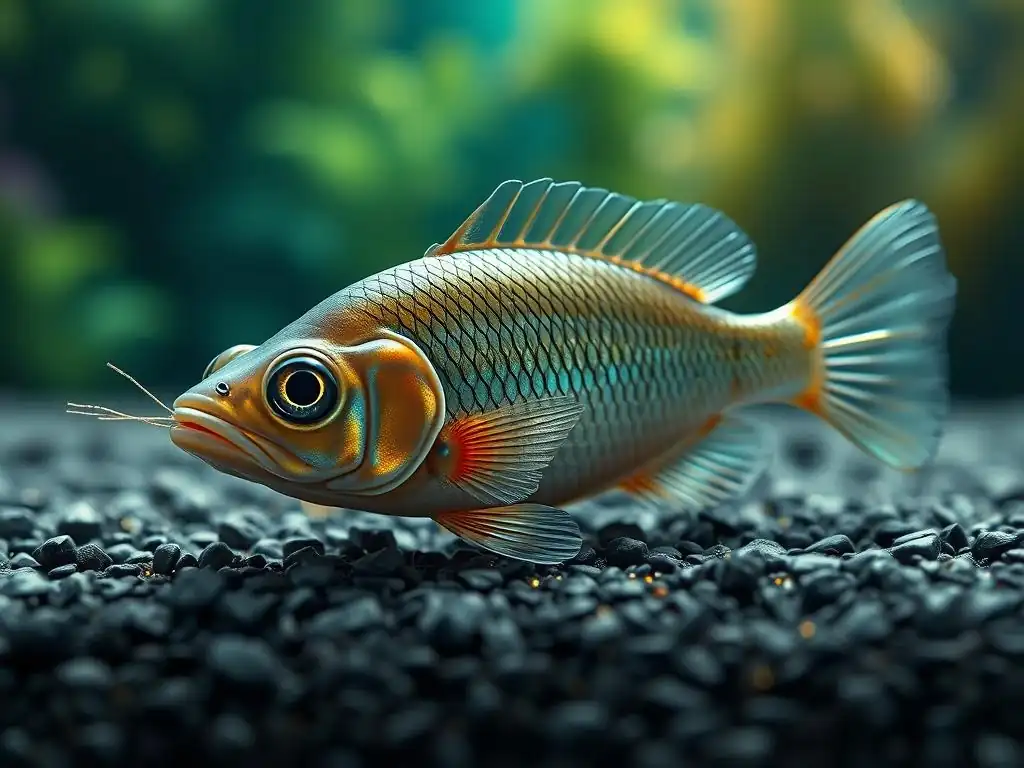
Selecting appropriate tank mates is crucial for the well-being of Corydoras catfish, given their peaceful nature. The best companions are other non-aggressive, similarly sized fish that prefer the mid to upper levels of the water column, avoiding competition for space and food at the bottom. Small to medium-sized tetras, such as Neon Tetras, Cardinal Tetras, Ember Tetras, and Rummy-nose Tetras, are excellent choices, often schooling beautifully above the Cories.
Other compatible species include various rasboras (e.g., Harlequin Rasboras, Chili Rasboras), peaceful dwarf gouramis (e.g., Honey Gouramis, Dwarf Gouramis), and many livebearers like Guppies, Mollies, and Platies, provided they are not excessively boisterous. Small, peaceful schooling fish like Endler's Livebearers also make great additions. When considering tank mates, ensure they share similar water parameter requirements and do not exhibit fin-nipping tendencies. Adhering to these Corydoras catfish care tips ensures a tranquil and thriving aquatic community.
Fish to Avoid with Corydoras: Preventing Aggression and Stress
While Corydoras are robust little fish, certain tank mates can cause them significant stress, injury, or even predation. Any large, aggressive, or predatory fish should be strictly avoided. This includes large cichlids such as Oscars, Jack Dempseys, or Green Terrors, which view small Corydoras as potential food. Even semi-aggressive fish like certain Barbs (e.g., Tiger Barbs, unless in very large schools in a spacious tank where their aggression is diffused) can be problematic due to their fin-nipping tendencies, which can damage the delicate fins of Corydoras.
Fish that are highly territorial or grow to a size where they might intimidate or harass smaller, slower-moving Corydoras should also be excluded. Examples include some species of larger gouramis or certain Loricariids (plecos) that might become territorial over prime foraging spots or caves. Preventing stress from incompatible tank mates is a vital component of comprehensive Corydoras catfish care tips. Always research potential tank mates thoroughly before introducing them to ensure they align with the peaceful nature of your Corydoras.
Invertebrate Tank Mates: Shrimp and Snails with Corydoras
Invertebrates such as shrimp and snails can make excellent and beneficial tank mates for Corydoras catfish, often contributing positively to the aquarium ecosystem. Peaceful shrimp species like Amano shrimp, Cherry shrimp, and Ghost shrimp are generally safe with adult Corydoras. While very small shrimp fry might occasionally become an opportunistic snack for larger Corydoras, adult shrimp are typically too fast and too large to be bothered. These shrimp can also help with algae control and consume leftover food particles.
Snails, including Nerite snails, Mystery snails, Ramshorn snails, and Trumpet snails, are also highly compatible. Corydoras show no aggression towards snails and will often ignore them, or occasionally nudge them as they forage. Snails, in turn, help keep the tank clean by consuming algae and detritus. Trumpet snails, in particular, can be beneficial by burrowing into the substrate, which helps to aerate it and prevent anaerobic pockets, complementing the Corydoras' own sifting behavior. Incorporating these invertebrates is a great way to enhance your Corydoras catfish care tips and create a more dynamic, self-sustaining environment.
Maintaining a Healthy Corydoras Community: Preventing and Treating Issues
Common Corydoras Diseases and Treatments: Identifying and Addressing Health Concerns
Despite their hardiness, Corydoras catfish can be susceptible to common freshwater aquarium diseases if water quality is poor or they are stressed. Ich (White Spot Disease) is one of the most prevalent, manifesting as small white spots resembling salt grains on the body and fins. Fin Rot, often caused by bacterial infections from poor water quality, appears as frayed or disintegrating fins. Columnaris, a bacterial infection sometimes mistaken for fungus, can cause cotton-like growths or lesions.
Early detection is key to successful treatment. For Ich, a gradual increase in water temperature (to 82-86°F / 28-30°C, if compatible with other tank mates) combined with an Ich-specific medication can be effective. Fin Rot and Columnaris often respond to broad-spectrum antibiotics or antibacterial treatments. It's crucial to address the underlying cause, usually poor water quality, through immediate partial water changes and thorough gravel vacuuming. Always follow medication instructions carefully and consider treating in a separate quarantine tank if possible. Proactive Corydoras catfish care tips focus on prevention through excellent husbandry.
Preventing Fin Nipping and Bullying: Maintaining Peace in the Tank
Preventing fin nipping and bullying is essential for the well-being of Corydoras, as stress can weaken their immune system and lead to disease. The primary method of prevention is careful tank mate selection, as discussed previously. Avoid known fin-nippers like certain barbs or aggressive cichlids. If you observe any fish nipping at the Corydoras' fins or body, remove the aggressor immediately.
Ensure your Corydoras are kept in appropriate group sizes (minimum six, ideally more) to allow them to school and feel secure. A larger group diffuses any potential aggression and reduces individual stress. Providing ample hiding spots, such as caves, driftwood, and dense plant cover, gives them safe havens to retreat to if they feel threatened. Finally, ensure the tank is sufficiently large for all inhabitants to have their own space, reducing territorial disputes. These proactive Corydoras catfish care tips foster a harmonious environment.
Water Quality and Corydoras Health: The Importance of Regular Maintenance
Excellent water quality is the cornerstone of robust Corydoras health and the most critical aspect of Corydoras catfish care tips. Regular partial water changes are non-negotiable. A weekly water change of 25-30% is generally recommended, but the frequency and volume may need to be adjusted based on tank size, filtration, and bioload. Always use a good quality water conditioner to neutralize chlorine and chloramines in tap water.
Regularly test your water parameters for ammonia, nitrite, and nitrate using a reliable liquid test kit. Ammonia and nitrite should consistently read 0 ppm. Nitrate levels should be kept below 20 ppm; higher levels indicate a need for more frequent or larger water changes. A mature nitrogen cycle is vital for processing waste. Gentle but thorough gravel vacuuming during water changes helps remove accumulated detritus and uneaten food from the substrate, which can otherwise decompose and negatively impact water quality, directly affecting these sensitive bottom dwellers.
Breeding Corydoras: Challenges and Considerations
Setting Up a Separate Breeding Tank for Corydoras: Maximizing Success
While Corydoras can sometimes spawn in a community tank, setting up a dedicated breeding tank significantly increases the chances of successful egg hatching and fry survival. A 5 to 10-gallon tank is usually sufficient for a small breeding group (e.g., 2 males to 1 female, or a larger group of 6-8 individuals). The breeding tank should be bare-bottomed or have a very thin layer of fine sand to make egg collection easier.
Include spawning mops, Java Moss, or broad-leafed plants (e.g., Anubias) where the Corydoras can deposit their adhesive eggs. Filtration should be gentle, such as a sponge filter, to prevent fry from being sucked in. Conditioning the breeding group with high-protein foods like live bloodworms or brine shrimp for several weeks can trigger spawning. A common method to induce spawning is a large (50% or more) cool water change (5-10°F cooler than tank water) combined with a slight drop in pH, mimicking natural rainy season triggers. These specific Corydoras catfish care tips are crucial for breeding success.
Corydoras Fry Care: Raising Healthy Baby Corydoras
Once Corydoras have spawned, it is advisable to remove the adult fish from the breeding tank to prevent them from eating the eggs or fry. The eggs, typically clear or amber, will hatch in approximately 3-5 days, depending on temperature. Newly hatched fry are tiny and absorb their yolk sac for the first 2-3 days, after which they become free-swimming and begin actively searching for food.
Initial foods for Corydoras fry should be extremely small. Infusoria, liquid fry food, or finely crushed high-quality flake food are suitable for the first few days. As they grow, transition them to newly hatched brine shrimp, micro-worms, or finely powdered sinking pellets. Fry are highly sensitive to water quality, so very small, frequent water changes (e.g., 10-15% daily or every other day) are essential to maintain pristine conditions. Avoid strong currents. Raising healthy fry requires dedication and attention to detail, making it one of the more advanced Corydoras catfish care tips.
Corydoras Species and Their Temperaments
Popular Corydoras Varieties: Bronze, Panda, and Sterbai
Among the vast array of Corydoras species, a few varieties stand out for their popularity and availability, each with unique characteristics that appeal to aquarists.
- Bronze Corydoras (Corydoras aeneus): Perhaps the most common and hardy species, Bronze Cories typically grow to about 2.5 inches (6 cm). They are highly adaptable to a range of water conditions and are known for their active, outgoing personalities. Their iridescent bronze-green bodies shimmer under good lighting, making them a vibrant addition to any community tank. They are excellent for beginners seeking reliable Corydoras catfish care tips.
- Panda Corydoras (Corydoras panda): Named for their distinctive black patches around their eyes and at the base of their caudal fin, resembling a panda bear, these Cories are slightly smaller, reaching about 2 inches (5 cm). They are active and playful but can be a bit more sensitive to water quality fluctuations than Bronze Cories. Their charming appearance makes them a favorite among enthusiasts.
- Sterbai Corydoras (Corydoras sterbai): Highly prized for their striking orange pectoral fins and speckled black and white bodies, Sterbai Cories grow to about 2.5 inches (6 cm). They are unique in that they prefer slightly warmer water, up to 82°F (28°C), making them ideal tank mates for Discus fish. They are very active and bold, often seen foraging openly. Their specific temperature preference is a key consideration for Corydoras catfish care tips when choosing this species.
Comparing Corydoras Species Temperaments: Subtle Differences
While the overarching temperament of all Corydoras species is peaceful, there are subtle differences in their behavior and activity levels that can influence their suitability for specific setups. Generally, larger species like the Emerald Green Cory ( Brochis splendens, though technically not a Corydoras but often grouped with them) or the Bandit Cory ( Corydoras metae) tend to be bolder and more outgoing, often foraging in the open more readily.
In contrast, smaller species, such as the Pygmy Corydoras ( Corydoras pygmaeus) or the Salt and Pepper Corydoras ( Corydoras habrosus), can be shyer and benefit from denser planting and more hiding spots. They might also be more prone to stress if kept with overly boisterous tank mates. Regardless of the species, the core Corydoras catfish care tips remain consistent: they all thrive in groups, require pristine water, and appreciate a soft, safe substrate. Understanding these nuances helps aquarists select the best Corydoras for their specific community tank.
Troubleshooting Corydoras Behavior Issues
Corydoras Hiding: Understanding and Addressing Shy Behavior
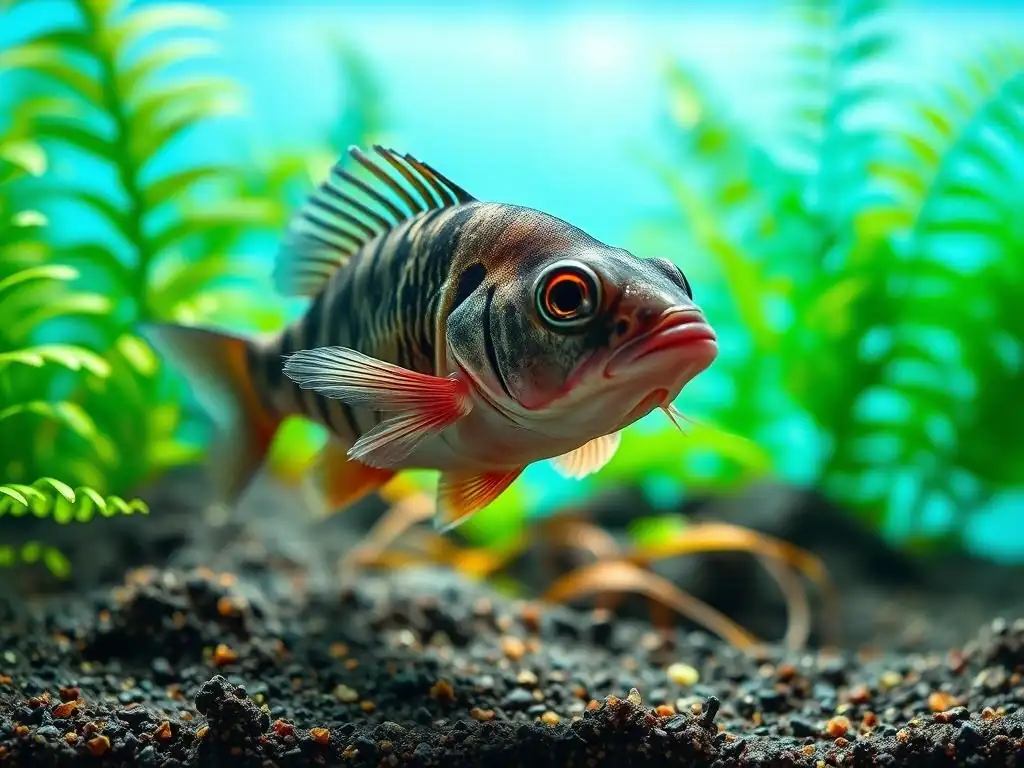
When Corydoras catfish exhibit excessive hiding behavior, it's a clear signal that something in their environment is causing stress or discomfort. Common reasons for shyness include insufficient schooling numbers – if kept alone or in groups smaller than six, they feel vulnerable and will often hide. Aggressive or overly boisterous tank mates can also intimidate them, forcing them into constant seclusion. A lack of adequate hiding spots (caves, driftwood, dense plants) can also contribute, as they need safe havens to retreat to.
Poor water quality, particularly elevated ammonia or nitrite, can also make Corydoras lethargic and shy. Addressing this involves immediate water testing and partial water changes. Solutions include increasing the group size to at least six, removing aggressive tank mates, adding more physical decor to provide cover, and ensuring consistent water quality. Observing their natural behaviors, such as active foraging and social interaction, is part of effective Corydoras catfish care tips.
Corydoras Darting and Erratic Swimming: Identifying Potential Problems
Erratic swimming, darting rapidly around the tank, or constantly gulping air at the surface more than occasionally, are strong indicators of significant stress or poor water conditions in Corydoras catfish. The most common culprit is poor water quality, specifically high levels of ammonia, nitrite, or very high nitrates. These toxins can cause gill irritation and difficulty breathing, leading to frantic behavior as they try to escape the polluted water or gasp for oxygen.
Other potential issues include a sudden drop in oxygen levels (e.g., due to high temperatures or insufficient aeration), or the presence of harmful chemicals in the water. In rare cases, darting can also be a symptom of certain diseases affecting their nervous system. Immediate action is required: perform a significant partial water change (30-50%), test all water parameters, and increase aeration. This behavior is a serious warning sign that demands immediate attention within your Corydoras catfish care tips.
Corydoras Not Eating: Investigating Loss of Appetite
A loss of appetite in Corydoras is a concerning symptom that warrants immediate investigation. One of the most frequent reasons is poor water quality, as high levels of toxins can suppress their appetite and cause general malaise. Check ammonia, nitrite, and nitrate levels promptly. Another common cause is competition from other tank mates; faster, more aggressive fish may consume all the food before it reaches the bottom for the Corydoras to forage.
Disease can also lead to a refusal to eat. Observe the fish closely for any other symptoms like lethargy, clamped fins, spots, or lesions. Incorrect food type or size can also be a factor; ensure you are offering sinking foods that are small enough for their mouths. To address this, first, correct any water quality issues. Then, try feeding different types of high-quality sinking foods, possibly at night or in multiple small feedings to ensure the Corydoras get their share. Promptly addressing loss of appetite is a critical element of comprehensive Corydoras catfish care tips.
Advanced Corydoras Catfish Care
Optimizing Water Chemistry for Corydoras Breeding and Health
Beyond simply maintaining stable parameters, optimizing water chemistry can significantly enhance Corydoras health, vitality, and breeding success, particularly for more sensitive species. While a pH of 6.0-7.5 and GH of 2-15 dGH are general guidelines, fine-tuning these can yield better results. For instance, some species, particularly those from blackwater environments, may thrive and breed more readily in slightly acidic water (pH 6.0-6.5) with very low hardness (GH 2-5 dGH).
Achieving such precise parameters often involves using reverse osmosis (RO) water, which is then remineralized with specific salts designed for freshwater aquariums (e.g., RO remineralizers containing calcium, magnesium, and trace elements) to achieve the desired GH and KH. This level of control helps mimic their natural habitat more closely, reducing stress and potentially triggering natural breeding cycles. Understanding the nuances of water chemistry is a hallmark of advanced Corydoras catfish care tips.
Creating a Biotope Aquarium for Corydoras: Mimicking Their Natural Habitat
Creating a biotope aquarium for Corydoras involves designing the tank to closely replicate their natural South American riverbed habitats. This approach not only provides an aesthetically pleasing setup but also significantly reduces stress and encourages natural behaviors. The substrate should be fine, soft sand, mimicking the silty or sandy bottoms of their native rivers.
Decor should include smooth river stones, driftwood (such as Malaysian or Manzanita wood), and leaf litter (e.g., dried Indian almond leaves, oak leaves). The leaf litter will gradually break down, releasing tannins that tint the water a natural tea color and provide beneficial humic substances, replicating blackwater conditions found in many Corydoras habitats. Lighting should be subdued, often filtered by floating plants like Amazon Frogbit or Dwarf Water Lettuce. Water flow should be gentle, simulating slow-moving streams. A biotope setup promotes natural foraging, hiding, and even breeding, offering the ultimate expression of Corydoras catfish care tips.
Substrate for Corydoras Welfare: Choosing the Right Material
The choice of substrate is paramount for the long-term welfare of Corydoras catfish, directly impacting their health and ability to feed naturally. The ideal substrate is fine sand, such as pool filter sand, play sand (rinsed thoroughly), or specialized aquarium sand. The reason for this preference lies in their unique foraging method: Corydoras use their sensitive barbels to constantly sift through the substrate in search of food particles.
Coarse or sharp gravel can cause severe damage to these delicate barbels. When barbels are abraded or cut, they become highly susceptible to bacterial infections, leading to a condition known as "barbel erosion" or "mouth rot." This can be debilitating, preventing them from feeding properly and ultimately leading to starvation or systemic infection. Even smooth, small gravel is not ideal, as it traps more detritus than sand, which can lead to poor water quality at the substrate level. Prioritizing fine sand is one of the most fundamental and impactful Corydoras catfish care tips for ensuring their health and longevity.
Frequently Asked Questions
How often should I feed my Corydoras catfish?
Corydoras catfish are primarily bottom feeders, so feed them sinking pellets or wafers once or twice a day. Ensure they get enough food without overfeeding the tank, causing water quality issues.
What tank size is appropriate for a group of Corydoras?
A minimum of a 20-gallon tank is recommended for a small group (6+) of Corydoras. They are social creatures and thrive in groups, so providing enough space is crucial for their well-being.
What are the ideal water parameters for Corydoras catfish?
Corydoras prefer slightly acidic to neutral water with a pH of 6.0-7.5 and a temperature between 72-78°F (22-26°C). Maintaining stable water parameters is important for their health and preventing disease.
What type of substrate is best for Corydoras catfish?
A smooth, sandy substrate is ideal for Corydoras. This allows them to forage for food without damaging their delicate barbels, which they use to find food.
What are some compatible tank mates for Corydoras?
Corydoras are peaceful and do well with other peaceful community fish like Tetras, Rasboras, and Guppies. Avoid aggressive or fin-nipping species that could stress or injure the Corydoras.
Final Reflection: Embracing Harmony Through Gentle Companions
The journey through understanding Corydoras catfish care tips reveals more than just aquarium maintenance; it unveils the profound impact of peaceful coexistence within a confined ecosystem. The insights shared throughout this article highlight the delicate balance required to foster a thriving community tank, mirroring the importance of harmony in our own lives and communities.
The gentle nature of Corydoras serves as a constant reminder of the power of tranquility and cooperation. Observing their peaceful interactions underscores the value of empathy and understanding in our own relationships. Peace is not merely the absence of war, but the presence of justice, of law, of order – in short, of government.
- Albert Einstein. This quote resonates deeply when considering the carefully constructed environment we create for these creatures, a microcosm reflecting our own aspirations for a more harmonious world.
As you consider these Corydoras catfish care tips, I invite you to reflect on the principles of peaceful coexistence they embody. How can you cultivate a more harmonious environment in your own life, fostering understanding and cooperation in your interactions? Let the gentle nature of these captivating creatures inspire you to embrace empathy and create a more peaceful world, one interaction at a time.
Ignite Your Aquarium's Serenity!
Thanks for diving into the world of Corydoras! We hope this article gave you valuable insights into creating a harmonious community tank with these peaceful bottom-dwellers. Ready to bring more tranquility to your aquarium?
Here's how you can take the next step:
- Introduce a school of at least six Corydoras to your tank and watch their natural behaviors unfold. It is better to buy more than 6 because the fish will be more secure and exhibit more natural behaviours.
- Share your Corydoras tank setup with fellow aquarium enthusiasts on social media. Use the hashtag #AquariumMastery to connect with our community!
- Experiment with different types of substrate to see which your Corydoras prefer – fine sand or smooth gravel could make all the difference in their happiness!
What subtle changes will you make to your tank to better suit your Corydoras’ needs and create an even more peaceful underwater environment?