
Powder Blue Dwarf Gourami: A Guide to Its Unique Charm and Care

Welcome to Aquarium Mastery!
Ever been captivated by the shimmering, powder-blue hues of a truly stunning freshwater fish? Dive in and discover the secrets to successfully keeping the Powder Blue Dwarf Gourami. This guide unlocks everything you need to know about their unique charm and specific care requirements. Ready to bring this aquatic jewel into your home aquarium? Let's explore the world of Powder blue gourami care and ensure your fish thrives!
- Understanding the Powder Blue Dwarf Gourami
- Care: Creating the Ideal Aquarium Environment
- Tank Mates: Choosing Compatible Companions
- Behavior and Temperament
- Breeding: A Detailed Guide
- Common Health Issues and How to Treat Them
- Where to Buy Powder Blue Dwarf Gouramis
- A Recap of Essential Care Tips
-
Frequently Asked Questions
- How big do Powder Blue Dwarf Gourami typically get?
- What are the ideal water parameters for a Powder Blue Dwarf Gourami?
- What type of food should I feed my Powder Blue Dwarf Gourami?
- Are Powder Blue Dwarf Gourami compatible with other fish?
- What are some common health issues that affect Powder Blue Dwarf Gourami?
- Final Reflection: Appreciating the Delicate Beauty of Aquatic Life
- Rediscover the Joy of Aquarium Keeping!
Understanding the Powder Blue Dwarf Gourami
An Introduction to Trichogaster lalius
The Powder Blue Dwarf Gourami, scientifically known as Trichogaster lalius (formerly Colisa lalia), is a captivating freshwater fish originating from the slow-moving waters of South Asia, specifically India, Bangladesh, and Pakistan. Belonging to the Anabantidae family, also known as labyrinth fish, these gouramis possess a unique labyrinth organ that allows them to breathe atmospheric oxygen directly from the surface, an adaptation crucial for survival in their often oxygen-depleted natural habitats.
This species has become a staple in the aquarium hobby due to its stunning coloration and relatively peaceful demeanor, making it a popular choice for aquarists seeking vibrant additions to their community tanks.
Their popularity stems not only from their striking appearance but also from their manageable size and interesting behaviors. Unlike some larger gourami species, the Powder Blue Dwarf Gourami remains compact, making it suitable for smaller to medium-sized aquariums. Their ability to adapt to varying water conditions, thanks to their labyrinth organ, further contributes to their appeal, though consistent and clean water parameters are still paramount for optimal Powder blue gourami care. These fish add a dynamic element to any tank, often seen exploring all levels of the water column, from the substrate to the surface.
Identifying Characteristics and Appearance
The Powder Blue Dwarf Gourami is renowned for its breathtaking coloration, particularly in males. Adult males display an iridescent, powder-blue body adorned with striking vertical red or orange stripes that extend from head to tail. Their fins, especially the dorsal and anal fins, are typically edged with vibrant orange or red, further enhancing their visual appeal.
The overall body shape is somewhat compressed laterally, with a high back and a pointed snout, giving them a sleek and elegant profile. The pelvic fins are modified into thin, whisker-like feelers, which they use to explore their surroundings and interact with other fish.
In contrast, female Powder Blue Dwarf Gouramis are significantly less colorful, exhibiting a more subdued silvery-grey or dull blue hue, often with faint, if any, stripes. Their fins are also less elongated and pointed than those of the males, and their bodies tend to be plumper, especially when gravid.
This sexual dimorphism makes it relatively easy to distinguish between the sexes, which is beneficial for aquarists interested in breeding or managing social dynamics within the tank. The vibrant male coloration is a key reason why many hobbyists seek out this specific variant for their tanks, making careful observation of their appearance a crucial aspect of overall Powder blue gourami care.
Size and Lifespan
Adult Powder Blue Dwarf Gouramis typically reach a modest size of about 2 to 2.5 inches (approximately 5 to 6.5 cm) in length. Their compact size makes them an excellent choice for smaller aquariums, such as 10-gallon tanks for a single specimen, or 20-gallon long tanks for a pair or small group. Despite their small stature, they have a noticeable presence in the aquarium due to their brilliant colors and engaging swimming patterns. This manageable size also means they contribute less to the bioload compared to larger fish, simplifying the long-term Powder blue gourami care requirements.
With proper care and a stable, well-maintained environment, Powder Blue Dwarf Gouramis can live for an average of 3 to 4 years. Some individuals, under exceptional conditions, have been known to live up to 5 years. Factors significantly influencing their lifespan include consistent water quality, a balanced and nutritious diet, appropriate tank mates, and the absence of stress or disease. Providing an optimal habitat that mimics their natural environment, complete with plenty of hiding spots and stable water parameters, is crucial for maximizing their longevity and ensuring the best possible Powder blue gourami care.
Care: Creating the Ideal Aquarium Environment
Setting Up the Perfect Tank
Tank Size Recommendations
For a single Powder Blue Dwarf Gourami, a minimum tank size of 10 gallons (approximately 38 liters) is recommended. While they are small, these fish appreciate space to swim and establish a small territory. A 10-gallon tank provides sufficient room for a single gourami to thrive without feeling overly confined, allowing for proper filtration and stable water parameters essential for their well-being. Ensuring adequate swimming space is a fundamental aspect of their successful Powder blue gourami care.
If you plan to keep a pair (one male and one female) or a small group with multiple females and a single male, a 20-gallon long (approximately 75 liters) or larger tank is advisable. The "long" dimension is important as it provides more horizontal swimming space and allows for the creation of distinct territories, which helps mitigate potential aggression between males if more than one is housed.
For a community setup, a 20-gallon long tank also offers enough room to incorporate compatible tank mates without overcrowding, which is vital for reducing stress and maintaining a peaceful environment for all inhabitants.
Essential Aquarium Equipment
Setting up the ideal environment for Powder Blue Dwarf Gouramis requires specific equipment to maintain water quality and provide comfort. A reliable heater is crucial to maintain a stable temperature between 72-82°F (22-28°C); for a 10-gallon tank, a 50-watt heater is typically sufficient. Filtration is also vital, but given their preference for slow-moving water, a gentle filter such as a sponge filter or a baffled hang-on-back (HOB) filter is preferred over powerful internal or canister filters that create strong currents. A thermometer is indispensable for monitoring the water temperature regularly.
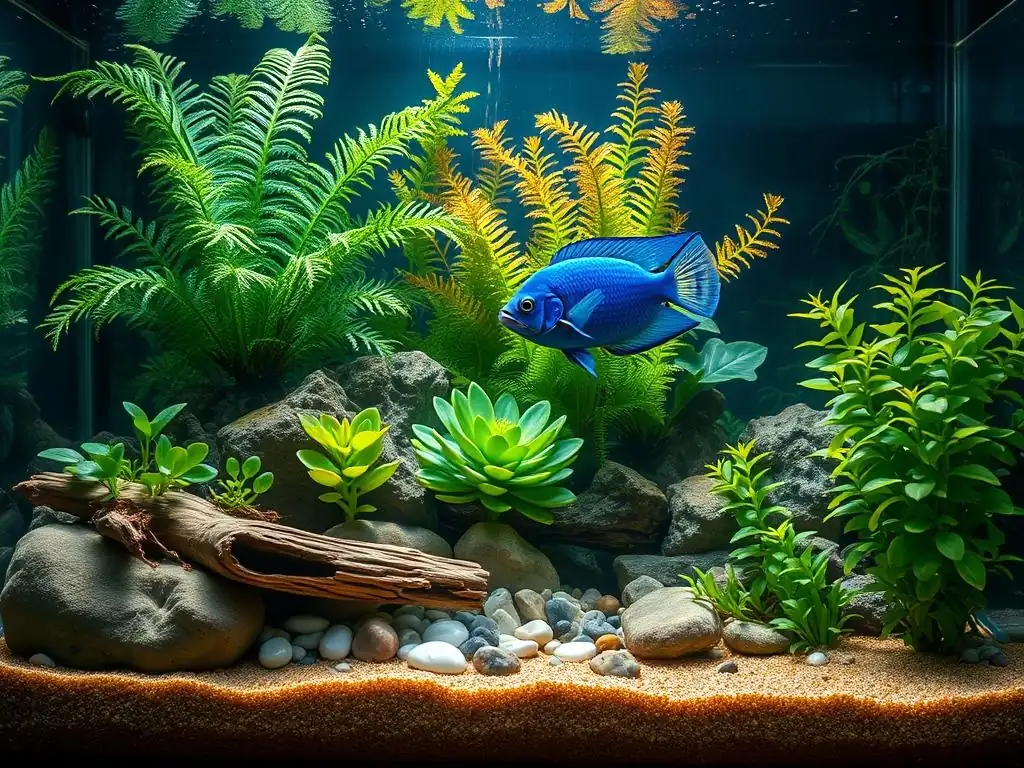
Beyond essential equipment, the physical layout of the tank plays a significant role in their comfort and well-being. A dark substrate, such as fine gravel or sand, can help bring out their vibrant colors. Dense planting, particularly with live plants like Java Fern, Anubias, and various stem plants, provides ample hiding spots and visual barriers, which are crucial for reducing stress and defining territories.
Floating plants like Amazon Frogbit or Dwarf Water Lettuce are also highly beneficial as they diffuse lighting and provide cover, mimicking their natural habitat and encouraging bubble nest building if breeding is desired. Incorporating driftwood or small caves further enhances the natural feel and offers additional retreats, contributing significantly to effective Powder blue gourami care.
Water Parameters
Maintaining Ideal Water Chemistry: pH, Temperature, and Hardness
Maintaining stable and appropriate water parameters is paramount for the health and vibrancy of Powder Blue Dwarf Gouramis. They thrive in slightly acidic to neutral water with a pH range of 6.0 to 7.5. Consistency within this range is more important than hitting an exact number, as sudden fluctuations can cause significant stress. The ideal temperature range for these tropical fish is between 72-82°F (22-28°C), making a reliable heater and thermometer essential for consistent temperature control.
In terms of hardness, Powder Blue Dwarf Gouramis prefer soft to moderately hard water, typically with a General Hardness (GH) between 5-15 dGH (89-268 ppm). While they are somewhat adaptable, extreme hardness or softness can lead to health issues over time. Regular testing of pH, temperature, and GH using a reliable aquarium test kit is crucial to monitor these parameters. Unstable water chemistry can lead to weakened immune systems, making fish more susceptible to diseases like Ich or bacterial infections, underscoring the importance of diligent water parameter management in Powder blue gourami care.
The Importance of Regular Water Changes
Regular water changes are one of the most critical aspects of maintaining a healthy aquarium environment for Powder Blue Dwarf Gouramis. A weekly water change of 25% of the tank's volume is generally recommended for most established tanks. This practice effectively removes accumulated nitrates, phosphates, and other dissolved organic compounds that can become toxic over time, even with efficient filtration. For instance, in a 10-gallon tank, a 2.5-gallon water change weekly would significantly contribute to maintaining pristine conditions.
When performing water changes, always use a reliable dechlorinator to neutralize chlorine and chloramines present in tap water, as these chemicals are highly toxic to fish. Matching the temperature of the new water to the tank water as closely as possible is also important to prevent temperature shock. Consistent water changes not only keep harmful substances at bay but also replenish essential trace minerals, contributing to the overall vitality and long-term well-being of your gouramis. This routine is foundational to effective Powder blue gourami care, directly impacting their health and lifespan.
Diet and Feeding
A Balanced Diet
Powder Blue Dwarf Gouramis are omnivores and require a varied and balanced diet to maintain their vibrant colors and overall health. Their staple diet should consist of high-quality flake or small pellet foods specifically formulated for tropical fish. Look for brands that list fish meal, spirulina, and other plant-based ingredients high on the list, as these provide essential proteins and vitamins. For example, a quality flake food like Hikari Tropical Micro Pellets or TetraMin Flakes can form the base of their diet.
To supplement their staple diet and provide crucial nutrients, offer a variety of live or frozen foods several times a week. Excellent choices include brine shrimp, bloodworms, daphnia, and mosquito larvae. These protein-rich foods not only provide necessary nutrients but also stimulate their natural hunting instincts. For instance, feeding frozen bloodworms twice a week can significantly enhance their coloration and promote breeding readiness. Additionally, occasional offerings of blanched vegetables like spirulina flakes or finely chopped zucchini can provide beneficial plant matter, ensuring a comprehensive diet that supports optimal Powder blue gourami care.
Feeding Frequency and Quantity
Powder Blue Dwarf Gouramis should be fed once or twice daily. The key is to provide small amounts of food that they can consume entirely within 2 to 3 minutes. Overfeeding is a common mistake in aquarium keeping and can lead to several problems, including poor water quality due to uneaten food decaying, and health issues for the fish, such as bloating and fatty liver disease. For example, a pinch of flake food that disperses quickly for a single gourami is often sufficient for one feeding.
It is always better to underfeed slightly than to overfeed. Observe your fish during feeding to gauge their appetite and adjust the quantity accordingly. If there is food left on the substrate after a few minutes, you are likely feeding too much. Establishing a consistent feeding schedule and adhering to the "small amounts, quickly consumed" rule will contribute significantly to maintaining excellent water quality and promoting the long-term health of your gouramis, which is a cornerstone of effective Powder blue gourami care.
Tank Mates: Choosing Compatible Companions
Best Tank Mates
Choosing appropriate tank mates is crucial for the peaceful coexistence and well-being of Powder Blue Dwarf Gouramis. They are generally peaceful fish, but males can be territorial, especially towards other male gouramis or similarly shaped fish. The best tank mates are small, peaceful community fish that occupy different levels of the water column and do not nip fins. Good examples include a school of 6-8 Neon Tetras ( Paracheirodon innesi), which typically inhabit the middle to lower levels, or a group of 4-5 Corydoras catfish ( Corydoras aeneus or Panda Corydoras), which are bottom dwellers.
Other suitable companions include various species of Rasboras, such as Harlequin Rasboras ( Trigonostigma heteromorpha), which are known for their calm temperament and schooling behavior. Otocinclus catfish ( Otocinclus affinis) are also excellent choices as they are small, peaceful algae eaters that will not bother your gouramis. These fish share similar water parameter requirements, which simplifies overall Powder blue gourami care in a community setup. Always ensure the tank is adequately sized to accommodate all inhabitants without overcrowding, providing ample space for each species to thrive.
Fish to Avoid
When selecting tank mates for Powder Blue Dwarf Gouramis, certain fish species should be avoided due to their aggressive nature, fin-nipping tendencies, or size that could intimidate or harm the gouramis. Aggressive fish such as larger cichlids (e.g., Convict Cichlids) or even some semi-aggressive barbs like Tiger Barbs ( Puntius tetrazona) are unsuitable as they may harass, injure, or stress the gouramis, leading to health decline. Tiger Barbs, in particular, are notorious fin nippers and can damage the gourami's delicate feelers and fins.
Furthermore, it is generally advisable to avoid housing multiple male Powder Blue Dwarf Gouramis in tanks smaller than 20-30 gallons, as they can become highly territorial and aggressive towards each other, often leading to severe injury or death. Other labyrinth fish, like Bettas ( Betta splendens), should also be avoided as tank mates, as they share similar territorial instincts and respiratory needs, leading to potential conflict over surface access and territory. Large, boisterous fish that create excessive water movement can also stress the gouramis, impacting their long-term Powder blue gourami care.
Creating a Peaceful Community Aquarium
To foster a peaceful community aquarium with Powder Blue Dwarf Gouramis, strategic tank setup and careful observation are essential. Providing ample hiding spots and visual barriers is key to reducing aggression and stress. Densely planted areas, driftwood, and small caves allow gouramis to retreat when feeling threatened or to establish their territories without constant conflict. For instance, arranging tall plants like Vallisneria or Amazon Swords along the back and sides of the tank can create natural partitions.
Beyond physical setup, it's important to monitor the behavior of all tank inhabitants closely, especially during the first few days after introducing new fish. Observe for signs of aggression, chasing, or bullying. If persistent aggression is observed, it may be necessary to re-evaluate tank mates or adjust the tank layout. Ensuring the tank is not overstocked is also critical, as overcrowding exacerbates stress and aggression. A well-designed and monitored community tank will allow your Powder Blue Dwarf Gouramis to display their natural behaviors and thrive, making their Powder blue gourami care more rewarding.
Behavior and Temperament
Powder Blue Dwarf Gouramis are generally peaceful and somewhat shy fish, particularly when first introduced to a new environment. They are known for their graceful swimming and often explore all levels of the aquarium, though they tend to spend significant time in the middle to upper water column, occasionally darting to the surface to gulp air. While they are often sold as solitary fish or in male-female pairs, males can exhibit territorial behavior, especially towards other males or fish with similar body shapes and vibrant colors.
Their social interactions within a community tank are typically calm, as long as tank mates are non-aggressive. They rarely bother other fish, preferring to keep to themselves or interact subtly with their own kind. When housed in pairs, a male and female will often swim together, displaying a gentle courtship.
However, if multiple males are kept in a tank that is too small (e.g., less than 20-30 gallons), or lacks sufficient hiding spots, one male may become dominant and relentlessly harass the others, leading to stress and potential injury. Understanding these nuances is vital for effective Powder blue gourami care and maintaining a harmonious tank.
Recognizing Signs of Stress or Illness
Early recognition of stress or illness in Powder Blue Dwarf Gouramis is crucial for prompt intervention and successful treatment. Healthy gouramis exhibit vibrant coloration, active swimming, clear eyes, and a good appetite. Signs of stress often manifest as a dulling of their typically brilliant colors, clamped fins (fins held close to the body), lethargy, or hiding excessively. For example, a male that usually displays vibrant blue and red stripes might appear pale or washed out if under stress from poor water quality or aggressive tank mates.
Further signs of illness can include labored breathing (rapid gill movement), white spots on the body or fins (Ich), cotton-like growths (fungal infections), frayed fins (fin rot), or visible lesions. A loss of appetite, erratic swimming, or rubbing against tank decorations are also red flags. Observing these behavioral and physical changes quickly allows aquarists to investigate the cause—whether it's water quality issues, incompatible tank mates, or the onset of disease—and take corrective action. Proactive monitoring is a cornerstone of responsible Powder blue gourami care, helping to prevent minor issues from escalating into serious health crises.
Preventing Aggression
Preventing aggression, particularly among male Powder Blue Dwarf Gouramis, is a key aspect of their successful care. The most effective strategy is to avoid housing multiple males in smaller tanks. For tanks under 20-30 gallons, it is generally best to keep only one male Powder Blue Dwarf Gourami. If you desire more than one, a significantly larger tank (e.g., 40 gallons or more) with ample line-of-sight breaks and numerous hiding spots is essential to allow each male to establish its own territory without constant conflict.
Another crucial preventive measure is providing a well-structured aquarium environment. Dense planting, particularly with tall plants and floating plants, creates visual barriers and retreats, which helps diffuse aggression by allowing submissive fish to escape dominant ones. For example, using a mix of stem plants, broad-leaf plants, and driftwood can create a complex landscape that reduces direct confrontations.
Ensuring the tank is not overstocked and that all tank mates are peaceful and compatible also significantly minimizes stress, which can often be a precursor to aggressive behavior. Thoughtful planning and consistent attention to these details are fundamental to effective Powder blue gourami care.
Breeding: A Detailed Guide
Setting Up a Breeding Tank
To successfully breed Powder Blue Dwarf Gouramis, setting up a dedicated breeding tank is highly recommended. A small aquarium, typically 5 to 10 gallons (19-38 liters), is sufficient. The water level should be kept relatively shallow, around 6-8 inches (15-20 cm), as this facilitates the male's bubble nest construction and makes it easier for the fry to reach the surface for air. The tank should be equipped with a gentle sponge filter to avoid strong currents that could disrupt the bubble nest or harm delicate fry.
A reliable heater is essential to maintain a stable temperature of around 80°F (27°C), which encourages spawning. Decor should be minimal but strategic: include plenty of floating plants like Water Sprite, Frogbit, or even plastic leaves, as the male will typically build his bubble nest underneath these. Some aquarists also add a few pieces of driftwood or small PVC pipes for the female to hide in after spawning, as the male can become aggressive. Ensuring these elements are in place is critical for successful Powder blue gourami care during the breeding process.
Identifying Male and Female
Distinguishing between male and female Powder Blue Dwarf Gouramis is relatively straightforward, especially when they are mature. The male is significantly more vibrant and colorful, displaying intense iridescent blues with prominent red or orange vertical stripes across his body. His dorsal fin is typically longer and more pointed, extending almost to the caudal fin, and his anal fin is also more elongated and pointed. These striking features are part of their appeal and a clear indicator for breeding pairs.
In contrast, the female Powder Blue Dwarf Gourami is much duller in coloration, usually appearing silvery-grey or a muted blue, with very faint or absent stripes. Her dorsal fin is shorter and more rounded, and her body tends to be plumper, particularly when she is gravid (carrying eggs). Observing these distinct physical differences is crucial for selecting a breeding pair and ensures you have the correct sexes for successful propagation, an important step in advanced Powder blue gourami care.
The Breeding Process
The breeding process of Powder Blue Dwarf Gouramis is fascinating and typical of anabantoids. Once a male and female are conditioned and introduced to the breeding tank, the male will begin to construct a bubble nest, typically under floating plants or broad leaves, by blowing air bubbles coated with mucus. He will then display elaborate courtship rituals, flaring his fins and attempting to entice the female under his nest. If the female is receptive, she will join him.
Spawning occurs under the nest, with the male wrapping his body around the female, gently squeezing eggs from her. The eggs are lighter than water and float upwards into the bubble nest, where the male meticulously collects any stray eggs and places them within the nest. A single spawning session can yield between 300 to 600 eggs.
After spawning, the male becomes highly territorial and will aggressively guard the nest, chasing the female away. It is crucial to remove the female from the breeding tank at this point to prevent her from being harmed by the male, allowing him to care for the eggs and fry undisturbed.
Raising Fry: Feeding and Care
Powder Blue Dwarf Gourami eggs typically hatch within 24 to 48 hours at a temperature of 80°F (27°C). The newly hatched fry are tiny and will remain in the bubble nest, supported by the male, for another 3-5 days until they become free-swimming. During this period, the male diligently tends to the nest, retrieving any fry that fall out. Once the fry are free-swimming, the male should be removed from the breeding tank to prevent him from eating them.
For the first week, the fry are too small to eat conventional fry foods and require infusoria or a high-quality liquid fry food. You can cultivate infusoria by placing a piece of lettuce or banana peel in a jar of aquarium water a few days prior. After the first week, as they grow slightly, they can be transitioned to newly hatched brine shrimp or micro-worms, which are excellent sources of protein for rapid growth.
Small, daily water changes (e.g., 10-15%) are essential to maintain pristine water quality, as fry are extremely sensitive to nitrates. Providing consistent, high-quality food and clean water is paramount for successful Powder blue gourami care of the delicate fry.
Common Health Issues and How to Treat Them
Identifying and Treating Common Diseases
While generally hardy, Powder Blue Dwarf Gouramis can be susceptible to several common aquarium diseases. One significant concern specific to Dwarf Gouramis is Dwarf Gourami Iridovirus (DGIV), a highly contagious and often fatal viral disease. Symptoms of DGIV include lethargy, loss of appetite, internal swelling, skin lesions, and overall wasting. Unfortunately, there is currently no known cure for DGIV, and affected fish often need to be humanely euthanized to prevent spread.
Other common ailments include Ich ( Ichthyophthirius multifiliis), characterized by small white spots resembling salt grains on the body and fins. Ich is typically treated by gradually raising the water temperature to 82-86°F (28-30°C) over 24 hours (if compatible with tank mates) and using an Ich-specific medication containing malachite green or formalin. Fin Rot, a bacterial infection causing frayed or deteriorating fins, is treated with broad-spectrum antibiotics. Fungal infections, appearing as white, cotton-like growths, respond to antifungal medications. Early detection and prompt treatment are crucial for successful outcomes in Powder blue gourami care.
Preventing Illness Through Proper Aquarium Maintenance
Prevention is always the best approach when it comes to fish health. The cornerstone of preventing illness in Powder Blue Dwarf Gouramis is consistent and meticulous aquarium maintenance. This includes performing regular water changes (e.g., 25% weekly) to keep nitrate levels low and replenish essential minerals, as well as thoroughly cleaning the substrate and decorations to remove decaying organic matter. For instance, testing your water parameters weekly for ammonia, nitrite, and nitrate levels can help identify issues before they become critical.
Maintaining stable water parameters—specifically temperature, pH, and hardness within their ideal ranges—reduces stress, which is a major contributor to weakened immune systems. Providing a balanced and nutritious diet also bolsters their natural defenses. Furthermore, quarantining all new fish for 2-4 weeks in a separate tank before introducing them to the main aquarium is a critical preventive measure against introducing diseases. This allows you to observe new arrivals for any signs of illness and treat them without risking the health of your established gouramis, making it an indispensable part of Powder blue gourami care.
Treatment Options
When a Powder Blue Dwarf Gourami falls ill, various treatment options are available depending on the diagnosis. For external parasitic infections like Ich, over-the-counter medications such as Seachem Paraguard or API Super Ick Cure are effective, often combined with elevated temperatures. Bacterial infections, such as Fin Rot or Columnaris, typically require antibiotic treatments, available in various forms (e.g., API General Cure, Mardel Maracyn). It's crucial to follow the medication instructions precisely, including dosage and duration.
For fungal infections, antifungal medications containing ingredients like phenoxyethanol or malachite green are commonly used. In some cases of external parasites or bacterial issues, short-term salt baths (using aquarium salt, not table salt) can be beneficial as an auxiliary treatment. Always remove activated carbon from the filter during medication to ensure the treatment is not absorbed. If the diagnosis is unclear or the fish does not respond to initial treatment, consulting a knowledgeable aquarist or an aquatic veterinarian is advisable. Accurate diagnosis is key to effective treatment and successful Powder blue gourami care.
Where to Buy Powder Blue Dwarf Gouramis
Finding Reputable Retailers
When seeking to purchase Powder Blue Dwarf Gouramis, selecting a reputable retailer is paramount to acquiring healthy fish and ensuring a successful start to their Powder blue gourami care. Begin by visiting local fish stores (LFS). Look for establishments with clean, well-maintained tanks, active and alert fish, and knowledgeable staff who can answer your questions about the fish's origin, care requirements, and compatibility. Observe the overall health of the fish in their tanks; avoid stores with many sick or deceased fish, as this indicates poor husbandry practices.
For those without access to quality local stores, reputable online retailers can be an excellent option. When buying online, research the company's reputation through customer reviews and forums. Look for sellers who offer a live arrival guarantee and clear policies regarding shipping and handling. Ensure they prioritize the fish's welfare during transit, using proper insulation and oxygen. A good online retailer will also provide detailed information on the fish's origin and condition, helping you make an informed decision for optimal Powder blue gourami care.
Selecting Healthy Gouramis
Once you've found a reputable retailer, the next step is to carefully select individual Powder Blue Dwarf Gouramis that exhibit signs of good health. Observe the fish in the tank for several minutes before making a choice. Healthy gouramis should be active and alert, swimming freely and exhibiting their characteristic vibrant coloration. Their eyes should be clear and bright, not cloudy or sunken. Check their fins for any signs of tearing, fraying, or clamping, and ensure there are no white spots, fuzzy growths, or visible lesions on their bodies.
Avoid fish that are lethargic, hiding excessively, breathing rapidly, or appear emaciated. Also, be wary of tanks with a high number of sick or dead fish, as this could indicate a broader health issue within that batch. Ideally, choose a fish that is actively interacting with its surroundings and appears robust. A healthy appearance at the time of purchase is the first critical step in ensuring long-term well-being and successful Powder blue gourami care in your home aquarium.
A Recap of Essential Care Tips
Providing excellent Powder blue gourami care hinges on a few key principles that ensure their vibrant health and long lifespan. Firstly, never underestimate the importance of tank size and setup; a minimum of 10 gallons for a single fish, or 20 gallons long for a pair, with dense planting and ample hiding spots, creates a secure and stimulating environment. Secondly, maintaining stable and pristine water parameters—a pH of 6.0-7.5, temperature between 72-82°F, and soft to moderately hard water—through regular 25% weekly water changes is absolutely non-negotiable.
Finally, a diverse and high-quality diet, consisting of premium flakes or pellets supplemented with live or frozen foods, will enhance their coloration and boost their immune system. Careful selection of peaceful tank mates and vigilant observation for any signs of stress or illness are equally vital. By adhering to these fundamental aspects of Powder blue gourami care, you will be rewarded with a captivating and healthy addition to your freshwater aquarium, showcasing their unique charm for years to come.
Frequently Asked Questions
How big do Powder Blue Dwarf Gourami typically get?
Powder Blue Dwarf Gourami are relatively small fish. They typically reach a maximum size of around 2 to 3 inches in length. This makes them suitable for smaller aquarium setups.
What are the ideal water parameters for a Powder Blue Dwarf Gourami?
These gouramis prefer a water temperature between 72°F and 82°F and a pH level between 6.0 and 7.5. Maintaining stable water conditions is crucial for their health.
What type of food should I feed my Powder Blue Dwarf Gourami?
They are omnivores and thrive on a varied diet. You can feed them high-quality flake food, supplemented with live or frozen foods like brine shrimp and bloodworms.
Are Powder Blue Dwarf Gourami compatible with other fish?
They are generally peaceful but can be territorial, especially males. Avoid housing them with aggressive or fin-nipping fish. Choose tank mates that are peaceful and similar in size.
What are some common health issues that affect Powder Blue Dwarf Gourami?
Dwarf Gourami Iridovirus (DGIV) is a significant concern. Maintaining excellent water quality and observing your fish for signs of illness are crucial for prevention.
Okay, here's a final reflection crafted to fit your article "Powder Blue Dwarf Gourami: A Guide to Its Unique Charm and Care," optimized for the keyword "Powder blue gourami care," and following the structure you provided:
Final Reflection: Appreciating the Delicate Beauty of Aquatic Life
The information presented throughout this guide underscores the vital importance of responsible pet ownership, particularly when it comes to the captivating Powder Blue Dwarf Gourami. Understanding and implementing proper Powder blue gourami care is not just about keeping a fish alive; it's about providing a thriving environment where these delicate creatures can flourish and showcase their unique beauty.
The allure of the Powder Blue Dwarf Gourami extends beyond its aesthetic appeal; it represents a connection to the intricate ecosystems of our planet. Our dedication to providing optimal care for these fish reflects a broader commitment to environmental stewardship and the preservation of biodiversity. The greatness of a nation and its moral progress can be judged by the way its animals are treated.
- Mahatma Gandhi. This quote resonates deeply when considering the responsibility we undertake when bringing any animal, including the Powder Blue Dwarf Gourami, into our care.
As you embark on, or continue, your journey with these enchanting fish, remember that Powder blue gourami care is an ongoing learning process. Let this guide serve as a foundation, but always remain curious, observant, and dedicated to providing the best possible life for your aquatic companions. By embracing this commitment, you not only enrich the lives of these beautiful creatures but also deepen your own appreciation for the wonders of the natural world.
Rediscover the Joy of Aquarium Keeping!
Thank you for diving into the fascinating world of Powder Blue Dwarf Gouramis with us! We hope you've gained valuable insights into caring for these captivating fish. Now, let's put that knowledge into action.
Here are some steps you can take to further enhance your aquarium experience:
- Plan your next aquarium rescape featuring your Powder Blue Dwarf Gourami as the centerpiece. Consider plants and decorations that enhance its vibrant color and natural behavior.
- Share your newfound knowledge! Recommend this article to a fellow aquarium enthusiast who might also appreciate the beauty and unique needs of the Powder Blue Dwarf Gourami.
- Brainstorm creative names for your Powder Blue Dwarf Gourami. Consider names that reflect its color, personality, or origin.
What exciting new addition will you bring to your aquarium next?