
Protecting Molly Fry from Adults: Effective Strategies

Welcome to Aquarium Mastery!
Curious about ensuring the survival of your adorable Molly fry? Protecting them from hungry adults can be a challenge, but it's absolutely achievable. Dive into our comprehensive guide, " Protecting Molly Fry from Adults: Effective Strategies," where we unlock the secrets to successful Molly breeding and a thriving aquarium ecosystem. Ready to ensure your little ones flourish? Let's get started!
- Understanding Molly Fry Predation and the Need for Prevention
- Molly Fry Predation Prevention: Immediate Actions and Tank Setup
- Choosing the Right Plants to Protect Molly Fry
- Feeding Strategies to Minimize Molly Fry Predation
- Water Parameters and Molly Fry Survival
- Post-Birth Molly Fry Care: Ensuring Healthy Growth
- Long-Term Strategies for Molly Fry Predation Prevention
- Conclusion: Ensuring the Survival of Your Molly Fry
-
Frequently Asked Questions
- How can I prevent adult mollies from eating their fry?
- What type of plants are best for protecting molly fry?
- Is a separate breeding tank necessary to save molly fry?
- How often should I feed molly fry to ensure they grow quickly and avoid being eaten?
- What other fish species can I keep with mollies that won't prey on the fry?
- Final Reflection: Nurturing New Life
- Nurture Your Fry: Spark Growth and Thrive!
Understanding Molly Fry Predation and the Need for Prevention
Why Adult Mollies Eat Their Fry: Identifying the Causes
Adult mollies, like many livebearers, exhibit a natural instinct to consume their offspring. This behavior, known as filial cannibalism, is primarily driven by two key factors: hunger and opportunity. In a confined aquarium environment, where food sources might be perceived as scarce, an adult molly will view a newly born fry as an easy, nutrient-rich meal. This instinct is a survival mechanism in the wild, ensuring that the strongest survive and that resources are not over-strained by too many offspring.
Beyond hunger, stress and overcrowding can also exacerbate predatory behavior. When mollies are stressed due to poor water quality, inadequate tank space, or aggressive tank mates, their natural instincts can become heightened, leading them to be more prone to eating their young. The lack of sufficient hiding places for the fry further increases their vulnerability, making them easy targets for opportunistic adults. Understanding these root causes is the first step in successful Molly fry predation prevention.
The Importance of Molly Fry Predation Prevention for a Thriving Aquarium
Successfully preventing Molly fry predation is crucial for several reasons, extending beyond simply increasing the number of surviving fish. For breeders, it means a higher yield of healthy fry, which is essential for maintaining genetic lines or for commercial purposes. A typical molly can give birth to anywhere from 20 to 100 fry in a single brood, and without effective predation prevention, survival rates in a community tank can be as low as 5-10%.
Furthermore, ensuring the survival of Molly fry contributes to the overall health and stability of your aquarium ecosystem. A thriving population of young fish indicates a healthy environment, where water parameters are optimal and stress levels are low. Implementing strategies for Molly fry predation prevention not only protects the vulnerable offspring but also encourages natural behaviors in the adult fish by reducing the need for them to consume their young, leading to a more harmonious and balanced aquatic community.
Molly Fry Predation Prevention: Immediate Actions and Tank Setup
Setting Up a Separate Breeding Tank for Molly Fry: A Detailed Guide
One of the most effective methods for Molly fry predation prevention is to set up a dedicated breeding tank. A small, five to ten-gallon tank is often sufficient for this purpose. This tank should be established with a mature filter (preferably one that has been cycled or seeded from an existing tank to ensure beneficial bacteria are present), a heater to maintain a stable temperature around 78-82°F (25.5-27.8°C), and ample hiding spots. Sponge filters are particularly recommended as they provide excellent filtration without the risk of sucking in tiny fry.
Once the breeding tank is cycled and stable, the gravid (pregnant) molly can be moved into it when she shows signs of imminent birth, such as a square-shaped belly or hiding frequently. After the fry are born, the adult molly should be promptly returned to the main tank.
This immediate separation ensures that the fry are safe from their parents and can grow without the constant threat of predation. This dedicated environment allows for precise control over water parameters and feeding schedules, optimizing the fry's chances of survival and growth, making it a cornerstone of effective Molly fry predation prevention.
Using a Breeding Box or Net for Molly Fry: Advantages and Disadvantages
For aquarists without the space for a separate breeding tank, a breeding box or net offers a convenient alternative for Molly fry predation prevention. These devices are typically small, clear plastic containers or fine mesh nets that float inside the main aquarium. The gravid molly is placed inside, and once the fry are born, they can swim through small slits or holes into the main body of the box, while the larger mother remains separated. This prevents the mother from eating her offspring immediately after birth.
While breeding boxes are space-efficient and allow the fry to benefit from the established water parameters of the main tank, they do have drawbacks. The confined space can be stressful for the mother, potentially leading to premature births or even death if she is left in too long. Furthermore, water circulation within these boxes can be limited, leading to poorer water quality for the fry compared to a larger, dedicated tank. Regular cleaning and monitoring are essential to mitigate these issues, making them a temporary but viable solution for protecting Molly fry.
Creating a Safe Haven within the Main Tank: Plant Density and Hiding Spots
Even without a separate tank or breeding box, significant strides can be made in Molly fry predation prevention by optimizing the main aquarium environment. The key is to provide an abundance of dense hiding spots where the tiny fry can retreat from the predatory adults. Live plants are exceptionally effective for this purpose, creating intricate jungles that are difficult for larger fish to navigate. Floating plants also offer excellent cover, as molly fry instinctively head for the surface upon birth.
Strategic placement of rocks, driftwood, or even artificial decorations can also contribute to creating safe zones. The goal is to break up sightlines and provide numerous crevices and dense thickets where fry can hide. While this method may not guarantee 100% survival, it significantly increases the odds compared to a bare tank. Combining dense planting with other strategies, such as frequent feeding of adults, can dramatically improve the survival rate of Molly fry within a community setting.
Choosing the Right Plants to Protect Molly Fry
Java Moss for Molly Fry Protection: Benefits and Placement Strategies
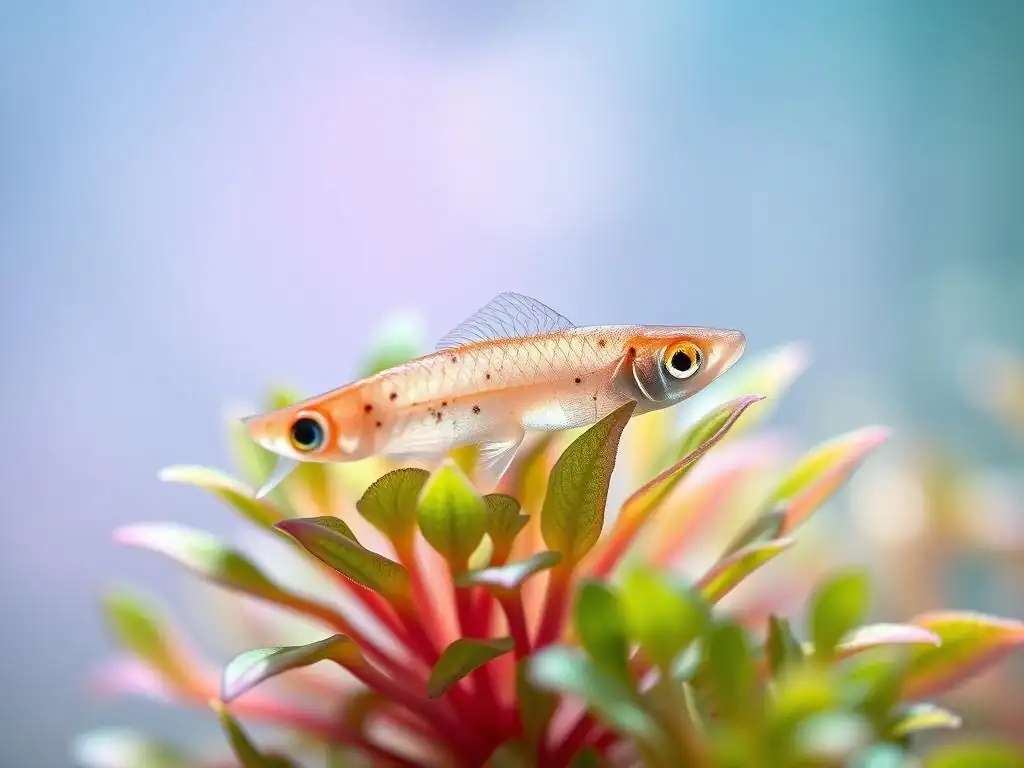
Java moss (Taxiphyllum barbieri) is arguably one of the best plants for Molly fry predation prevention due to its dense, tangled growth habit. Its fine, interwoven structure provides countless microscopic hiding spots where newly born fry can conceal themselves from larger fish. It's also incredibly hardy, requires minimal light, and can thrive in a wide range of water conditions, making it an ideal choice for beginner and experienced aquarists alike.
To maximize its protective benefits, Java moss should be placed in large clumps, either anchored to driftwood or rocks, or simply left to float freely. Creating a "moss mat" at the bottom or having large, bushy sections in the corners of the tank provides extensive cover. Fry will instinctively swim into these dense areas, making it difficult for adult mollies to locate them. This natural, living shelter is a highly effective component of any Molly fry predation prevention strategy.
Hornwort for Molly Fry: Fast Growth and Effective Cover
Hornwort (Ceratophyllum demersum) is another excellent plant for protecting Molly fry, primarily due to its rapid growth rate and bushy, needle-like foliage. This plant can quickly fill a tank, creating a dense, natural barrier that adult fish struggle to penetrate. Its ability to absorb nitrates also contributes to overall water quality, benefiting both adults and fry. Hornwort can be planted in the substrate or left to float, with floating hornwort often forming a thick canopy near the surface where fry often congregate.
The sheer volume of cover that hornwort provides makes it an invaluable asset for Molly fry predation prevention. Its leaves offer numerous nooks and crannies, and its fast growth means that even if some sections are disturbed, new growth quickly replaces them. This continuous, pervasive cover significantly reduces the chances of adult mollies locating and consuming their offspring, making it a popular choice for livebearer breeders.
Other Suitable Plants for Molly Fry: Water Sprite and Duckweed
Beyond Java moss and hornwort, several other plants are highly effective for Molly fry predation prevention. Water Sprite (Ceratopteris thalictroides) is a fast-growing, bushy fern that can be planted or left to float. Its intricate leaf structure offers ample hiding spots for small fry, and its robust nature means it can withstand the activity of adult fish. A large clump of water sprite provides an excellent sanctuary for young mollies.
Duckweed (Lemna minor) is a tiny, fast-spreading floating plant that can quickly cover the water's surface. While it can be a nuisance due to its rapid proliferation, it creates an impenetrable canopy that offers immediate overhead cover for Molly fry. This surface cover not only hides the fry but also provides a sense of security, encouraging them to stay near the top where they are often safer from bottom-dwelling or mid-water predators. Using a combination of these plants creates a multi-layered defense, enhancing overall Molly fry predation prevention.
Feeding Strategies to Minimize Molly Fry Predation
Frequent Feeding of Adult Mollies: Reducing Hunger-Driven Predation
One of the most straightforward yet often overlooked strategies for Molly fry predation prevention is to ensure adult mollies are well-fed. A hungry adult fish is far more likely to view its own offspring as a food source. By feeding adult mollies several small meals throughout the day, rather than one large meal, you can keep their hunger satiated and reduce their predatory drive.
This approach not only minimizes the incentive for adults to hunt fry but also contributes to their overall health and vitality. When adults are well-fed with a balanced diet, they are less stressed and more likely to exhibit natural, non-predatory behaviors. This simple adjustment in feeding routine can significantly contribute to the success of your Molly fry predation prevention efforts, leading to a higher survival rate for your young fish.
Specific Food for Adult Mollies: Ensuring a Balanced Diet
The type of food offered to adult mollies also plays a crucial role in Molly fry predation prevention. A balanced diet rich in protein and essential nutrients ensures that adults are receiving adequate sustenance, further reducing their inclination to prey on fry. High-quality flake foods, spirulina flakes (mollies enjoy plant matter), and occasional live or frozen foods like brine shrimp or bloodworms should be part of their regular diet.
Feeding a varied and nutritious diet prevents nutritional deficiencies that could lead to increased hunger or stress, indirectly impacting their predatory behavior. For instance, mollies, especially those in brackish setups, benefit from a diet that supports their specific needs. Ensuring they are always well-nourished means they are less likely to seek out fry as an additional food source, making this a vital part of a comprehensive Molly fry predation prevention plan.
Baby Fish Food for Molly Fry: Promoting Growth and Survival
While adult feeding helps reduce predation, providing appropriate food specifically for Molly fry is equally important for their survival and growth. Newly hatched Molly fry have tiny mouths and require very small, nutrient-dense food. Specialized fry food, such as powdered flakes, finely crushed high-quality spirulina flakes, or infusoria, is ideal for the first few days. As they grow, they can transition to newly hatched brine shrimp nauplii, micro-pellets, or daphnia.
Feeding the fry multiple times a day (3-5 times) in small quantities ensures they receive consistent nutrition, promoting rapid growth and development. Faster growth means they will reach a size where they are less vulnerable to adult predation sooner. This dedicated feeding regimen for the fry, coupled with strategies for adult mollies, forms a robust approach to Molly fry predation prevention, ensuring the next generation thrives.
Water Parameters and Molly Fry Survival
Maintaining Optimal Water Quality for Molly Fry: Temperature, pH, and Ammonia Levels
Optimal water quality is paramount for the survival and healthy development of Molly fry. For mollies, a stable water temperature between 78-82°F (25.5-27.8°C) is ideal, as warmer water can accelerate their metabolism and growth. The pH level should be kept slightly alkaline, typically between 7.5 and 8.5, which is characteristic of their natural habitat and beneficial for their health. Consistency in these parameters is more important than hitting exact numbers, as rapid fluctuations can cause stress.
Crucially, ammonia and nitrite levels must be zero, and nitrates should be kept as low as possible (below 20 ppm). Fry are extremely sensitive to poor water quality, and even low levels of these toxins can be fatal or stunt their growth, making them more susceptible to disease and predation. Regular testing of water parameters is essential to ensure a clean, stable, and healthy environment, which directly contributes to Molly fry predation prevention by fostering robust and resilient young fish.
Regular Water Changes: Benefits for Molly Fry Health and Growth
Consistent and careful water changes are fundamental to maintaining the pristine water quality necessary for Molly fry survival. Small, frequent water changes (e.g., 10-15% every 2-3 days in a fry-only tank, or weekly in a well-planted community tank) are preferable to large, infrequent ones. This approach minimizes fluctuations in water parameters, which can stress delicate fry. When performing water changes, ensure the new water is temperature-matched and dechlorinated to prevent shock.
The benefits of regular water changes extend beyond simply removing toxins; they also replenish essential minerals and trace elements, which are vital for the fry's bone development and overall physiological functions. Clean water reduces the risk of bacterial infections and common fish diseases, which can decimate a fry population. By diligently performing water changes, aquarists significantly bolster their Molly fry predation prevention efforts by supporting vigorous growth and resilience in the young fish.
Avoiding Stress Factors: Minimizing the Risk of Predation
Stress is a significant contributor to weakened immune systems and erratic behavior in fish, including increased predatory instincts in adults and vulnerability in fry. To minimize stress, ensure the tank is not overcrowded, as this leads to competition for resources and higher waste accumulation. Provide adequate space for all fish, especially in community tanks. Consistent lighting cycles and avoiding sudden loud noises or vibrations near the tank also help maintain a calm environment.
Furthermore, introducing incompatible tank mates can create chronic stress. Aggressive or fin-nipping species should be avoided in tanks where Molly fry are present, as their presence can stress both adults and fry, potentially leading to increased predatory behavior. A calm, well-managed environment reduces the likelihood of adults consuming their young and ensures the fry have the best possible chance to grow, making stress reduction a subtle yet powerful aspect of Molly fry predation prevention.
Post-Birth Molly Fry Care: Ensuring Healthy Growth
Monitoring Molly Fry Growth: Identifying Potential Issues
After the initial Molly fry predation prevention steps, continuous monitoring of the fry's growth and development is crucial. Observe their size, activity levels, and feeding behavior daily. Healthy fry will be active, swim freely, and eagerly consume food. Slow growth, lethargy, or unusual swimming patterns can indicate underlying issues such as poor water quality, insufficient food, or disease.
Regular observation allows for early intervention if problems arise. For instance, if some fry are significantly smaller than others, it might indicate a need for more frequent feeding or a different type of food. Identifying and addressing these issues promptly can prevent widespread losses and ensure a higher survival rate. This attentive care during their early weeks is just as important as the initial Molly fry predation prevention measures.
Gradually Introducing Molly Fry to the Main Tank: Acclimation Techniques
Once Molly fry have grown to a sufficient size—typically around 0.75 to 1 inch (2-2.5 cm)—they can be gradually introduced to the main tank, provided it offers adequate hiding spots and compatible tank mates. Before transfer, acclimate the fry to the main tank's water parameters. This can be done by slowly adding small amounts of water from the main tank into the fry tank over several hours, allowing them to adjust to differences in temperature, pH, and hardness.
Alternatively, the drip acclimation method, where water from the main tank is slowly dripped into the fry tank using airline tubing, is highly effective. This gradual process minimizes shock and stress, which can be fatal to young fish. Only introduce them when they are large enough to not be considered a meal by the smallest adult fish in the tank. This careful acclimation is the final step in successful Molly fry predation prevention, ensuring their long-term integration and survival.
Ensuring Adequate Space: Preventing Overcrowding and Stress
As Molly fry grow, their space requirements increase significantly. Overcrowding in a fry-only tank can lead to stunted growth, increased aggression, and poor water quality, even with diligent care. If you have a large brood, consider upgrading to a larger grow-out tank or distributing the fry among several tanks to ensure each fish has sufficient swimming room and access to resources.
In the main tank, ensure that the total fish population density remains healthy. An overcrowded tank stresses all inhabitants, including the newly introduced young mollies, and can lead to increased aggression and competition, undermining all previous Molly fry predation prevention efforts. Maintaining appropriate stocking levels is vital for the long-term health and well-being of your entire molly population, ensuring both adults and fry thrive.
Long-Term Strategies for Molly Fry Predation Prevention
Maintaining a Balanced Ecosystem: Preventing Overpopulation
A key long-term strategy for Molly fry predation prevention and overall aquarium health is maintaining a balanced ecosystem. Livebearers like mollies are incredibly prolific, and without management, their populations can quickly spiral out of control, leading to overpopulation. Overpopulation stresses fish, degrades water quality, and can ironically increase the likelihood of fry predation as adults become more competitive for resources.
A balanced ecosystem involves appropriate tank size, efficient filtration, and a sensible stocking plan that accounts for the mollies' breeding capabilities. Sometimes, allowing a controlled level of natural predation (where some fry are eaten) can be part of maintaining this balance, especially if you do not wish to constantly expand your tank capacity or find homes for hundreds of fish. This proactive management prevents the very conditions that necessitate intensive Molly fry predation prevention in the first place.
Cull Unwanted Fry: Managing Population and Genetic Health
For serious breeders, or even hobbyists aiming for specific traits, culling unwanted or unhealthy Molly fry is a necessary, albeit sensitive, long-term strategy. Culling involves removing fry that exhibit deformities, stunted growth, or undesirable genetic traits. This practice helps maintain the genetic health and vigor of your molly line by ensuring only the strongest and healthiest individuals contribute to the next generation.
While this doesn't directly relate to predation prevention by adults, it's a critical aspect of population control that reduces the overall number of fry needing protection. Fewer, healthier fry mean more resources (food, space) are available for each individual, increasing their chances of survival and thriving, and reducing the stress on the entire system. This selective breeding aspect is an advanced component of responsible molly husbandry.
Providing Enrichment: Reducing Stress and Aggression
Providing environmental enrichment for adult mollies can indirectly contribute to Molly fry predation prevention by reducing stress and aggression. Enrichment can include varied tank decorations, different types of plants, and even varied feeding methods (e.g., occasional live foods that require hunting). A stimulated and less bored adult fish is often less prone to aggressive behaviors, including predatory acts towards their offspring.
Ensuring adult mollies have adequate swimming space and opportunities for natural behaviors, such as grazing on algae or exploring their environment, contributes to their overall well-being. A content and healthy adult fish is less likely to engage in cannibalistic behavior out of stress or boredom. This holistic approach to fish welfare supports a more peaceful community tank where Molly fry have a better chance of survival.
Conclusion: Ensuring the Survival of Your Molly Fry
Key Takeaways for Molly Fry Predation Prevention Success
Successfully protecting Molly fry from adult predation requires a multi-faceted approach, combining immediate actions with long-term strategies. The most critical takeaways include: providing ample hiding spots, especially through dense live plants like Java moss and hornwort, which offer invaluable cover. Separating gravid females into a dedicated breeding tank or using a breeding box ensures immediate post-birth safety for the fry.
Furthermore, ensuring adult mollies are well-fed with a balanced diet significantly reduces their hunger-driven predatory instincts. Maintaining pristine water quality with stable temperature and pH, and zero ammonia/nitrites, is vital for the fry's health and rapid growth, making them less vulnerable sooner. Consistent monitoring, proper acclimation, and preventing overcrowding are also crucial. By integrating these practices, aquarists can dramatically increase the survival rate of their Molly fry, fostering a thriving molly population.
Further Resources for Molly Care and Breeding
For those looking to delve deeper into the nuances of molly care and breeding, a wealth of information is available. Exploring detailed profiles on various molly species can provide insights into their specific environmental preferences and breeding behaviors, which can vary slightly between species like the Sailfin Molly and the Lyretail Molly. Understanding these distinctions can further refine your care strategies.
Additional resources often cover topics such as selective breeding for specific color patterns or fin types, which can be a rewarding aspect of the hobby for dedicated enthusiasts. Information on common molly diseases and their treatment, as well as advanced water chemistry for brackish setups (which some molly varieties prefer), can also enhance your overall knowledge and success. A continuous learning approach ensures the best possible environment for your mollies, from tiny fry to magnificent adults.
Frequently Asked Questions
How can I prevent adult mollies from eating their fry?
The best way is to provide ample hiding places for the fry. This can be achieved using dense vegetation, caves, or breeding boxes within the aquarium.
What type of plants are best for protecting molly fry?
Fine-leaved plants like Java moss or hornwort are excellent. They offer numerous hiding spots where fry can escape predation and find food.
Is a separate breeding tank necessary to save molly fry?
While not always essential, a separate breeding tank or nursery tank is highly effective. This isolates the fry completely, guaranteeing their safety from adult mollies.
How often should I feed molly fry to ensure they grow quickly and avoid being eaten?
Feed molly fry small amounts, 2-3 times per day, with specialized fry food or crushed flake food. This ensures they are well-fed and less likely to be targeted due to hunger.
What other fish species can I keep with mollies that won't prey on the fry?
Consider peaceful community fish like Corydoras catfish or Otocinclus catfish. These fish are bottom-dwellers and generally ignore the fry, focusing on algae and leftover food.
Final Reflection: Nurturing New Life
The strategies outlined in this article, focused on molly fry predation prevention, are not merely about keeping tiny fish alive; they represent a broader commitment to fostering life and understanding the delicate balance within our ecosystems. The survival of these vulnerable creatures mirrors the challenges faced by many nascent endeavors, demanding careful planning, protective environments, and a proactive approach to potential threats.
This journey into the world of molly fry has underscored the profound impact of even the smallest actions. Witnessing the resilience of these tiny fish, and the dedication required to ensure their survival, serves as a powerful reminder that nurturing potential, regardless of its size, is a worthwhile endeavor. The best way to predict the future is to create it.
- Peter Drucker. This quote resonates deeply, suggesting that our efforts to protect and nurture, whether in a fish tank or in life, directly shape the future we wish to see.
Now, consider the lessons learned here. How can you apply the principles of protection and nurturing to other areas of your life? What vulnerable "fry" – be it a new idea, a budding relationship, or a personal goal – deserves your focused attention and proactive defense? Let us all strive to create environments where potential can flourish, and where the seeds of tomorrow are carefully nurtured today.
Nurture Your Fry: Spark Growth and Thrive!
Thank you for diving deep into the world of Molly fry care! We hope you’ve gained valuable insights into protecting and nurturing these delicate newcomers. Now, let's turn that knowledge into action to ensure your fry flourish!
Here are some actionable steps to take:
- Set up a dedicated nursery tank to keep your Molly fry safe from hungry adults. This is the single most important step!
- Share your fry-raising experiences and tips with fellow aquarists in online forums or social media groups. Let’s learn together!
- Explore alternative feeding methods beyond commercial fry food. Try hatching brine shrimp for a protein-packed, natural treat.
What creative hiding spots have you implemented to protect your Molly fry in the past? Share your successes (and failures!) in the comments below!