
Raising Corydoras Fry: First Foods and Essential Care

Welcome to Aquarium Mastery!
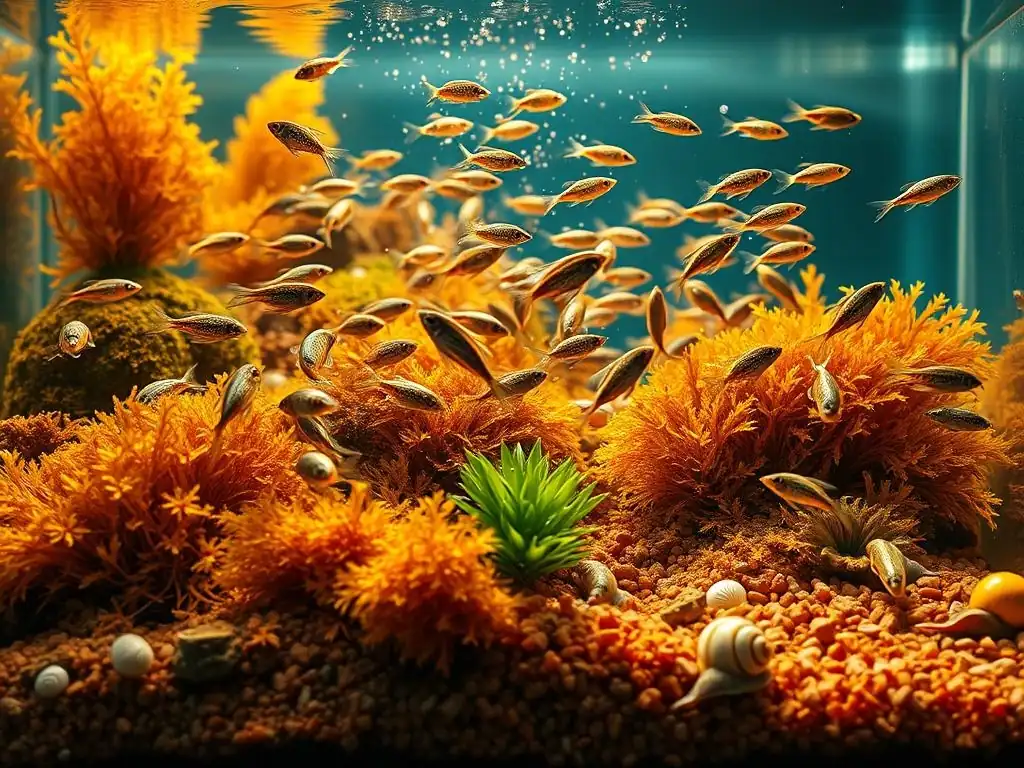
Ever wondered how to give your tiny Corydoras fry the best possible start in life? Raising these adorable bottom-dwellers from egg to adulthood can be incredibly rewarding, but it also requires specialized knowledge. Dive into our comprehensive Corydoras fry feeding guide and unlock the secrets to ensuring their healthy growth and vibrant future. Discover the ideal first foods, essential care tips, and everything you need to know to successfully nurture your Corydoras fry. Let's embark on this exciting journey together!
- Introduction to Corydoras Fry Care
- Preparing for Corydoras Fry: Setting Up a Grow-Out Tank
- The First Days: Initial Corydoras Fry Feeding
- Corydoras Fry Feeding Guide: Optimal First Foods
- Feeding Schedule and Techniques
- Maintaining Optimal Water Quality
- Promoting Healthy Growth and Development
- Identifying and Addressing Common Problems
- Transitioning to Adult Food
- Conclusion: Ensuring Success
- Frequently Asked Questions
- Final Reflection: Nurturing Life's Beginnings
- Nurture Your Future Corydoras Kingdom!
Introduction to Corydoras Fry Care
Understanding the Needs of Corydoras Fry
Raising Corydoras fry is a rewarding yet demanding endeavor that requires a precise understanding of their unique biological needs. Unlike their resilient adult counterparts, newly hatched Corydoras fry are incredibly delicate, often measuring just a few millimeters in length. Their rapid growth rate necessitates a constant supply of highly nutritious, appropriately sized food particles, coupled with exceptionally pristine water conditions. For instance, while adult Corydoras can tolerate minor fluctuations in water parameters, fry require stable temperatures, typically between 76-80°F (24.4-26.7°C), and zero ammonia and nitrite levels to thrive.
Furthermore, their underdeveloped digestive systems mean they cannot process large or coarse food items, making the initial weeks particularly critical. They are also highly susceptible to poor water quality, which can quickly lead to stress, disease, and high mortality rates. Many breeders report that the first two weeks post-hatch are the most challenging, with survival rates heavily dependent on the meticulous adherence to specific care protocols, including a detailed Corydoras fry feeding guide.
The Importance of a Dedicated Corydoras Fry Feeding Guide
A general fish food or haphazard feeding schedule is simply insufficient for the delicate requirements of Corydoras fry. A dedicated Corydoras fry feeding guide is paramount because it addresses their specific nutritional demands and metabolic rate. Without a precise feeding regimen, malnutrition is a common problem, leading to stunted growth, weakened immune systems, and ultimately, high mortality. For example, studies have shown that without proper initial feeding, Corydoras fry can experience mortality rates exceeding 70% in the first week, whereas with an optimized feeding strategy, survival rates can climb to 80-90% or even higher.
Moreover, the minute size of their food particles, such as infusoria or newly hatched baby brine shrimp, requires careful preparation and delivery to ensure the fry can actually ingest them. Improper feeding not only deprives the fry of essential nutrients but also rapidly fouls the water, leading to dangerous ammonia spikes. Therefore, a comprehensive Corydoras fry feeding guide is not just about what to feed, but also how much, how often, and how to maintain the environment to support their rapid development.
Preparing for Corydoras Fry: Setting Up a Grow-Out Tank
Choosing the Right Tank Size
Selecting an appropriate tank size for Corydoras fry is crucial for their well-being and ease of maintenance. While it might seem counterintuitive to place tiny fry in a larger tank, a small to medium-sized grow-out tank offers better stability for water parameters and more surface area for feeding. For a batch of 20-30 Corydoras fry, a 5-gallon (approximately 19-liter) tank is often sufficient initially. However, for larger spawns, such as 50-100 fry, a 10-gallon (38-liter) tank provides ample space for growth, better dilution of waste, and more stable water chemistry, which are vital for their delicate systems.
The chosen tank size should also allow for easy observation of the fry and convenient performance of daily water changes and cleaning. A tank that is too small for the number of fry can quickly become overwhelmed by their bioload, even with diligent feeding and maintenance. Conversely, an excessively large tank can make it difficult for tiny fry to locate food, leading to starvation, especially in their first few days when they are still developing their foraging skills.
Essential Equipment for a Corydoras Fry Tank
Sponge Filters: Gentle Filtration
Sponge filters are overwhelmingly recommended for Corydoras fry tanks due to their gentle nature and effective biological filtration. Unlike power filters or hang-on-back filters, sponge filters do not create strong currents that can stress or injure the tiny, weak-swimming fry, which are often less than 5mm long at hatching. Instead, they provide a large surface area for beneficial nitrifying bacteria to colonize, efficiently converting harmful ammonia and nitrite into less toxic nitrates.
These filters also act as a substrate for infusoria and other microscopic organisms, offering a supplementary food source for the fry as they graze. Many aquarists find that a well-established sponge filter can maintain stable water parameters, with ammonia and nitrite consistently at 0 ppm, even with frequent feeding, which is critical for the survival of delicate Corydoras fry.
Heater and Thermostat: Maintaining Stable Temperature
Maintaining a stable and appropriate temperature is paramount for the healthy development of Corydoras fry. A reliable heater equipped with a thermostat is an indispensable piece of equipment for their grow-out tank. Corydoras fry thrive in warmer temperatures, typically between 76-80°F (24.4-26.7°C), as this range promotes faster metabolism, quicker growth, and better digestion of food.
Temperature fluctuations of more than 2°F (1.1°C) within a 24-hour period can significantly stress the fry, weaken their immune systems, and make them more susceptible to diseases like Ich. Consistent warmth also ensures that live food cultures, such as baby brine shrimp, hatch effectively, providing a continuous supply of highly nutritious meals in line with an optimal Corydoras fry feeding guide.
Bare Bottom vs. Substrate: Pros and Cons
When setting up a Corydoras fry tank, a crucial decision is whether to use a bare bottom or a substrate. Most experienced breeders strongly advocate for a bare-bottom tank, especially for the first few weeks or months. The primary advantage of a bare bottom is hygiene: it allows for extremely easy and thorough cleaning, enabling the daily siphoning of uneaten food and waste.
This prevents the rapid decomposition of organic matter, which can quickly lead to dangerous ammonia and nitrite spikes, lethal to delicate fry. For example, in a bare-bottom tank, uneaten food from a single feeding can be completely removed within minutes, drastically reducing the risk of water quality issues.
Conversely, while a thin layer of fine sand can look more natural and potentially provide some beneficial bacteria surface area, it makes cleaning much more challenging. Uneaten food can easily get trapped within the substrate, decomposing and polluting the water, often unnoticed until parameters crash. Although adult Corydoras enjoy sifting through sand, young fry are often too small and weak to effectively forage in it, and the potential for trapped food outweighs the aesthetic benefits in a dedicated fry grow-out setup.
The First Days: Initial Corydoras Fry Feeding
When to Start Feeding After Hatching
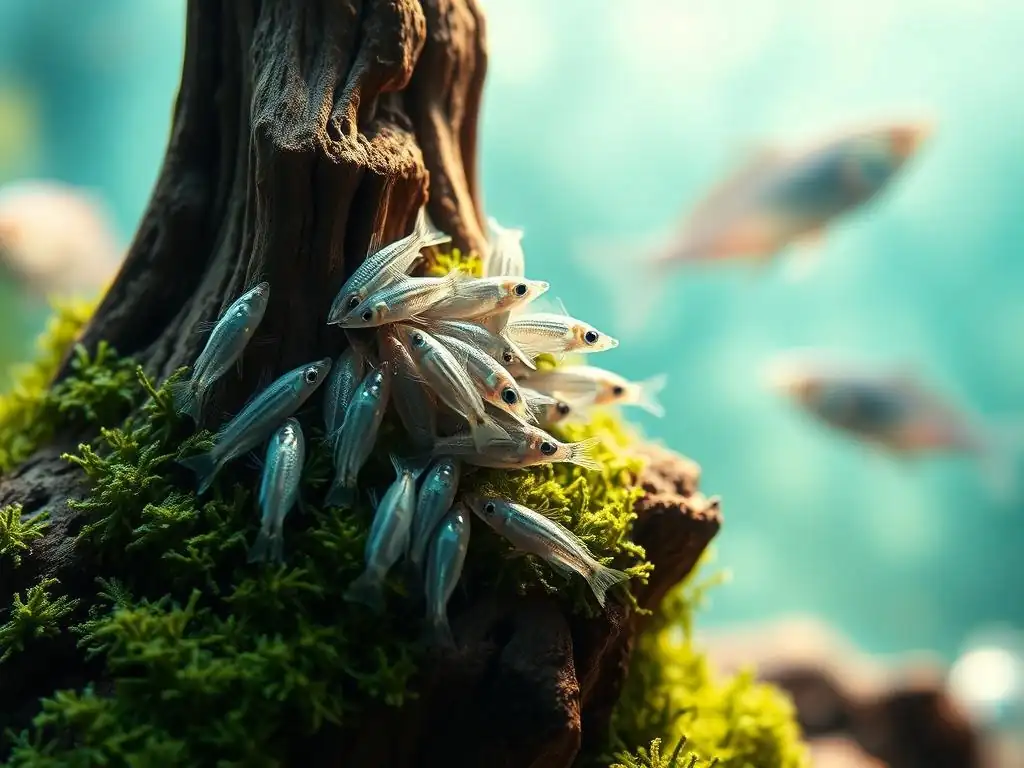
The timing of the first external feeding for Corydoras fry is critical and directly linked to the absorption of their yolk sac. Upon hatching, Corydoras fry are equipped with a small, visible yolk sac that provides all the necessary nutrients for their initial development, typically for the first 2-3 days. During this period, they are largely immobile or only perform short, jerky movements, relying entirely on this internal food source.
External feeding should commence once the yolk sac has been significantly absorbed, and the fry become free-swimming and actively seek food. This usually occurs on day 3 or 4 post-hatch, depending on the species and water temperature. Attempting to feed them while the yolk sac is still prominent is counterproductive, as they will not consume the food, which will then decompose and rapidly foul the water, posing a severe threat to their survival.
Identifying Newly Hatched Fry
Identifying newly hatched Corydoras fry requires keen observation due to their incredibly minute size and often translucent appearance. At hatching, most Corydoras species produce fry that are only 3-5 millimeters (about 0.12-0.2 inches) in length, resembling tiny slivers of glass with a prominent yolk sac. For the first 24-48 hours, they typically lie motionless on the bottom of the tank, cling to glass surfaces, or rest on plants, conserving energy as they absorb their yolk sac.
As the yolk sac diminishes, usually around day 2 or 3, they gradually become more active, performing short bursts of swimming and eventually transitioning to a free-swimming, bottom-dwelling habit, signaling their readiness for external food. Their small size makes them vulnerable to even the slightest currents, so a calm environment is crucial during this fragile stage.
Understanding the Yolk Sac
The yolk sac is a vital, nutrient-rich appendage that sustains newly hatched Corydoras fry during their most vulnerable initial days. This sac contains a concentrated supply of proteins, lipids, and other essential nutrients, providing the energy required for their rapid development and growth before they can actively forage for food. It is essentially their first, perfectly packaged meal.
The presence of the yolk sac means that no external feeding is necessary during this period, which typically lasts for 2 to 4 days, depending on species and water temperature. Attempting to introduce food while the yolk sac is still prominent will not benefit the fry, as they will not consume it. Instead, the uneaten food will quickly decompose, releasing harmful ammonia and nitrite into the water, which can be lethal to the delicate fry before they even have a chance to begin external feeding. Patience during this phase is crucial for their survival.
Corydoras Fry Feeding Guide: Optimal First Foods
Infusoria: A Tiny Feast
Infusoria, a collective term for various microscopic aquatic organisms like protozoa and rotifers, are an ideal first food for the smallest Corydoras fry. Their minute size, typically ranging from 10 to 500 micrometers, makes them perfectly ingestible for fry that are often less than 4mm long and have extremely tiny mouths. These microorganisms provide essential initial nutrition, bridging the gap between yolk sac absorption and the ability to consume slightly larger foods like microworms or baby brine shrimp.
Many successful breeders integrate infusoria into their initial Corydoras fry feeding guide, especially for species with particularly small fry. Providing a dense culture of infusoria ensures that even the weakest or slowest-growing fry have a constant supply of food particles they can easily consume, promoting more uniform growth and higher survival rates during the critical first week.
Culturing Infusoria at Home
Culturing infusoria at home is a straightforward and cost-effective way to ensure a continuous supply of this crucial first food for your Corydoras fry. A common method involves placing a few pieces of dried banana peel, some dried leaves (such as oak, Indian almond, or even lettuce), or a pinch of spirulina powder into a jar of aged aquarium water. The organic matter will decompose, encouraging the proliferation of bacteria, which in turn feed the infusoria.
Within 3-5 days, the water will typically become cloudy, indicating a thriving culture. You can then carefully siphon off the top layer of the culture water, which will contain the densest concentration of infusoria, and add it directly to the fry tank daily. Maintaining multiple cultures on a staggered schedule ensures you always have a fresh supply ready for your Corydoras fry feeding guide.
Liquid Fry Food: Convenient Nutrition
Liquid fry foods offer a convenient and readily available source of nutrition, particularly useful when live food cultures are not yet established or are in short supply. These products are typically formulated with finely ground proteins, vitamins, and minerals, designed to be easily digestible by very young fry. Brands like Sera Micron, Hikari First Bites, or specific liquid diets for egg-laying fish fry are popular choices.
While convenient, liquid fry foods must be used judiciously as part of any Corydoras fry feeding guide. Their fine particulate nature means they can quickly disperse throughout the water column and decompose if overfed, leading to rapid water quality degradation. It is crucial to feed very small amounts multiple times a day and monitor the tank for any signs of cloudiness, which indicates overfeeding.
Choosing the Right Liquid Fry Food
When selecting a liquid fry food for your Corydoras fry, several factors should be considered to ensure optimal nutrition and water quality. Prioritize products specifically designed for egg-laying fish fry, as these typically have the appropriate particle size, often less than 50 micrometers, which is crucial for the tiny mouths of newly hatched Corydoras. Examining the ingredient list is also vital: look for a high protein content, ideally above 40%, derived from sources like fish meal, spirulina, or other quality proteins.
A balanced vitamin and mineral profile is equally important for healthy development. Avoid products with excessive fillers or artificial colors, as these offer little nutritional value and can contribute to water pollution. Reading reviews from other aquarists who have successfully used the product with Corydoras fry can also provide valuable insights into its effectiveness and impact on water quality, making it a reliable addition to your Corydoras fry feeding guide.
Microworms: A Protein-Rich Option
Microworms (Panagrellus redivivus) are an excellent live food source for Corydoras fry once they are a few days old and have grown slightly beyond the infusoria stage. These tiny nematodes, typically ranging from 50 to 1500 micrometers in length, are easily cultured at home and provide a significant protein boost, often containing 40-50% protein and essential amino acids. Their continuous wiggling motion stimulates the fry's feeding response, making them highly attractive.
Microworms are particularly beneficial for fry that are about 5-7 days post-hatch, as they are small enough to be consumed but large enough to provide more substance than infusoria. Incorporating microworms into your Corydoras fry feeding guide can accelerate growth rates and improve overall fry vigor, contributing to higher survival rates compared to relying solely on prepared foods.
Culturing Microworms
Culturing microworms is a simple and effective way to ensure a consistent supply of live food for your Corydoras fry. To start a culture, you'll need a shallow container (e.g., a plastic deli cup), a starter culture of microworms, and a substrate, commonly cooked oatmeal. Prepare the oatmeal to a thick consistency (like paste) and spread a thin layer (about 1/2 inch) on the bottom of the container. Mix in a pinch of active dry yeast for initial food for the worms.
Introduce the starter culture by smearing it onto the oatmeal. Cover the container loosely to allow for air exchange but prevent drying. Maintain the culture at room temperature, ideally between 70-75°F (21-24°C). Within 3-5 days, a dense colony of microworms will crawl up the sides of the container, ready for harvest. You can then use a clean finger or a cotton swab to gently scrape them off the sides and rinse them into the fry tank.
Vinegar Eels: Another Live Food Source
Vinegar eels (Turbatrix aceti) are another valuable live food source, particularly suited for very young Corydoras fry due to their small size and continuous availability. These tiny nematodes typically measure between 1 to 3 millimeters in length, making them a good option for fry that are transitioning from infusoria but might still be too small for baby brine shrimp. They are unique in that they thrive in acidic environments, such as apple cider vinegar, making their culture quite distinct from other live foods.
One of the main advantages of vinegar eels is their resilience and ease of culture, often requiring minimal maintenance once established. They can survive for extended periods in the water column without degrading water quality as quickly as uneaten dry foods. Their constant movement also makes them highly attractive to foraging fry, providing a consistent and nutritious component to a well-rounded Corydoras fry feeding guide.
Baby Brine Shrimp (BBS): A Staple Food
Baby brine shrimp (Artemia nauplii), newly hatched from their cysts, are widely considered one of the most effective and nutritious foods for growing Corydoras fry. Rich in protein (over 50%) and essential fatty acids, they provide a complete nutritional profile vital for rapid growth and robust development. Their size, typically around 400-500 micrometers, makes them perfectly ingestible for Corydoras fry once they are approximately one week old and actively swimming.
The live, wiggling motion of baby brine shrimp stimulates a strong feeding response in the fry, ensuring high consumption rates. Regular feeding with baby brine shrimp, often 2-3 times a day once fry are large enough, is a cornerstone of most successful Corydoras fry feeding guides, significantly contributing to higher survival rates and faster growth compared to relying solely on prepared foods.
Hatching Baby Brine Shrimp
Hatching baby brine shrimp at home is a straightforward process that provides a continuous supply of highly nutritious live food. You will need a dedicated brine shrimp hatchery (or an inverted 2-liter soda bottle), non-iodized salt, and brine shrimp cysts. Dissolve 2 tablespoons of non-iodized salt per liter of water to create a salinity of approximately 1.020-1.025 specific gravity. Fill the hatchery with this saltwater, add 1/4 to 1/2 teaspoon of cysts, and provide strong aeration from an air pump, ensuring the cysts remain suspended.
Maintain a water temperature between 78-82°F (25.5-27.8°C) for optimal hatching rates. Hatching typically occurs within 24-36 hours. Once hatched, turn off the aeration and wait 5-10 minutes for the empty shells to float to the surface and the live nauplii to sink to the bottom. Siphon out the orange nauplii, rinse them thoroughly in freshwater to remove salt, and then feed them to your Corydoras fry.
Powdered Fry Food: Transitioning From Liquids
As Corydoras fry grow, typically around 2-3 weeks of age, they can begin to transition from purely liquid or microscopic live foods to high-quality powdered fry foods. These specialized foods are formulated with a finer grind than adult flakes or pellets, with particle sizes often ranging from 50 to 200 micrometers, making them suitable for the still-small mouths of growing fry. They provide a more concentrated nutrient source and are often fortified with vitamins and minerals essential for continued development.
Powdered fry foods offer convenience and consistency, complementing live food sources or serving as a primary diet when live cultures are unavailable. Integrating them into your Corydoras fry feeding guide helps prepare the fry for the eventual transition to adult-sized foods, ensuring they receive a balanced diet as they mature.
Selecting High-Quality Powdered Fry Food
When incorporating powdered foods into your Corydoras fry feeding guide, selecting a high-quality product is crucial for their healthy development. Look for powdered fry foods specifically designed for egg-laying fish, with an emphasis on high protein content, ideally at least 50% crude protein, derived from reputable sources like fish meal, krill, or spirulina. The ingredient list should also include a diverse range of vitamins and minerals, particularly Vitamin C for immune support and various B vitamins for metabolism.
Particle size is paramount; ensure it's fine enough for the fry's mouths, often labeled as "micronized" or "finely ground." Avoid foods with excessive fillers, artificial colors, or by-products. Reputable brands that specialize in fish nutrition often provide detailed nutritional analyses, which can help you make an informed choice to support robust growth and vitality in your Corydoras fry.
Feeding Schedule and Techniques
How Often to Feed
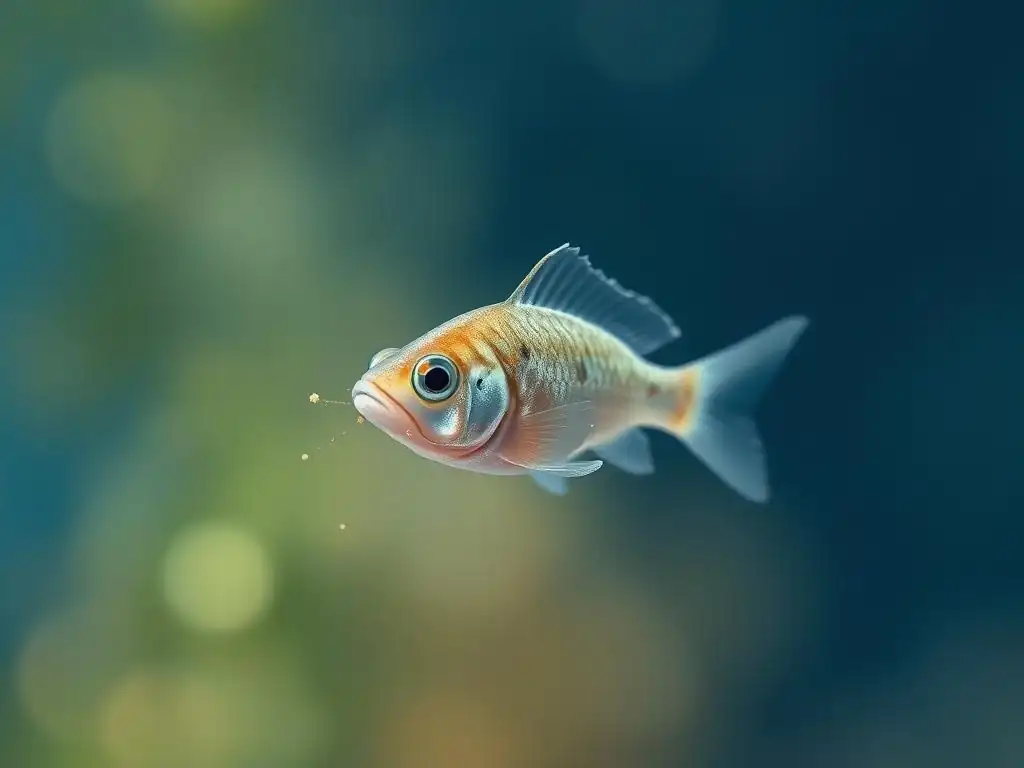
Corydoras fry have incredibly high metabolic rates due to their rapid growth and constant activity, necessitating frequent small meals throughout the day. Unlike adult fish that can thrive on one or two daily feedings, young Corydoras fry require a near-constant supply of nutrients to fuel their development. A common and highly effective Corydoras fry feeding guide suggests feeding 4-6 times daily for the first few weeks, and potentially even more often for very young fry.
The goal is to ensure that food is always available for short periods, but not left to decompose. For example, offering a small portion every 3-4 hours during daylight hours can maintain consistent nutrient intake without overwhelming the water quality. As they grow, typically after 4-6 weeks, the frequency can gradually be reduced to 3-4 times a day.
Determining the Right Amount of Food
Determining the right amount of food for Corydoras fry is a delicate balance, as underfeeding leads to stunted growth, while overfeeding quickly degrades water quality. The general rule of thumb is to offer an amount that can be entirely consumed by the fry within 5-10 minutes. For very fine foods like infusoria or liquid fry foods, this might mean a few drops or a small pinch. For baby brine shrimp, it could be a small spoonful.
It is always better to underfeed slightly and offer another small portion a little later than to overfeed, which is one of the most common causes of fry mortality. Observe the fry closely during and after feeding; if food remains on the bottom after 10 minutes, you have likely overfed, and the excess should be carefully siphoned out to prevent water pollution.
Avoiding Overfeeding
Overfeeding is arguably the single most common cause of mortality in Corydoras fry setups. While the instinct is to provide abundant food for growth, excess food quickly decomposes, leading to dangerous spikes in ammonia and nitrite, which are highly toxic to delicate fry. Even small amounts of uneaten food can significantly degrade water quality within hours, especially in a small fry tank.
To avoid overfeeding, adhere strictly to the "eat within 5-10 minutes" rule. If you see uneaten food accumulating, reduce the portion size for the next feeding. Regularly siphoning the bottom of the tank to remove any uneaten food or waste is also crucial. A common practice in a Corydoras fry feeding guide is to feed multiple, very small meals throughout the day rather than one or two large ones, ensuring the fry get enough nutrition without compromising water quality.
Water Changes: Essential for Health
Regular water changes are absolutely paramount for maintaining pristine water quality in a Corydoras fry grow-out tank, particularly given the frequent feeding required. Even with diligent feeding practices, the rapid metabolism of fry produces waste that quickly accumulates, and any uneaten food will contribute to the bioload. Poor water quality, characterized by elevated ammonia, nitrite, or nitrate levels, is a leading cause of stress, disease, and mortality in young fry.
Daily water changes are not merely a recommendation; they are an essential component of a successful Corydoras fry feeding guide and care regimen. They dilute harmful compounds, replenish essential minerals, and remove organic waste that cannot be fully handled by filtration alone, ensuring a healthy environment for the fry to thrive.
Frequency and Volume of Water Changes
For young Corydoras fry, especially during their first 2-3 weeks, daily water changes are often necessary due to their high bioload and frequent feeding. A common practice is to perform 10-20% water changes daily. As the fry grow and their bioload increases, or if stocking density is high, this might need to be increased to 25-30% daily or every other day. The exact frequency and volume depend on the tank size, the number of fry, and the efficiency of your filtration.
The key is to maintain ammonia and nitrite at 0 ppm and nitrates below 10 ppm consistently. Regular testing will indicate if your water change schedule is sufficient. For instance, if nitrates creep above 10 ppm consistently, an increase in water change volume or frequency is warranted to keep the water pristine for the delicate fry.
Using Aged Water
When performing water changes for Corydoras fry, using aged water is highly recommended to minimize stress and prevent sudden parameter shifts. Aged water is tap water that has been dechlorinated and allowed to sit for at least 24 hours (or longer) at the same temperature as the fry tank. This process allows chlorine and chloramines to dissipate (if not treated with a dechlorinator), and the water to reach ambient room temperature, preventing temperature shock.
Sudden changes in temperature, pH, or hardness from fresh tap water can be detrimental to delicate fry, potentially leading to shock, weakened immune systems, or even death. By using aged water, you ensure that the water introduced into the fry tank is stable and matches the existing conditions as closely as possible, providing a consistent and stress-free environment crucial for their healthy development.
Maintaining Optimal Water Quality
Ammonia, Nitrite, and Nitrate Control
For Corydoras fry, maintaining zero levels of ammonia (NH3/NH4+) and nitrite (NO2-) is absolutely critical for their survival. Even trace amounts of these highly toxic compounds can cause severe gill damage, stress, and lead to mass fatalities in delicate fry. Ammonia is the first product of waste decomposition, followed by nitrite as beneficial bacteria convert ammonia. Nitrate (NO3-), the final product of the nitrogen cycle, is less toxic but should ideally be kept below 10 ppm for fry, as higher concentrations can still inhibit growth and stress their developing systems.
Rigorous adherence to a water change schedule and proper filtration (like a well-cycled sponge filter) are the primary methods for controlling these parameters. Regular testing, as detailed in any comprehensive Corydoras fry feeding guide, is non-negotiable to ensure these levels remain at safe, undetectable concentrations.
Regular Water Testing
Regular water testing is an indispensable part of any successful Corydoras fry care regimen. It provides a real-time snapshot of the water parameters, allowing you to identify and address potential issues before they become critical. Daily or at least every other day testing for ammonia, nitrite, and nitrate is crucial during the initial weeks of fry development. pH and temperature should also be monitored consistently.
Using a reliable liquid test kit is highly recommended over test strips, as liquid kits provide more accurate and precise readings, which are essential when dealing with the delicate health of fry. For example, detecting even a slight rise in ammonia to 0.25 ppm can signal an impending problem, prompting immediate intervention like a larger water change, whereas test strips might not register such a subtle but significant change. This proactive approach is key to preventing widespread illness or mortality.
Avoiding Sudden Changes in Water Parameters
Sudden and drastic changes in water parameters can be fatal to delicate Corydoras fry, even if the new parameters are technically within an acceptable range. Fluctuations in pH, temperature, or hardness can induce severe stress, weaken their immune systems, and lead to shock. For instance, a rapid temperature drop of even 2-3°F (1.1-1.7°C) during a water change can be enough to cause distress or even death in very young fry.
To avoid these harmful shifts, always ensure that new water added during changes is dechlorinated, temperature-matched, and ideally, aged. When adjusting pH or hardness, do so very gradually over several hours or even days. Consistency and stability in the aquatic environment are paramount for the healthy development and survival of Corydoras fry, making careful water management a cornerstone of any effective Corydoras fry feeding guide.
Promoting Healthy Growth and Development
Providing a Varied Diet
Providing a varied diet is essential for promoting robust growth, vibrant coloration, and overall health in Corydoras fry. While a single food source like baby brine shrimp is excellent, relying exclusively on one type of food can lead to nutritional deficiencies over time. Rotating between different live foods—such as baby brine shrimp, microworms, and vinegar eels—and high-quality prepared foods like powdered fry foods or finely crushed flakes as they grow, ensures they receive a full spectrum of proteins, fats, vitamins, and minerals.
For example, baby brine shrimp are rich in protein and essential fatty acids, while microworms offer a different amino acid profile, and spirulina-based powdered foods provide valuable plant matter and carotenoids. A diverse diet, meticulously followed as part of a comprehensive Corydoras fry feeding guide, supports stronger immune systems and prevents developmental issues that can arise from monotonous feeding.
Ensuring Adequate Oxygen Levels
Adequate dissolved oxygen levels are vital for the rapid metabolism and healthy development of Corydoras fry. Their small size and high metabolic rate mean they require a constant supply of oxygen for respiration, especially in warmer temperatures (e.g., 78-80°F) where oxygen solubility in water is naturally lower. Low oxygen levels can lead to stress, stunted growth, and increased susceptibility to disease.
To ensure sufficient oxygen, a gentle air stone connected to an air pump is highly recommended in the fry tank. The bubbling action not only increases surface agitation, facilitating gas exchange, but also helps to circulate water without creating strong currents that could harm the fry. A well-functioning sponge filter, with its own air pump, also contributes significantly to maintaining high oxygen levels, an often-overlooked aspect of a successful Corydoras fry feeding guide.
Preventing Diseases and Parasites
Preventing diseases and parasites is paramount when raising Corydoras fry, as they are highly susceptible due to their underdeveloped immune systems and small size, making treatment incredibly challenging. Once an outbreak occurs, especially with common issues like Ich (white spot disease) or fungal infections, mortality rates can be devastating. Strict quarantine protocols are the first line of defense. Any new plants, decorations, or equipment introduced to the fry tank should be thoroughly cleaned and, if possible, quarantined for a period to ensure they are free of pathogens.
Maintaining pristine water quality through diligent daily water changes and appropriate filtration is the most effective preventative measure, as good water conditions significantly reduce stress and strengthen the fry's natural defenses. Avoiding cross-contamination from other tanks by using dedicated equipment for the fry tank also minimizes the risk of introducing pathogens.
Identifying and Addressing Common Problems
Slow Growth: Causes and Solutions
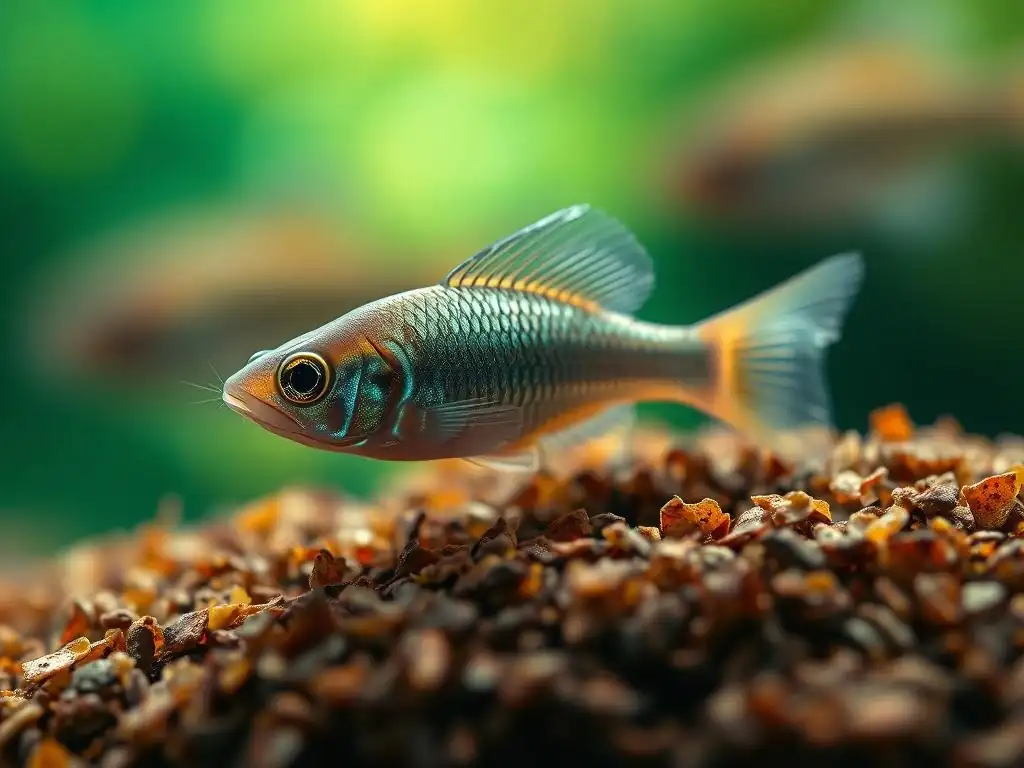
Slow growth in Corydoras fry is a common problem that can indicate underlying issues in their care regimen. The primary causes are almost always related to inadequate feeding, poor water quality, or insufficient oxygen. If fry are not growing at an expected rate (e.g., reaching 1 cm in length by 3-4 weeks for many species), it's crucial to evaluate their diet. Are they receiving enough food? Is the food appropriately sized and highly nutritious, as recommended by a detailed Corydoras fry feeding guide? Underfeeding, or feeding foods that are not easily digestible, can lead to stunted development.
Secondly, test your water parameters meticulously. Ammonia and nitrite should be 0 ppm, and nitrates below 10 ppm. High levels of these toxins, even seemingly minor ones, can severely inhibit growth and cause stress. Lastly, ensure adequate oxygenation through an air stone or gentle filter. Addressing these factors promptly—increasing feeding frequency with nutritious foods, performing more frequent water changes, and ensuring good aeration—can often rectify slow growth.
Bloating and Digestive Issues
Bloating and other digestive issues in Corydoras fry can be alarming and are often indicative of feeding problems or bacterial infections. Common causes include overfeeding, feeding foods that are too large for their small digestive systems, or bacterial overgrowth due to poor water quality. Symptoms may include a distended belly, lethargy, and abnormal swimming.
To address these issues, first, reduce feeding frequency and ensure that all food particles are appropriately sized (e.g., less than 500 micrometers for young fry). Temporarily switching back to easily digestible live foods like baby brine shrimp can also help. If the problem persists, a small amount of Epsom salt (1 teaspoon per 10 gallons) can sometimes act as a mild laxative to aid digestion. However, maintaining pristine water quality and avoiding overfeeding are the best preventative measures, as treatment options for fry are limited and often stressful.
Swim Bladder Problems
Swim bladder problems in Corydoras fry are less common than other issues but can be devastating when they occur. These issues manifest as difficulty swimming upright, inability to maintain buoyancy, or persistent sinking or floating. Causes can be varied, including rapid temperature fluctuations, poor water quality, genetic predispositions, or, less frequently, bacterial infections.
Unfortunately, treating swim bladder issues in fry is exceedingly challenging due to their small size and sensitivity to medications. The best approach is prevention: maintaining extremely stable water parameters, especially temperature, and ensuring pristine water quality free from ammonia and nitrite. Providing a calm, stress-free environment and a highly nutritious diet, as outlined in a robust Corydoras fry feeding guide, can help support overall health and potentially prevent such developmental issues.
Gill Flukes in Corydoras Fry: Identification and Treatment
Gill flukes, microscopic monogenean parasites, can be devastating to Corydoras fry, causing rapid respiration, gasping at the surface, and visibly inflamed or damaged gills. These parasites attach to the gill tissue, irritating it and impairing the fry's ability to breathe effectively. They are highly contagious and can spread rapidly through a fry tank, leading to mass mortality if not addressed quickly.
Identifying gill flukes often requires observing the fry's behavior: they may flash (rub against objects), exhibit clamped fins, or show signs of lethargy. Treatment for fry is difficult due to their extreme sensitivity to medications. While adult fish can often tolerate treatments like praziquantel or formalin, these can be lethal to fry even at reduced doses.
Some breeders attempt very short, highly diluted dips in formalin-based medications (e.g., 1/4 to 1/2 the adult dose for 5-10 minutes) in a separate container, but this carries significant risk. Prevention through strict quarantine of new fish and plants, and maintaining impeccable water quality, is by far the most effective strategy.
Transitioning to Adult Food
When to Start Introducing Adult Food
The transition from fry-specific foods to adult-sized foods for Corydoras typically begins when the fry reach a size of approximately 1.5-2 cm (about 0.6-0.8 inches) in length. This usually occurs around 6-8 weeks of age, though the exact timing can vary depending on the Corydoras species, their individual growth rate, and the effectiveness of the Corydoras fry feeding guide employed during their earlier stages. At this size, their mouths are large enough to consume finely crushed flakes and small sinking pellets, and their digestive systems are more robust.
It's important to observe their feeding behavior: if they are actively chasing and consuming larger, finely crushed particles, they are likely ready for the transition. Rushing this process can lead to digestive upset or malnutrition if the food is too large for them to properly ingest.
Gradual Transitioning Techniques
The transition from fry food to adult food should be gradual to avoid digestive upset and ensure the fry accept the new diet. Start by introducing very small amounts of finely crushed adult flakes or small sinking pellets alongside their regular fry foods (e.g., baby brine shrimp or microworms). For the first few days, the new food might be largely ignored, but the fry will eventually investigate.
Over a period of 1-2 weeks, slowly increase the proportion of the adult food while gradually decreasing the amount of fry-specific foods. Observe their acceptance and digestive health closely. If you notice any signs of bloating or refusal to eat, revert to the previous diet for a few days before attempting the transition again. This patient, step-by-step approach ensures a smooth dietary change, maintaining their health and growth.
Suitable Adult Foods
Once Corydoras fry have successfully transitioned, a varied diet of suitable adult foods is crucial for their continued health and vibrant coloration. As bottom-dwellers, Corydoras prefer foods that sink quickly. High-quality sinking pellets specifically formulated for bottom-feeding fish are an excellent staple, providing balanced nutrition. Finely crushed flakes, particularly those with a high protein content, can also be offered.
Supplementing their diet with frozen foods like bloodworms, brine shrimp, daphnia, and mysis shrimp provides essential proteins and fats, mimicking natural food sources. Live foods, such as blackworms or small earthworms (chopped), can also be offered occasionally as a treat. A diverse feeding regimen prevents nutritional deficiencies and encourages natural foraging behaviors, ensuring the well-being of the maturing Corydoras.
Conclusion: Ensuring Success
The Importance of Patience and Observation
Successfully raising Corydoras fry is a testament to the aquarist's patience and meticulous observation skills. It is not a process that can be rushed; rather, it demands consistent attention to detail and a proactive approach to potential issues. Daily monitoring of the fry's behavior, their appetite, and the subtle changes in their environment – such as water clarity or the presence of uneaten food – is paramount. For instance, a slight decrease in appetite might signal an impending water quality issue before it becomes visually apparent.
This constant vigilance, coupled with the patience to adhere to a rigorous Corydoras fry feeding guide and water change schedule, significantly increases survival rates. Any deviations from normal behavior should prompt immediate investigation and corrective action, as quick responses can often prevent a small problem from escalating into a catastrophic loss.
Resources for Further Learning
For aquarists keen on mastering the art of Corydoras fry care and ensuring the highest possible success rates, numerous resources are available for further learning. Specialized online forums and communities dedicated to breeding catfish or specific Corydoras species often contain a wealth of firsthand knowledge and detailed experiences from seasoned breeders. These platforms can provide answers to specific challenges and offer insights not always found in general guides.
Detailed aquatic husbandry books focusing on fish breeding and fry care also offer comprehensive scientific and practical information. Furthermore, joining local aquarium clubs can provide invaluable networking opportunities, allowing you to connect with experienced breeders who often share their proven Corydoras fry feeding guide techniques, culturing methods for live foods, and troubleshooting tips, offering a practical dimension to your theoretical knowledge.
Frequently Asked Questions
How soon after hatching do Corydoras fry need to be fed?
Corydoras fry need to be fed almost immediately, ideally within 24 hours of hatching. They quickly deplete their yolk sacs and require external food sources to survive.
What are the best first foods to offer Corydoras fry?
Excellent first foods include baby brine shrimp (BBS), microworms, and commercially available fry food powders. These are small enough for the fry to consume easily.
How often should I feed my Corydoras fry?
Feed Corydoras fry multiple times per day (3-4 times) in small amounts. This ensures they have a constant supply of food and maximizes their growth potential.
How do I maintain good water quality while feeding Corydoras fry?
Regular small water changes are crucial to maintain water quality. Siphon out any uneaten food and replace it with fresh, dechlorinated water to prevent ammonia buildup.
When can I start offering my Corydoras fry larger food items?
As the fry grow, gradually introduce larger foods like crushed flake food and daphnia. This usually begins around 2-3 weeks after hatching, depending on their growth rate.
Final Reflection: Nurturing Life's Beginnings
The journey of raising Corydoras fry, as detailed in this guide, is more than just a set of instructions; it's a testament to the delicate balance of life and the profound responsibility we undertake when caring for these tiny creatures. The meticulous attention to detail required in their early stages mirrors the care and dedication needed to foster growth in any living thing, highlighting the interconnectedness of all life. This guide serves as a practical tool, but also as a reminder of the beauty and fragility inherent in the natural world.
The impact of successful Corydoras breeding extends beyond the aquarium. It fosters a deeper appreciation for biodiversity and the importance of responsible aquarium keeping. It allows us to participate actively in the life cycle, witnessing firsthand the miracle of growth and development. The greatest service we can do any creature is to help it live to its full potential.
This quote resonates deeply when considering the careful nurturing required to raise these vulnerable fry, reminding us that our actions have a direct impact on their well-being and the overall health of the aquatic ecosystem.
Now, armed with this knowledge and a renewed sense of responsibility, I invite you to reflect on your own role in nurturing life, whether it's within the confines of an aquarium or in the broader context of our planet. Consider the small acts of care and dedication you can undertake to foster growth and well-being in the world around you. Let the lessons learned from raising Corydoras fry inspire you to cultivate a deeper connection with nature and to embrace the profound joy of nurturing life's delicate beginnings.
Nurture Your Future Corydoras Kingdom!
Thank you for diving into the world of Corydoras fry! We hope you’ve gained valuable insights into raising these adorable bottom-dwellers. Now, let's transform that knowledge into action and watch your baby Corys thrive.
Here's how you can continue your journey:
- Commit to daily feedings with newly hatched baby brine shrimp or microworms for optimal growth. Consistent nutrition is key!
- Share your Corydoras fry raising experiences and questions on relevant forums or social media groups. Let's learn together!
- Consider documenting your journey with photos and videos – you might inspire other aquarists to breed these delightful fish!
What specific challenge are you most excited to tackle in raising your Corydoras fry?