
Red Blotch Disease in Corydoras: What You Need to Know

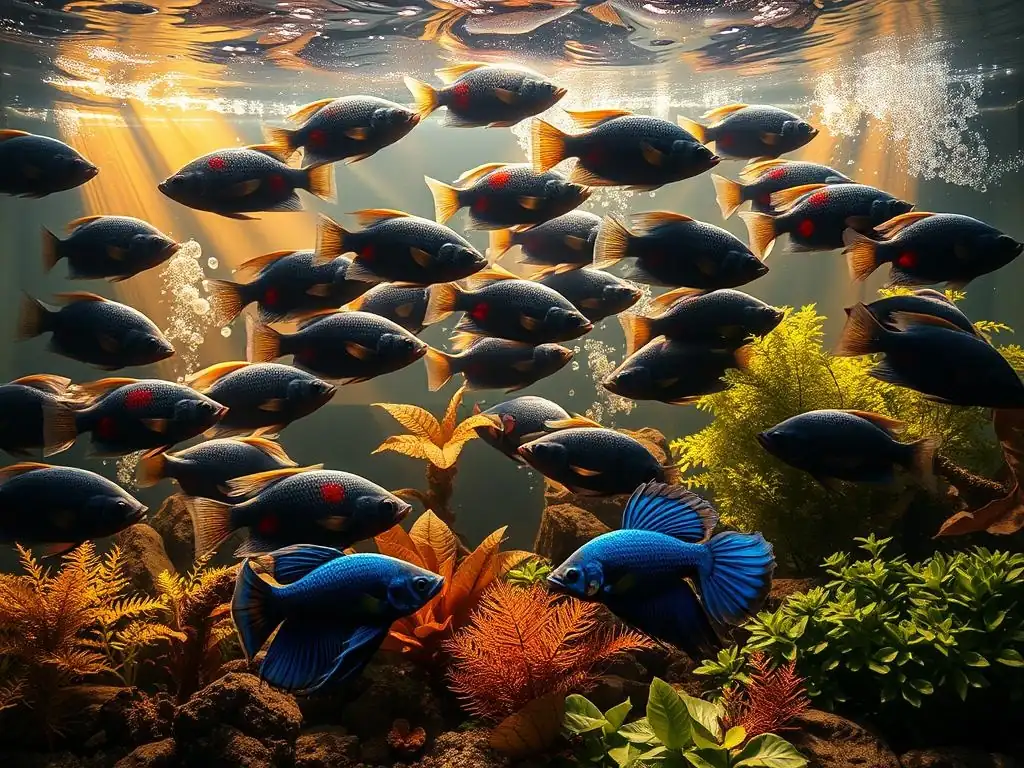
Welcome to Aquarium Mastery!
Ever noticed a worrying red blotch on your Corydoras? Don't panic! We understand the concern. This can be a sign of a common (but treatable) issue. Dive into our comprehensive guide on Corydoras red blotch treatment and learn how to identify, treat, and prevent this ailment, ensuring a healthy and thriving environment for your beloved bottom-dwellers. Ready to get started and restore your Cory's health?
- Corydoras Bacterial Infections: Identification, Treatment, and Prevention
- Understanding Corydoras Bacterial Infections
- Causes and Risk Factors of Bacterial Infections in Corydoras
- Corydoras Bacterial Infection Treatment: A Comprehensive Guide
- Preventing Bacterial Infections in Corydoras: Proactive Measures
- Long-Term Care and Recovery After Bacterial Infection Treatment
- Frequently Asked Questions
- Final Reflection: Healing the Healers
- Ignite Your Corydoras Care: Shield Your Fish!
Corydoras Bacterial Infections: Identification, Treatment, and Prevention
Understanding Corydoras Bacterial Infections
What are Common Bacterial Infections in Corydoras?
Bacterial infections are a significant concern for Corydoras catfish, often arising from opportunistic pathogens that thrive in suboptimal aquarium conditions. Common culprits include Gram-negative bacteria such as Aeromonas, Pseudomonas, and Flexibacter species. While these bacteria are naturally present in aquatic environments, they can become pathogenic when fish are stressed or immunocompromised, leading to conditions like fin rot, body ulcers, and systemic infections.
Among the most alarming bacterial issues is "Red Blotch Disease," which is not a single disease but rather a symptomatic manifestation of severe underlying systemic bacterial infections, frequently caused by these opportunistic Gram-negative bacteria. This condition often indicates septicemia, where bacteria have entered the bloodstream, leading to widespread inflammation and hemorrhaging beneath the skin. Effective Corydoras red blotch treatment is critical, as the disease can progress rapidly and prove fatal if not addressed promptly and aggressively.
Identifying Symptoms of Bacterial Infections in Corydoras Catfish
Identifying bacterial infections in Corydoras early is crucial for successful intervention. General symptoms often include lethargy, decreased appetite, clamped fins held close to the body, and abnormal swimming patterns such as darting or gasping at the surface. Externally, aquarists might observe fin rot, characterized by frayed or disintegrating fins, cloudy eyes, or opaque patches on the body. Ulcers, which are open sores on the skin, may also develop, sometimes accompanied by a white or grey film.
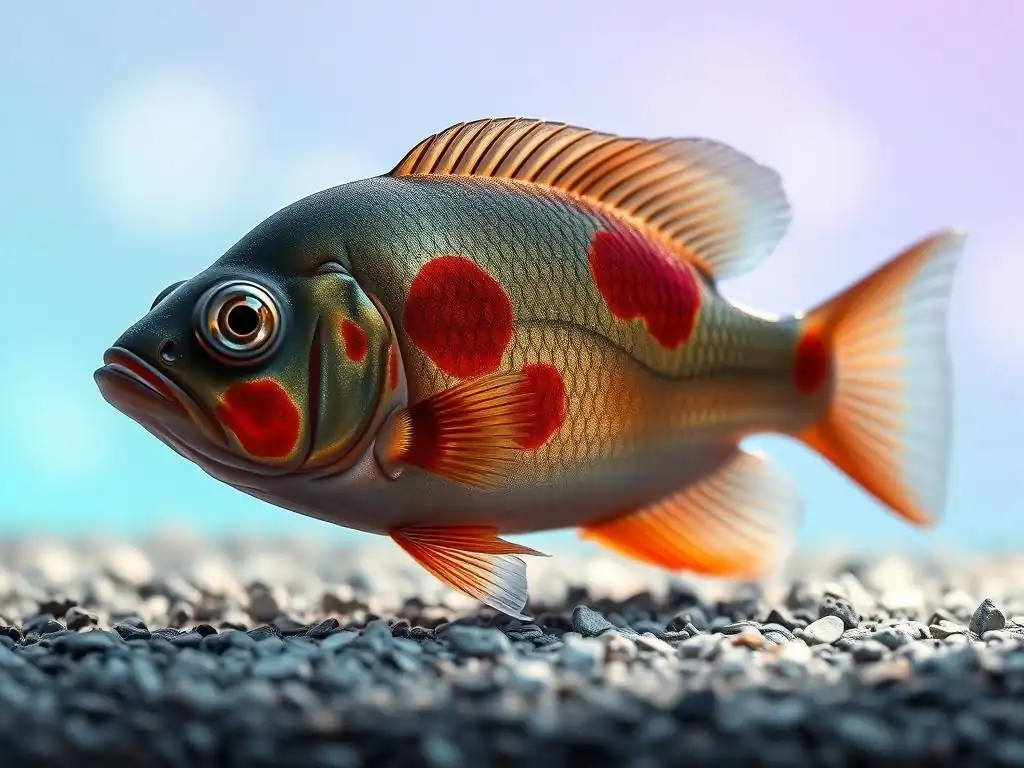
Specifically for Red Blotch Disease, the most prominent symptom is the appearance of inflamed, reddish patches on the fish's body, particularly on the belly, flanks, or around the gill plates. These blotches can range from faint pink to deep crimson and may be accompanied by swelling, raised scales, or even open hemorrhagic lesions in advanced stages. Other signs can include a swollen abdomen (ascites) if internal organs are affected, or general discoloration and a loss of the fish's natural vibrancy.
Distinguishing Bacterial Infections from Other Corydoras Diseases
Differentiating bacterial infections from fungal or parasitic diseases is vital for administering the correct Corydoras red blotch treatment. Fungal infections typically present as white, cotton-like growths on the body or fins, often appearing fuzzy or slimy. Unlike bacterial red blotches, fungal growths are usually superficial and lack the deep tissue inflammation or distinct redness associated with bacterial septicemia.
Parasitic infections, such as Ich (white spot disease) or velvet, are characterized by small, distinct spots or a dusty appearance on the fish's body and fins. External parasites like flukes might cause excessive mucus production or "flashing" (rubbing against tank decor), but generally do not result in the widespread, deep-seated red inflammation seen in bacterial red blotch. Bacterial infections, especially those causing red blotches, are marked by a rapid deterioration of the fish's condition and require specific antibiotic interventions, unlike treatments for fungi or parasites.
Causes and Risk Factors of Bacterial Infections in Corydoras
Poor Water Quality and Bacterial Infections
Poor water quality is arguably the leading cause of bacterial infections in aquarium fish, including Corydoras. High levels of ammonia (even 0.25 ppm), nitrite (any detectable amount), or consistently elevated nitrates (above 40 ppm) compromise a fish's immune system, making them highly susceptible to opportunistic bacterial pathogens like Aeromonas and Pseudomonas. These toxins stress the fish's gills and skin, creating entry points for bacteria.
Furthermore, fluctuating pH levels or rapid temperature changes (e.g., more than 2-3°F per day) can also induce stress and weaken the fish's natural defenses. For instance, a Corydora living in a tank with prolonged nitrate levels of 60 ppm will have a significantly diminished immune response compared to one in pristine water, making it far more likely to succumb to a bacterial infection such as red blotch.
Stress and Its Impact on Corydoras Immune Systems
Beyond water quality, various environmental and social stressors can severely impact a Corydora's immune system, paving the way for bacterial infections. Overcrowding, for example, placing 10 Corydoras in a 10-gallon tank when a minimum of 20 gallons is recommended for a schooling group of six, leads to increased waste production and competition, elevating stress levels. Incompatible or aggressive tank mates, such as nippy barbs or large cichlids, can also cause chronic stress by constantly harassing the peaceful Corydoras.
Improper diet, lack of suitable hiding spots, or frequent disturbances can further compound stress. A Corydora experiencing chronic stress due to, for instance, constant chasing by a semi-aggressive fish, will divert energy from its immune system to stress response. This leaves it vulnerable to common environmental bacteria, which can then proliferate and cause severe conditions like red blotch disease, even if water parameters are otherwise acceptable.
Introduction of Infected Fish
One of the most common ways bacterial infections enter an established aquarium is through the introduction of new, unquarantined fish. Even seemingly healthy fish can carry latent bacterial pathogens or be asymptomatic carriers, especially when stressed by transport and new environments. These pathogens, including those responsible for red blotch, can then rapidly spread to the existing tank inhabitants, particularly if the resident Corydoras are already under subtle stress.
For example, a new group of Corydoras purchased from a pet store might have been exposed to various pathogens during their journey or in crowded holding tanks. Introducing these fish directly into a display tank without a quarantine period of at least two to four weeks risks a widespread outbreak. This direct transmission can quickly overwhelm the immune systems of the established fish, leading to a cascade of infections requiring swift Corydoras red blotch treatment for the entire group.
Substrate and Bacterial Growth
The type and maintenance of the aquarium substrate play a significant role in the proliferation of harmful bacteria, especially for bottom-dwelling Corydoras. Fine sand or gravel, while aesthetically pleasing, can trap detritus, uneaten food, and fish waste if not regularly cleaned. This organic matter decomposes, creating anaerobic pockets within the substrate that foster the growth of pathogenic bacteria.
Corydoras, with their constant foraging and sifting through the substrate, are directly exposed to these bacterial hotspots. A tank with a deep, uncleaned gravel bed, for instance, can accumulate substantial amounts of organic waste over weeks, becoming a breeding ground for bacteria like Aeromonas. This continuous exposure can lead to skin irritations, fin erosion, and eventually systemic bacterial infections, including red blotch, as pathogens enter through minor abrasions or compromised skin.
Corydoras Bacterial Infection Treatment: A Comprehensive Guide
Immediate Actions Upon Identifying Infection
Upon noticing symptoms of a bacterial infection, especially red blotch, immediate action is paramount for the survival of your Corydoras. The very first step is to isolate the infected fish into a dedicated hospital tank. This prevents the spread of the infection to other tank inhabitants and allows for precise medication dosages without harming the main tank's beneficial bacterial colony. Simultaneously, perform a significant water change in the main display tank—typically 30-50%—to reduce the overall bacterial load and dilute any lingering toxins.
After isolation, immediately test the water parameters in both the hospital and main tanks. Ensure ammonia and nitrite levels are at 0 ppm and nitrates are below 20 ppm. Gradually increase the water temperature in the hospital tank to the higher end of the Corydora's preferred range, usually 78-80°F (25.5-26.5°C), as warmer water can boost metabolism and potentially aid in fighting off infection. Provide ample aeration with an air stone to ensure high oxygen levels, which are crucial for a stressed fish's recovery during Corydoras red blotch treatment.
Water Parameter Adjustments for Treatment
Maintaining pristine and stable water parameters in the hospital tank is as crucial as medication for successful bacterial infection treatment. During the treatment period, aim for absolutely zero ammonia and nitrite, and keep nitrates as low as possible, ideally below 10 ppm. This often necessitates daily small water changes, perhaps 10-20% of the hospital tank's volume, to remove waste and maintain water quality, especially since medications can sometimes impact the nitrogen cycle.
Beyond chemical parameters, ensure the pH remains stable within the Corydora's preferred range (typically 6.0-7.5, depending on species) and avoid any sudden temperature fluctuations. Consistency is key; large swings in pH (more than 0.2 units per day) or temperature (more than 2°F per day) can further stress the already compromised fish, hindering its ability to recover. Optimal and stable water conditions directly support the fish's immune system, allowing it to better combat the infection alongside the administered Corydoras red blotch treatment.
Effective Medications for Corydoras Bacterial Infections
When dealing with bacterial infections in Corydoras, especially those manifesting as red blotch, broad-spectrum antibiotics are often the initial choice due to the difficulty of rapid bacterial strain identification in a home aquarium setting. Products containing active ingredients such as nitrofurazone, kanamycin, or erythromycin are widely used and can be effective against a range of Gram-negative and Gram-positive bacteria. It is imperative to select medications specifically formulated for aquarium use and to follow the manufacturer's dosage instructions meticulously.
For severe cases of red blotch, which often indicate a systemic infection, a combination of antibiotics might be recommended by an aquatic veterinarian or experienced aquarist. For instance, a bath treatment using a product like Furan-2 (containing nitrofurazone) can be effective for external lesions, while simultaneously using an internal medication if the fish is still eating, or a different antibiotic like Kanamycin that can be absorbed through the gills. Always ensure the chosen medication is safe for scaleless fish like Corydoras, as some medications can be toxic to them.
Antibiotics for Specific Bacterial Strains
Ideally, the most effective approach to treating bacterial infections involves a culture and sensitivity test performed by an aquatic veterinarian. This test identifies the specific bacterial strain causing the infection and determines which antibiotics will be most effective against it, minimizing the use of broad-spectrum drugs and reducing the risk of antibiotic resistance. However, this is often not feasible for the average hobbyist due to cost and accessibility.
In the absence of specific testing, medication choices are often based on the most common pathogens and observed symptoms. For Gram-negative bacteria, which are frequently implicated in severe conditions like red blotch, medications containing minocycline (e.g., Maracyn 2) or nitrofurazone (e.g., Furan-2) are often effective. For presumed Gram-positive infections, erythromycin (e.g., Maracyn 1) might be considered. It's crucial to understand that these are educated guesses, and careful observation of the fish's response to the chosen Corydoras red blotch treatment is essential.
Quarantine and Isolation Procedures
Effective quarantine and isolation procedures are fundamental to successful Corydoras red blotch treatment and overall disease management. A dedicated hospital tank, typically 5-10 gallons for a few Corydoras, is essential. This tank should be bare-bottom for easy cleaning, equipped with a reliable heater to maintain stable temperatures, and an air stone for optimal oxygenation. Avoid using substrate or elaborate decorations, as they can absorb medication and harbor bacteria, hindering treatment effectiveness.
Once the infected Corydora is carefully transferred to the hospital tank, administer medication strictly according to the product's instructions. Monitor the fish's behavior and water parameters daily throughout the treatment period. Continue isolation for at least 7-10 days after all visible symptoms have disappeared to ensure complete recovery and prevent any relapse or reintroduction of pathogens to the main tank. This diligent approach significantly increases the chances of a full recovery and prevents future outbreaks.
Preventing Bacterial Infections in Corydoras: Proactive Measures
Maintaining Optimal Water Quality
Maintaining optimal water quality is the cornerstone of preventing bacterial infections, including red blotch, in Corydoras. This involves consistent and accurate monitoring of key water parameters: ammonia, nitrite, and nitrate. Ammonia and nitrite should always be at 0 parts per million (ppm), while nitrates should be kept below 20 ppm, ideally below 10 ppm for long-term health. Using a reliable liquid test kit, rather than less accurate test strips, is crucial for precise readings.
Furthermore, a well-established and mature biological filter is essential for processing nitrogenous waste and preventing toxin buildup. Avoid aggressive cleaning of filter media that could destroy beneficial bacterial colonies. Stable pH and temperature also contribute significantly to water quality, preventing stress that can weaken a Corydora's immune system. Consistent pristine water conditions are the best defense against opportunistic bacterial pathogens.
Regular Water Changes and Substrate Cleaning
Regular water changes and meticulous substrate cleaning are indispensable practices for preventing bacterial infections in Corydoras. For most Corydoras tanks, a weekly water change of 25-30% of the tank volume is recommended. In heavily stocked tanks or those with larger fish, a 50% weekly or even bi-weekly change might be necessary to keep nitrate levels low and replenish essential minerals.
During water changes, use a gravel vacuum to thoroughly clean the substrate. For gravel, agitate it to release trapped detritus. For sand, gently "sift" the top layer with the vacuum to remove accumulated waste, being careful not to disturb the anaerobic layers too much. This routine removal of organic matter prevents the buildup of harmful bacteria and reduces the overall pathogen load in the aquarium, significantly lowering the risk of issues like red blotch disease.
Quarantine New Fish
Implementing a strict quarantine protocol for all new fish, plants, or invertebrates is arguably the single most effective measure to prevent the introduction of diseases, including bacterial infections, into your main display tank. A dedicated quarantine tank, even a small 5-gallon setup, should be used for a minimum period of two to four weeks for all new aquatic inhabitants before they are introduced to the main aquarium.
During this quarantine period, meticulously observe the new arrivals for any signs of disease, such as red blotches, clamped fins, lethargy, or abnormal behavior. If any symptoms appear, treat them in the quarantine tank. This proactive measure prevents the spread of pathogens to your established Corydoras population, saving you the stress and expense of widespread Corydoras red blotch treatment in your main aquarium.
Choosing Healthy Corydoras
The health of your Corydoras begins at the point of purchase. When selecting new fish, take the time to observe them carefully in the pet store. Look for active, alert fish that are swimming naturally and exhibiting typical Corydora schooling behavior. Their fins should be intact and spread, their eyes clear, and their bodies free from any visible lesions, abrasions, or red blotches. Avoid fish that are listless, hiding excessively, or show any signs of disease.
Furthermore, extend your observation to the entire tank from which you are considering purchasing fish. If other fish in the same tank display symptoms of illness, even if the specific Corydora you are interested in appears healthy, it is best to avoid purchasing any fish from that tank. The presence of sick fish indicates a high pathogen load in the water, increasing the likelihood that even seemingly healthy fish are carriers. Starting with robust, healthy specimens significantly reduces the chances of needing Corydoras red blotch treatment later on.
Proper Nutrition
A balanced and high-quality diet is fundamental to bolstering the immune system of your Corydoras, making them more resilient to bacterial infections. Corydoras are omnivores, and their diet should primarily consist of sinking pellets or wafers specifically formulated for bottom feeders, ensuring they receive adequate nutrition without competing with mid-water or surface feeders. Supplement this staple diet with occasional live or frozen foods such as bloodworms, brine shrimp, or daphnia, which provide essential proteins and nutrients.
Avoid overfeeding, as uneaten food quickly decomposes and contributes to poor water quality, a major risk factor for bacterial diseases. A consistent feeding schedule, typically once or twice a day with an amount they can consume within a few minutes, is ideal. A well-nourished Corydora, receiving all necessary vitamins and minerals, will have a robust immune system capable of fighting off opportunistic bacteria, thereby minimizing the risk of developing conditions like red blotch.
Long-Term Care and Recovery After Bacterial Infection Treatment
Monitoring Corydoras After Treatment
Even after the visible symptoms of a bacterial infection, such as red blotch, have subsided and the course of medication is complete, continuous monitoring of your Corydoras is crucial for long-term health. The recovery period can be as critical as the treatment itself. Observe the fish for several weeks following treatment for any subtle signs of relapse, such as a return of lethargy, changes in appetite, or the reappearance of any blotches or lesions.
Pay close attention to their behavior. A fully recovered Corydora should be active, engaging with its school, foraging naturally, and eagerly accepting food. Any deviation from these normal behaviors, such as prolonged hiding, gasping, or a lack of interest in food, could indicate a lingering infection or a compromised immune system that requires further attention. Consistent observation allows for early detection of any issues, preventing minor setbacks from escalating.
Supportive Care to Boost Immunity
Post-treatment, providing supportive care is vital to help your Corydoras fully recover and rebuild their immune systems. This primarily involves maintaining impeccable water quality: consistently zero ammonia and nitrite, and nitrates below 10-20 ppm. Regular, smaller water changes (e.g., 20% twice a week) can be more beneficial than larger, less frequent ones during this recovery phase, as they minimize stress while keeping parameters stable.
Enhance their diet with high-quality, vitamin-enriched foods. Consider supplementing their sinking pellets with frozen foods soaked in liquid vitamin supplements or offering foods naturally rich in immune-boosting compounds like spirulina or garlic extract. Ensuring a stable and stress-free environment, with appropriate tank mates and plenty of hiding spots, also contributes significantly to their long-term well-being and resilience against future bacterial challenges.
Preventing Recurrence of Bacterial Infections
Preventing the recurrence of bacterial infections, especially devastating ones like red blotch, requires a steadfast commitment to the proactive measures discussed earlier. These are not merely temporary solutions but permanent practices that form the foundation of a healthy aquarium. Regular, meticulous tank maintenance, including consistent water changes and thorough substrate cleaning, is paramount to keeping bacterial loads low.
Furthermore, adherence to strict quarantine protocols for all new fish, plants, and decor entering your aquarium is non-negotiable. It helps prevent the introduction of new pathogens that could trigger another outbreak. Finally, identify and rectify the root cause of the initial infection. For instance, if overcrowding was a contributing factor, consider rehoming some fish or upgrading to a larger tank to reduce stress and improve overall water quality, thereby drastically minimizing the chances of needing further Corydoras red blotch treatment.
Frequently Asked Questions
What exactly is Red Blotch Disease in Corydoras?
Red Blotch Disease, also known as Septicemia, is a bacterial infection affecting Corydoras. It manifests as red sores or blotches on their bodies and fins, often indicating poor water quality or stress.
How can I identify Red Blotch Disease in my Corydoras?
Look for distinct red patches or lesions on the body, fins, or barbels of your Corydoras. Other symptoms include lethargy, loss of appetite, and clamped fins, suggesting a systemic infection.
What are the primary causes of Red Blotch Disease?
The main causes are poor water parameters, such as high ammonia or nitrite levels, and stressful conditions like overcrowding or aggressive tank mates. These factors weaken the Corydoras' immune system, making them susceptible to bacterial infections.
What treatment options are available for Corydoras with Red Blotch Disease?
Treatment typically involves improving water quality through frequent water changes and using antibacterial medications specifically designed for fish. Quarantine the affected Corydoras to prevent further spread of the infection.
How can I prevent Red Blotch Disease in my Corydoras aquarium?
Preventative measures include maintaining pristine water conditions through regular water changes and proper filtration. Avoid overcrowding the tank and ensure a balanced diet to boost their immune system.
Final Reflection: Healing the Healers
The information presented throughout this article underscores the critical need for proactive and informed care when dealing with Corydoras red blotch disease. The prevalence of this ailment, coupled with the often-devastating consequences of delayed or incorrect treatment, highlights the responsibility we bear as aquarists to understand and address the health challenges faced by these beloved bottom-dwellers. The ability to accurately diagnose and effectively implement a Corydoras red blotch treatment is not merely a skill, but a testament to our commitment to the well-being of these often-overlooked members of our aquatic ecosystems.
The impact of red blotch disease extends beyond individual fish; it reflects a broader understanding of responsible fishkeeping and the interconnectedness of our aquariums. Witnessing the resilience of a Corydoras recovering from this disease is a powerful reminder of the delicate balance within our tanks and the profound impact we have on their lives. The greatness of a nation and its moral progress can be judged by the way its animals are treated.
- Mahatma Gandhi. This quote, though broader in scope, resonates deeply with the ethos of responsible aquaristics, urging us to treat all creatures, great and small, with compassion and respect.
Now, armed with this knowledge, I encourage you to reflect on your own practices and consider how you can contribute to a healthier future for Corydoras. Whether it's through diligent observation, proactive quarantine measures, or simply sharing this information with fellow aquarists, every action counts. Let us strive to create environments where these fascinating fish can thrive, free from the suffering caused by preventable diseases. Embrace the responsibility, and become a champion for the health and well-being of your Corydoras.
Ignite Your Corydoras Care: Shield Your Fish!
Thanks for diving into the world of Corydoras and red blotch disease! Now that you’re equipped with the knowledge to identify and understand this condition, let's turn that knowledge into action to ensure your Corydoras thrive.
- Implement a quarantine protocol for new additions to prevent future outbreaks.
- Share this article with fellow aquarium enthusiasts to spread awareness and help them safeguard their Corydoras.
- Consider documenting your experiences with Corydoras health in an online forum to help others learn.
What specific preventative measures will you adopt this week to bolster the health of your Corydoras?